
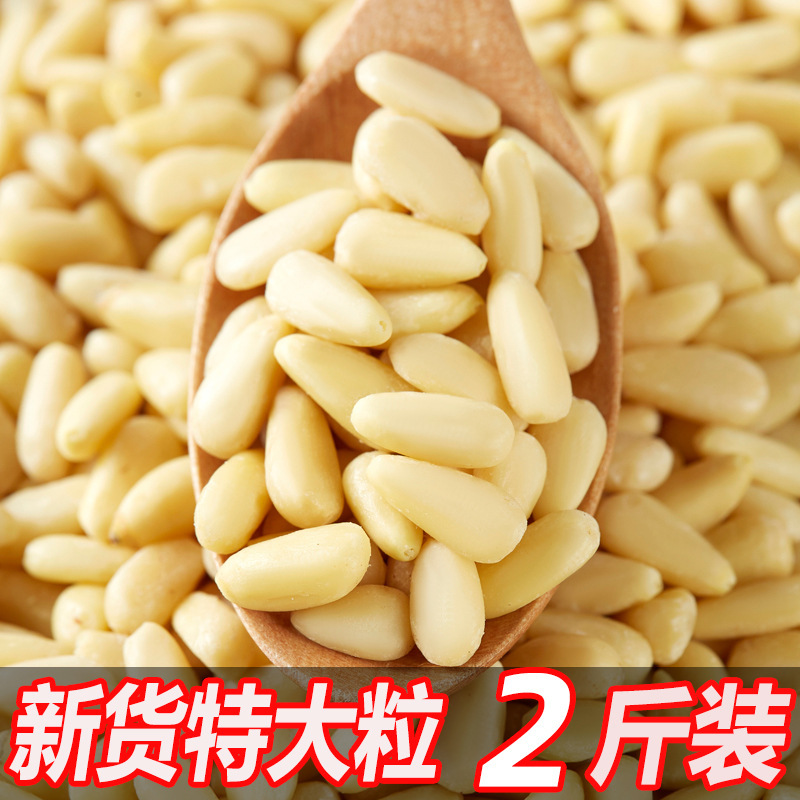
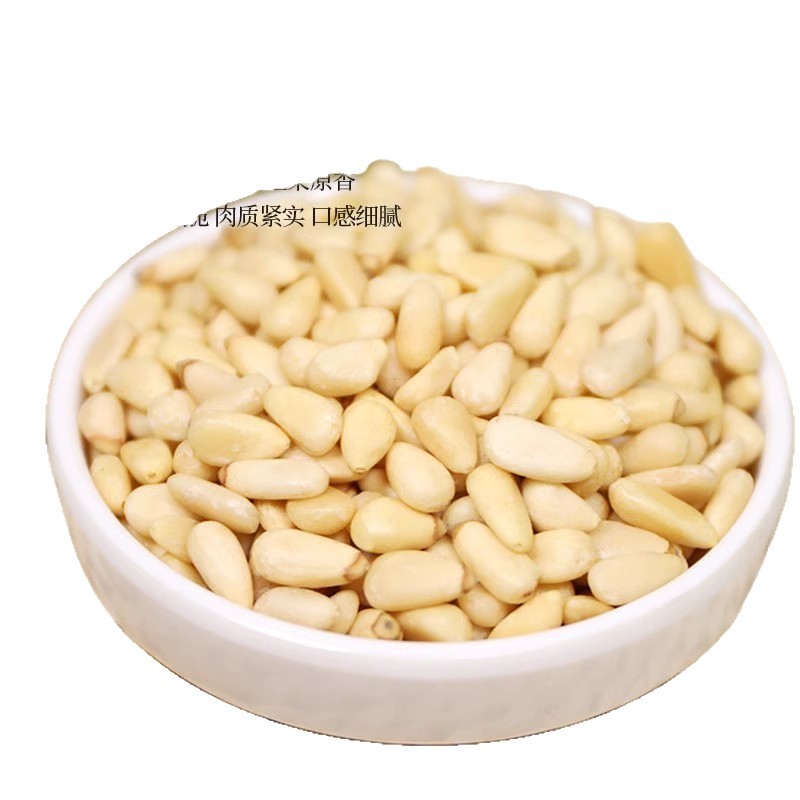
Dried Korean Pine Nut Kernels Song Zi Ren 2025 New Crop Hand Shelled Raw or Roasted Northeast China
Price range: $6.94 through $49.57
Description
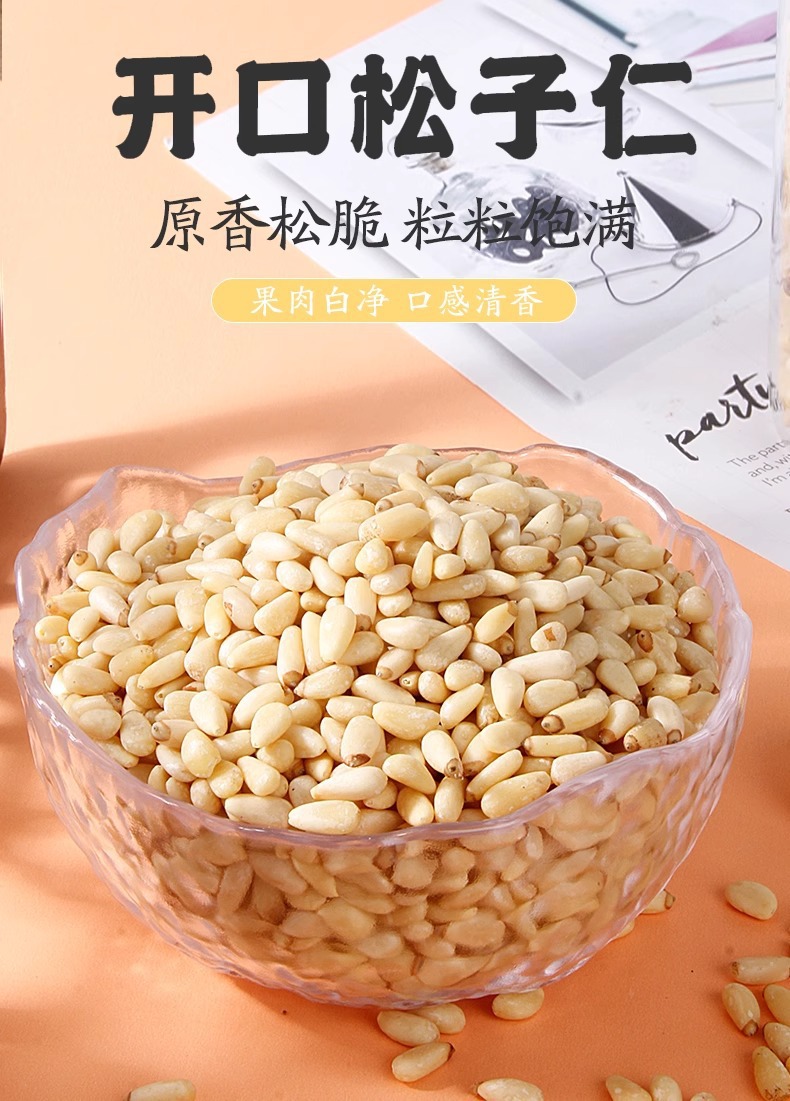
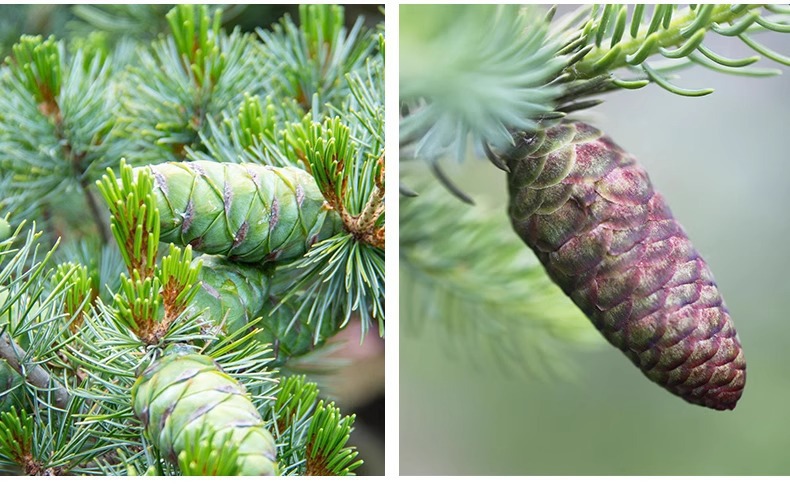
Dried Korean Pine Nut Kernels, known in TCM as Song Zi Ren (松子仁), from Pinus koraiensis. These hand-shelled nut kernels from Northeast China are a classic traditional herbal food valued in TCM for their sweet, warm nature and Lung and Large Intestine channel entry. Traditionally used to support moistening and nourishment, they are eaten raw or lightly roasted as a daily snack or added to congee and soups.
Key Selling Points
- Identified in TCM as Song Zi Ren (松子仁), the kernel of Pinus koraiensis
- 2025 new-crop kernels sourced from Northeast China
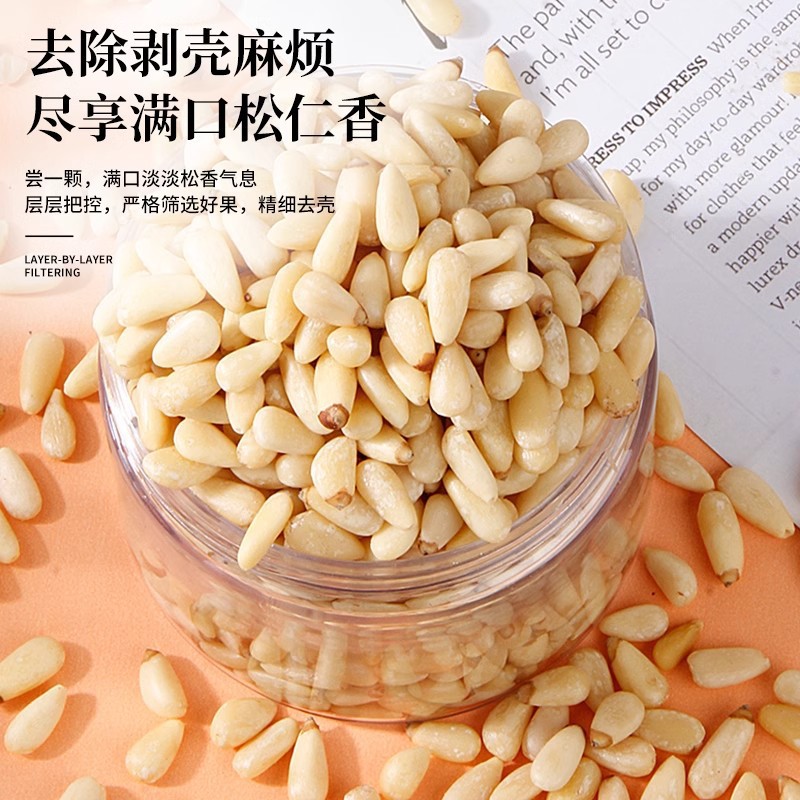
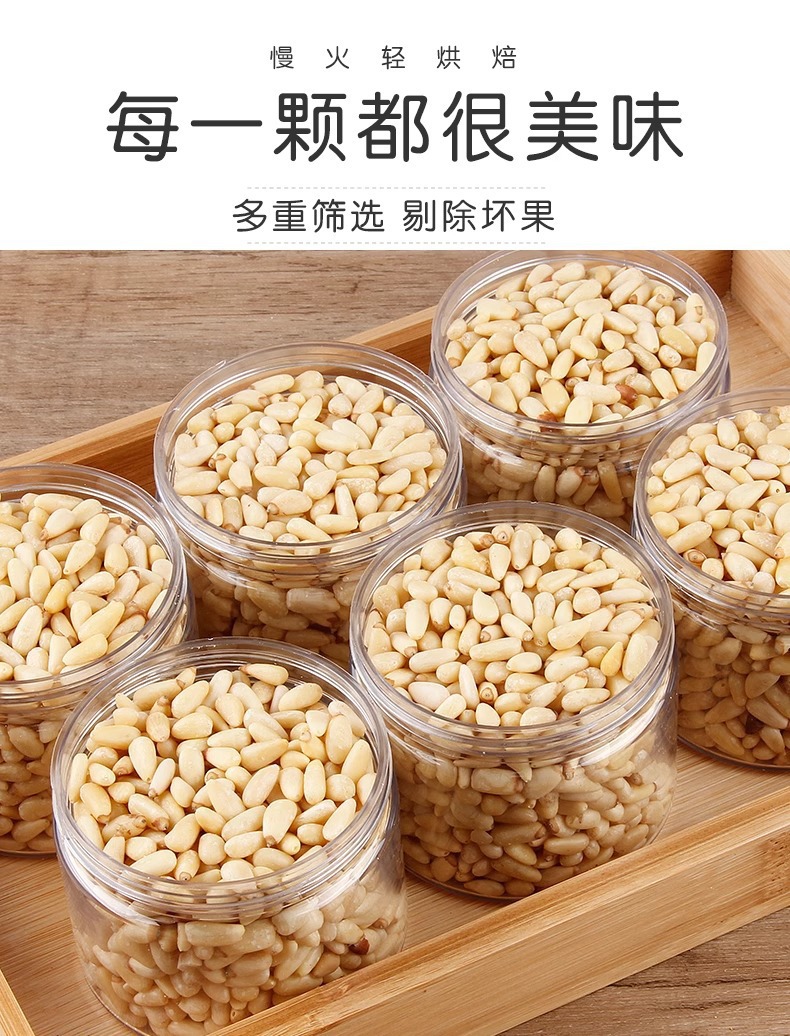
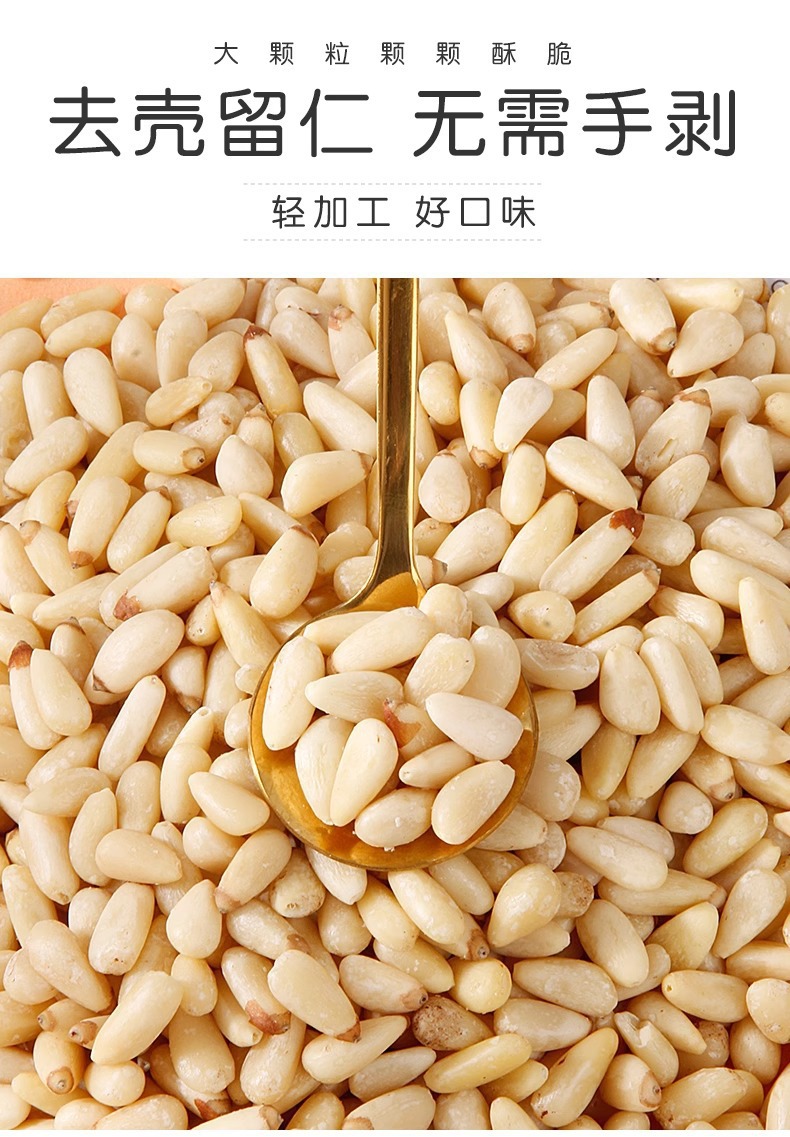
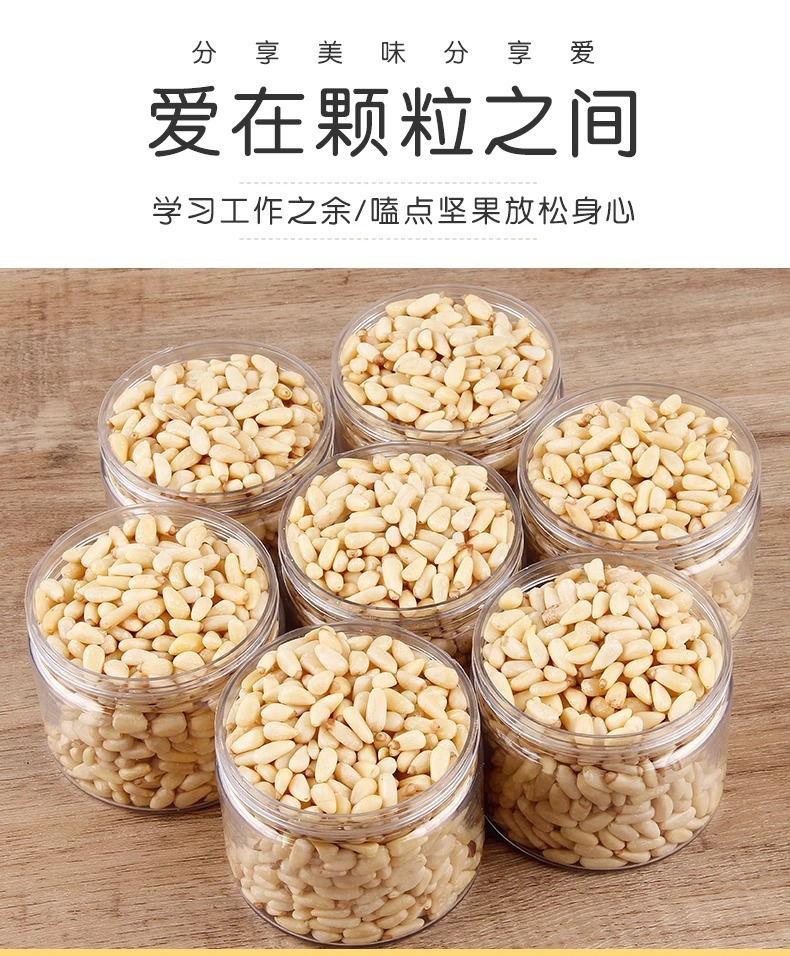
- Hand-shelled kernels with shells removed for direct use
- Available raw or roasted in a natural original flavor
- Traditionally used in TCM for moistening and nourishing support
Quality & Sensory
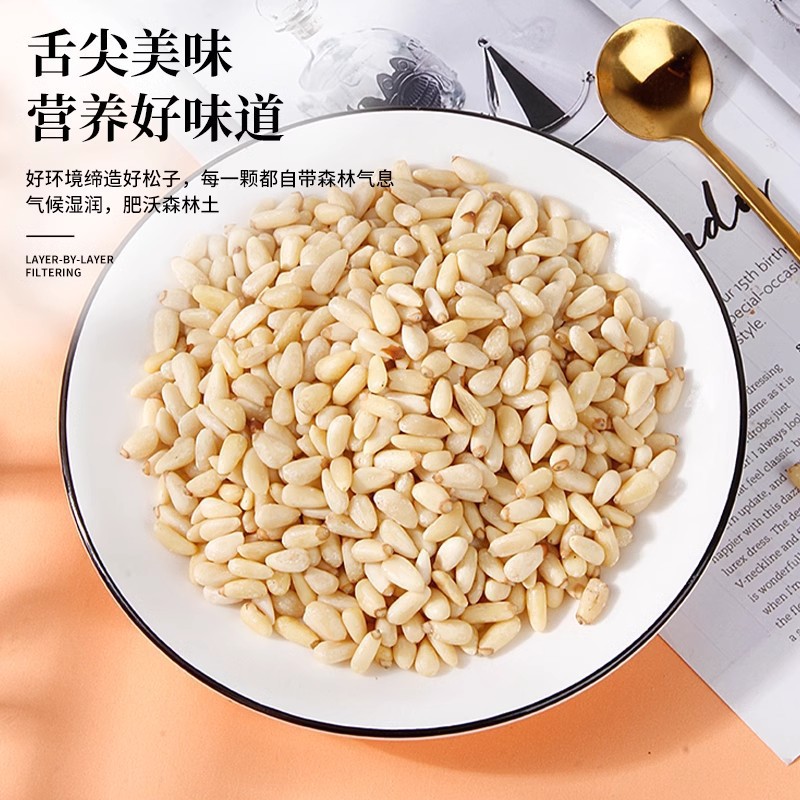
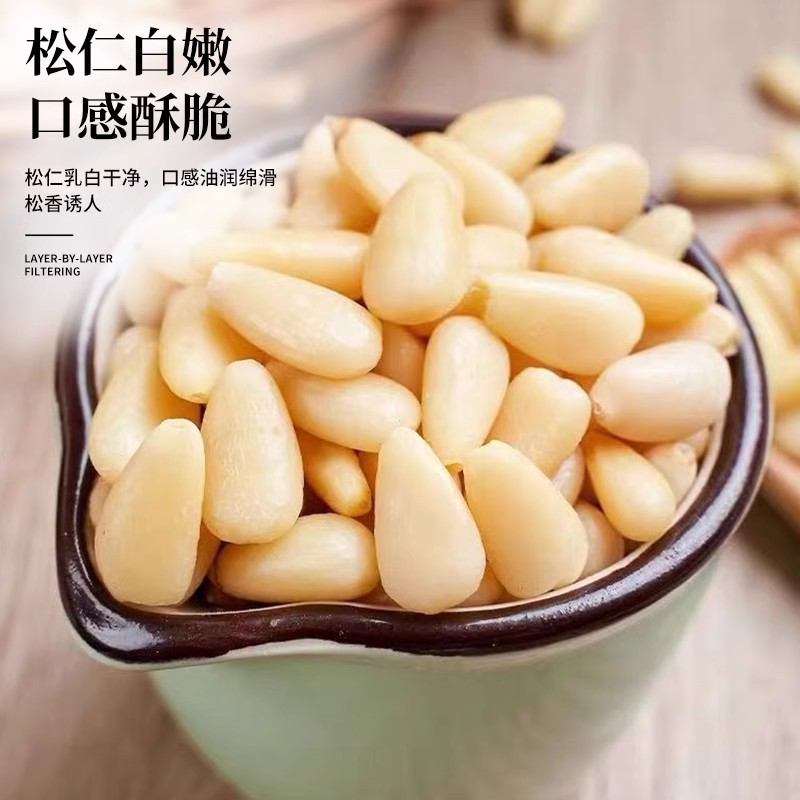
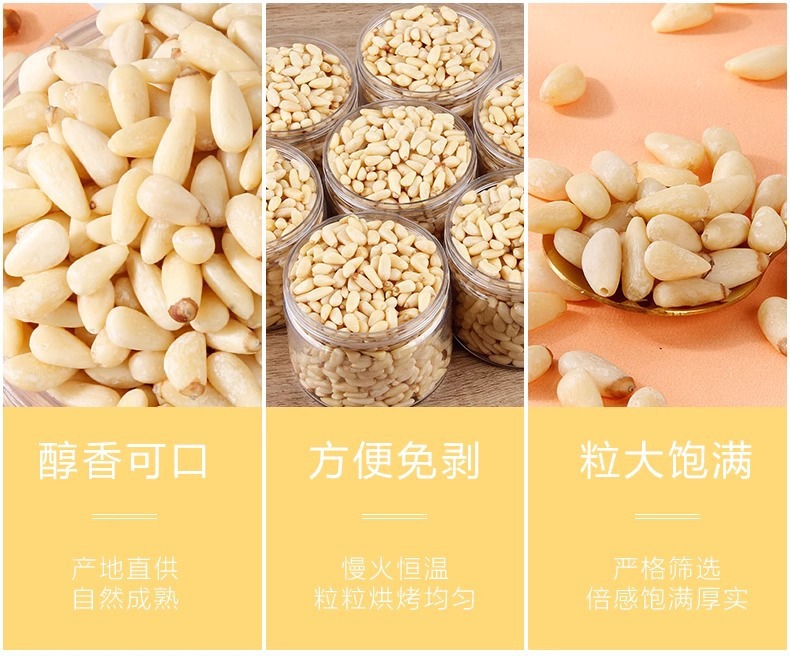
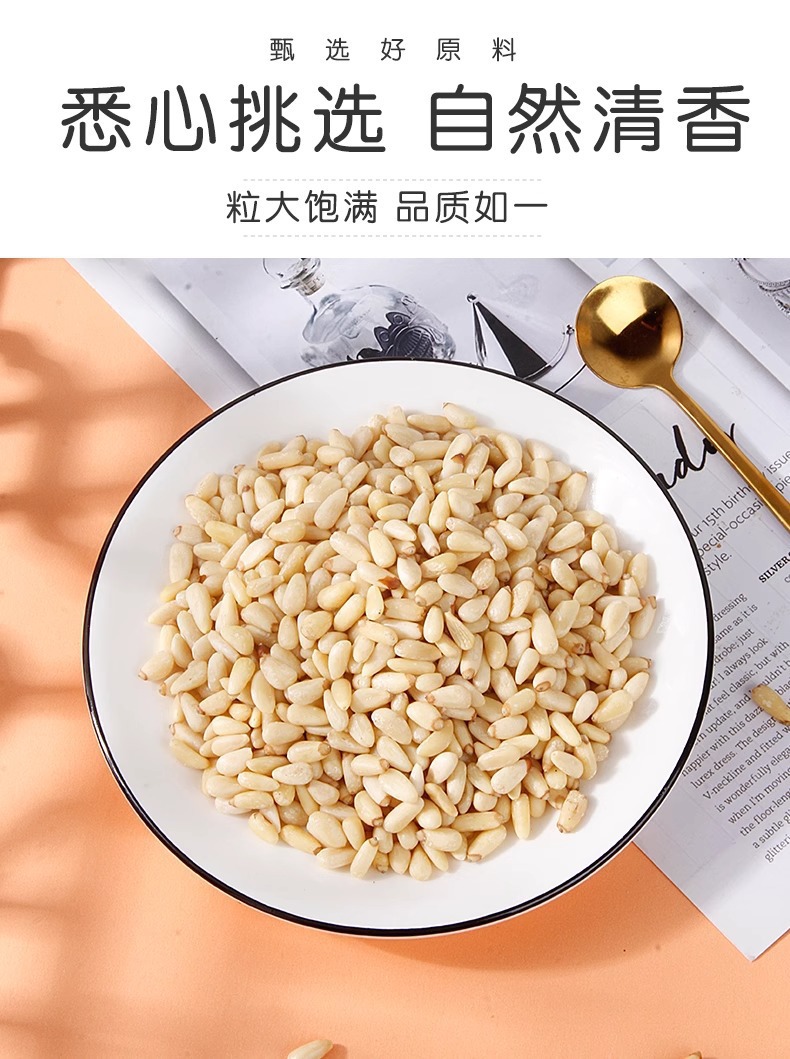
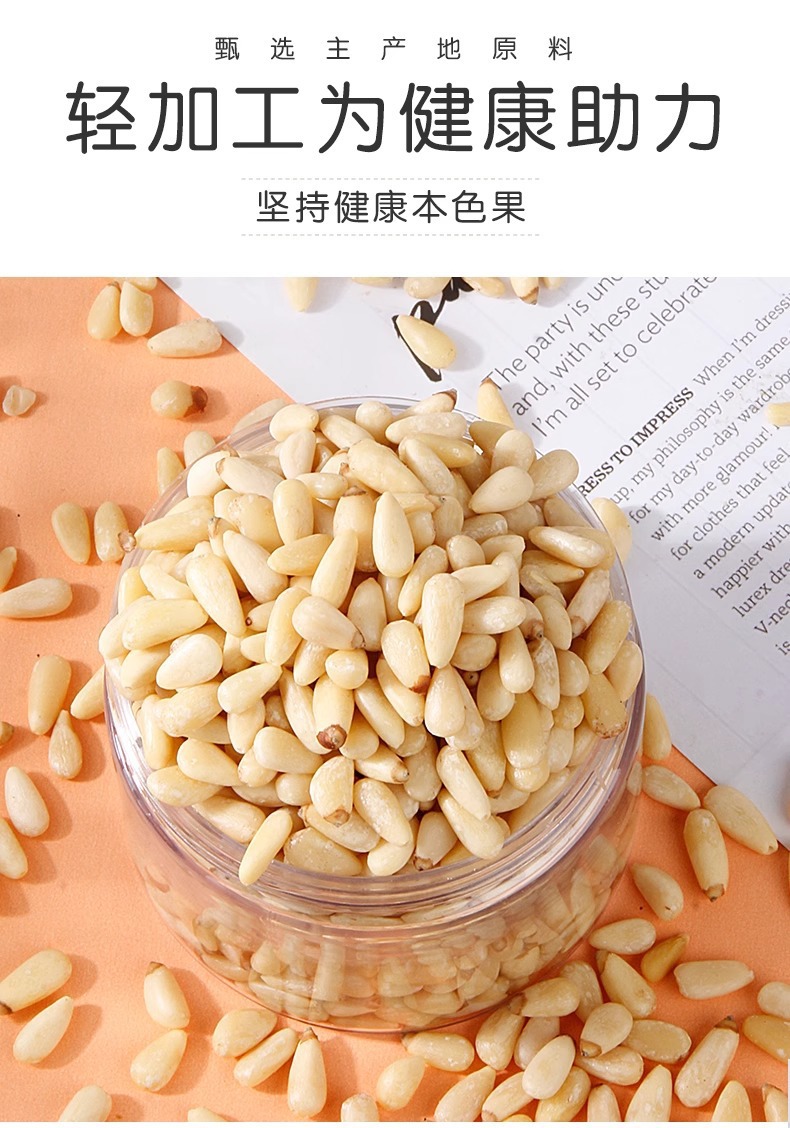
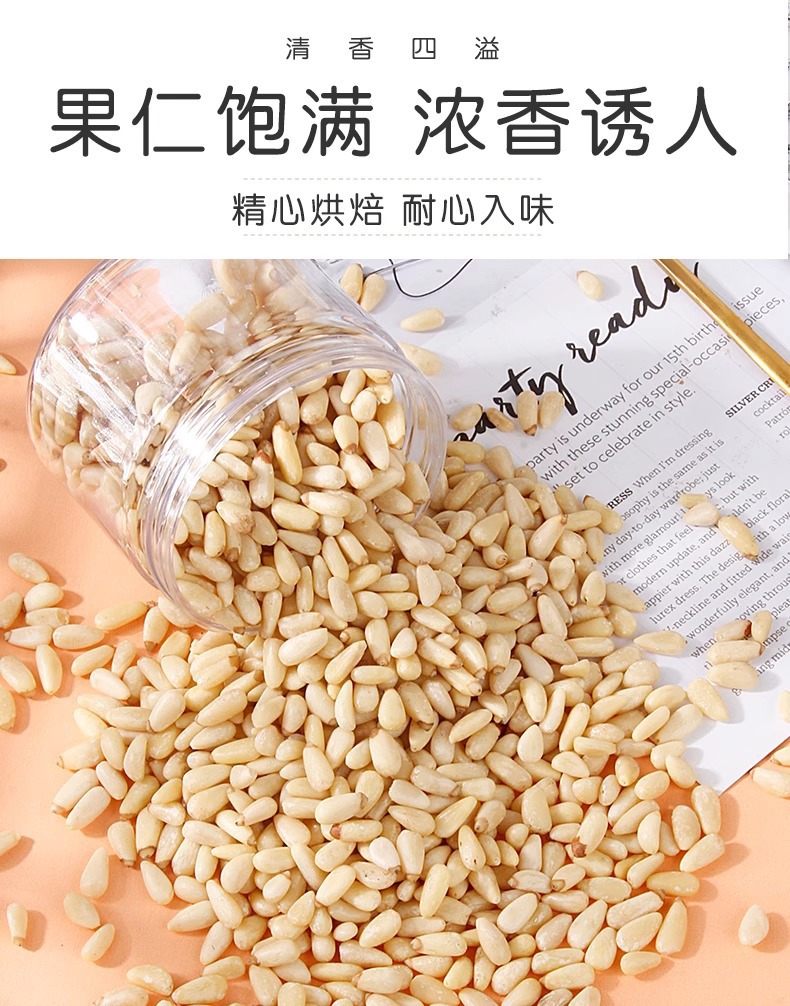
These pine nut kernels are typically ivory to pale cream in color with a smooth, slightly oily surface. They have a mild, delicate pine aroma and a soft, buttery texture. Raw kernels taste lightly sweet and resinous, while roasted kernels develop a warmer, nuttier flavor.
Technical Specifications
| Product Type | Dried pine nut kernels |
|---|---|
| Chinese Name | 松子仁 |
| Pinyin | Song Zi Ren |
| Botanical Name | Pinus koraiensis |
| Plant Part | Seed kernel |
| Form | Hand-shelled kernels, raw or roasted |
Usage Scenarios
- Eaten as a daily snack
- Added to congee
- Used in soups
- Included in baked goods
- Sprinkled over salads
Traditional Uses
In TCM theory, Song Zi Ren is considered sweet and warm, entering the Lung and Large Intestine channels. It is traditionally used to support moistening of the intestines and to nourish the lungs. Common folk preparations include pine nut congee, pine nut soups, and honeyed pine nut pastes, often paired with walnuts or black sesame for added nourishment.
FAQ Q&A
Q: What is this product?
A: It is dried Korean pine nut kernels, known in TCM as Song Zi Ren (松子仁), from Pinus koraiensis.
Q: What is its traditional value?
A: In TCM theory it is considered sweet and warm, associated with the Lung and Large Intestine channels, and traditionally used for moistening and nourishing support.
Q: How is it commonly used?
A: It can be eaten raw or roasted as a snack, or added to congee, soups, and baked goods.
Additional information
| Weight | N/A |
|---|---|
| Dimensions | N/A |
| Model | 特级特大颗粒 新货松子仁250g, 特级特大颗粒 新货松子仁500g, 特级特大颗粒 新货松子仁1000g 超值购, 新货原味无坏籽 巴西松子250g 1罐, 新货原味无坏籽 巴西松子250g 2罐, 新货原味无坏籽 巴西松子250g 4罐 超值购, 袋装尝鲜 松子仁100g, 袋装试用 松子仁50g量少 不推荐 |
Related products
-
Ningxia Goji Berries Gou Qi Zi 500g Dried Red Wolfberry for Tea Soup and Snacking
Price range: $7.20 through $16.44 -
Dried Mugwort Leaf Ai Ye 500g Chinese Herbal Bath Foot Soak and Smoke Cleansing Herb
Price range: $4.77 through $5.25 -
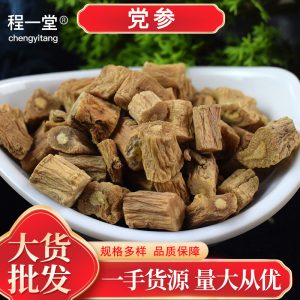
Dried Codonopsis Root Slices Dang Shen 500g Bulk Supply for Soups and Herbal Decoctions
Price range: $10.28 through $18.06 -
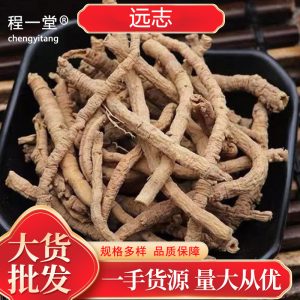
Dried Polygala Root Yuan Zhi 500g Traditional Chinese Herb for Decoction
Price range: $18.87 through $24.54
Reviews
There are no reviews yet.