
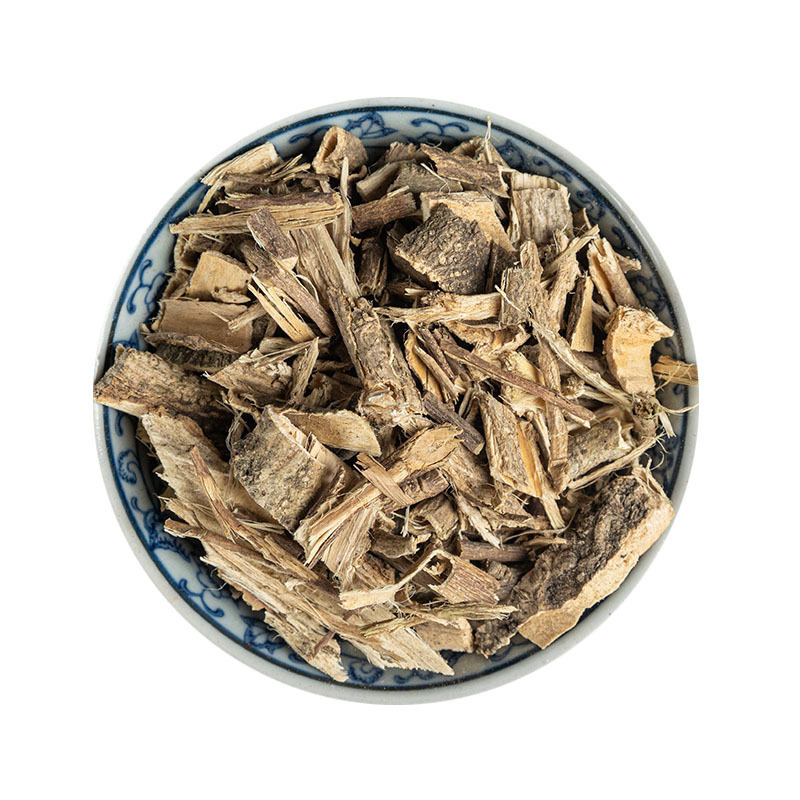
Dried Hibiscus Bark Mu Jin Pi Traditional Herbal Material for Cooking 250g x 2 Jars
Description
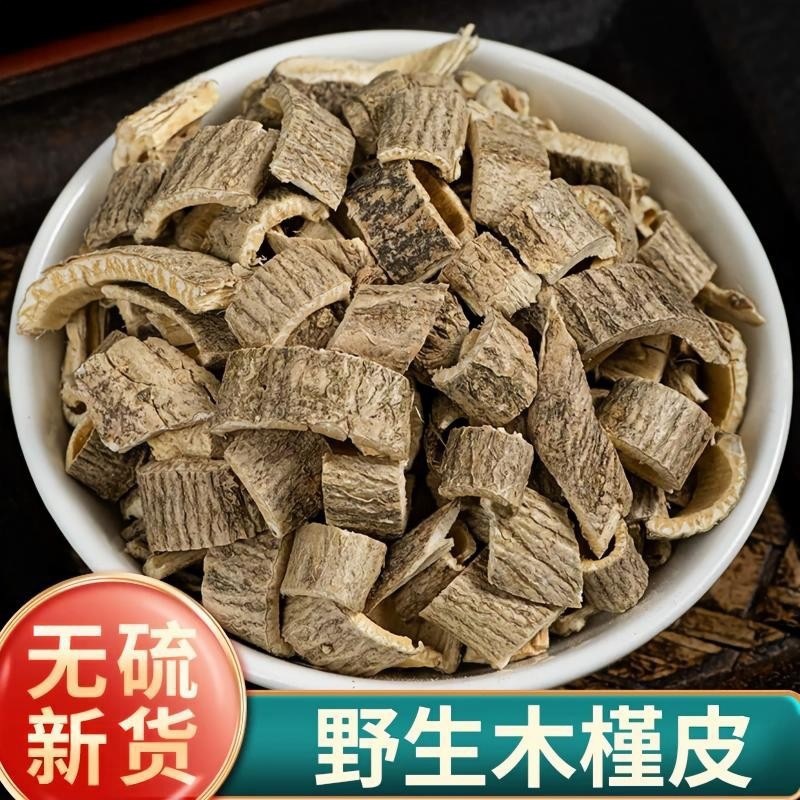
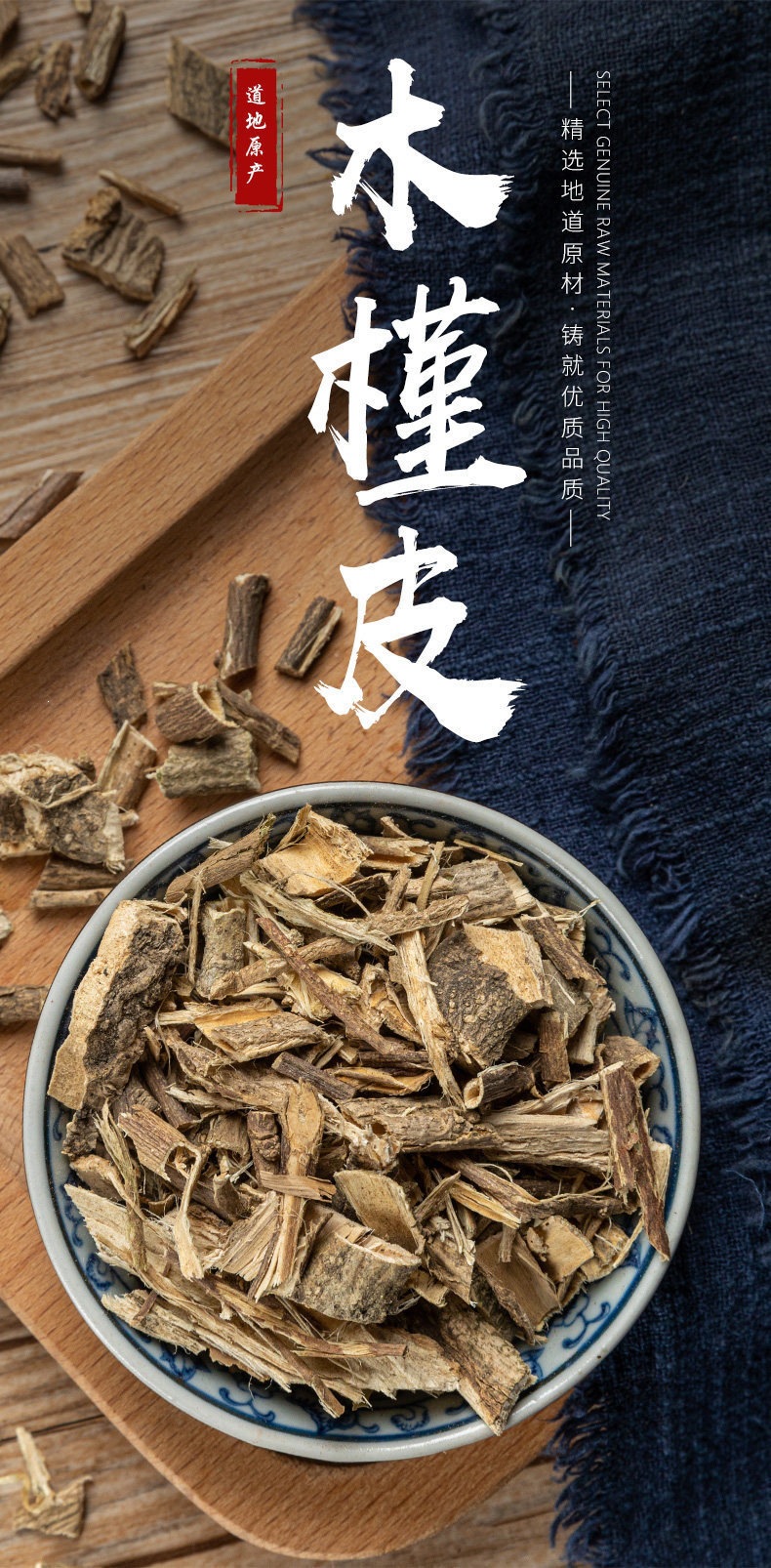
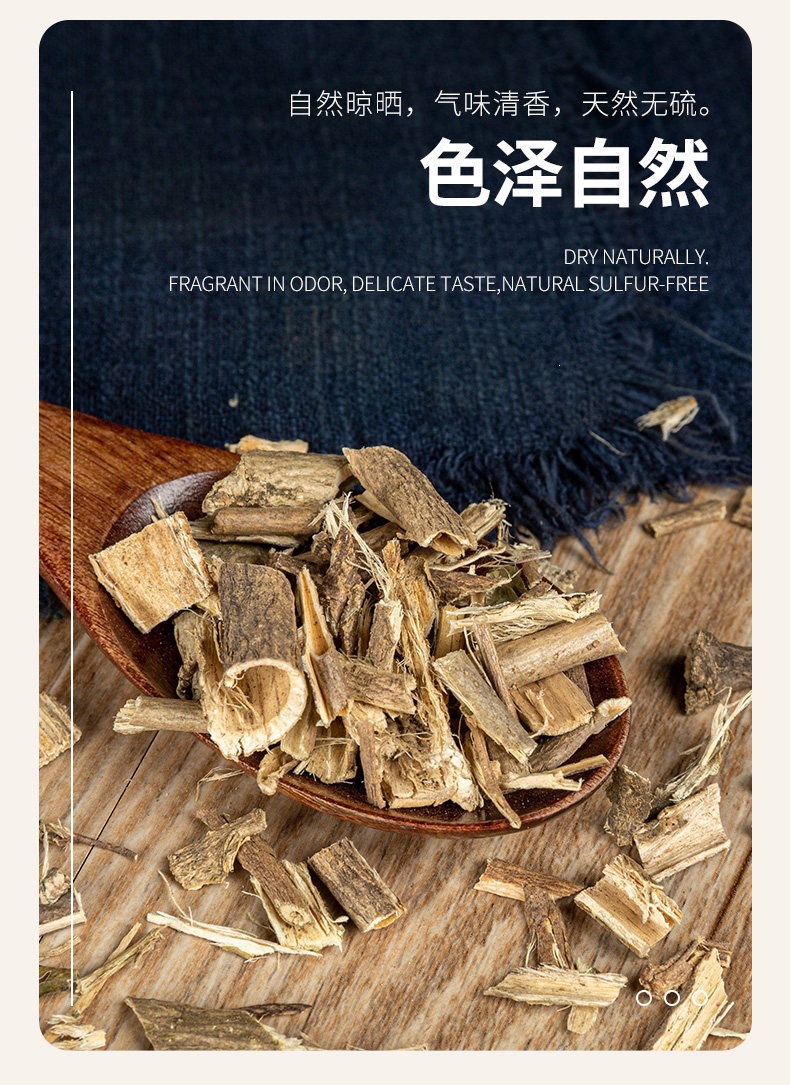
Dried Hibiscus Bark, known in TCM as Mu Jin Pi (木槿皮), from Hibiscus syriacus. This raw herb material comes as dried bark pieces, traditionally used in Chinese herbal practice. In TCM theory it is associated with a bitter flavor and cool nature. It is a household staple for traditional cooking and decoction preparation. Store sealed in a cool dry place.
Key Selling Points
- Identified as Mu Jin Pi (木槿皮), the dried bark of Hibiscus syriacus
- Raw herb form suitable for grinding into powder at home
- Sulfur-free traditional selection material
- Sold as two 250g jars for household storage
- Traditionally prepared by cooking or decoction
Quality & Sensory
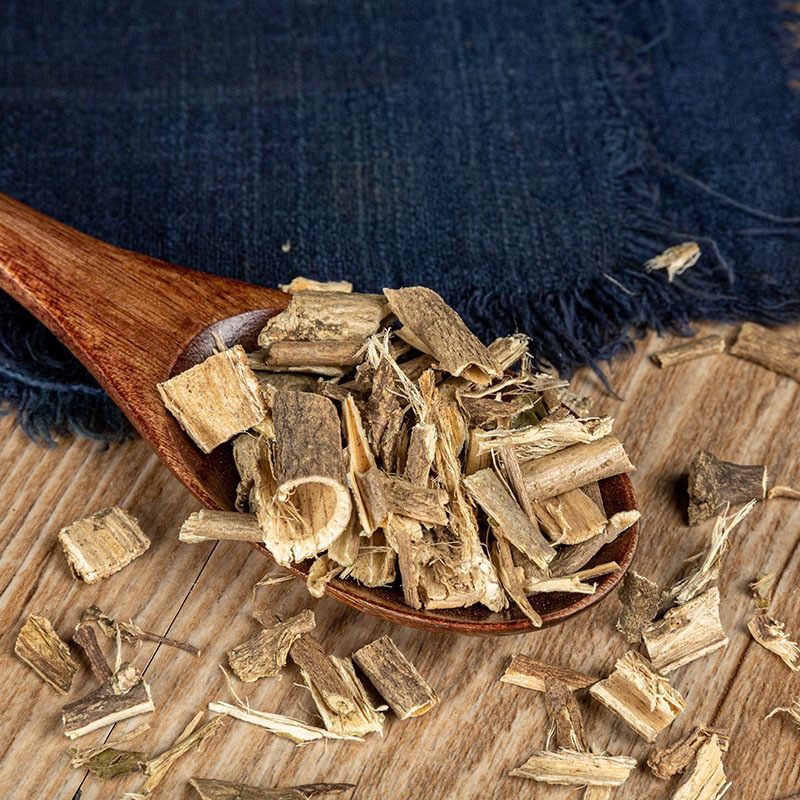
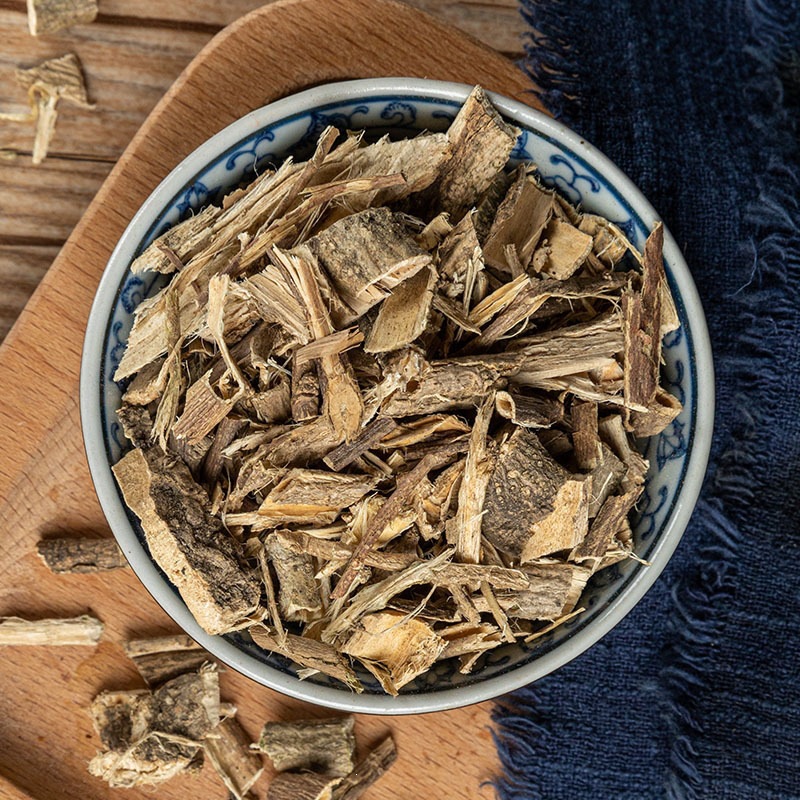
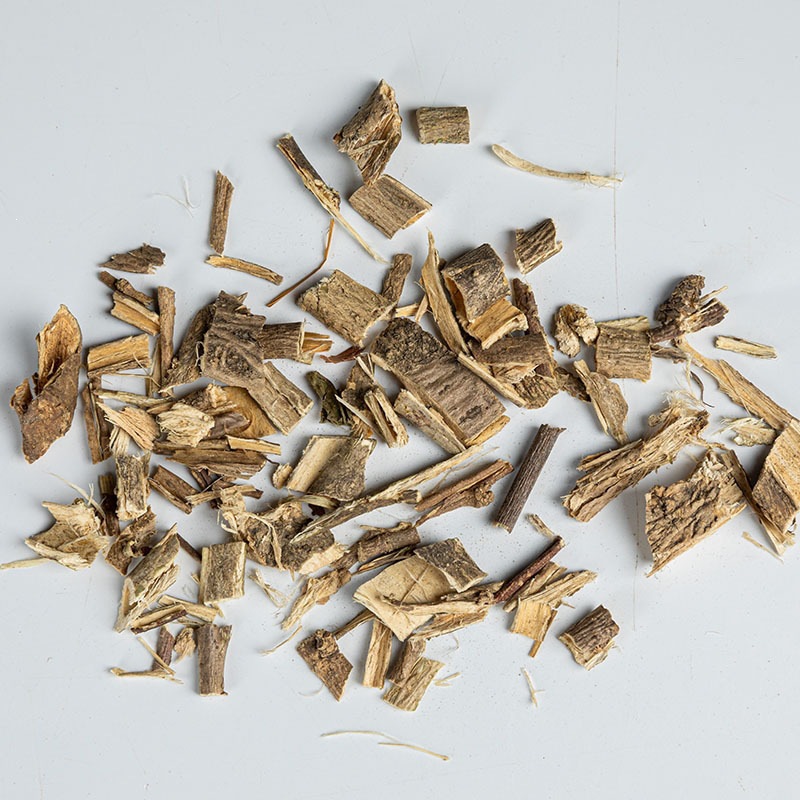
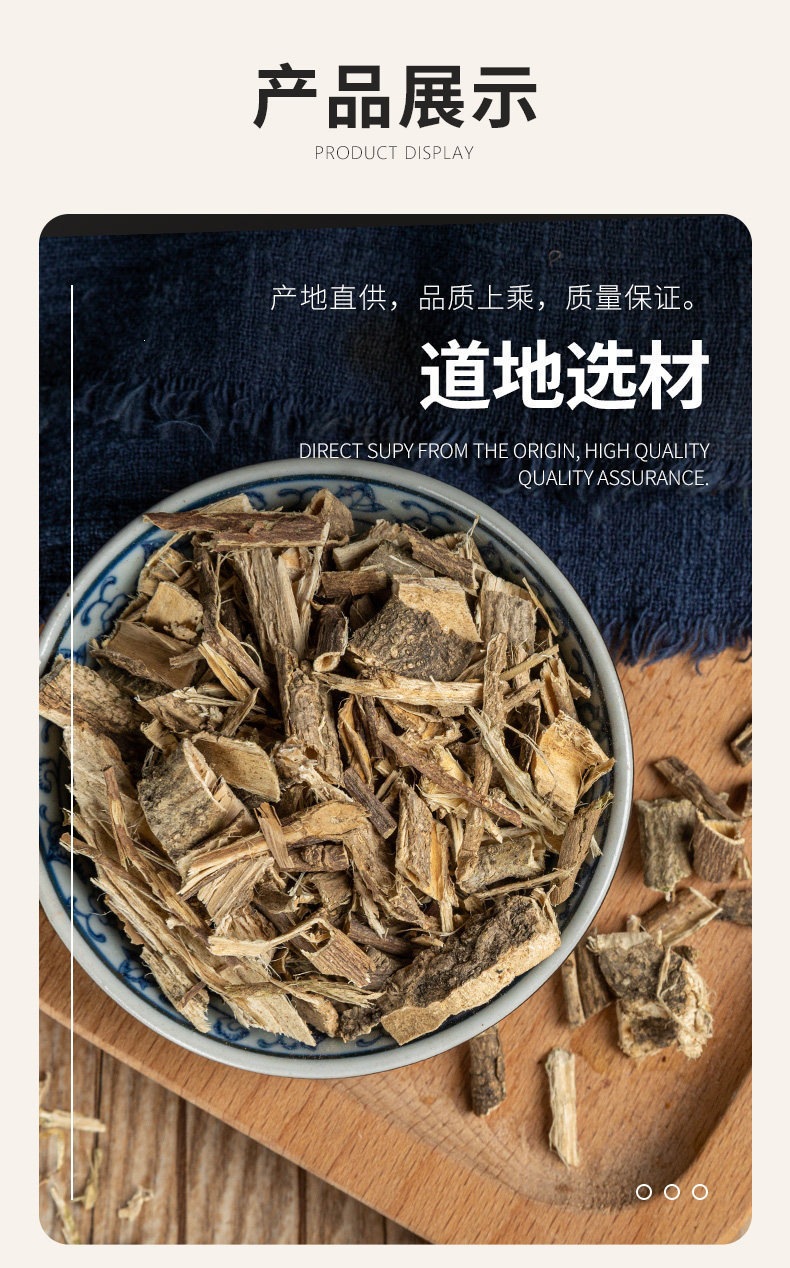
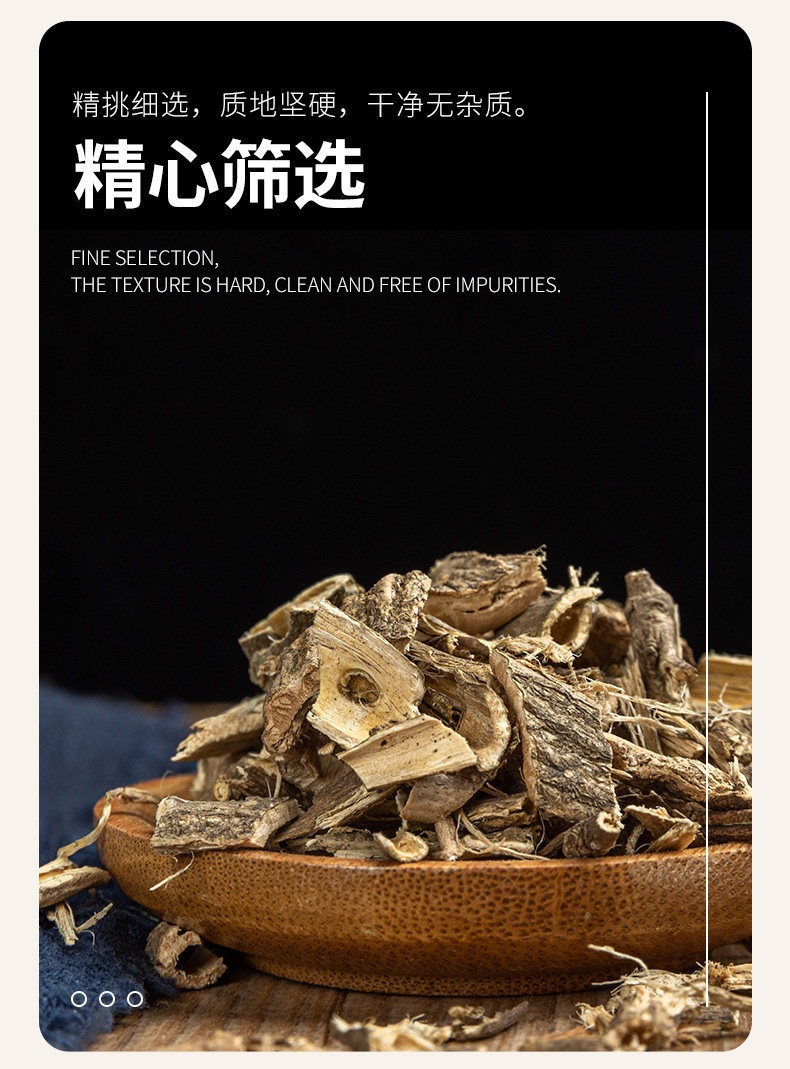
The dried bark typically appears in brownish to grayish pieces with a fibrous, woody texture. It has a mild, earthy aroma and a slightly bitter taste when decocted. Color and texture may vary between batches as a natural agricultural product.
Technical Specifications
| Product Type | Dried Herbal Bark |
|---|---|
| Chinese Name | 木槿皮 |
| Pinyin | Mu Jin Pi |
| Botanical Name | Hibiscus syriacus |
| Plant Part | Bark |
| Net Weight | 250g x 2 jars |
Usage Scenarios
- Traditional decoction with other herbs
- Added to soups during cooking
- Ground into powder for household herbal use
- Seasonal herbal food preparation
Traditional Uses
In TCM and folk practice, Mu Jin Pi has traditionally been used in decoctions and external washes. It is sometimes paired with other herbs in traditional formulas. As a household ingredient, it is cooked in soups or prepared as a simple decoction. Traditional use is based on TCM theory rather than modern clinical evidence.
FAQ Q&A
Q: What is this product?
A: It is dried Hibiscus syriacus bark, known in TCM as Mu Jin Pi (木槿皮), sold as a raw herb material.
Q: What is its traditional value?
A: In TCM theory it is considered bitter and cool, and has traditionally been used in decoctions and external preparations.
Q: How is it commonly prepared?
A: It is typically cooked in soups or simmered as a decoction, and can also be ground into powder for household use.
Additional information
| Model | 木槿皮65g 1罐, 木槿皮65g 2罐, 木槿皮250g 1罐, 木槿皮250g 2罐 |
|---|
Related products
-

Yi Zhi Ren Dried Alpinia Oxyphylla Fruit 500g Traditional Herbal Tea and Decoction Ingredient
Price range: $11.74 through $13.36 -
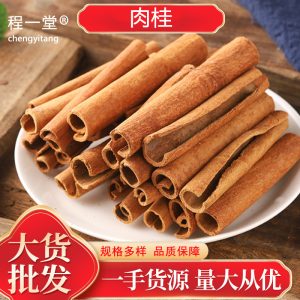
Dried Cinnamon Bark Rou Gui 500g Whole Peeling Culinary Spice and Traditional Herbal Ingredient
Price range: $5.58 through $8.33 -
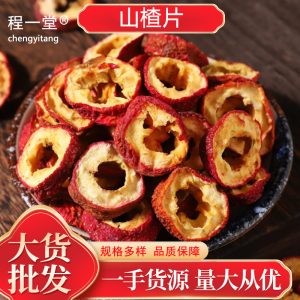
Dried Hawthorn Slices Shan Zha 500g Seedless Hollow Rings Freeze Dried Hawthorn for Tea and Culinary Use
Price range: $4.44 through $7.04 -

Ningxia Goji Berries Gou Qi Zi 500g Dried Red Wolfberry for Tea Soup and Snacking
Price range: $7.20 through $16.44
Reviews
There are no reviews yet.