
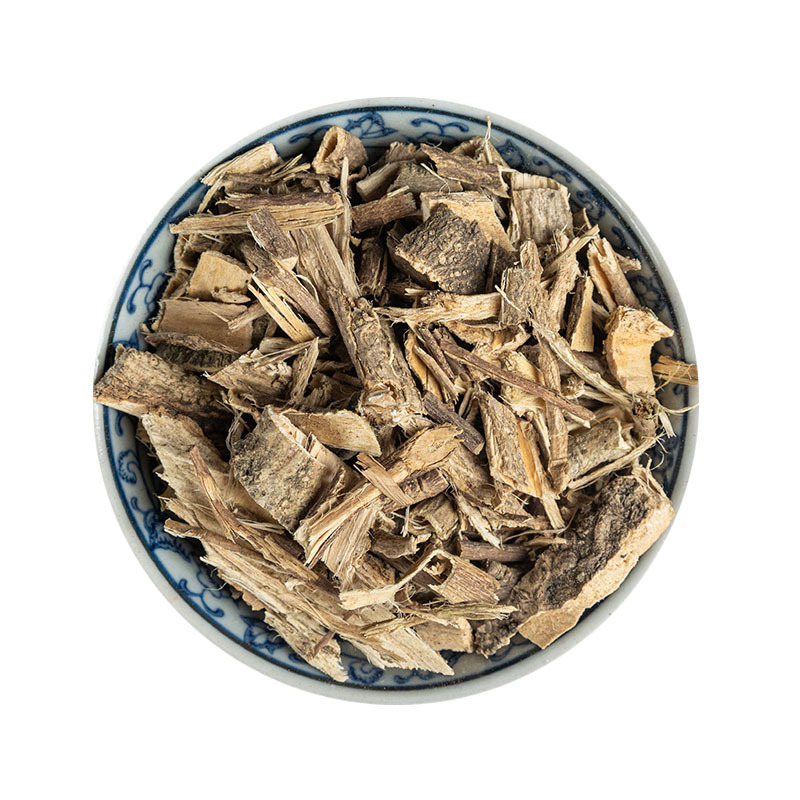
Dried Hibiscus Bark Mu Jin Pi Traditional Chinese Herb for Cooking 250g x 2 Jars
Price range: $5.76 through $8.32
Description
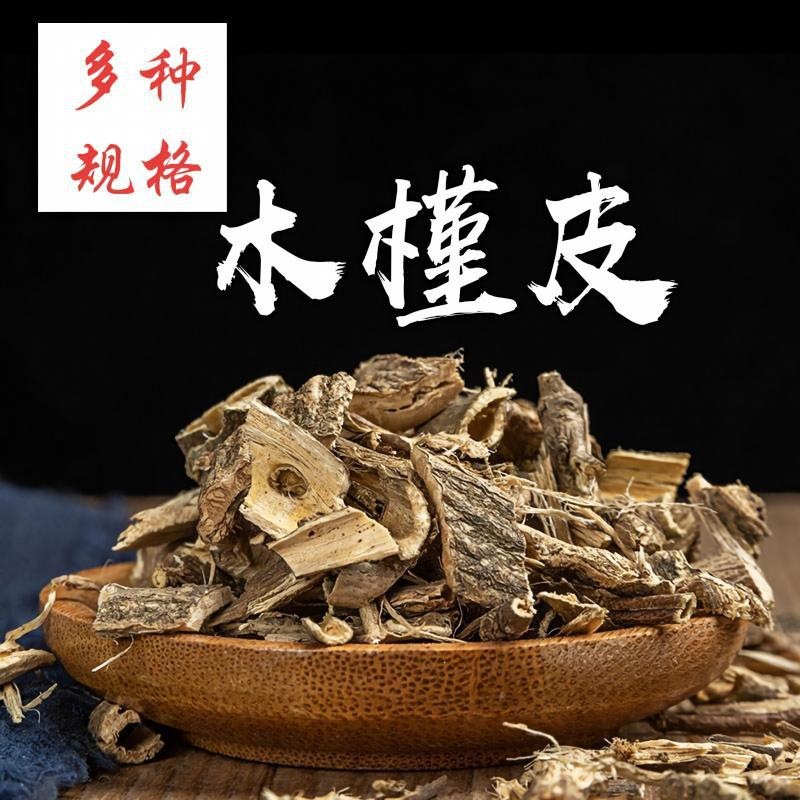
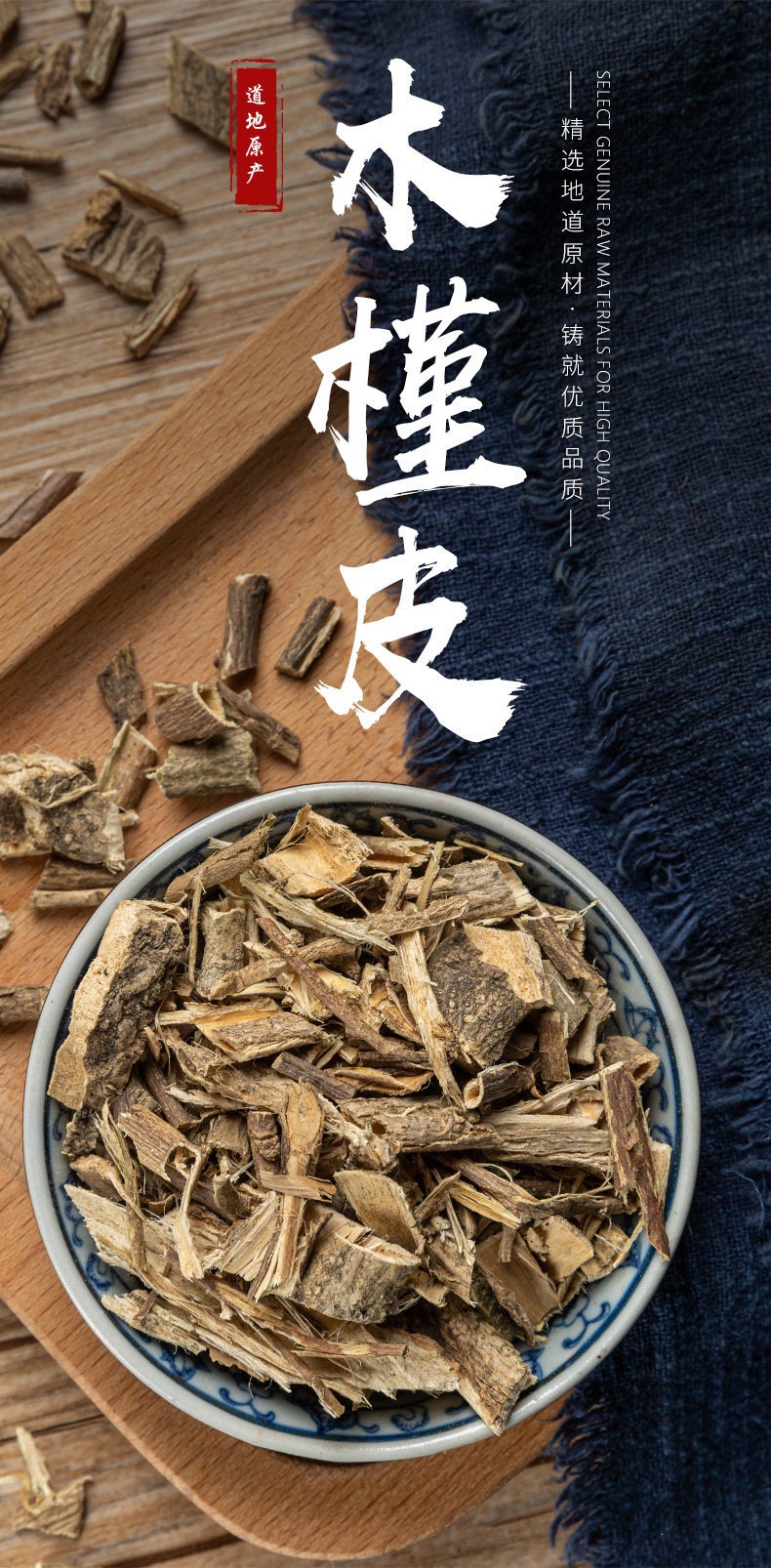
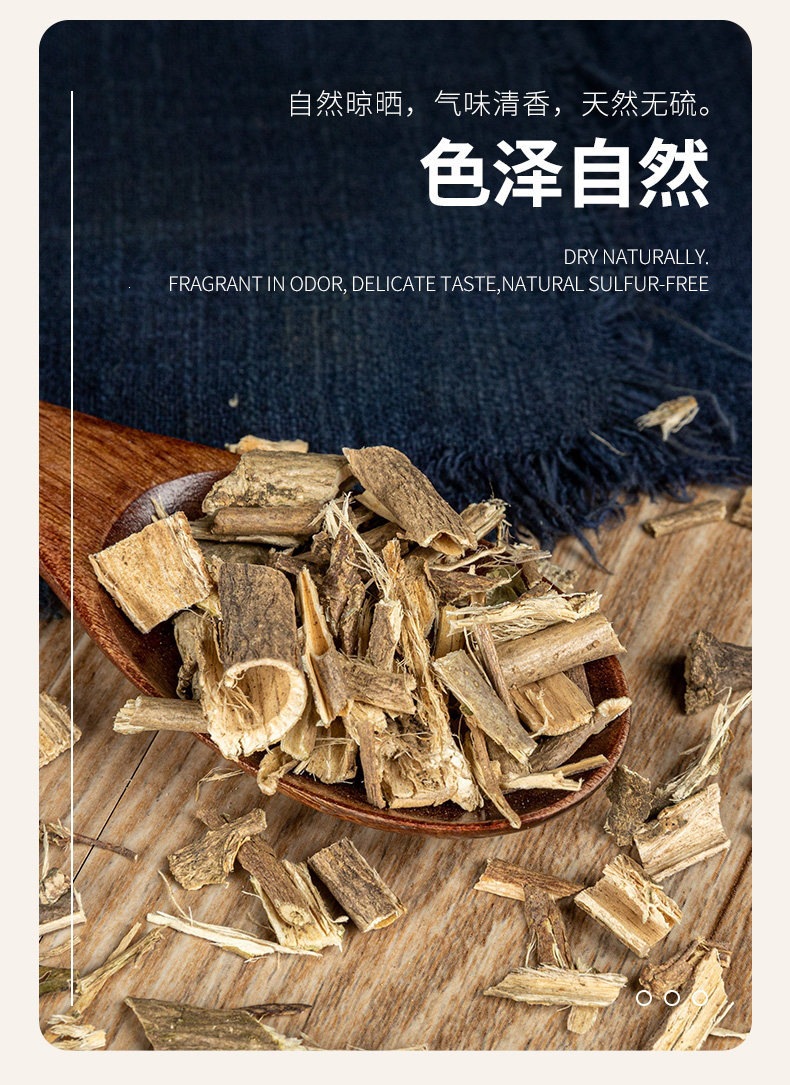
Dried Hibiscus Bark, known in TCM as Mu Jin Pi (木槿皮), from Hibiscus syriacus. This raw herb consists of the dried stem or root bark, traditionally used in Chinese herbal practice. In TCM theory it is associated with a cool nature, bitter flavor, and the Large Intestine, Liver, and Spleen channels. It is typically prepared by decoction or added to cooking. Store sealed in a cool, dry place and keep away from pregnant or nursing women.
Key Selling Points
- Identified in TCM as Mu Jin Pi (木槿皮), the bark of Hibiscus syriacus
- Raw dried bark form suitable for decoction and culinary preparation
- Traditional Chinese herbal ingredient used in folk and TCM formulas
- Supplied as two 250g jars for a total of 500g
- Sealed packaging with a 12-month shelf life when stored cool and dry
Quality & Sensory
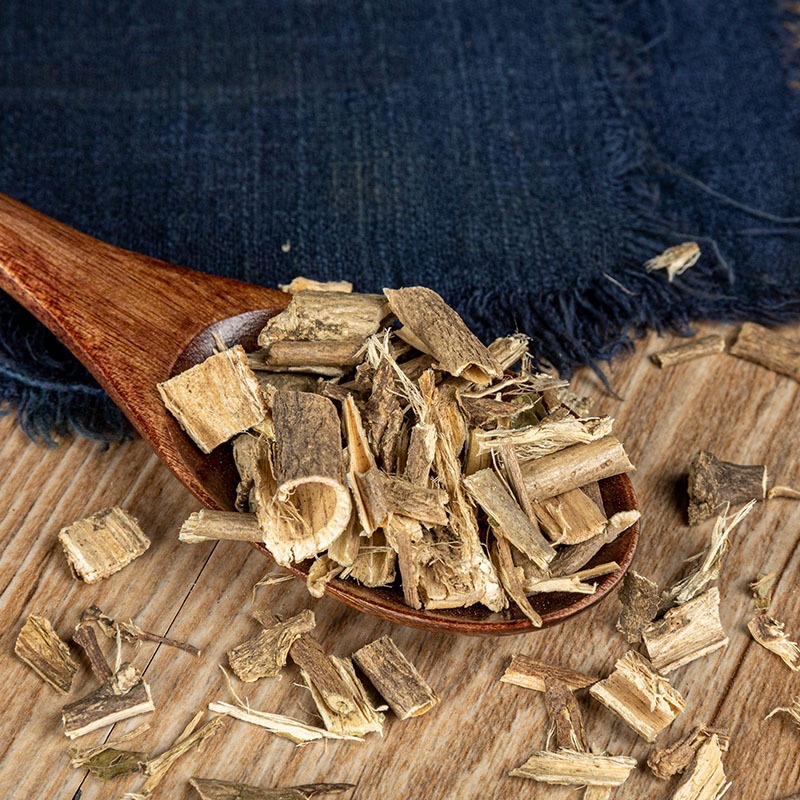
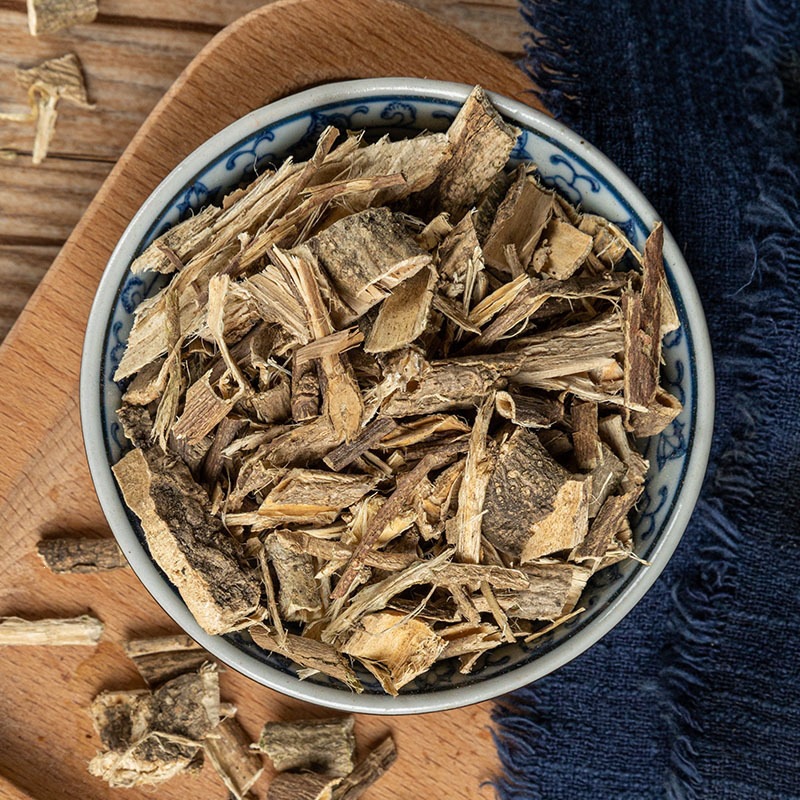
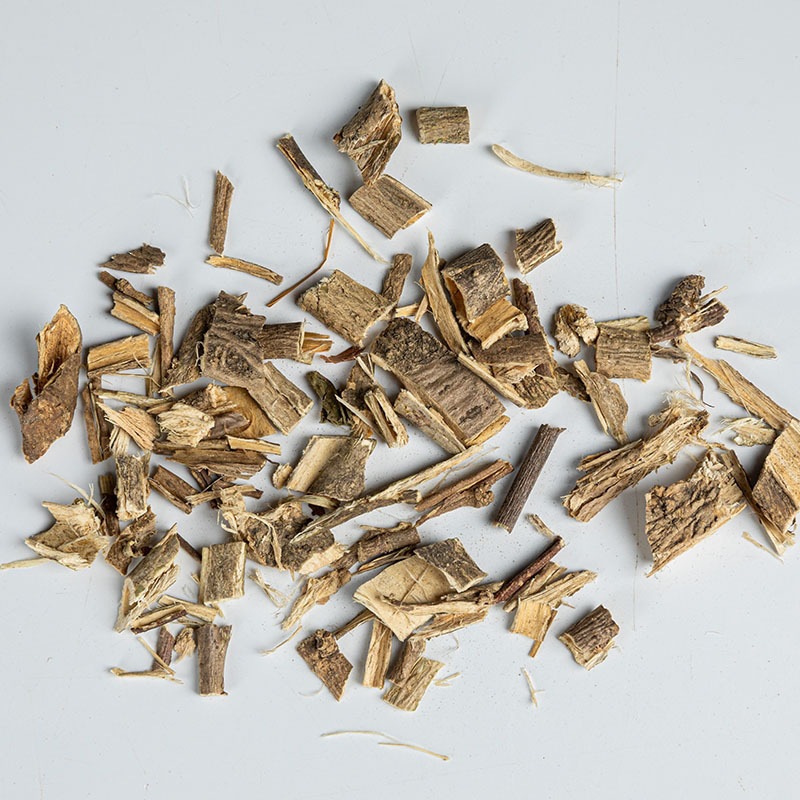
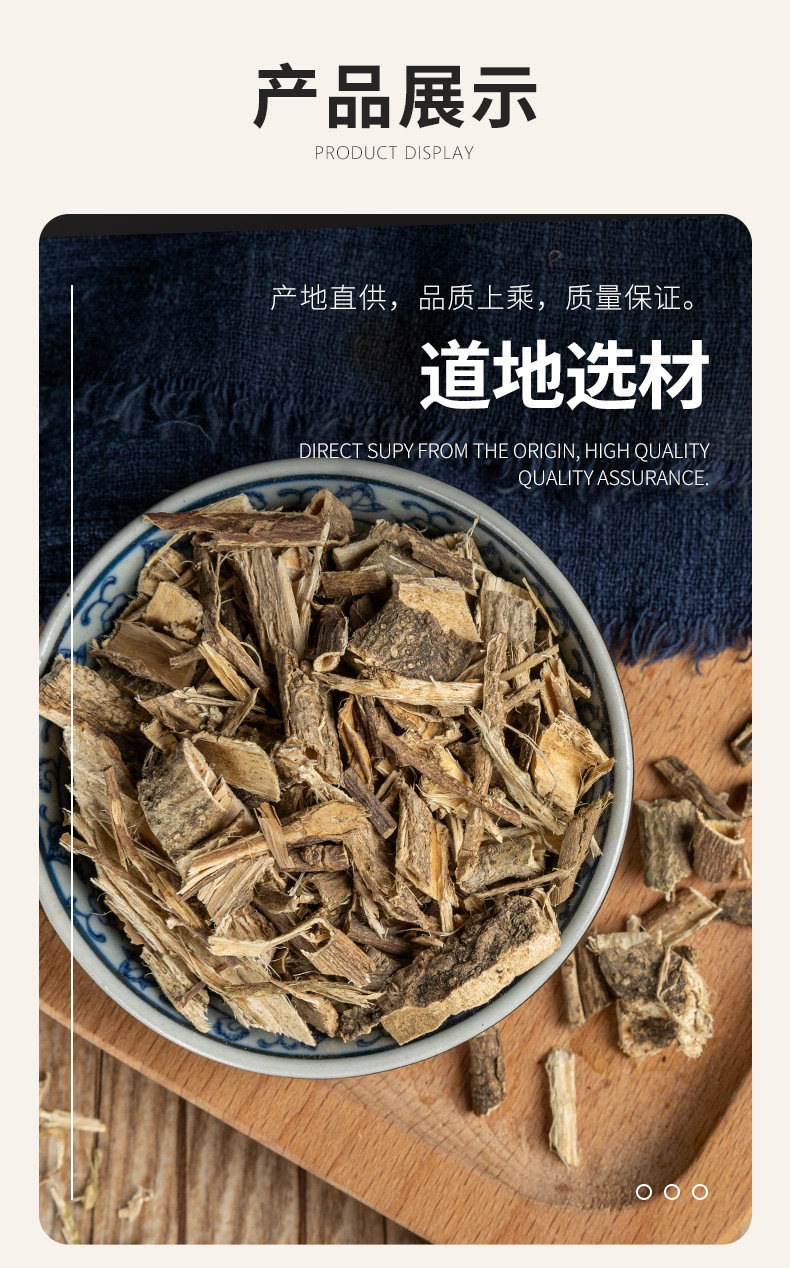
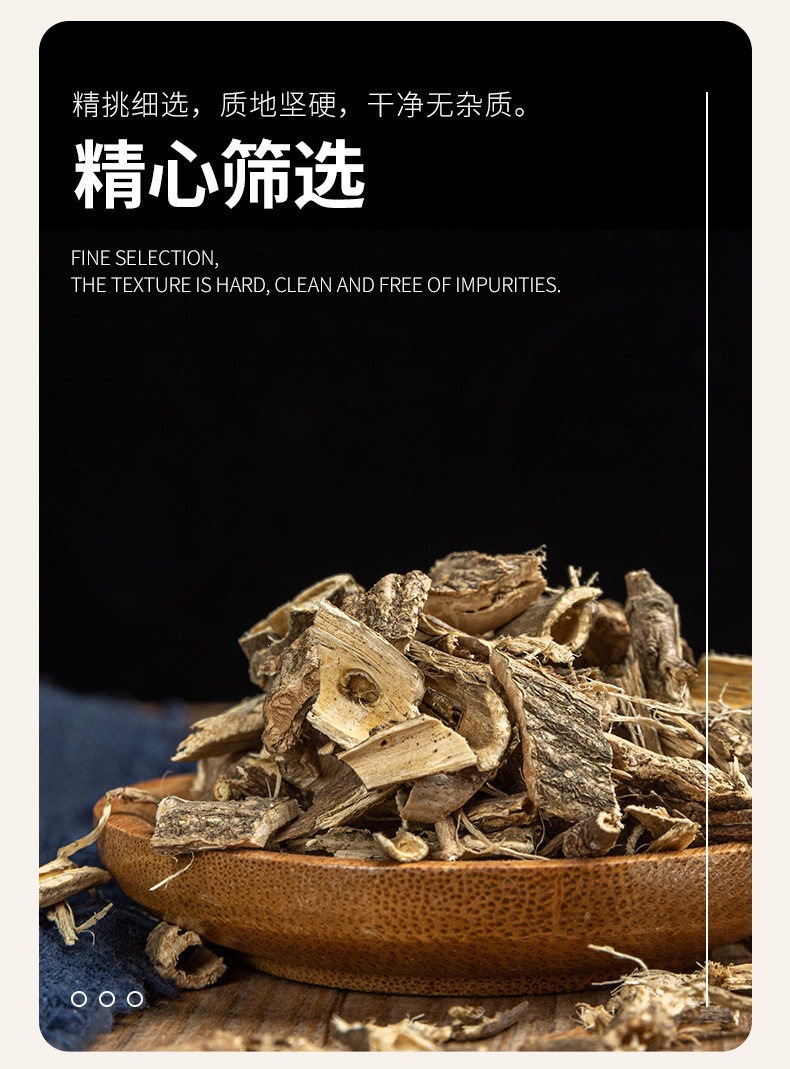
The dried bark typically appears in irregular pieces with a grayish-brown to tan outer surface and a paler inner layer. Texture is fibrous and somewhat leathery. Aroma is mild and earthy. After decoction the liquid is typically light amber with a subtle bitter and woody taste.
Technical Specifications
| Product Type | Dried Herbal Bark |
|---|---|
| Chinese Name | 木槿皮 |
| Pinyin | Mu Jin Pi |
| Botanical Name | Hibiscus syriacus |
| Plant Part | Stem or root bark |
| Net Weight | 250g x 2 jars |
Usage Scenarios
- Added to traditional herbal decoctions
- Used in slow-cooked soups and broths
- Included in congee or grain porridge
- Prepared as a seasonal culinary herb in small amounts
Traditional Uses
In TCM and folk practice, Mu Jin Pi is traditionally used in decoctions, sometimes paired with other cooling or damp-drying herbs. It has been used in external washes and topical preparations in some traditions. As a culinary herb it is added in small amounts to soups or congee. Traditional texts associate it with clearing damp-heat and supporting skin health, though such uses are framed within TCM theory rather than modern medical claims.
FAQ Q&A
Q: What is this product?
A: It is dried Hibiscus syriacus bark, known in TCM as Mu Jin Pi (木槿皮), supplied as two 250g jars.
Q: What is its traditional value?
A: In TCM theory it is considered cool and bitter, associated with clearing damp-heat and supporting skin health. It is traditionally used in decoctions and external washes.
Q: How is it commonly prepared?
A: It is typically decocted with water or added in small amounts to soups and congee. Follow traditional recipes or a qualified practitioner's guidance.
Additional information
| Weight | N/A |
|---|---|
| Dimensions | N/A |
| Model | 木槿皮65g 1罐, 木槿皮65g 2罐, 木槿皮250g 1罐, 木槿皮250g 2罐 |
Related products
-
Dried Polygala Root Yuan Zhi 500g Traditional Chinese Herb for Decoction
Price range: $18.87 through $24.54 -
Dried Mugwort Leaf Ai Ye 500g Chinese Herbal Bath Foot Soak and Smoke Cleansing Herb
Price range: $4.77 through $5.25 -
Dried Ginger Root Gan Jiang 500g Bulk Chinese Herb Zingiber officinale Rhizome for Decoction and Culinary Use
$5.90 -
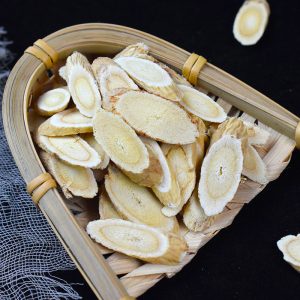
Astragalus Root Slices Huang Qi 500g Dried Herb for Soups and Teas
Price range: $7.36 through $22.11
Reviews
There are no reviews yet.