
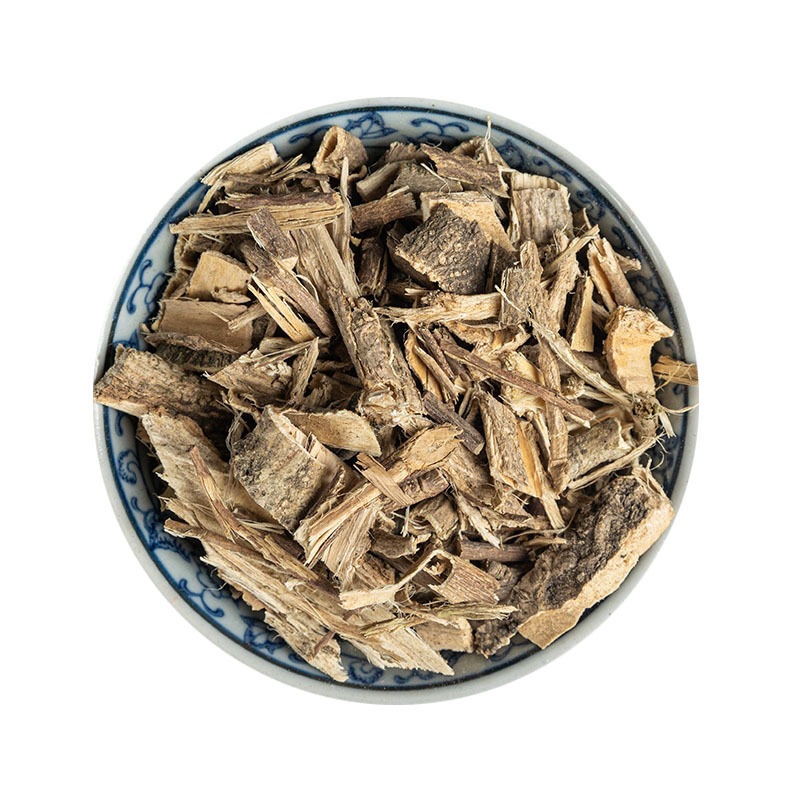
Dried Hibiscus Bark Mu Jin Pi Clean Natural Sun Dried Herbal Decoction Pieces 500g
Description
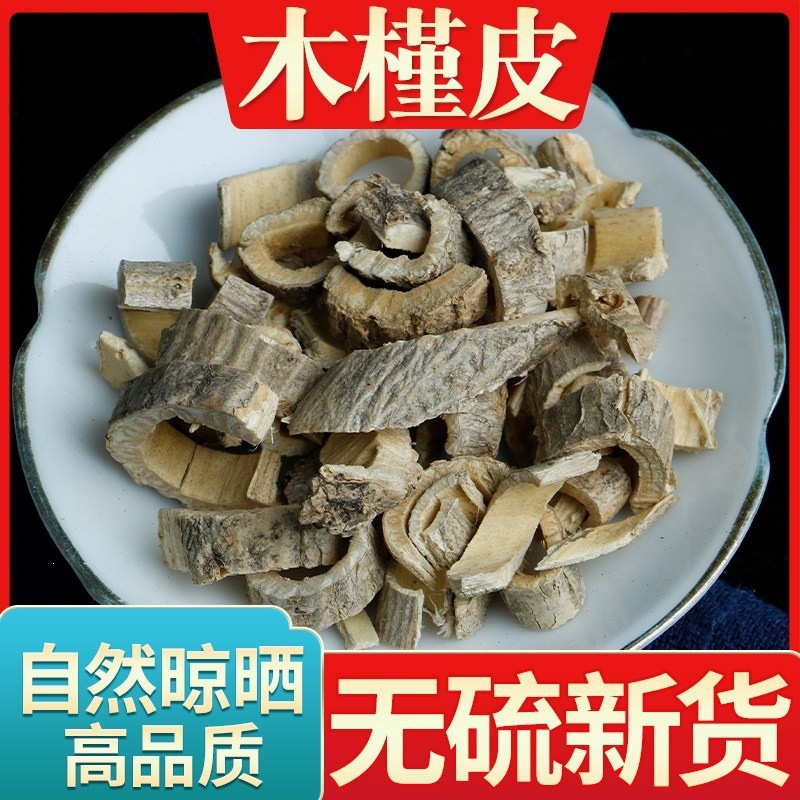
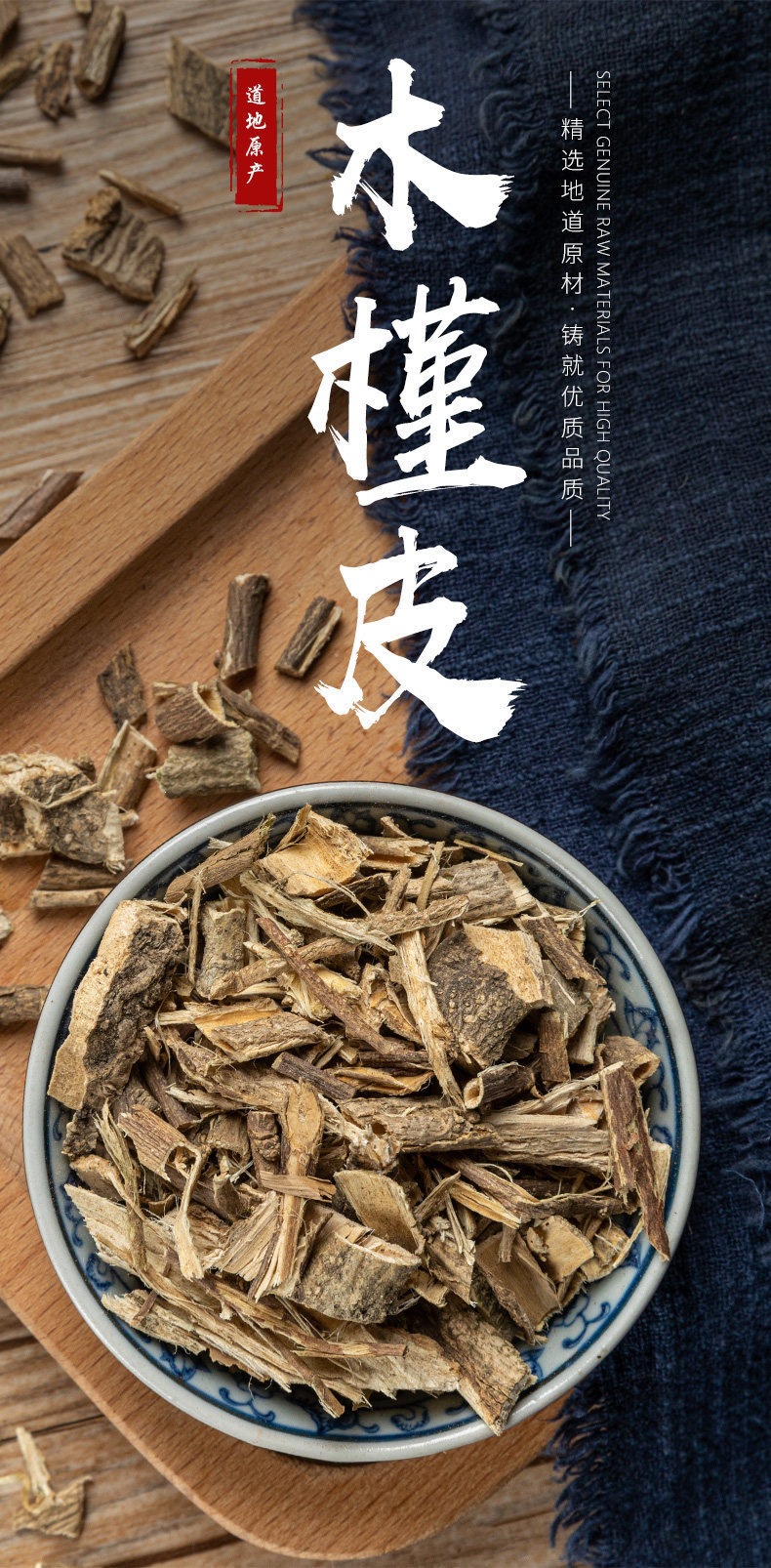
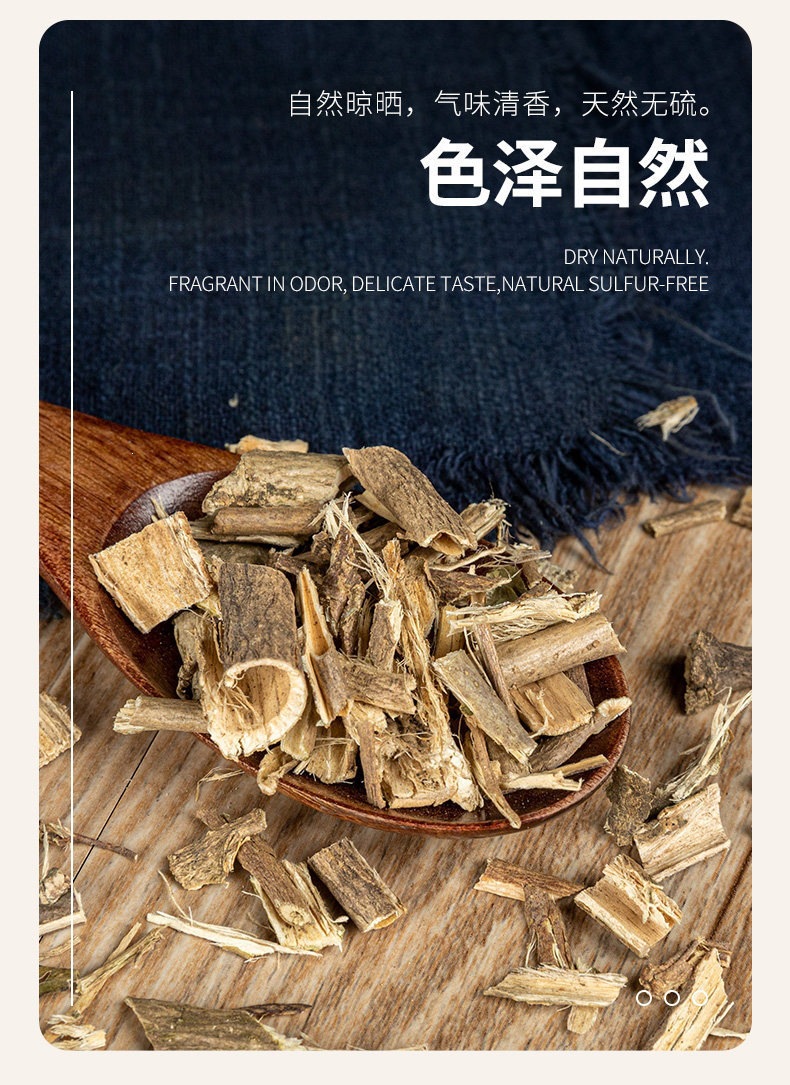
Dried Hibiscus Bark, known in TCM as Mu Jin Pi (木槿皮), from Hibiscus syriacus. This clean, naturally sun-dried bark is a traditional Chinese herbal decoction piece. In TCM theory it is associated with cooling nature and bitter flavor, entering the liver and spleen channels. Traditionally used in decoctions and external washes. Store sealed in a cool, dry place and keep away from pregnant or nursing women.
Key Selling Points
- Identified as Mu Jin Pi (木槿皮), the dried bark of Hibiscus syriacus
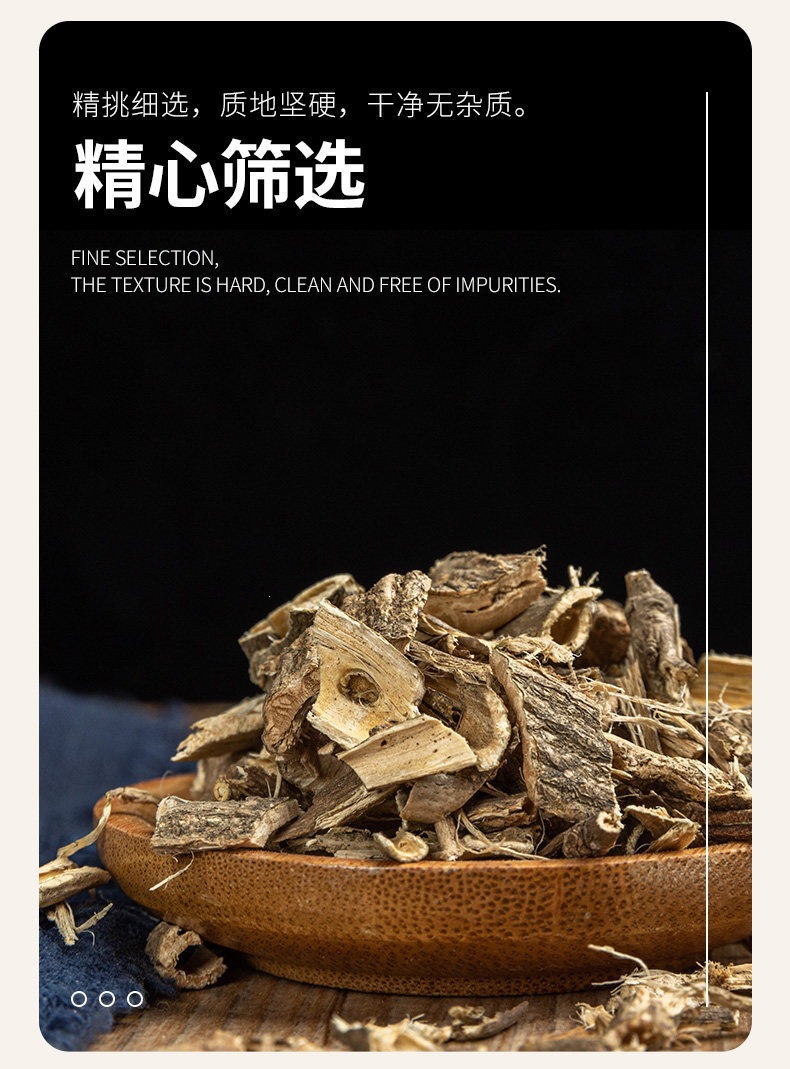
- Clean raw herb with no visible impurities or foreign matter
- Naturally sun-dried to preserve traditional bark character
- Supplied as whole dried decoction pieces for cooking and decoction
- Packed as two 250g jars for a total net weight of 500g
Quality & Sensory
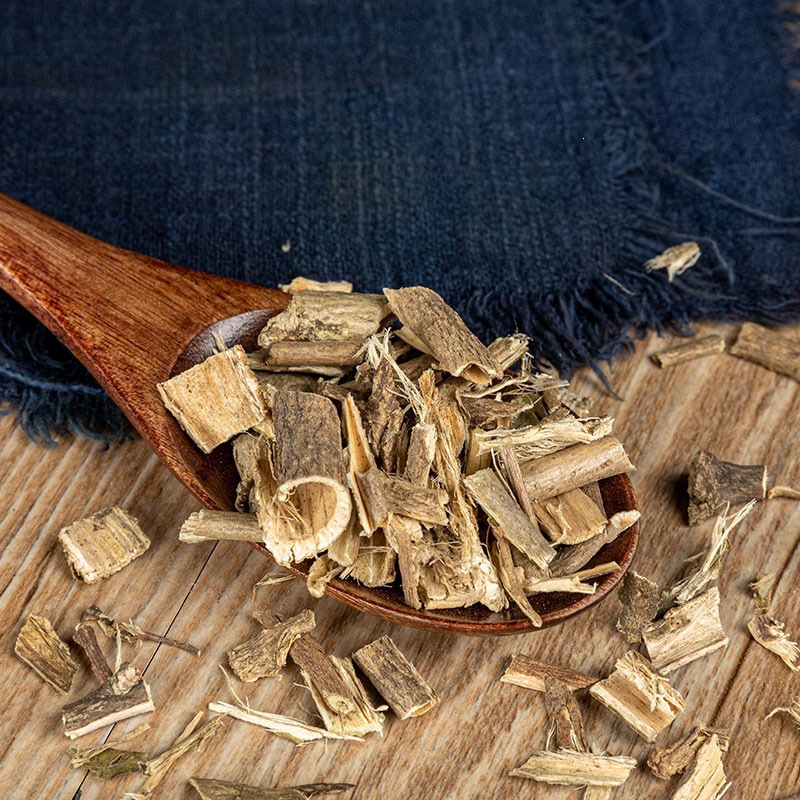
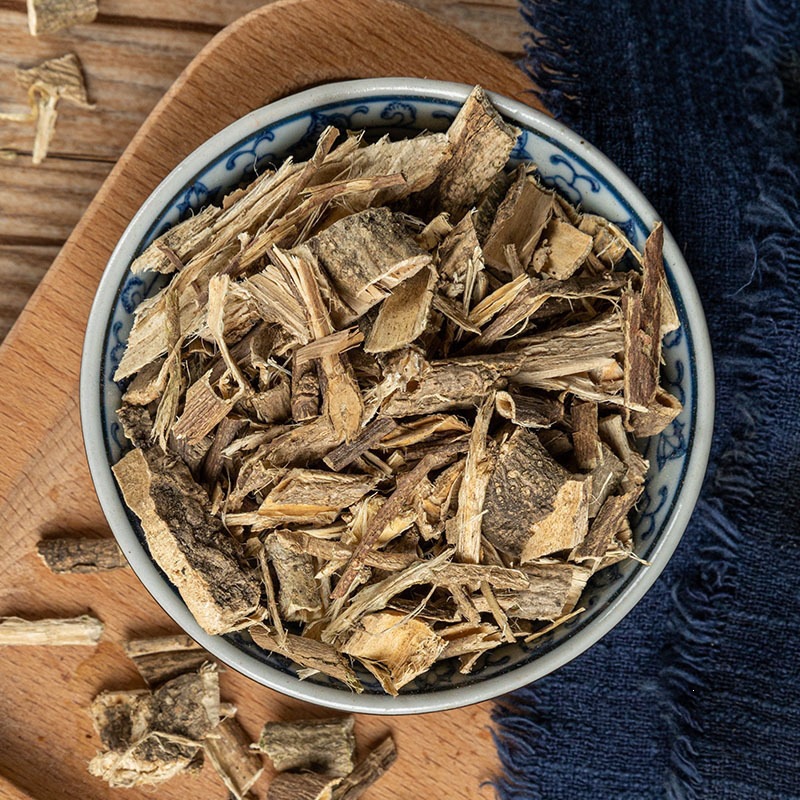
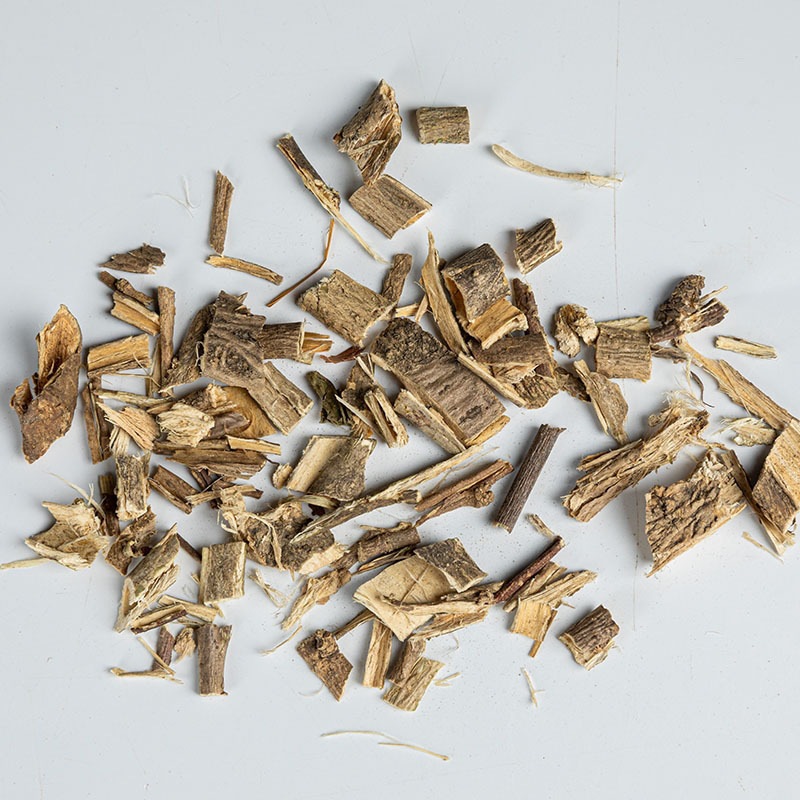
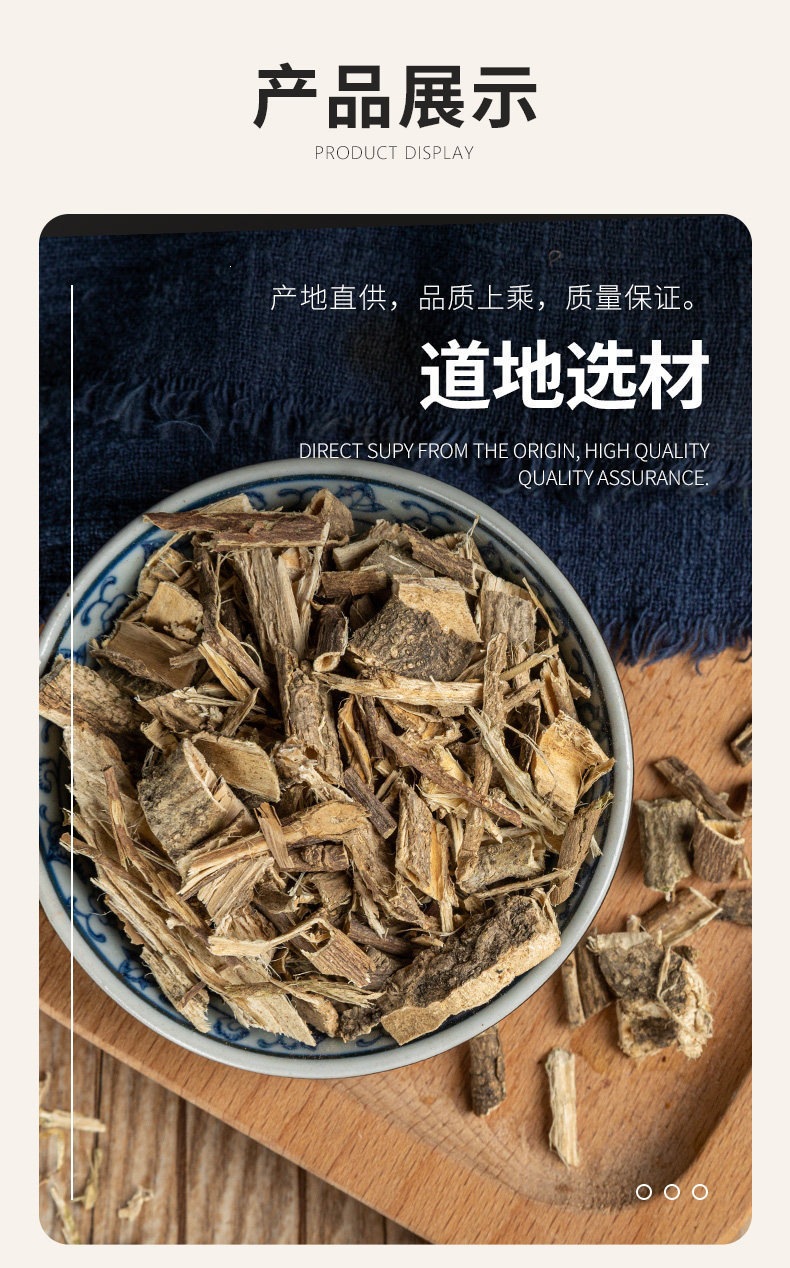
The bark typically appears in grayish-brown to tan pieces with a fibrous, slightly rough texture. It has a mild, earthy, woody aroma. When decocted, it yields a light brown liquid with a subtle bitter and astringent taste. Actual batch color and texture may vary slightly due to natural sun drying.
Technical Specifications
| Product Type | Dried herbal bark decoction pieces |
|---|---|
| Chinese Name | 木槿皮 |
| Pinyin | Mu Jin Pi |
| Botanical Name | Hibiscus syriacus |
| Plant Part | Bark |
| Net Weight | 250g x 2 jars (500g total) |
Usage Scenarios
- Added to traditional herbal decoctions
- Used in simmered herbal soups
- Included in external herbal washes
- Prepared as a seasonal folk herbal infusion
Traditional Uses
In TCM and folk practice, Mu Jin Pi is traditionally used in decoctions, sometimes paired with other herbs for damp-heat or skin-related formulas. It is also prepared as an external wash or soak. Traditional texts describe it as bitter and cool, and it is commonly included in seasonal herbal preparations rather than daily teas.
FAQ Q&A
Q: What is this product?
A: It is dried Hibiscus syriacus bark, known in TCM as Mu Jin Pi (木槿皮), sold as clean sun-dried decoction pieces.
Q: What is its traditional value?
A: In TCM theory it is considered bitter and cool, traditionally associated with clearing damp-heat and supporting skin-related formulas.
Q: How is it commonly prepared?
A: It is usually simmered in water as part of a decoction or added to herbal soups, and may also be used in external washes.
Additional information
| Model | 木槿皮65g 1罐, 木槿皮65g 2罐, 木槿皮250g 1罐, 木槿皮250g 2罐 |
|---|
Related products
-
Dried Codonopsis Root Slices Dang Shen 500g Bulk Supply for Soups and Herbal Decoctions
Price range: $10.28 through $18.06 -

Dried Raspberry Fruit Fu Pen Zi Whole Berries for Herbal Tea and Wine Infusion 500g
Price range: $15.63 through $18.06 -
Astragalus Root Slices Huang Qi 500g Dried Herb for Soups and Teas
Price range: $7.36 through $22.11 -
Dried Polygala Root Yuan Zhi 500g Traditional Chinese Herb for Decoction
Price range: $18.87 through $24.54
Reviews
There are no reviews yet.