
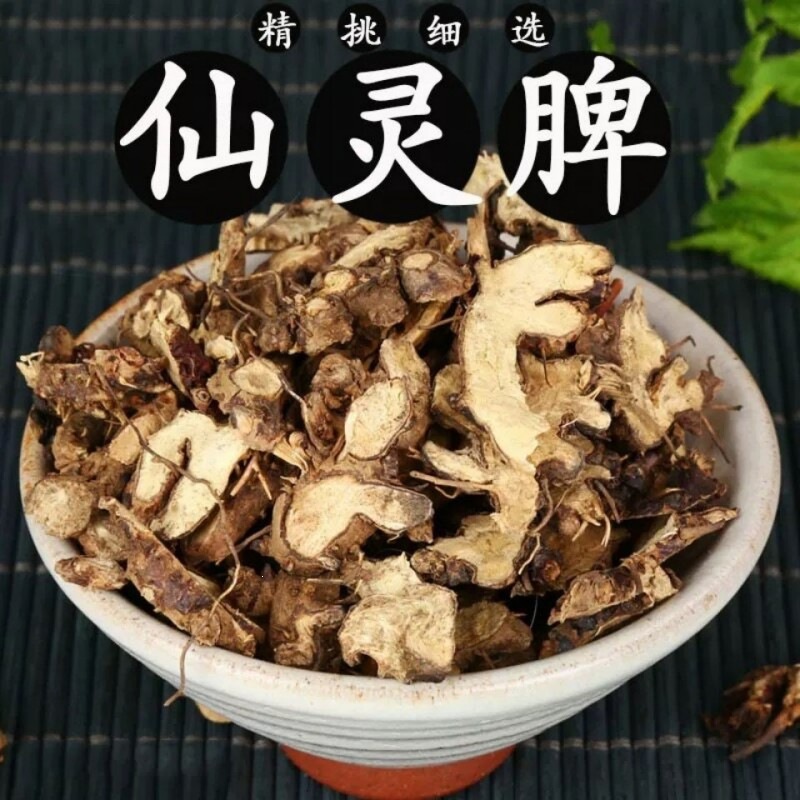
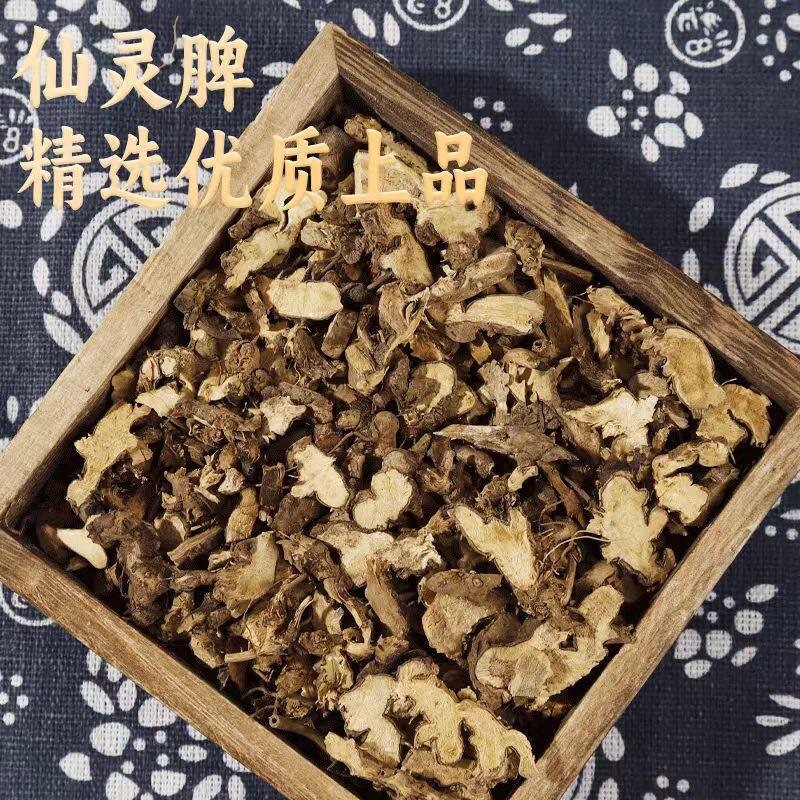
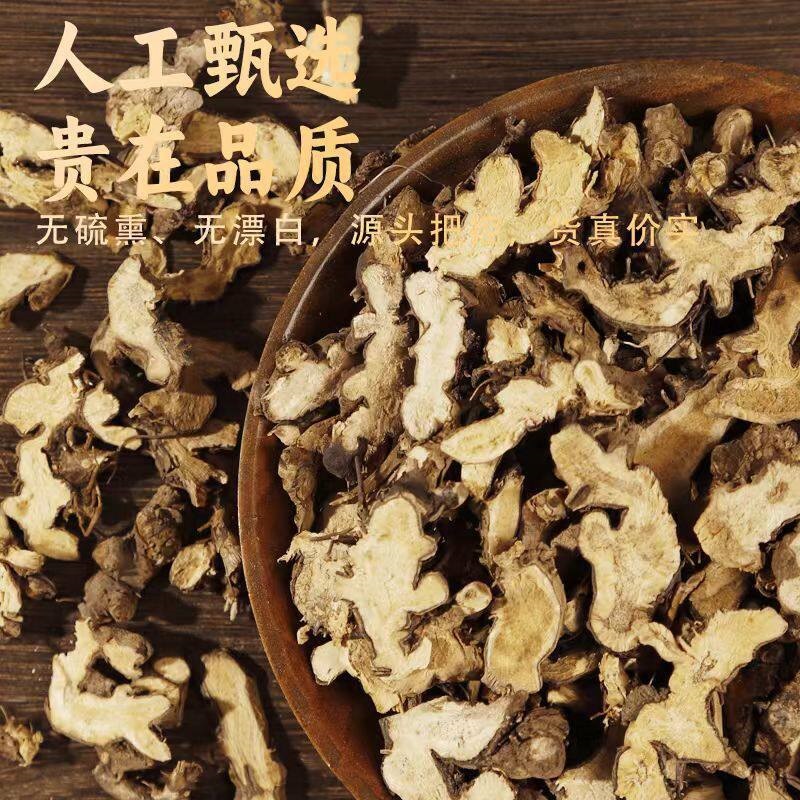
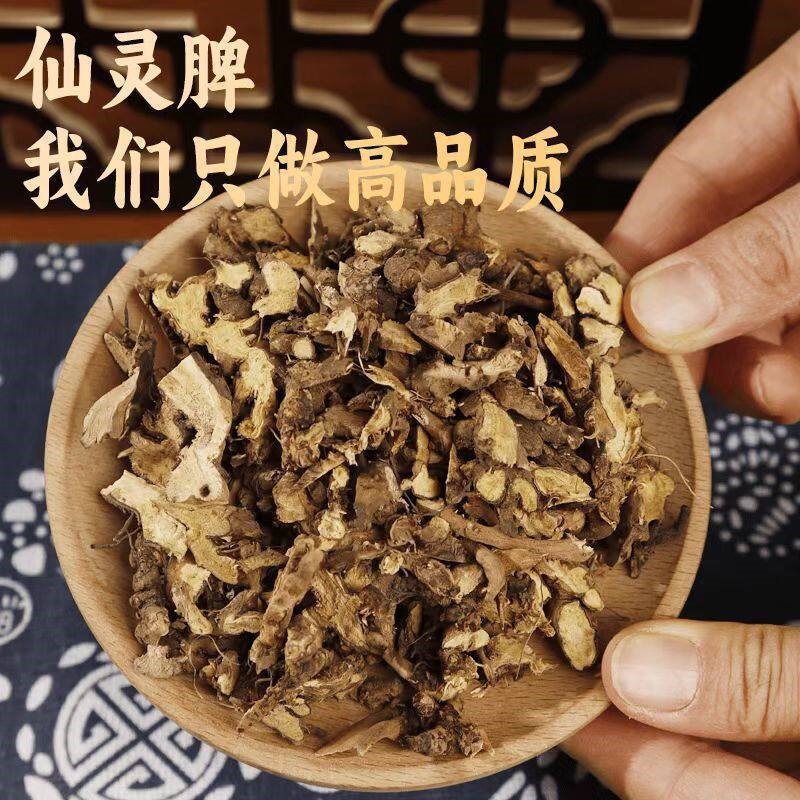
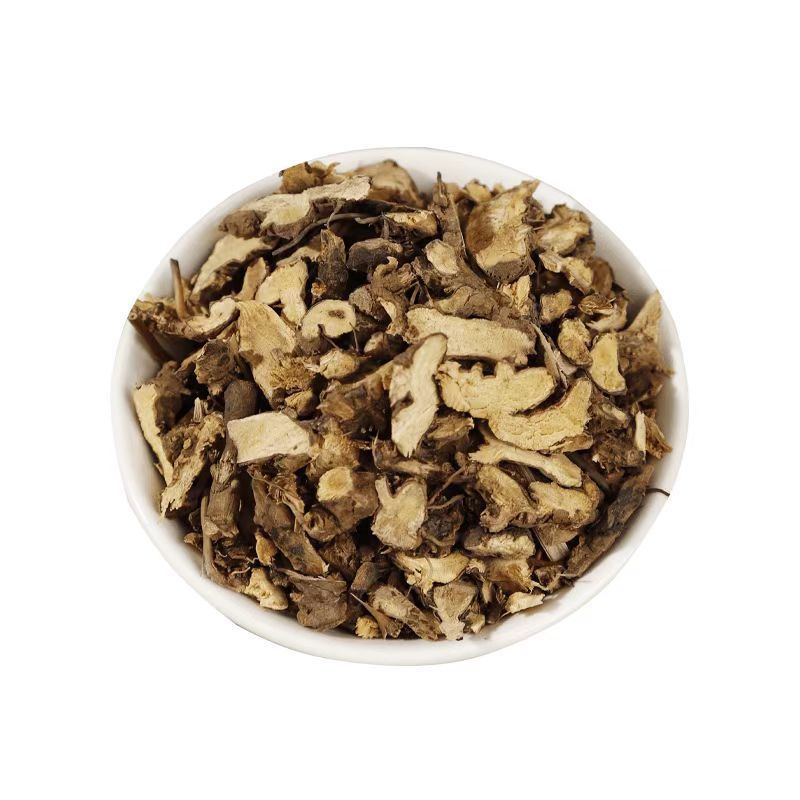
Dried Epimedium Root and Leaf Yin Yang Huo Herbal Decoction Pieces for Cooking 250g 4 Cans
Description
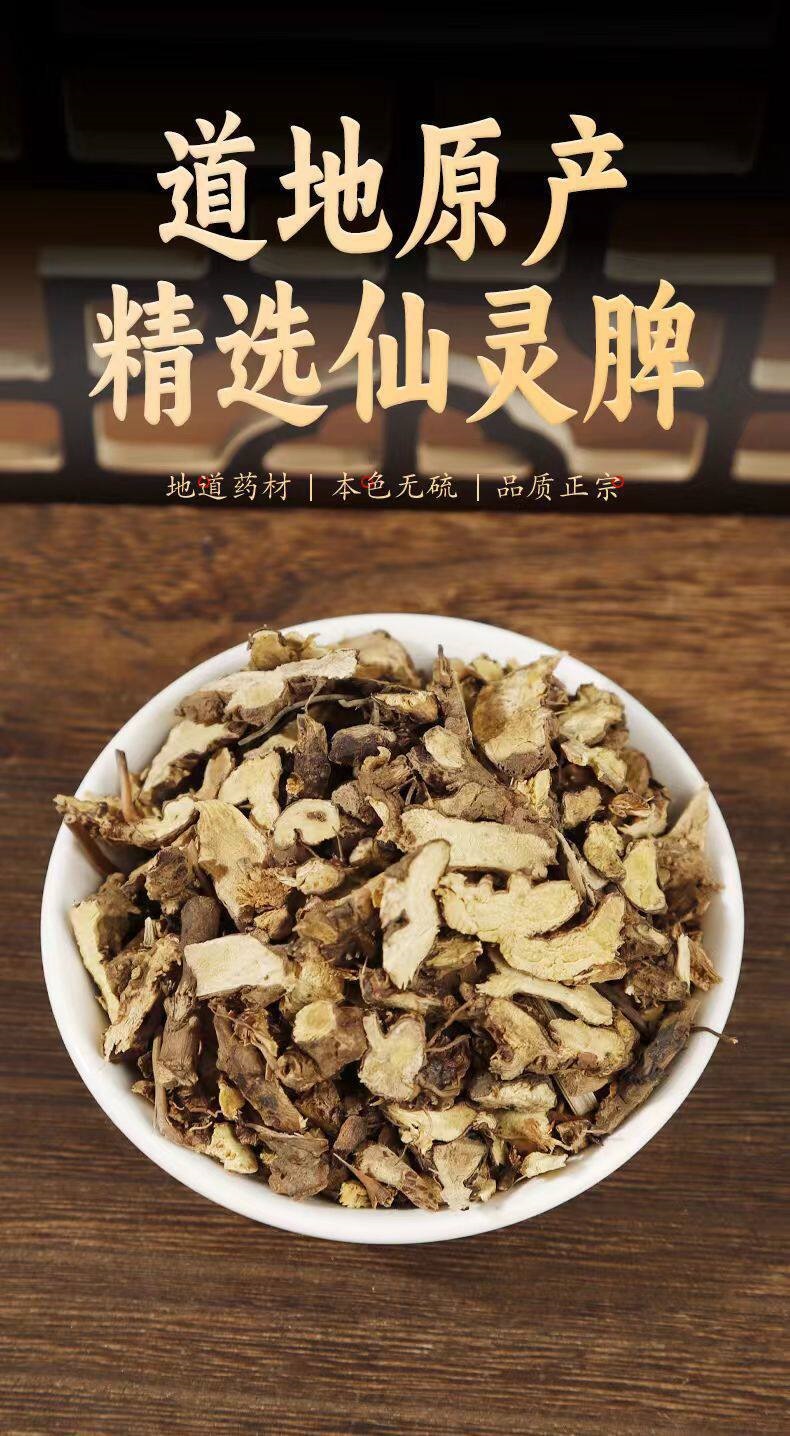
Dried Epimedium Root and Leaf, known in TCM as Yin Yang Huo (淫羊藿) or Xian Ling Pi (仙灵脾), from Epimedium species. This product combines both root and leaf as whole dried decoction pieces. In TCM theory it is traditionally associated with warming yang, supporting kidney function, and strengthening bones and tendons. It is commonly used in decoctions, soups, and culinary preparations. Store sealed in a cool dry place and keep away from pregnant or nursing women.
Key Selling Points
- Identified in TCM as Yin Yang Huo (淫羊藿) and Xian Ling Pi (仙灵脾)
- Botanical source from Epimedium species root and leaf
- Whole dried decoction pieces in original plant form
- Traditionally used in TCM for warming yang and supporting kidney function
- Suitable for cooking soups and decoctions
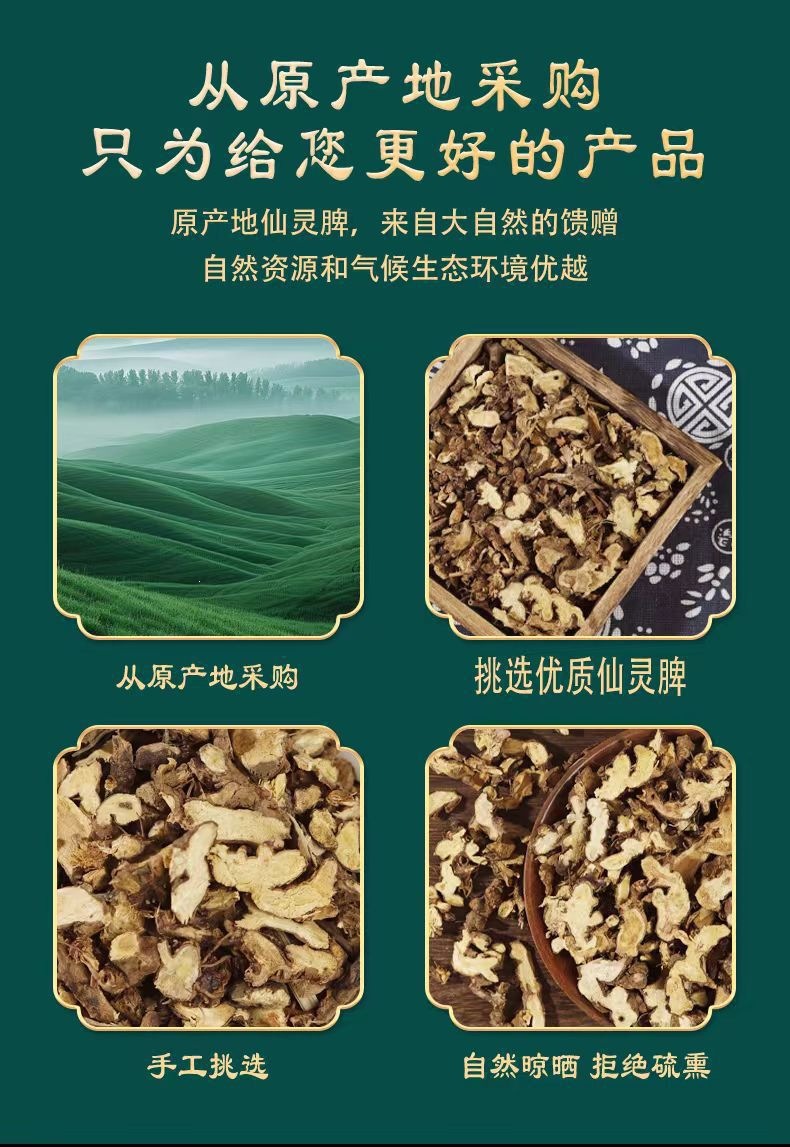
Quality & Sensory
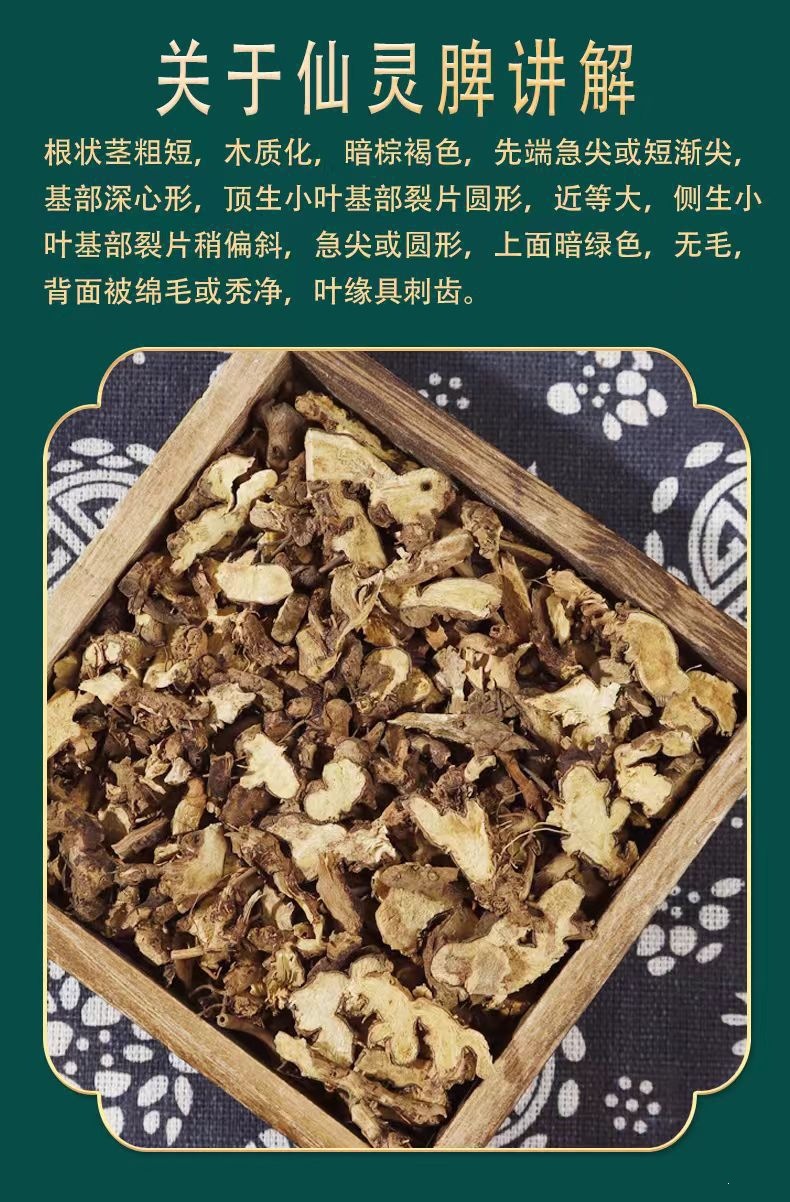
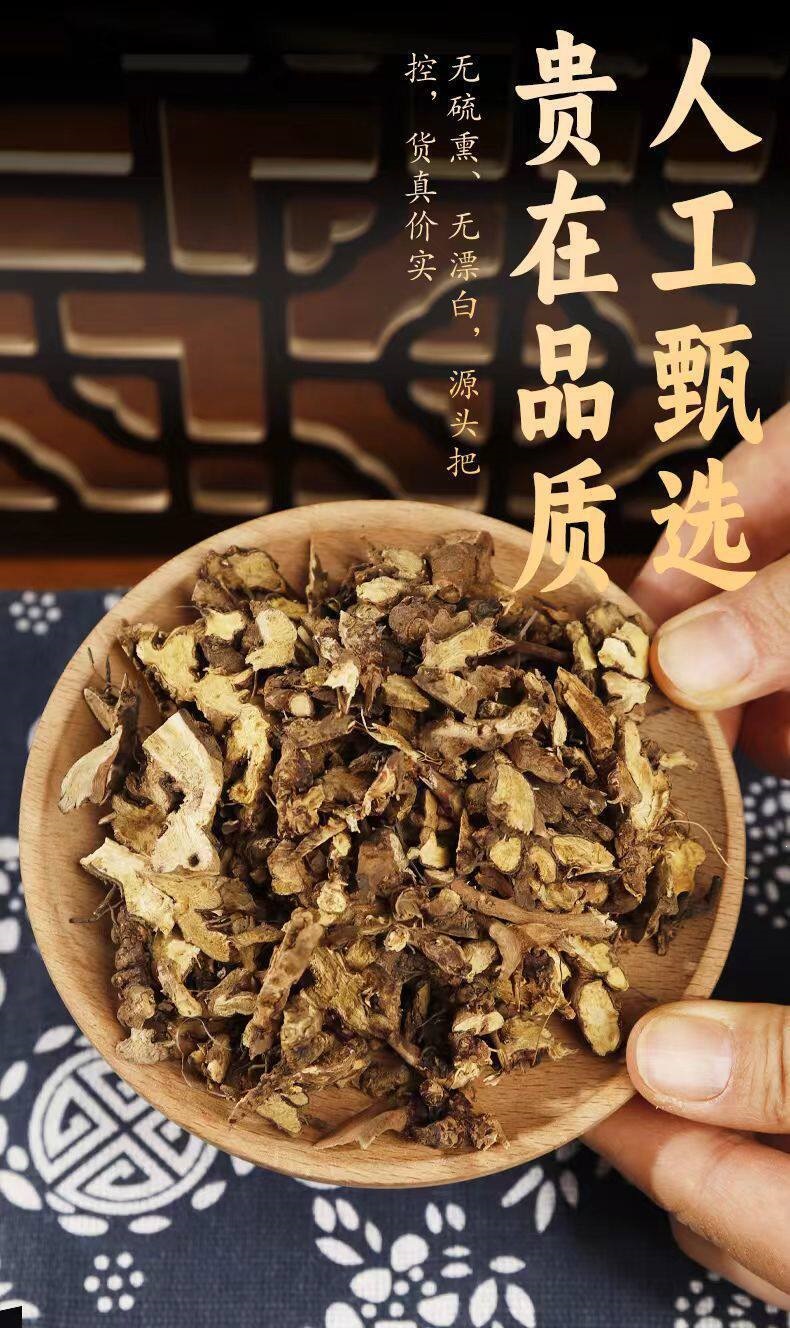
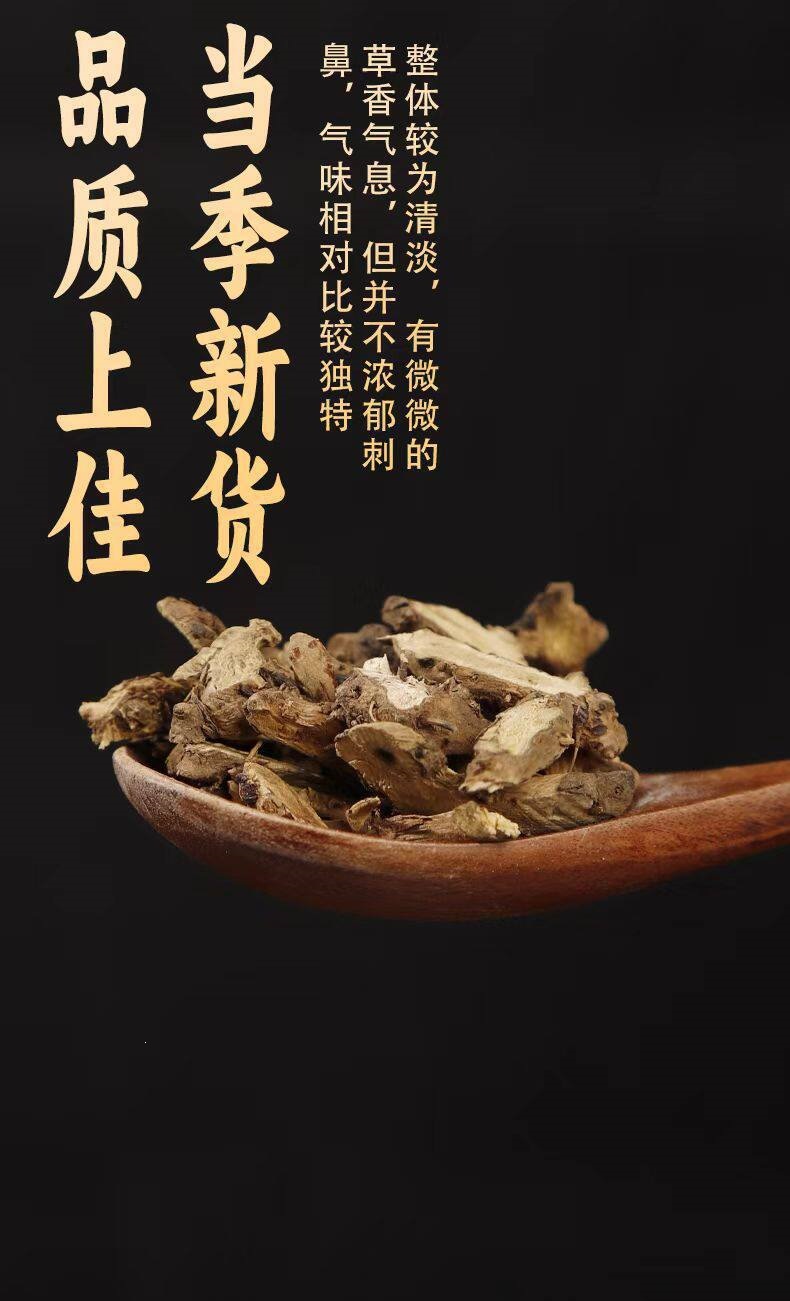
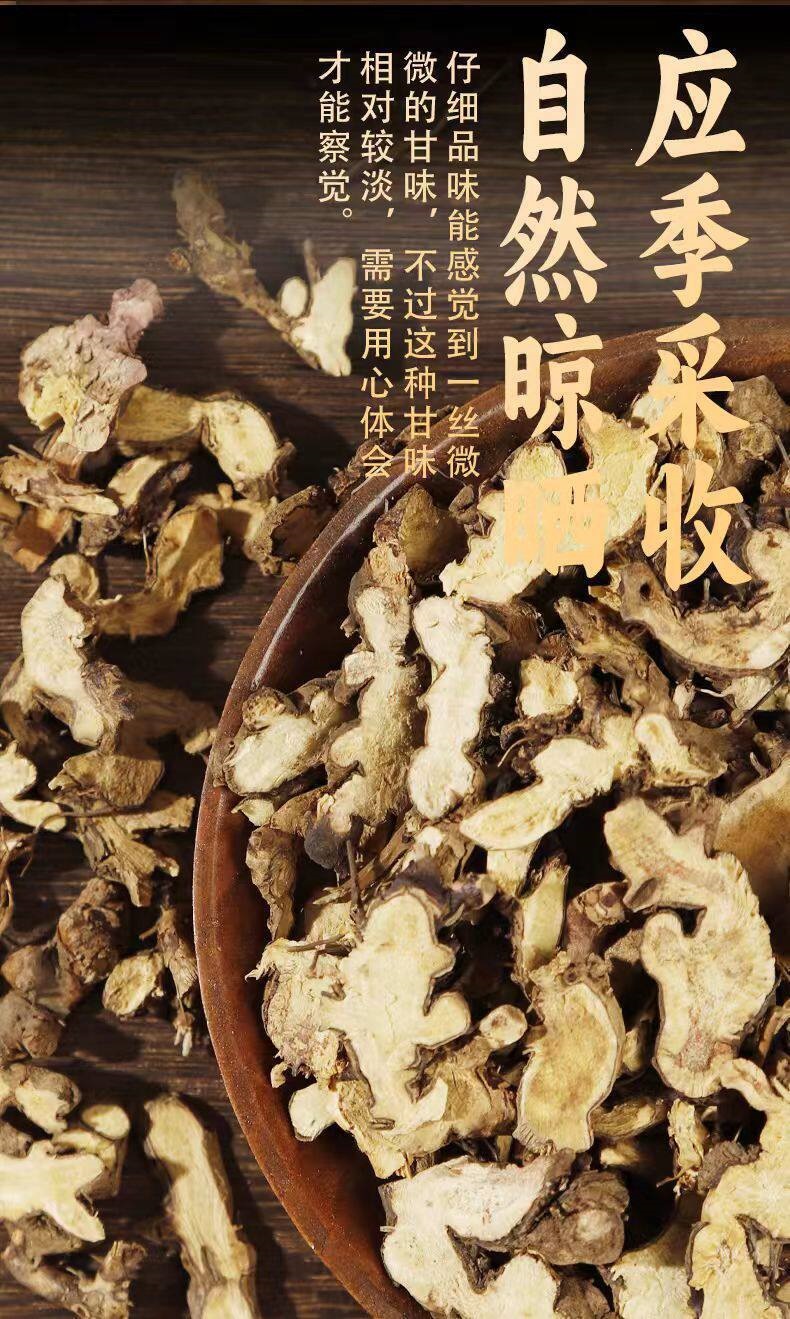
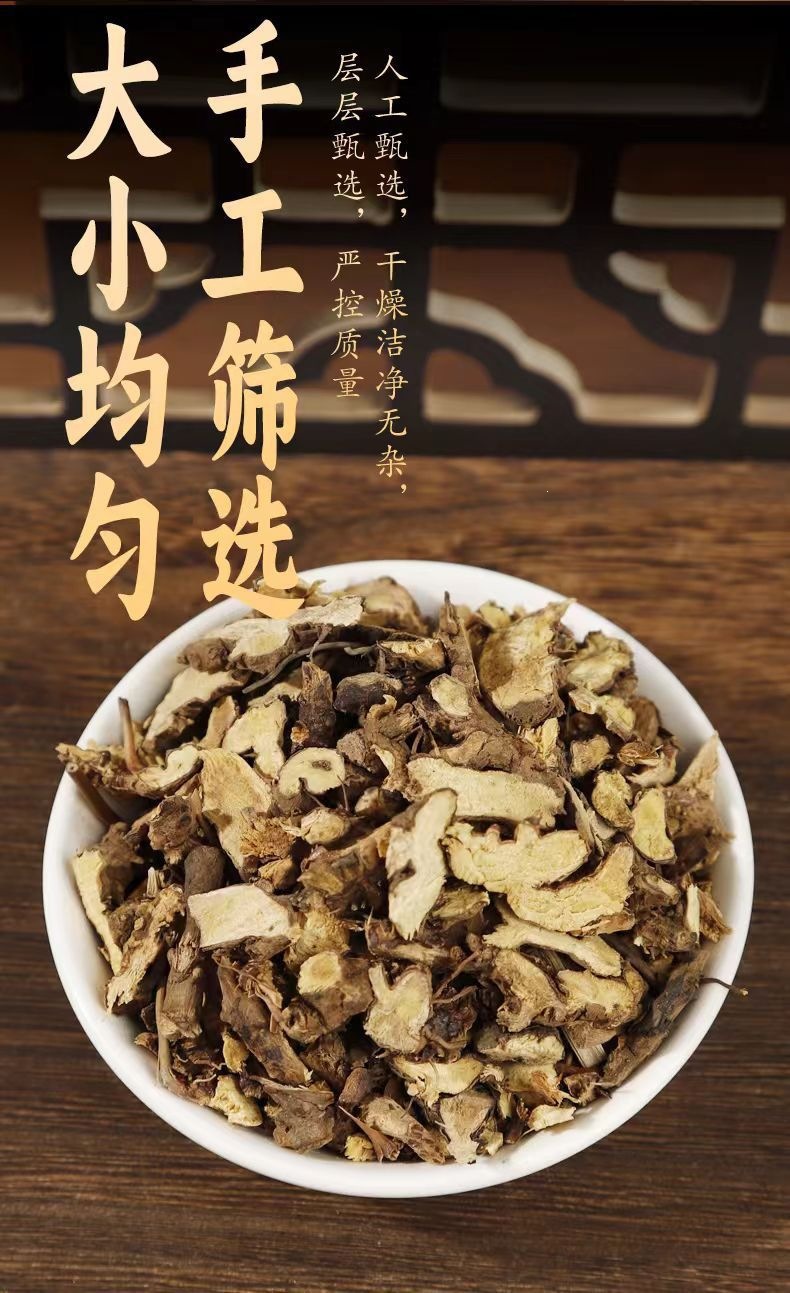
The dried root and leaf pieces typically show a greenish-brown to earthy brown color with a fibrous, woody texture. The aroma is mild and herbal, and after decocting or cooking the liquid is typically slightly bitter with an earthy herbal taste.
Technical Specifications
| Product Type | Dried herbal decoction pieces |
|---|---|
| Chinese Name | 淫羊藿 仙灵脾 |
| Pinyin | Yin Yang Huo, Xian Ling Pi |
| Botanical Name | Epimedium spp. |
| Plant Part | Root and leaf |
| Net Weight | 250g per can, 4 cans |
Usage Scenarios
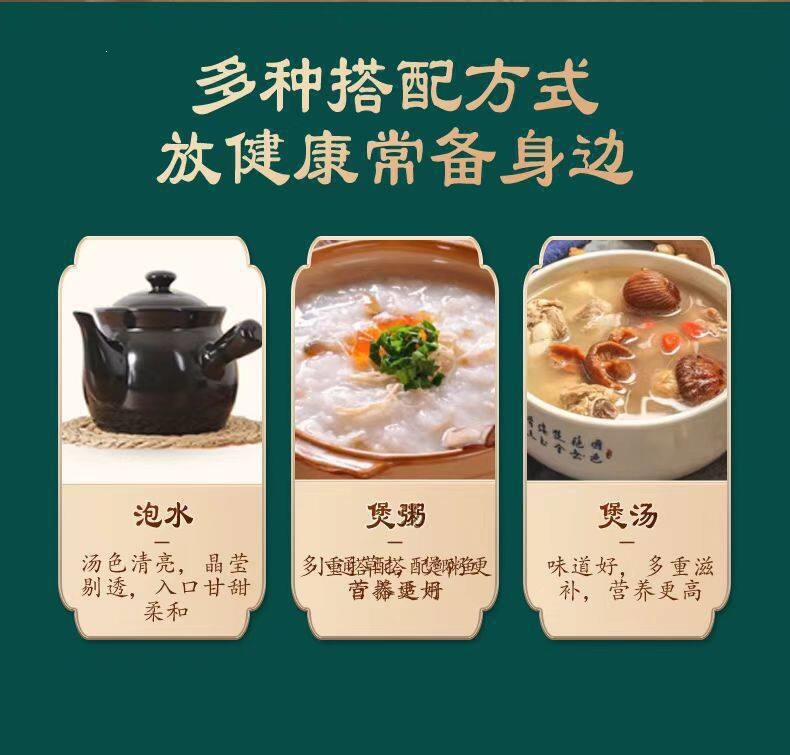
- Add to herbal decoctions with other TCM herbs
- Simmer in soups and broths
- Cook in congee or grain dishes
- Use in traditional culinary preparations
Traditional Uses
In TCM theory, Yin Yang Huo is traditionally used to warm the kidney yang, strengthen bones and tendons, and support healthy libido. It is often paired with herbs such as Rou Cong Rong, Du Zhong, and Gou Qi Zi in decoctions. Folk practice also includes simmering the root and leaf in soups or congee for seasonal nourishment.
FAQ Q&A
Q: What is this product?
A: It is dried Epimedium root and leaf, known in TCM as Yin Yang Huo (淫羊藿) or Xian Ling Pi (仙灵脾), sold as whole decoction pieces.
Q: What is its traditional value?
A: In TCM theory it is traditionally associated with warming yang, supporting kidney function, and strengthening bones and tendons.
Q: How is it commonly prepared?
A: It is typically simmered in decoctions, soups, or congee with other herbs or foods.
Additional information
| Model | 罐装洋火叶根75g 1罐, 罐装洋火叶根75g 2罐, 罐装洋火叶根250g 1罐, 罐装洋火叶根250g 2罐, 罐装洋火叶根250g 3罐, 罐装洋火叶根250g 4罐 |
|---|
Related products
-
Astragalus Root Slices Huang Qi 500g Dried Herb for Soups and Teas
Price range: $7.36 through $22.11 -
Xinhui Chenpi Dried Tangerine Peel 500g Sun Dried Aged Peel for Soup and Tea
Price range: $60.19 through $116.90 -
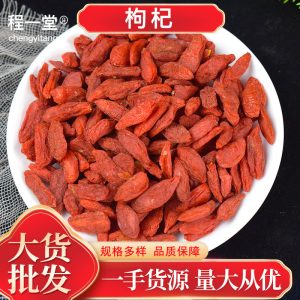
Ningxia Goji Berries Gou Qi Zi 500g Dried Red Wolfberry for Tea Soup and Snacking
Price range: $7.20 through $16.44 -

Dried Huang Jing Slices Polygonatum Rhizome Chicken Head Huang Jing 500g Bulk Herbal Tea and Soup Ingredient
Price range: $9.14 through $18.87
Reviews
There are no reviews yet.