
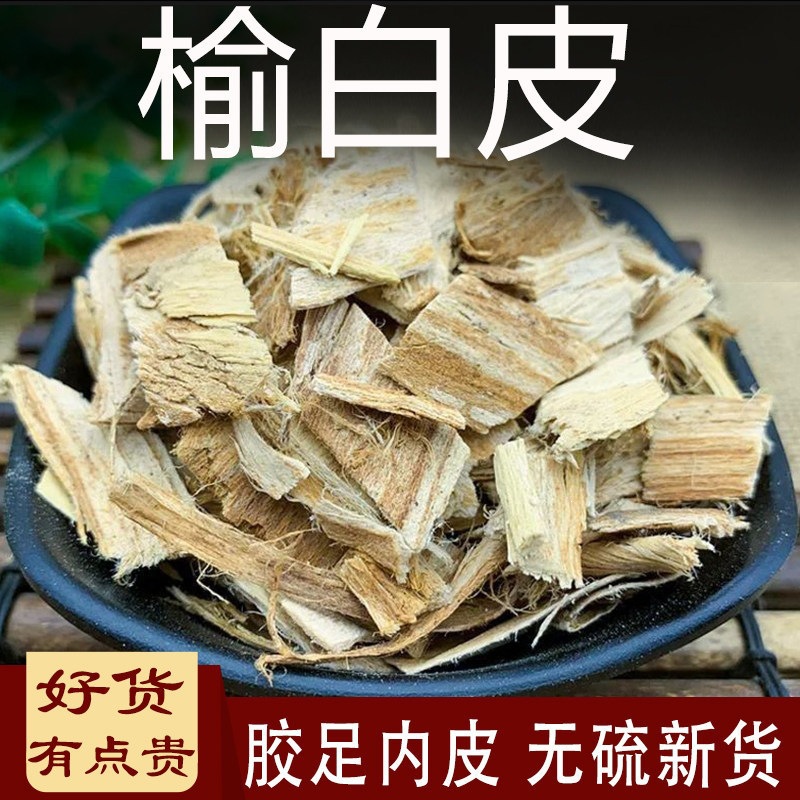
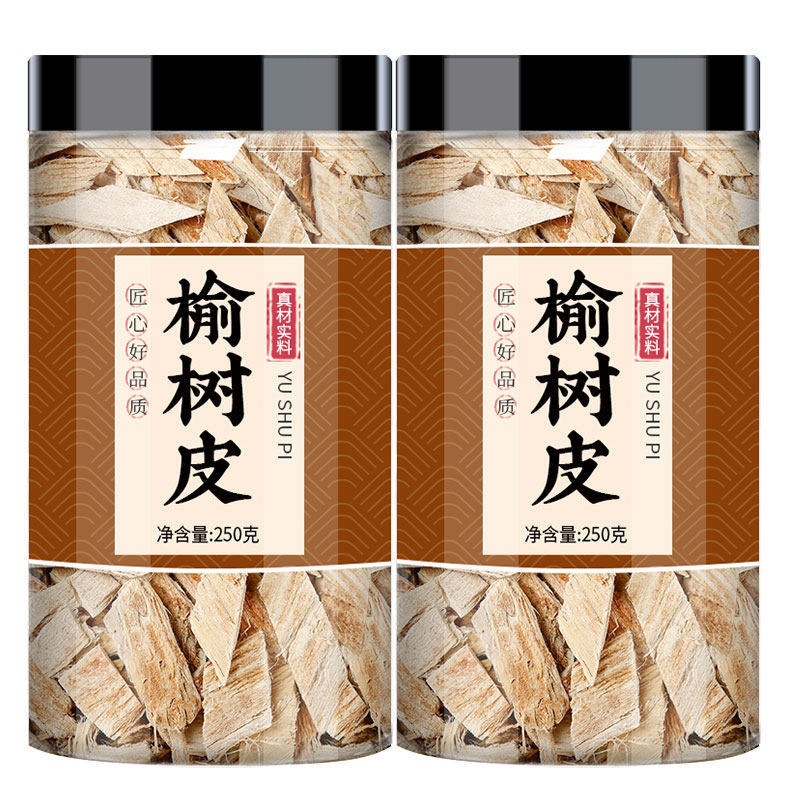
Dried Elm Bark Inner Bark Yu Bai Pi Traditional Herbal Decoction Piece for Tea and Hair Rinse
Price range: $5.57 through $7.13
Description
Dried Elm Bark, known in TCM as Yu Bai Pi (榆白皮) and Yu Shu Pi (榆树皮), from Ulmus pumila, is the sun-dried inner bark of the elm tree. In TCM theory it is considered sweet and neutral, traditionally associated with the Lung and Large Intestine channels. It is commonly used as a decoction piece for teas, soups, and traditional external hair rinses. Store in a cool dry place.
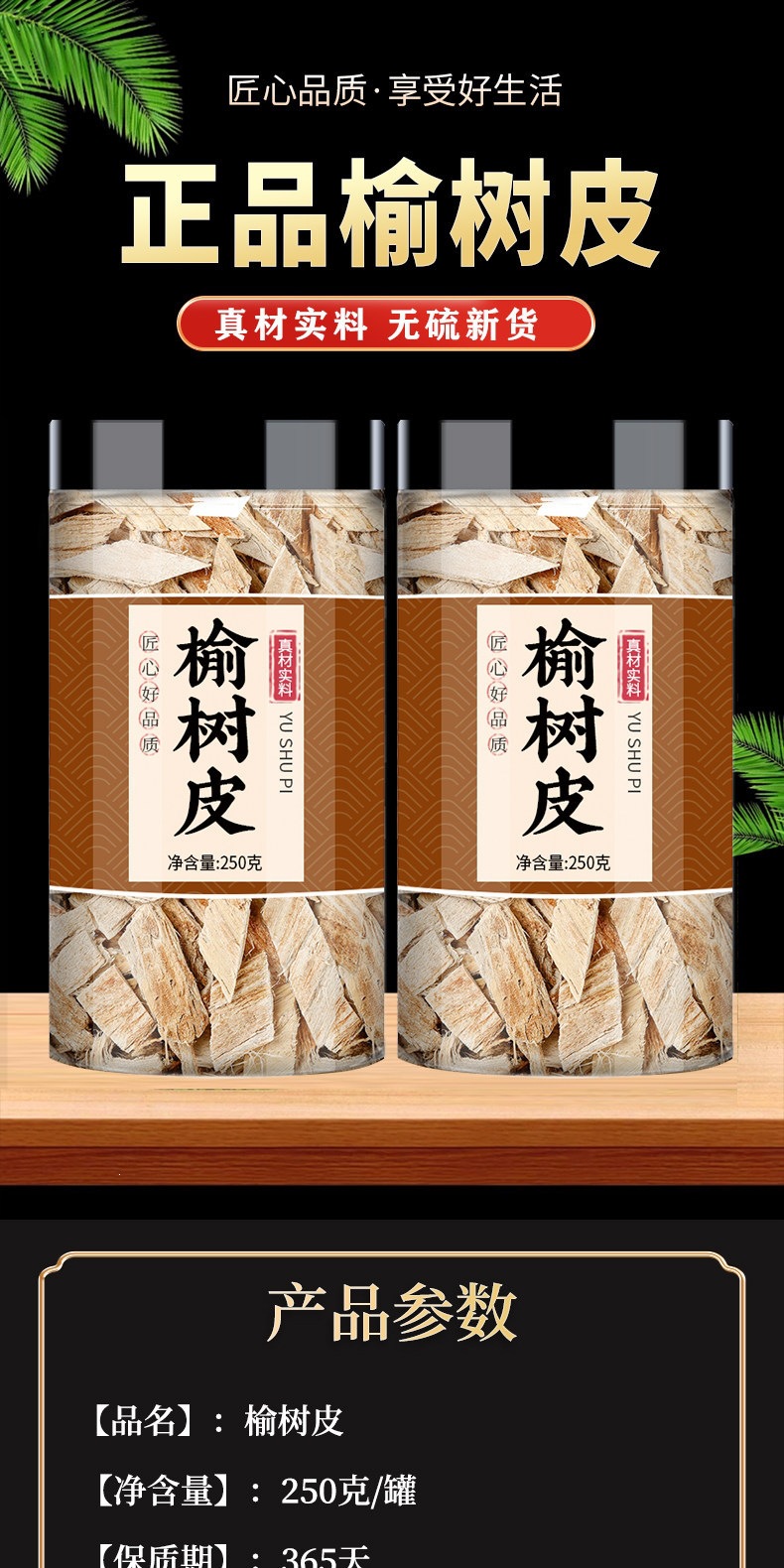
Key Selling Points
- Identified as the inner bark of Ulmus pumila, the Chinese elm
- Known in TCM as Yu Bai Pi (榆白皮) and Yu Shu Pi (榆树皮)
- Naturally sun-dried decoction piece with no organic certification
- Traditionally used in teas, soups, and external hair rinses
- Packaged as three 75g jars for a total net weight of 100g
Quality & Sensory
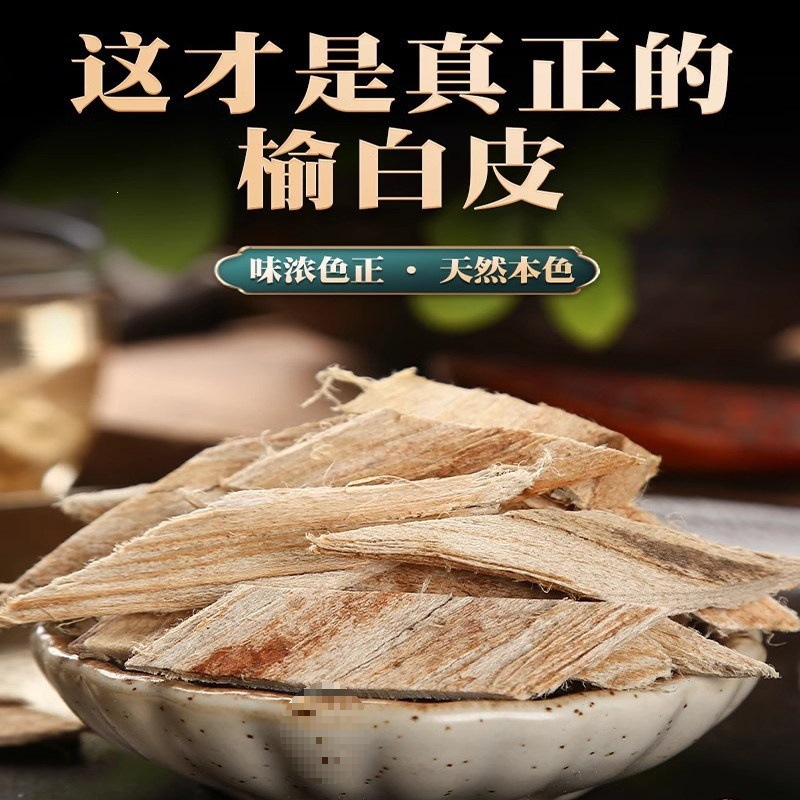
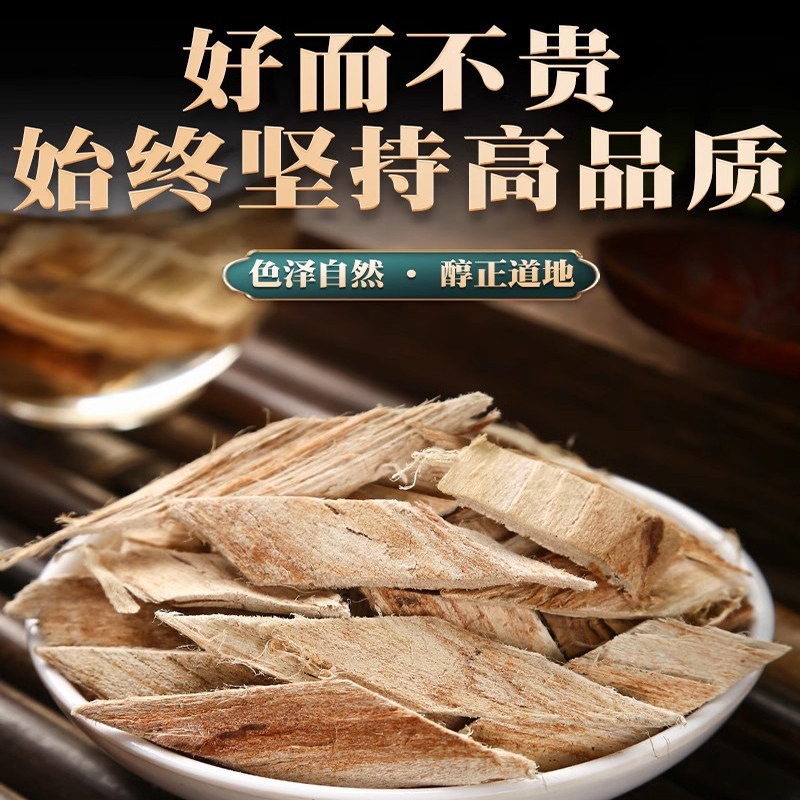
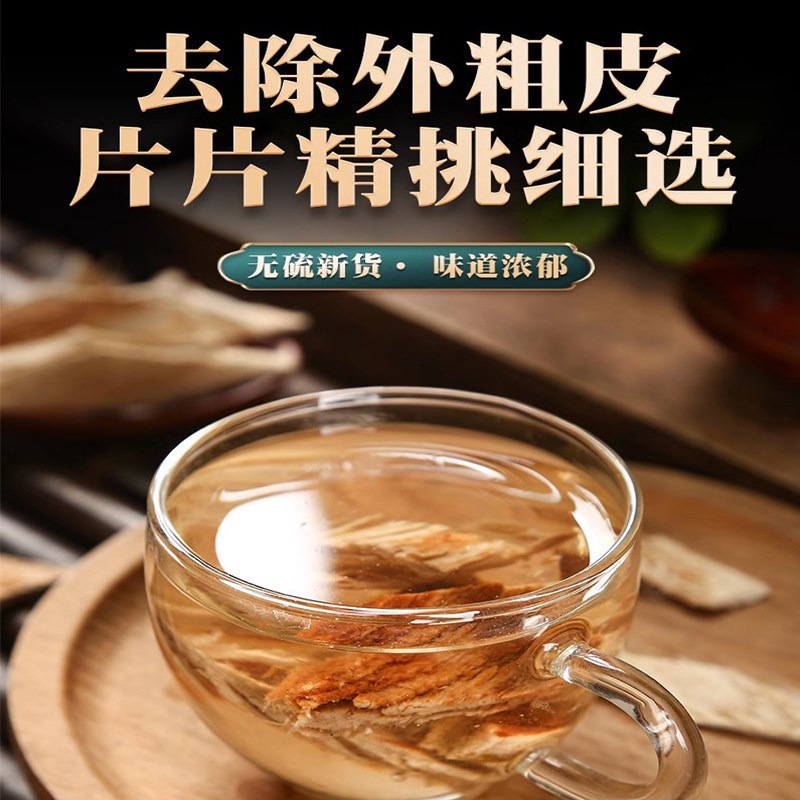
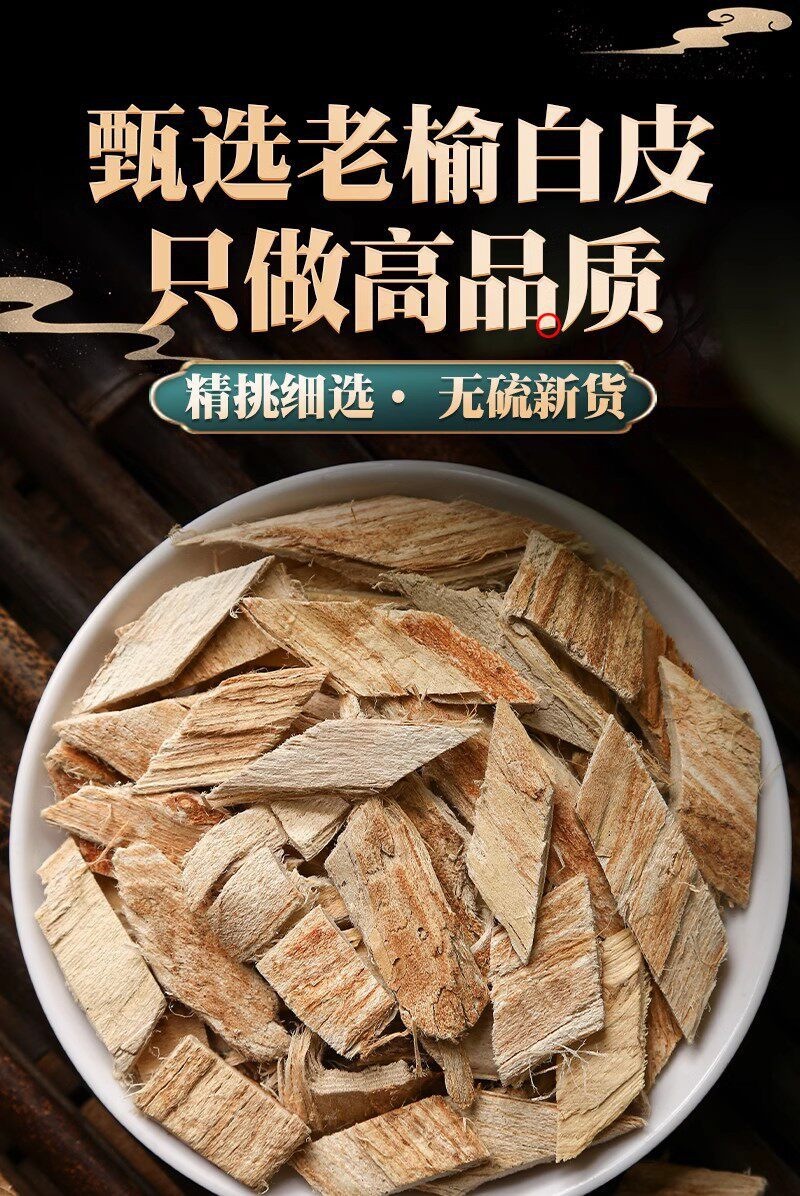
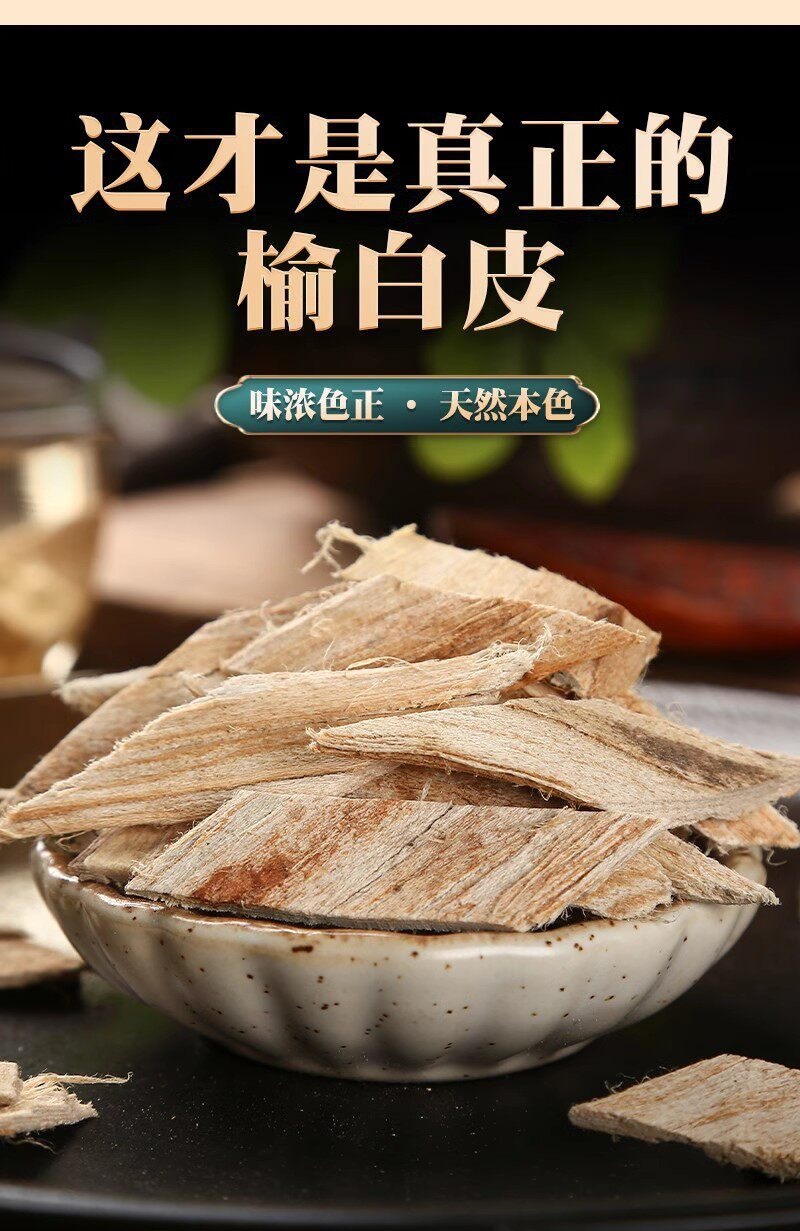
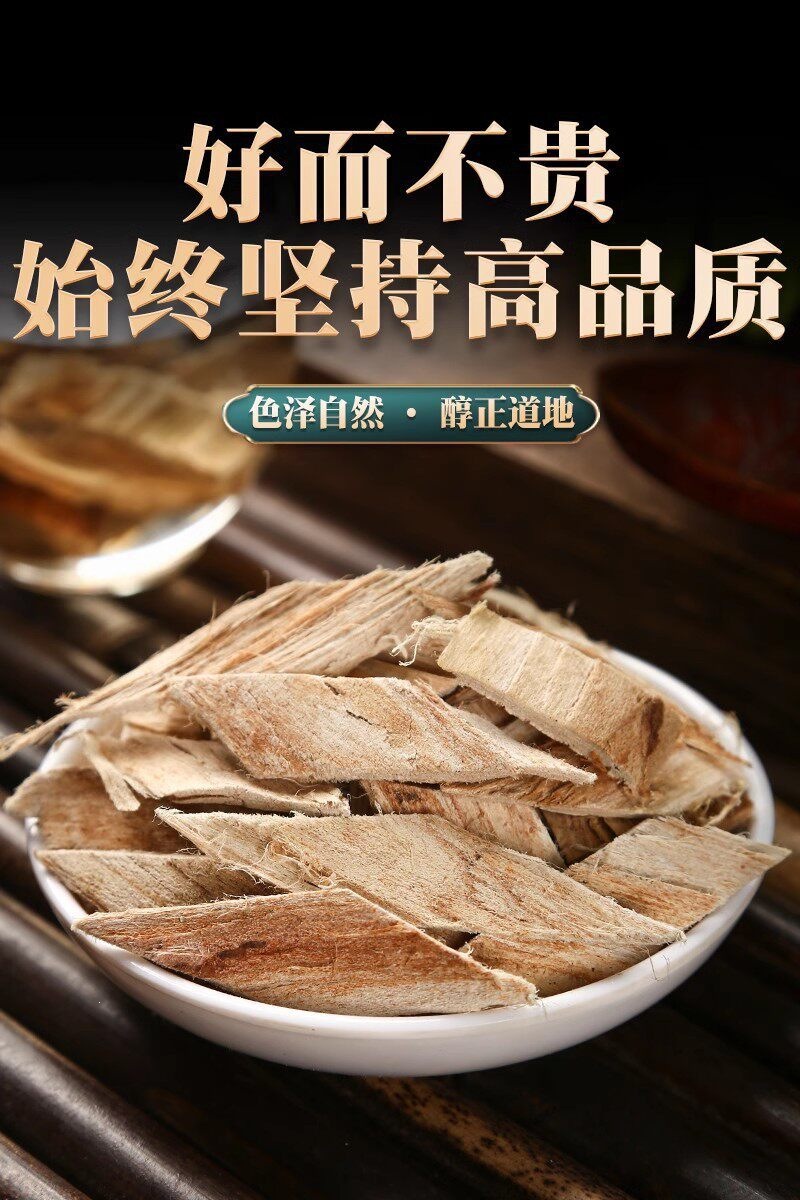
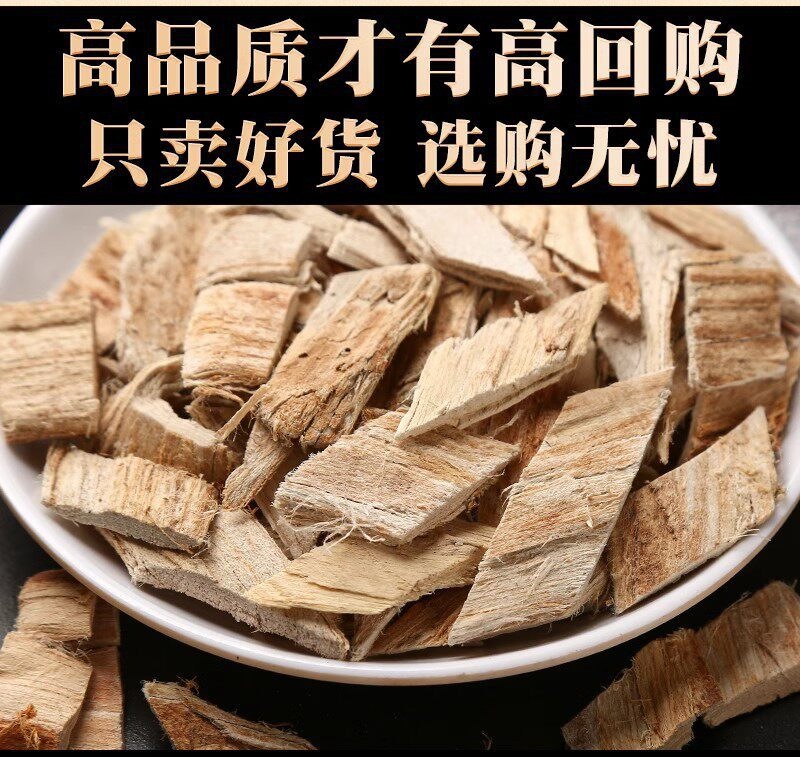
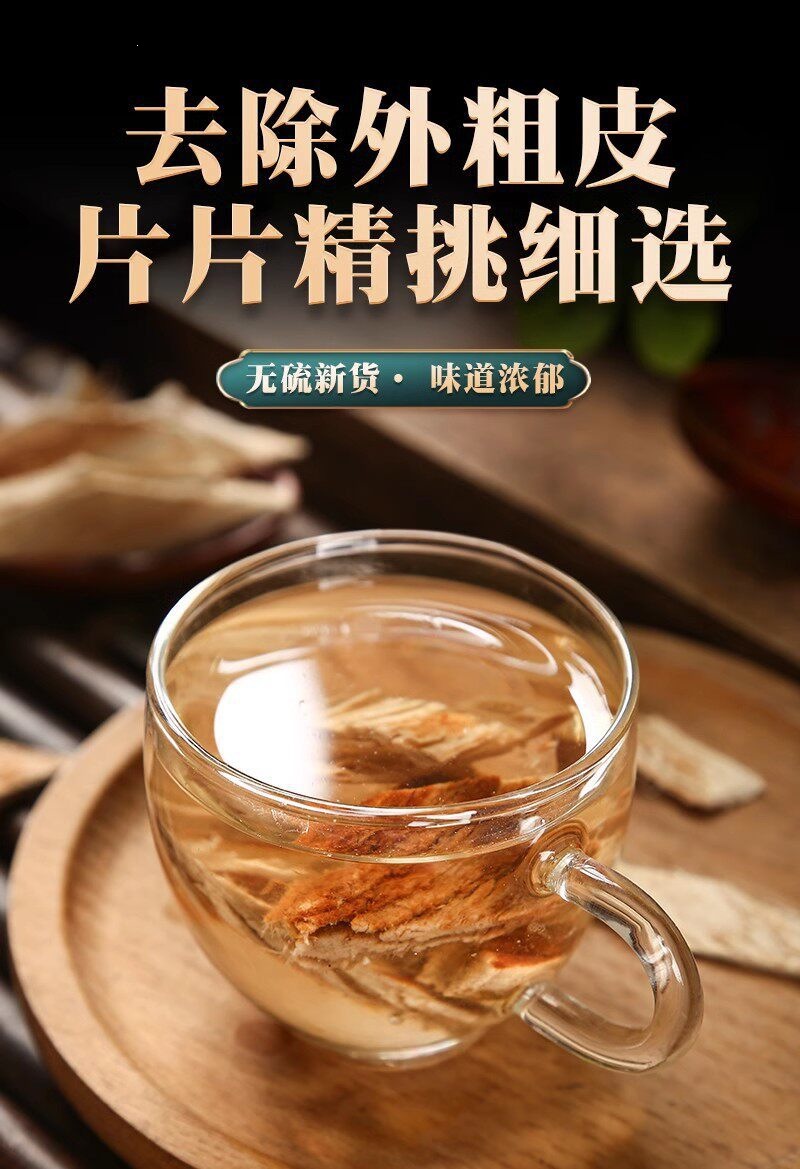
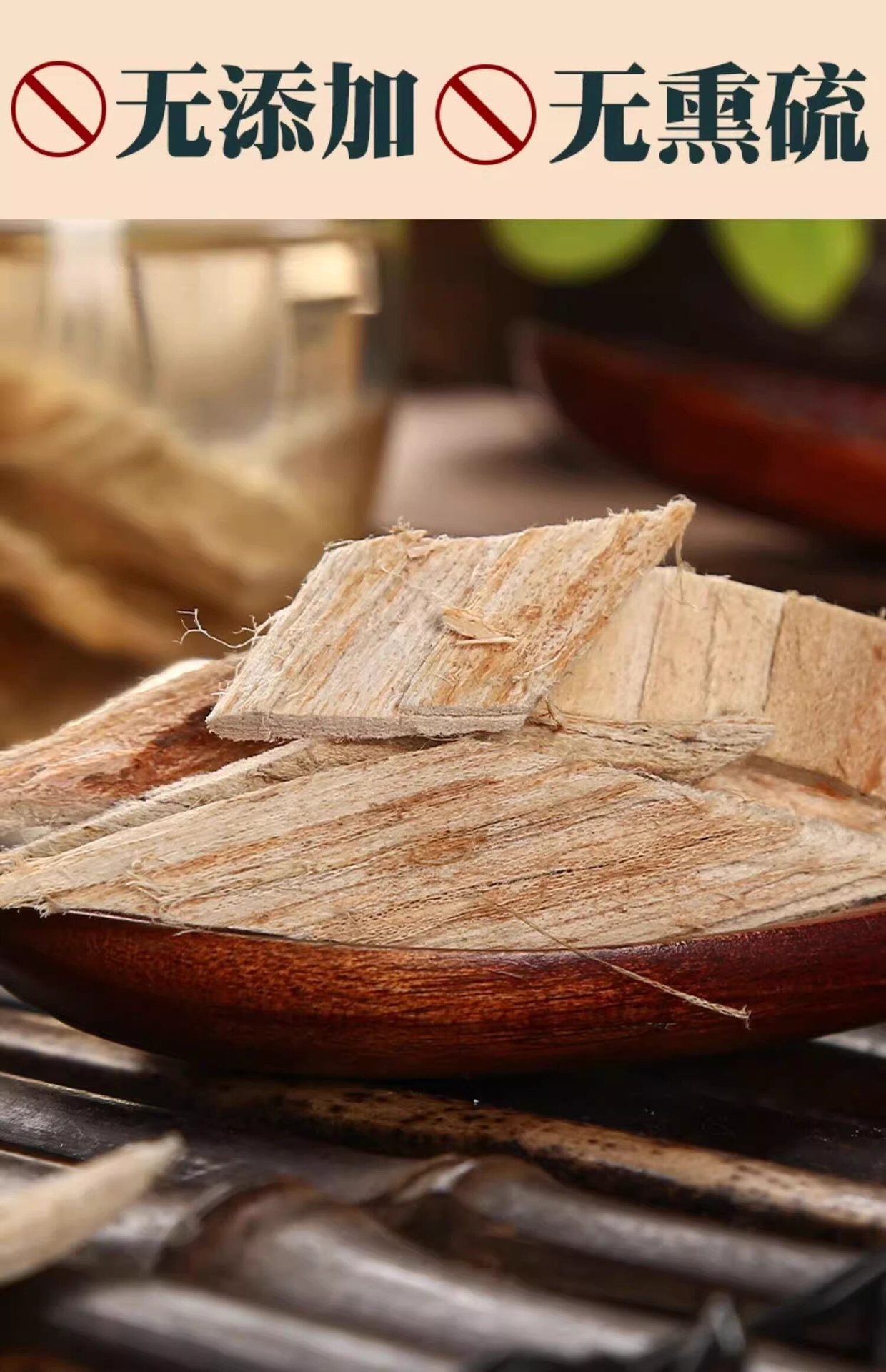
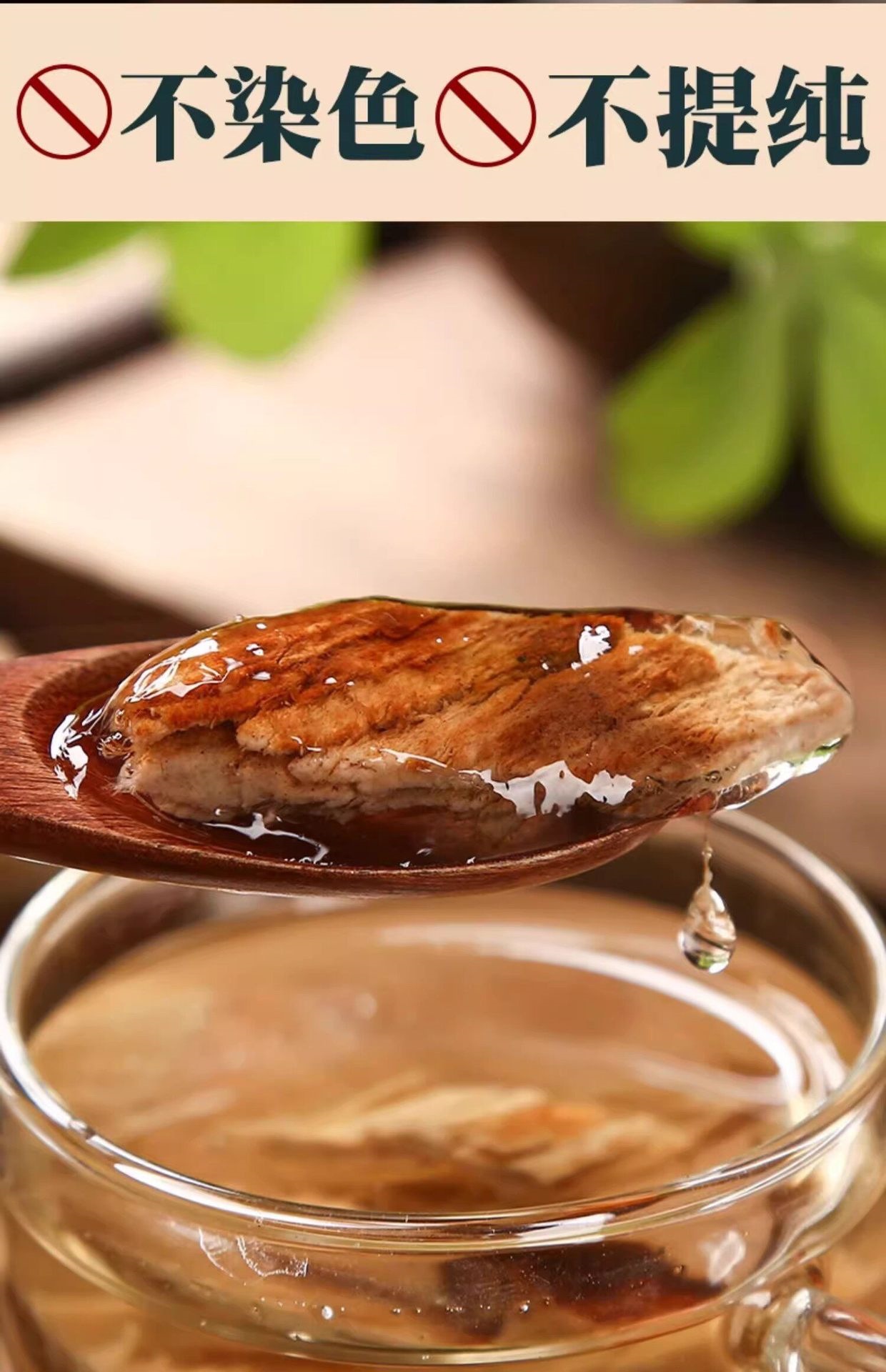
The dried inner bark typically appears pale yellowish to light tan with a fibrous, slightly leathery texture. It has a mild, earthy, woody aroma. When decocted or steeped, the liquid is typically light amber with a subtle, bland, slightly sweet taste.
Technical Specifications
| Product Type | Dried Herbal Decoction Piece |
|---|---|
| Chinese Name | 榆白皮 / 榆树皮 |
| Pinyin | Yu Bai Pi / Yu Shu Pi |
| Botanical Name | Ulmus pumila |
| Plant Part | Inner Bark |
| Net Weight | 100g |
Usage Scenarios
- Simmered as a traditional herbal tea or decoction
- Added to soups or congee as a traditional herbal ingredient
- Used as an external rinse for hair and scalp
- Included in seasonal herbal food preparations
Traditional Uses
In TCM and folk practice, Yu Bai Pi (榆白皮) is traditionally used in decoctions and soups, often paired with other mild herbs. It is also traditionally prepared as an external rinse for hair and scalp care. The inner bark is valued in seasonal food preparations and daily herbal teas.
FAQ Q&A
Q: What is this product?
A: It is the sun-dried inner bark of the Chinese elm, known in TCM as Yu Bai Pi (榆白皮) or Yu Shu Pi (榆树皮).
Q: What is its traditional value?
A: In TCM theory it is considered sweet and neutral, traditionally associated with the Lung and Large Intestine channels. It is used in teas, soups, and external hair rinses.
Q: How is it commonly prepared?
A: It is typically simmered as a decoction or steeped as a tea. It can also be added to soups or used as an external rinse for hair.
Additional information
| Weight | N/A |
|---|---|
| Dimensions | N/A |
| Model | 大罐 榆树皮250g 1罐, 大罐 2罐 榆树皮 250g 2, 大罐 榆树皮250g 3罐, 榆树皮75g 1罐, 榆树皮75g 2罐, 榆树皮75g 3罐 |
Related products
-

Dried Raspberry Fruit Fu Pen Zi Whole Berries for Herbal Tea and Wine Infusion 500g
Price range: $15.63 through $18.06 -
Taizishen Dried Pseudostellaria Root TCM Herbal Tea and Soup Ingredient 500g Bulk Pack
Price range: $10.28 through $15.63 -
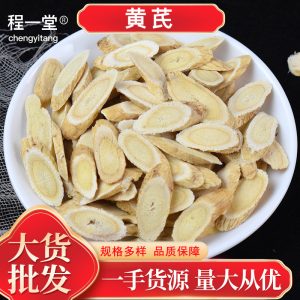
Astragalus Root Slices Huang Qi 斜片 Dried Herb for Decoction Soup and Tea 500g
Price range: $6.06 through $19.51 -

Dried Huang Jing Slices Polygonatum Rhizome Chicken Head Huang Jing 500g Bulk Herbal Tea and Soup Ingredient
Price range: $9.14 through $18.87
Reviews
There are no reviews yet.