
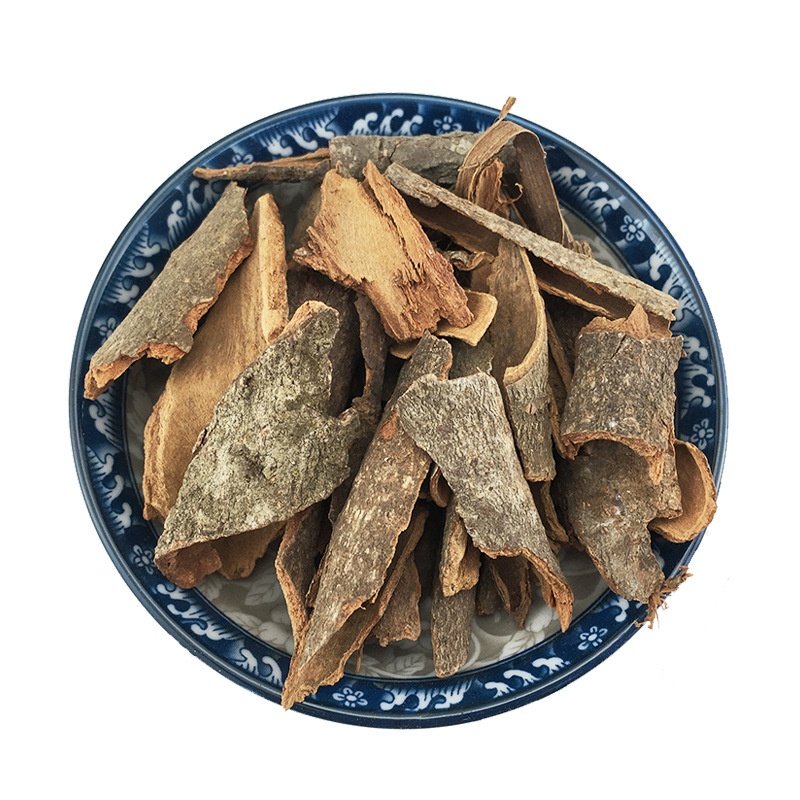
Dried Cinnamon Bark Gui Pi 500g Chinese Cassia Spice for Cooking and Herbal Use
Price range: $6.34 through $7.38
Description
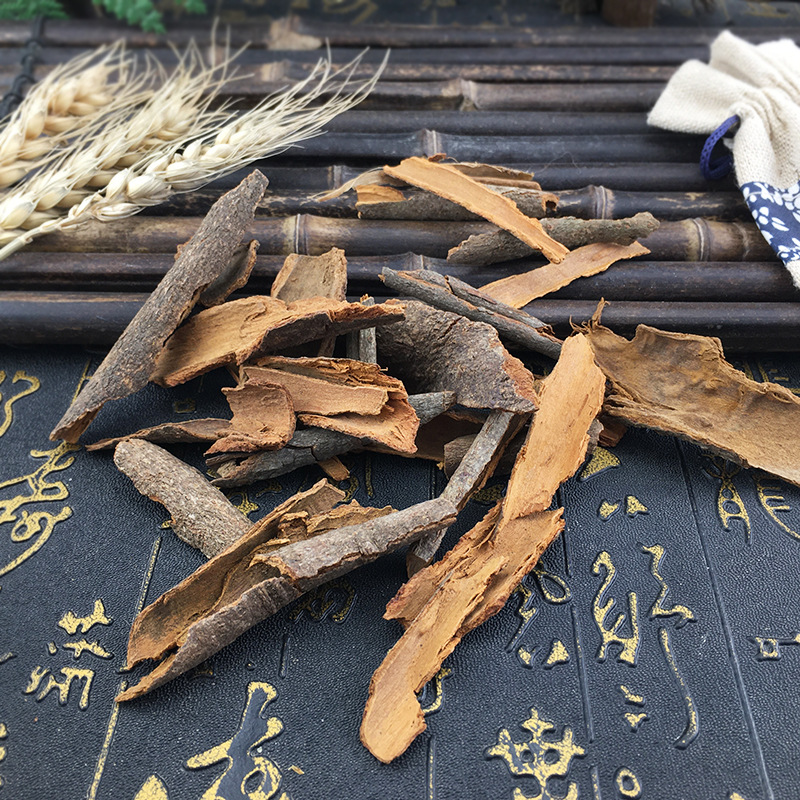
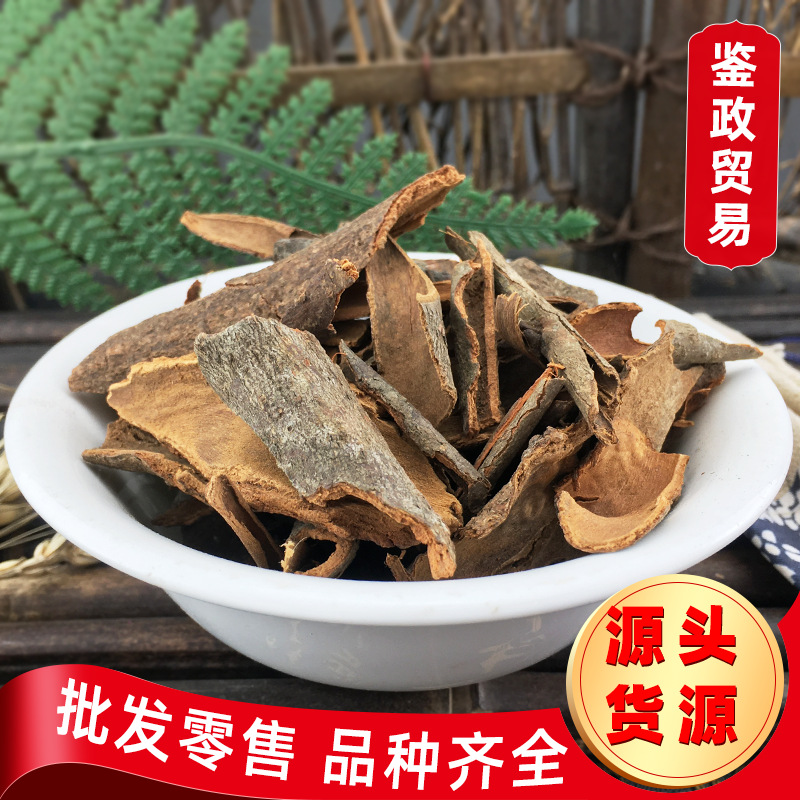
Dried Cinnamon Bark, known in TCM as Gui Pi (桂皮), from the aromatic inner bark of Cinnamomum cassia. This whole cassia bark is sun-dried and sold as a culinary spice and traditional herbal ingredient. In TCM theory it is considered warm in nature with pungent and sweet flavors, traditionally associated with warming the body. Commonly used in braising, soups, and slow-cooked dishes.

Key Selling Points
- Whole dried cinnamon bark Gui Pi桂皮 from China
- Botanical source Cinnamomum cassia inner bark
- Sun-dried whole quills suitable for long simmering
- Traditional warming spice in TCM practice
- Versatile for braising stews soups and spice blends
Quality & Sensory
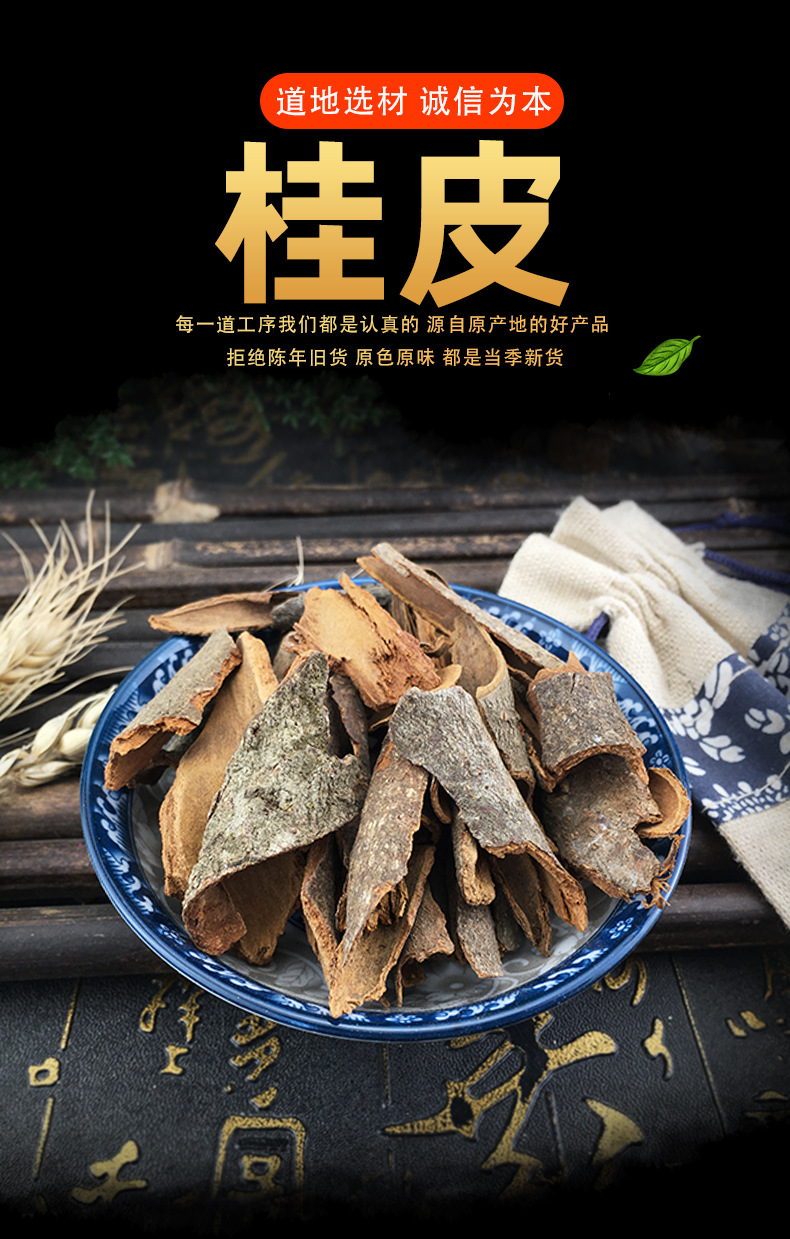
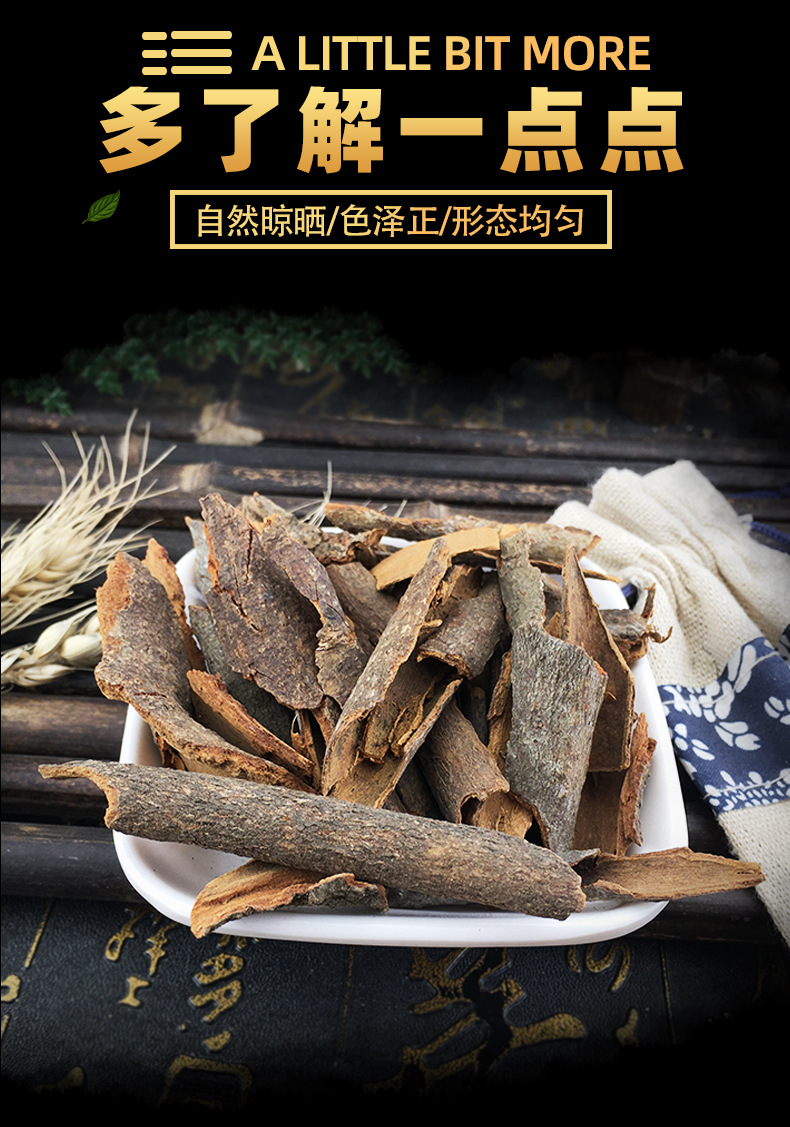
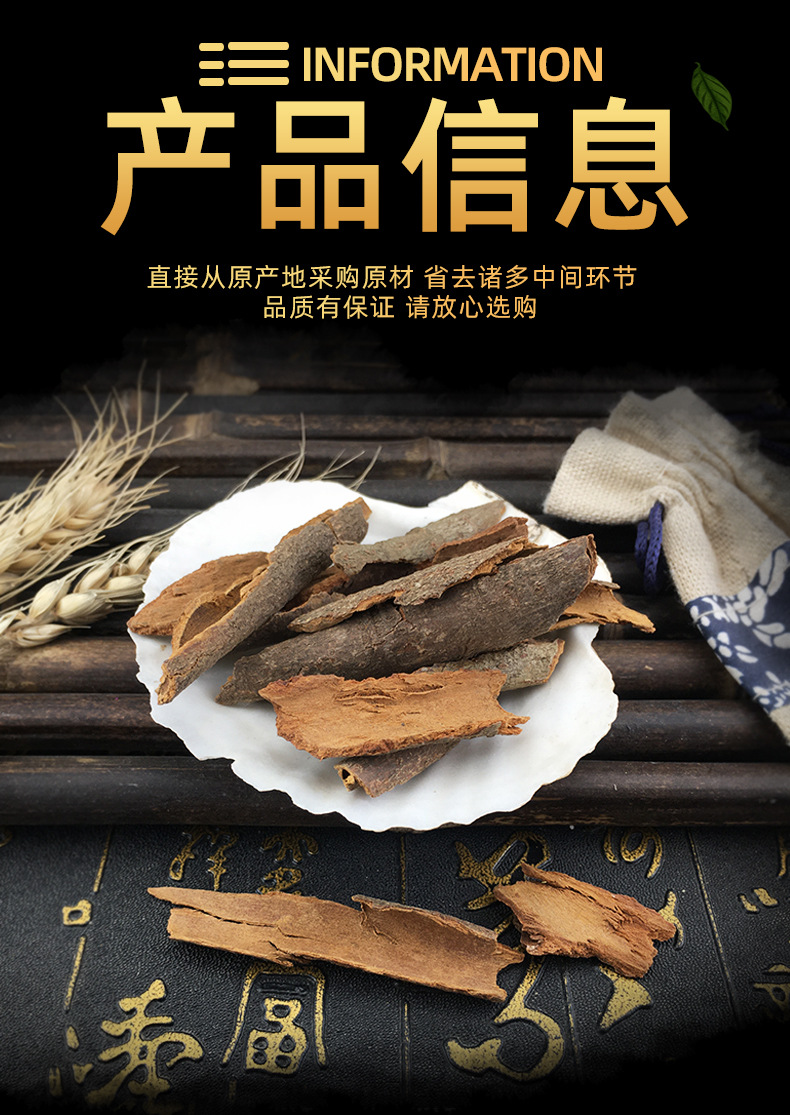
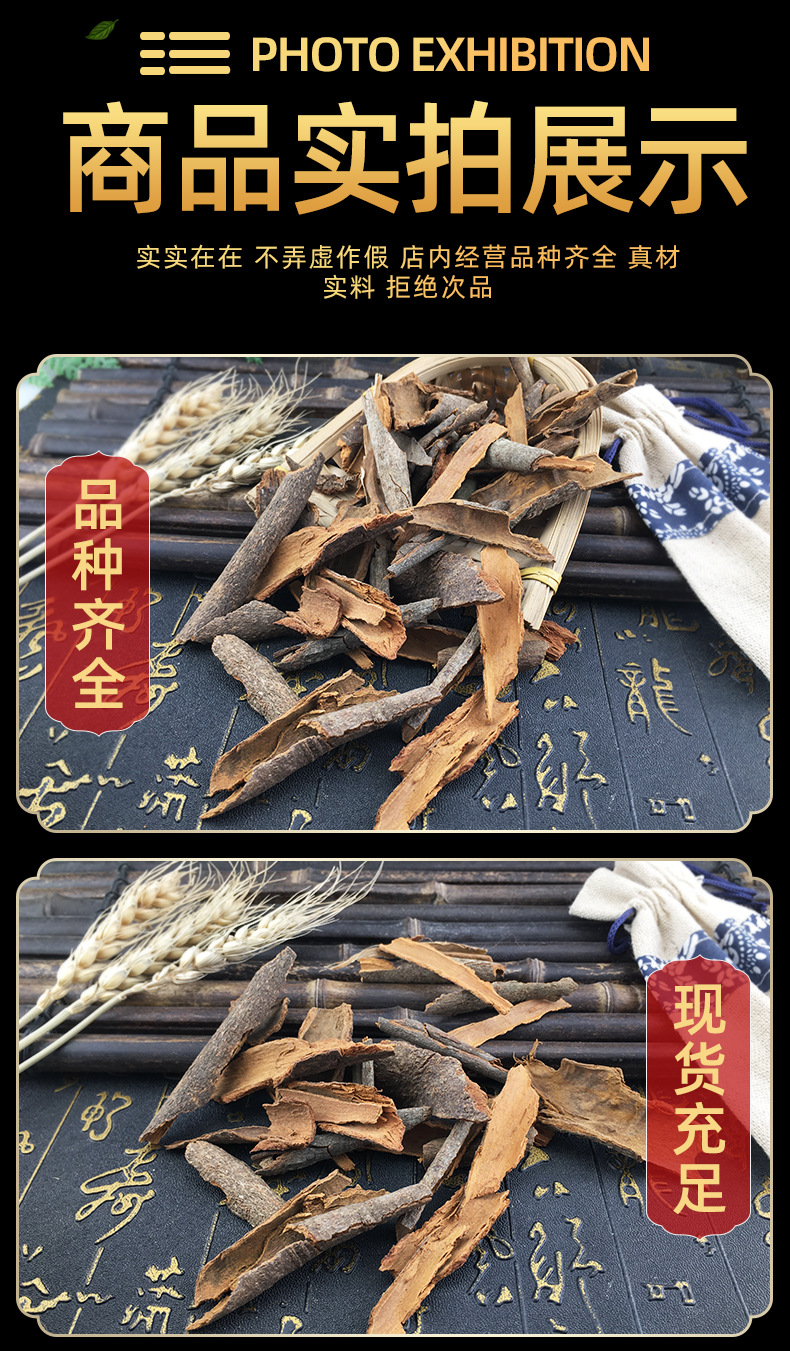
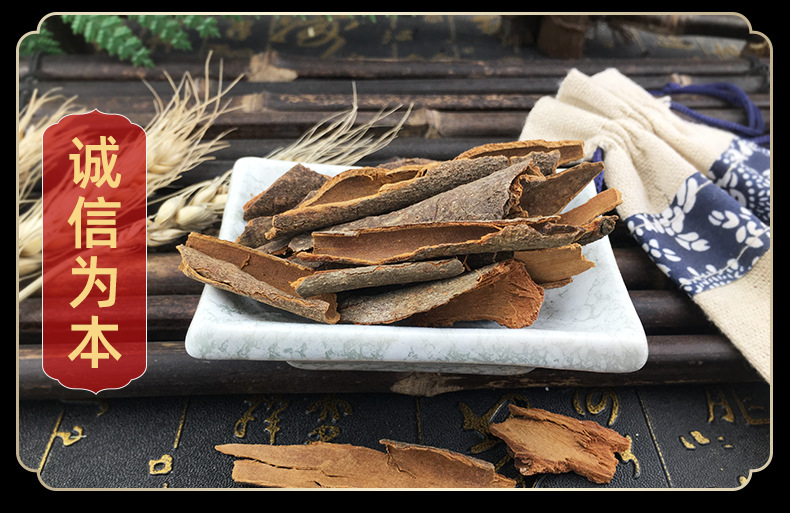
Typically reddish-brown bark with a slightly curled quill form and woody texture. The aroma is typically warm sweet and spicy, and the flavor released during slow cooking is pungent sweet and fragrant.

Technical Specifications
| Product Type | Dried culinary spice and herbal ingredient |
|---|---|
| Chinese Name | 桂皮 |
| Pinyin | Gui Pi |
| Botanical Name | Cinnamomum cassia |
| Plant Part | Dried bark |
| Net Weight | 500g (1 jin) |

Usage Scenarios
- Add whole bark to braised meats and stews
- Simmer in soups and slow-cooked dishes
- Use in spice blends for marinades and pickling
- Add to congee or rice dishes for warm aroma
Traditional Uses
In TCM practice, cinnamon bark is traditionally associated with warming the interior and supporting circulation of yang qi. It is a common ingredient in braising spice mixes such as five-spice and master stocks, and is traditionally paired with star anise, cloves, and ginger in slow-cooked soups and meat dishes. In folk use it also appears in winter warming recipes and seasonal tonics.

FAQ Q&A
Q: What is this product?
A: This is whole dried cinnamon bark Gui Pi桂皮 from Cinnamomum cassia, sold as a culinary spice and traditional herbal ingredient.
Q: What is its traditional value?
A: In TCM theory it is warm and pungent-sweet, traditionally associated with warming the body and supporting yang qi.
Q: How is it commonly used?
A: Add whole bark to braises, stews, soups, and spice blends, removing it before serving if desired.

Additional information
| Weight | N/A |
|---|---|
| Dimensions | N/A |
| Packaging specifications | Cinnamon crushed, Cinnamon silk, Cinnamon |
Related products
-
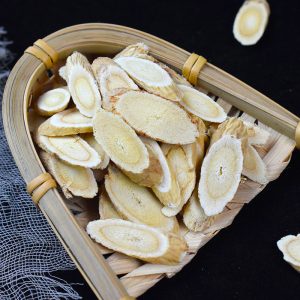
Astragalus Root Slices Huang Qi 500g Dried Herb for Soups and Teas
Price range: $7.36 through $22.11 -
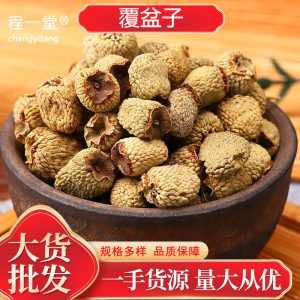
Dried Raspberry Fruit Fu Pen Zi Whole Berries for Herbal Tea and Wine Infusion 500g
Price range: $15.63 through $18.06 -
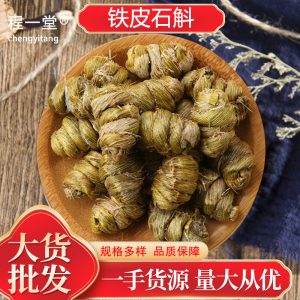
Tie Pi Shi Hu Dried Dendrobium Stems 500g Huoshan Fengdou for Soup and Tea
Price range: $35.88 through $108.80 -
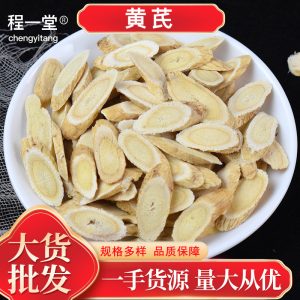
Astragalus Root Slices Huang Qi 斜片 Dried Herb for Decoction Soup and Tea 500g
Price range: $6.06 through $19.51
Reviews
There are no reviews yet.