
Dried Chuan Lian Zi Sichuan Chinaberry Fruit Traditional Herbal Decoction Piece 500g
Price range: $5.51 through $31.55
Description
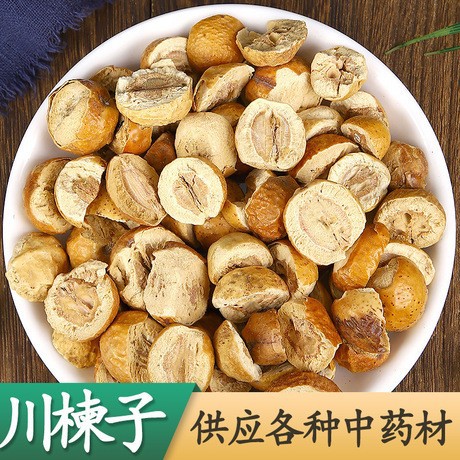
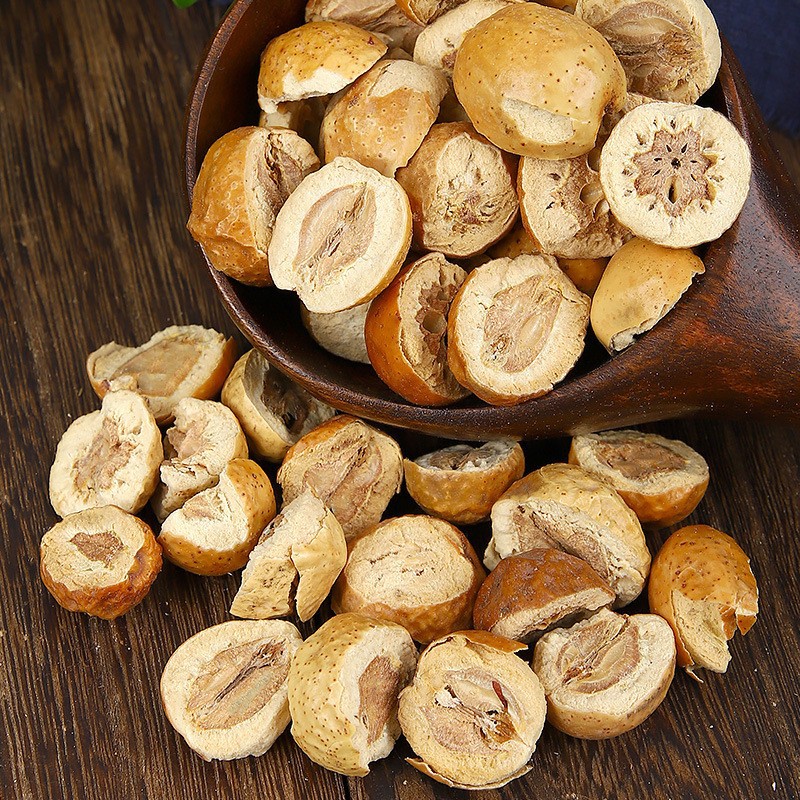
Dried Sichuan Chinaberry Fruit, known in TCM as Chuan Lian Zi (川楝子), from Melia toosendan, is the sun-dried mature fruit used as a traditional decoction piece. In TCM theory it is bitter and cold, entering the liver, small intestine, and bladder channels. Traditionally associated with soothing liver qi and moving qi to ease discomfort. Commonly decocted with other herbs or used in herbal formulas.
Key Selling Points
- Identified as Chuan Lian Zi (川楝子), the dried fruit of Melia toosendan
- Sun-dried decoction piece from Anhui origin
- Bitter, cold nature in TCM theory entering liver and bladder channels
- Traditionally used in herbal decoctions and formulas
- Available in 500g net weight with bulk 10kg packaging option
Quality & Sensory
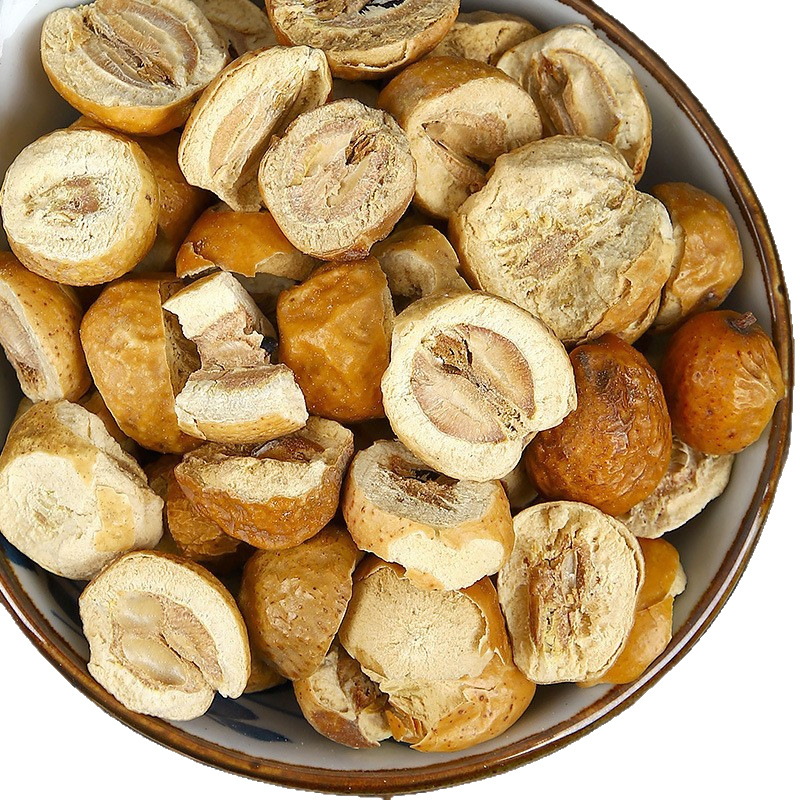
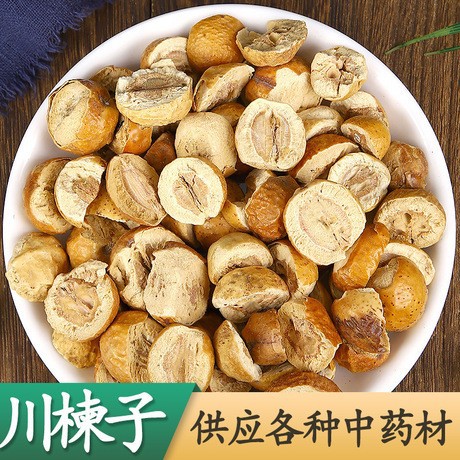
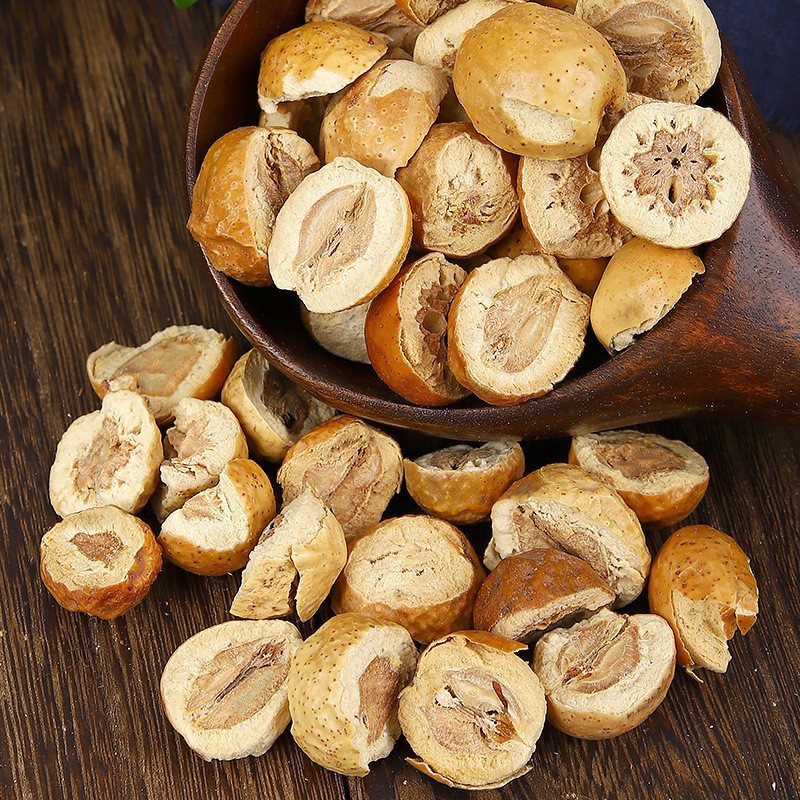
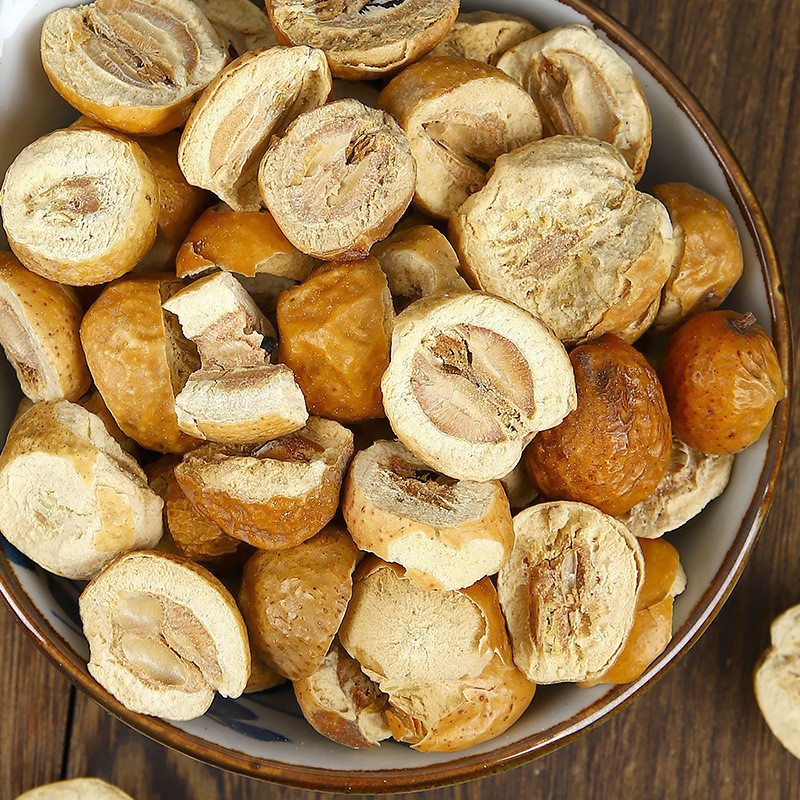
The dried fruits are typically spherical to ellipsoid, yellow-brown to brownish, with a hard texture and faint herbal aroma. When decocted, they contribute a distinctly bitter taste. Color and size may vary slightly between batches as a natural agricultural product.
Technical Specifications
| Product Type | Dried herbal decoction piece |
|---|---|
| Chinese Name | 川楝子 |
| Pinyin | Chuan Lian Zi |
| Botanical Name | Melia toosendan |
| Plant Part | Mature fruit |
| Net Weight | 500g |
Usage Scenarios
- Herbal decoction with other TCM herbs
- Traditional herbal tea preparation
- Inclusion in seasonal soup or congee recipes
- External foot soak in traditional practice
Traditional Uses
In TCM theory, Chuan Lian Zi is traditionally used in decoctions to soothe liver qi and move qi, often paired with herbs such as Yan Hu Suo or Chai Hu. It is also used in folk practice for external foot soaks. Preparation typically involves simmering the dried fruit in water as part of a formula.
FAQ Q&A
Q: What is Chuan Lian Zi?
A: Chuan Lian Zi (川楝子) is the dried mature fruit of Melia toosendan, used as a traditional Chinese herbal decoction piece.
Q: What are its traditional characteristics?
A: In TCM theory it is bitter and cold, entering the liver, small intestine, and bladder channels, and is traditionally associated with soothing liver qi and moving qi.
Q: How is it commonly prepared?
A: It is typically simmered in water as part of a herbal decoction or formula, often combined with other herbs. It can also be used in external foot soaks.
Additional information
| Weight | N/A |
|---|---|
| Dimensions | N/A |
| Model | 川楝子250克, 川楝子500克, 川楝子1000克, 川楝子10公斤 |
Related products
-
Dried Raspberry Fruit Fu Pen Zi 500g Whole Berries for Herbal Tea and Wine Infusion
Price range: $14.00 through $16.44 -
Dried Mugwort Leaf Ai Ye 500g Chinese Herbal Bath Foot Soak and Smoke Cleansing Herb
Price range: $4.77 through $5.25 -
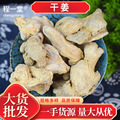
Dried Ginger Root Gan Jiang 500g Bulk Chinese Herb Zingiber officinale Rhizome for Decoction and Culinary Use
$5.90 -

Cabinda Bark Dried Herb 500g Traditional Herbal Infusion Ingredient
Price range: $12.38 through $37.50
Reviews
There are no reviews yet.