
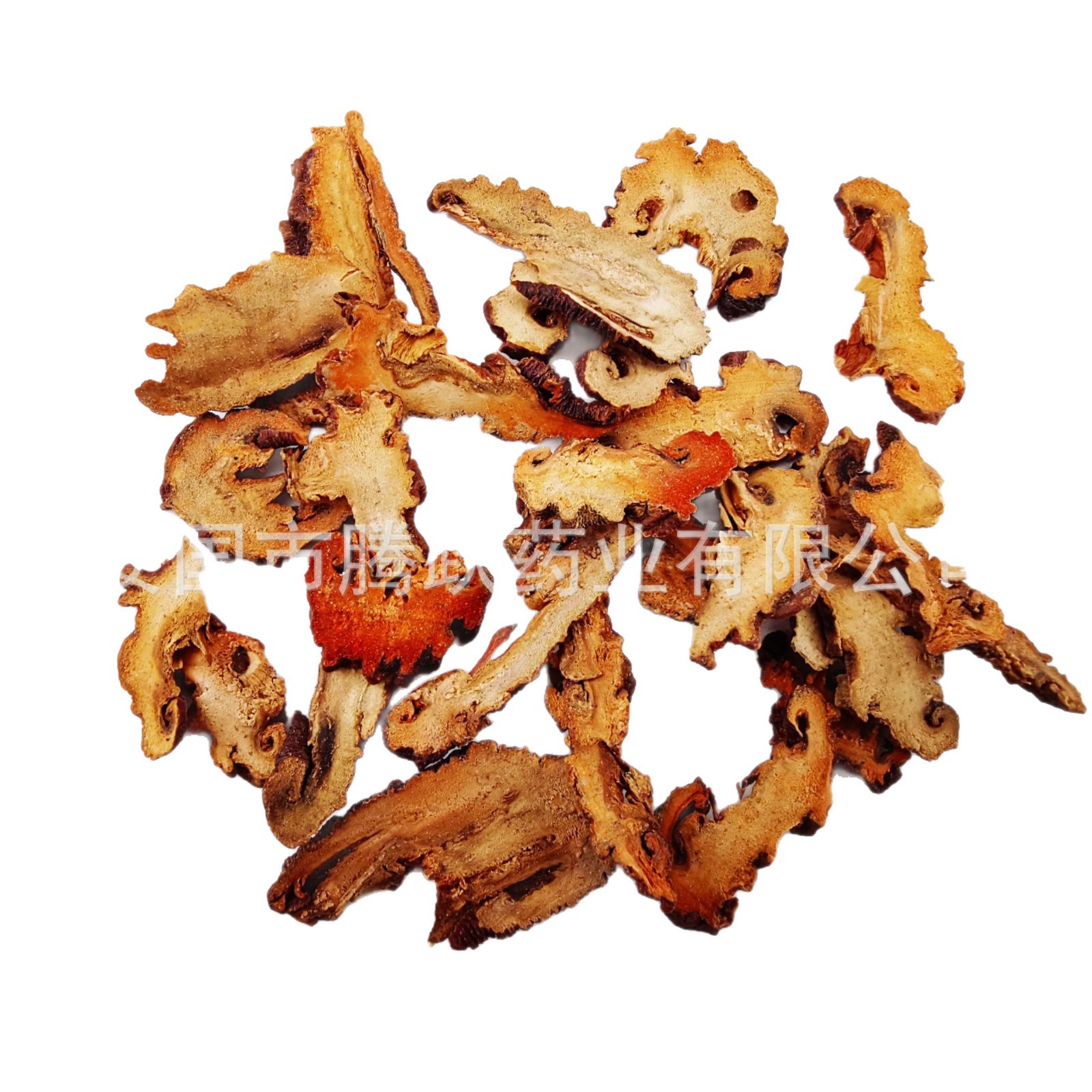
Dried Chinese Flowering Chaenomeles Mu Gua 皱木瓜 Whole Fruit Herbal Decoction Slices 1kg
$8.63
9888 in stock
Description
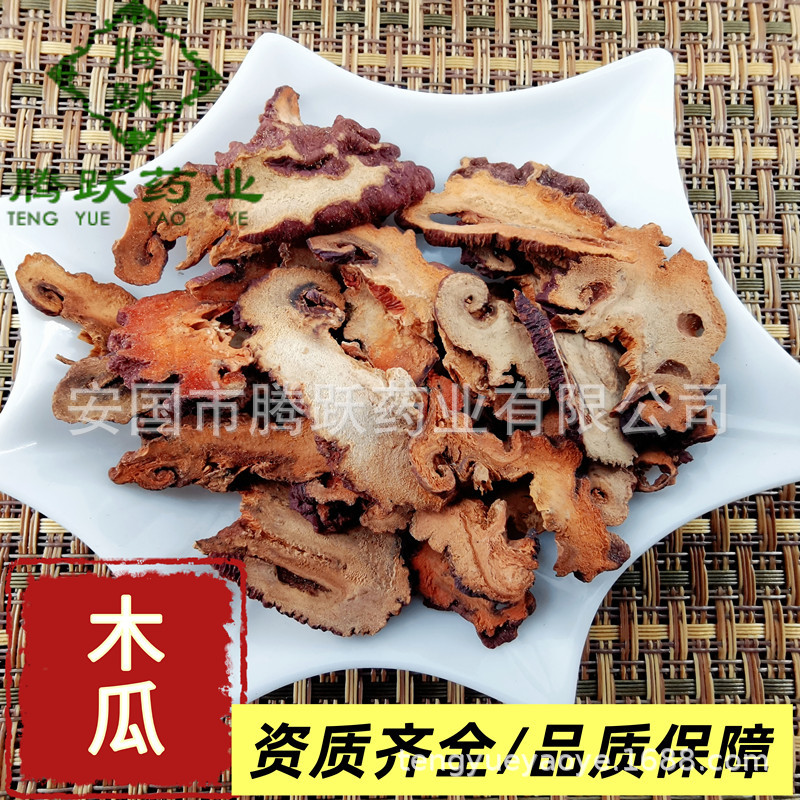
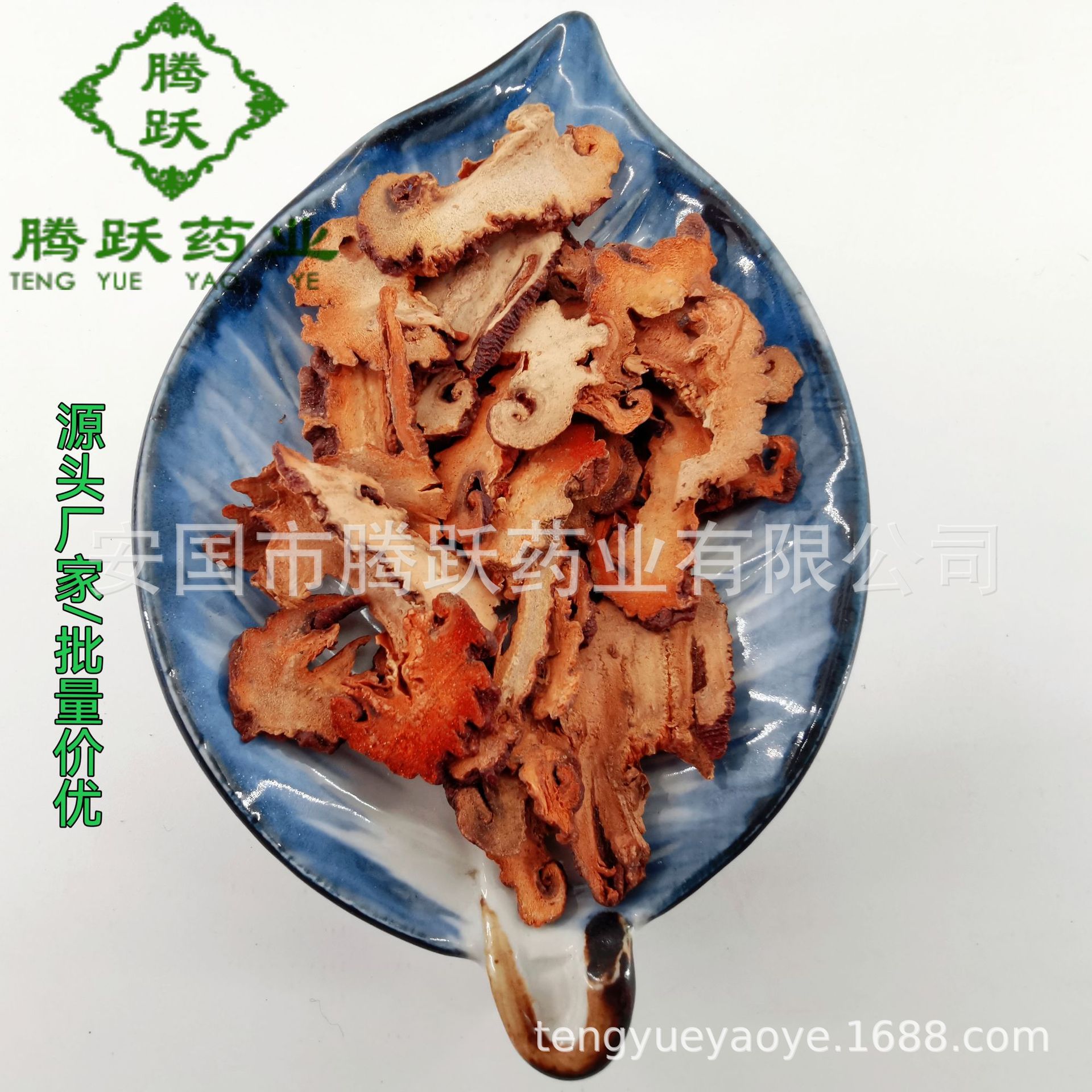
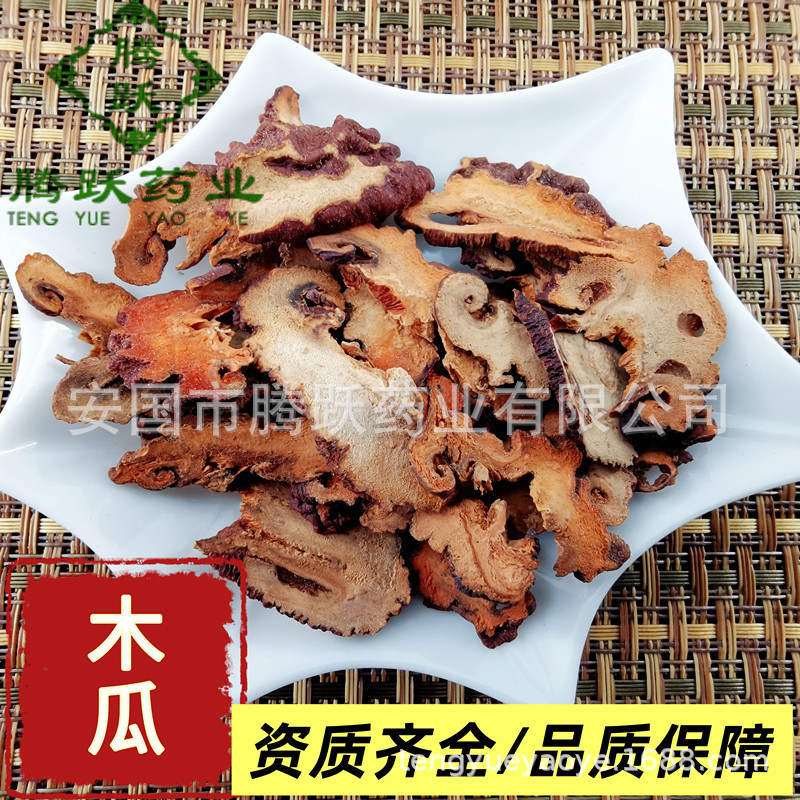
Dried Chinese Flowering Quince, known in TCM as Mu Gua (木瓜), from Chaenomeles speciosa, the dried mature fruit used in traditional herbal practice. Sourced from Sichuan and sold as whole dried botanical material. In TCM theory it is traditionally associated with sour flavor and warm nature. Commonly prepared in decoctions, soups, or herbal formulas. This is a raw food-grade botanical for traditional use, not a medicine.

Key Selling Points
- Authentic Mu Gua dried fruit from Sichuan origin
- Botanical source Chaenomeles speciosa in whole natural form
- Traditionally valued in TCM for its sour flavor and warm nature
- Initial agricultural processing preserves the natural dried fruit
- Suitable for decoctions, herbal soups, and traditional formulas

Quality & Sensory
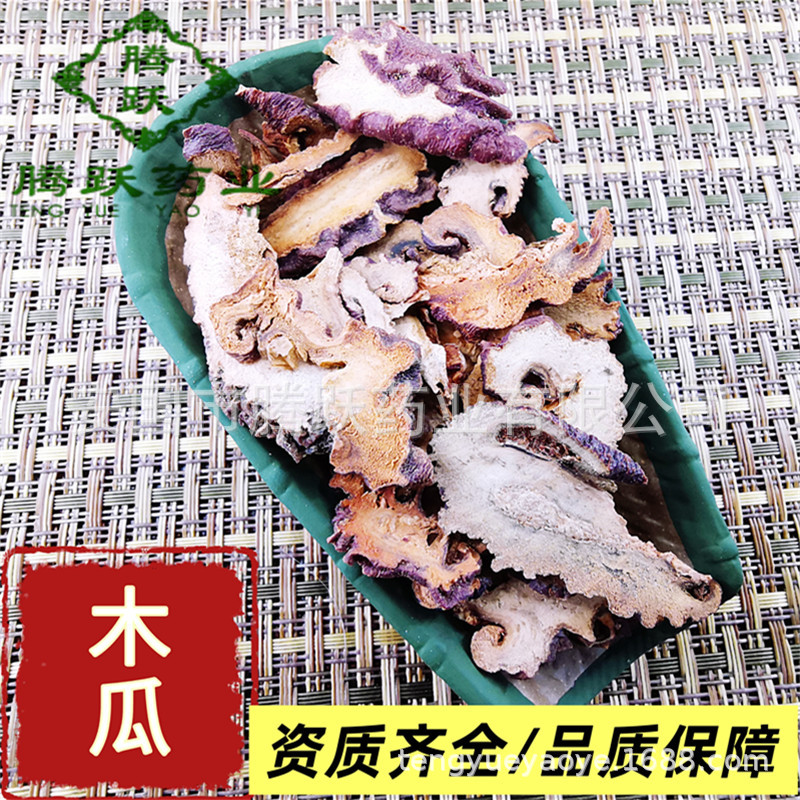
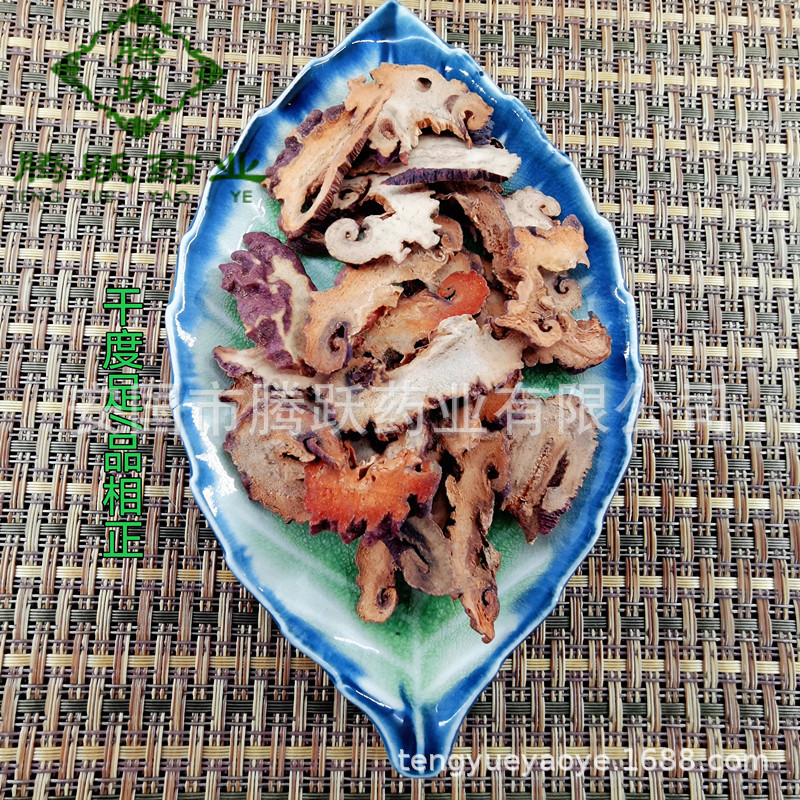
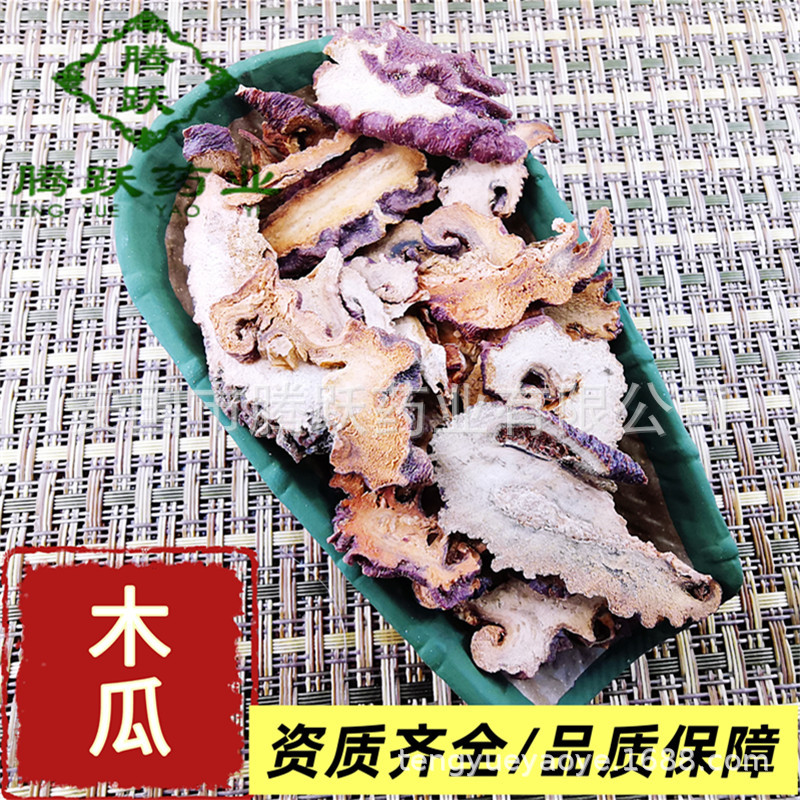
Typically the dried fruit shows a wrinkled outer surface with a deep reddish-brown to purplish tone and firm texture. It carries a faint sour aroma, and when decocted the liquid typically tastes mildly sour and astringent.


Technical Specifications
| Product Type | Raw dried botanical |
|---|---|
| Chinese Name | 木瓜 |
| Pinyin | Mu Gua |
| Botanical Name | Chaenomeles speciosa |
| Plant Part | Dried mature fruit |
| Net Weight | 1 kg |


Usage Scenarios
- Simmered in traditional herbal decoctions
- Added to medicinal soup recipes with other botanicals
- Used in folk herbal wine preparations
- Incorporated into seasonal tonic formulas
Traditional Uses
In TCM tradition, Mu Gua is traditionally associated with relaxing the sinews, harmonizing the stomach, and resolving dampness. It has historically been paired with herbs such as Yi Yi Ren or Du Zhong in decoctions and liniments. Folk practice also includes steeping the fruit in wine or adding it to soups during damp seasons.
FAQ Q&A
Q: What is this product?
A: It is dried Mu Gua, the mature fruit of Chaenomeles speciosa, sold as raw food-grade botanical material from Sichuan.
Q: What is its traditional value?
A: In TCM theory it is traditionally associated with sour flavor and warm nature, and has been used in formulas for sinews and dampness.
Q: How is it commonly prepared?
A: It is typically simmered in decoctions, added to herbal soups, or steeped in wine according to traditional practice.
Additional information
| Weight | 1.1 kg |
|---|---|
| Dimensions | 25 × 18 × 10 cm |
Related products
-
Dried Angelica Sinensis Slices Dang Gui 当归 500g Gansu Raw Herb for Decoction Soup and Tea
Price range: $16.44 through $35.88 -
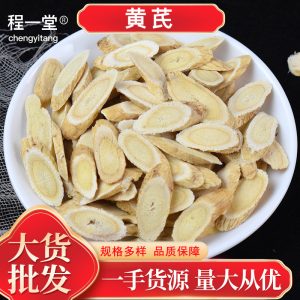
Astragalus Root Slices Huang Qi 斜片 Dried Herb for Decoction Soup and Tea 500g
Price range: $6.06 through $19.51 -
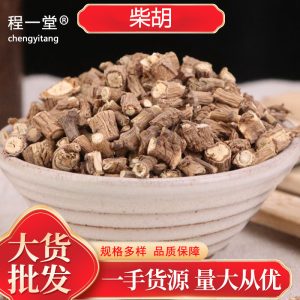
Chai Hu Bupleurum Root Dried Herb 500g Traditional TCM Decoction Herb
Price range: $9.14 through $16.44 -
Dried Ginger Root Gan Jiang 500g Bulk Chinese Herb Zingiber officinale Rhizome for Decoction and Culinary Use
$5.90
Reviews
There are no reviews yet.