
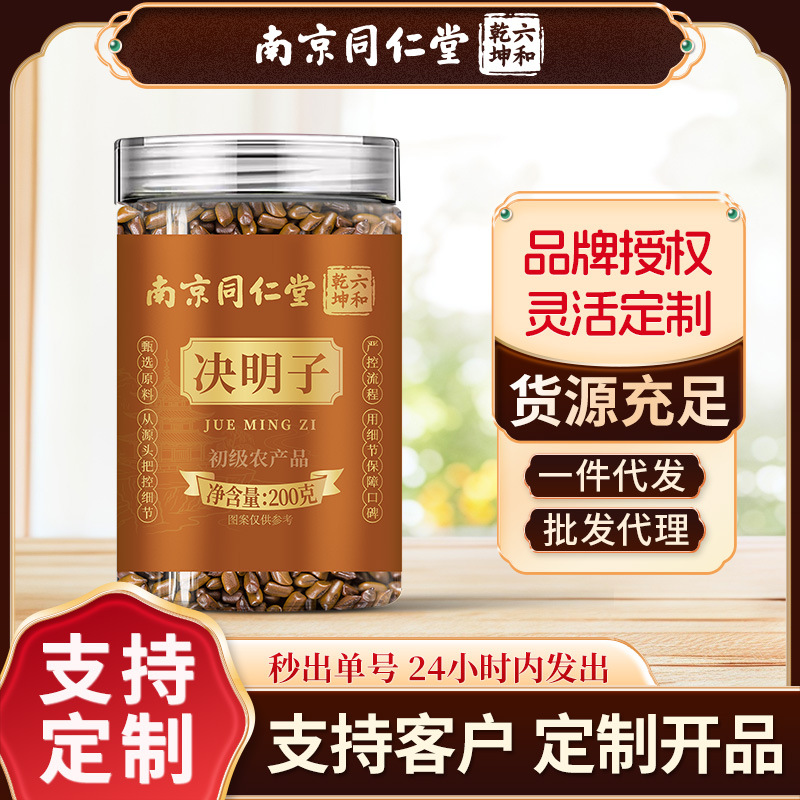
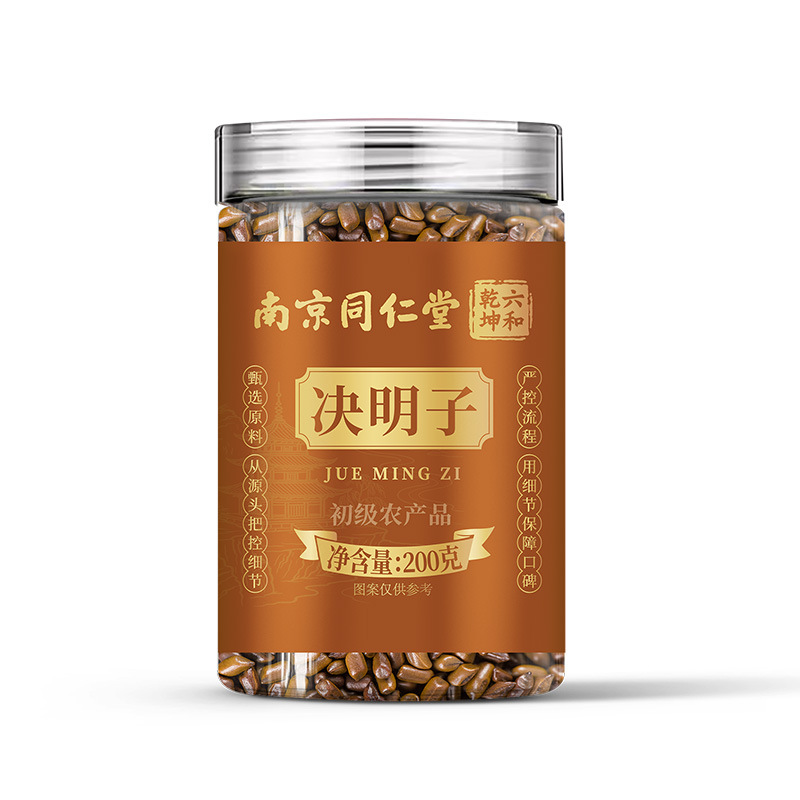
Dried Cassia Seed Jue Ming Zi 200g Jar for Traditional Herbal Tea and Daily Wellness
$5.60
9999 in stock
Description
Dried Cassia Seed, known in TCM as Jue Ming Zi (决明子), from Senna obtusifolia or Cassia tora. This 200g jar contains sun-dried ripe seeds traditionally used in Chinese herbal wellness. In TCM theory, Jue Ming Zi is considered sweet, bitter, and slightly cold, entering the Liver and Large Intestine channels. It is commonly prepared as a simple herbal tea or added to decoctions for daily traditional support.
Key Selling Points
- Identified as Jue Ming Zi (决明子), the dried ripe seed of Senna obtusifolia or Cassia tora
- Traditional TCM herb associated with the Liver and Large Intestine channels
- Sun-dried processing preserves the natural seed form
- Convenient 200g jar for regular tea or decoction preparation
- Sourced from Anhui, China, and packed for everyday herbal use
Quality & Sensory
The seeds are typically small, hard, and brown to dark brown in color. They have a mild, earthy aroma and a slightly bitter, nutty taste when brewed. The tea is usually light amber to golden brown with a smooth, mild finish.
Technical Specifications
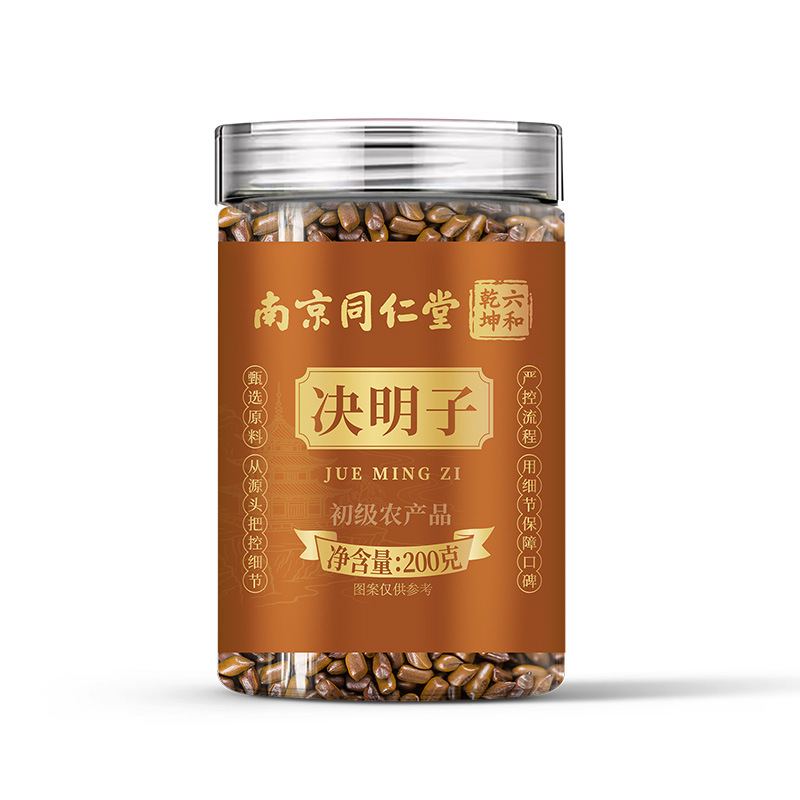
| Product Type | Dried herbal seed |
|---|---|
| Chinese Name | 决明子 |
| Pinyin | Jue Ming Zi |
| Botanical Name | Senna obtusifolia or Cassia tora |
| Plant Part | Ripe seed |
| Net Weight | 200g |
Usage Scenarios
- Brewed as a simple herbal tea
- Added to traditional decoctions
- Used in congee or soup recipes
- Combined with other herbs in seasonal blends
Traditional Uses
In TCM theory, Jue Ming Zi is traditionally used to support liver health and clear heat. It is often prepared as a tea or decoction, sometimes paired with chrysanthemum or goji berries. Folk practice includes using it in congee or soups for daily wellness during warmer seasons.
FAQ Q&A
Q: What is this product?
A: It is a 200g jar of dried Cassia seeds, known in TCM as Jue Ming Zi (决明子).
Q: What is its traditional value?
A: In TCM theory, it is considered sweet, bitter, and slightly cold, associated with the Liver and Large Intestine channels.
Q: How is it commonly prepared?
A: It is typically brewed as a tea or added to decoctions and congee. It can also be combined with other herbs.
Additional information
| Weight | 0.3 kg |
|---|---|
| Dimensions | 15 × 10 × 10 cm |
Related products
-

Ningxia Goji Berries Gou Qi Zi 500g Dried Red Wolfberry for Tea Soup and Snacking
Price range: $7.20 through $16.44 -

Cabinda Bark Dried Herb 500g Traditional Herbal Infusion Ingredient
Price range: $12.38 through $37.50 -
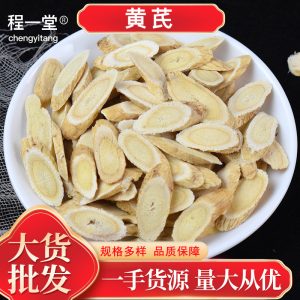
Astragalus Root Slices Huang Qi 斜片 Dried Herb for Decoction Soup and Tea 500g
Price range: $6.06 through $19.51 -
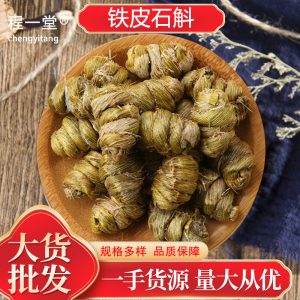
Tie Pi Shi Hu Dried Dendrobium Stems 500g Huoshan Fengdou for Soup and Tea
Price range: $35.88 through $108.80
Reviews
There are no reviews yet.