
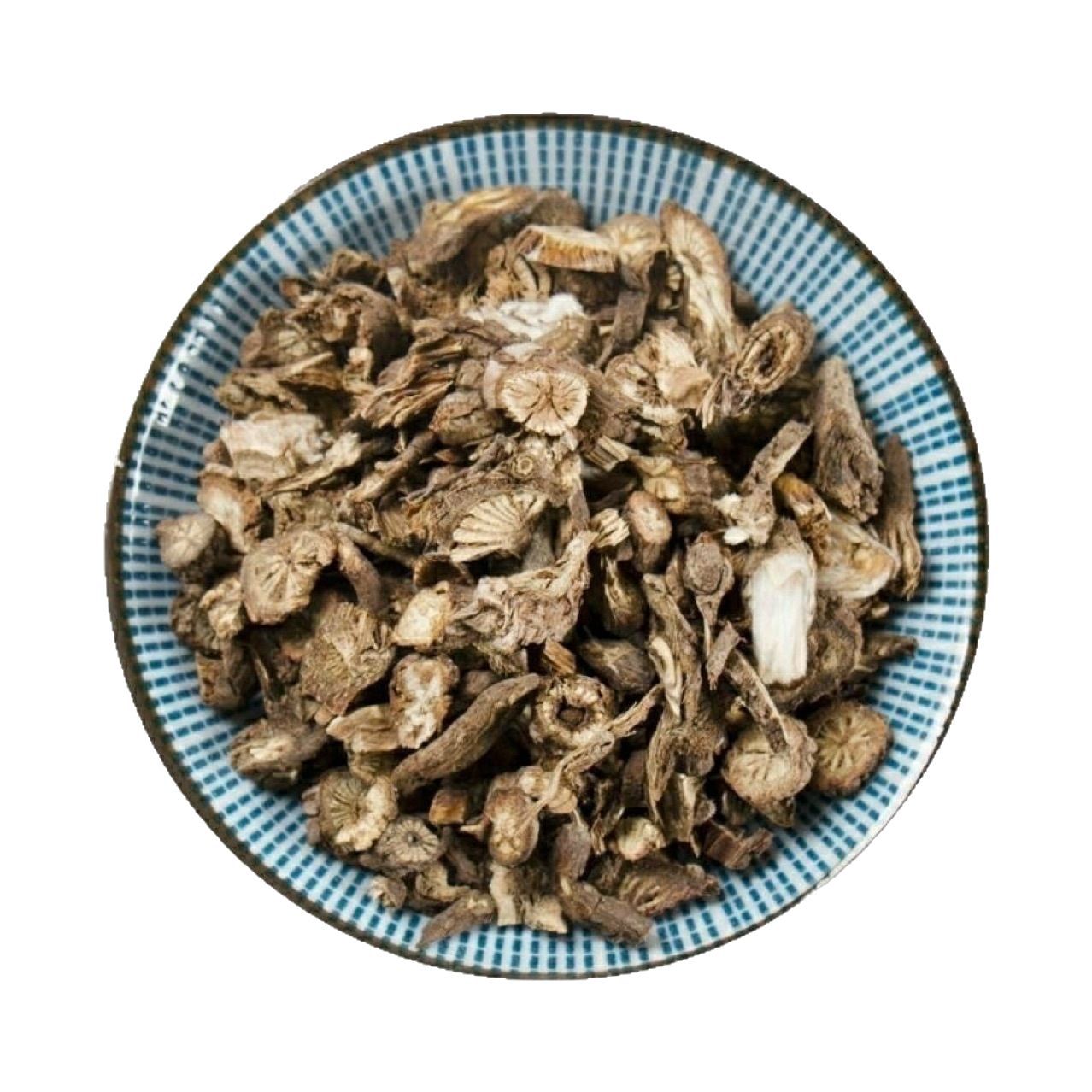
Dried Bai Tou Weng Root Chinese Pulsatilla Herb for Traditional Decoction 500g
Price range: $6.55 through $62.80
Description
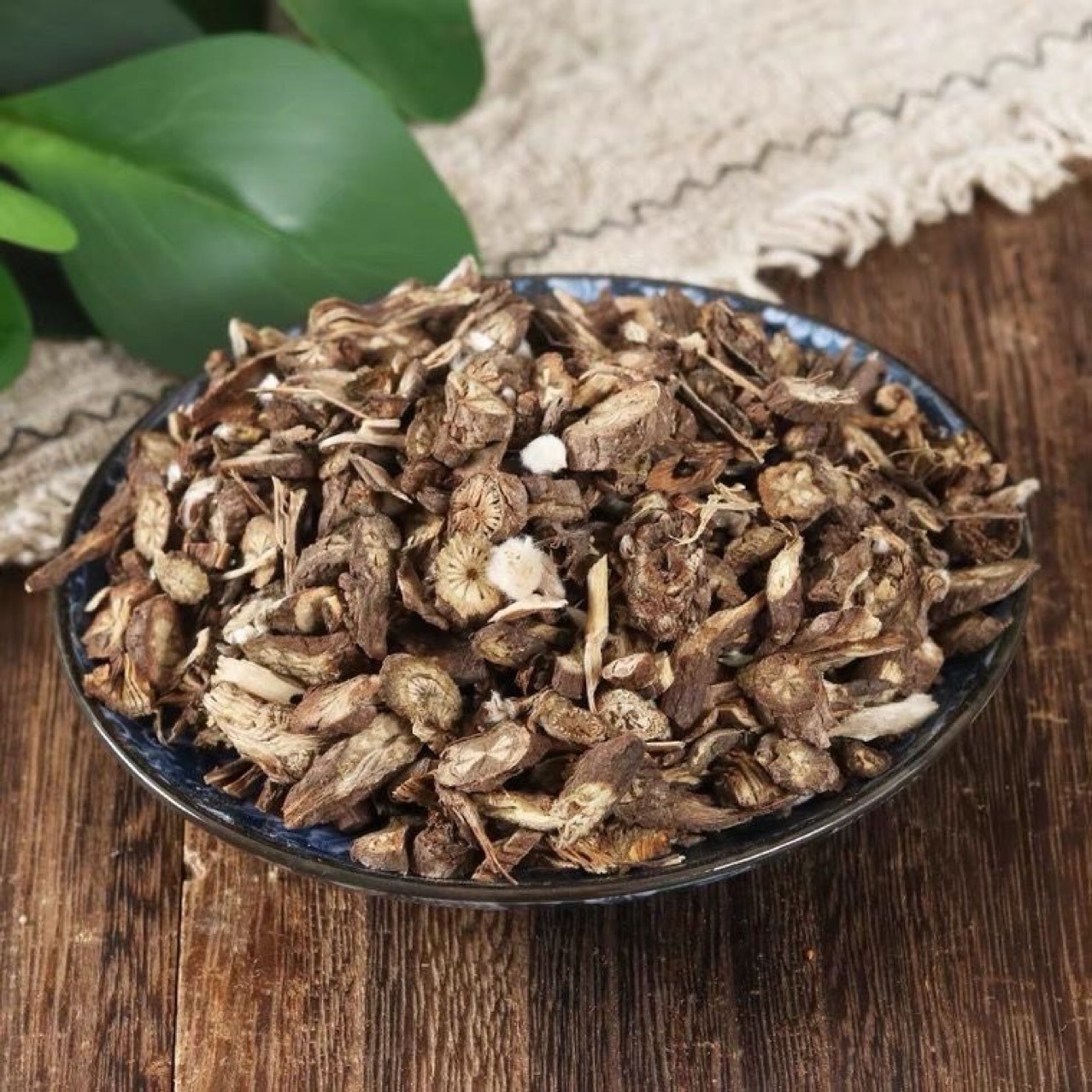
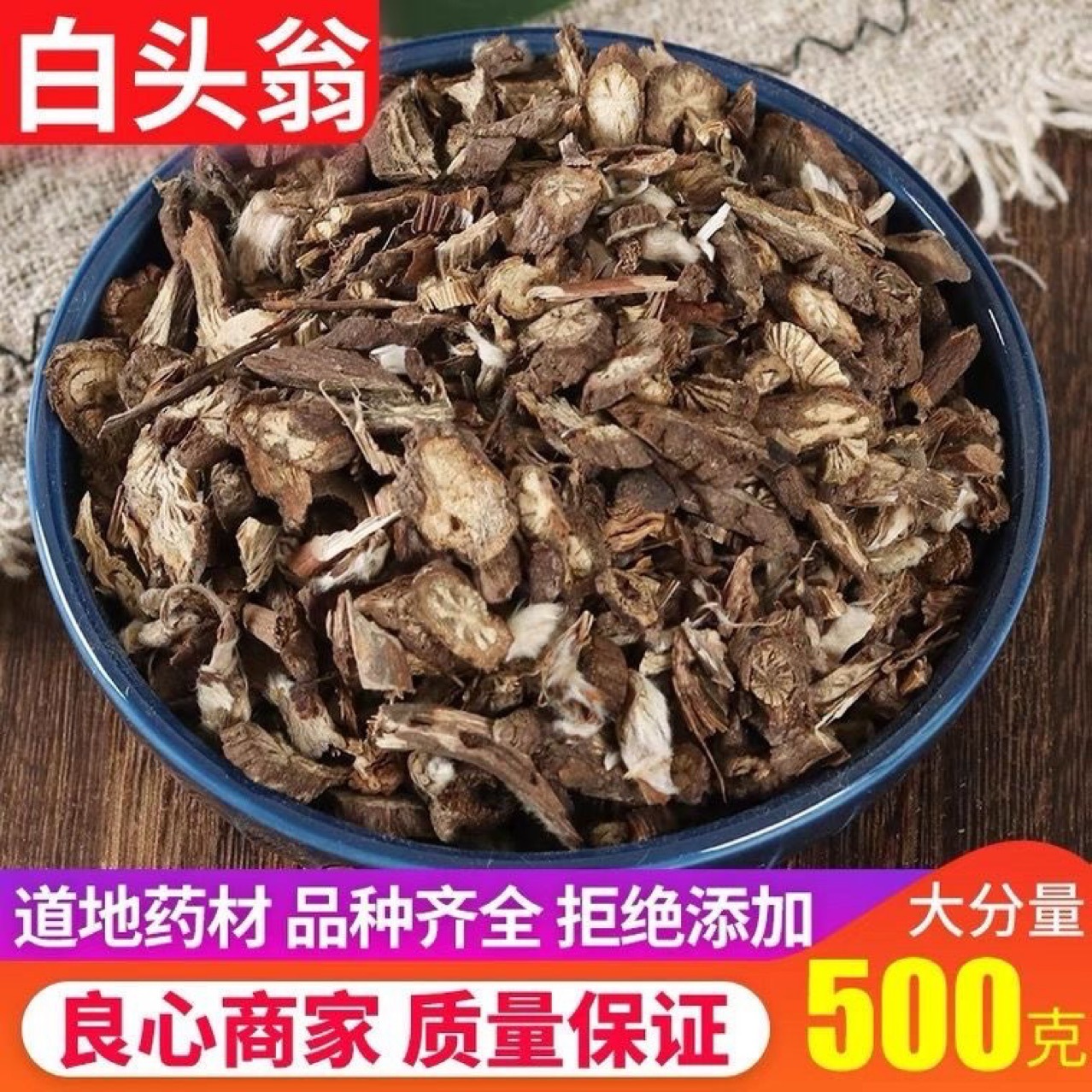
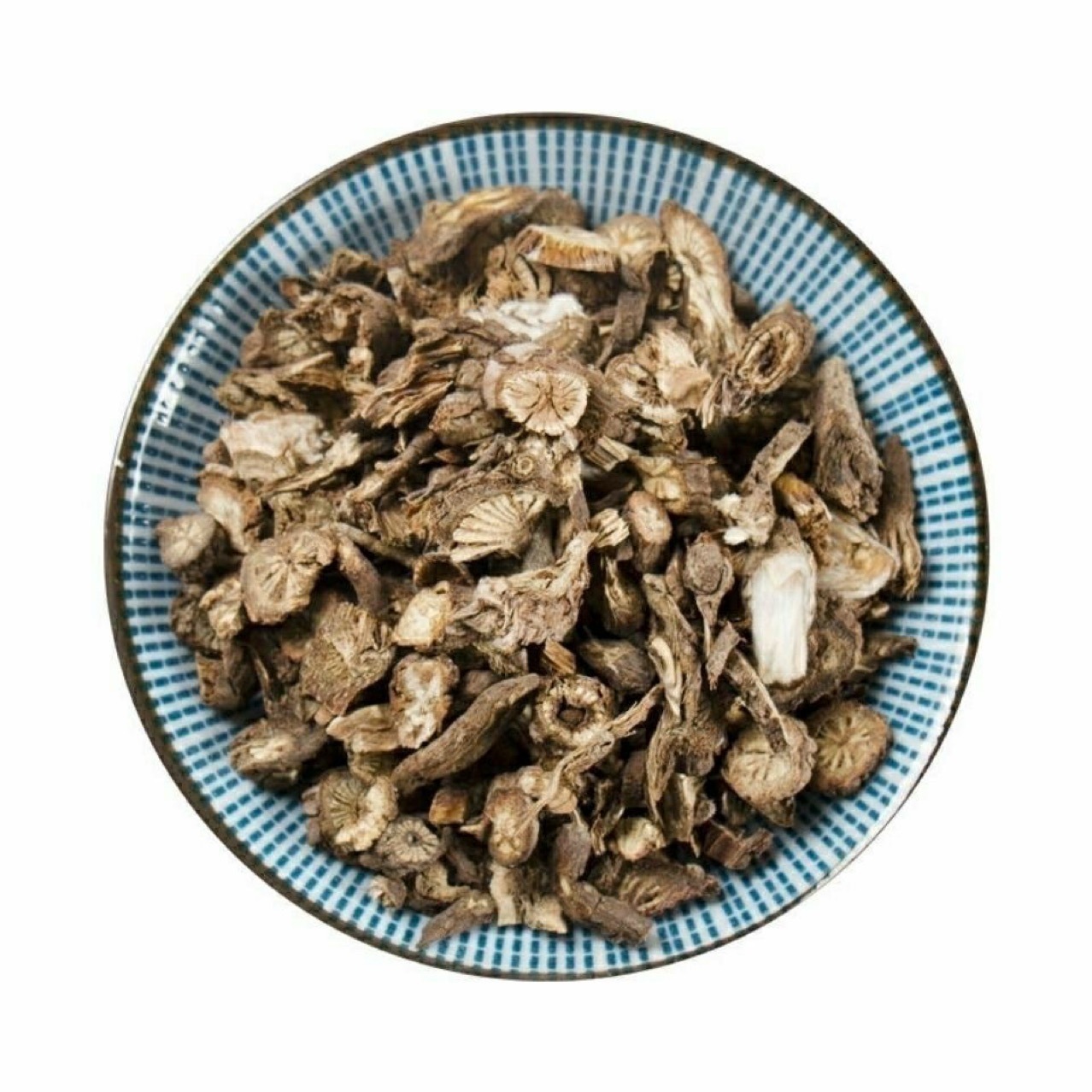
Dried Bai Tou Weng root, known in TCM as Bai Tou Weng (白头翁) and botanically as Pulsatilla chinensis, is the dried root of the Pulsatilla plant. In TCM theory it is considered bitter and cold, traditionally associated with the large intestine and liver channels. It is commonly prepared as a decoction or added to herbal formulas. This 500g pack offers dried root pieces suitable for traditional preparation.

Key Selling Points
- Identified as Bai Tou Weng (白头翁), the dried root of Pulsatilla chinensis
- Traditional Chinese herb used in decoctions and herbal formulas
- Bitter, cold nature associated with large intestine and liver channels in TCM
- Dried root pieces in a 500g pack for convenient home preparation
- Can be ground to powder upon request for flexible use
Quality & Sensory
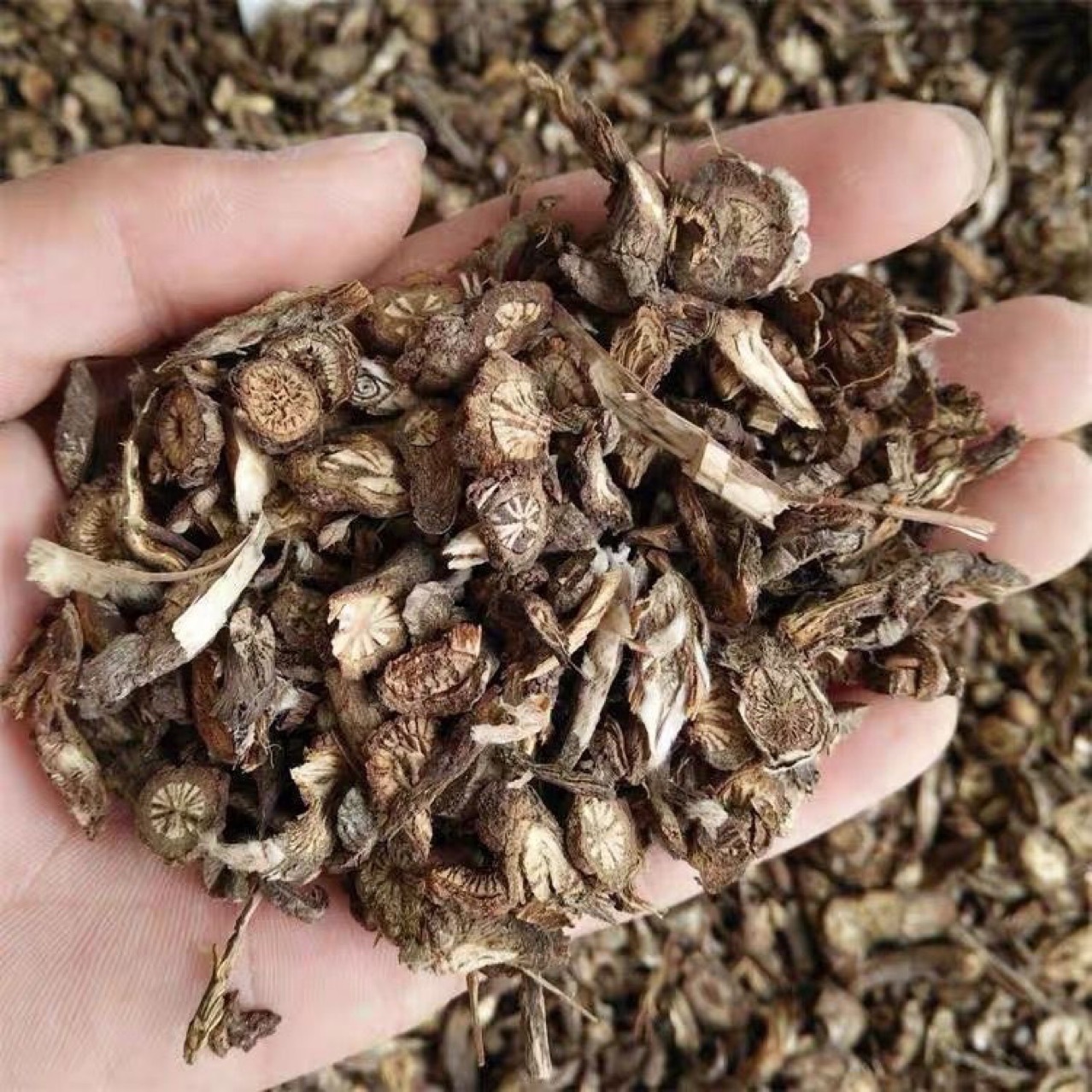
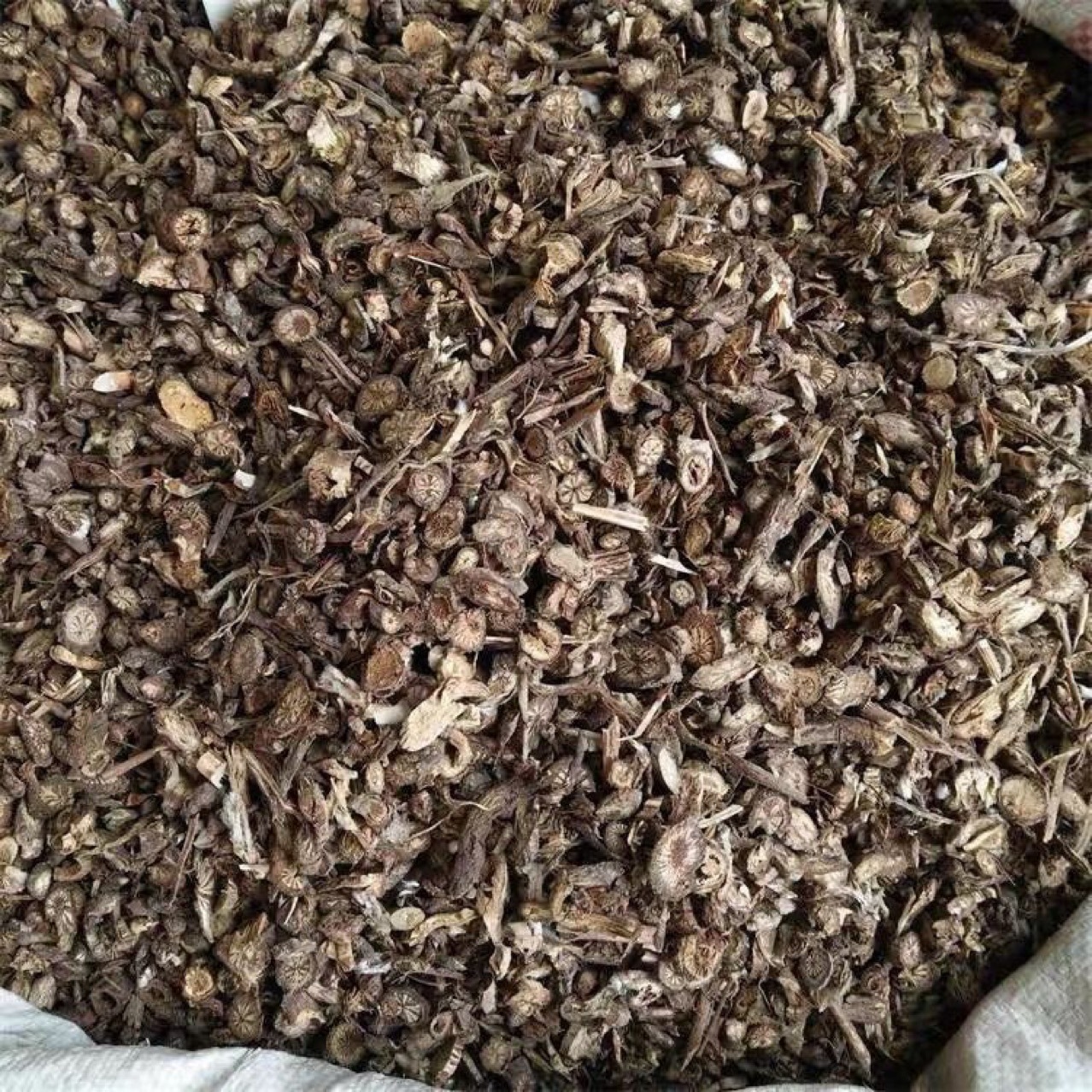
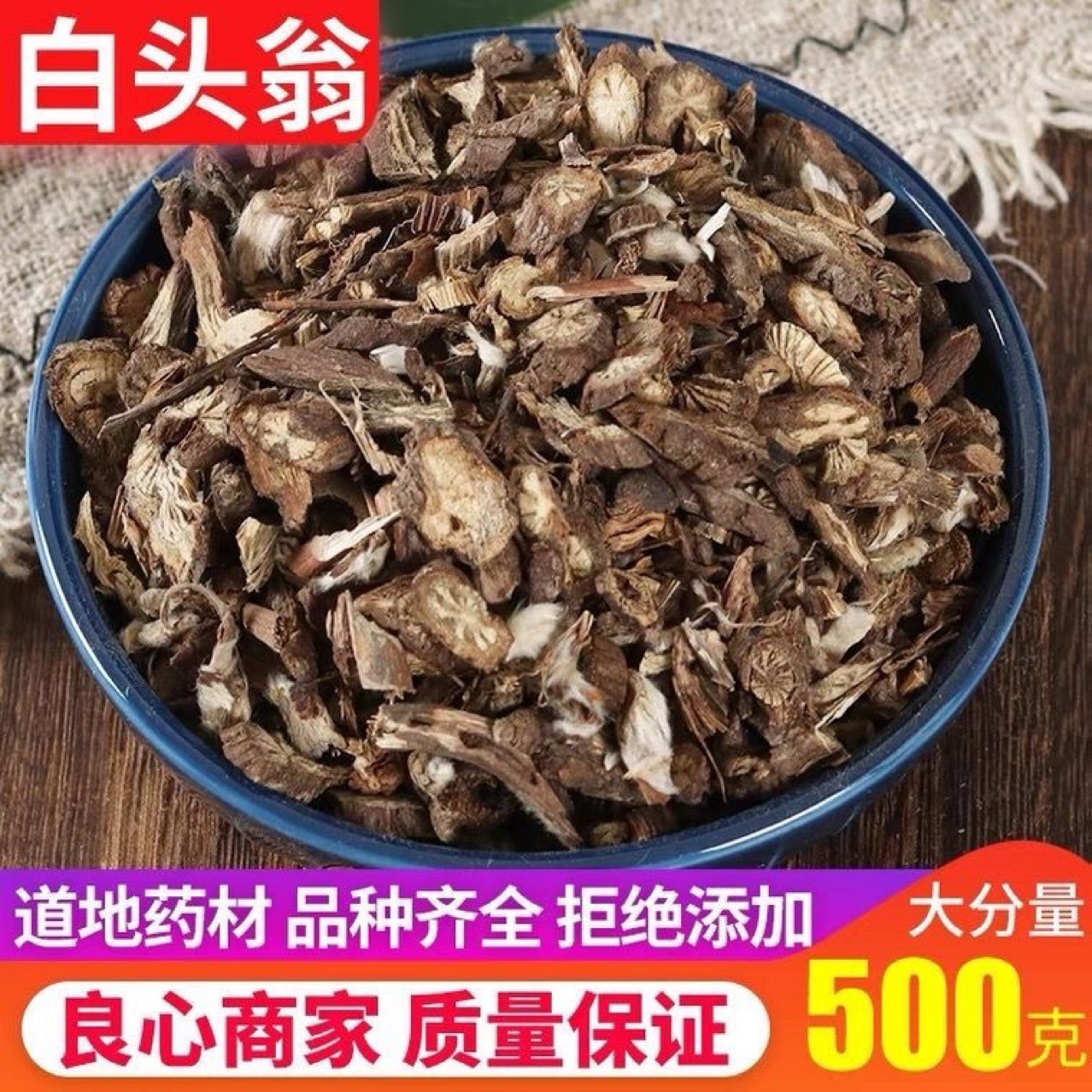
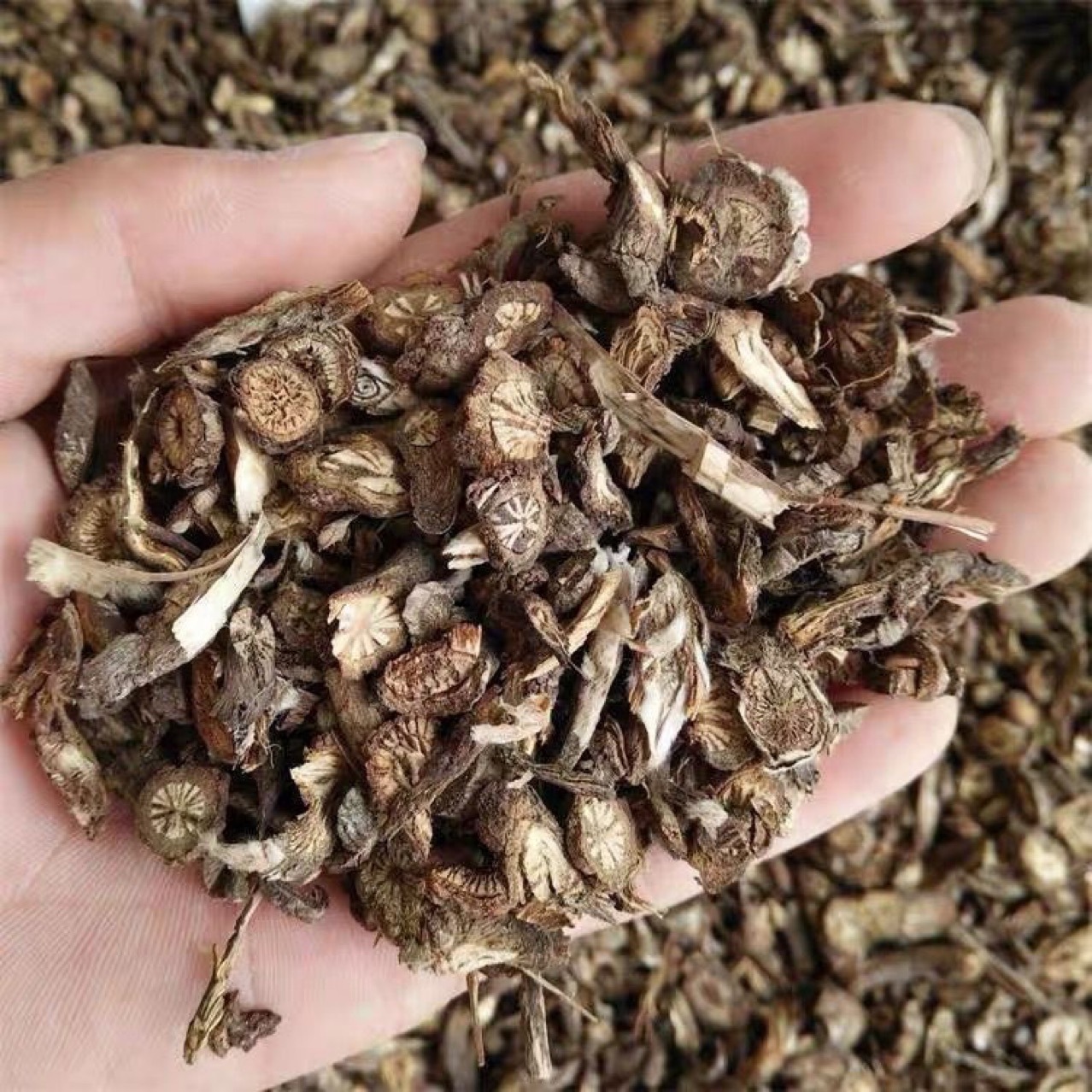
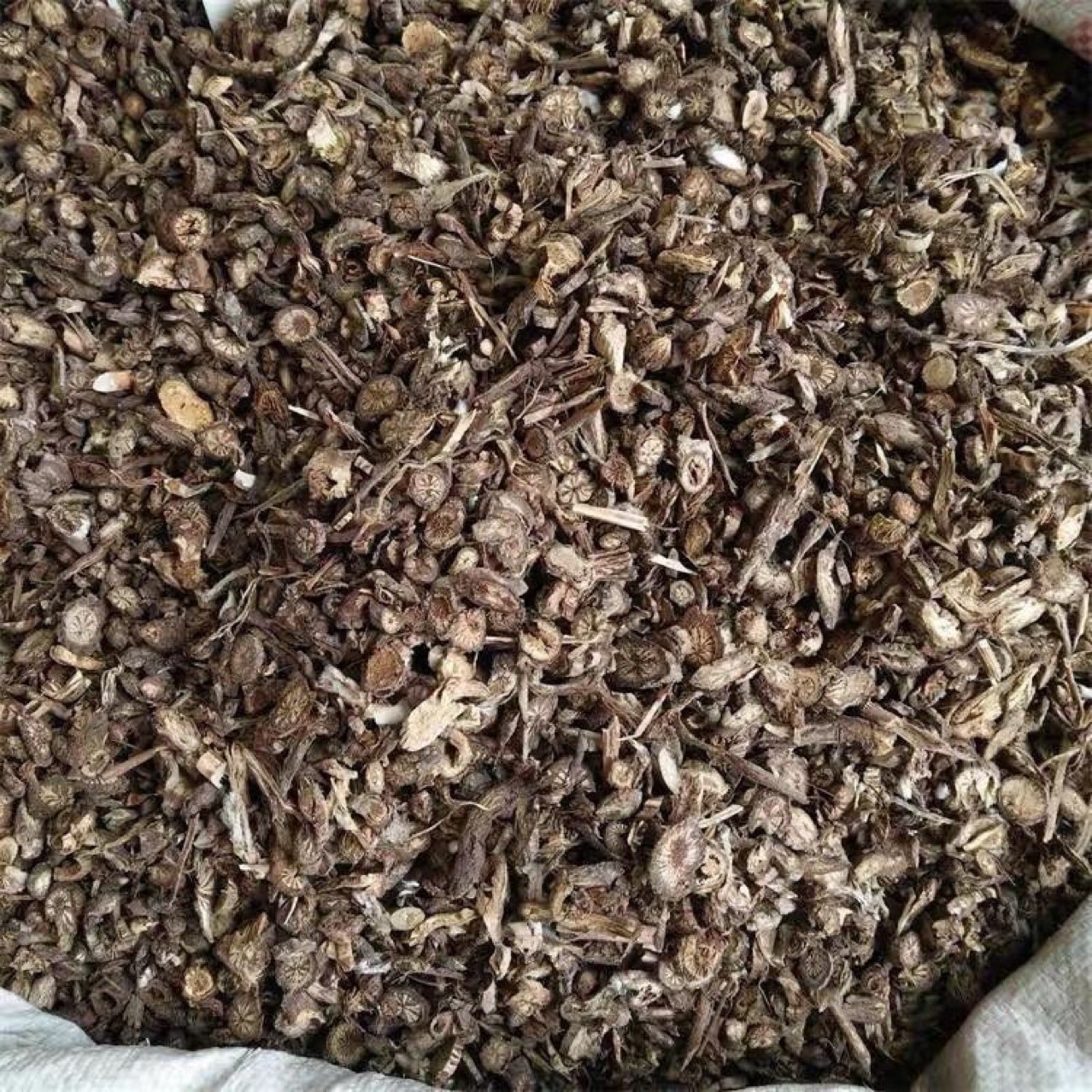
The dried root pieces are typically grayish-brown to tan on the outside with a paler interior. They have a faint earthy aroma and a distinctly bitter taste when decocted. Texture is dry and fibrous, softening slightly after simmering.
Technical Specifications
| Product Type | Dried Root Herb |
|---|---|
| Chinese Name | 白头翁 |
| Pinyin | Bai Tou Weng |
| Botanical Name | Pulsatilla chinensis |
| Plant Part | Root |
| Net Weight | 500g |
Usage Scenarios
- Traditional herbal decoction
- Added to soup or congee
- Combined with other herbs in formulas
- Ground into powder for custom blends
Traditional Uses
In TCM theory, Bai Tou Weng is traditionally used in decoctions for its bitter, cold properties. It is often paired with herbs like Huang Lian or Huang Bai in classic formulas. Folk practice includes simmering the root alone or with other herbs for internal use. It is also sometimes applied externally in washes.
FAQ Q&A
Q: What is this product?
A: It is dried Bai Tou Weng root, the root of Pulsatilla chinensis, used in Traditional Chinese Medicine.
Q: What are its traditional characteristics?
A: In TCM theory it is considered bitter and cold, associated with the large intestine and liver channels.
Q: How is it commonly prepared?
A: It is typically simmered in water as a decoction, alone or with other herbs, or ground into powder.
Additional information
| Weight | N/A |
|---|---|
| Dimensions | N/A |
| Model | 白头翁250克, 白头翁500克, 白头翁1000克, 白头翁10公斤 |
Related products
-
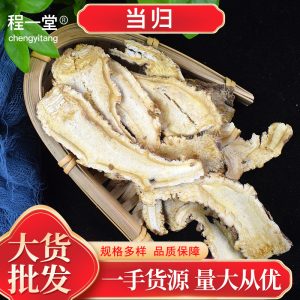
Dried Angelica Sinensis Slices Dang Gui 当归 500g Gansu Raw Herb for Decoction Soup and Tea
Price range: $16.44 through $35.88 -

Dried Raspberry Fruit Fu Pen Zi Whole Berries for Herbal Tea and Wine Infusion 500g
Price range: $15.63 through $18.06 -
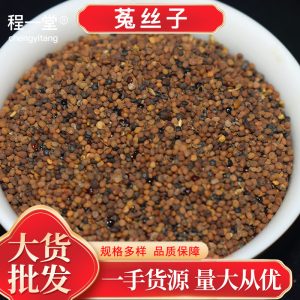
Dried Dodder Seed Tu Si Zi Whole Herb 500g Bulk Chinese Herbal Ingredient
Price range: $7.04 through $7.52 -

Dried Raspberry Fruit Fu Pen Zi Whole Berries for Herbal Tea and Wine Infusion 500g
Price range: $15.63 through $18.06
Reviews
There are no reviews yet.