
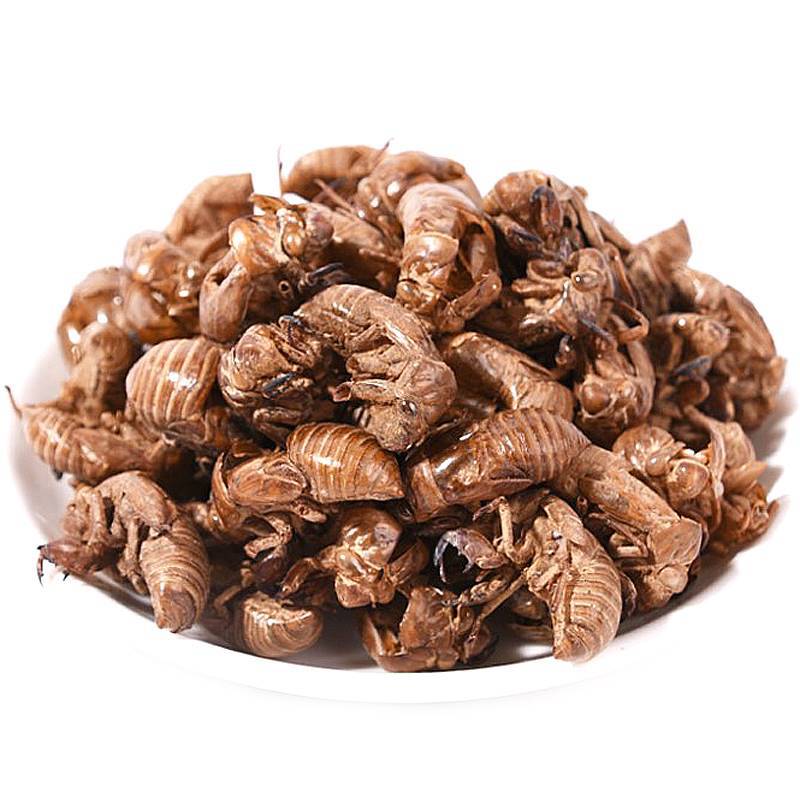
Cicada Slough Chan Tui 蝉蜕 100g Whole Dried Cicada Molt Traditional Chinese Herb for Decoction
$22.92
2195 in stock
Description
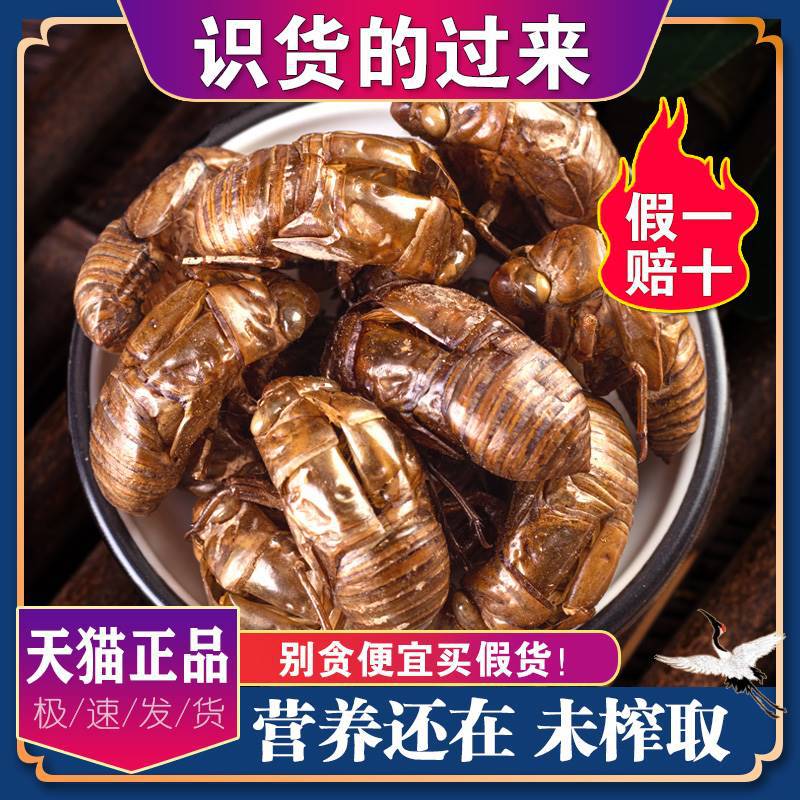
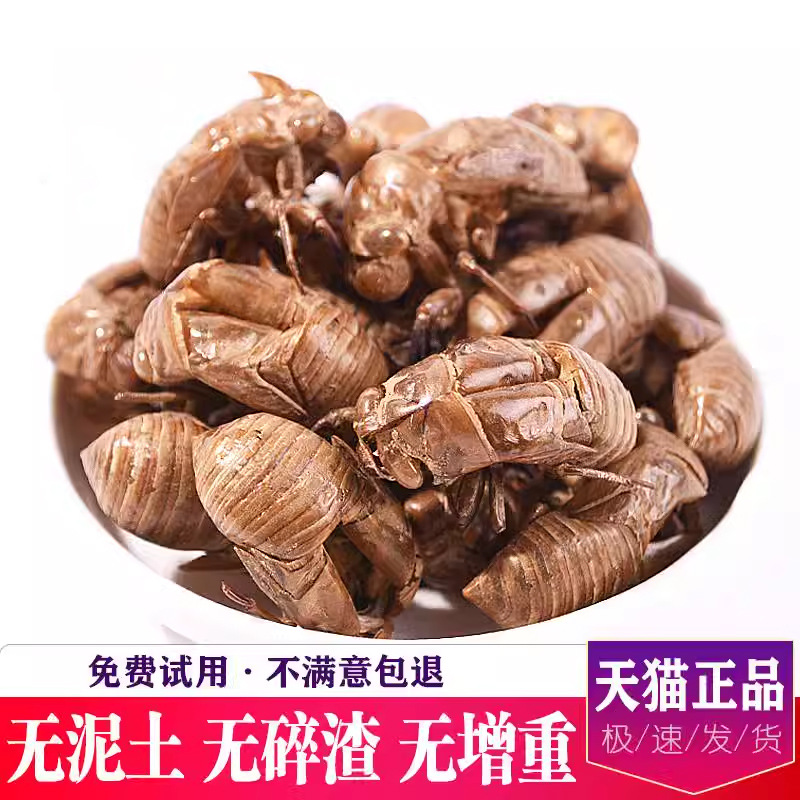
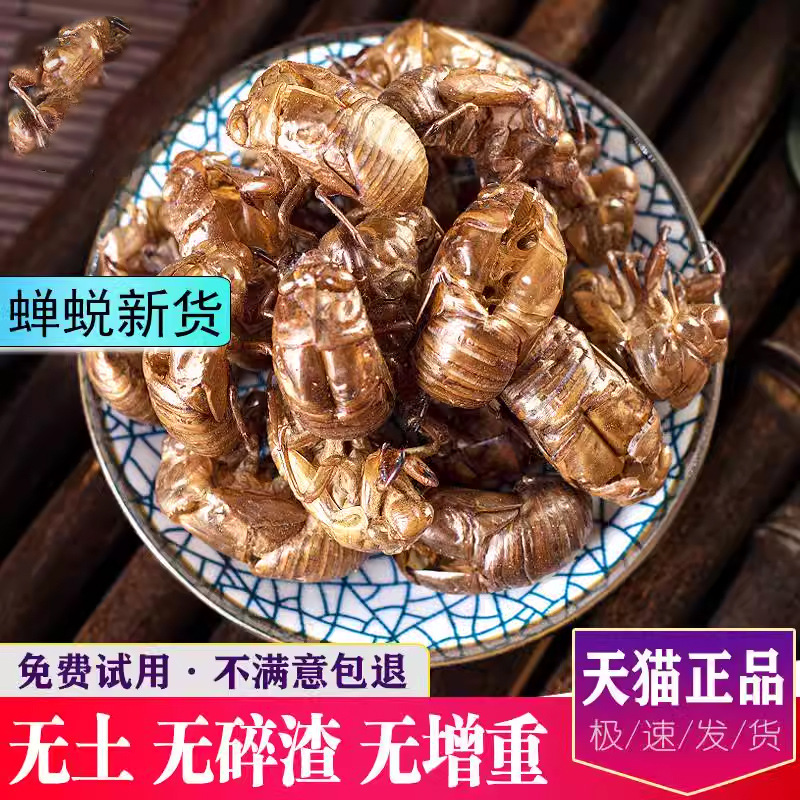
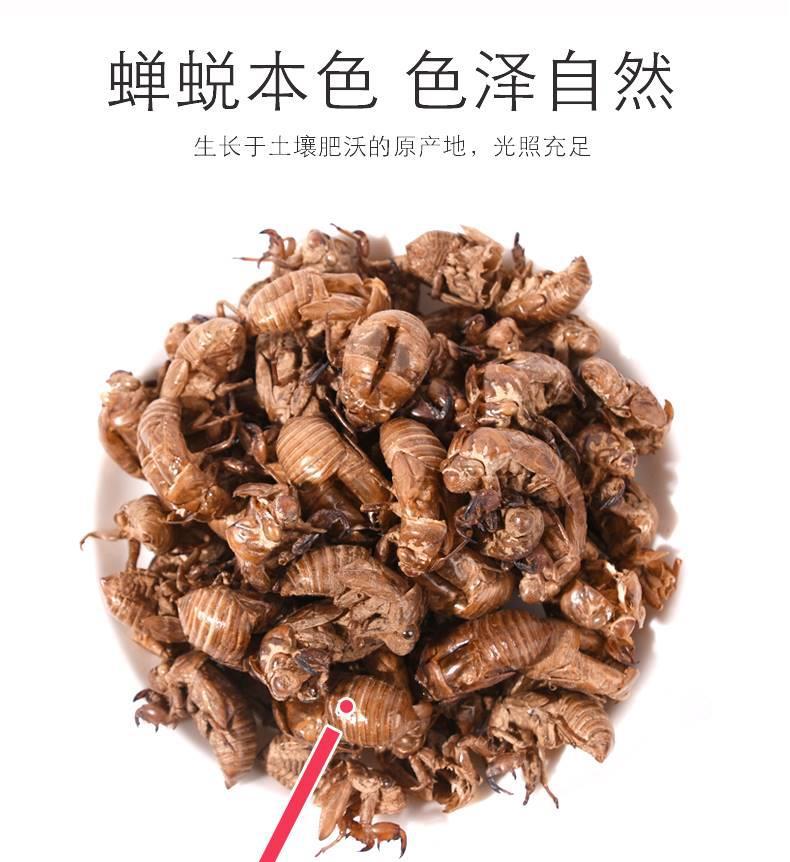
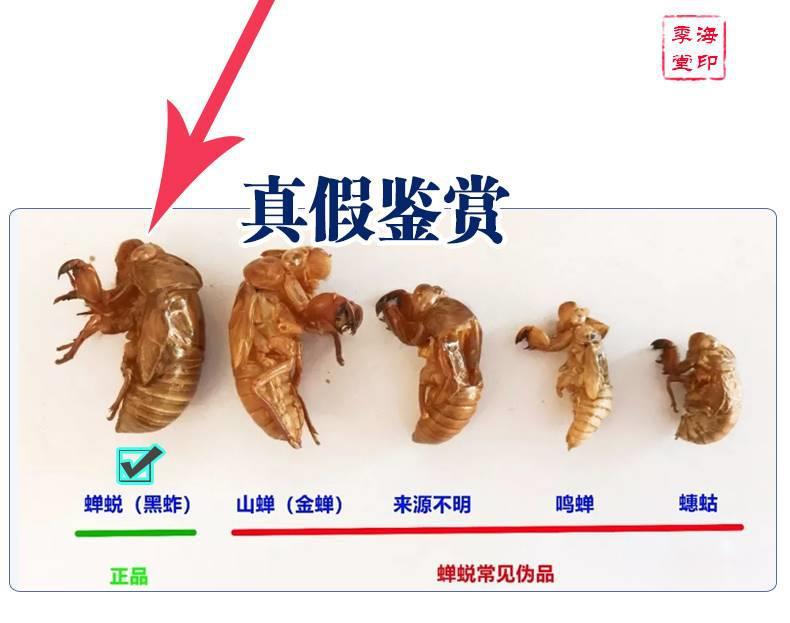
Cicada Slough, known in TCM as Chan Tui (蝉蜕), is the shed exoskeleton of the cicada, typically from Cryptotympana pustulata. These whole, light, hollow molts are a classic animal-derived botanical material traditionally used in Chinese herbal practice. In TCM theory, Chan Tui is sweet in flavor and cold in nature, traditionally associated with the Lung and Liver channels. This 100g bulk pack is supplied whole and unprocessed for decoction or external herbal use.


Key Selling Points
- Whole dried cicada slough supplied in a 100g bulk pack
- Known in TCM as Chan Tui 蝉蜕, a classic animal-derived herbal material
- Traditionally associated with the Lung and Liver channels in TCM theory
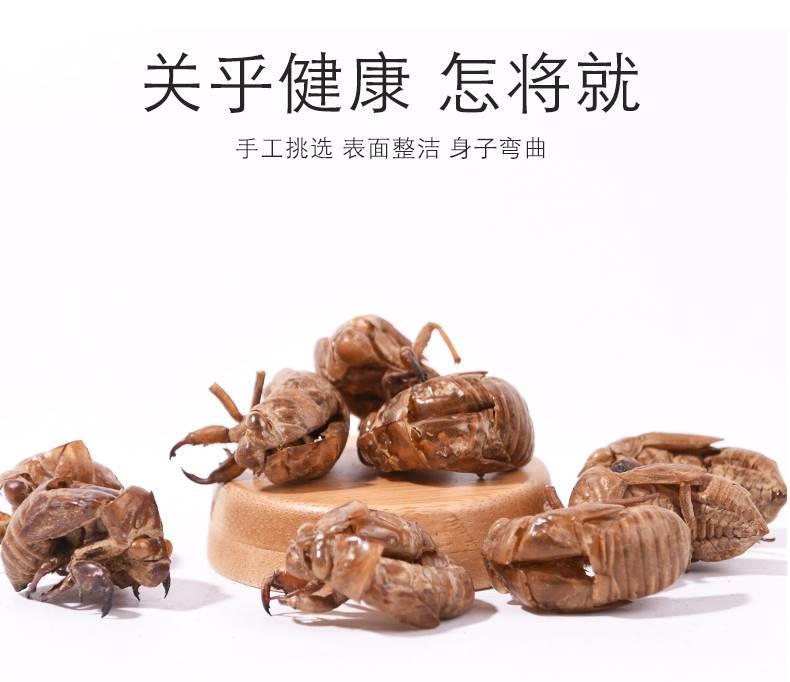
- Light, hollow, papery molts in their natural unprocessed form
- Commonly used in decoctions and traditional herbal formulas
Quality & Sensory
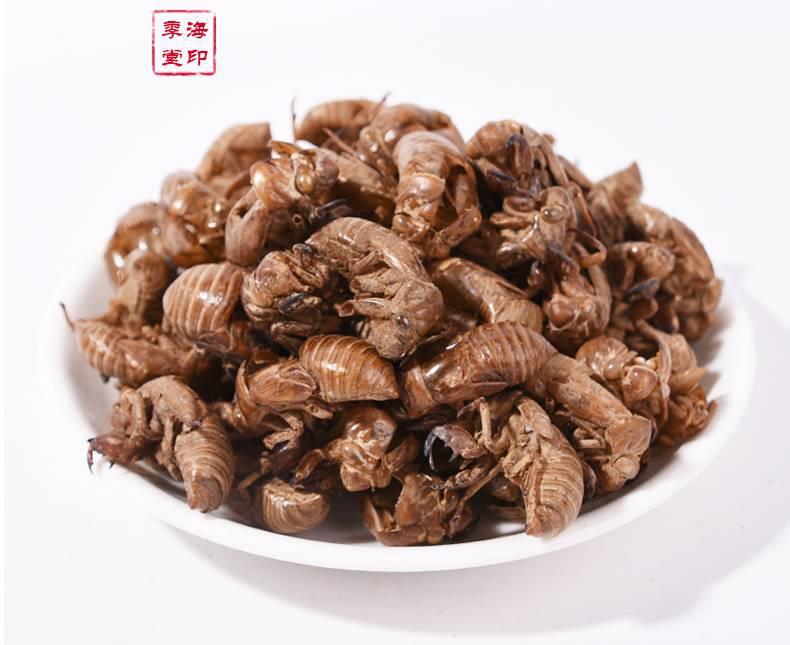
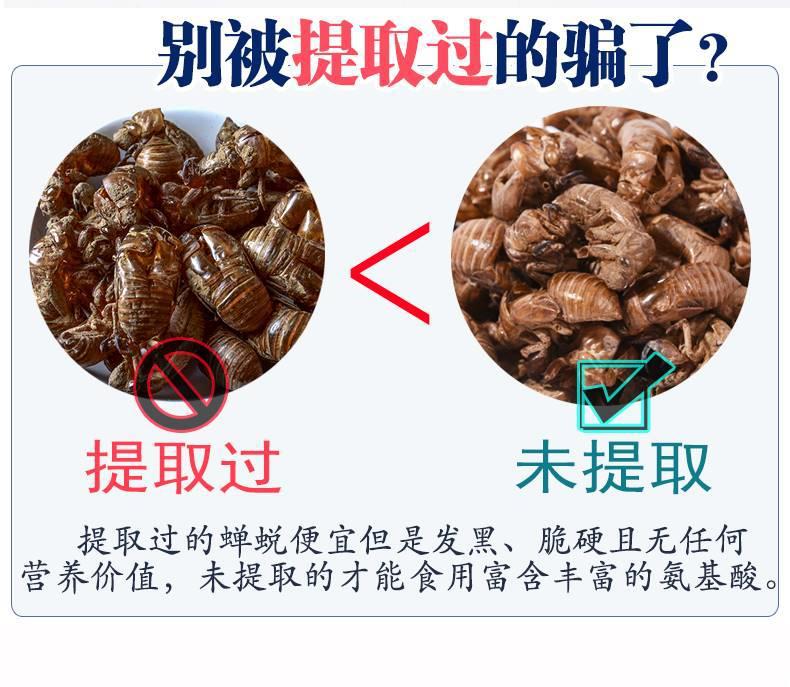
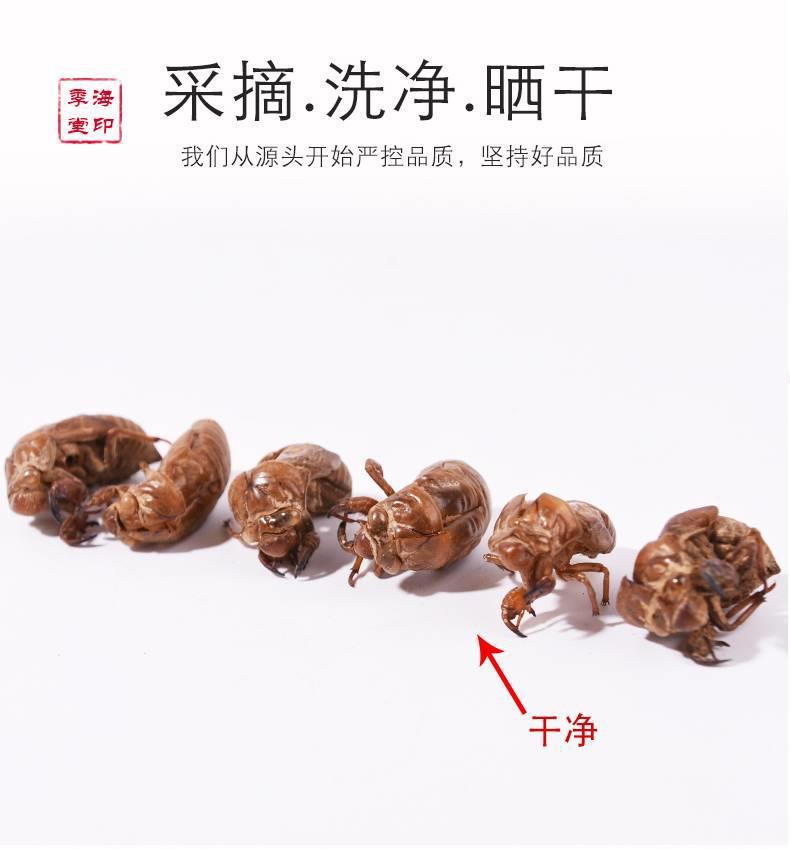
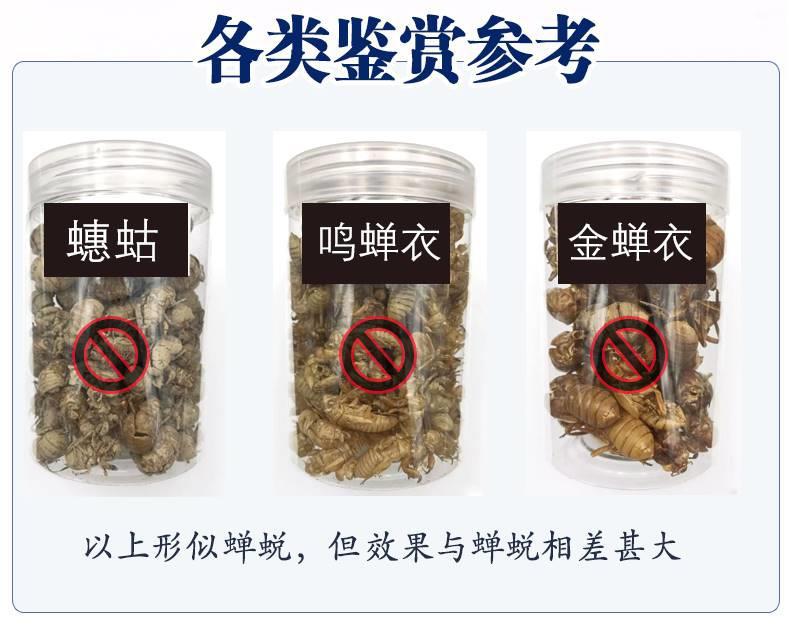
Whole cicada sloughs are typically light yellow to brownish, thin, hollow, and papery with a brittle, delicate texture. They have little to no aroma and a faintly bland taste when decocted. Pieces may vary naturally in size and shape.
Technical Specifications
| Product Type | Dried cicada slough |
|---|---|
| Chinese Name | 蝉蜕 |
| Pinyin | Chan Tui |
| Botanical Name | Cryptotympana pustulata |
| Form | Whole dried molts |
| Net Weight | 100g |
Usage Scenarios
- Simmered in traditional herbal decoctions
- Blended into classic TCM formulas with other herbs
- Used in folk herbal preparations and seasonal wellness practices
- Ground for external topical applications in traditional practice

Traditional Uses
In TCM theory, Chan Tui is traditionally used to disperse wind-heat, benefit the throat and eyes, and relieve itching, and it appears in classic formulas such as Sang Ju Yin and Chan Tui San. It is traditionally simmered in decoctions, often paired with herbs like chrysanthemum, mint, or mulberry leaf, and is also used in folk practice for seasonal skin and throat support.
FAQ Q&A
Q: What is this product?
A: This is whole dried cicada slough, the shed exoskeleton of the cicada, known in TCM as Chan Tui (蝉蜕). It is supplied as a 100g bulk pack of unprocessed molts.
Q: What is its traditional value?
A: In TCM theory, Chan Tui is sweet and cold, associated with the Lung and Liver channels, and traditionally used to disperse wind-heat and soothe the throat and skin.
Q: How is it commonly prepared?
A: It is traditionally simmered in herbal decoctions, often with other herbs, or ground into powder for external use in folk practice.
Additional information
| Weight | 1 kg |
|---|---|
| Dimensions | 20 × 15 × 5 cm |
Related products
-

Dried Raspberry Fruit Fu Pen Zi Whole Berries for Herbal Tea and Wine Infusion 500g
Price range: $15.63 through $18.06 -
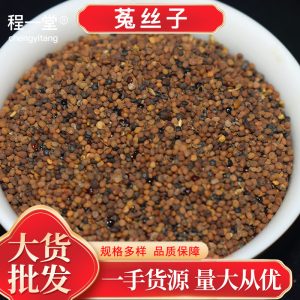
Dried Dodder Seed Tu Si Zi Whole Herb 500g Bulk Chinese Herbal Ingredient
Price range: $7.04 through $7.52 -
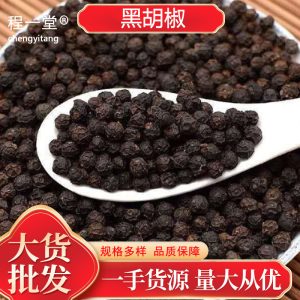
Black Pepper Whole Peppercorns Hu Jiao 500g Bulk Culinary Spice for Cooking and Seasoning
Price range: $8.33 through $9.14 -
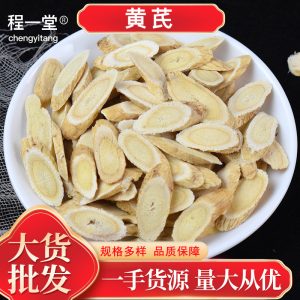
Astragalus Root Slices Huang Qi 斜片 Dried Herb for Decoction Soup and Tea 500g
Price range: $6.06 through $19.51
Reviews
There are no reviews yet.