
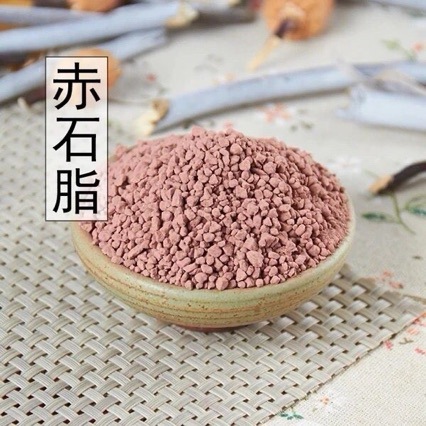
Chi Shi Zhi Dried Red Halloysite Mineral Granules Traditional Chinese Herbal Decoction Piece 1000g
Price range: $5.51 through $21.13
Description
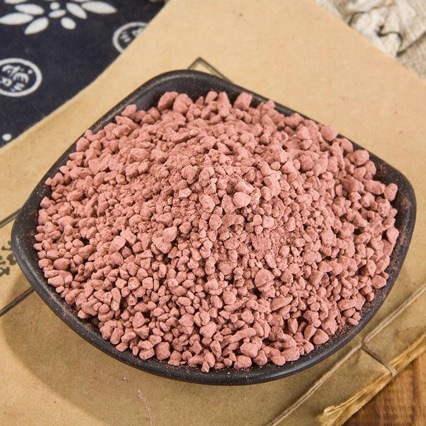
Dried Red Halloysite Granules, known in TCM as Chi Shi Zhi (赤石脂), are a mineral decoction piece from halloysite clay. In TCM theory it is sweet, astringent, and warm, entering the large intestine and stomach channels. Traditionally used in decoctions for astringent and digestive support. Sold as raw mineral granules for herbal preparation.
Key Selling Points
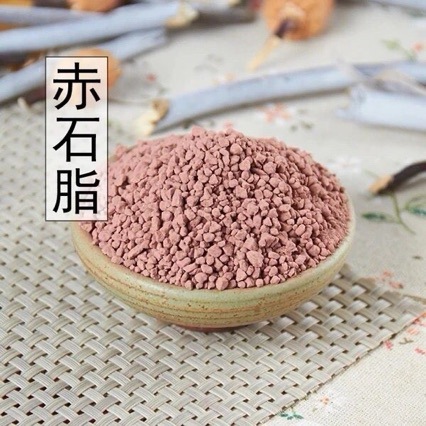
- Identified in TCM as Chi Shi Zhi (赤石脂), a classic mineral decoction piece
- Natural red halloysite clay mineral from Anhui, China
- Raw sun-dried granules, not calcined or processed powder
- Sweet, astringent, warm nature per TCM channel theory
- Sold as 1000g raw herb for traditional decoction use
Quality & Sensory
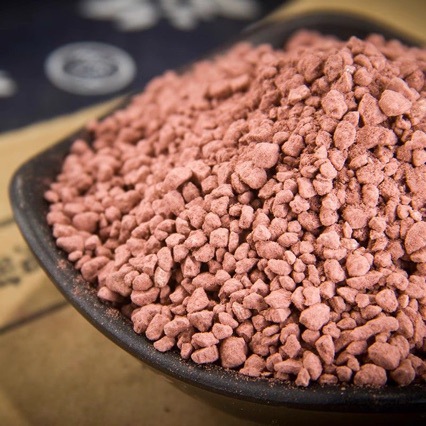
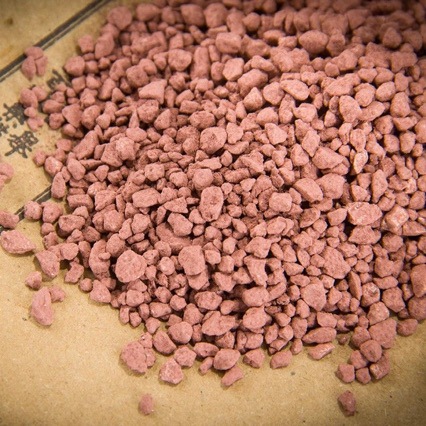
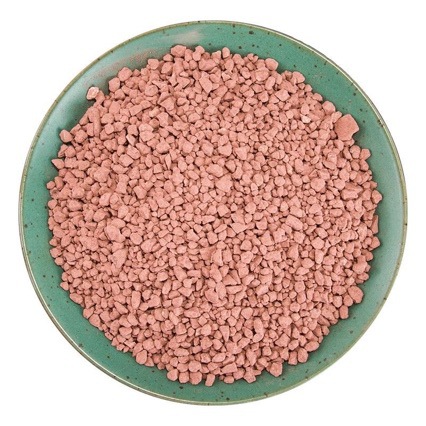
Typically reddish-brown to brick-red mineral granules with a dense, earthy texture and faint clay-like aroma. When decocted, the liquid is typically cloudy and mildly astringent with a neutral mineral taste. Color and texture may vary slightly between batches.
Technical Specifications
| Product Type | Raw mineral decoction piece |
|---|---|
| Chinese Name | 赤石脂 |
| Pinyin | Chi Shi Zhi |
| Botanical Name | Halloysite |
| Plant Part | Mineral clay |
| Form | Raw granules |
Usage Scenarios
- Traditional herbal decoction
- Combined with other herbs in TCM formulas
- Congee or soup addition in traditional practice
- External compress in folk use
Traditional Uses
In TCM theory, Chi Shi Zhi is traditionally used in decoctions for astringent and digestive support, often paired with herbs like Yu Yu Liang or Gan Cao. It is also used in folk practice as an external compress. Preparation typically involves decocting the granules with other herbs.
FAQ Q&A
Q: What is this product?
A: It is dried red halloysite mineral granules, known in TCM as Chi Shi Zhi (赤石脂), sold as a raw decoction piece.
Q: What is its traditional value?
A: In TCM theory it is sweet, astringent, and warm, entering the large intestine and stomach channels, and is traditionally used for astringent and digestive support.
Q: How is it commonly prepared?
A: It is typically decocted with other herbs in traditional TCM formulas, or added to congee or soup in folk practice.
Additional information
| Weight | N/A |
|---|---|
| Dimensions | N/A |
| Model | 赤石脂250克, 赤石脂500克, 赤石脂1000克, 赤石脂10公斤 |
Related products
-

Cabinda Bark Dried Herb 500g Traditional Herbal Infusion Ingredient
Price range: $12.38 through $37.50 -
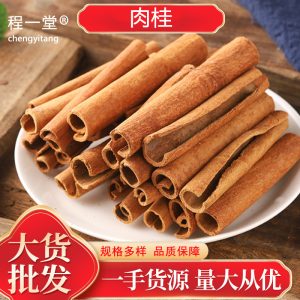
Dried Cinnamon Bark Rou Gui 500g Whole Peeling Culinary Spice and Traditional Herbal Ingredient
Price range: $5.58 through $8.33 -
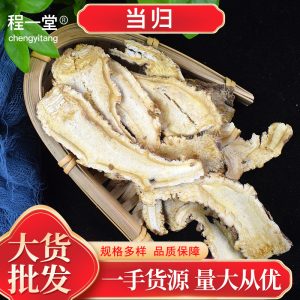
Dried Angelica Sinensis Slices Dang Gui 当归 500g Gansu Raw Herb for Decoction Soup and Tea
Price range: $16.44 through $35.88 -
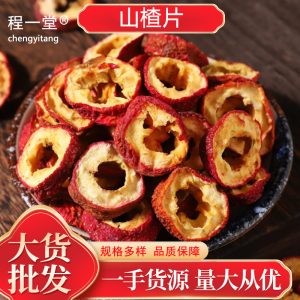
Dried Hawthorn Slices Shan Zha 500g Seedless Hollow Rings Freeze Dried Hawthorn for Tea and Culinary Use
Price range: $4.44 through $7.04
Reviews
There are no reviews yet.