
Bitter Apricot Seed with Skin Dried Ku Xing Ren Chinese Herbal Decoction Pieces New Crop
Price range: $6.13 through $58.63
Description
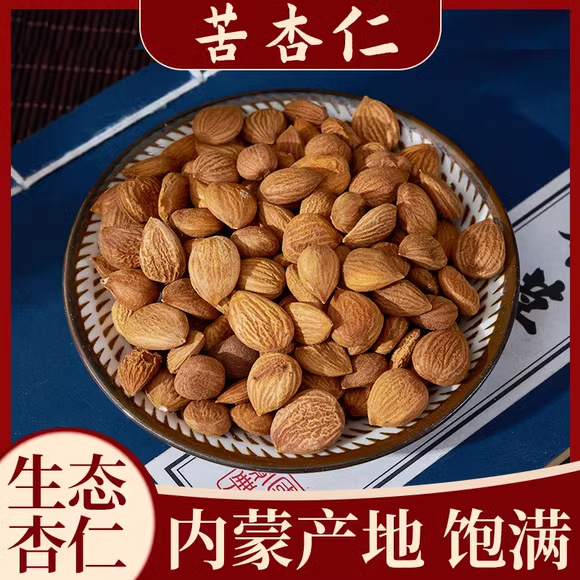
Dried Bitter Apricot Seed with skin, known in TCM as Ku Xing Ren (苦杏仁), from Prunus armeniaca. These whole dried seeds are naturally sun-dried and unsulfured, traditionally used in Chinese herbal decoctions and soups. In TCM theory, bitter apricot seed is associated with the Lung channel, with a bitter flavor and slightly warm nature. Commonly prepared by boiling or simmering with other herbs, it should be used in appropriate amounts and not eaten raw in large quantities.
Key Selling Points
- Whole bitter apricot seeds with skin intact
- Known in TCM as Ku Xing Ren (苦杏仁)
- Naturally sun-dried without sulfur fumigation
- New crop dried decoction pieces from Anhui
- Traditionally used in herbal decoctions and soups
Quality & Sensory
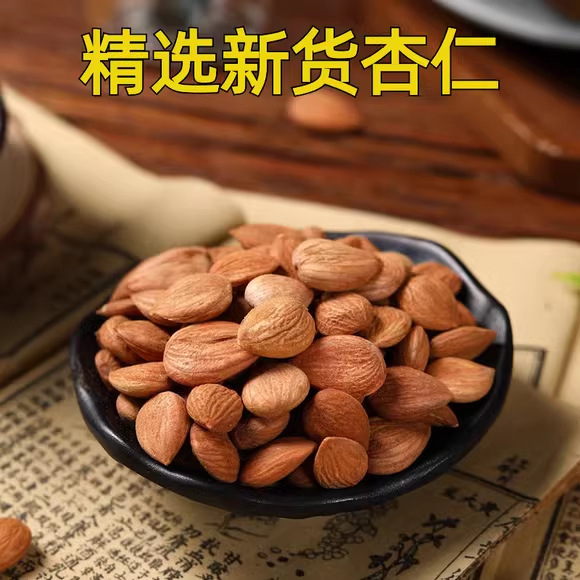
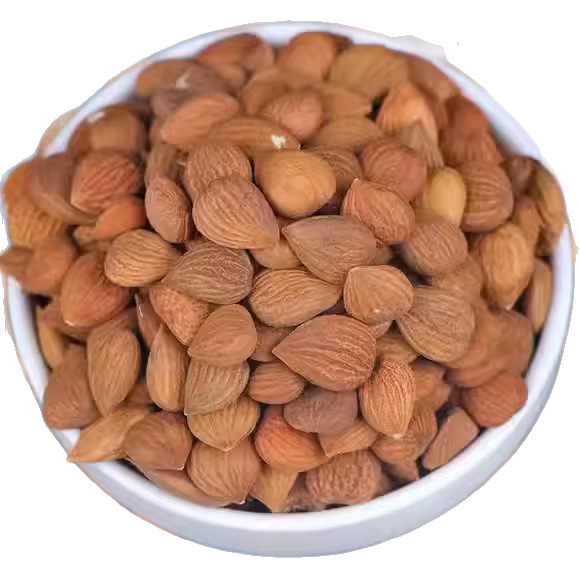
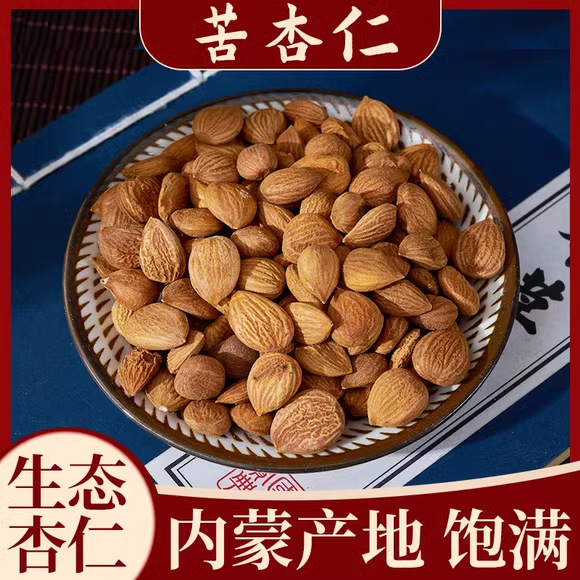
These dried bitter apricot seeds typically have a light brown to tan skin with a firm, compact texture. They have a mild, nutty aroma and a distinctly bitter taste when decocted or cooked. The seeds are whole and uniform, with no sulfur odor, reflecting natural sun-drying.
Technical Specifications
| Product Type | Dried herbal decoction pieces |
|---|---|
| Chinese Name | 苦杏仁 |
| Pinyin | Ku Xing Ren |
| Botanical Name | Prunus armeniaca |
| Plant Part | Seed |
| Form | Whole dried seed with skin |
Usage Scenarios
- Herbal decoction with other TCM herbs
- Traditional Chinese soup
- Congee
- Seasonal herbal tea blend
Traditional Uses
In TCM theory, bitter apricot seed is traditionally used in formulas associated with the Lung, often paired with herbs such as fritillary bulb or mulberry leaf. It is commonly decocted or simmered in soups and congees. Traditional preparation typically involves boiling or cooking rather than eating raw. It is also used in seasonal herbal teas and culinary soups in small amounts.
FAQ Q&A
Q: What is this product?
A: It is dried bitter apricot seed with skin, known in TCM as Ku Xing Ren (苦杏仁), from Prunus armeniaca.
Q: What is its traditional value?
A: In TCM theory, it is associated with the Lung channel and a bitter, slightly warm nature. Traditionally used in herbal decoctions and soups.
Q: How is it commonly prepared?
A: It is typically boiled or simmered in herbal decoctions, soups, or congee. It should not be eaten raw in large amounts.
Additional information
| Weight | N/A |
|---|---|
| Dimensions | N/A |
| Model | 带皮苦杏仁250克, 带皮苦杏仁500克, 带皮苦杏仁1000克, 带皮苦杏仁10公斤 |
Related products
-
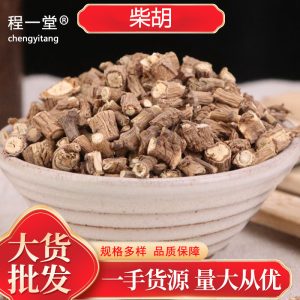
Chai Hu Bupleurum Root Dried Herb 500g Traditional TCM Decoction Herb
Price range: $9.14 through $16.44 -
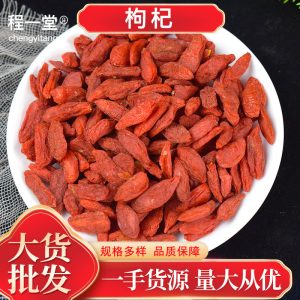
Ningxia Goji Berries Gou Qi Zi 500g Dried Red Wolfberry for Tea Soup and Snacking
Price range: $7.20 through $16.44 -

Dried Raspberry Fruit Fu Pen Zi Whole Berries for Herbal Tea and Wine Infusion 500g
Price range: $15.63 through $18.06 -
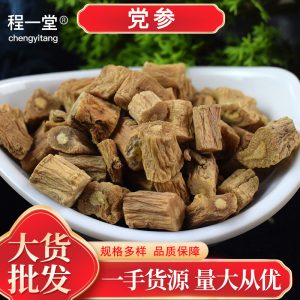
Dried Codonopsis Root Slices Dang Shen 500g Bulk Supply for Soups and Herbal Decoctions
Price range: $10.28 through $18.06
Reviews
There are no reviews yet.