
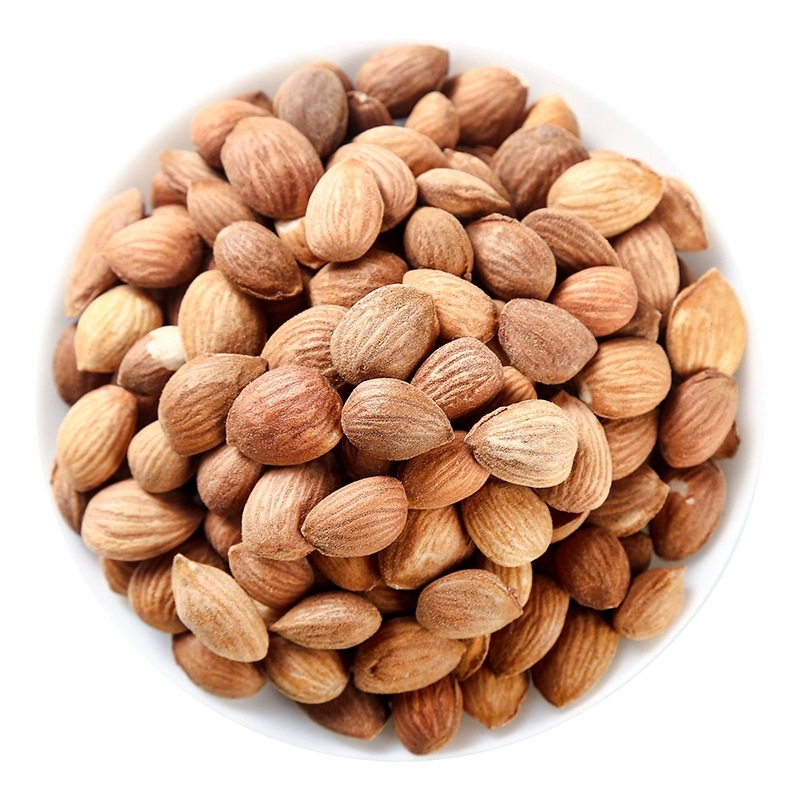
Bitter Apricot Kernel Ku Xing Ren Dried Herb 500g Sichuan Origin for Decoction and Infusion
$7.38
98751 in stock
Description
Bitter Apricot Kernel, known in TCM as Ku Xing Ren (苦杏仁), from Prunus armeniaca. These dried whole kernels with skin are naturally sun-dried and supplied as raw herbal material. In TCM theory they are traditionally associated with the lung channel and are valued in classical decoction formulas. A traditional herbal ingredient for experienced users, not for casual snacking.

Key Selling Points
- Dried whole bitter apricot kernels with skin retained
- Botanical source Prunus armeniaca, known in TCM as Ku Xing Ren 苦杏仁
- Naturally sun-dried processing without further refining
- Sichuan origin raw herb sold as edible agricultural produce
- Commonly used in traditional decoctions and herbal wine preparations
Quality & Sensory
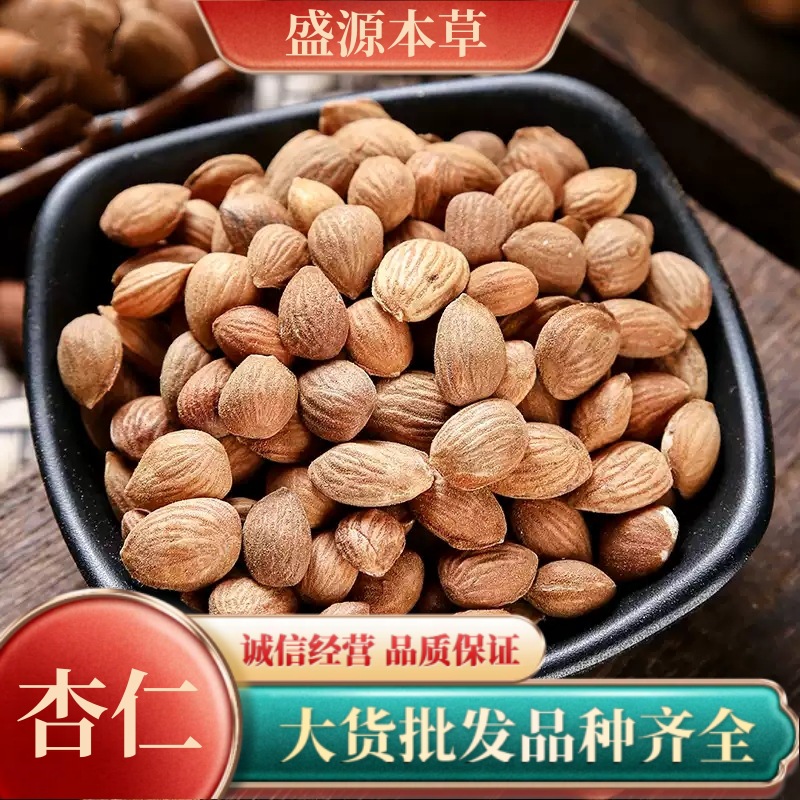
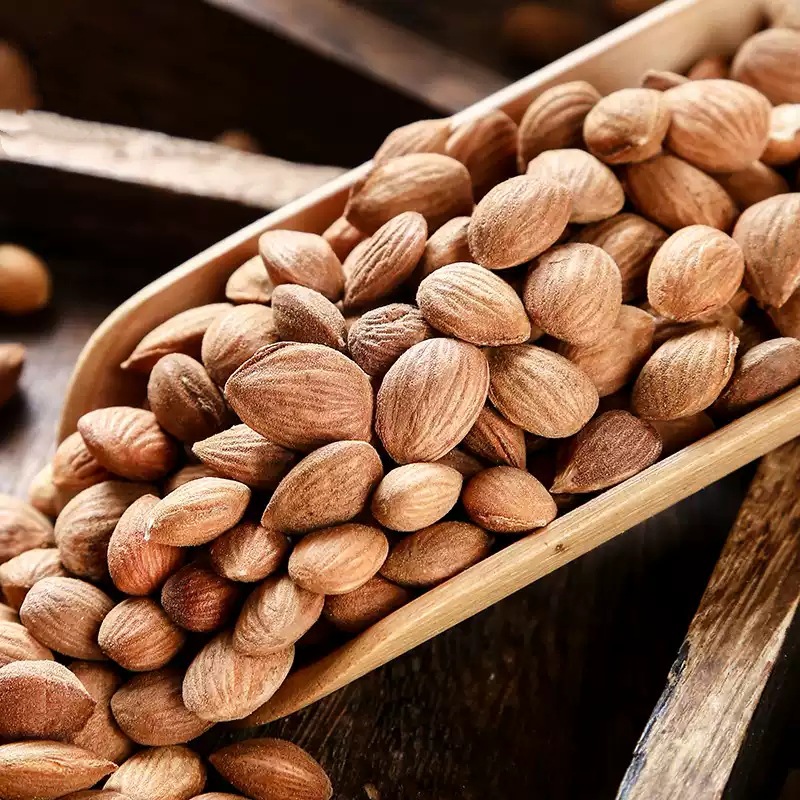
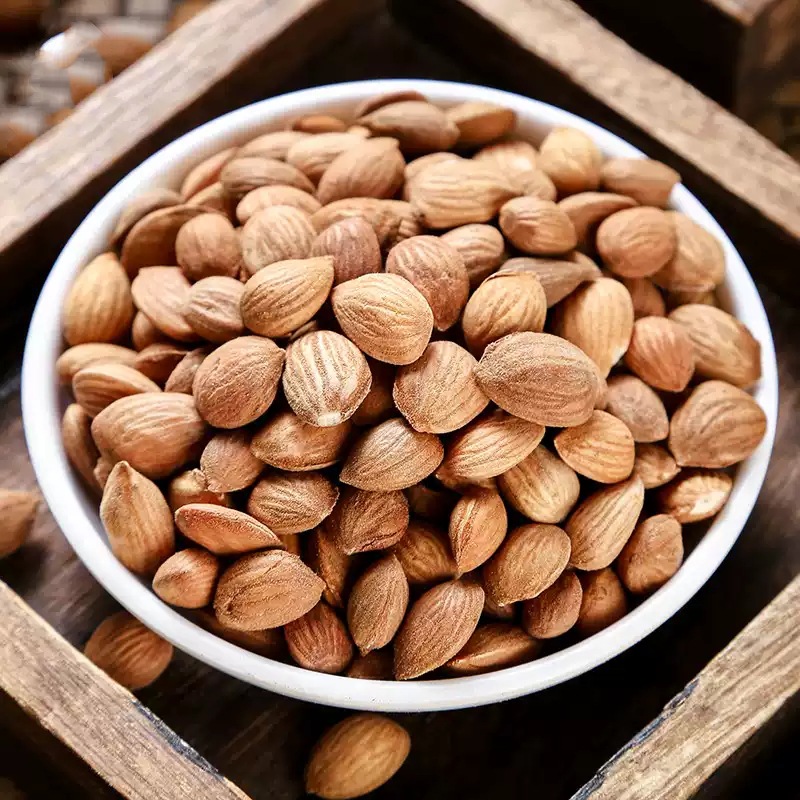
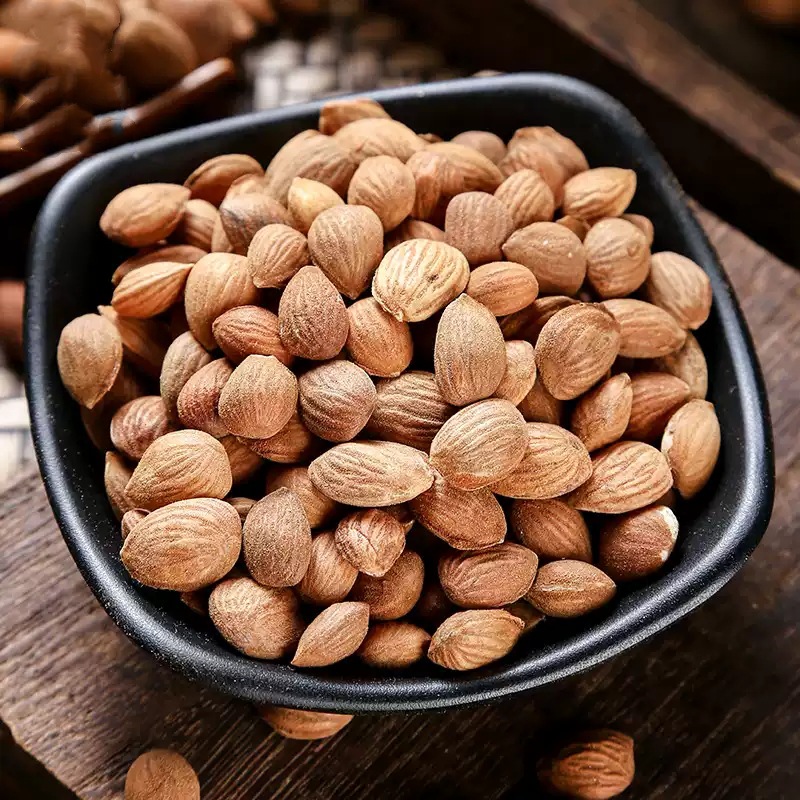
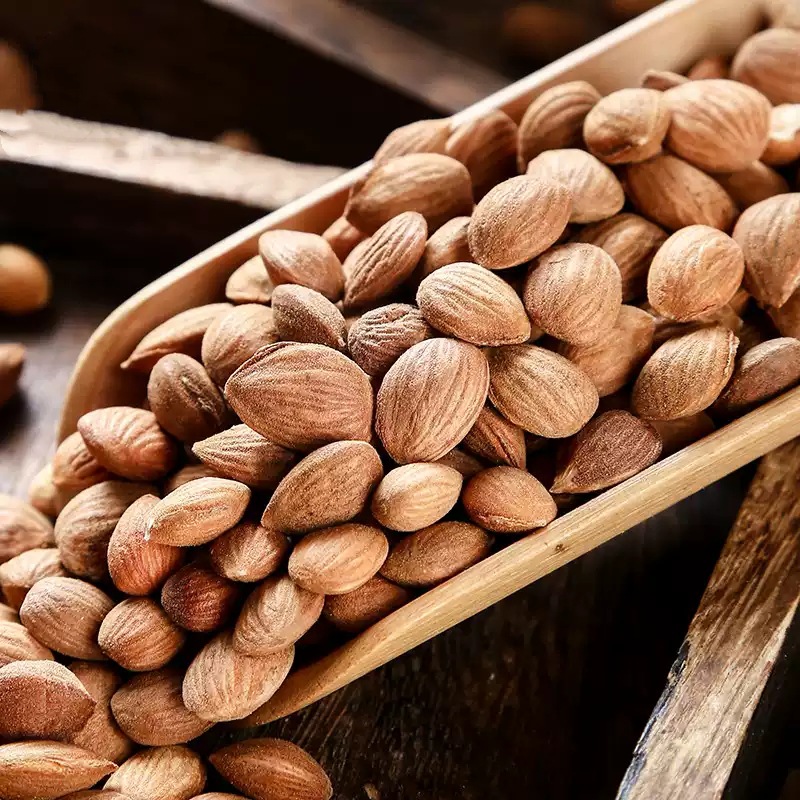
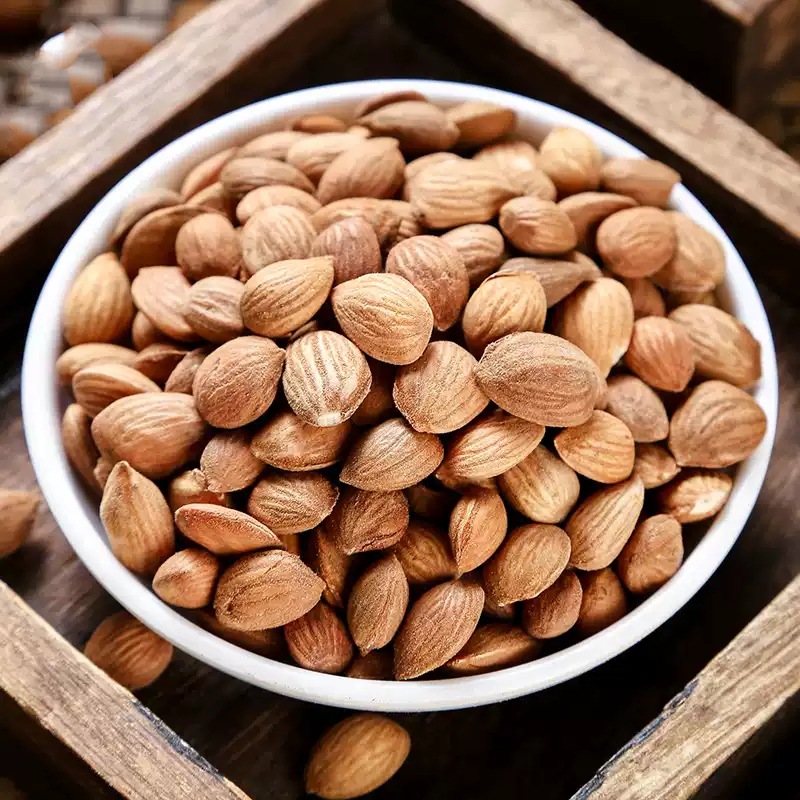
Typically flat, heart-shaped kernels with a thin brown seed coat and pale inner flesh. They have a characteristic bitter aroma and taste, and a firm, oily texture when broken.
Technical Specifications
| Product Type | Raw herb |
|---|---|
| Chinese Name | 苦杏仁 |
| Pinyin | Ku Xing Ren |
| Botanical Name | Prunus armeniaca |
| Plant Part | Seed |
| Net Weight | 500 g |
Usage Scenarios
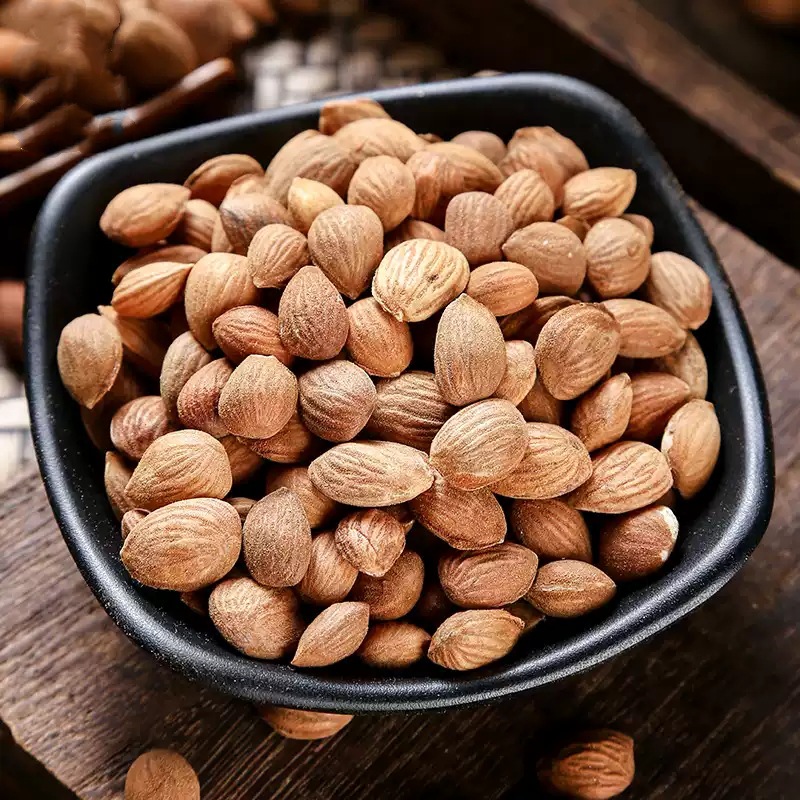
- Simmered in traditional herbal decoctions
- Steeped as a bitter herbal infusion
- Soaked in alcohol for traditional herbal wine preparations
- Used as an ingredient in classical formula packs
Traditional Uses
In TCM theory, Ku Xing Ren is traditionally associated with the lung and large intestine channels and has long been included in classical decoctions for supporting respiratory comfort and moistening the intestines. Traditionally it is simmered with herbs such as apricot kernel pairs, perilla leaf, or licorice root in formulas, and it also appears in folk herbal wine preparations. Bitter apricot kernels contain amygdalin and must be properly processed and used in moderation under qualified guidance.
FAQ Q&A
Q: What is this product?
A: It is 500 g of dried bitter apricot kernels with skin, a raw TCM herb from Sichuan, botanically Prunus armeniaca.
Q: What is it traditionally used for?
A: In TCM it is traditionally associated with the lung channel and used in classical decoctions. It is a bitter, slightly warm herb valued in traditional formulas.
Q: How is it commonly prepared?
A: It is typically simmered in decoctions, steeped in hot water, or soaked in alcohol for herbal wine. Follow qualified guidance on preparation and amount.
Additional information
| Weight | 0.55 kg |
|---|---|
| Dimensions | 20 × 15 × 8 cm |
Related products
-
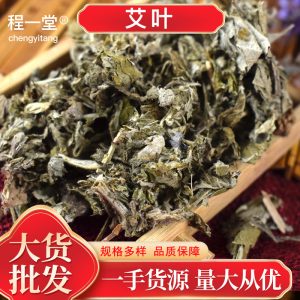
Dried Mugwort Leaf Ai Ye 500g Chinese Herbal Bath Foot Soak and Smoke Cleansing Herb
Price range: $4.77 through $5.25 -
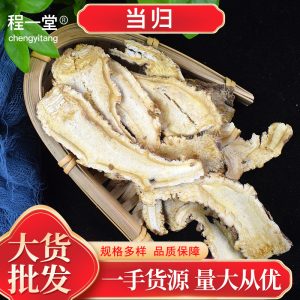
Dried Angelica Sinensis Slices Dang Gui 当归 500g Gansu Raw Herb for Decoction Soup and Tea
Price range: $16.44 through $35.88 -
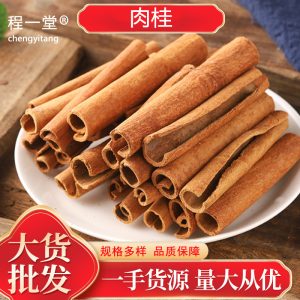
Dried Cinnamon Bark Rou Gui 500g Whole Peeling Culinary Spice and Traditional Herbal Ingredient
Price range: $5.58 through $8.33 -
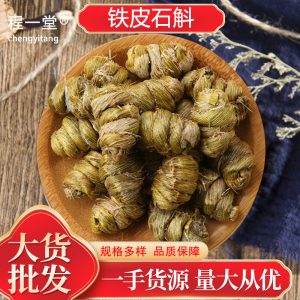
Tie Pi Shi Hu Dried Dendrobium Stems 500g Huoshan Fengdou for Soup and Tea
Price range: $35.88 through $108.80
Reviews
There are no reviews yet.