
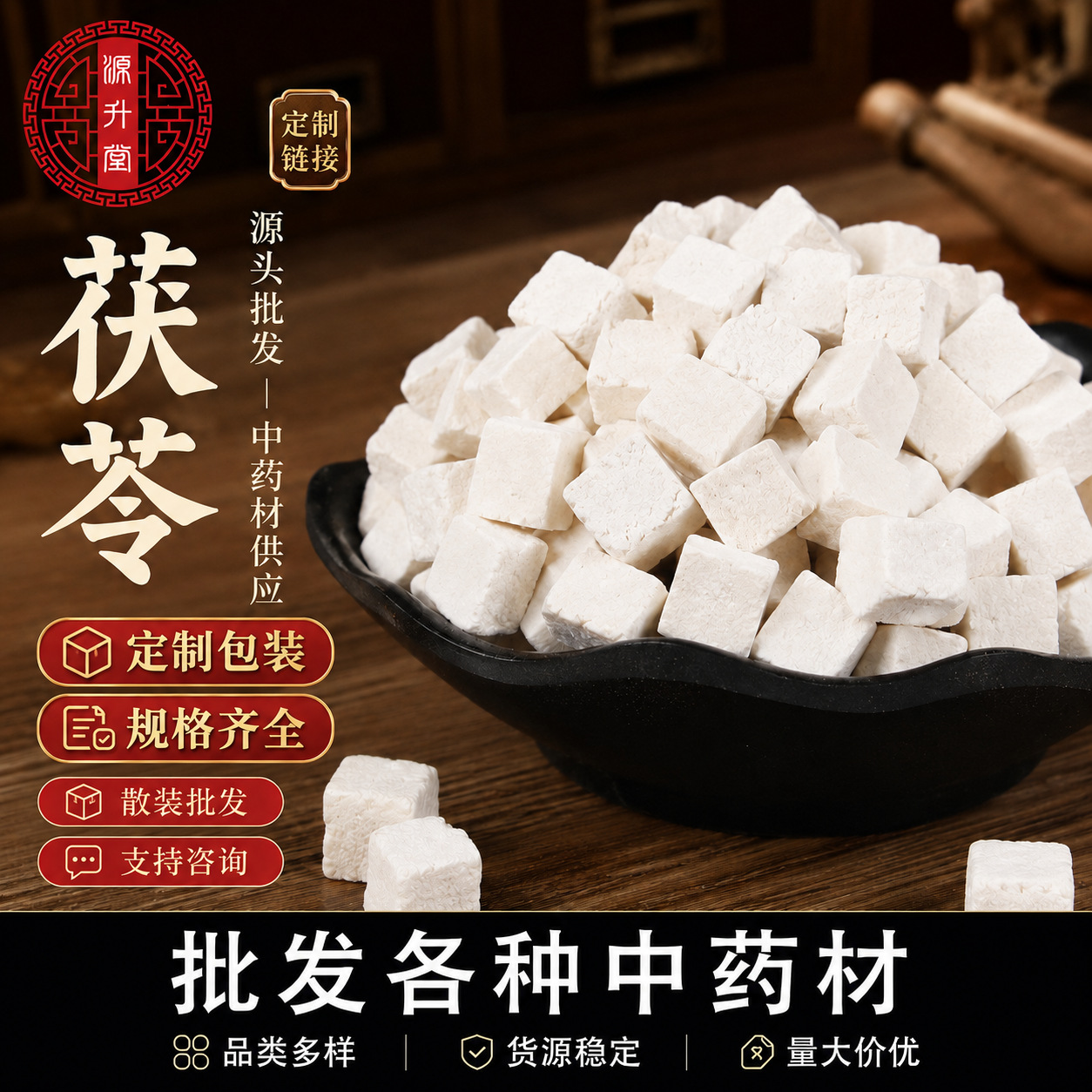
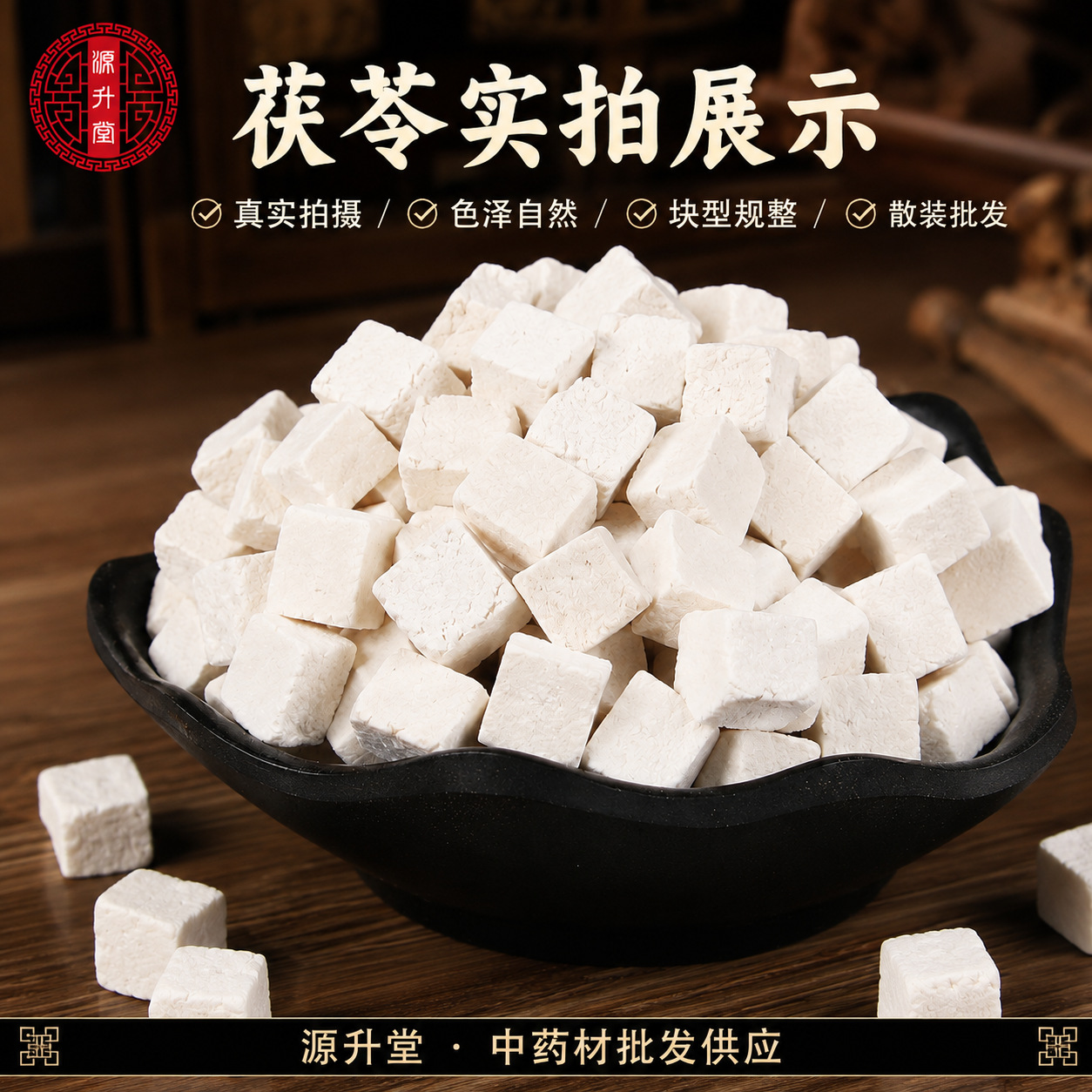
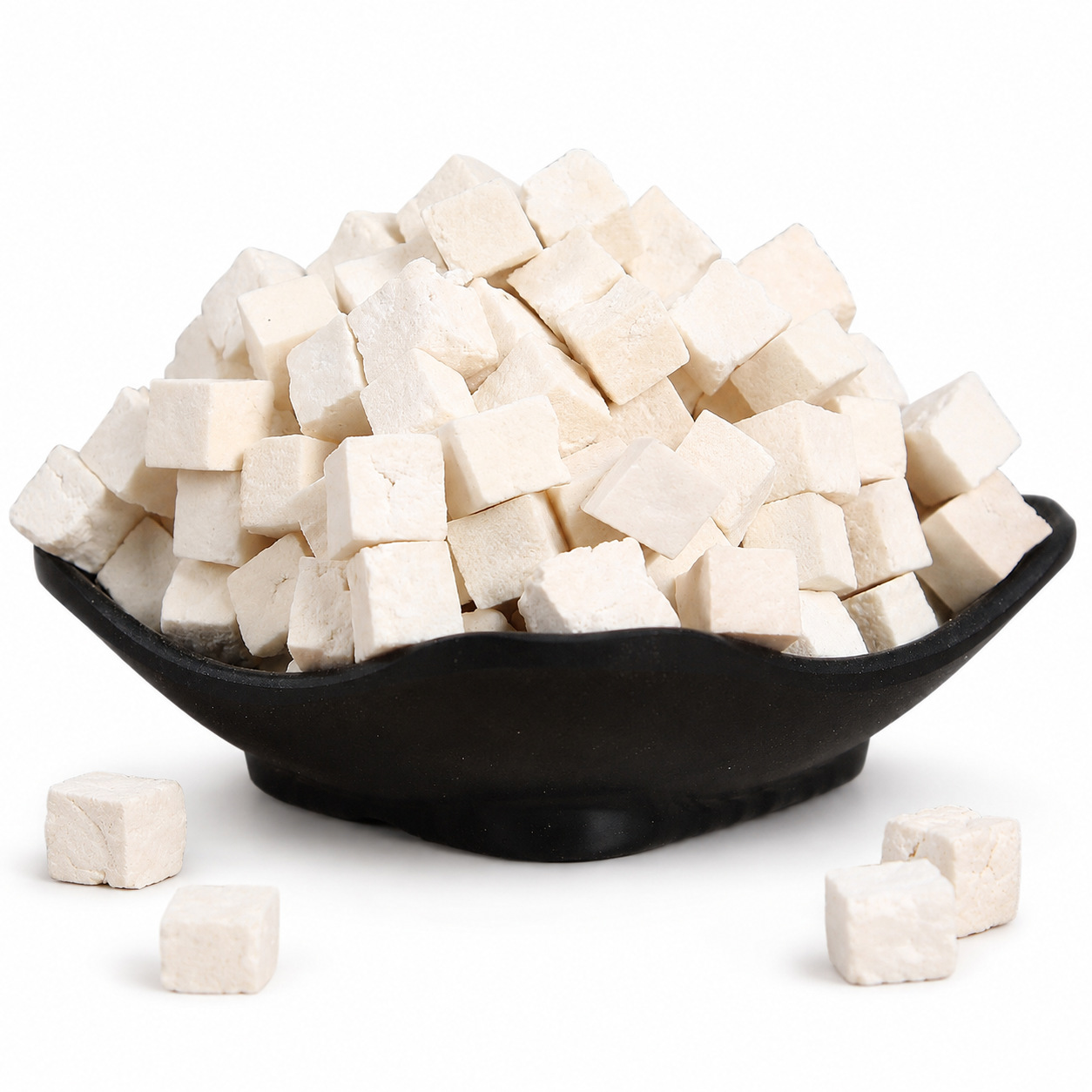
Bai Fu Ling Dices (Poria cocos) — Sulfur-Free Dried Food Herb, Grindable
Price range: $4.33 through $6.81
Description
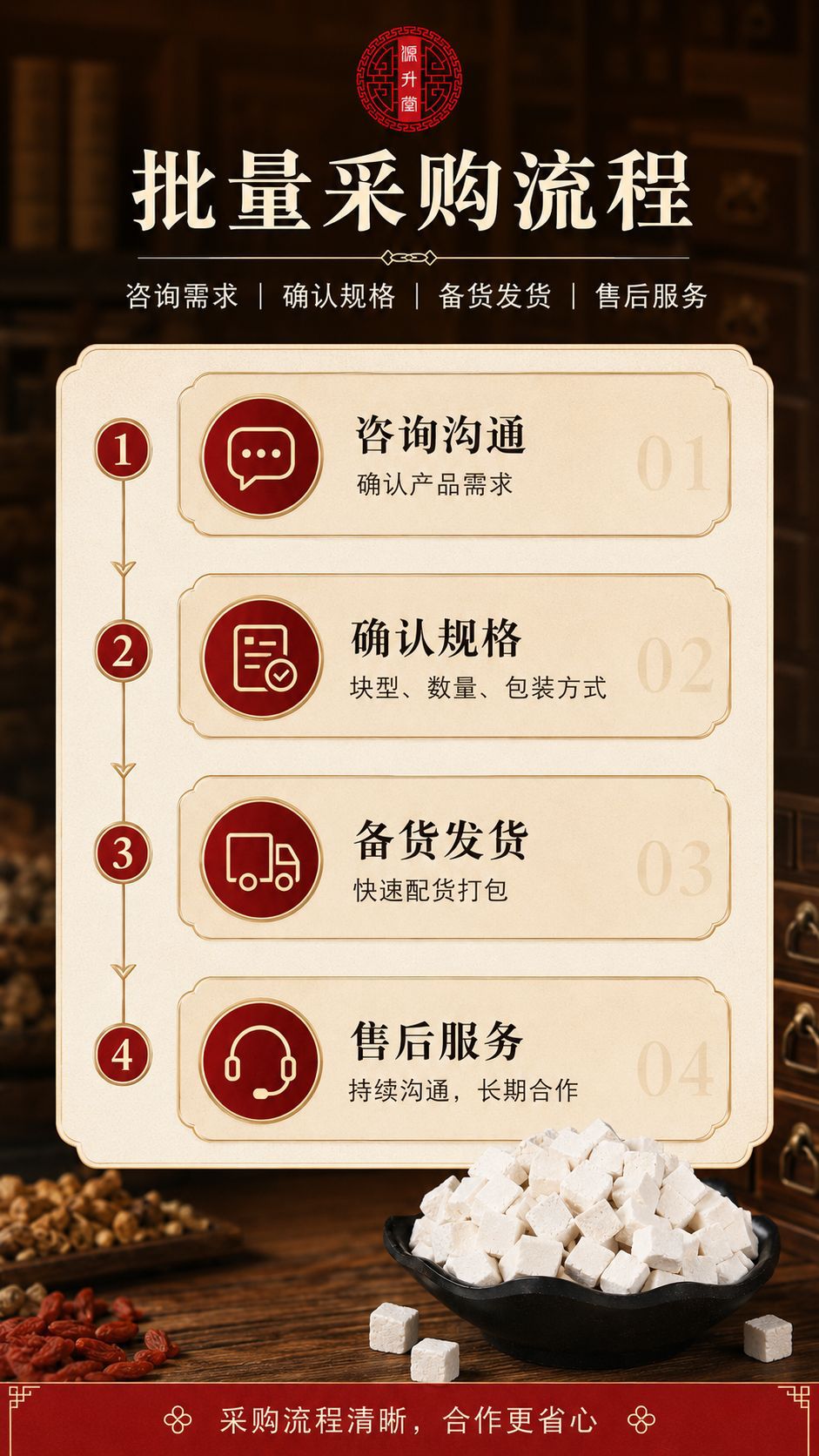
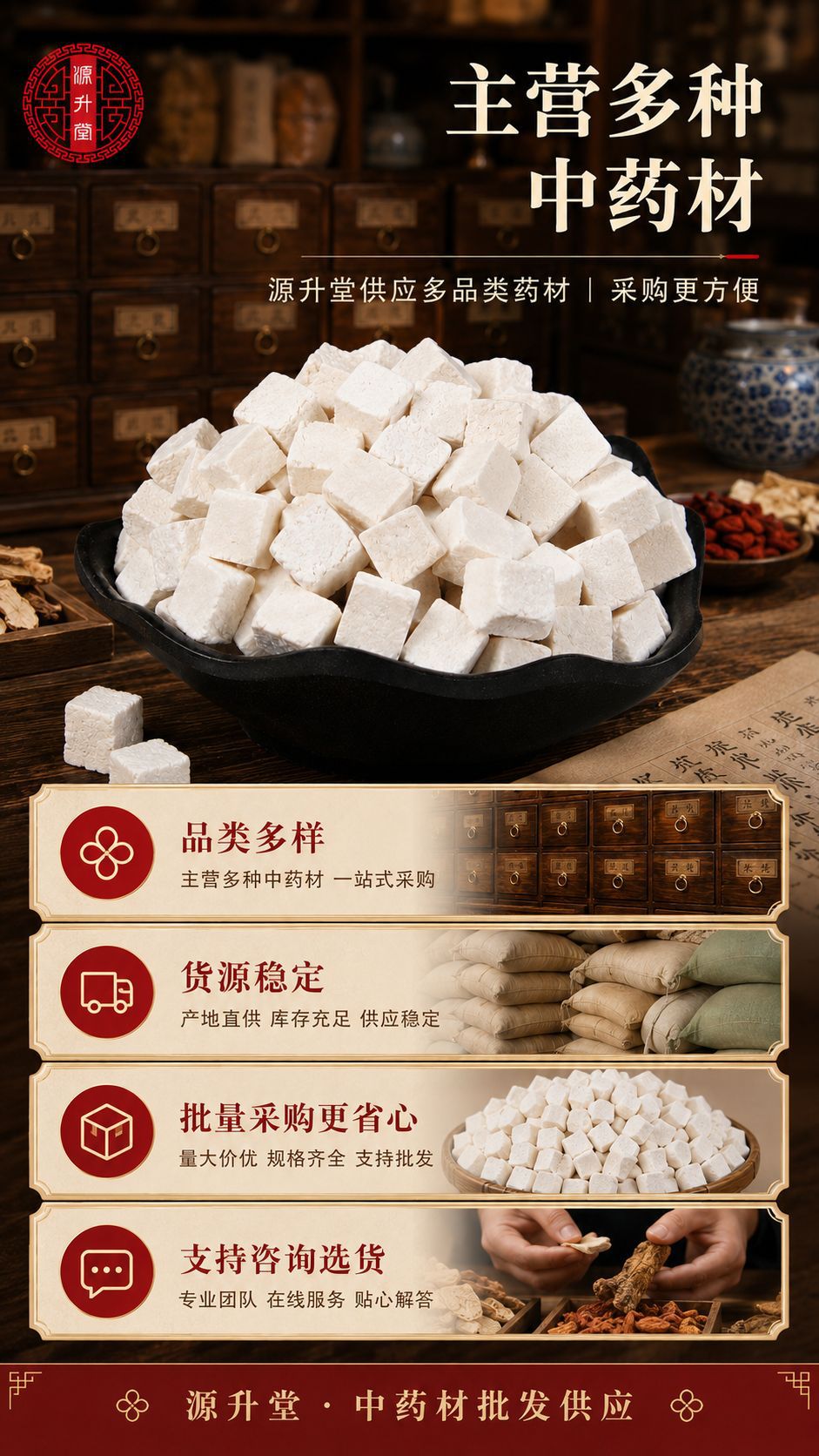
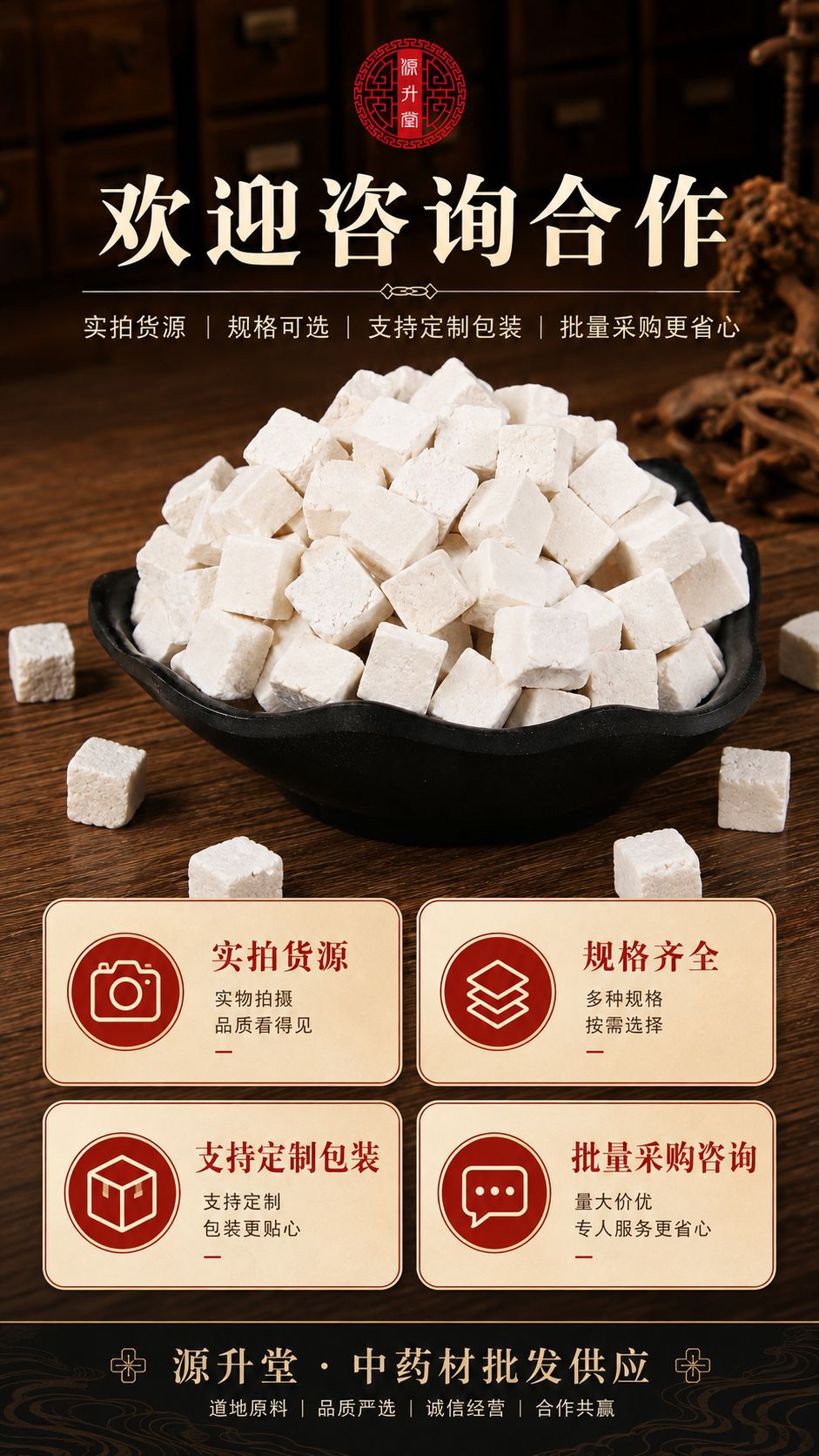
Bai Fu Ling Dices (Poria cocos) are the dried, diced sclerotium of a highly revered traditional food herb known in Traditional Chinese Medicine (TCM) as Bái Fú Líng (白茯苓). For centuries, Fu Ling has been prized as a gentle, spleen-supporting, dampness-transforming herb, used in soups, congee, teas, and classic tonic formulas. Its nature is sweet, bland, and neutral, making it a mild yet profoundly useful herb for fortifying the Spleen, calming the spirit, and harmonizing the body's fluid metabolism.
Key Selling Points
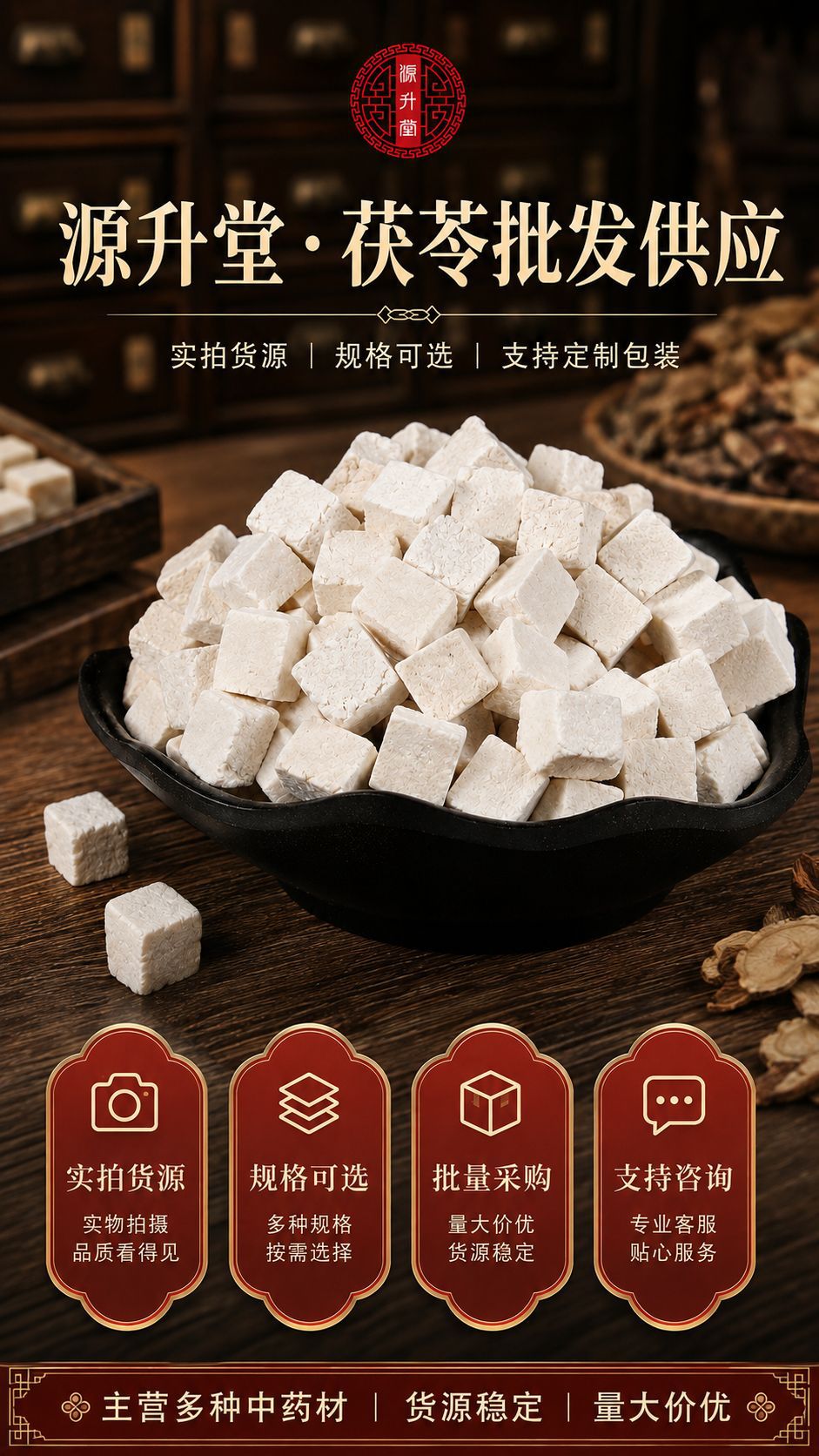
- Traditional Spleen-supporting food herb
- Sulfur-free, sun-dried processing
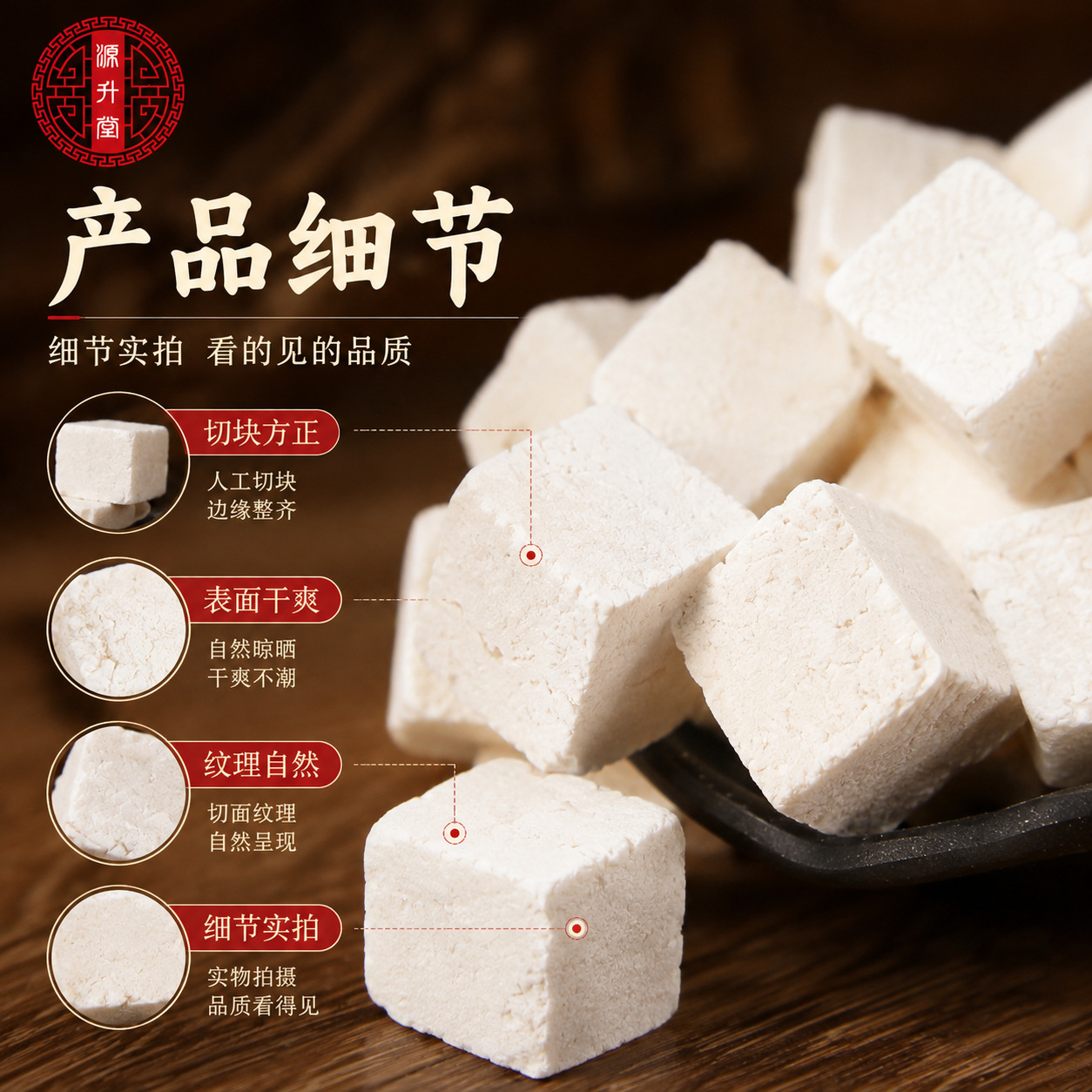
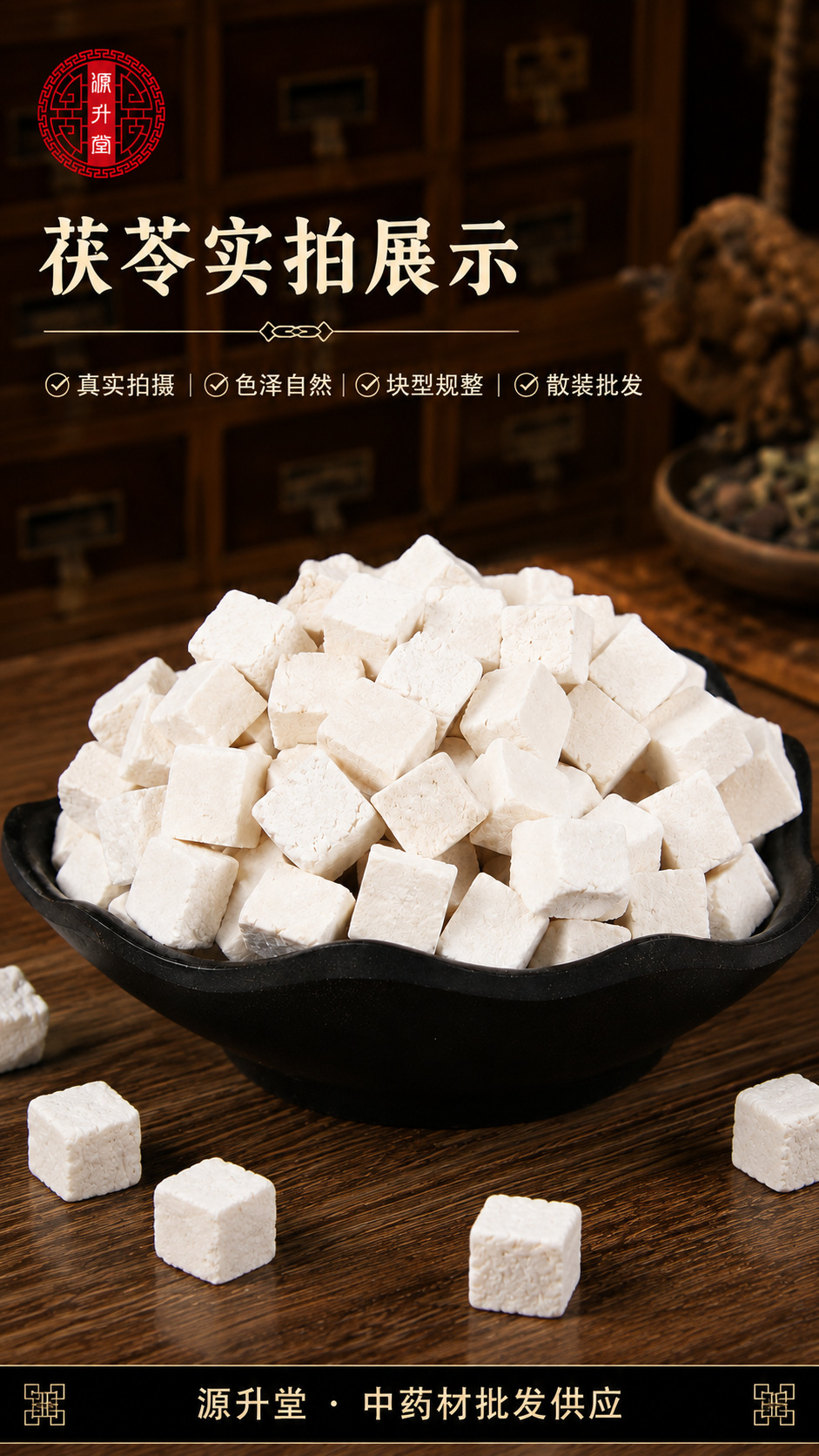
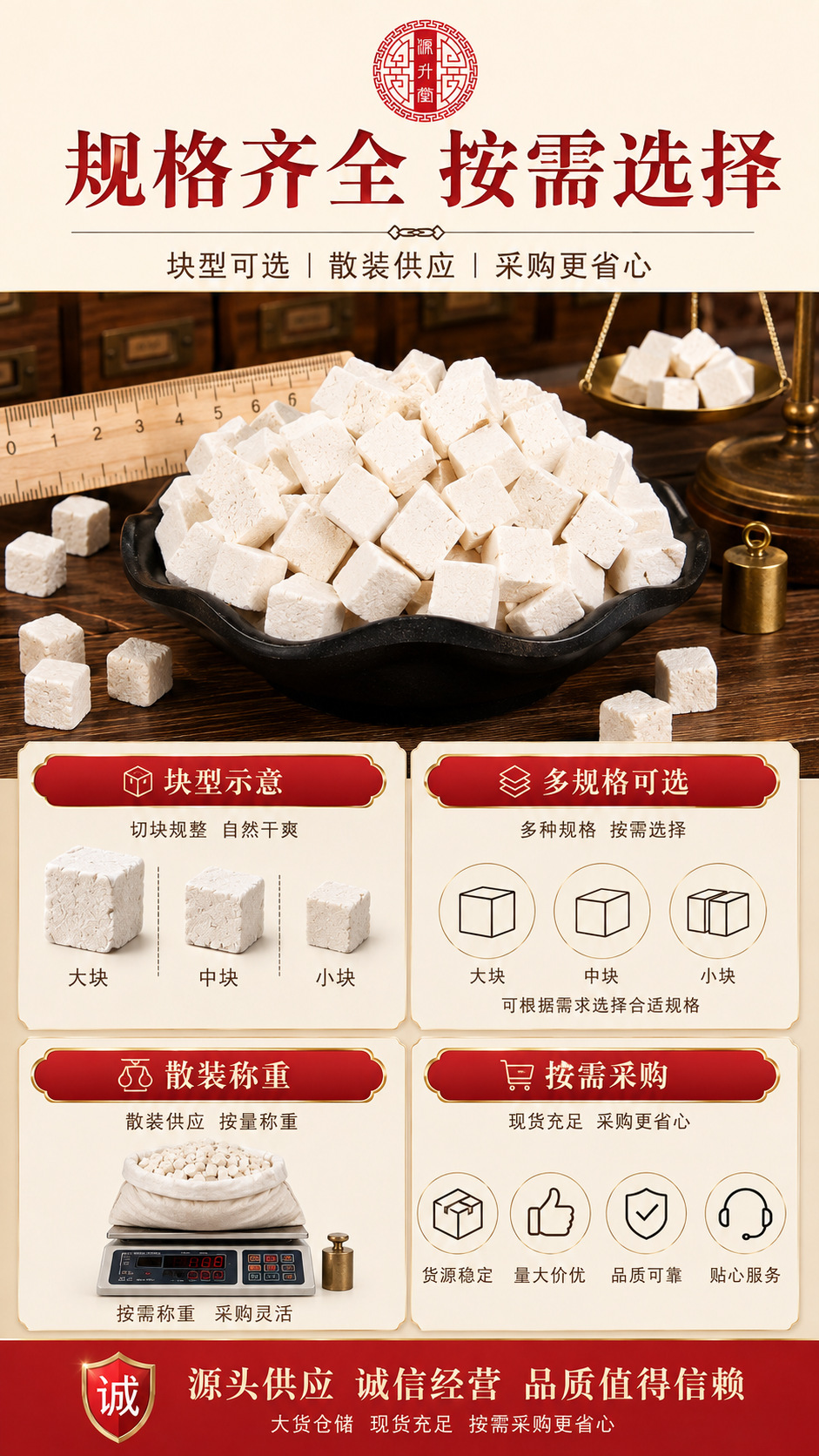
- Uniform white Fu Ling dices
- Can be ground into powder on request
- Food-herb (药食同源) ingredient
Quality & Sensory
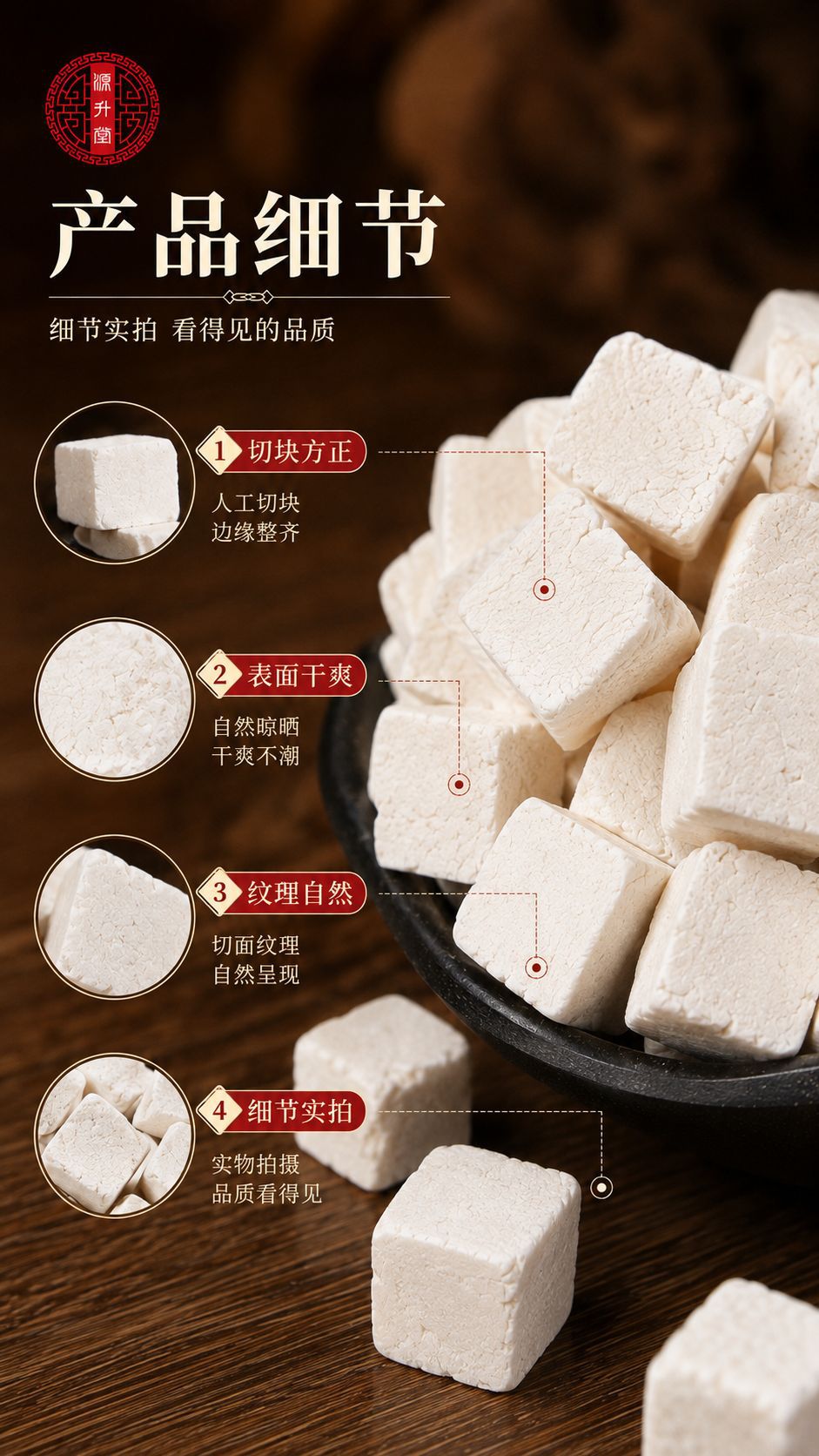
Each batch is carefully diced and sun-dried to preserve its clean white color, firm yet slightly chalky texture, and faint earthy aroma. When simmered, the dices soften gradually and release a mild, neutral taste that absorbs the flavors of the broth around them, adding body to soups and congee without overpowering other ingredients.
Technical Specifications
| Product Type | Dried Herb Dices |
|---|---|
| Common Name | Bai Fu Ling |
| Botanical Name | Poria cocos |
| Form | Dried Dices |
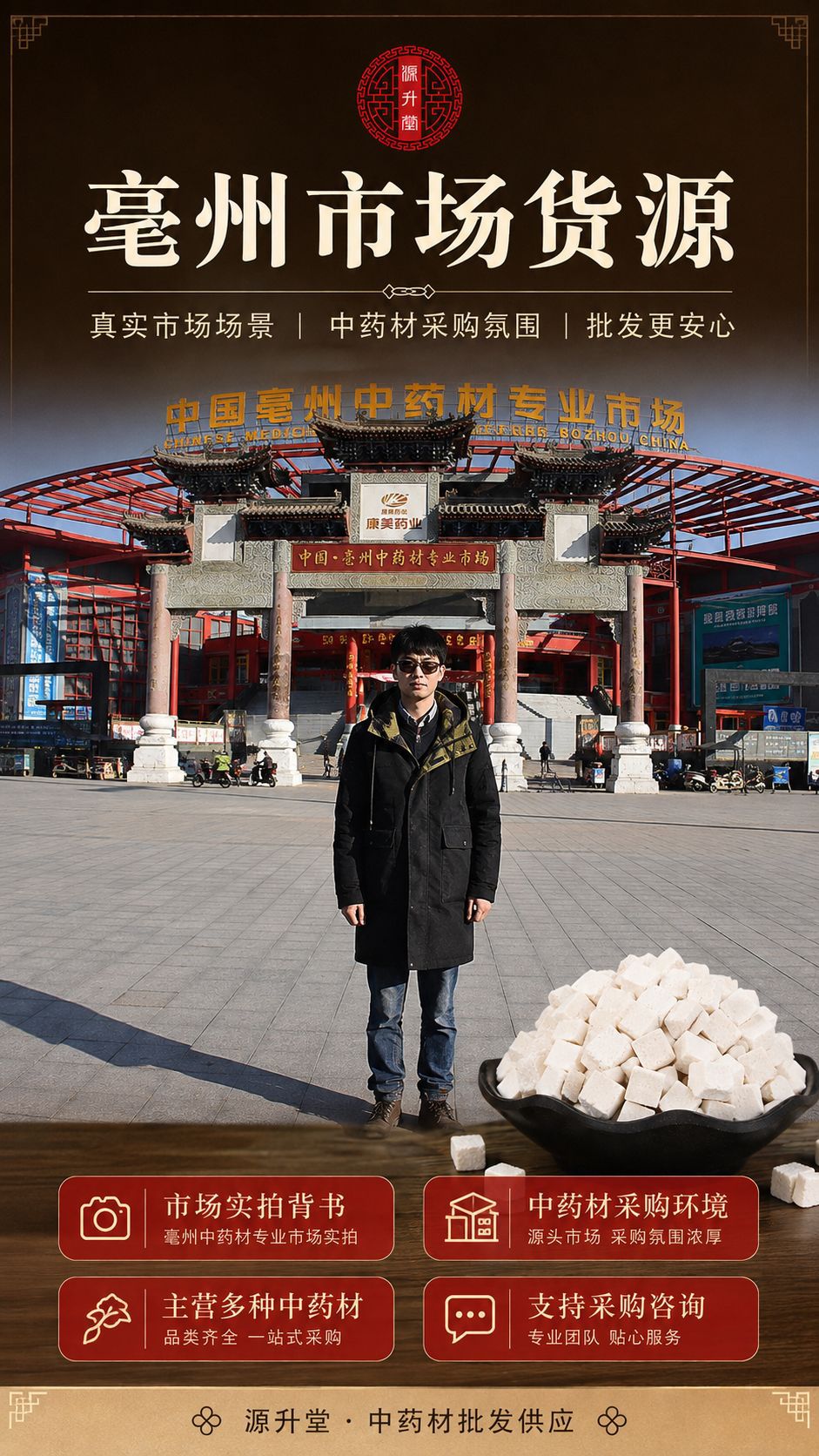
| Origin | Anhui, China |
| Processing | Sun-Dried, Sulfur-Free |
Usage Scenarios
- Chinese-style soup and broth
- Congee and grain porridge
- Herbal tea blends
- Medicinal food soup packs
- Daily food-herb cooking
Traditional Uses
In folk herbal practice, Fu Ling is decocted into soups, congee, and gentle daily tonics to support the Spleen and transform dampness. It is a common ingredient in four-herb soup packs, where it pairs with ingredients like Chinese yam, lotus seed, and jujube. As a tea, it is brewed alone or blended with other food herbs for a light, neutral infusion.
FAQ Q&A
Q: What is Bai Fu Ling?
A: Bai Fu Ling is the common Chinese name for the dried sclerotium of Poria cocos, a traditional food herb used in soups, congee, and teas.
Q: What is the traditional wellness value of Fu Ling?
A: In traditional Chinese food wellness culture, Fu Ling is associated with fortifying the Spleen, transforming dampness, and calming the spirit. It is often used in soups and congee for daily nourishment.
Q: How do I use dried Fu Ling dices?
A: Rinse the dices and simmer them with soup ingredients, or brew them in hot water as part of a tea blend. They can also be ground into powder for easier incorporation into recipes.
Additional information
| Weight | N/A |
|---|---|
| Dimensions | N/A |
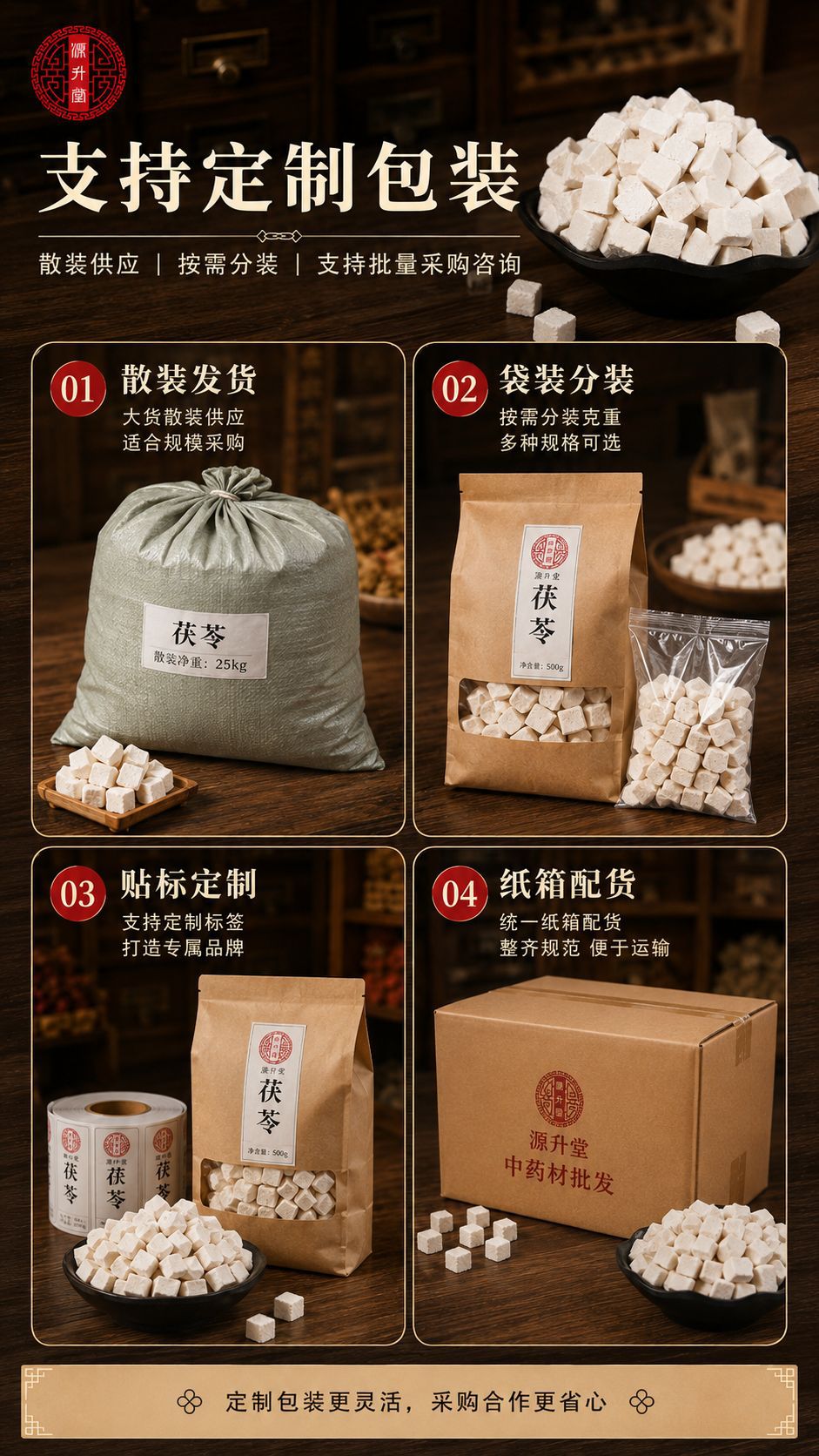
| Packaging specifications | Poria cocosum bulk goods, Optional Poria Cocosum, Hand picked four corner dices, Poria cocosum granules, Selected Poria 100 grams, Selected Poria 250 grams, Poria mushroom in a 100 gram jar |
Related products
-
Suo Yang Slices (Cynomorium songaricum) — Alxa Desert Food Herb, 500g Dried Root Slices
Price range: $5.09 through $9.95 -
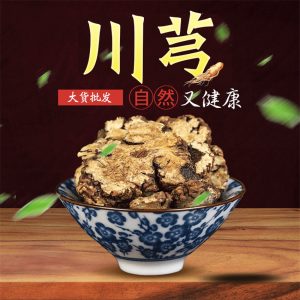
Chuan Xiong Slices (Ligusticum chuanxiong) — Sichuan Sun-Dried Rhizome Pieces, 500g
Price range: $4.44 through $6.06 -
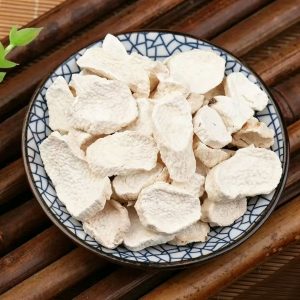
Huai Shan Yao Dried Slices (Dioscorea opposita) — Iron Stick Yam from Jiaozuo, Henan
Price range: $4.61 through $9.14 -
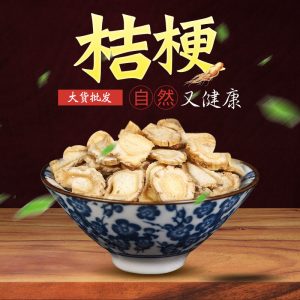
Jie Geng Slices (Platycodon grandiflorus) — Dried Food Herb Root for Tea & Soup
$5.90
Reviews
There are no reviews yet.