
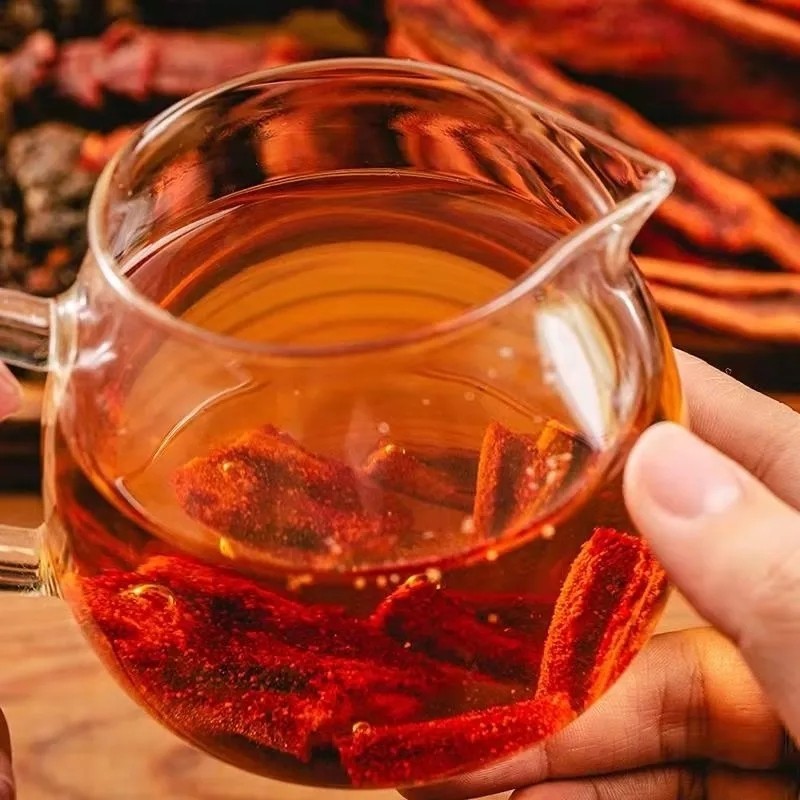
Yunnan Huichuncao Dried Herb for Wine Infusion and Herbal Tea Traditional Chinese Wellness Botanical 500g
Price range: $8.01 through $17.38
Description
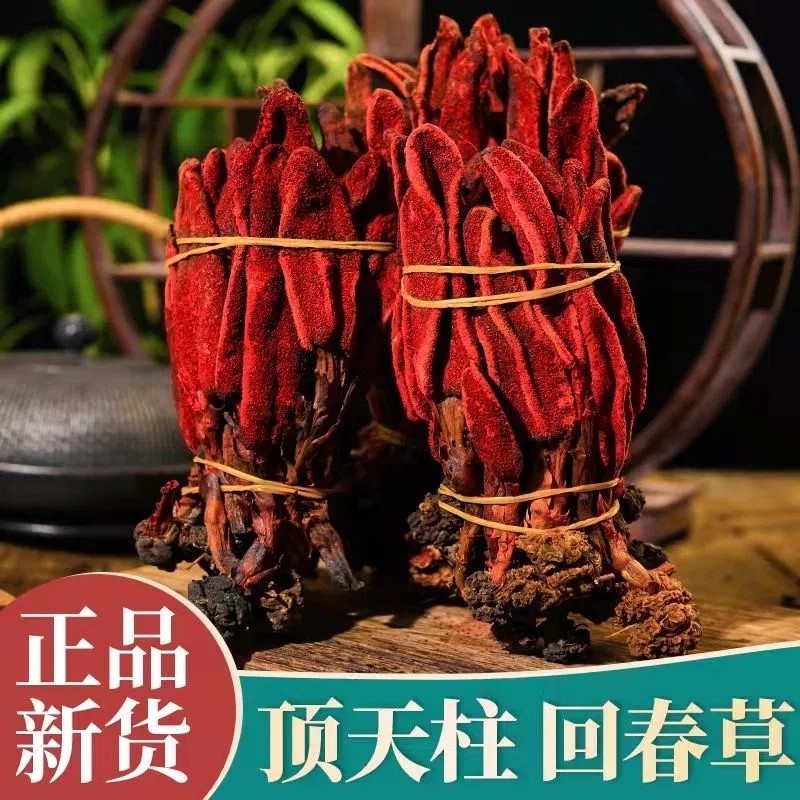
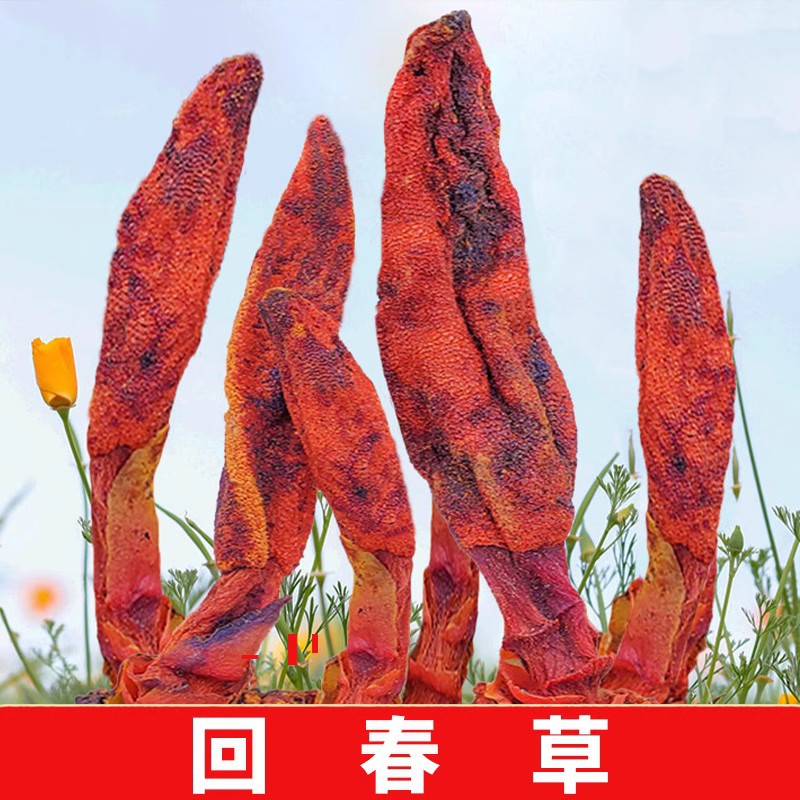
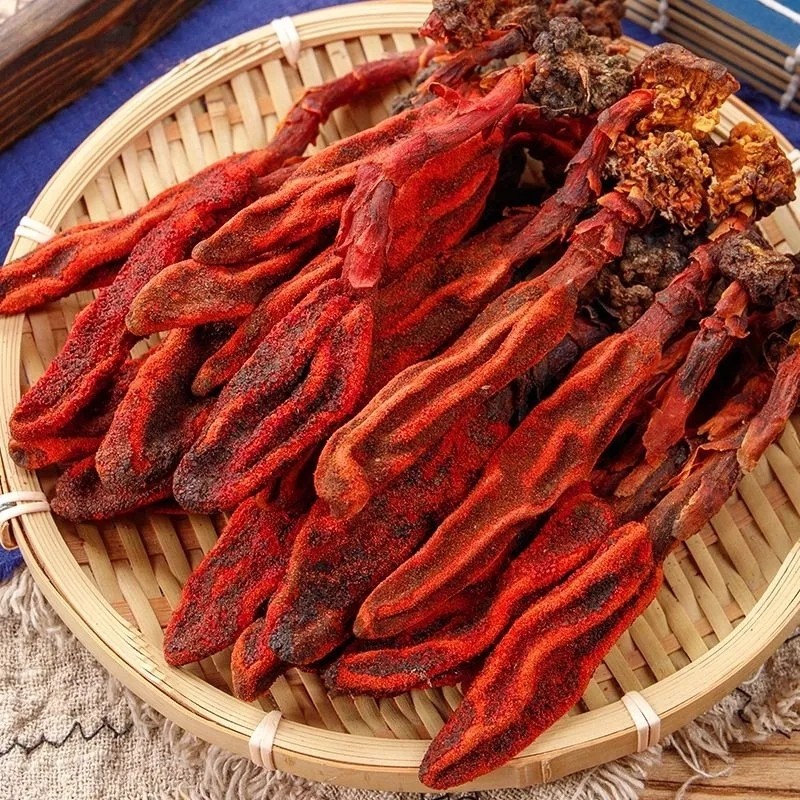
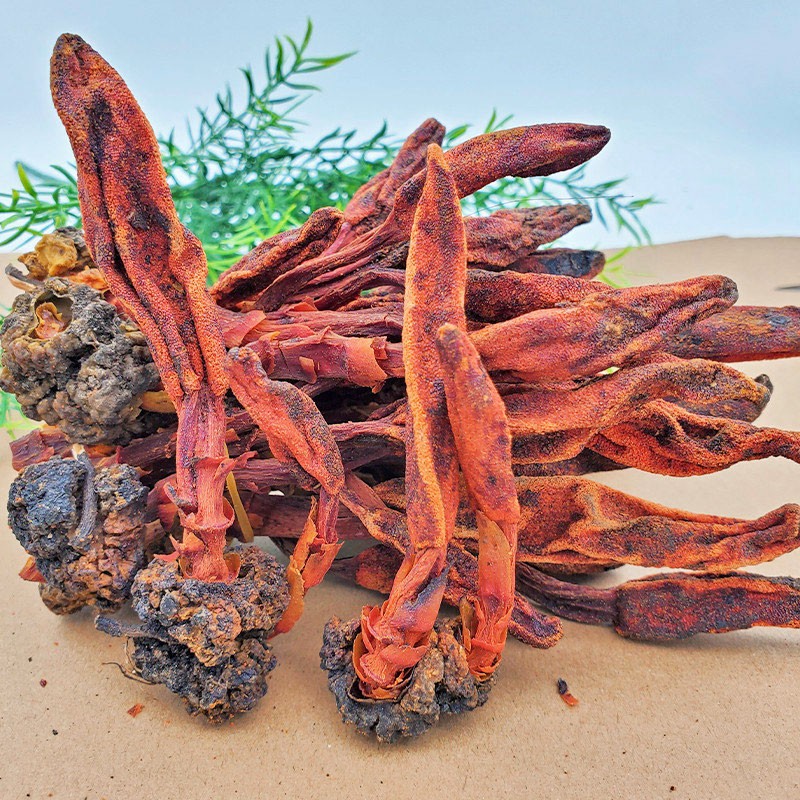
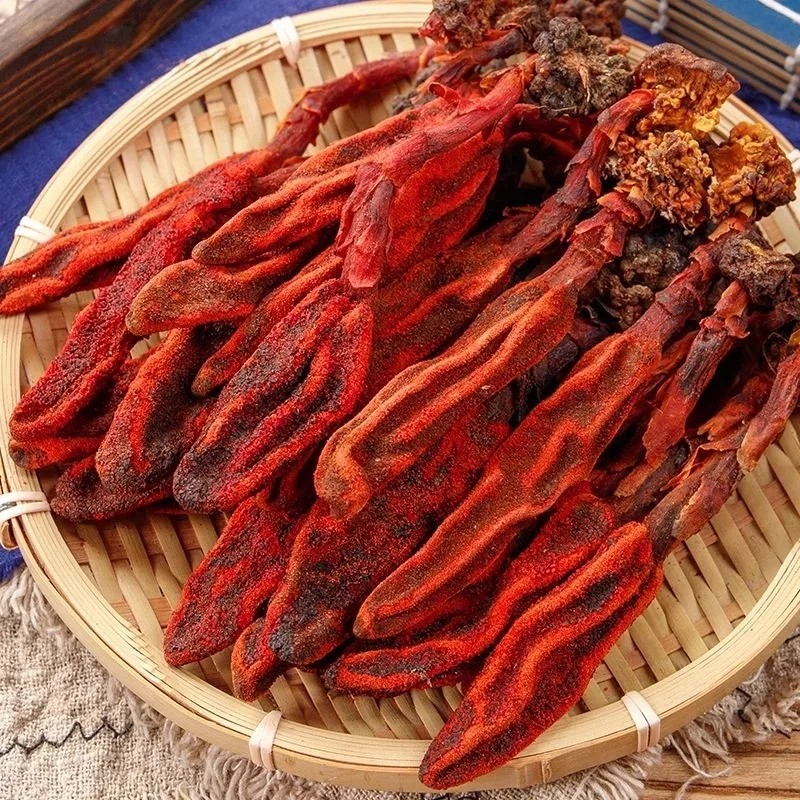
Dried Huichuncao (回春草), also known as Dingtianzhu, is a Yunnan-sourced traditional Chinese herbal botanical supplied as dried whole herb or pieces. In TCM theory it is traditionally associated with warming yang and supporting vitality, often used in wine infusions or herbal teas. The dried form is typically steeped or decocted according to traditional practice. Sold as an edible agricultural product for adult wellness use.
Key Selling Points
- Yunnan-origin Huichuncao dried herbal botanical
- Also known traditionally as Dingtianzhu or Bulaocao
- Dried whole herb suitable for wine infusion
- Can be used in traditional herbal tea preparations
- 500g net weight edible agricultural product
Quality & Sensory
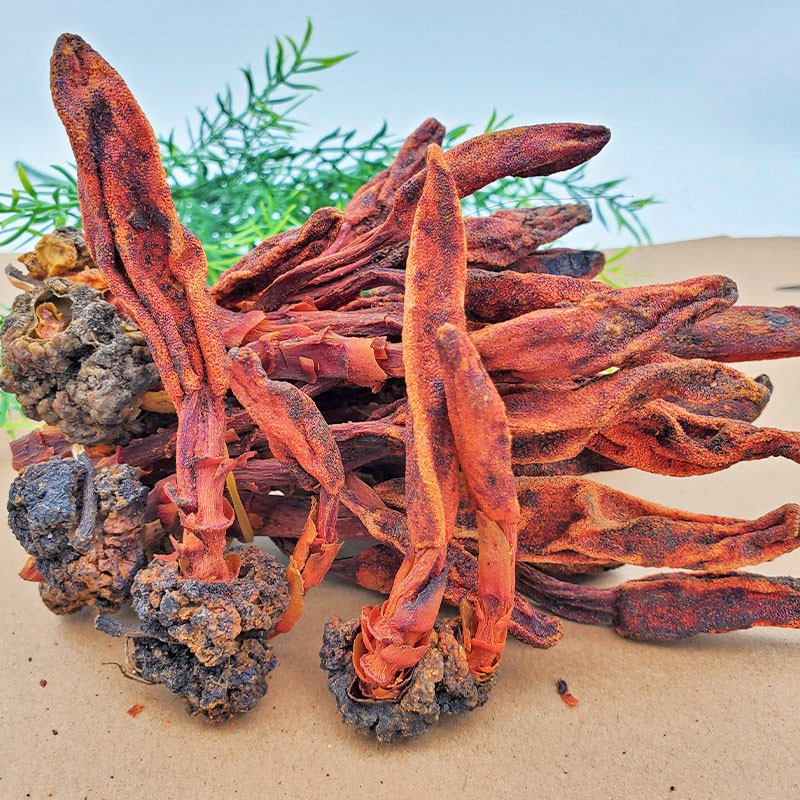
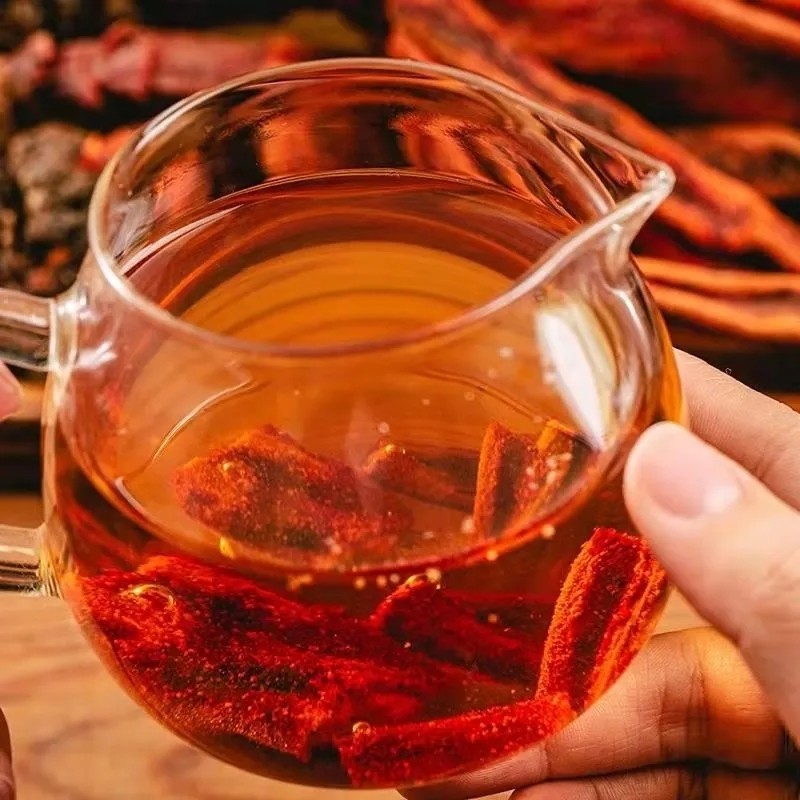
The dried herb typically presents as brownish to dark green plant material with a coarse, fibrous texture and a mild earthy herbal aroma. When steeped or decocted it yields a light amber to brownish infusion with a subtle bitter and earthy taste. Characteristics may vary by batch and harvest.
Technical Specifications
| Product Type | Dried Herbal Botanical |
|---|---|
| Chinese Name | 回春草 |
| Pinyin | Hui Chun Cao |
| Plant Part | Whole Herb |
| Form | Dried Whole Herb or Pieces |
| Net Weight | 500g |
Usage Scenarios
- Traditional herbal tea infusion
- Wine infusion according to traditional practice
- Decoction in herbal formulas
- Seasonal wellness tea
Traditional Uses
In TCM folk practice, Huichuncao is traditionally used in wine infusions or decoctions, often combined with other warming herbs. It is associated with supporting yang and vitality in traditional wellness routines. Preparation methods vary by region and family tradition.
FAQ Q&A
Q: What is Huichuncao?
A: Huichuncao (回春草) is a dried traditional Chinese herbal botanical from Yunnan, also known as Dingtianzhu. It is sold as an edible agricultural product.
Q: What is it traditionally used for?
A: In TCM theory it is traditionally associated with warming yang and supporting vitality. It is often used in wine infusions or herbal teas.
Q: How is it commonly prepared?
A: It is typically steeped as a tea, decocted, or infused in wine according to traditional practice. Consult a qualified practitioner for personalized guidance.
Additional information
| Weight | N/A |
|---|---|
| Dimensions | N/A |
| Model | 回春草250克, 回春草500克, 回春草1000克 |
Related products
-

Ningxia Goji Berries Gou Qi Zi 500g Dried Red Wolfberry for Tea Soup and Snacking
Price range: $7.20 through $16.44 -
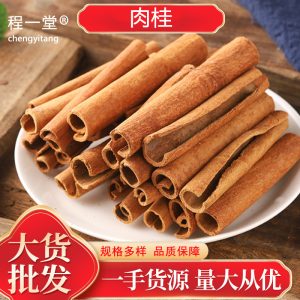
Dried Cinnamon Bark Rou Gui 500g Whole Peeling Culinary Spice and Traditional Herbal Ingredient
Price range: $5.58 through $8.33 -
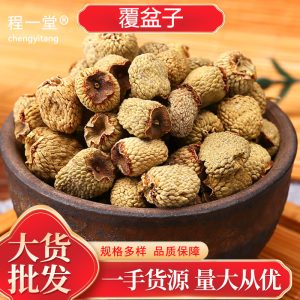
Dried Raspberry Fruit Fu Pen Zi Whole Berries for Herbal Tea and Wine Infusion 500g
Price range: $15.63 through $18.06 -
Dried Raspberry Fruit Fu Pen Zi 500g Whole Berries for Herbal Tea and Wine Infusion
Price range: $14.00 through $16.44
Reviews
There are no reviews yet.