
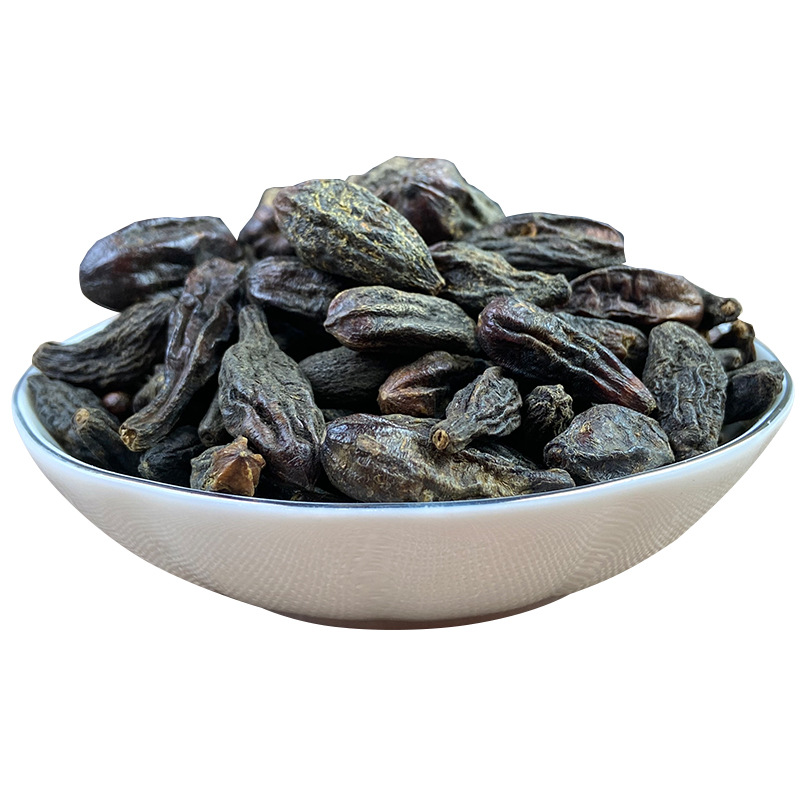
Xiqingguo Tibetan Chebulic Myrobalan Dried Fruit 500g Traditional Herbal Ingredient for Cooking and Decoction
$10.51
49791 in stock
Description
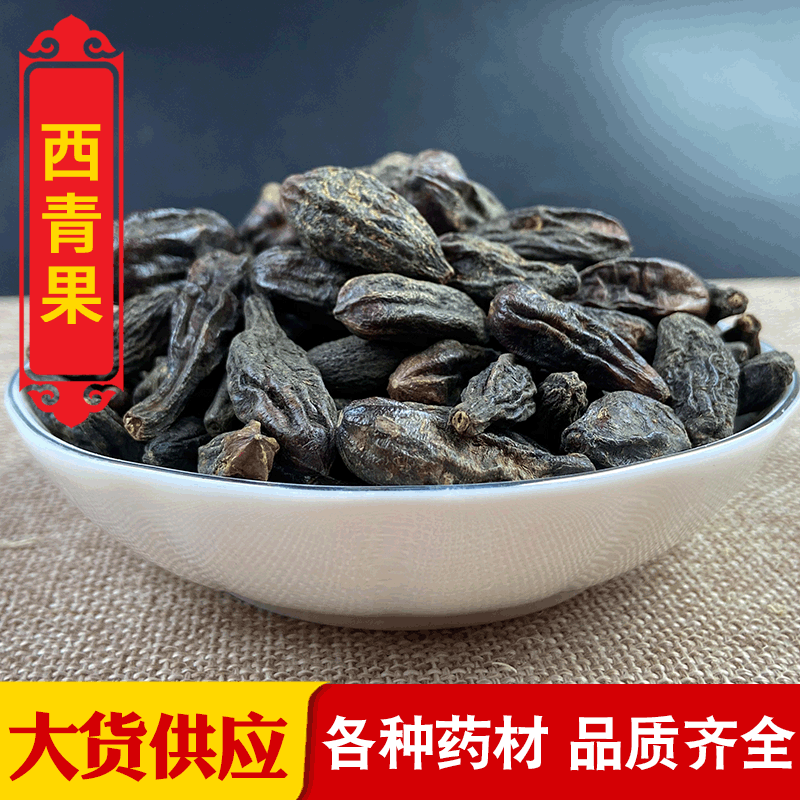
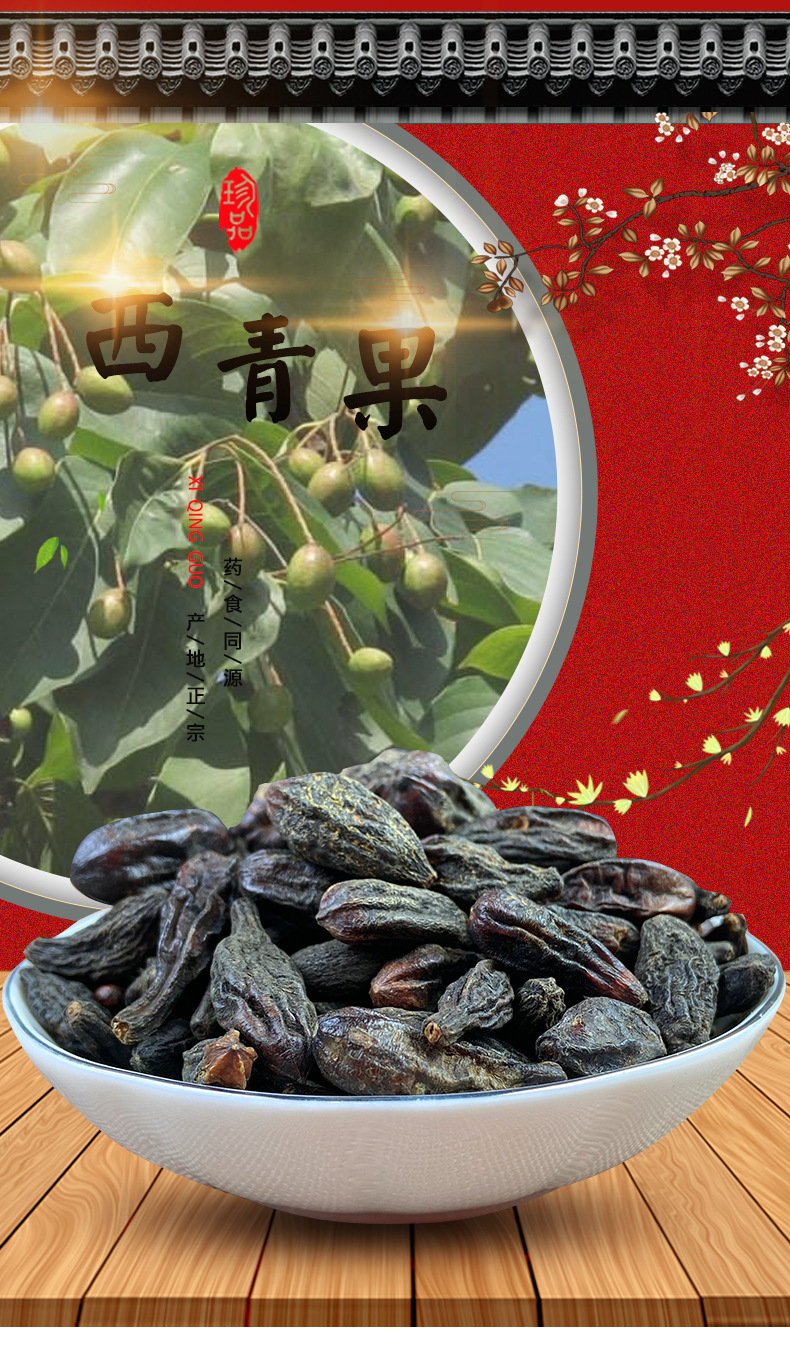
Xiqingguo (西青果), also called Zangqingguo (藏青果), is the dried immature fruit of Terminalia chebula, known in English as chebulic myrobalan. Sourced from Tibet and sold as a raw edible botanical, it is traditionally valued in TCM for its astringent nature and is commonly simmered in decoctions or used in culinary herbal preparations.
Key Selling Points
- Dried immature fruit of Terminalia chebula, known in TCM as Xiqingguo (西青果)
- Sourced from Tibet and sold as a raw edible agricultural product
- Traditionally associated with astringent and throat-soothing qualities in TCM practice
- Whole dried fruit form suitable for decoction, simmering, or grinding into powder
- 500g pack with an 18-month shelf life when stored in a ventilated, room-temperature place
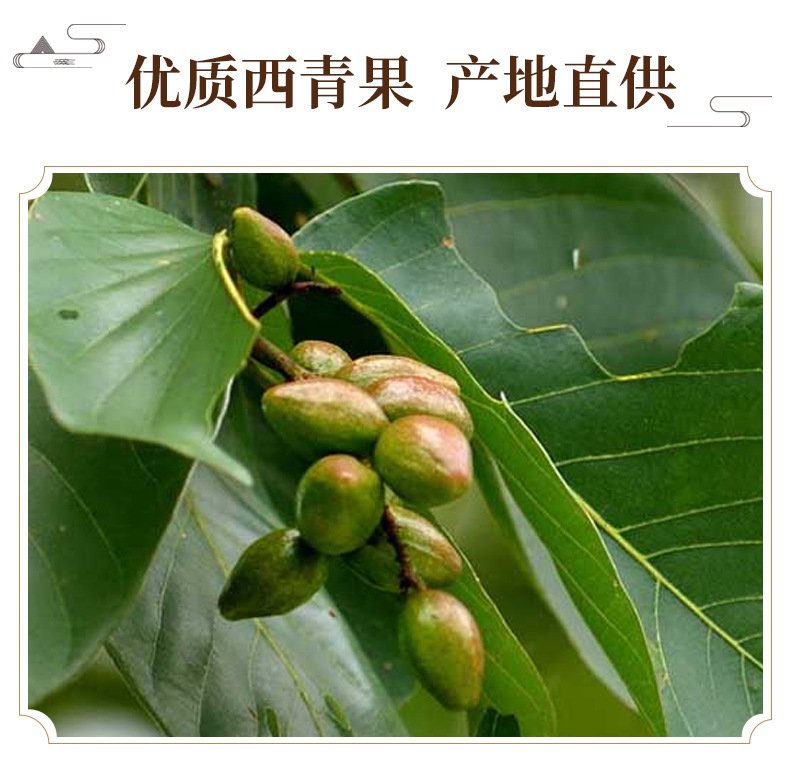
Quality & Sensory
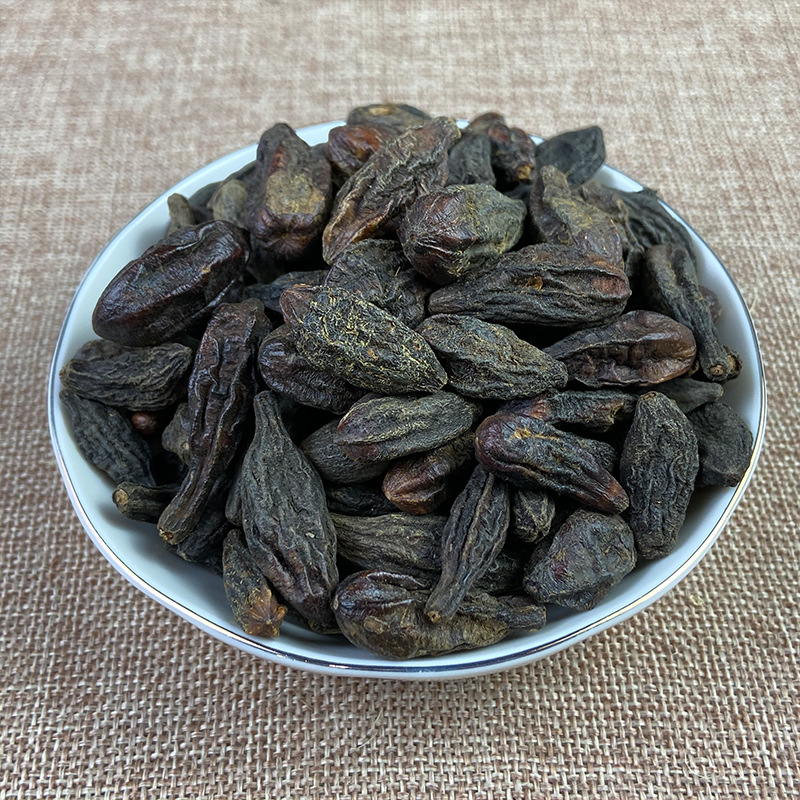
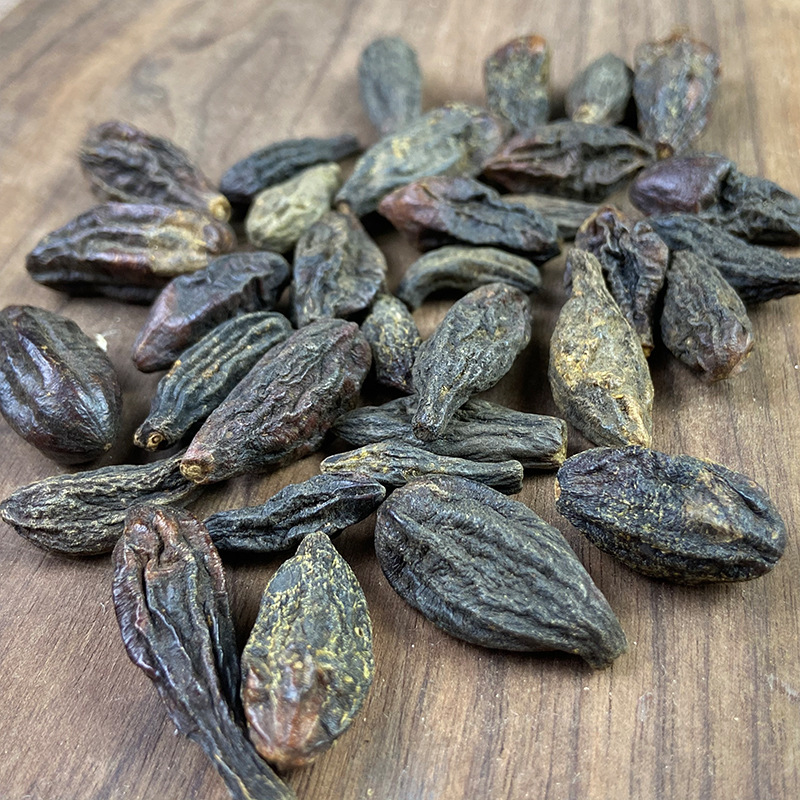
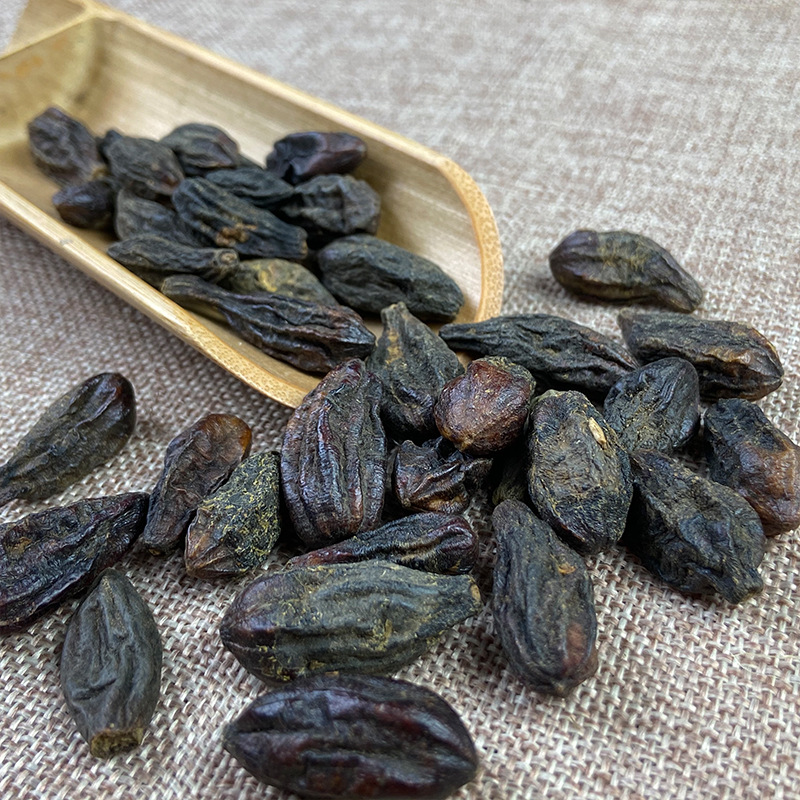
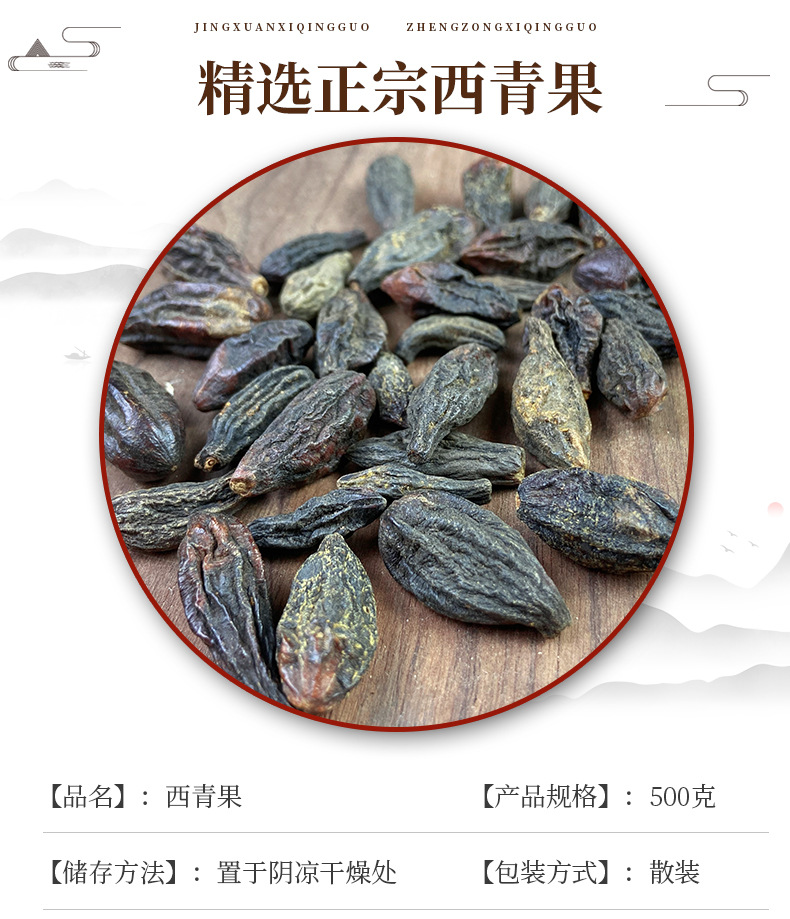
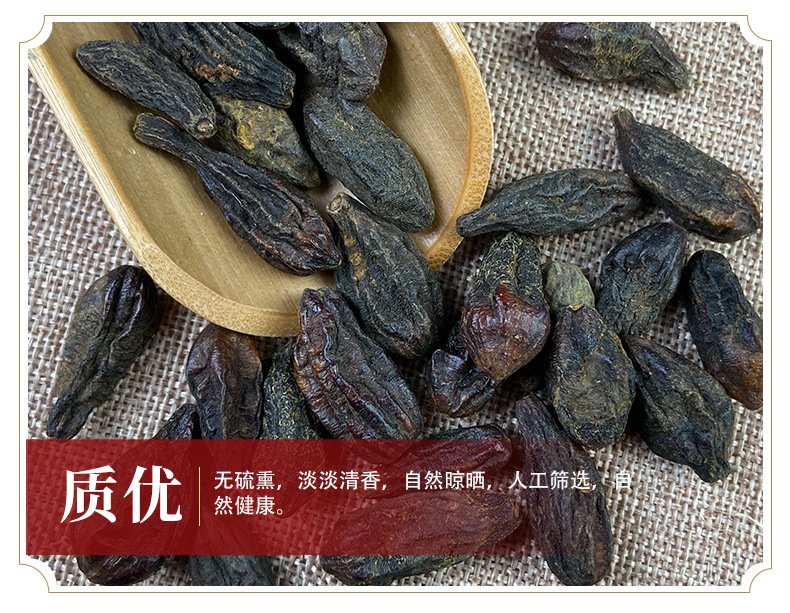
Typically the dried fruits are small, firm, and dark brown to yellowish-brown with a wrinkled surface. They have a mild earthy aroma, and when simmered the liquid typically takes on a slightly astringent, tannic taste.
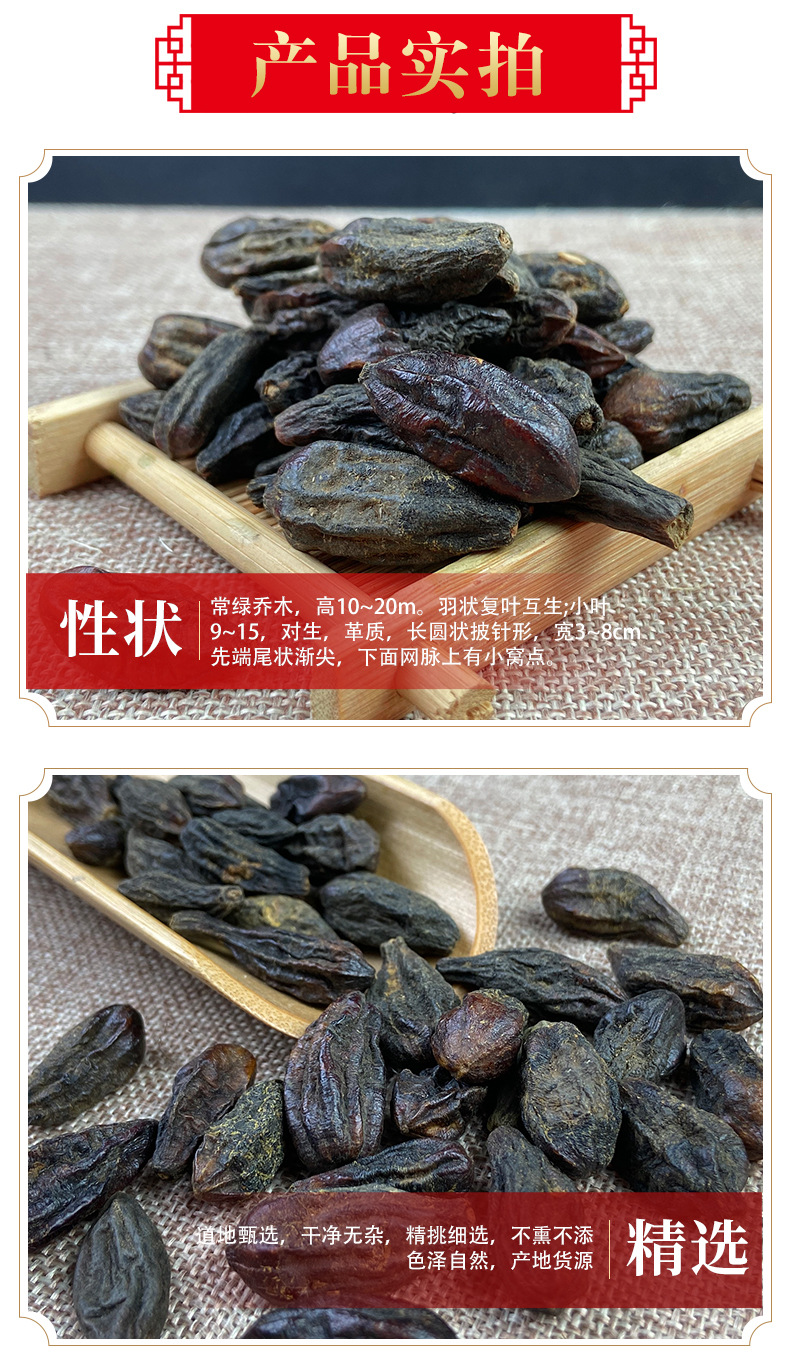
Technical Specifications
| Product Type | Raw dried herb |
|---|---|
| Chinese Name | 西青果 |
| Pinyin | Xiqingguo |
| Botanical Name | Terminalia chebula |
| Plant Part | Dried immature fruit |
| Net Weight | 500g |
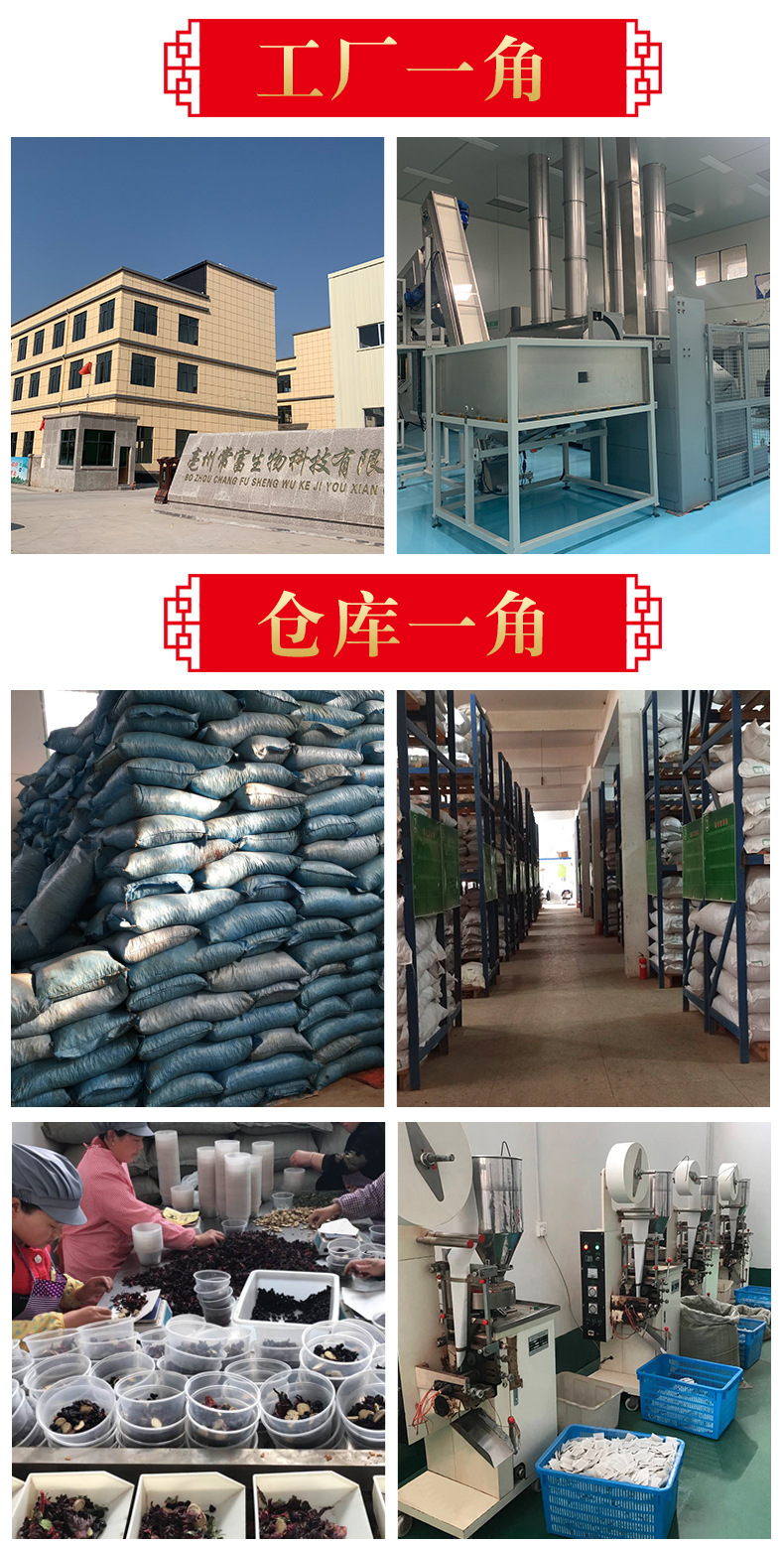
Usage Scenarios
- Simmered into traditional herbal decoctions
- Added to culinary herbal soups or broths
- Ground into powder for further herbal preparation
- Used in seasonal herbal cooking recipes

Traditional Uses
In TCM theory, Xiqingguo is traditionally associated with clearing heat and benefiting the throat, and it has long been used in decoctions and herbal teas. It is often paired with other throat-soothing herbs such as pang da hai in traditional practice, and it may also be simmered in culinary preparations according to folk herbal custom.
FAQ Q&A
Q: What is this product?
A: It is dried Xiqingguo (西青果), the immature fruit of Terminalia chebula, sourced from Tibet and sold as a raw edible botanical.
Q: What is its traditional value?
A: In TCM it is traditionally associated with astringent, heat-clearing and throat-soothing properties, and it is a familiar ingredient in classical herbal formulas.
Q: How is it commonly used?
A: It is typically simmered in decoctions or soups, or ground into powder for use in traditional herbal preparations.
Additional information
| Weight | 0.55 kg |
|---|---|
| Dimensions | 20 × 15 × 8 cm |
Related products
-
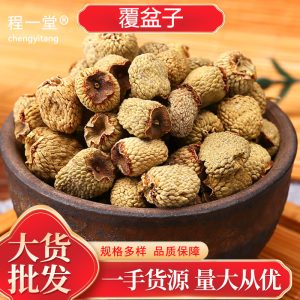
Dried Raspberry Fruit Fu Pen Zi Whole Berries for Herbal Tea and Wine Infusion 500g
Price range: $15.63 through $18.06 -
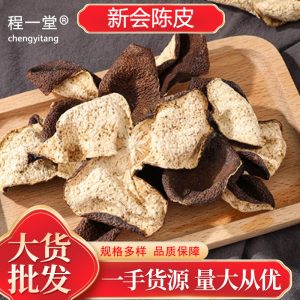
Xinhui Chenpi Dried Tangerine Peel 500g Sun Dried Aged Peel for Soup and Tea
Price range: $60.19 through $116.90 -
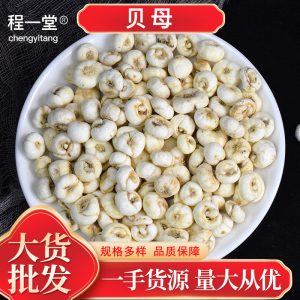
Fritillaria Bulb Chuan Bei Mu Dried Chinese Herbal Bulbs for Decoction and Traditional Use 500g
Price range: $18.06 through $94.21 -
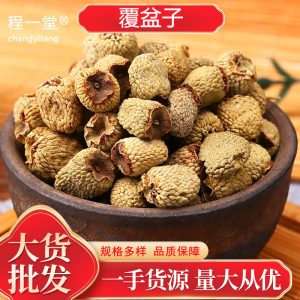
Dried Raspberry Fruit Fu Pen Zi 500g Whole Berries for Herbal Tea and Wine Infusion
Price range: $14.00 through $16.44
Reviews
There are no reviews yet.