
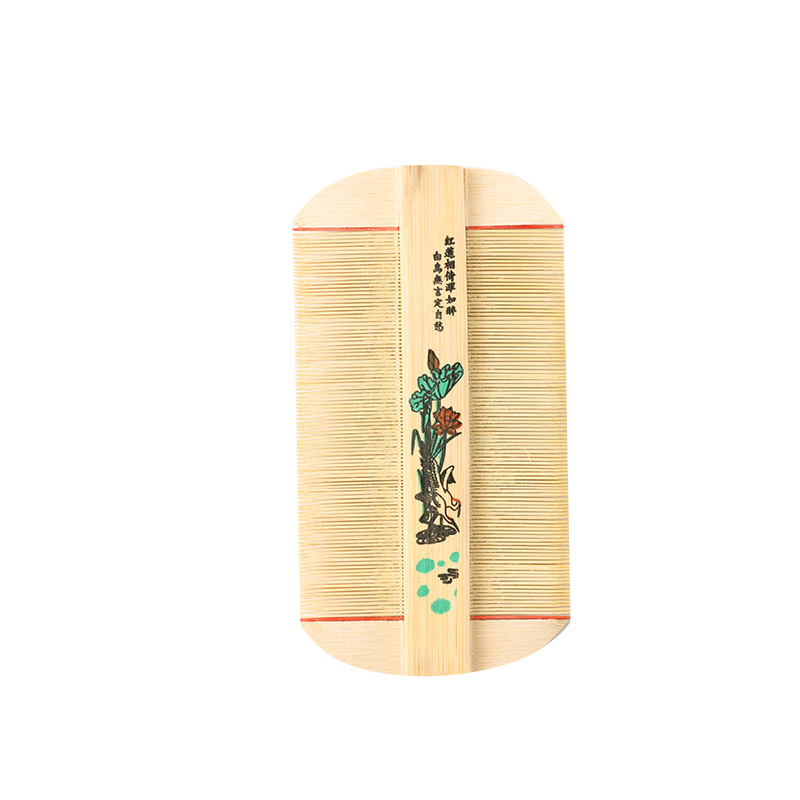
Traditional Bamboo Fine-Tooth Lice Comb Bi Zi Super Dense Teeth for Children and Adults 2 Pack
$5.72
Description
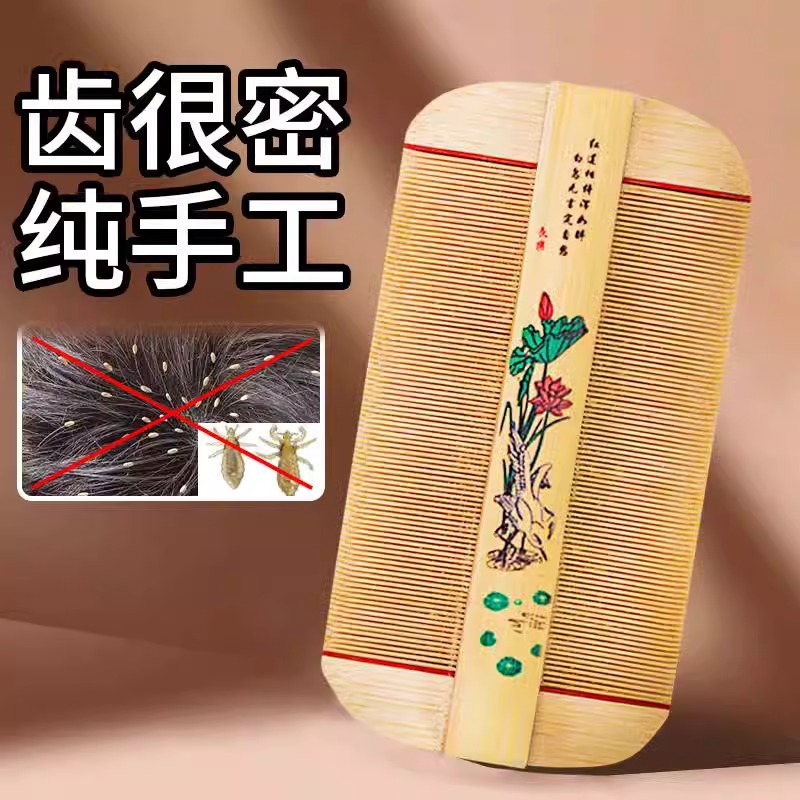
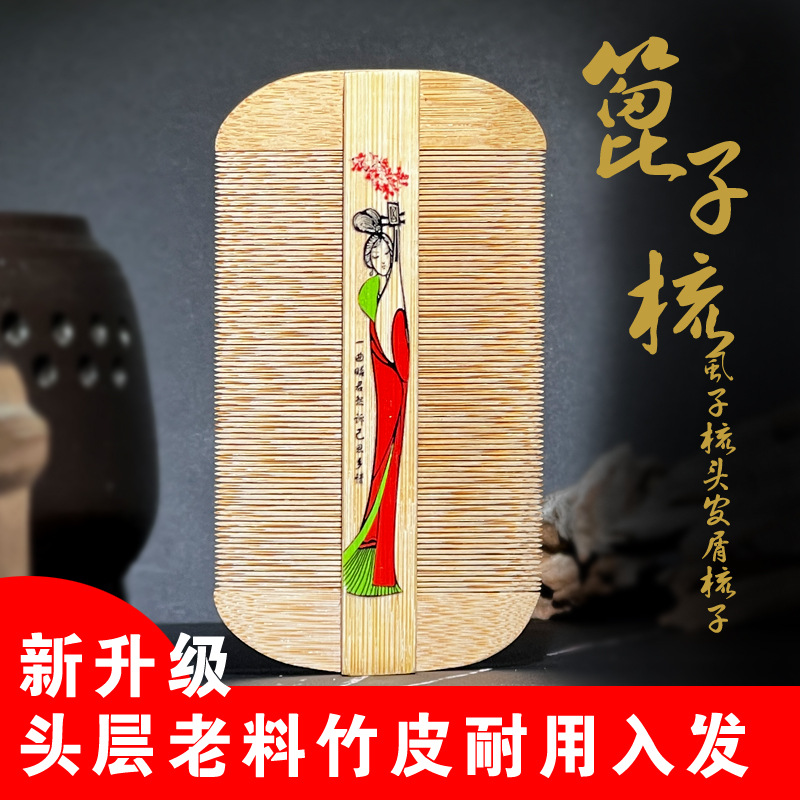
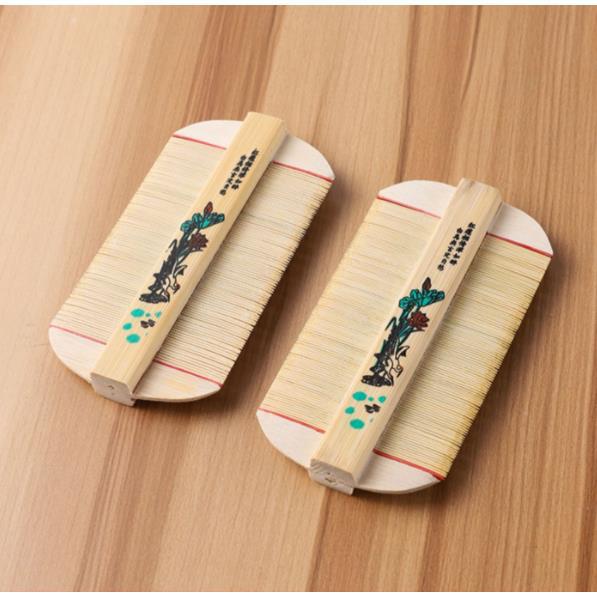
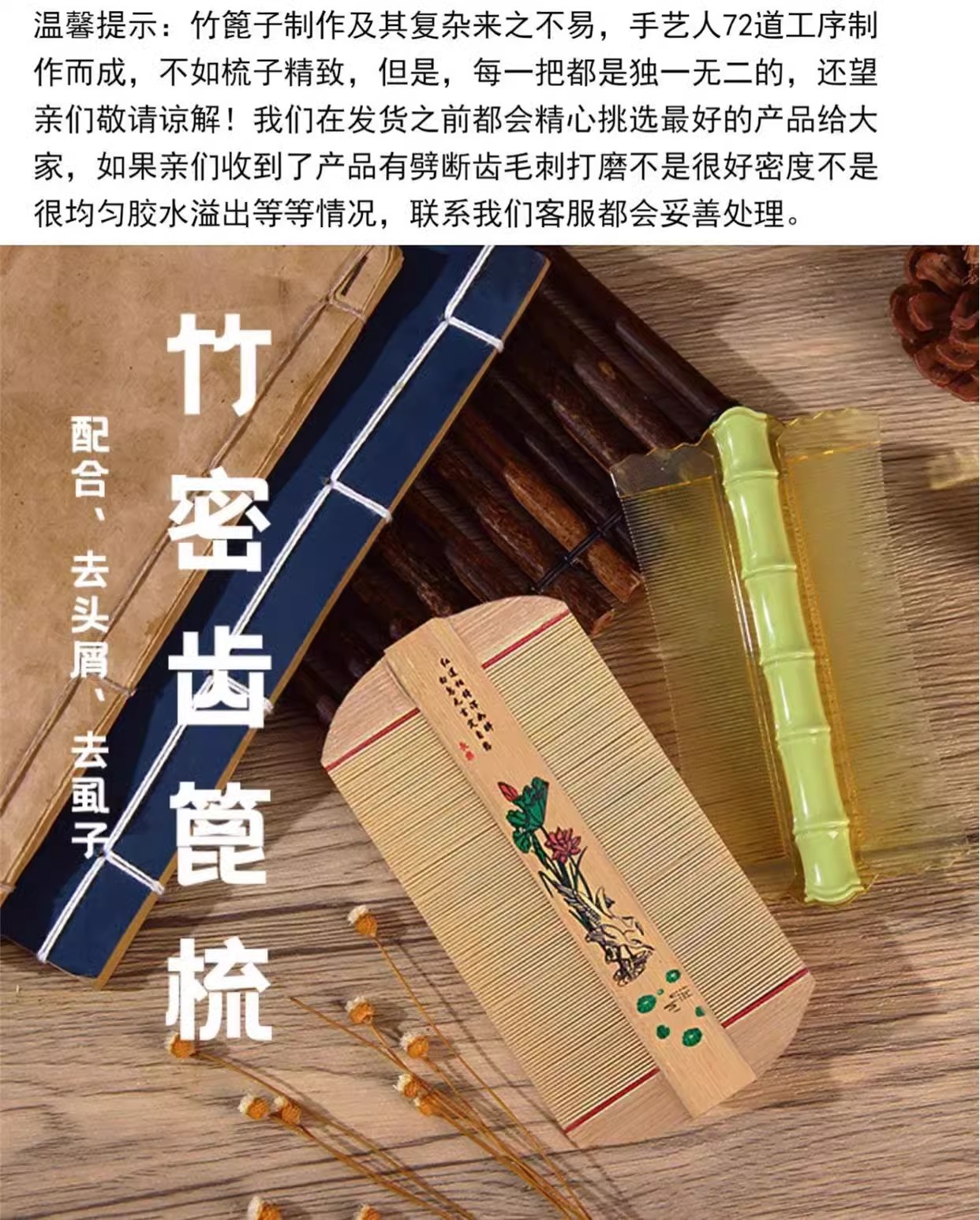
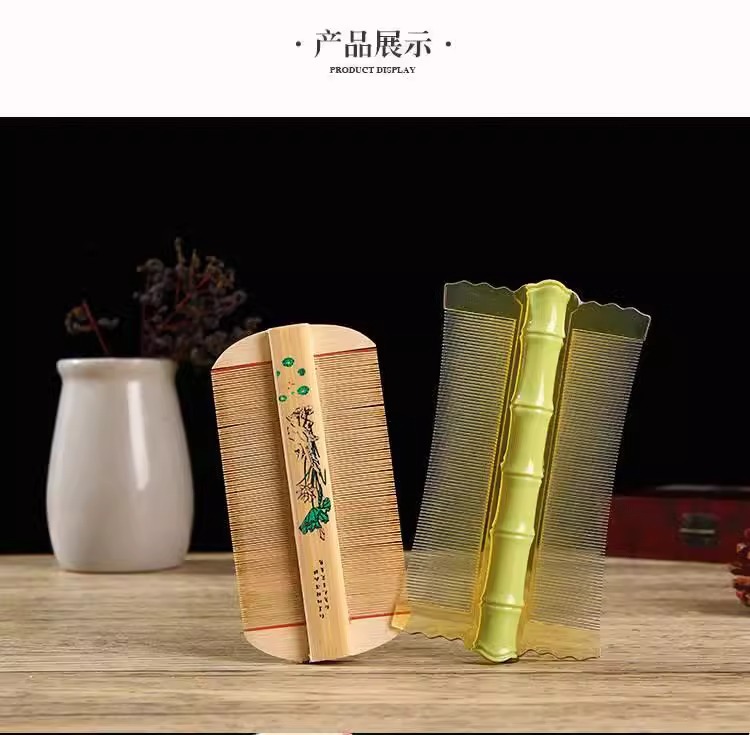
Traditional Bamboo Fine-Tooth Lice Comb, known in Chinese as Bi Zi (篦子), is a classic grooming tool handcrafted from bamboo with ultra-fine, densely set teeth. In traditional Chinese household practice, the bizi comb has long been used to comb through hair and help remove lice, nits, and flakes during daily grooming. Its closely spaced teeth glide through the hair strand by strand, making it a practical tool for careful hair care routines for children and adults. This listing includes 2 bamboo combs for home use.

Key Selling Points
- Old-style bamboo bizi comb with super dense fine teeth for thorough hair combing
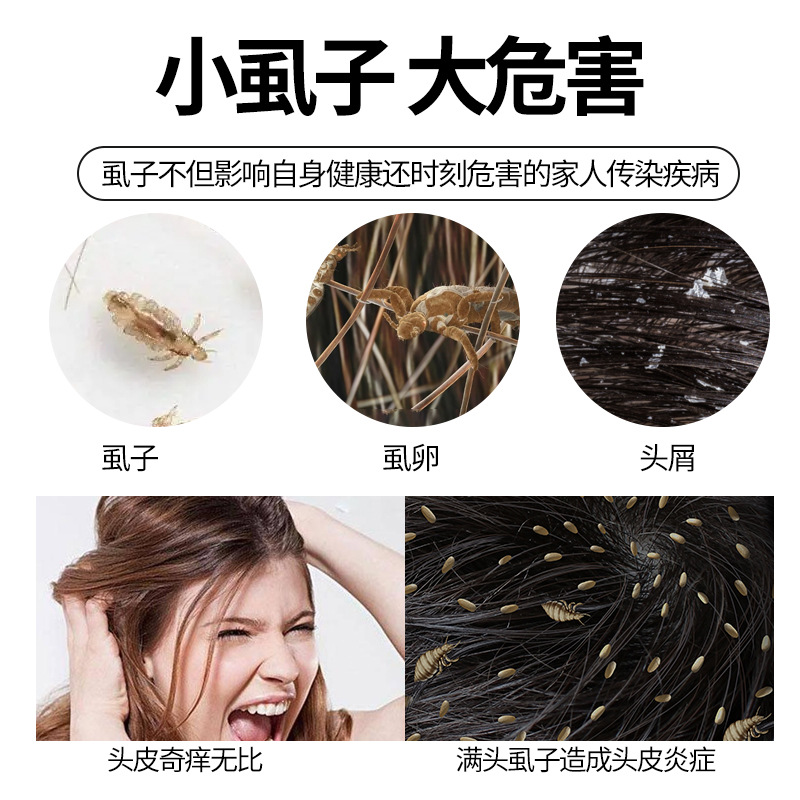
- Traditionally used in Chinese households to help remove lice and nits from hair
- Smooth bamboo construction, gentle on the scalp during careful grooming
- Suitable for children and adults as part of a regular hair care routine
- Pack of 2 combs, convenient for home and family use

Quality & Sensory
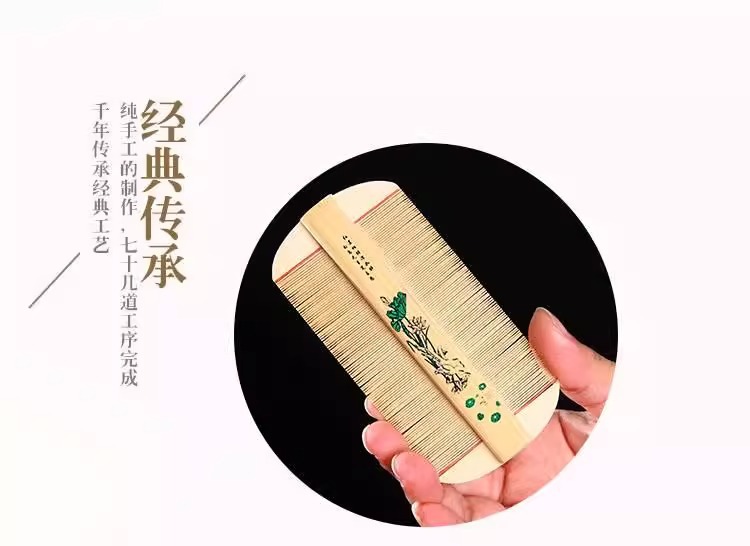
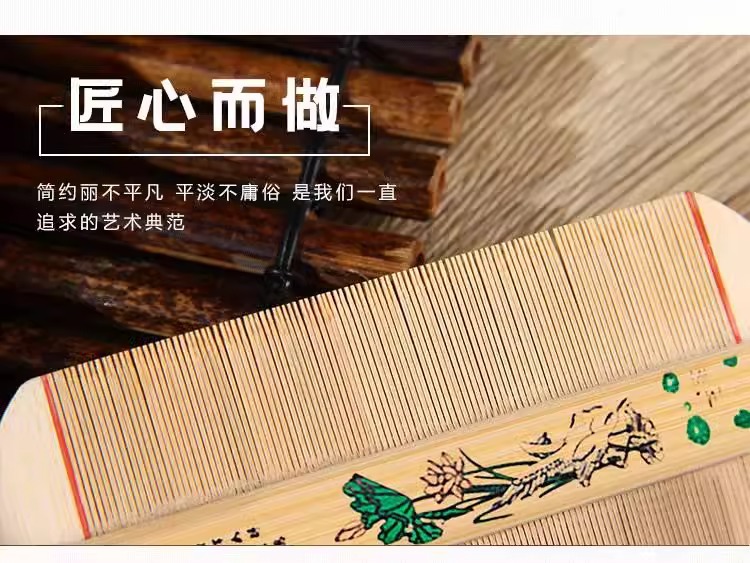
Typically light yellow to natural bamboo in color with a smooth, polished surface. The teeth are evenly spaced and closely set, feeling firm yet gentle when drawn through hair. Bamboo carries a faint natural woody aroma and a light, comfortable hand feel.
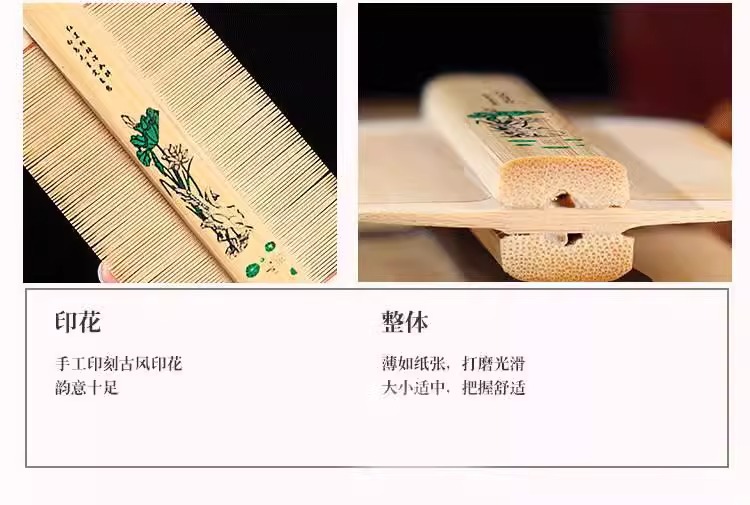
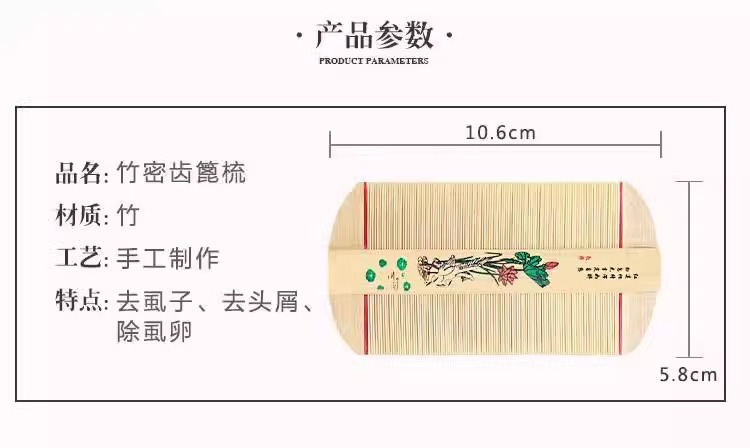
Technical Specifications
| Product Type | Bamboo fine-tooth lice comb |
|---|---|
| Chinese Name | 篦子 |
| Pinyin | Bì zi |
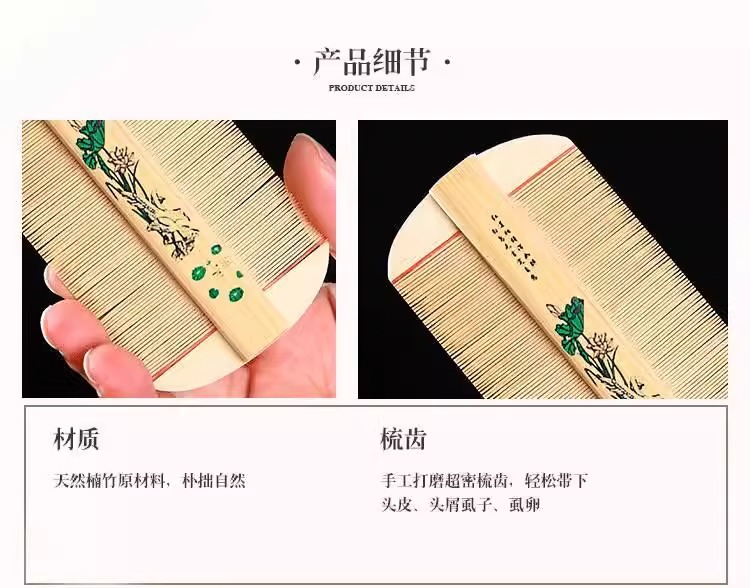
| Material | Bamboo |
| Form | Handheld comb with ultra-dense teeth |
| Pack Quantity | 2 combs |
Usage Scenarios
- Daily hair grooming for children and adults
- Careful combing to help remove lice and nits during family hair care
- Use after washing hair when strands are damp and easier to comb
- Traditional scalp grooming and flake removal routine
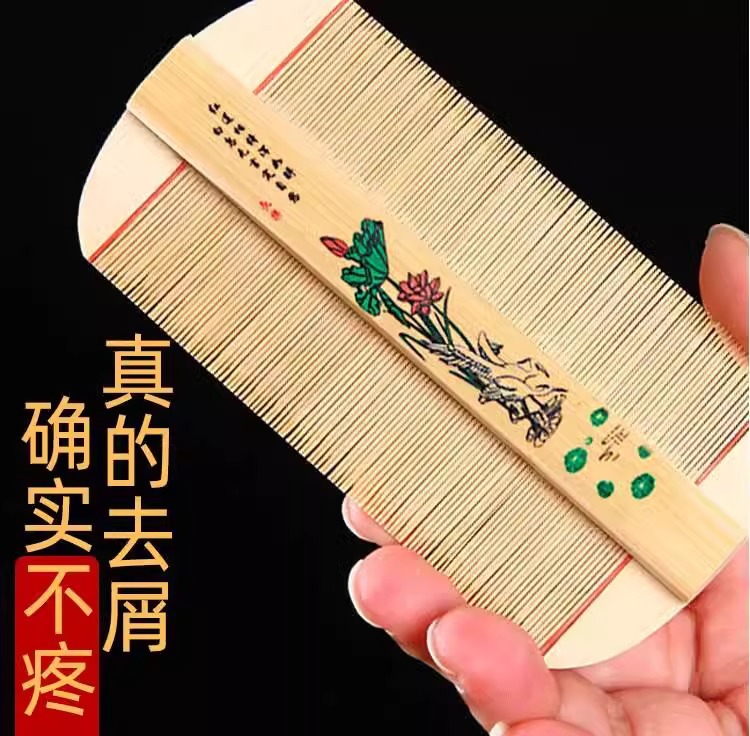
Traditional Uses
In traditional Chinese household practice, the bizi comb was a common grooming tool kept in family homes, especially for children. Its extremely fine teeth were traditionally used to comb hair section by section to help clear lice, nits, and loose flakes. It was often used together with hair washing, and passed down as a simple, practical tool for everyday scalp care.
FAQ Q&A
Q: What is this product?
A: It is a traditional bamboo fine-tooth comb, called bizi (篦子) in Chinese, with super dense teeth. This listing includes 2 combs.
Q: What is it traditionally used for?
A: In traditional Chinese households, bizi combs were used to comb hair carefully to help remove lice, nits, and flakes. It is a grooming tool, not a medical treatment.
Q: How is it commonly used?
A: Comb through clean or damp hair in small sections, drawing the fine teeth from roots to ends. Wipe the teeth clean after each use.
Additional information
| Weight | N/A |
|---|---|
| Dimensions | N/A |
| Specification | Default item |
| Color | super encrypted 1 bamboo grate, super encrypted 2 bamboo grates, 1 bamboo grate, 2 bamboo grates |
Related products
-
Sunflower Medical Hemorrhoid Gel Dressing Topical Relief for Internal External Mixed Hemorrhoids
Price range: $4.35 through $5.40 -

Yunnan Baiyao Taibang Far Infrared Therapy Patches for Shoulder Neck Back and Leg Discomfort 4 Patches per Box
$9.14 -
Zhuoma Far Infrared Muscle and Joint Relief Plaster Patch for Neck Shoulder Back and Legs Official Medical Device
$5.09 -
Tou Gu Cao Powder 500g Dried Garden Balsam Stem Powder Traditional Chinese Herb
$5.90
Reviews
There are no reviews yet.