
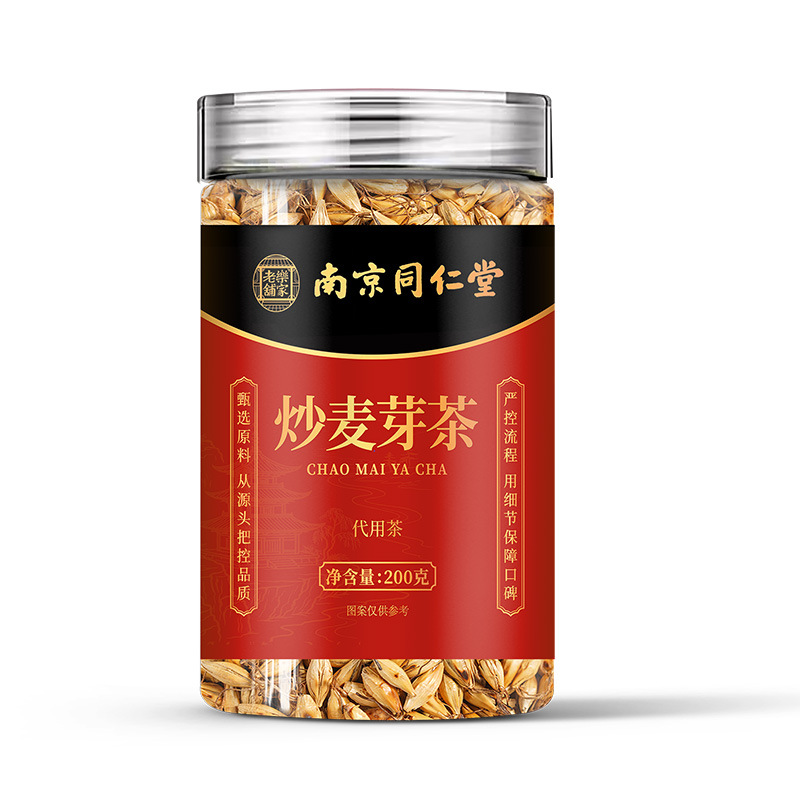
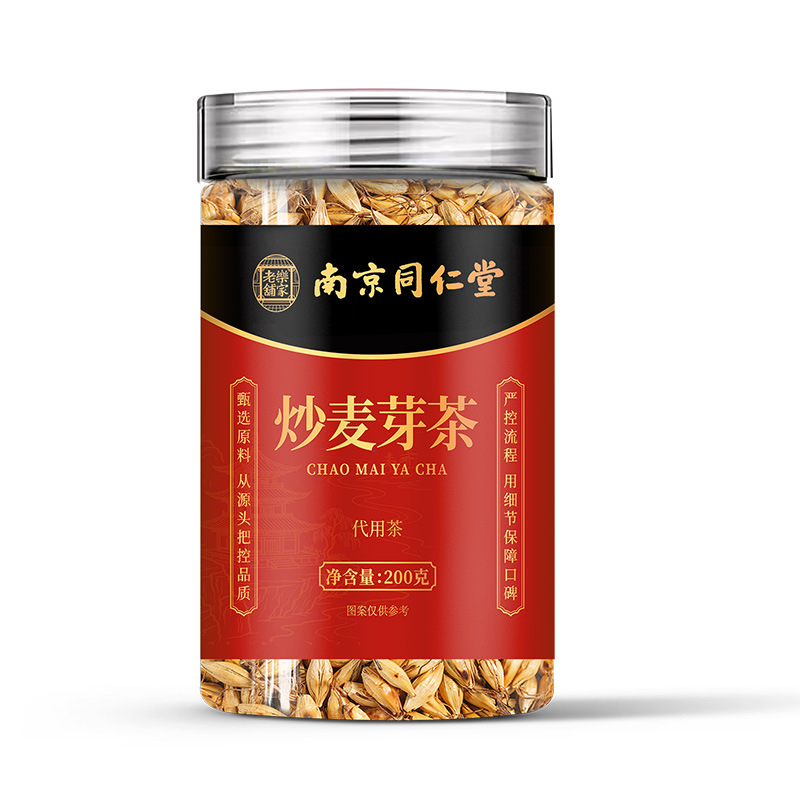
Roasted Malt Barley Sprout Herbal Tea 200g Jar Traditional Chinese Mai Ya for Daily Wellness
$5.60
9999 in stock
Description
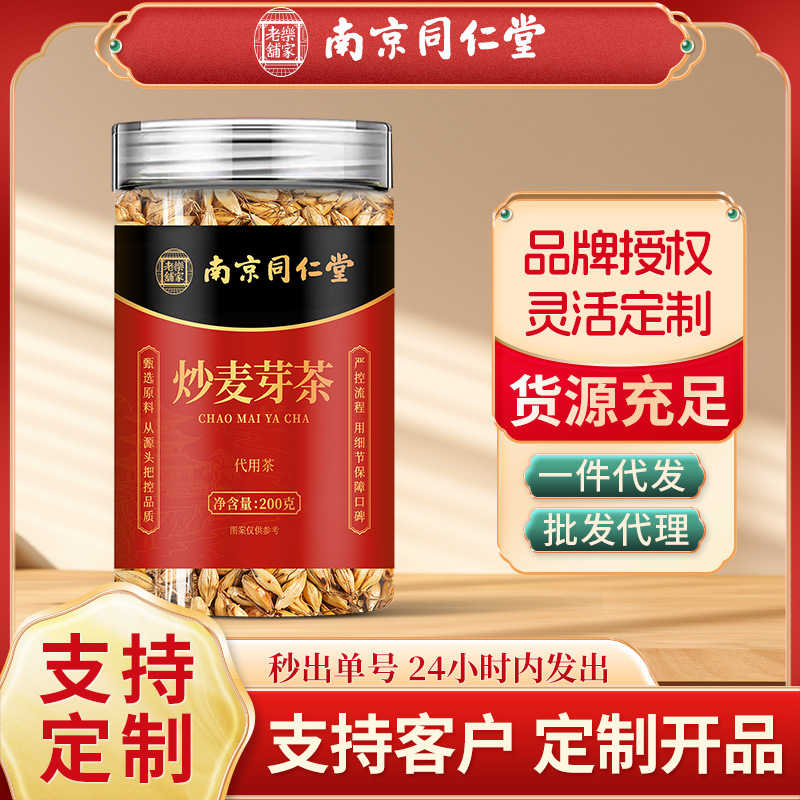
Roasted Malt (炒麦芽, Chao Mai Ya), from Hordeum vulgare germinated barley grain, is a traditional Chinese herbal decoction piece. In TCM theory it is sweet and neutral, entering the spleen and stomach channels. Traditionally used to support digestion and soothe occasional bloating after heavy meals. Enjoy as a warm daily tea or add to soups and congee.
Key Selling Points
- Traditional Chinese herb known as Chao Mai Ya (炒麦芽)
- Made from germinated barley grain of Hordeum vulgare
- Gentle roasted aroma suited to daily herbal tea
- Convenient 200g resealable jar for home use
- Traditionally paired with hawthorn and tangerine peel
Quality & Sensory
The roasted grains are typically golden to amber-brown with a dry, crisp texture and a warm toasted cereal aroma. Brewed or decocted, the liquid is usually light amber with a mild, slightly sweet malt taste and no strong bitterness.
Technical Specifications
| Product Type | Roasted herbal decoction pieces |
|---|---|
| Chinese Name | 炒麦芽 |
| Pinyin | Chao Mai Ya |
| Botanical Name | Hordeum vulgare |
| Plant Part | Germinated barley grain |
| Net Weight | 200g |
Usage Scenarios
- Daily herbal tea by steeping in hot water
- Added to soups or congee
- Combined with hawthorn or tangerine peel in a decoction
- Seasonal digestive tea after rich meals
Traditional Uses
In TCM theory, Chao Mai Ya is traditionally used to support digestion and address occasional food stagnation, especially after starchy or heavy meals. It is commonly decocted alone or paired with Shan Zha (hawthorn) and Chen Pi (tangerine peel). Folk practice also adds it to congee and soups for gentle daily wellness.
FAQ Q&A
Q: What is this product?
A: It is roasted malt made from germinated barley grain, known in TCM as Chao Mai Ya (炒麦芽), supplied as a 200g jar of dried decoction pieces.
Q: What is it traditionally used for?
A: In TCM theory it is traditionally associated with supporting digestion and easing occasional bloating after heavy meals.
Q: How is it commonly prepared?
A: It is usually steeped in hot water as a tea or simmered in a decoction, and can also be added to soups or congee.
Additional information
| Weight | 0.43 kg |
|---|---|
| Dimensions | 12 × 12 × 15 cm |
Related products
-
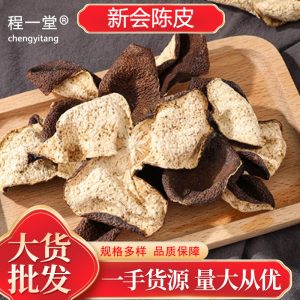
Xinhui Chenpi Dried Tangerine Peel 500g Sun Dried Aged Peel for Soup and Tea
Price range: $60.19 through $116.90 -

Fritillaria Bulb Chuan Bei Mu Dried Chinese Herbal Bulbs for Decoction and Traditional Use 500g
Price range: $18.06 through $94.21 -
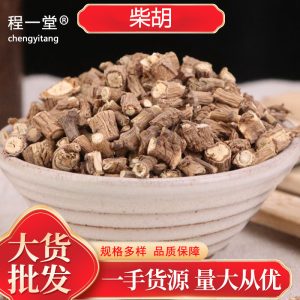
Chai Hu Bupleurum Root Dried Herb 500g Traditional TCM Decoction Herb
Price range: $9.14 through $16.44 -

Ningxia Goji Berries Gou Qi Zi 500g Dried Red Wolfberry for Tea Soup and Snacking
Price range: $7.20 through $16.44
Reviews
There are no reviews yet.