
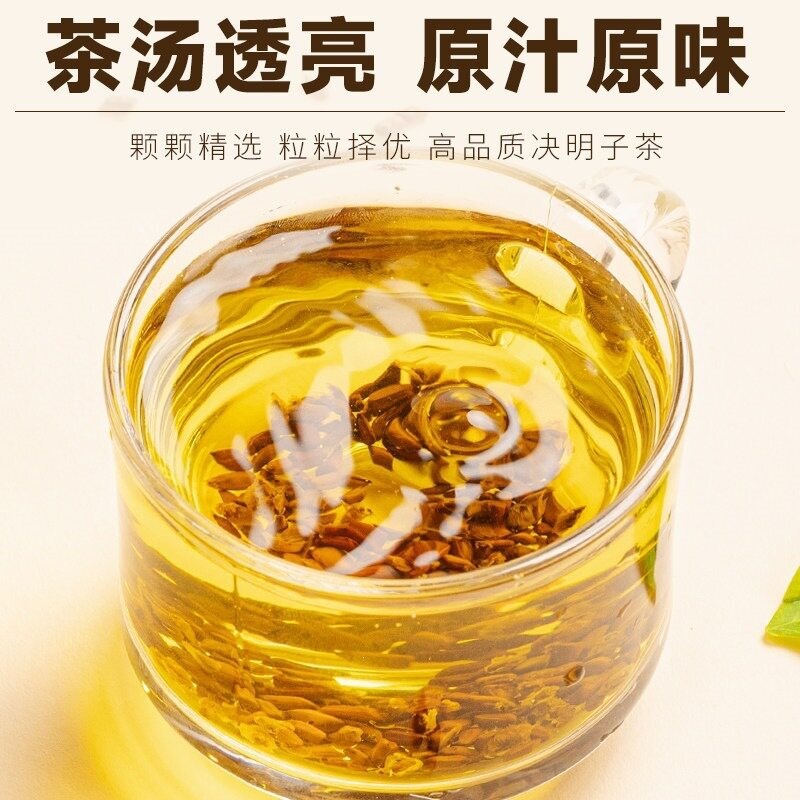
Roasted Cassia Seed Tea Loose Senna Seed with Goji and Chrysanthemum
Price range: $5.94 through $7.67
Description
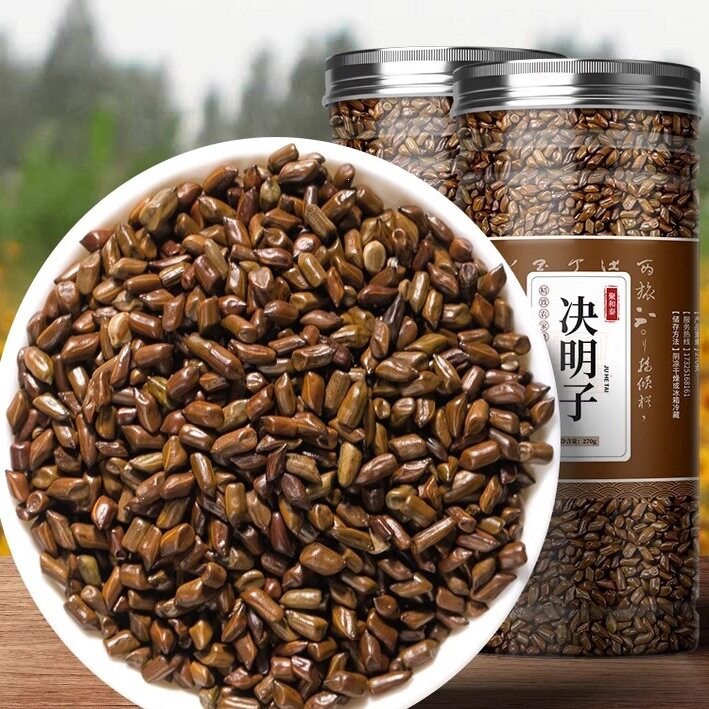
Roasted Cassia Seed Tea, known in TCM as Jue Ming Zi (决明子), from Senna obtusifolia or Cassia tora. These roasted seed decoction pieces are traditionally used in Chinese herbal practice to support clear vision and gentle digestive balance. In TCM theory, cassia seed is considered sweet, bitter, and slightly cold, entering the Liver and Large Intestine channels. Commonly brewed as a daily tea, often paired with goji berries and chrysanthemum flowers for a smooth, lightly roasted cup.
Key Selling Points
- Roasted cassia seed decoction pieces for traditional herbal tea
- Known in TCM as Jue Ming Zi (决明子)
- Botanical source Senna obtusifolia or Cassia tora
- Often paired with goji berries and chrysanthemum flowers
- Loose bulk format for flexible daily brewing
Quality & Sensory
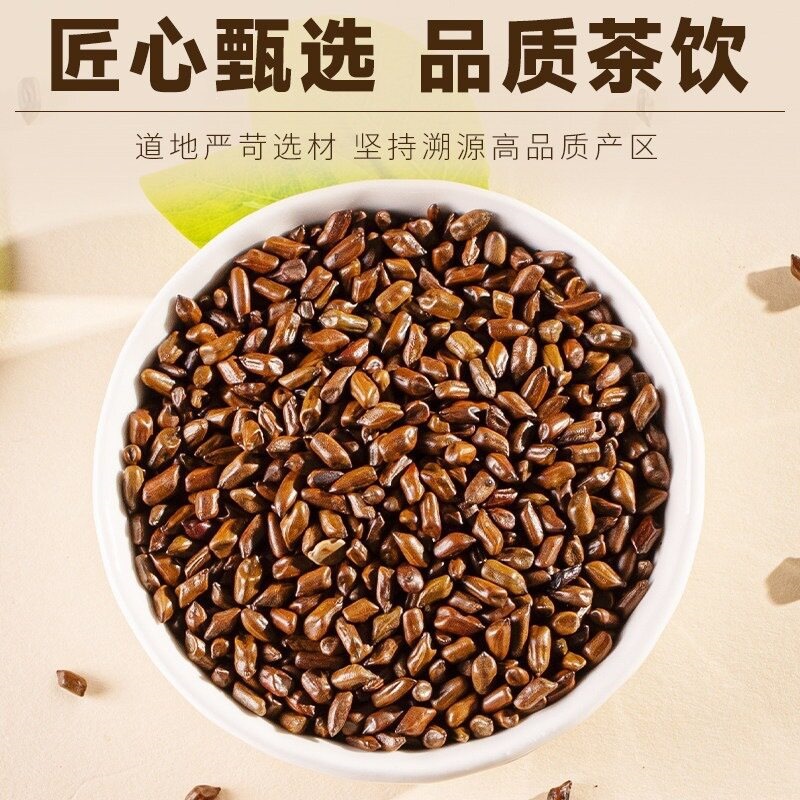
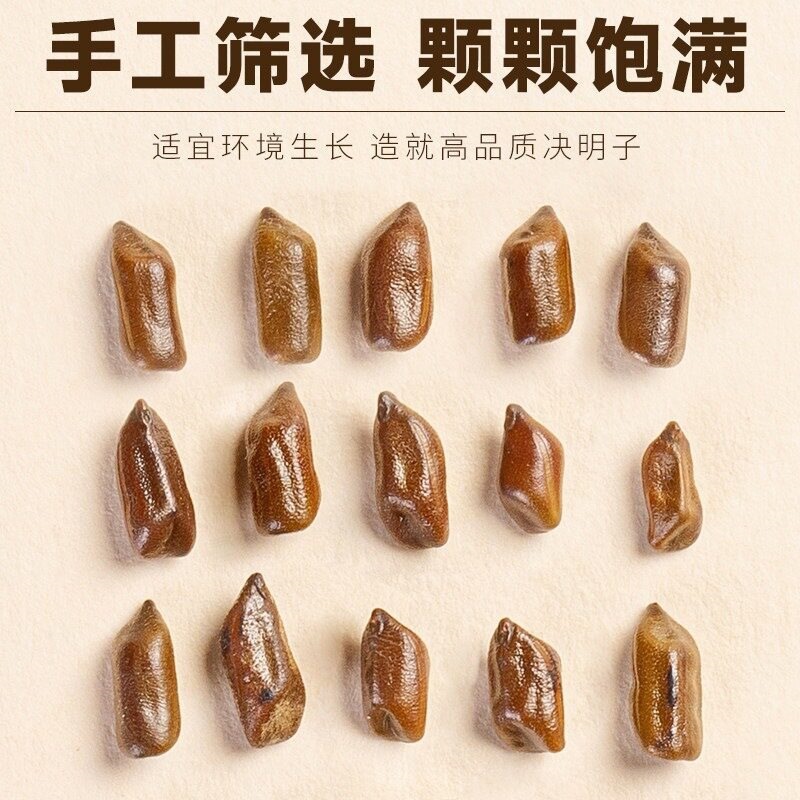
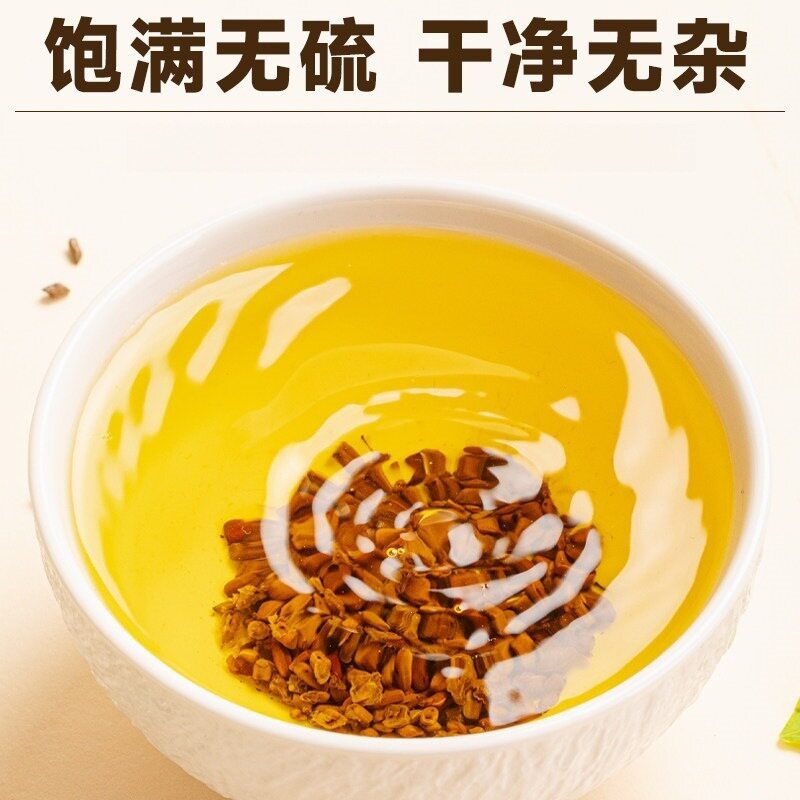
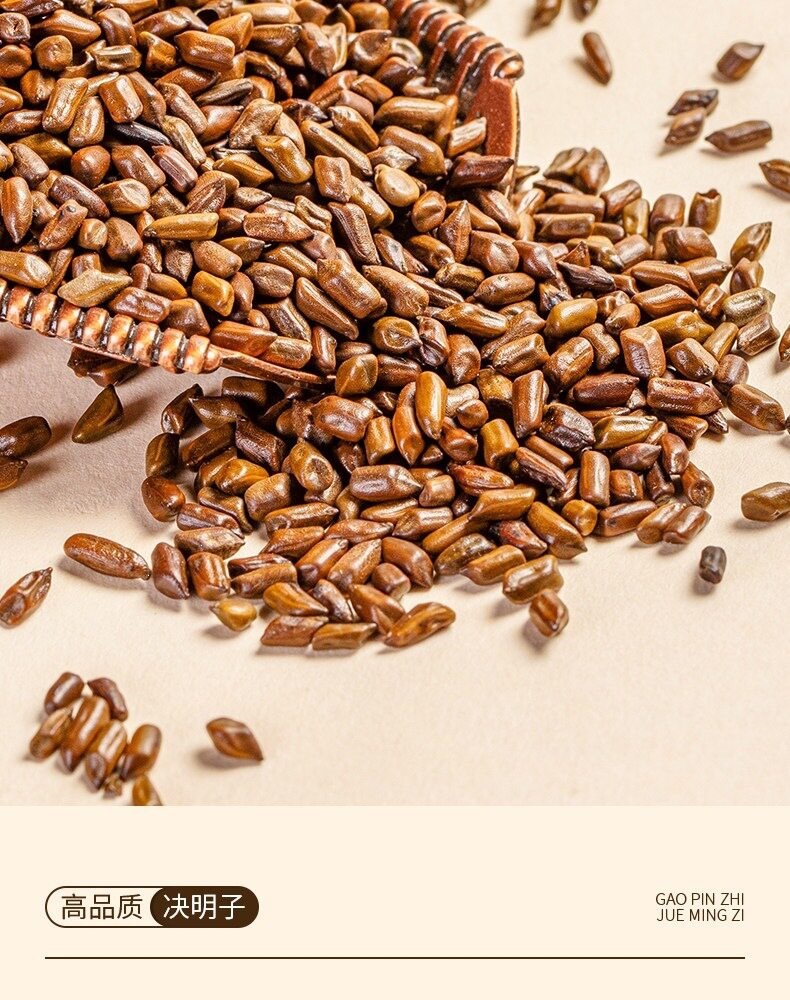
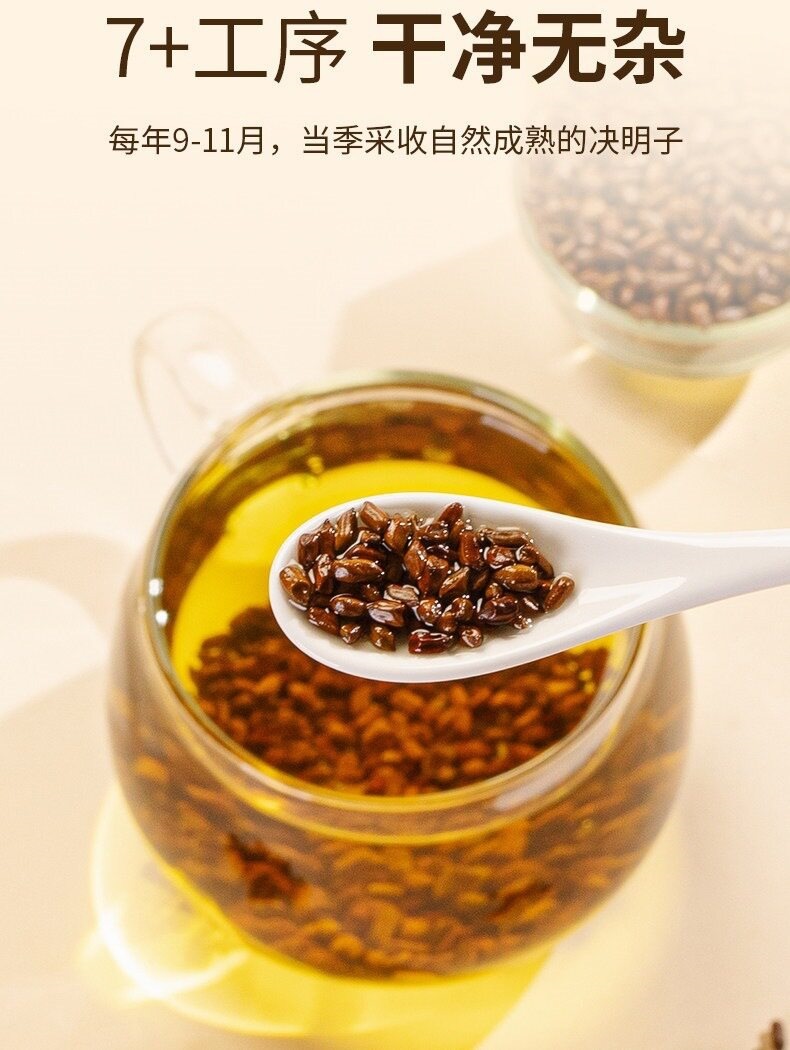
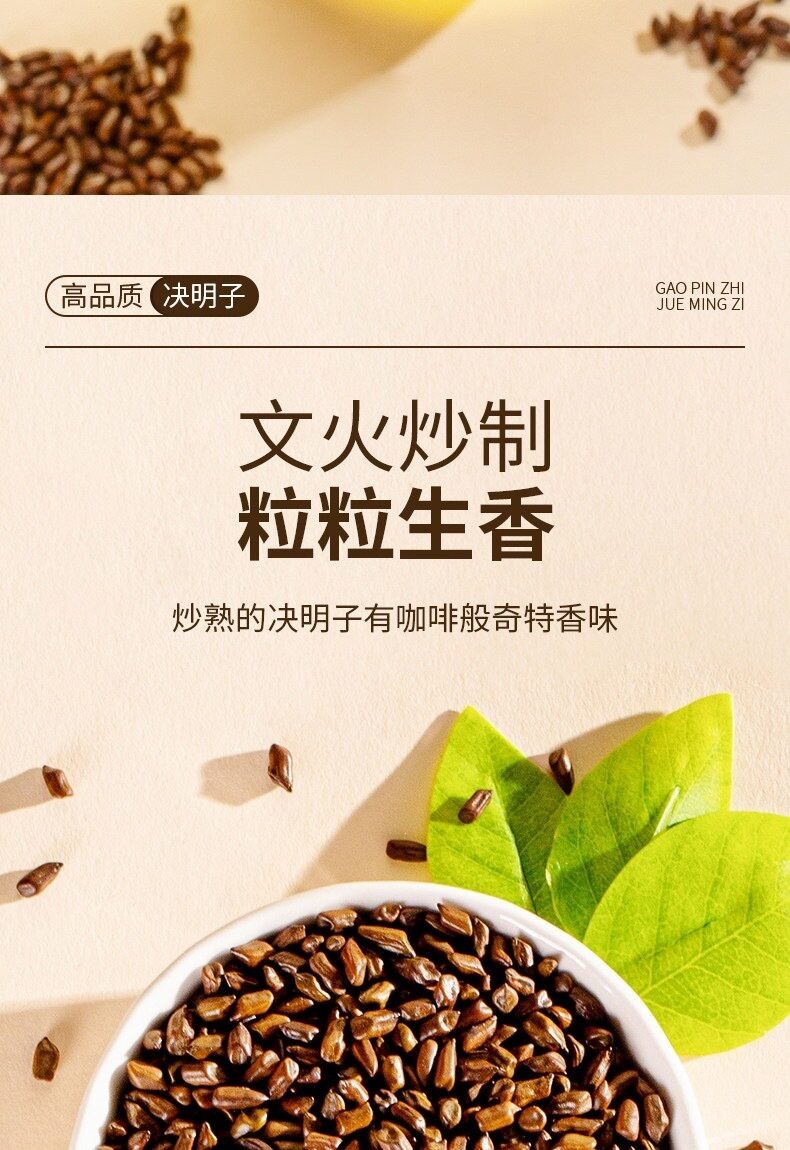
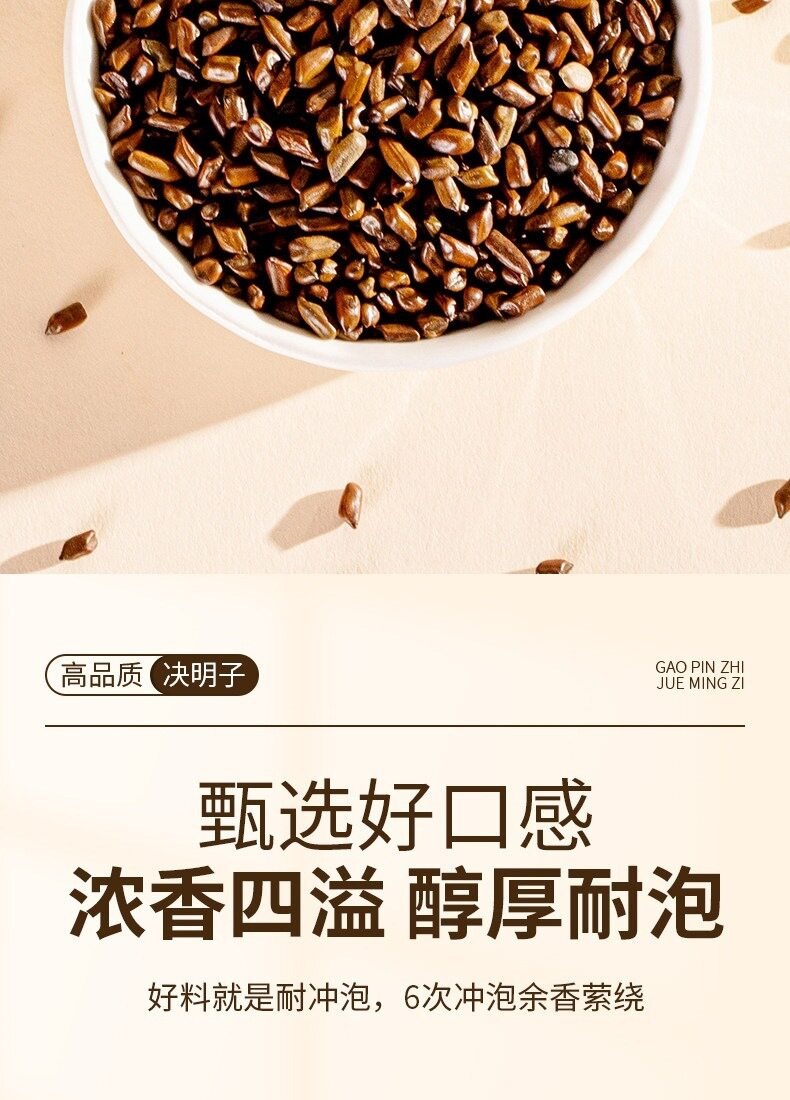
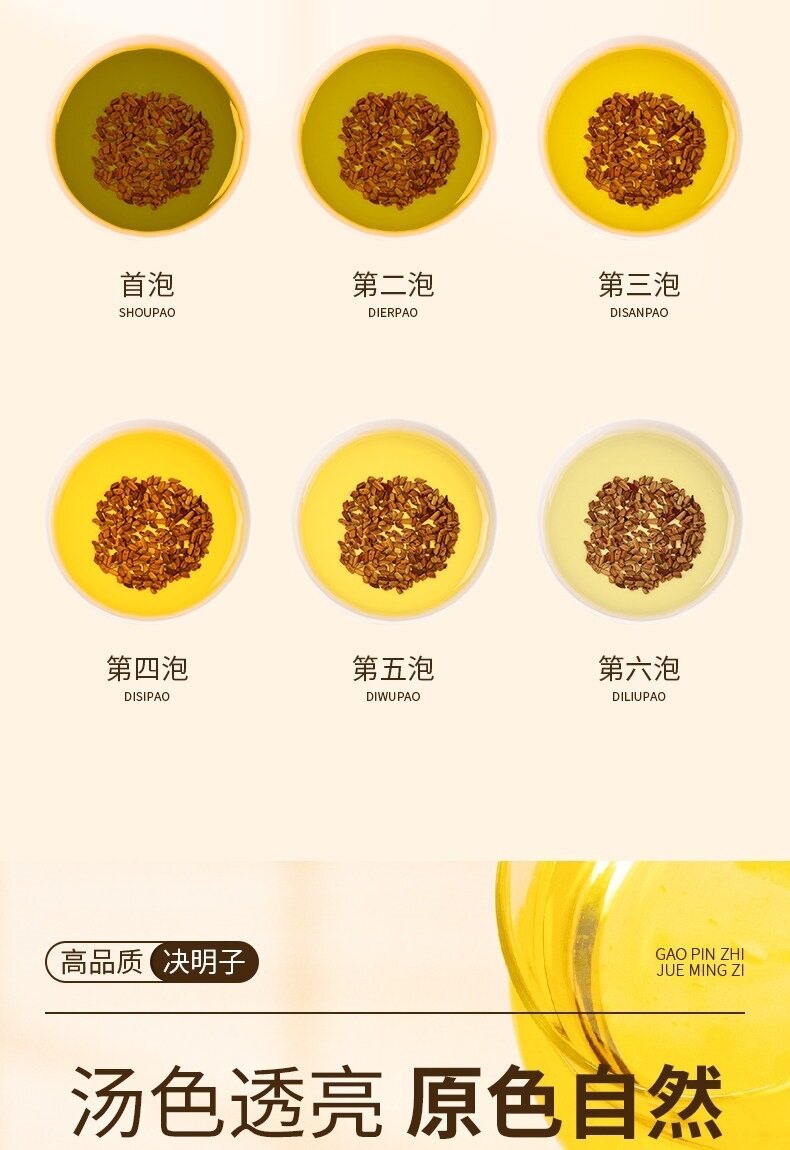
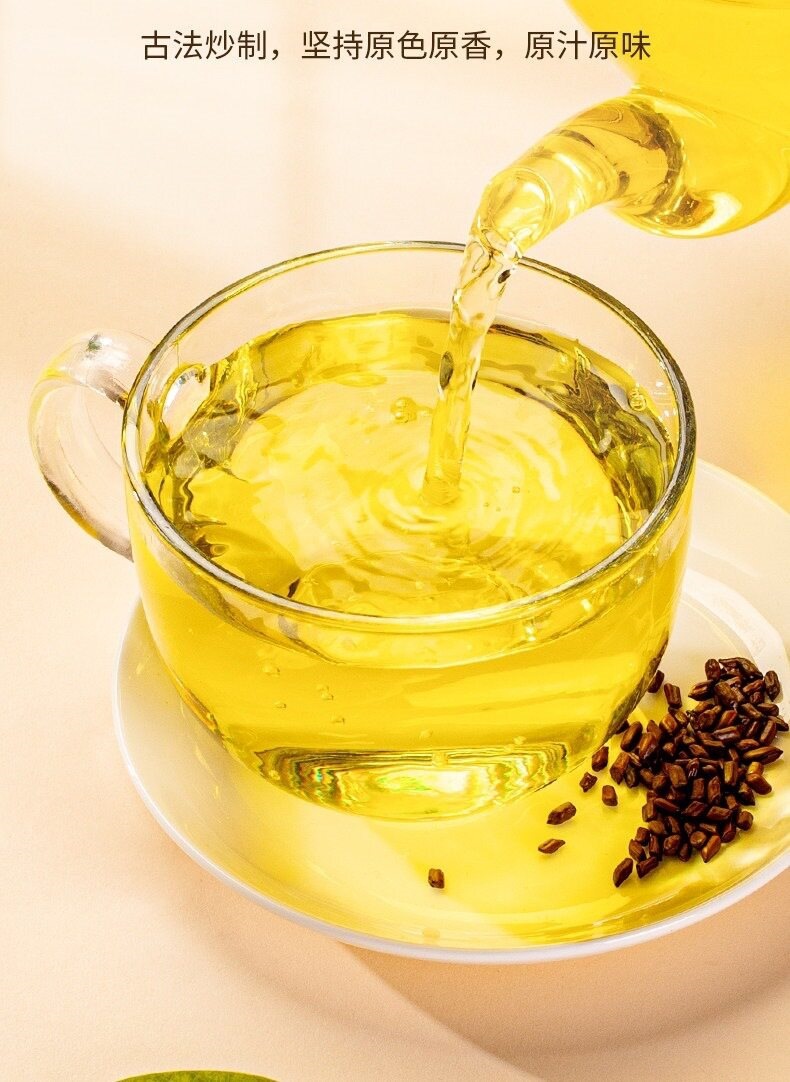
The roasted seeds are typically dark brown to reddish-brown with a glossy, oily sheen and a firm, dense texture. They carry a warm, nutty, lightly roasted aroma. When brewed, the tea is typically amber to golden-brown with a mild, slightly sweet and gently bitter taste.
Technical Specifications
| Product Type | Roasted herbal seed tea |
|---|---|
| Chinese Name | 决明子 |
| Pinyin | Jue Ming Zi |
| Botanical Name | Senna obtusifolia or Cassia tora |
| Plant Part | Seed |
| Form | Loose roasted seeds |
Usage Scenarios
- Brewed as a daily herbal tea
- Combined with goji berries and chrysanthemum in tea
- Simmered in traditional decoctions
- Added to congee or soup in small amounts
Traditional Uses
In TCM theory, Jue Ming Zi is traditionally used to support clear vision and soothe the Liver, and is often combined with chrysanthemum and goji berries in daily teas. It is also traditionally associated with gentle bowel regularity. Common preparations include steeping the roasted seeds in hot water or simmering them briefly in decoctions.
FAQ Q&A
Q: What is this product?
A: It is roasted cassia seed, known in TCM as Jue Ming Zi (决明子), sold as loose decoction pieces for tea.
Q: What is its traditional value?
A: In TCM theory, cassia seed is considered sweet, bitter, and slightly cold, entering the Liver and Large Intestine channels, and is traditionally associated with clear vision and digestive balance.
Q: How is it commonly prepared?
A: It is commonly brewed as a tea, often with goji berries and chrysanthemum flowers, or simmered briefly in a decoction.
Additional information
| Weight | N/A |
|---|---|
| Dimensions | N/A |
| Model | 粒粒 决明子1瓶装350g, 饱满无硫 决明子2瓶装700g, 色泽油亮 决明子3瓶装1050g |
Related products
-
Dried Hawthorn Slices Shan Zha 500g Seedless Hollow Rings Freeze Dried Hawthorn for Tea and Culinary Use
Price range: $4.44 through $7.04 -
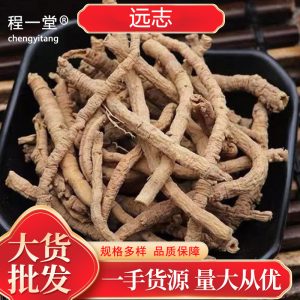
Dried Polygala Root Yuan Zhi 500g Traditional Chinese Herb for Decoction
Price range: $18.87 through $24.54 -
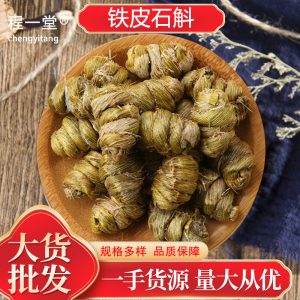
Tie Pi Shi Hu Dried Dendrobium Stems 500g Huoshan Fengdou for Soup and Tea
Price range: $35.88 through $108.80 -
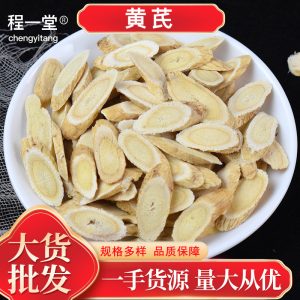
Astragalus Root Slices Huang Qi 斜片 Dried Herb for Decoction Soup and Tea 500g
Price range: $6.06 through $19.51
Reviews
There are no reviews yet.