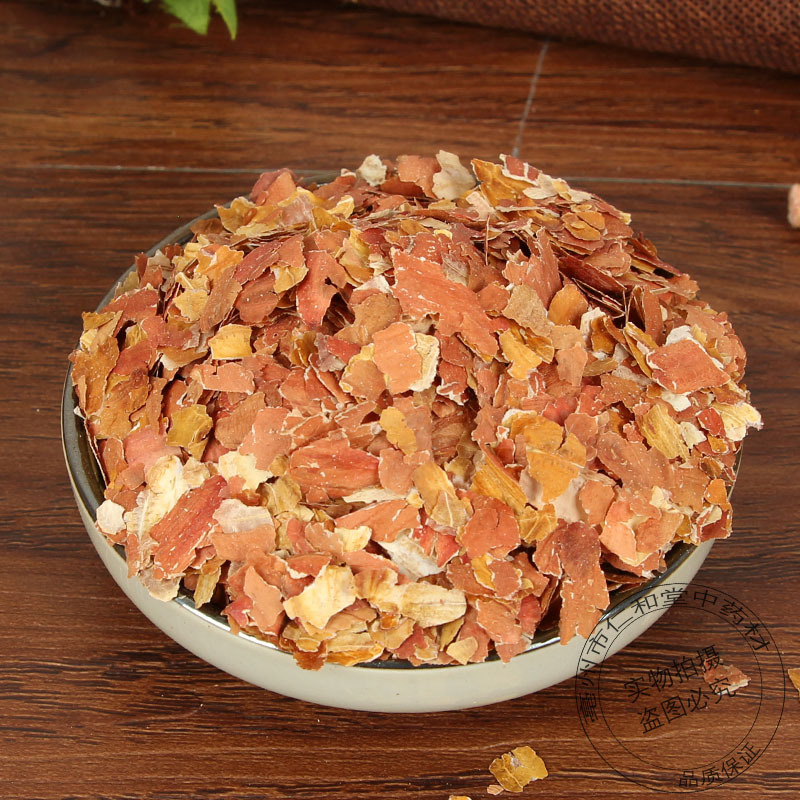
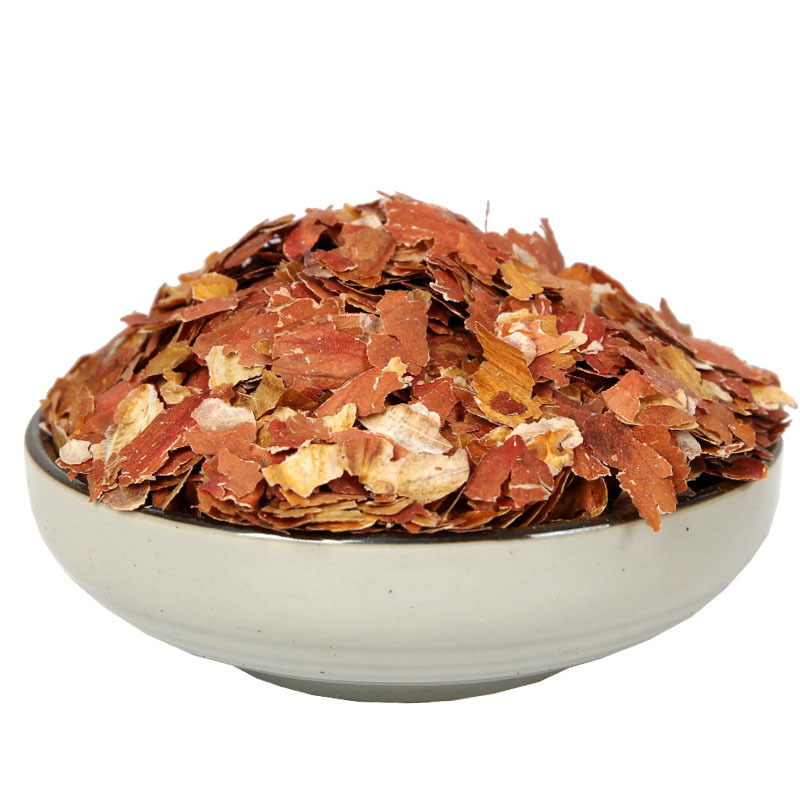
Peanut Seed Coat Hua Sheng Yi 500g Dried Red Skin for Culinary and Herbal Use
$6.76
8904 in stock
Description
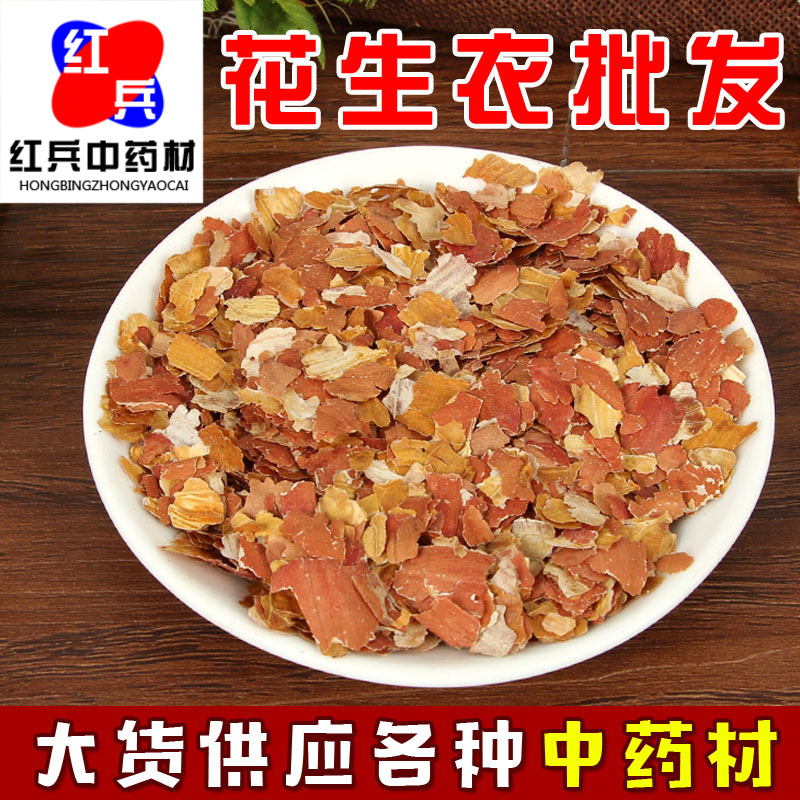
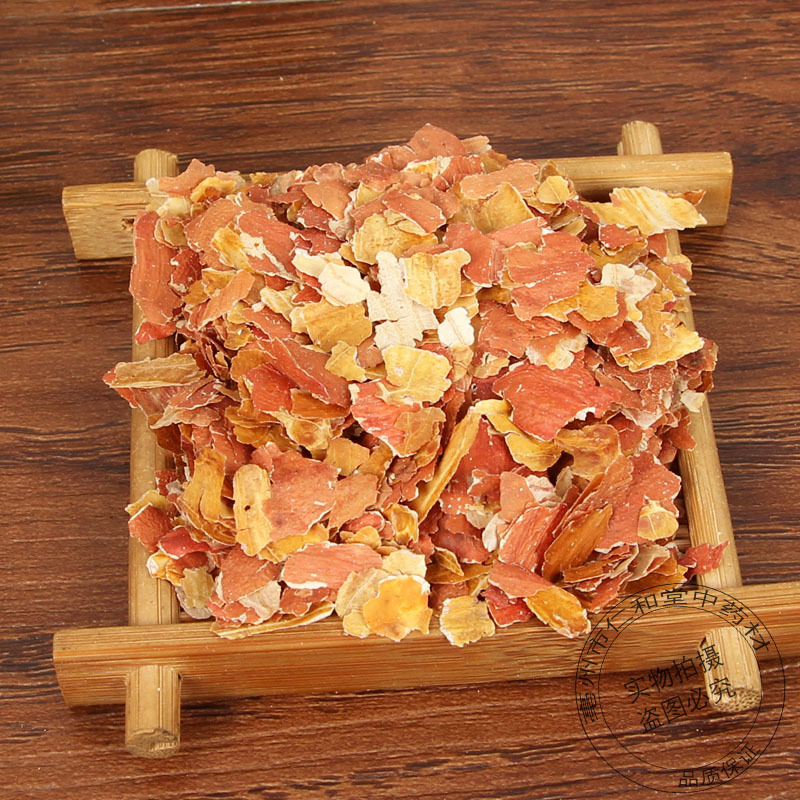
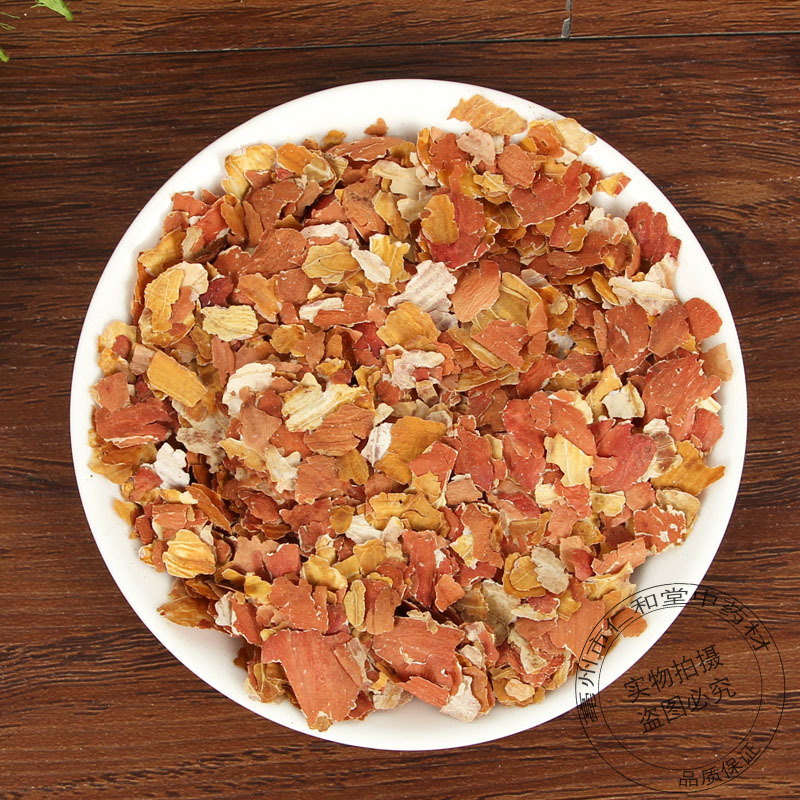
Peanut Seed Coat, known in TCM as Hua Sheng Yi (花生衣), is the thin red skin from the seed of Arachis hypogaea, the cultivated peanut. Sold as a dried edible botanical, it is traditionally valued in Chinese herbal practice and commonly added to soups, congee, and decoctions. In TCM theory it is considered sweet and slightly bitter in flavor. Store in a cool dry place and use only as a culinary or traditional herbal ingredient.

Key Selling Points
- Dried red peanut seed coat sold as an edible agricultural product
- Botanical source is Arachis hypogaea, the common peanut
- Known in TCM as Hua Sheng Yi (花生衣) with traditional herbal value
- Thin papery red skins suitable for soups, congee, and decoctions
- 500g pack with a 36-month shelf life when stored in a cool dry place

Quality & Sensory
Typically thin, papery reddish-brown skins with a dry, brittle texture and a mild nutty aroma. When simmered in soups or decoctions, they typically soften and impart a subtle earthy, slightly nutty taste.

Technical Specifications
| Product Type | Dried edible botanical |
|---|---|
| Chinese Name | 花生衣 |
| Pinyin | Hua Sheng Yi |
| Botanical Name | Arachis hypogaea |
| Plant Part | Seed coat |
| Net Weight | 500g |
Usage Scenarios
- Simmer into herbal soups and broths
- Add to congee or rice porridge
- Include in traditional decoctions
- Use in everyday culinary cooking
Traditional Uses
In TCM practice, peanut seed coat is traditionally associated with nourishing the blood and supporting normal circulation, and it is a familiar folk ingredient in postpartum and convalescent soups. It is commonly simmered with red dates, longan, or peanuts in sweet soups and congee, and is often used in autumn and winter tonics.
FAQ Q&A
Q: What is this product?
A: It is the dried red seed coat of the peanut, Arachis hypogaea, known in TCM as Hua Sheng Yi (花生衣), sold as an edible agricultural product.
Q: What is its traditional value?
A: In TCM theory it is sweet and slightly bitter and is traditionally associated with nourishing the blood. It is a common folk ingredient in nourishing soups.
Q: How is it commonly used?
A: It is typically simmered in soups, congee, or decoctions, often paired with red dates, longan, or peanuts.
Additional information
| Weight | 0.55 kg |
|---|---|
| Dimensions | 20 × 15 × 8 cm |
Related products
-
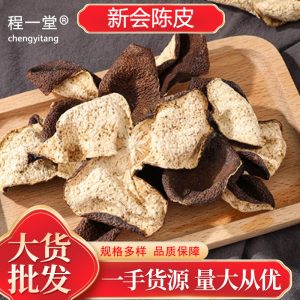
Xinhui Chenpi Dried Tangerine Peel 500g Sun Dried Aged Peel for Soup and Tea
Price range: $60.19 through $116.90 -
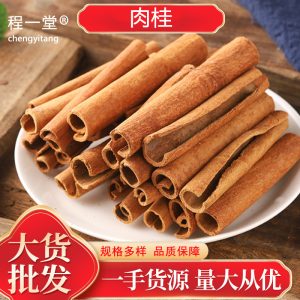
Dried Cinnamon Bark Rou Gui 500g Whole Peeling Culinary Spice and Traditional Herbal Ingredient
Price range: $5.58 through $8.33 -
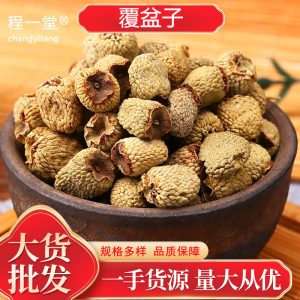
Dried Raspberry Fruit Fu Pen Zi 500g Whole Berries for Herbal Tea and Wine Infusion
Price range: $14.00 through $16.44 -
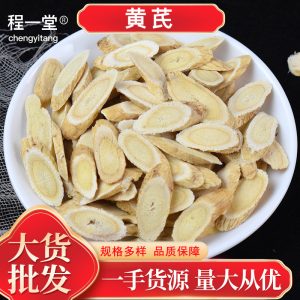
Astragalus Root Slices Huang Qi 斜片 Dried Herb for Decoction Soup and Tea 500g
Price range: $6.06 through $19.51
Reviews
There are no reviews yet.