
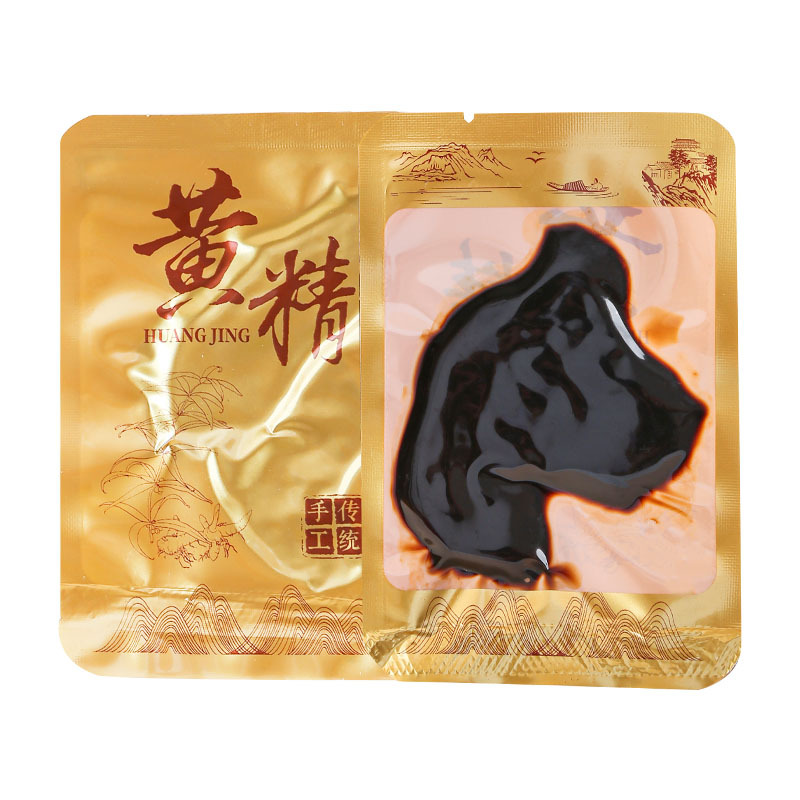
Nine-Steamed Polygonatum Root Slices Dried Huang Jing 500g
Price range: $16.55 through $20.92
Description
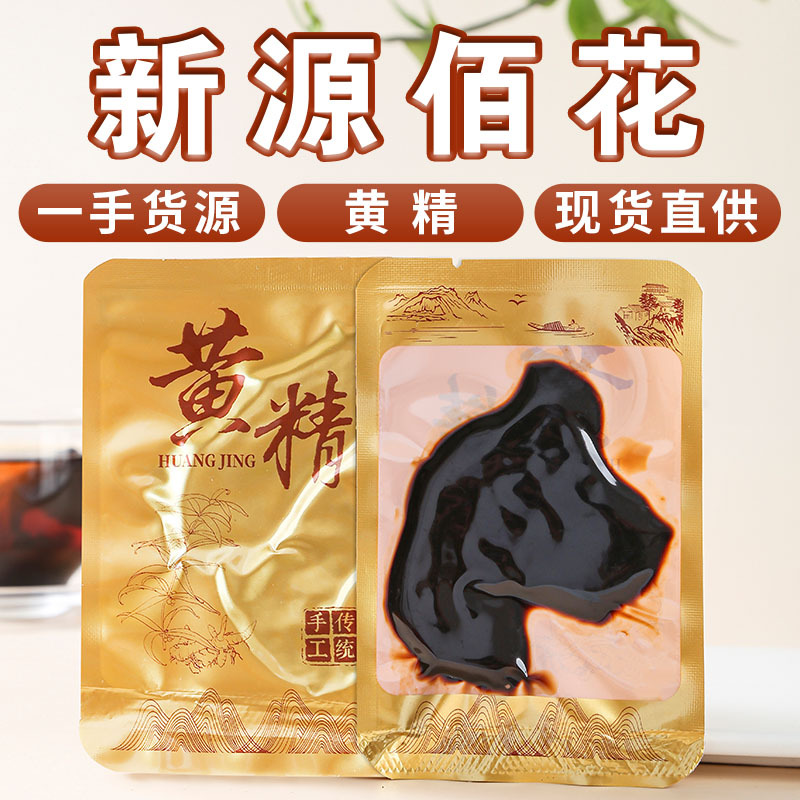
Dried Nine-Steamed Polygonatum Root Slices, known in TCM as Huang Jing (黄精), from Polygonatum species. This prepared root is traditionally used as a nourishing tonic in TCM theory, associated with sweet flavor and neutral nature, entering the spleen, lung, and kidney channels. The nine-steam-nine-dry processing transforms the raw root into a dark, mild, easy-to-use decoction piece. Traditionally simmered in soups, congee, or tea for daily wellness support.

Key Selling Points
- Prepared from Polygonatum root, known in TCM as Huang Jing (黄精)
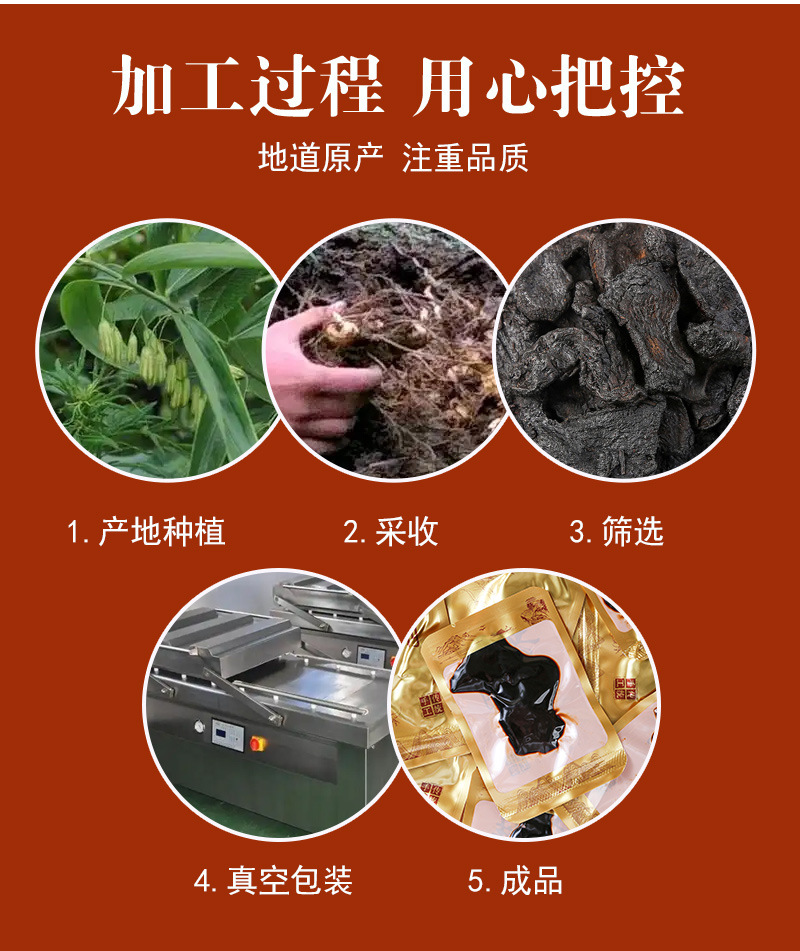
- Traditional nine-steam-nine-dry processing method
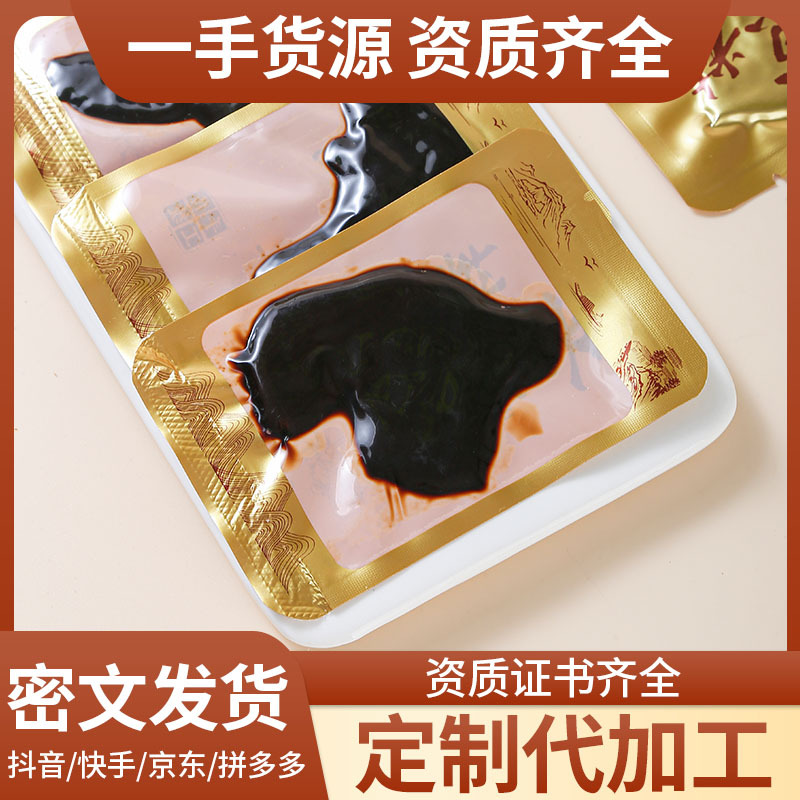
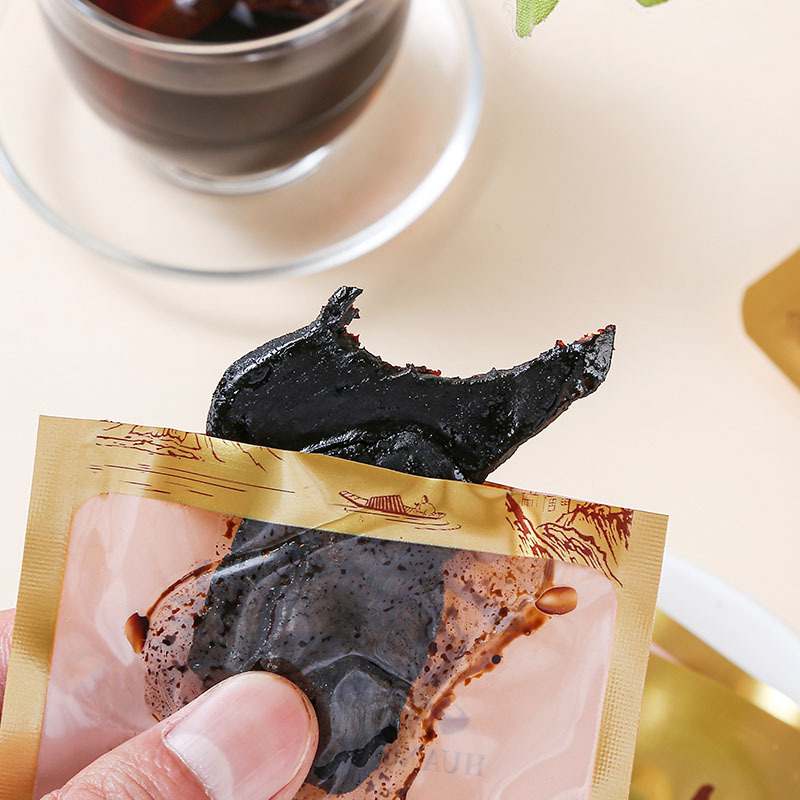
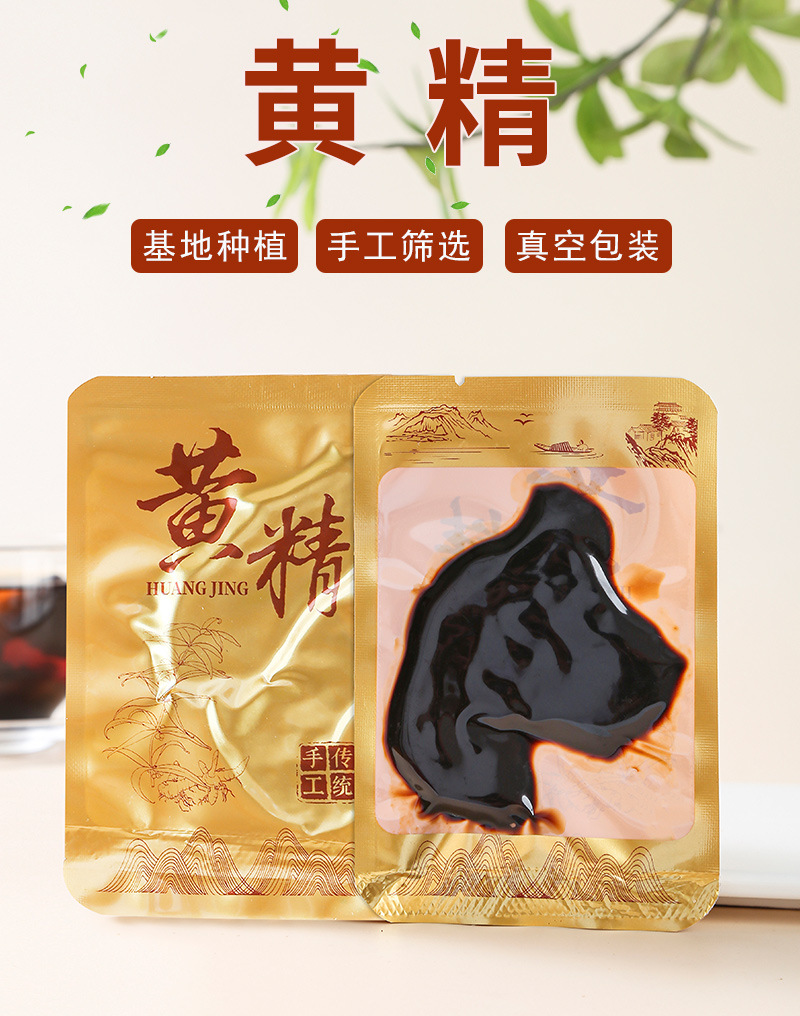
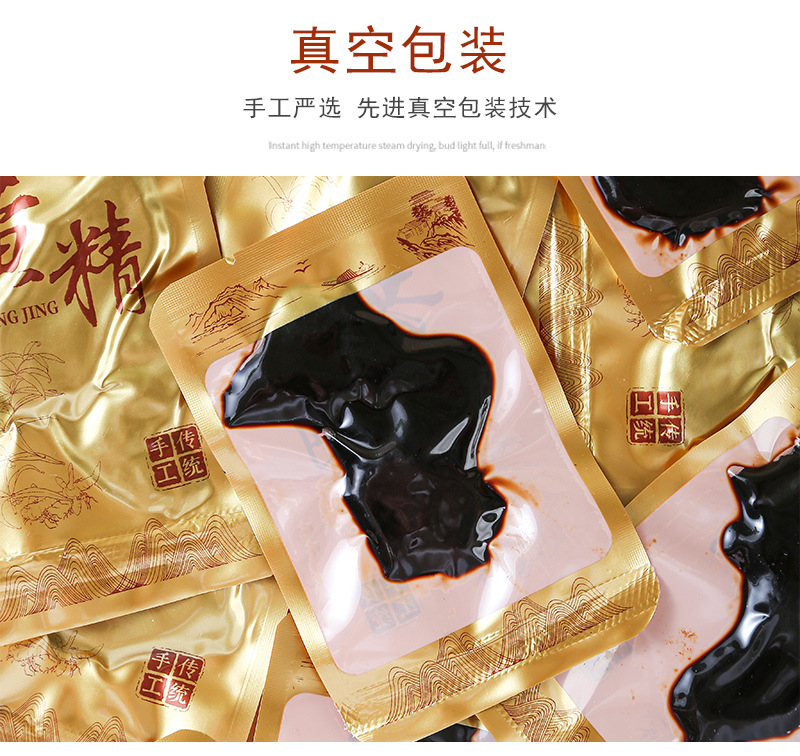
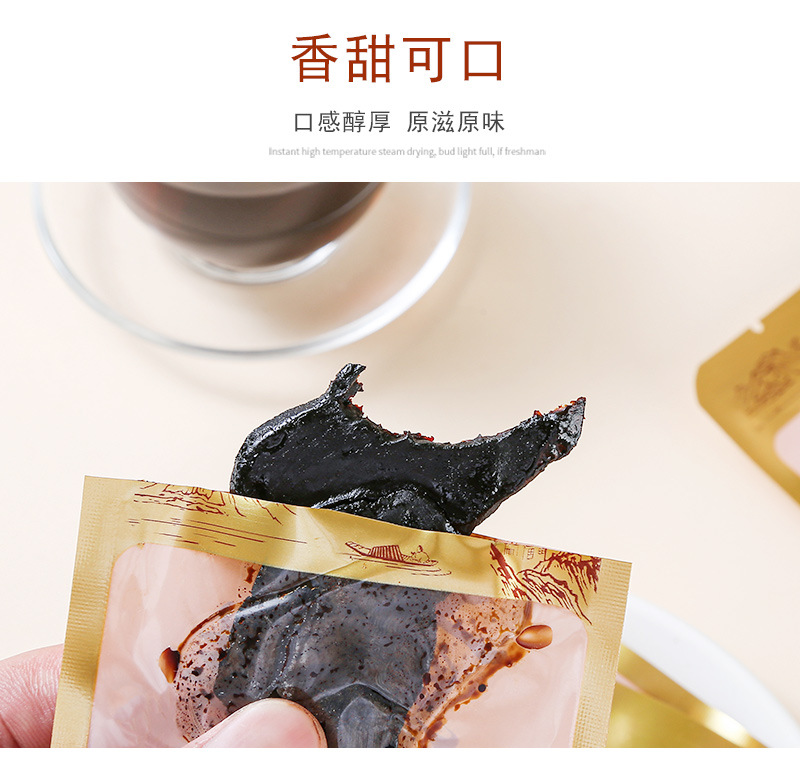
- Individually wrapped small packets for convenient daily use
- Dark, mild-tasting decoction pieces suitable for soups and teas
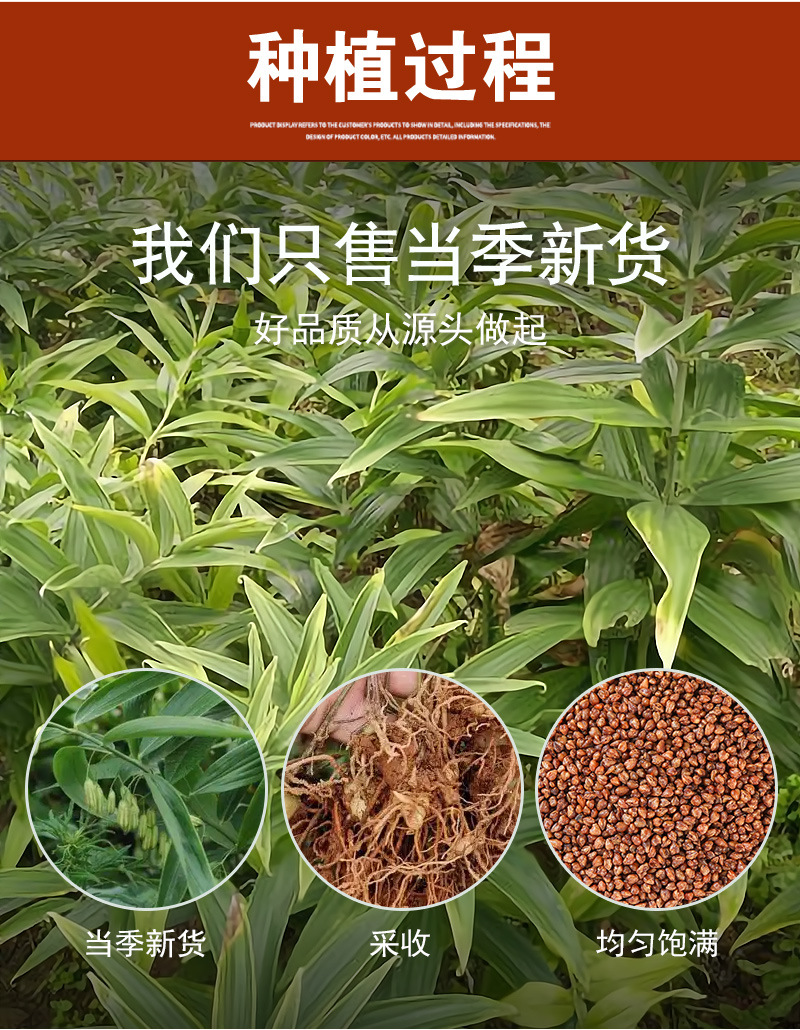
- 500g bulk pack from Anhui Jiuhua Mountain region

Quality & Sensory
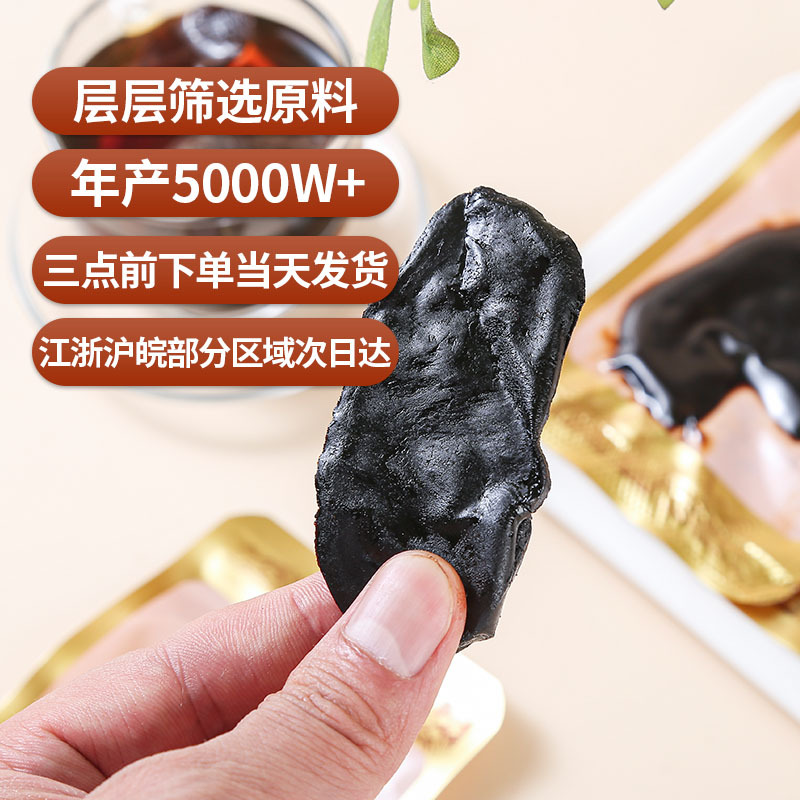
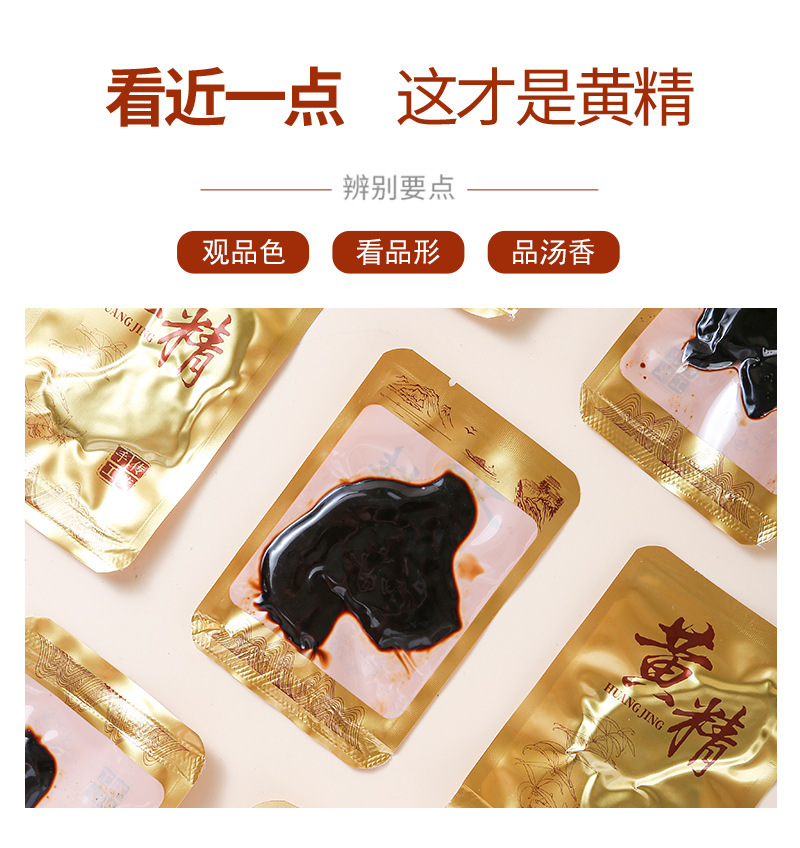
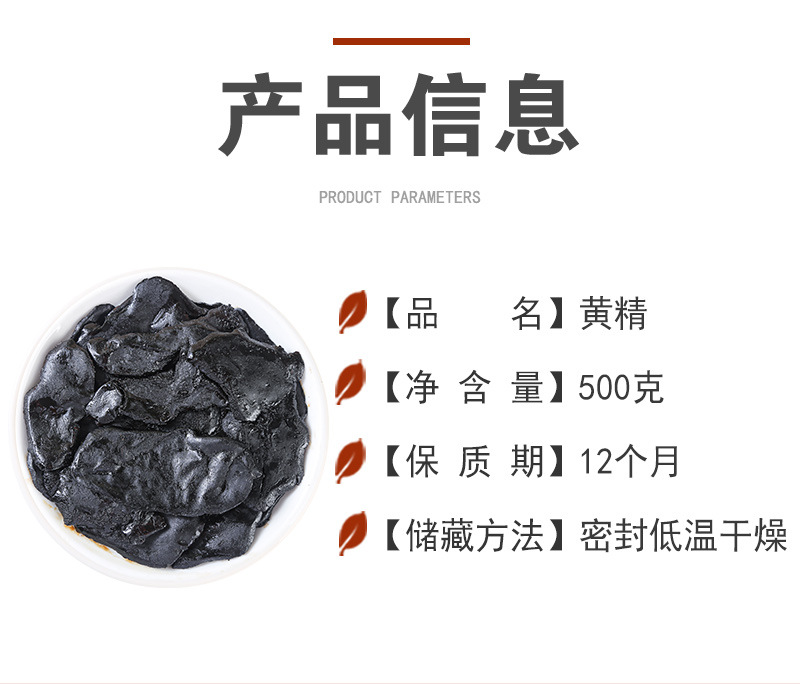
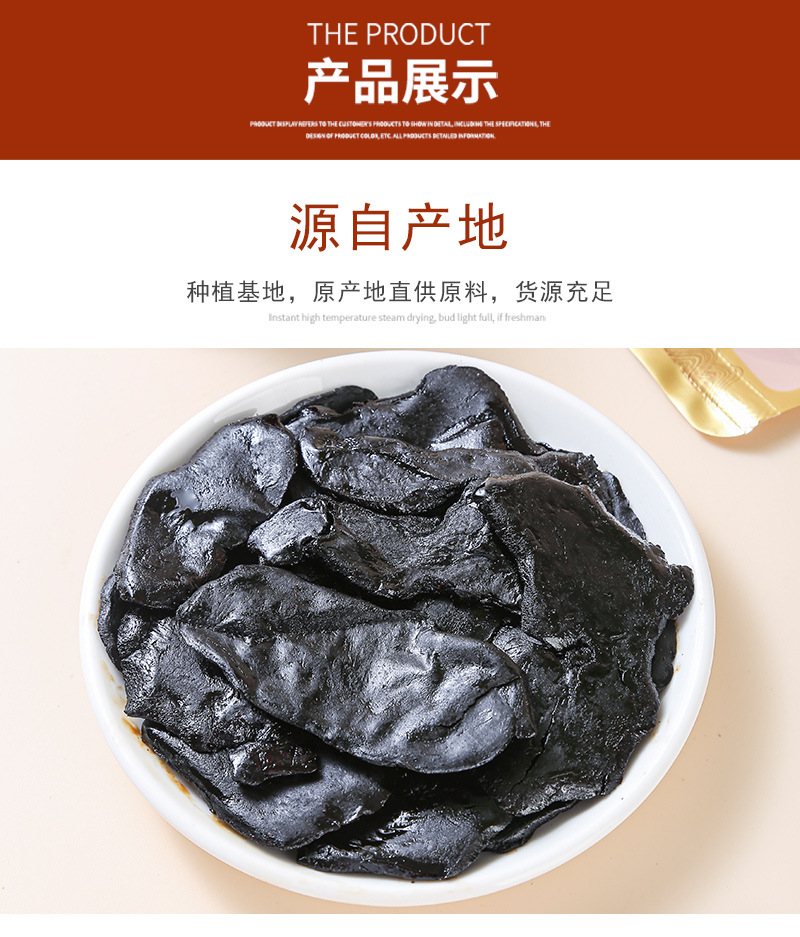
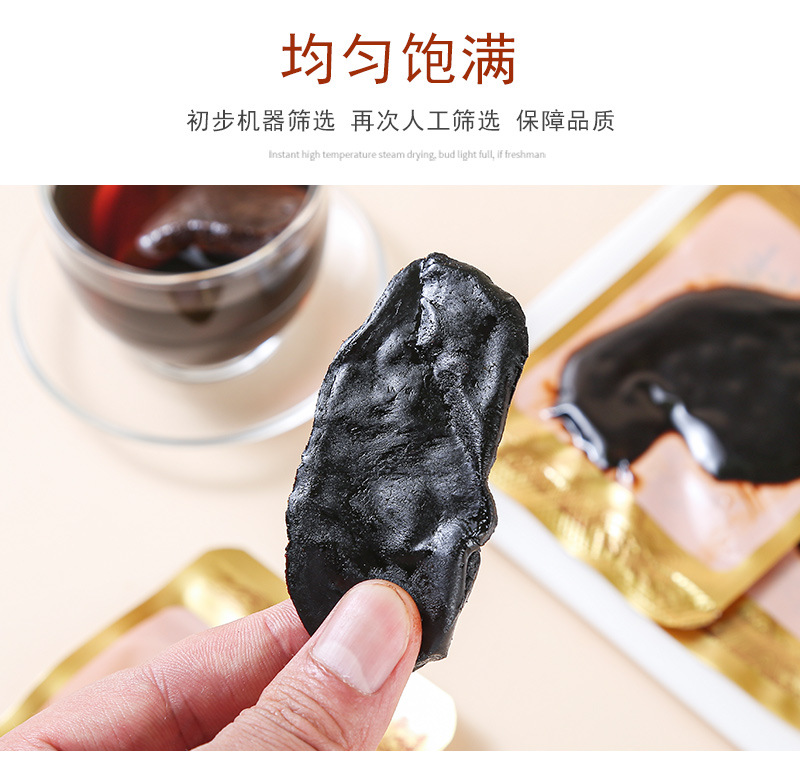
The slices are typically dark brown to black with a soft, slightly sticky texture and a mild sweet aroma. After simmering or brewing, the liquid is typically dark amber with a gentle sweet and earthy taste. Texture and color may vary slightly between batches due to natural processing.
Technical Specifications
| Product Type | Dried prepared herbal root slices |
|---|---|
| Chinese Name | 黄精 |
| Pinyin | Huang Jing |
| Botanical Name | Polygonatum species |
| Plant Part | Root |
| Processing | Nine-steam-nine-dry |
Usage Scenarios
- Simmered in herbal soups
- Brewed as a daily herbal tea
- Cooked into congee
- Added to tonic decoctions
- Used in seasonal nourishing dishes
Traditional Uses
In TCM theory, Huang Jing is traditionally used as a qi and yin nourishing herb associated with the spleen, lung, and kidney channels. It is commonly simmered in soups with herbs such as goji berry or Chinese yam, cooked into congee, or brewed as a daily tea. The nine-steam-nine-dry method is a traditional processing technique used to mellow the raw root.
FAQ Q&A
Q: What is this product?
A: It is dried Polygonatum root, known in TCM as Huang Jing (黄精), prepared using the traditional nine-steam-nine-dry method and packed in individual small sachets.
Q: What is Huang Jing traditionally used for?
A: In TCM theory, Huang Jing is traditionally associated with nourishing qi and yin and supporting the spleen, lung, and kidney channels. It is commonly used in tonic soups, congee, and teas.
Q: How is it commonly prepared?
A: It is typically simmered in soups or decoctions, cooked into congee, or brewed as a tea. The prepared slices have a mild sweet taste and can be used in daily cooking.


Additional information
| Weight | N/A |
|---|---|
| Dimensions | N/A |
| Model | 金袋制黄精500克 15 30g, 白袋制黄精500克 10 20g, 整株黄精个500克 |
Related products
-
Dried Angelica Sinensis Slices Dang Gui 当归 500g Gansu Raw Herb for Decoction Soup and Tea
Price range: $16.44 through $35.88 -
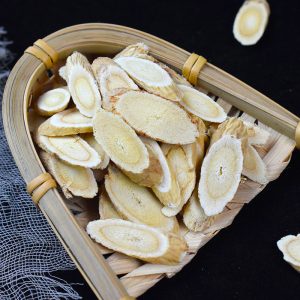
Astragalus Root Slices Huang Qi 500g Dried Herb for Soups and Teas
Price range: $7.36 through $22.11 -
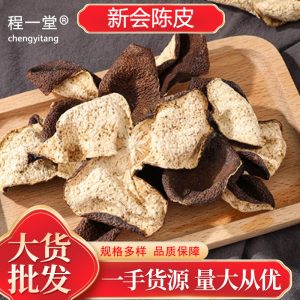
Xinhui Chenpi Dried Tangerine Peel 500g Sun Dried Aged Peel for Soup and Tea
Price range: $60.19 through $116.90 -

Cabinda Bark Dried Herb 500g Traditional Herbal Infusion Ingredient
Price range: $12.38 through $37.50
Reviews
There are no reviews yet.