
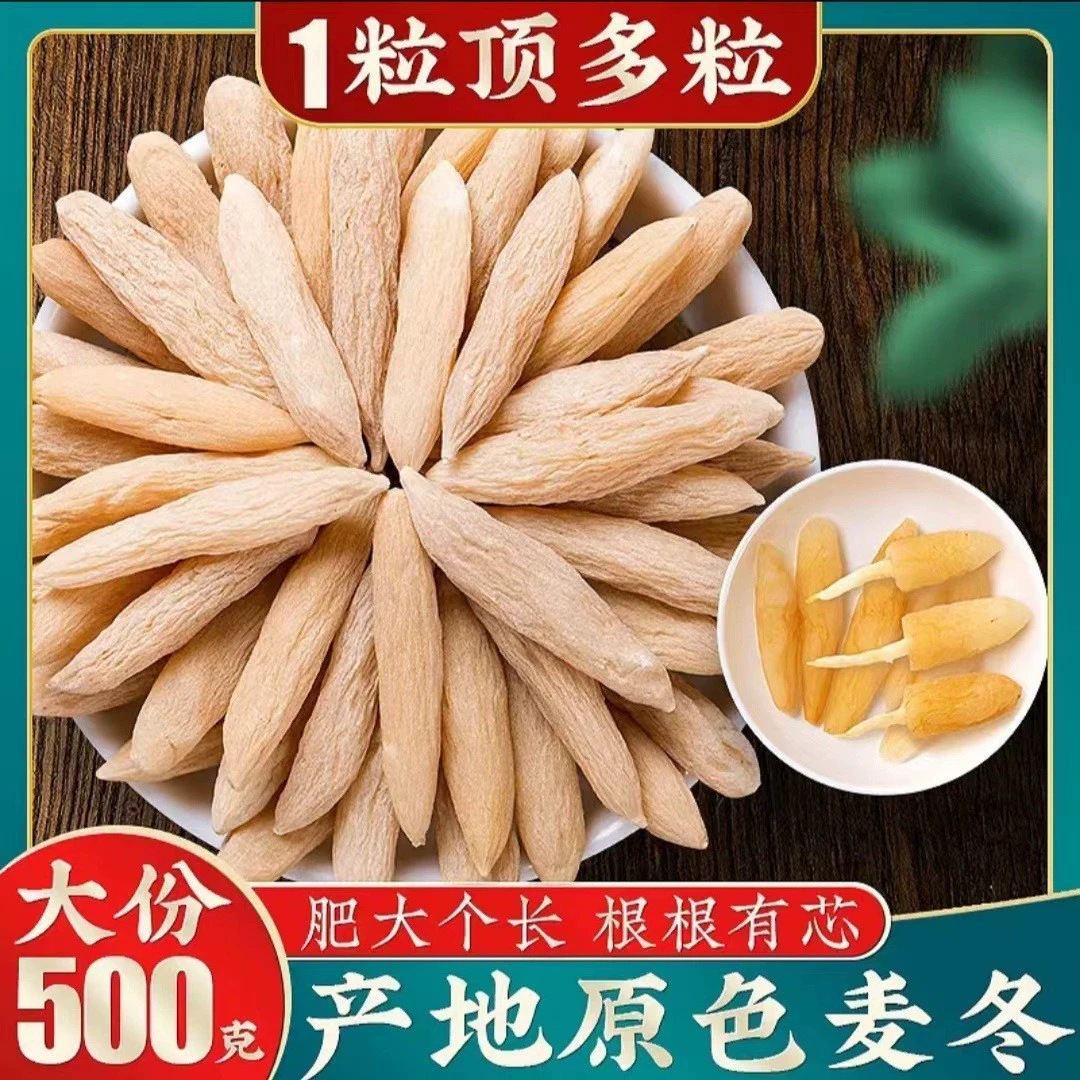
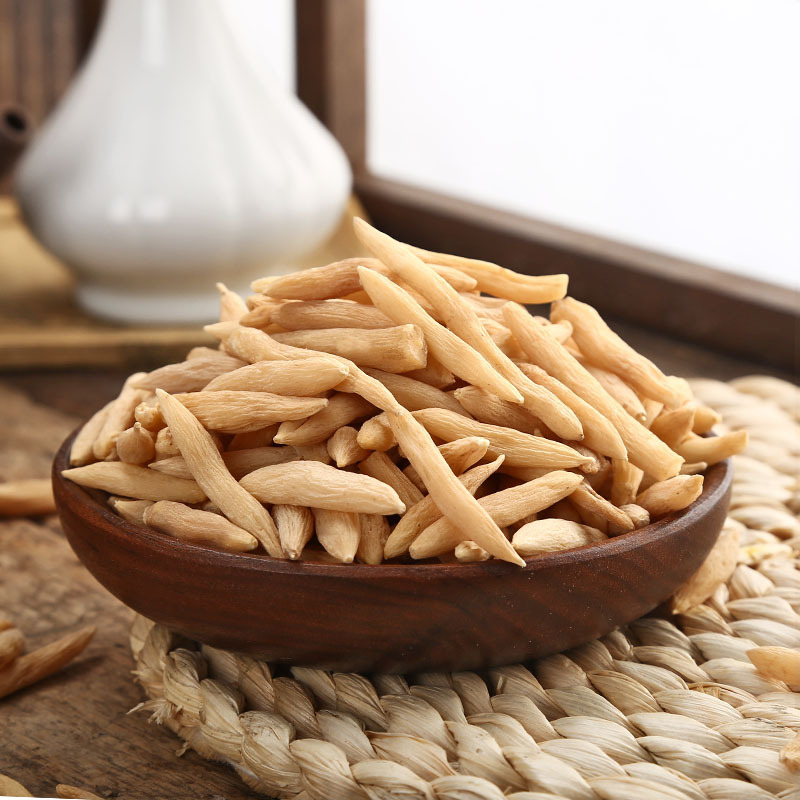
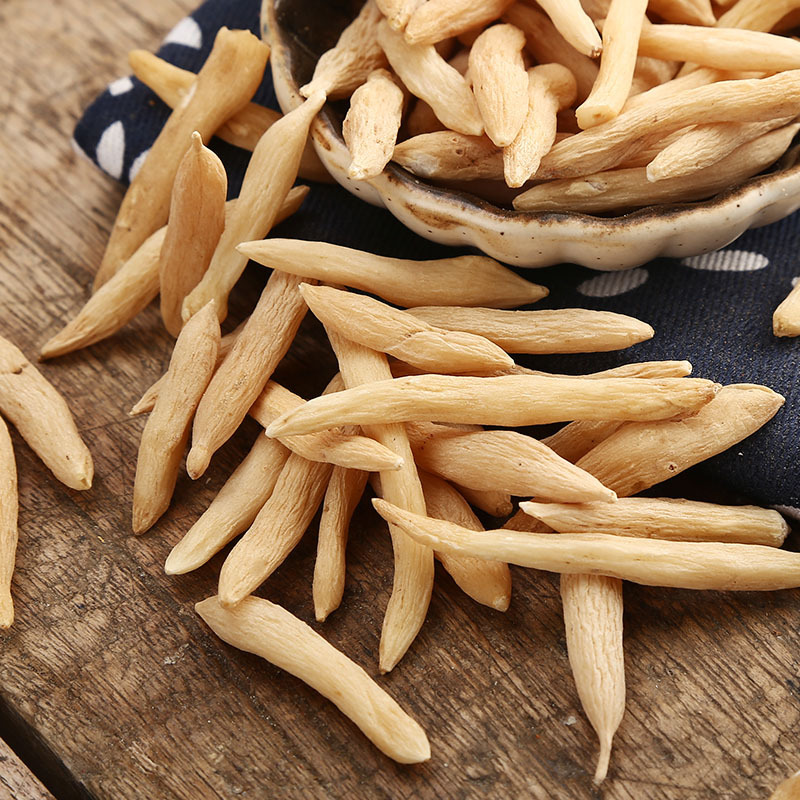
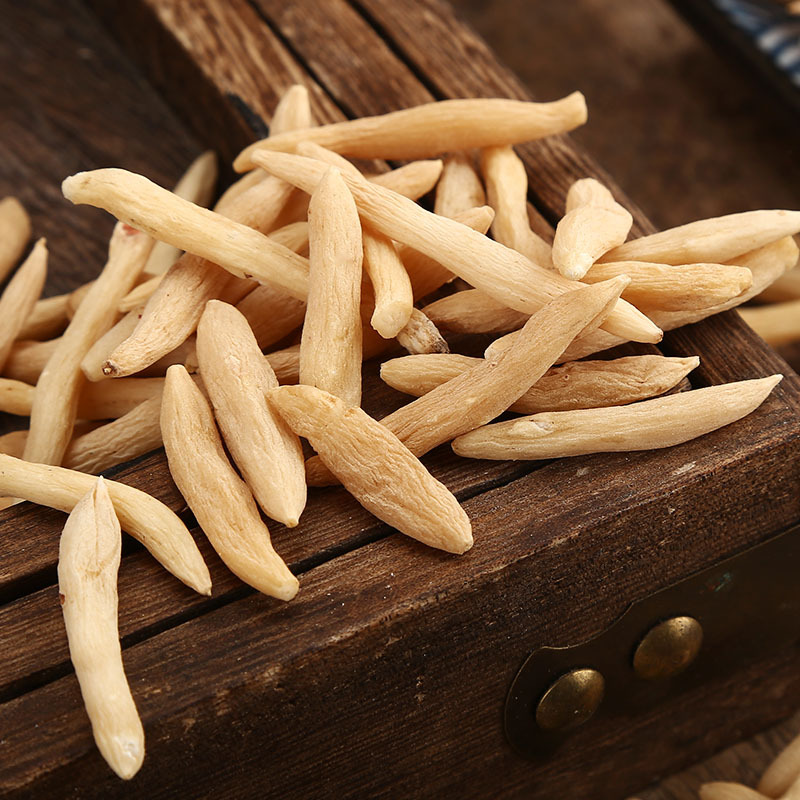
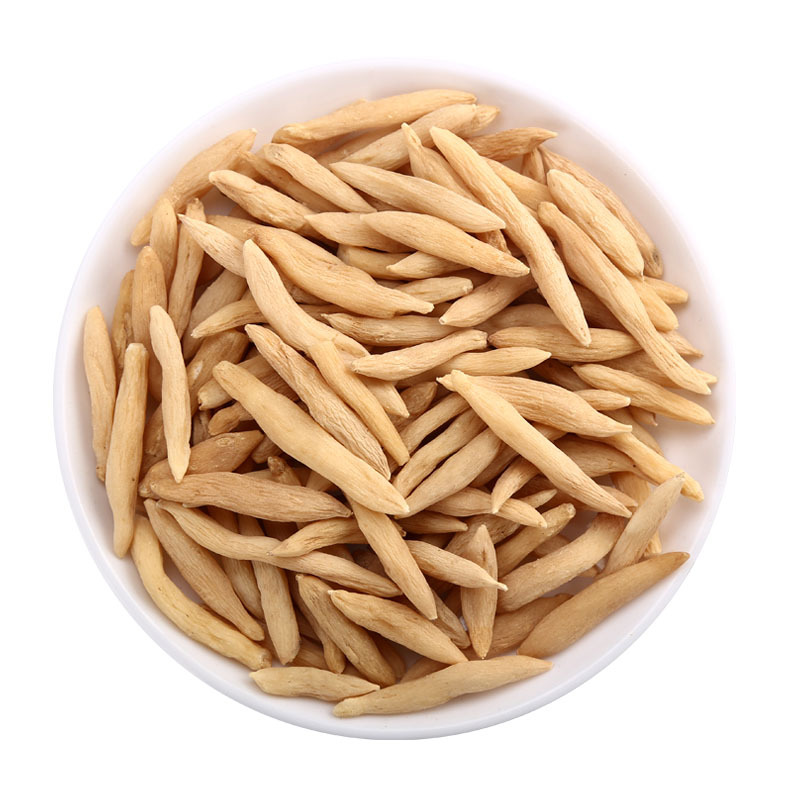
Mai Dong Ophiopogon Root Dried Sichuan Mai Men Dong Herbal Tea 500g
$13.84
Description
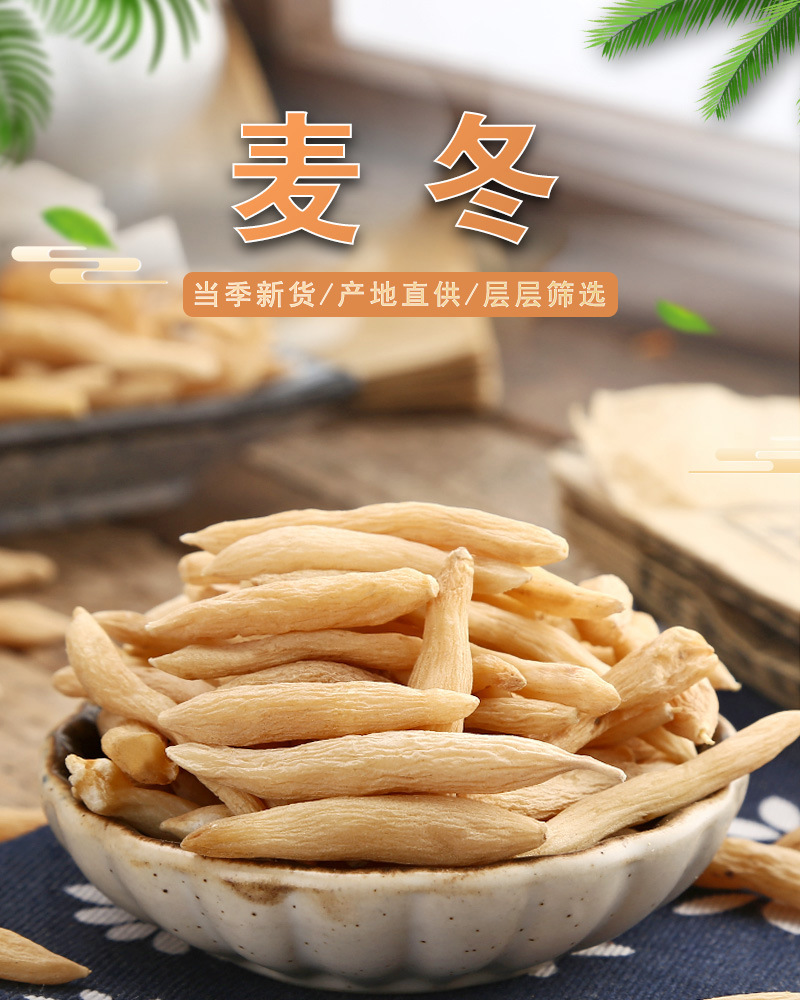
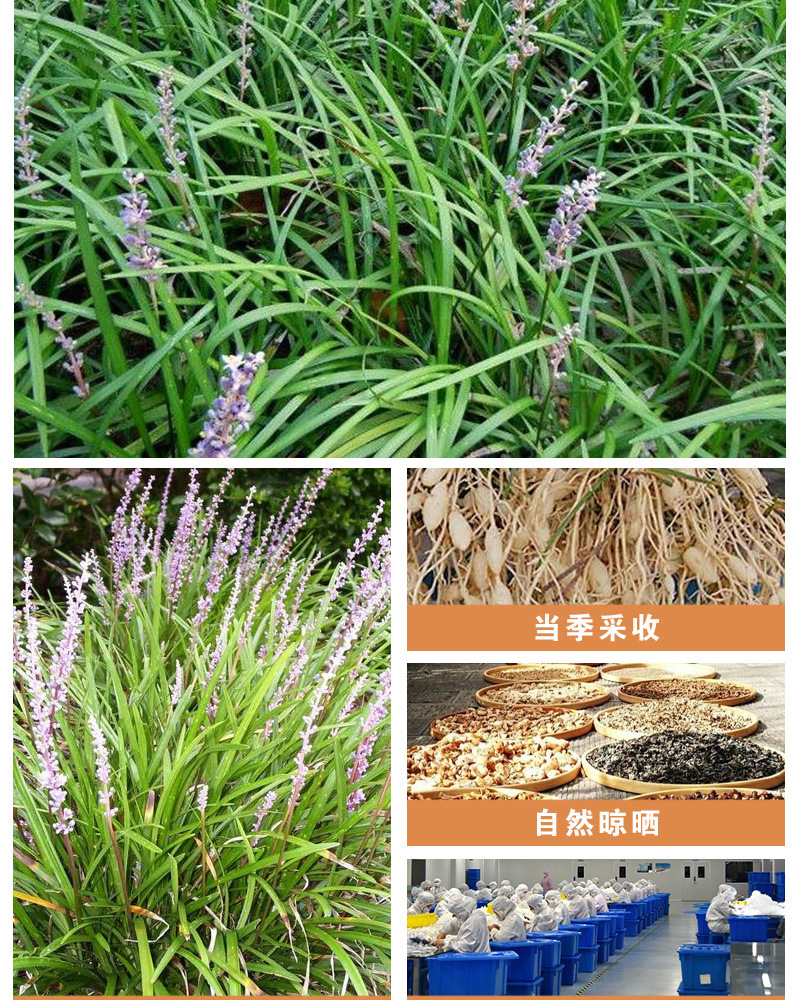
Mai Dong (麦冬), also called Mai Men Dong, is the dried tuberous root of Ophiopogon japonicus, a classic herb in Traditional Chinese Medicine. In TCM theory it is sweet and slightly bitter in flavor with a slightly cold nature, traditionally associated with the heart, lung, and stomach channels. These hand-selected larger roots are sulfur-free and dried, suitable for herbal tea, decoctions, and culinary use.
Key Selling Points
- Hand-selected larger Sichuan-style Mai Dong roots in a 500g loose pack
- Botanical source Ophiopogon japonicus, known in TCM as Mai Men Dong (麦冬)
- Sulfur-free drying process preserves the natural character of the root
- Traditionally associated in TCM with nourishing yin and moistening the lung
- Versatile for herbal tea, decoctions, congee, and seasonal cooking
Quality & Sensory
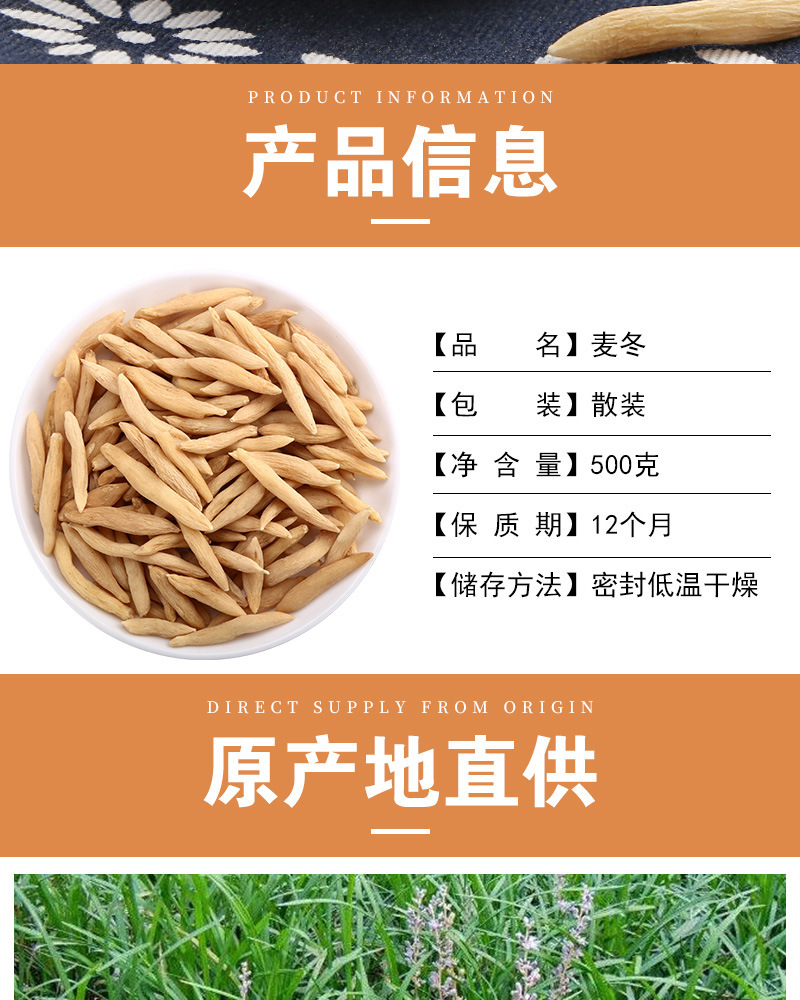
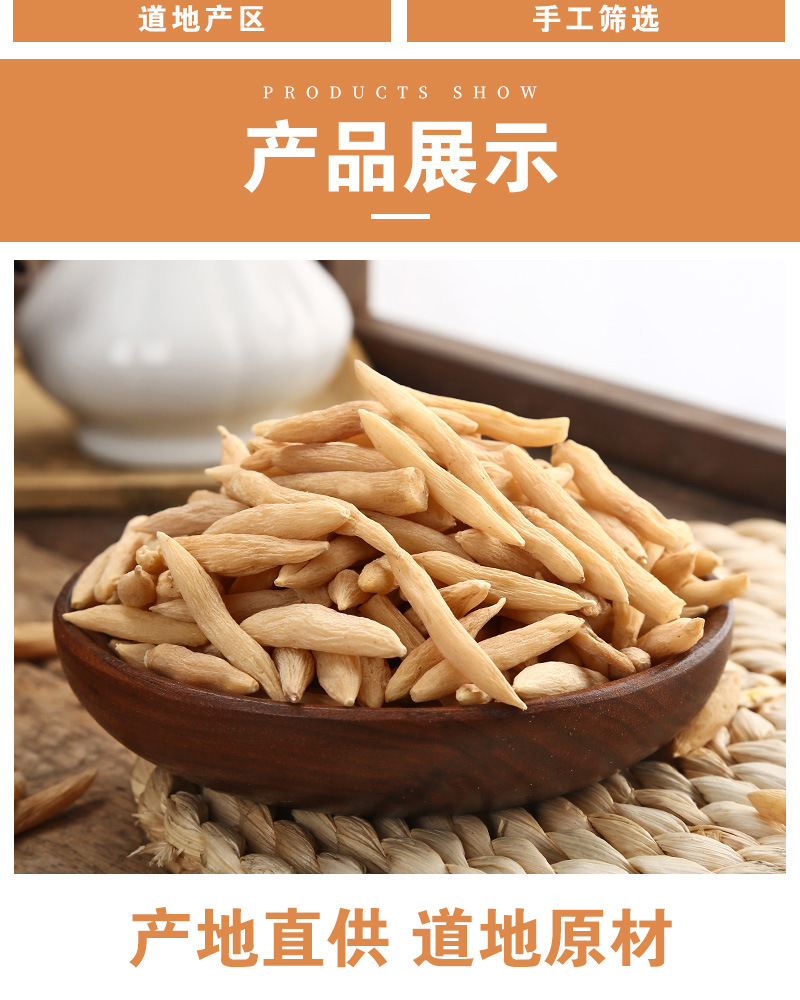
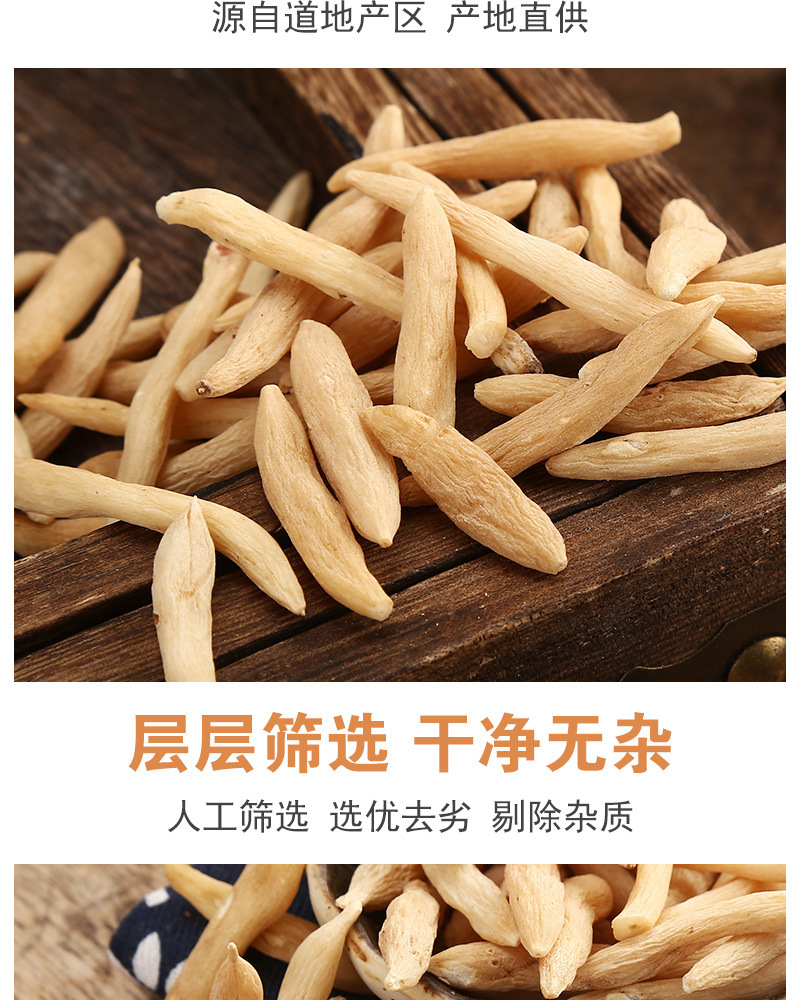
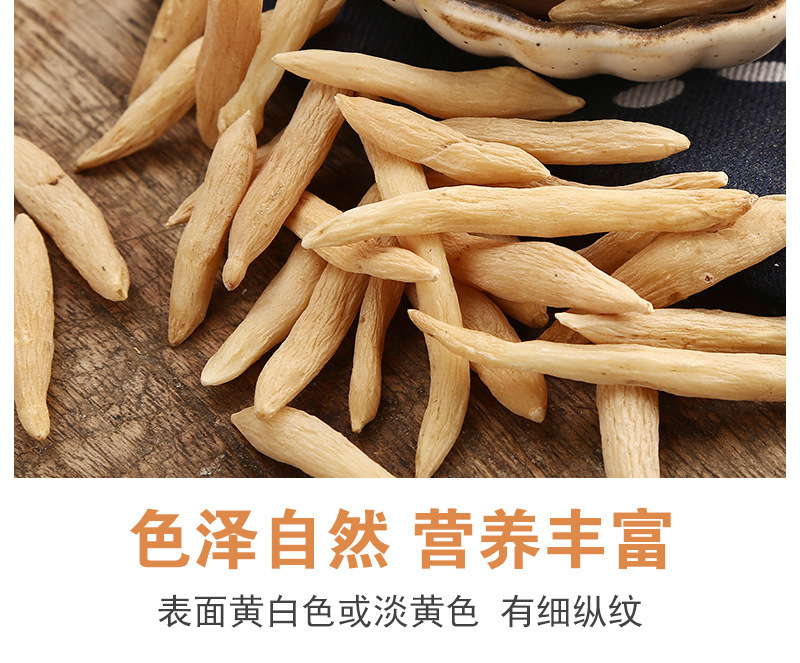
Typically the dried roots are pale yellow to light yellowish-brown, plump and semi-translucent with a slightly flexible texture. They have a mild, faintly sweet herbal aroma, and when simmered or brewed they typically yield a light, subtly sweet taste.
Technical Specifications
| Product Type | Dried Chinese herbal root |
|---|---|
| Chinese Name | 麦冬 |
| Pinyin | Mai Dong (Mai Men Dong) |
| Botanical Name | Ophiopogon japonicus |
| Plant Part | Tuberous root |
| Net Weight | 500g |
Usage Scenarios
- Simmer into daily herbal tea with goji berries or other botanicals
- Add to slow-cooked soups and decoctions
- Cook into congee or dessert soups
- Use in seasonal culinary recipes with lily bulb or pear
Traditional Uses
In TCM practice, Mai Dong is traditionally used to nourish yin, moisten the lung, and generate fluids, and it is commonly included in formulas and home recipes for dry throat and seasonal dryness. It is often paired with herbs such as Sha Shen, Yu Zhu, or goji berry in decoctions, teas, and congee, especially during autumn and winter.
FAQ Q&A
Q: What is this product?
A: It is 500g of dried Mai Dong (麦冬), the tuberous root of Ophiopogon japonicus, hand-selected and sulfur-free.
Q: What is it traditionally valued for?
A: In TCM theory it is sweet and slightly cold and is traditionally associated with nourishing yin and moistening the lung.
Q: How is it commonly prepared?
A: It is commonly simmered in herbal teas, decoctions, soups, and congee, often with complementary botanicals.
Additional information
| Weight | N/A |
|---|---|
| Dimensions | N/A |
| Packaging specifications | Sulfur free ophiopogon japonicus 500g |
Related products
-
Dried Raspberry Fruit Fu Pen Zi Whole Berries for Herbal Tea and Wine Infusion 500g
Price range: $15.63 through $18.06 -
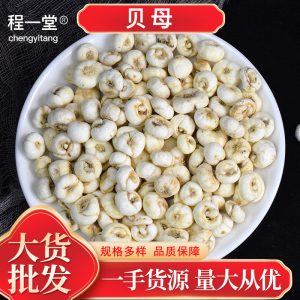
Fritillaria Bulb Chuan Bei Mu Dried Chinese Herbal Bulbs for Decoction and Traditional Use 500g
Price range: $18.06 through $94.21 -
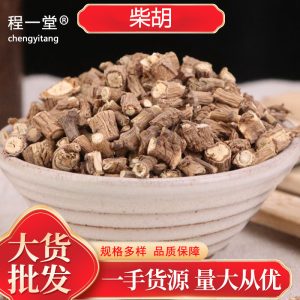
Chai Hu Bupleurum Root Dried Herb 500g Traditional TCM Decoction Herb
Price range: $9.14 through $16.44 -
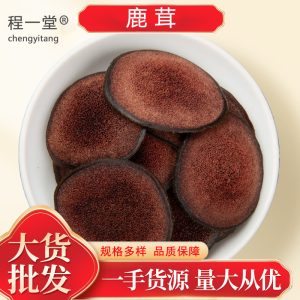
Deer Antler Slices Lu Rong 鹿茸片 Dried Slices for Wine Infusion and Soup 100g Wax Slices Pack
Price range: $68.29 through $92.59
Reviews
There are no reviews yet.