
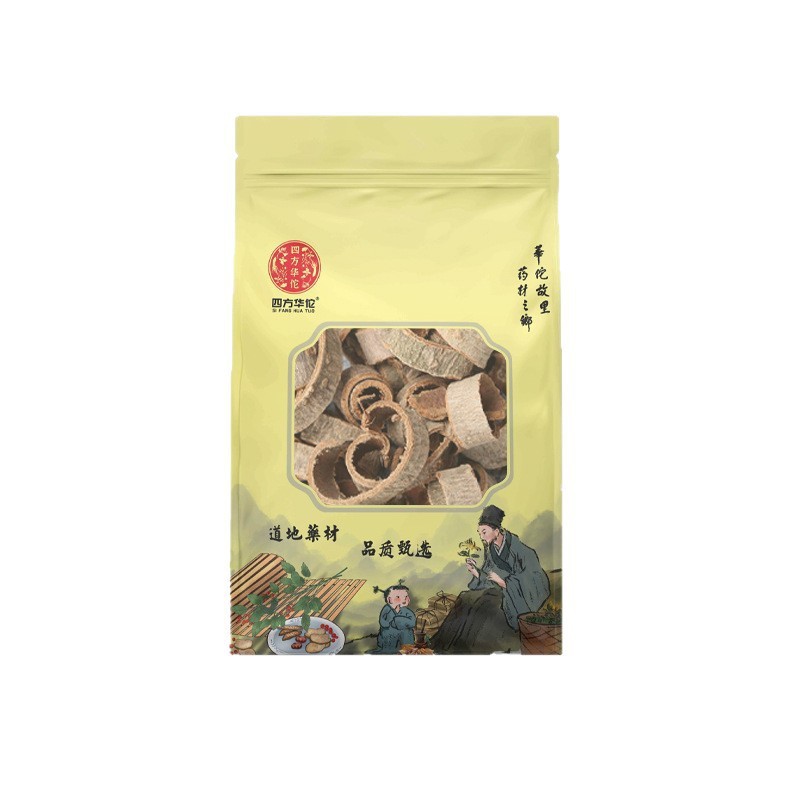
Hou Po Magnolia Bark Dried Decoction Pieces Traditional Chinese Herb for Herbal Decoctions
Price range: $5.28 through $11.88
Description
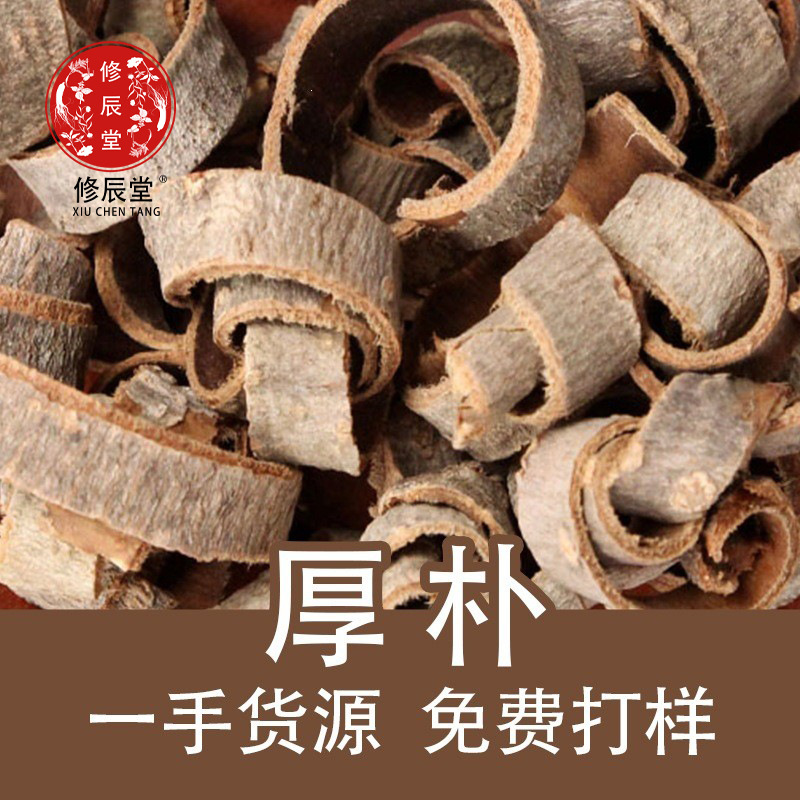
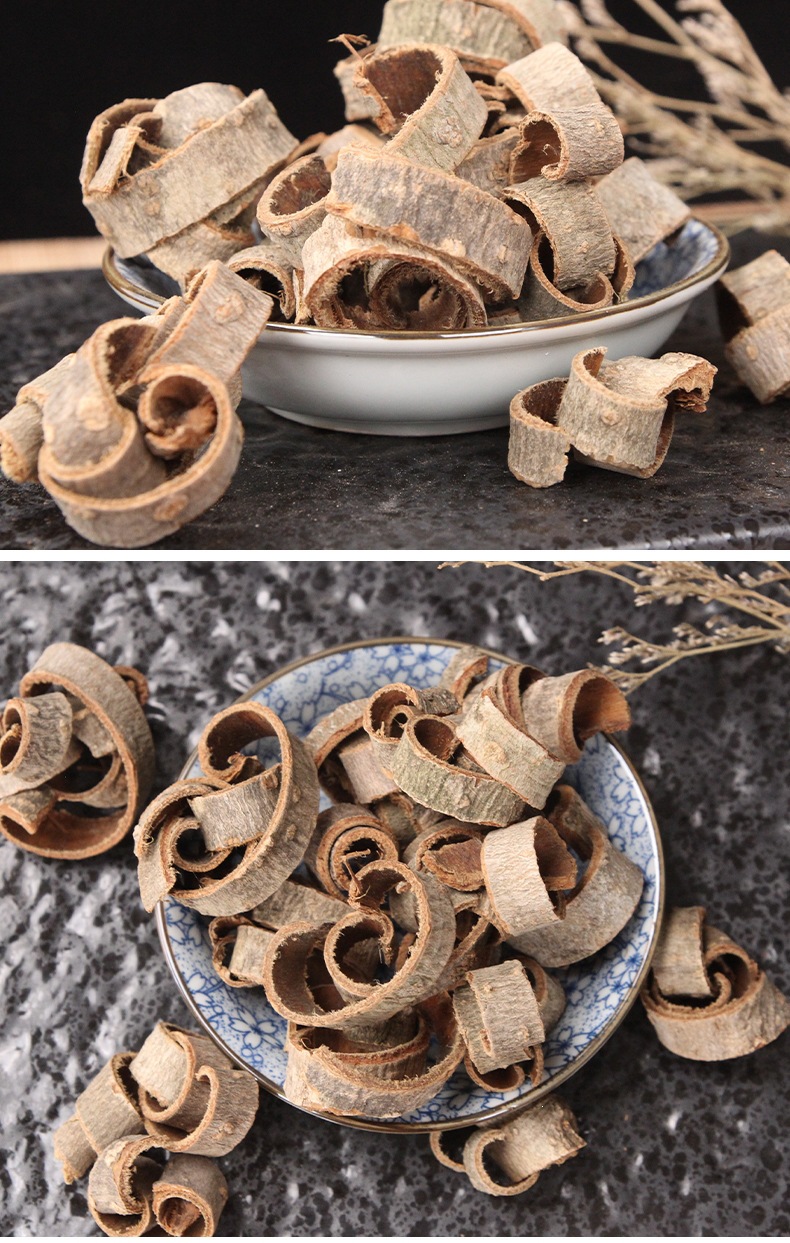
Dried Magnolia Bark, known in TCM as Hou Po (厚朴), from Magnolia officinalis. This peeled, sulfur-free decoction piece is traditionally used in Chinese herbal practice to support digestive comfort and soothe occasional bloating. In TCM theory it is warm, bitter and pungent, entering the Spleen, Stomach, Lung and Large Intestine channels. Commonly added to decoctions or soups, it should be used only by those not allergic to it and stored in a cool dry place.
Key Selling Points
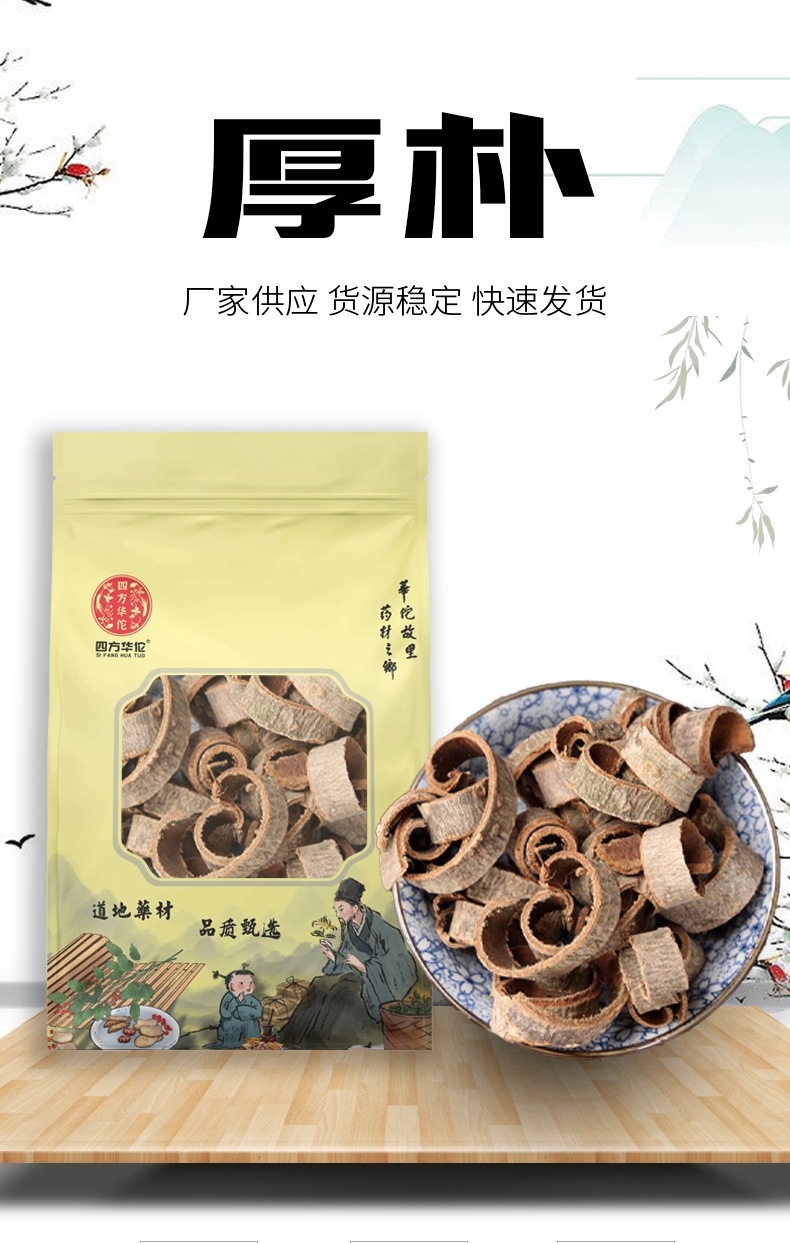
- Identified as Hou Po (厚朴), the dried bark of Magnolia officinalis
- Peeled decoction pieces with no sulfur fumigation
- Traditional TCM herb associated with digestive and qi-moving support
- Dried and sliced form suitable for decoctions and soups
- 250 g net weight in a normal specification pack
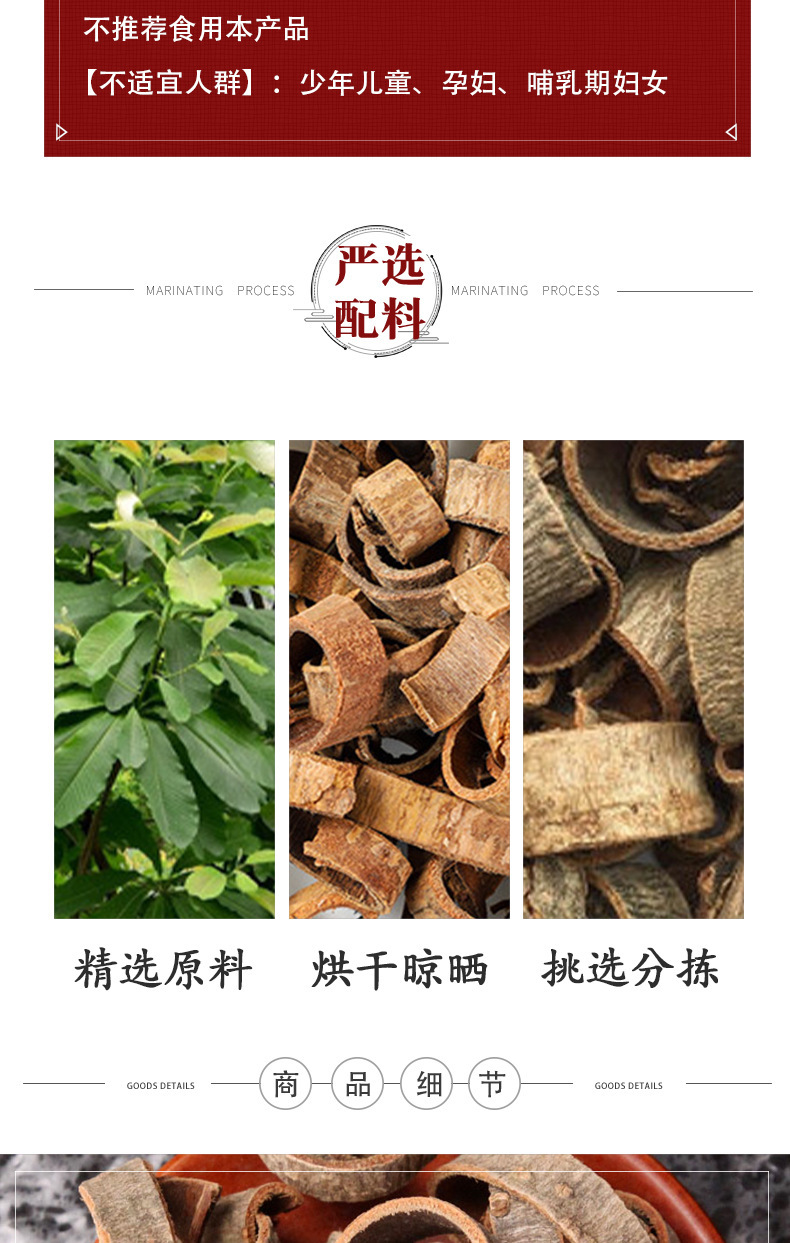
Quality & Sensory
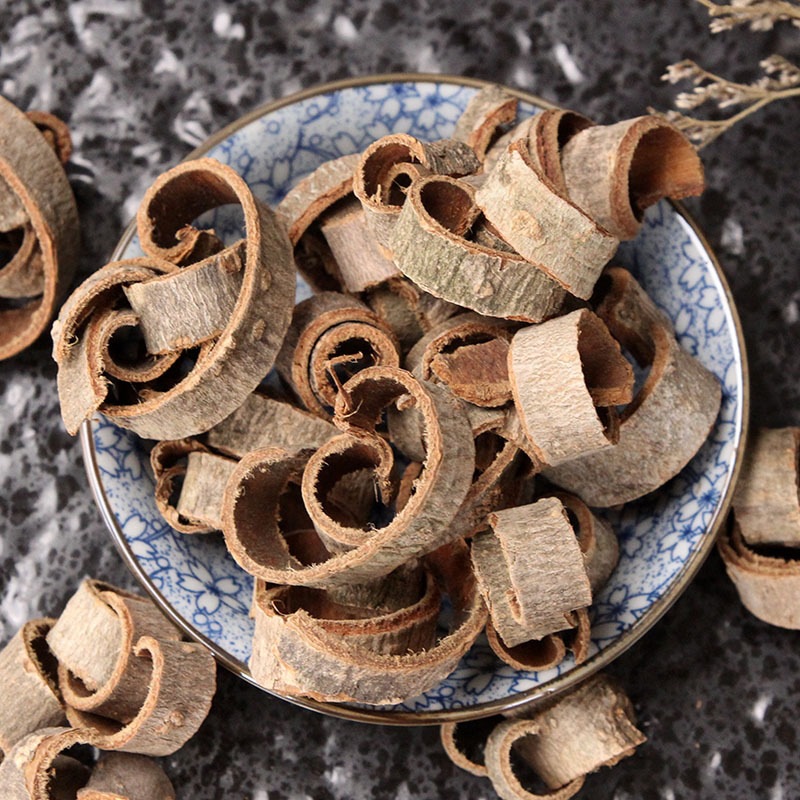
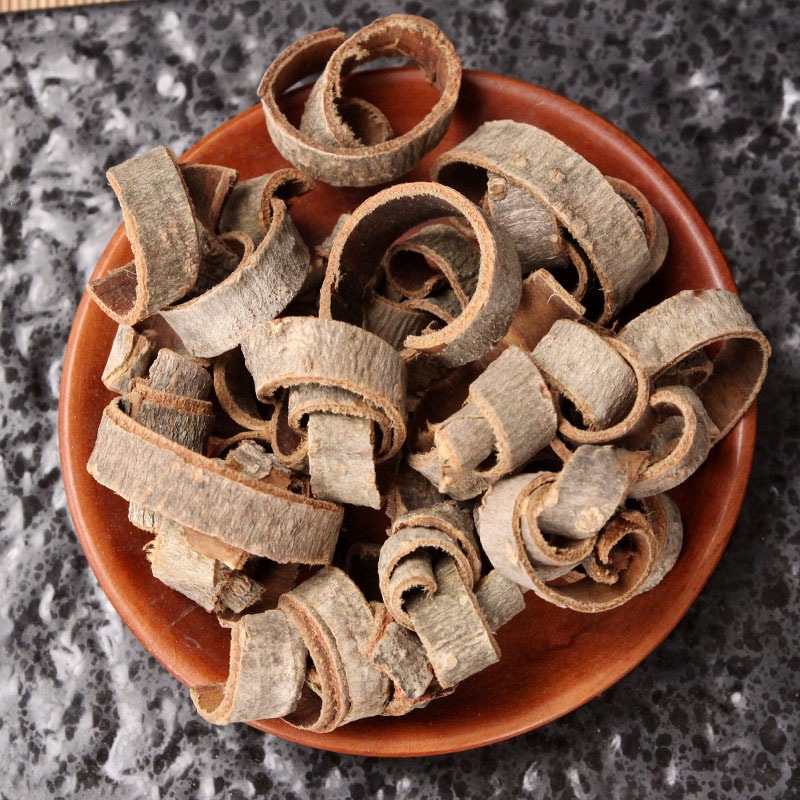
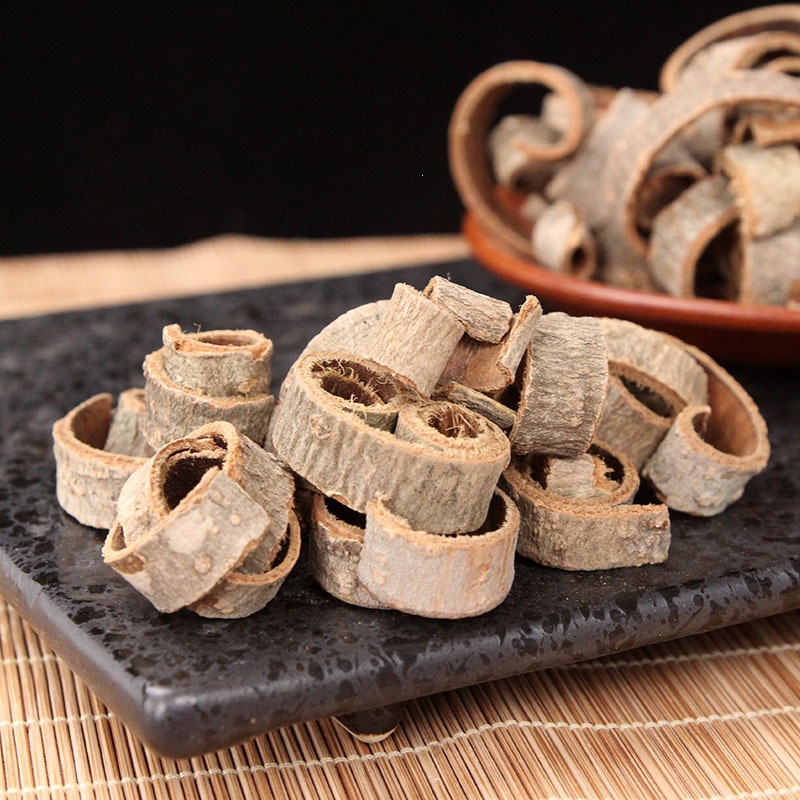
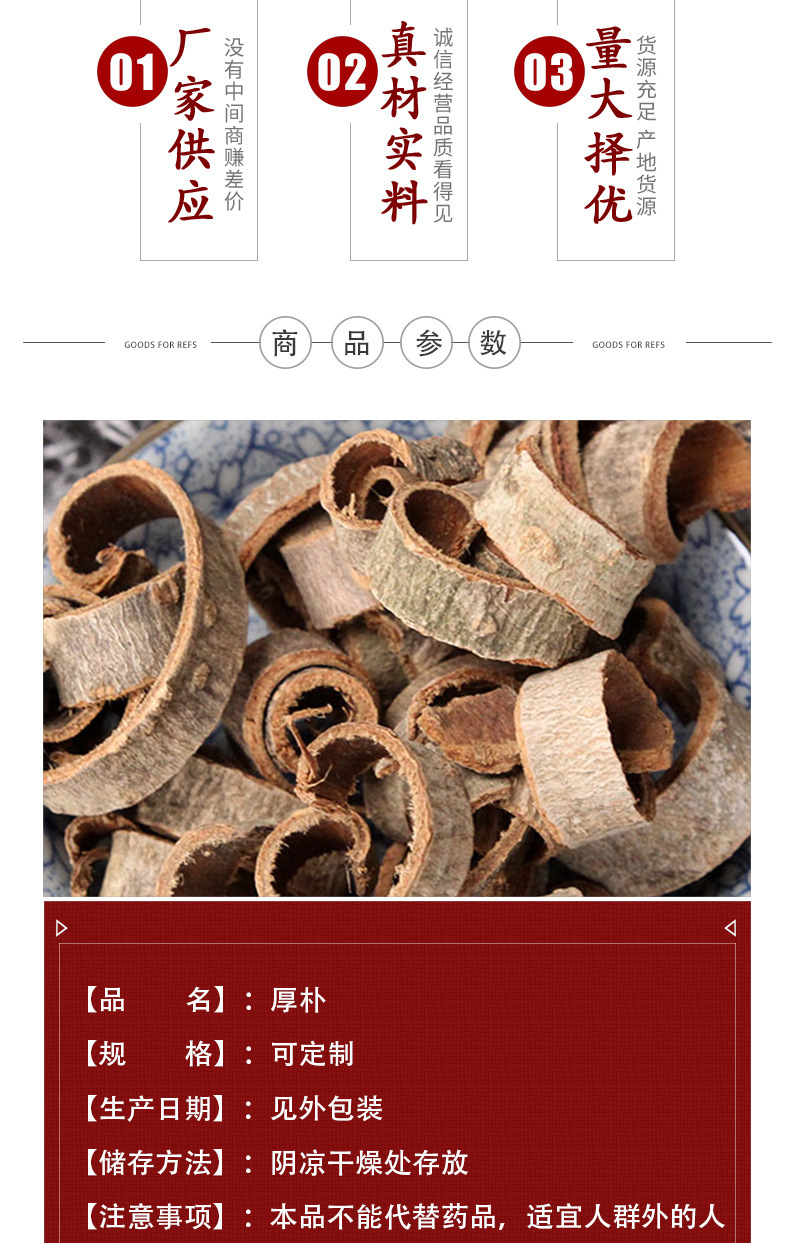
The bark pieces are typically brown to grey-brown with a fibrous, slightly rough texture and a mild woody aroma. After decocting, the liquid is typically light amber with a bitter, pungent taste and a faint aromatic note.
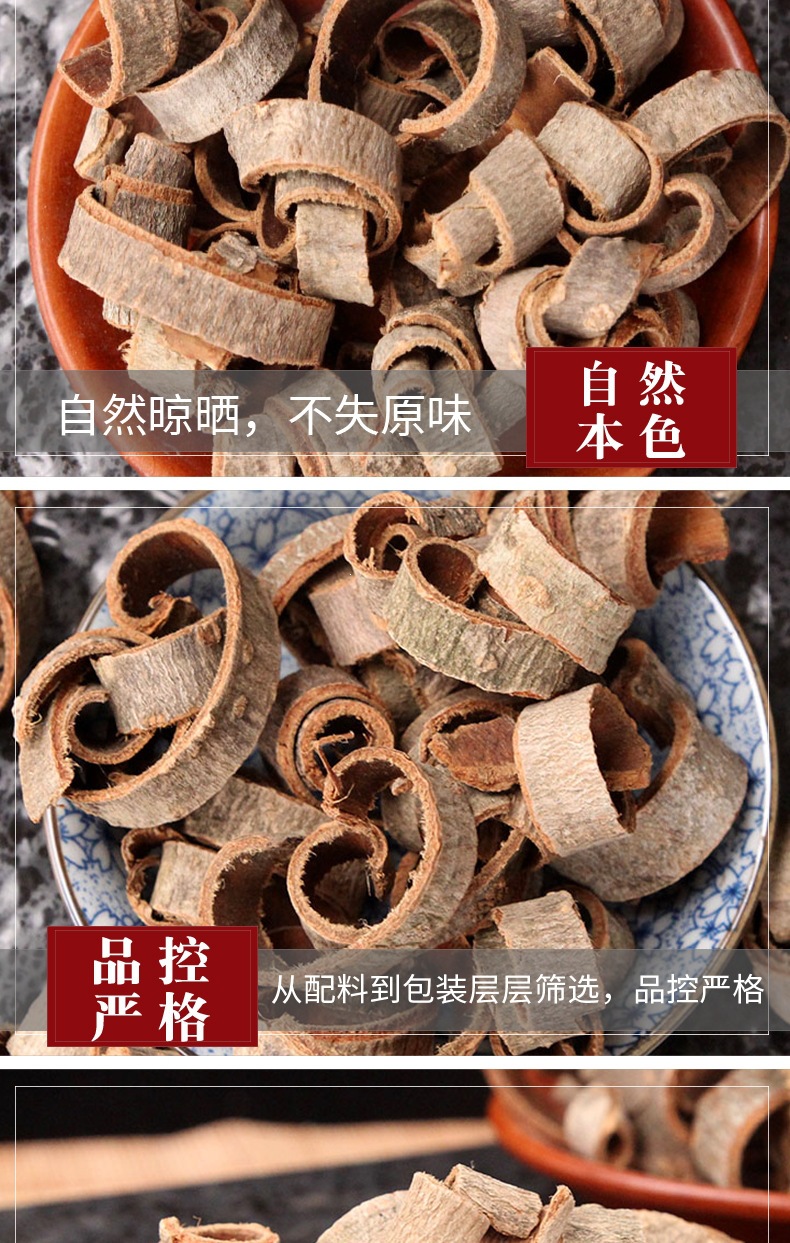
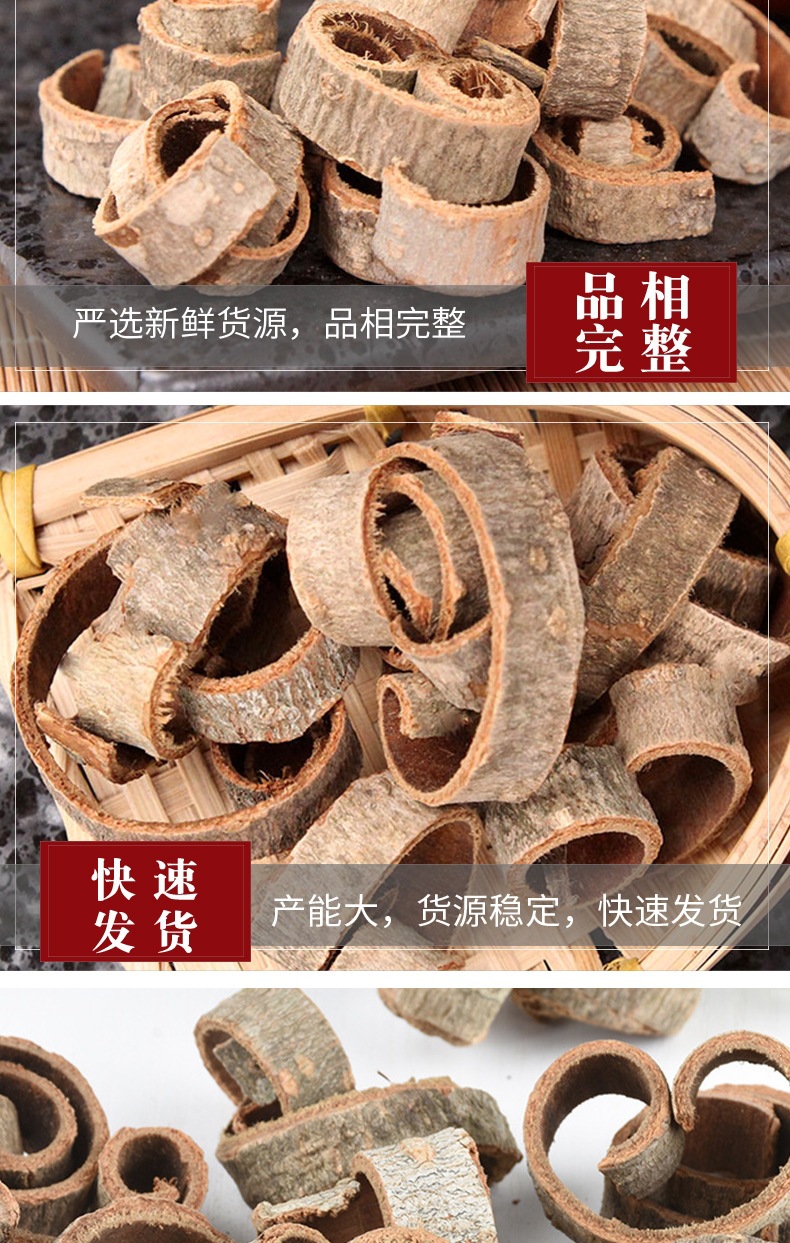
Technical Specifications
| Product Type | Dried herbal decoction pieces |
|---|---|
| Chinese Name | 厚朴 |
| Pinyin | Hou Po |
| Botanical Name | Magnolia officinalis |
| Plant Part | Bark |
| Net Weight | 250 g |
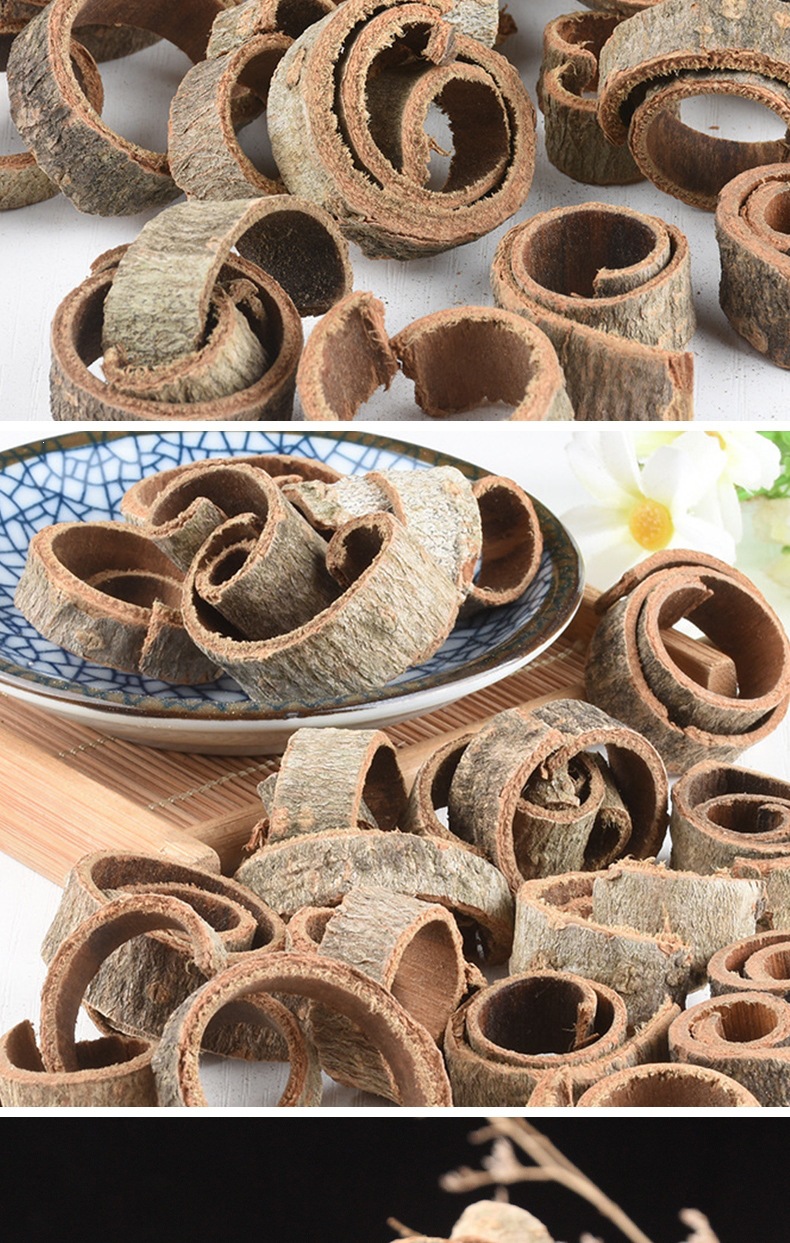
Usage Scenarios
- Added to traditional Chinese herbal decoctions
- Simmered in soups or congee
- Used in seasonal warming food preparations
- Combined with other herbs in custom formulas
Traditional Uses
In TCM theory, Hou Po is traditionally used to move qi, dry dampness and support digestive comfort. It is often decocted with herbs such as Chen Pi or Zhi Shi in formulas for occasional bloating or sluggish digestion. Folk practice also adds it to soups and congee for its aromatic, warming character.
FAQ Q&A
Q: What is this product?
A: It is dried, peeled Magnolia officinalis bark, known in TCM as Hou Po (厚朴), sold as decoction pieces.
Q: What is its traditional value?
A: In TCM theory it is considered warm, bitter and pungent, traditionally associated with moving qi and supporting digestive comfort.
Q: How is it commonly prepared?
A: It is usually simmered in water as part of a herbal decoction or added to soups and congee. Do not use if allergic to it.
Additional information
| Weight | N/A |
|---|---|
| Dimensions | N/A |
| Model | 选装厚朴100克, 选装厚朴250克, 选装厚朴500克, 选装厚朴1000克, 选装厚朴2000克 |
Related products
-
Astragalus Root Slices Huang Qi 斜片 Dried Herb for Decoction Soup and Tea 500g
Price range: $6.06 through $19.51 -
Dried Ginger Root Gan Jiang 500g Bulk Chinese Herb Zingiber officinale Rhizome for Decoction and Culinary Use
$5.90 -

Fritillaria Bulb Chuan Bei Mu Dried Chinese Herbal Bulbs for Decoction and Traditional Use 500g
Price range: $18.06 through $94.21 -
Dried Cinnamon Bark Rou Gui 500g Whole Peeling Culinary Spice and Traditional Herbal Ingredient
Price range: $5.58 through $8.33
Reviews
There are no reviews yet.