
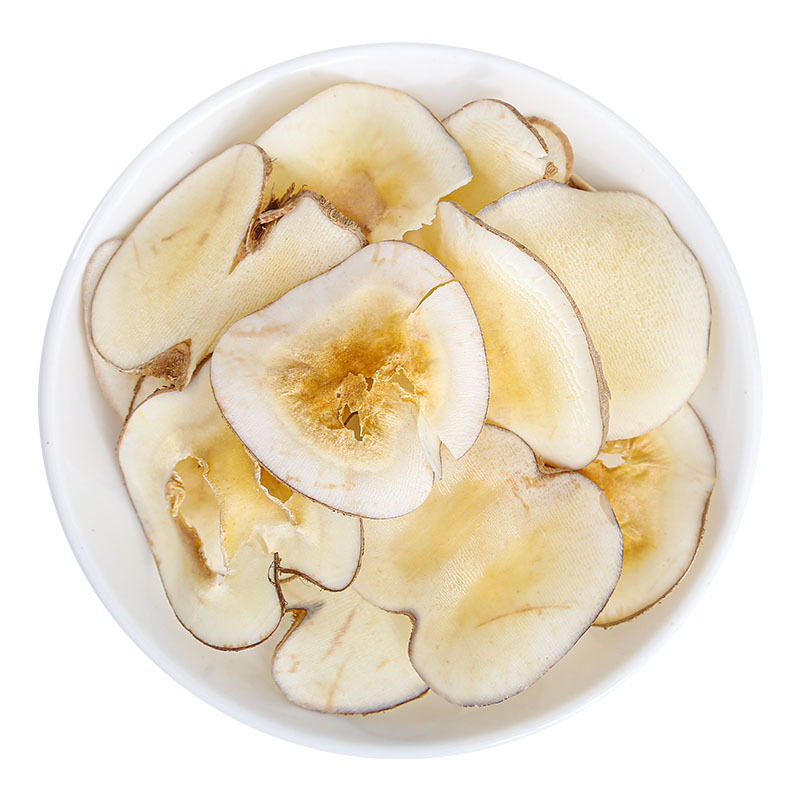
Hai Di Ye Slices (Borassus flabellifer) — Dried Sea Coconut for Cantonese Soup
$5.60
1304 in stock
Description
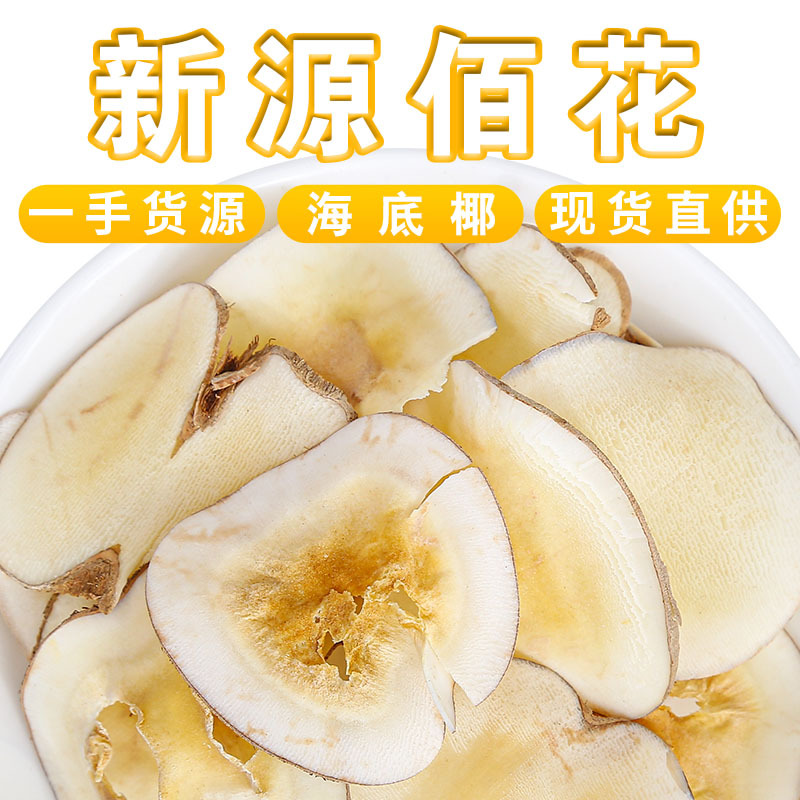
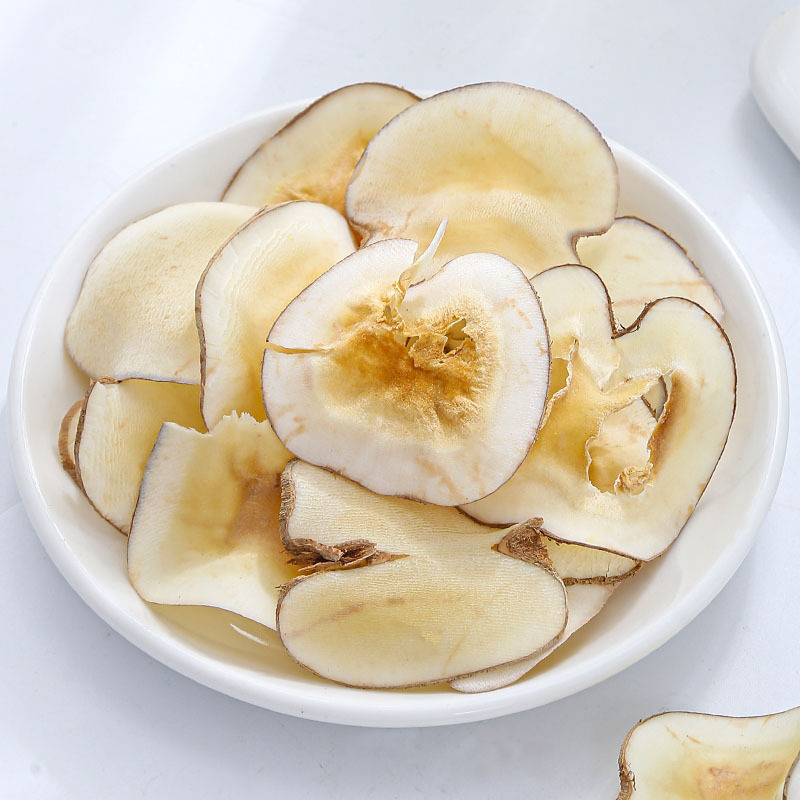
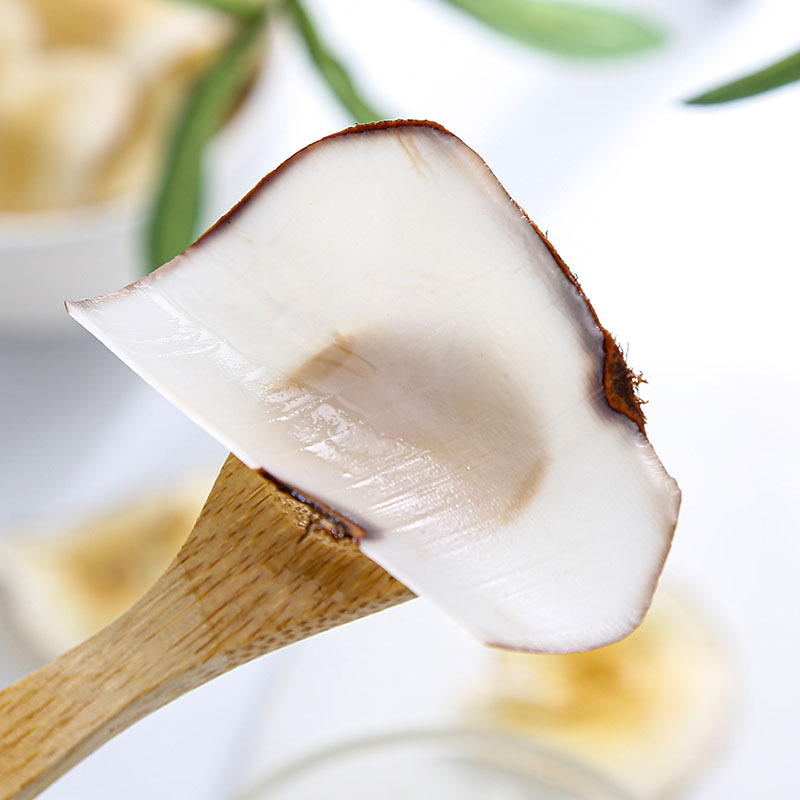
Hai Di Ye Slices (Borassus flabellifer), known in Traditional Chinese Medicine (TCM) as Hǎi Dǐ Yē (海底椰), are the dried, sliced fruit of a palm traditionally prized as a moistening, yin-nourishing food herb. Also called Sea Coconut or Palmyra Palm Fruit, Hai Di Ye has been used for generations in Cantonese slow-simmered soups, where it is valued as a gentle, sweet-natured ingredient for moistening dryness and supporting fluid balance. Its nature is sweet and neutral, making it a mild yet nourishing addition to everyday soup and tea preparations.

Key Selling Points
- Traditional yin-nourishing food herb
- Dried Sea Coconut slices
- Borassus flabellifer
- Classic Cantonese soup ingredient
- New-crop, Grade 1 quality
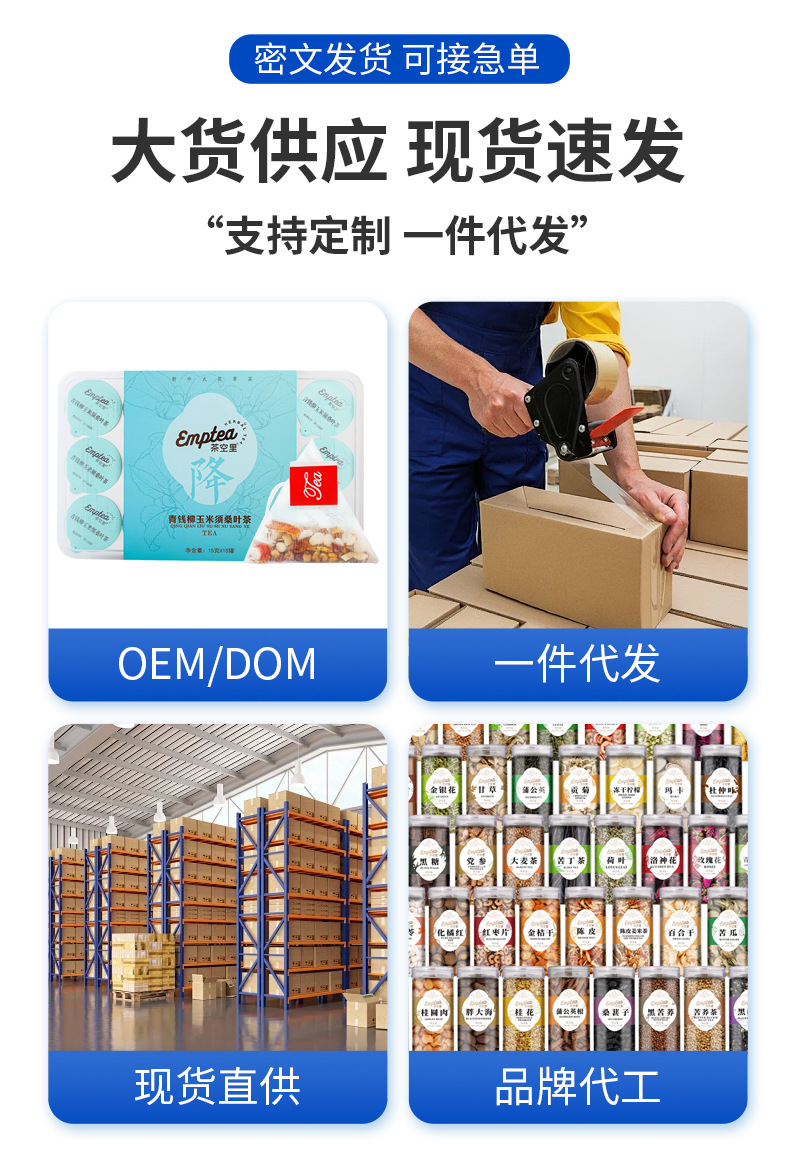

Quality & Sensory
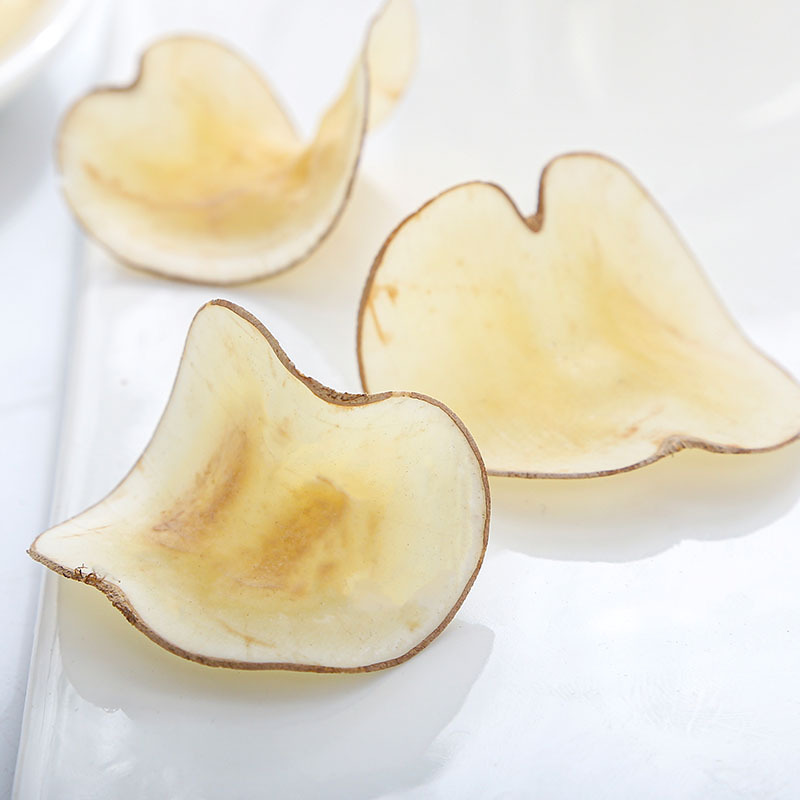
Each batch is carefully sliced and dried to preserve its pale ivory to light amber color, firm yet slightly translucent texture, and mild, faintly sweet aroma. When simmered, the slices soften and release a gentle, subtly sweet flavor that adds body and a silky mouthfeel to broths without overpowering other ingredients.


Technical Specifications
| Product Type | Dried Fruit Slices |
|---|---|
| Common Name | Hai Di Ye (Sea Coconut) |
| Botanical Name | Borassus flabellifer |
| Form | Dried Slices |
| Net Weight | 500g |
| Shelf Life | 12 months |


Usage Scenarios
- Cantonese-style slow-simmered soup
- Herbal tea blends
- Congee and grain porridge
- Seasonal nourishing tonics
- Commercial soup-base ingredient


Traditional Uses
In folk herbal practice, Hai Di Ye is decocted into soups, sweet broths, and gentle tonics to support daily nourishment during dry seasons. It is a classic ingredient in Cantonese soup packs, where it pairs with ingredients like apricot kernel, lily bulb, and pork or chicken. As a tea, it is brewed alone or blended with chrysanthemum and honey date for a light, mildly sweet infusion.

FAQ Q&A
Q: What is Hai Di Ye?
A: Hai Di Ye is the common Chinese name for dried fruit slices of Borassus flabellifer, also called Sea Coconut or Palmyra Palm Fruit. It is a traditional food herb used in soup and tea.
Q: What is the traditional wellness value of Hai Di Ye?
A: In traditional Chinese food wellness culture, Hai Di Ye is associated with nourishing yin, moistening dryness, and promoting fluid. It is often used in soups and teas for daily seasonal nourishment.
Q: How do I use dried Hai Di Ye slices?
A: Rinse the slices and simmer them with soup ingredients, or brew them in hot water as part of a tea blend. Adjust the quantity to your recipe and taste preference.

Additional information
| Weight | 1 kg |
|---|---|
| Dimensions | 25 × 18 × 8 cm |
Related products
-
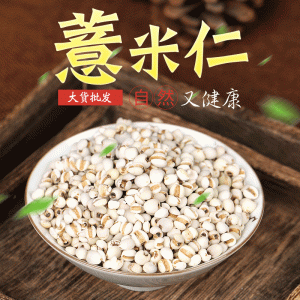
Yi Mi Ren (Coix Seed / Job’s Tears) — Guizhou Roasted Coix lacryma-jobi for Soup & Tea
Price range: $4.61 through $4.77 -
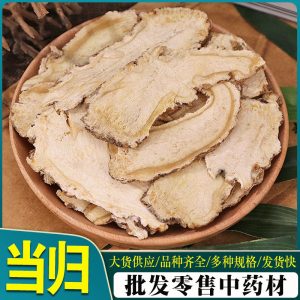
Dang Gui Slices (Angelica sinensis) — Minxian New-Crop Sulfur-Free Whole Root Slices, 500g
Price range: $5.42 through $11.57 -
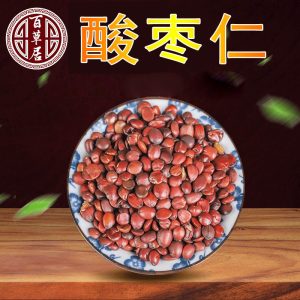
Suan Zao Ren (Ziziphus jujuba var. spinosa) — Hebei Stir-Fried & Raw Jujube Seed, 500g
Price range: $5.74 through $81.25 -
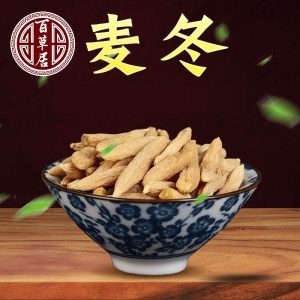
Mai Dong (Ophiopogon japonicus) Dried Root — Unsulfured Food Herb for Tea & Soup
Price range: $5.58 through $14.00
Reviews
There are no reviews yet.