
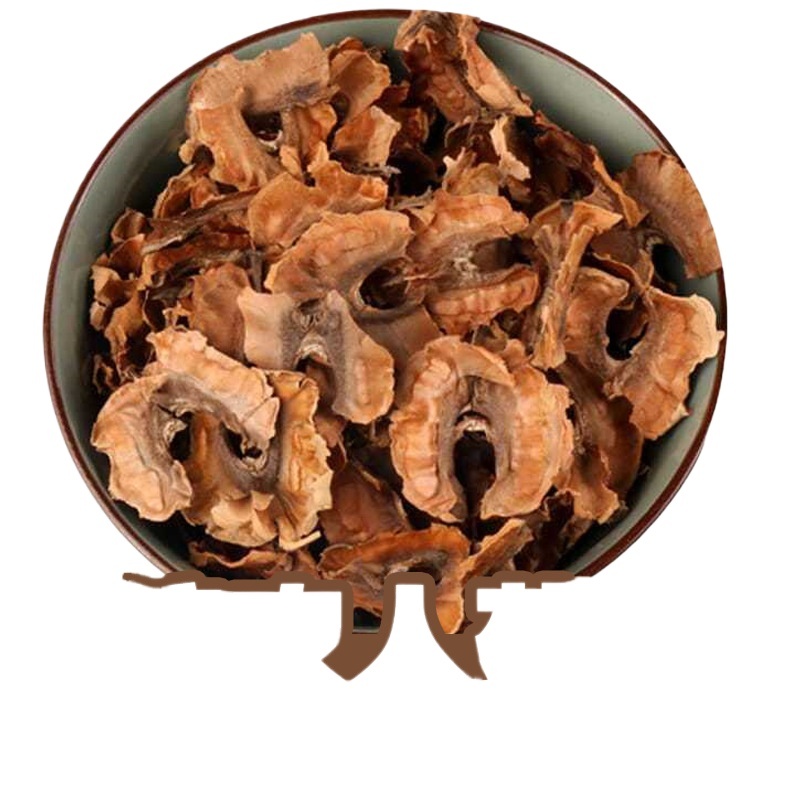
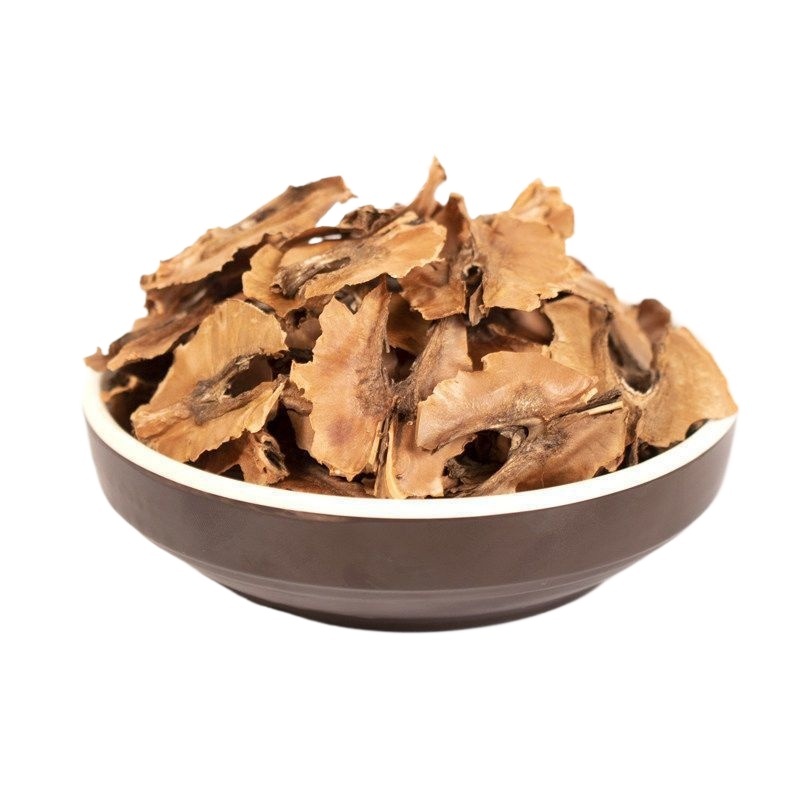
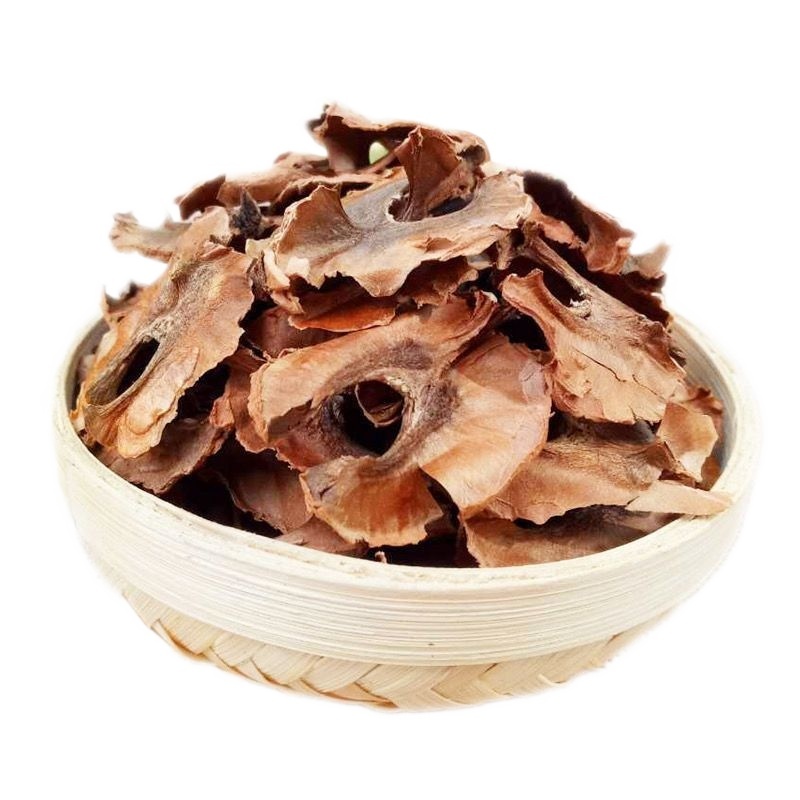
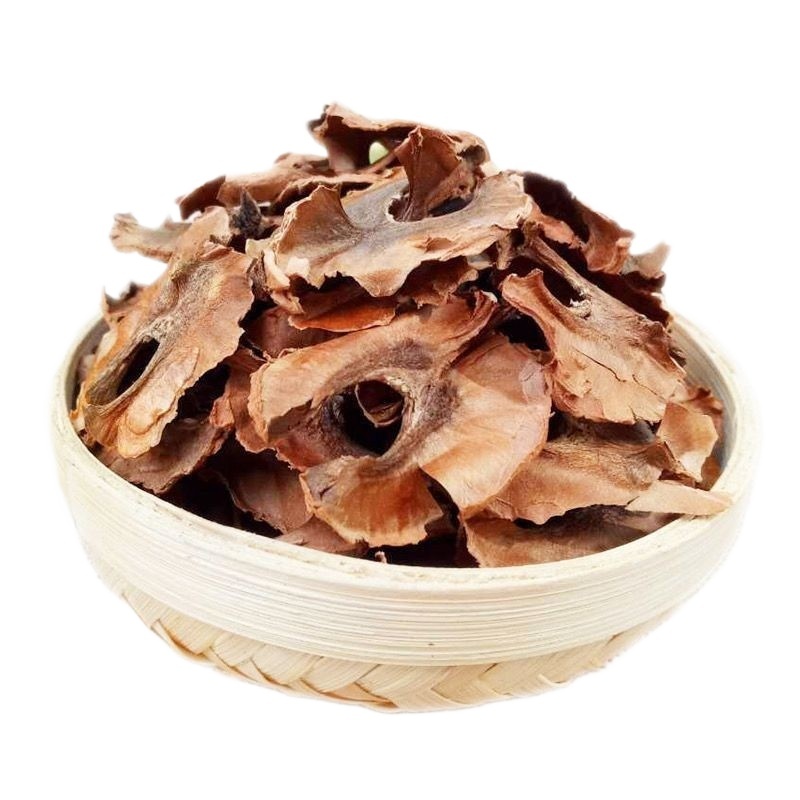
Fenxinmu Dried Walnut Septum 500g Traditional Chinese Herb for Herbal Tea and Decoction
Price range: $5.59 through $14.15
Description
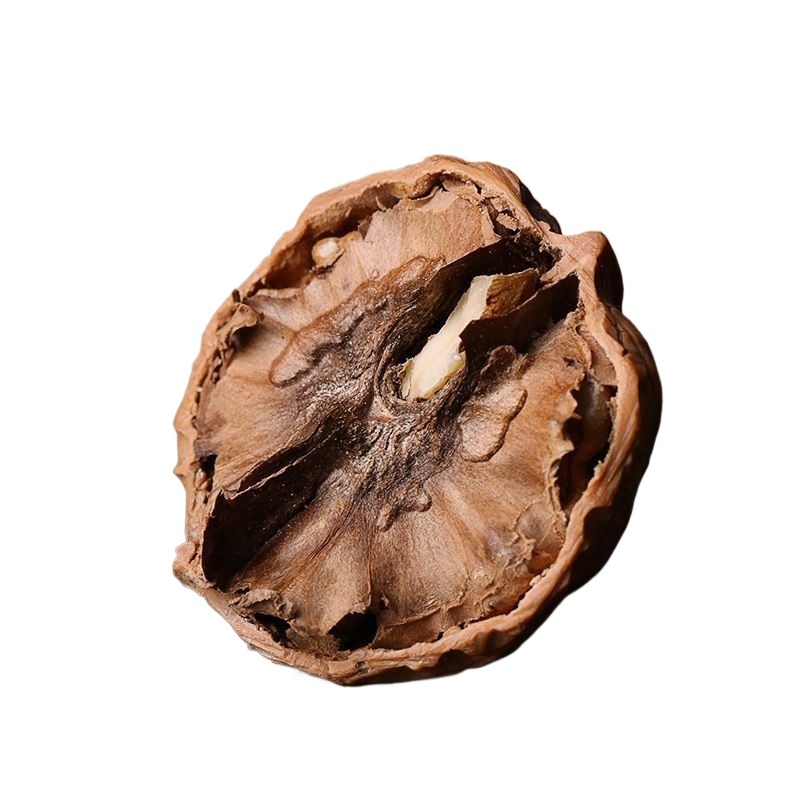
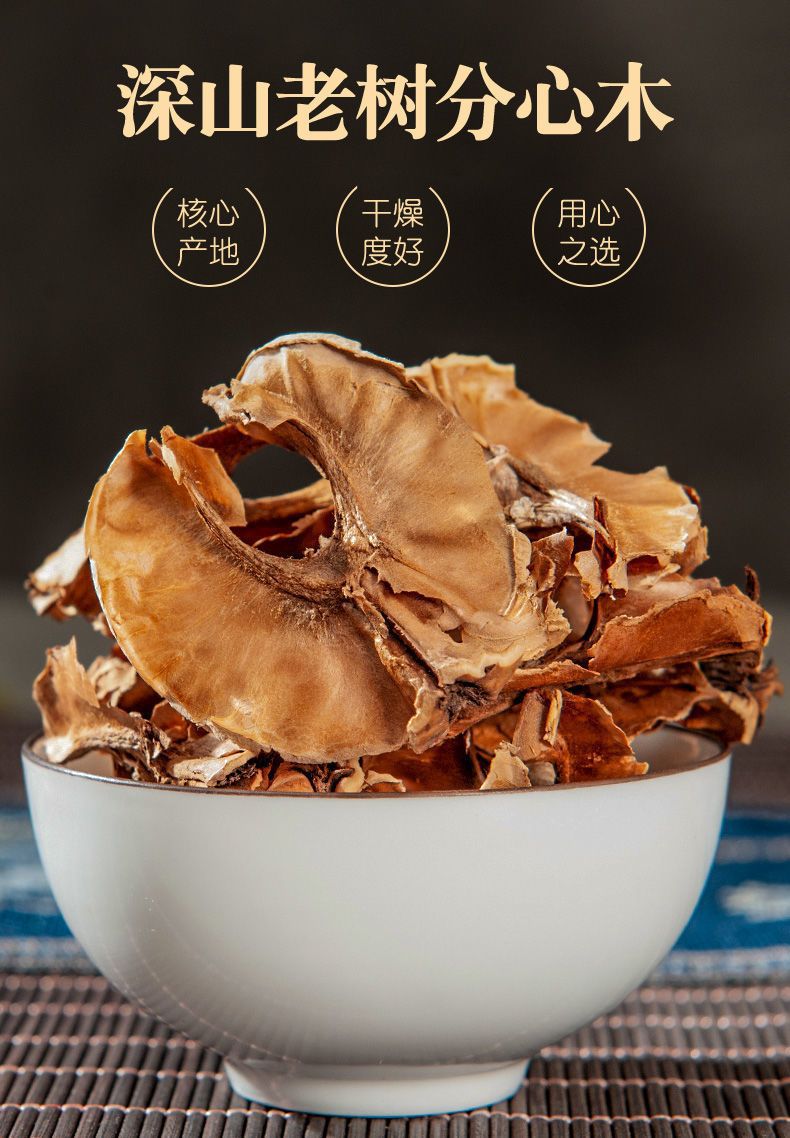
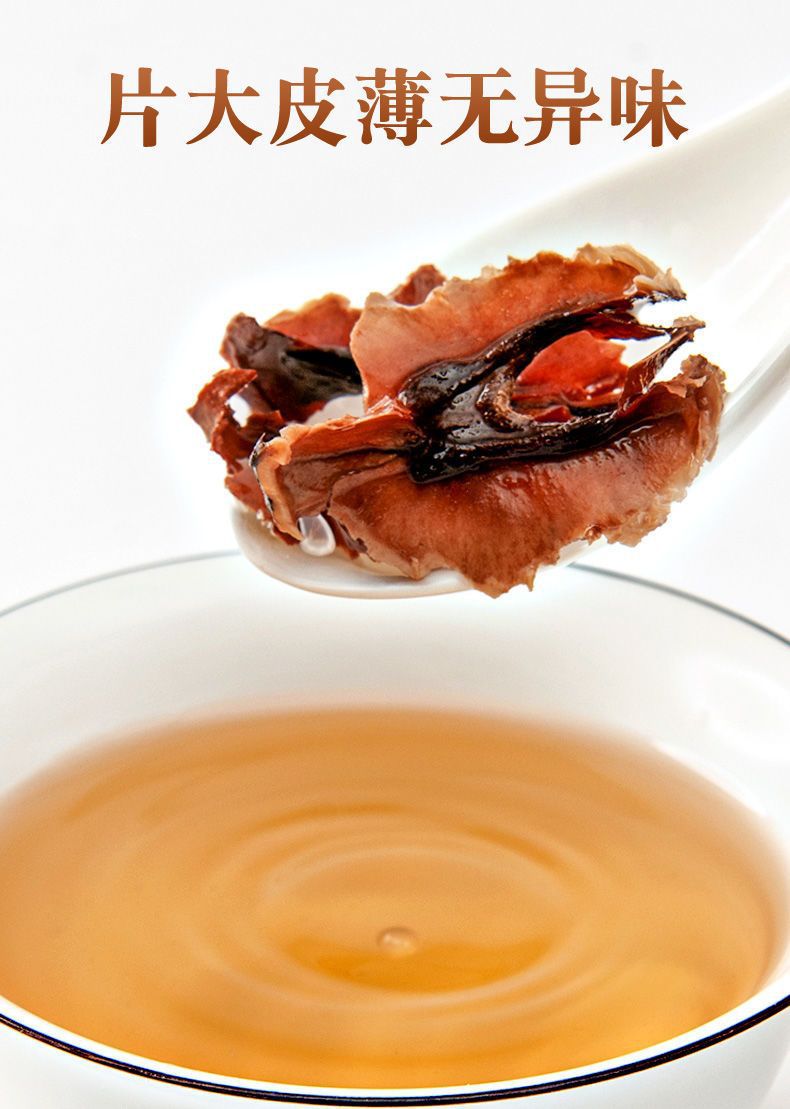
Fenxinmu (分心木), the dried woody septum of Juglans regia, is the thin partition found inside walnut shells. In TCM it is traditionally associated with the kidney and used in gentle herbal teas and decoctions. This food-grade processed herb is typically simmered or steeped alone or with other botanicals. Store at room temperature in a dry place and use within 12 months.

Key Selling Points
- Dried walnut septum known in TCM as Fenxinmu (分心木)
- Botanical source Juglans regia, the common walnut tree
- Food-grade processing suitable for herbal tea and decoction use
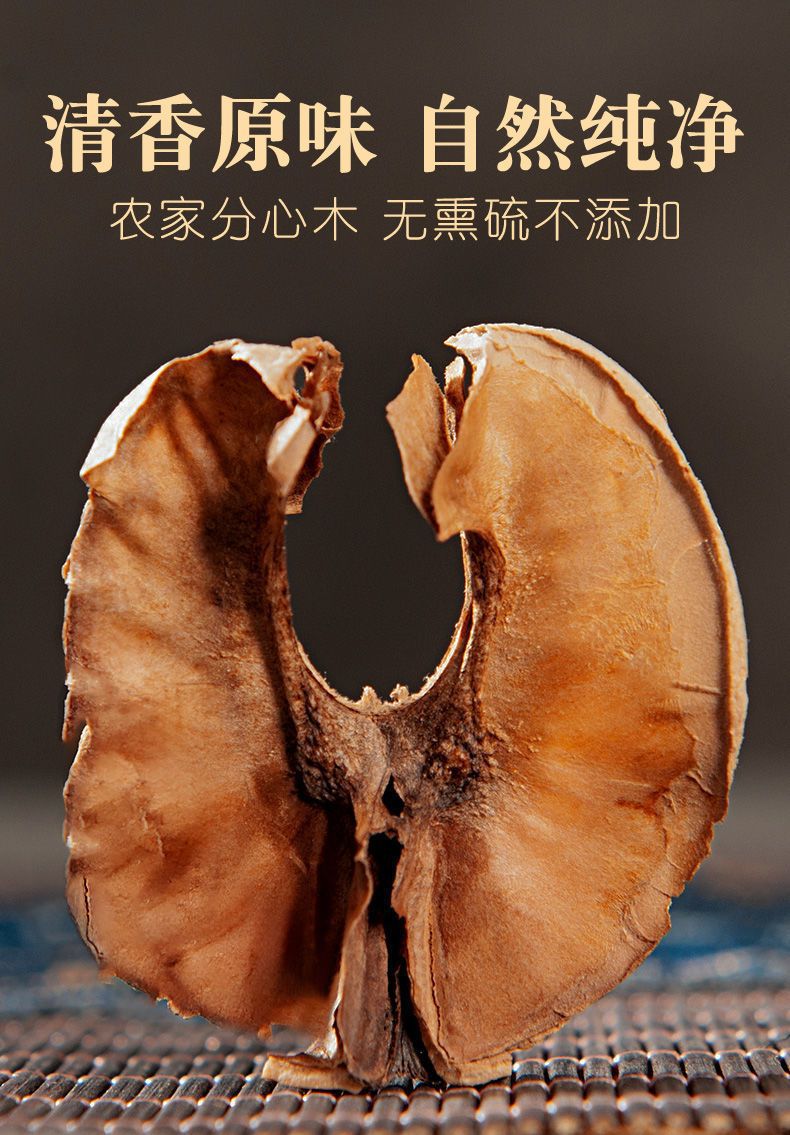
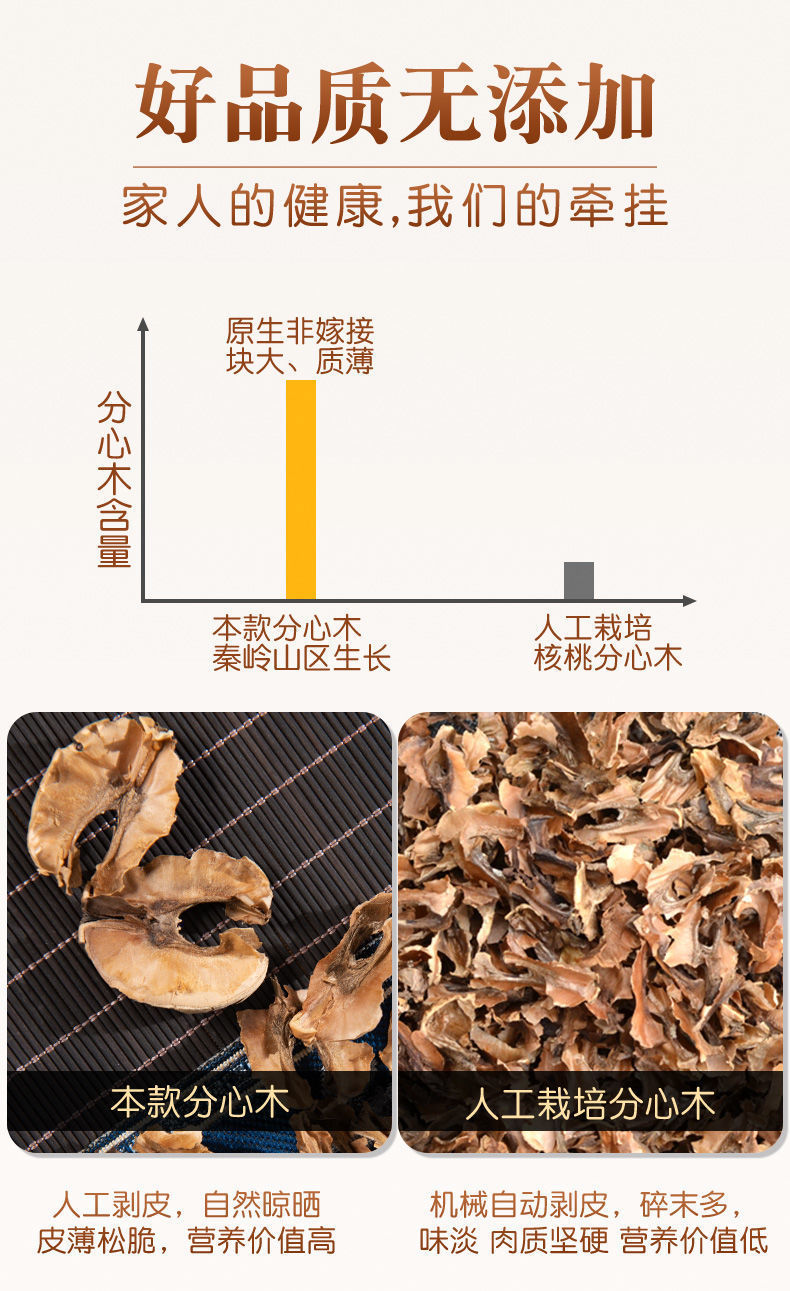
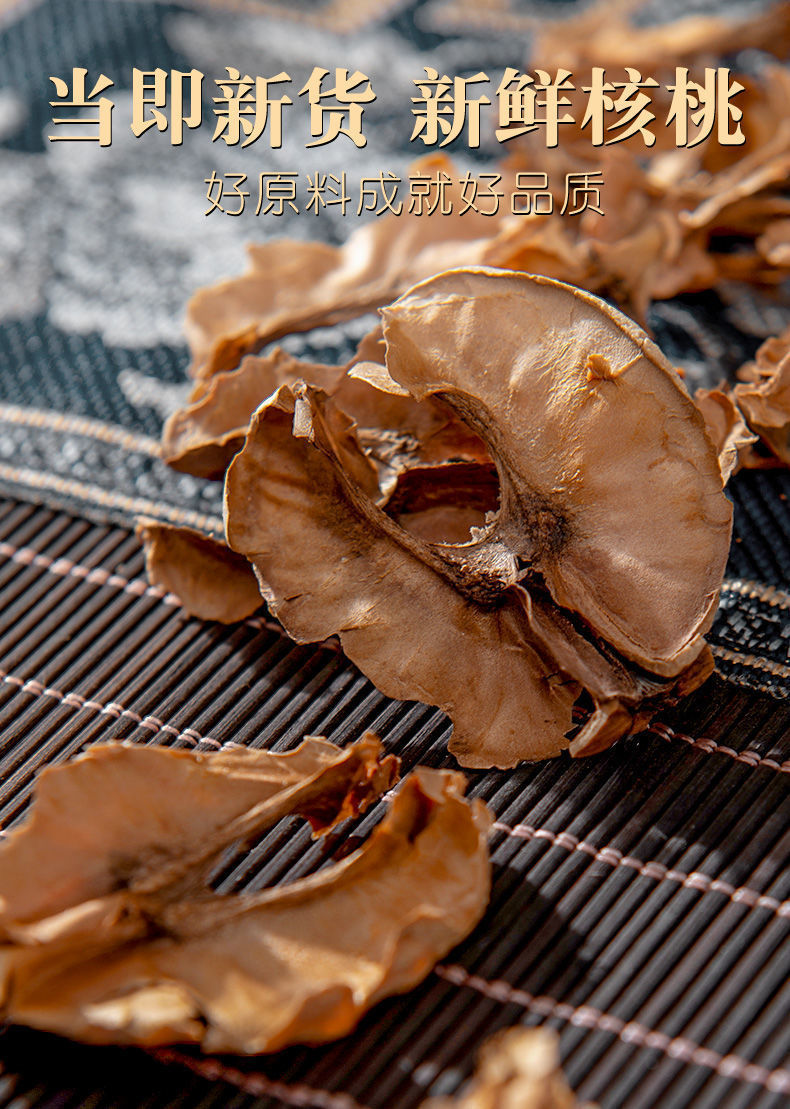
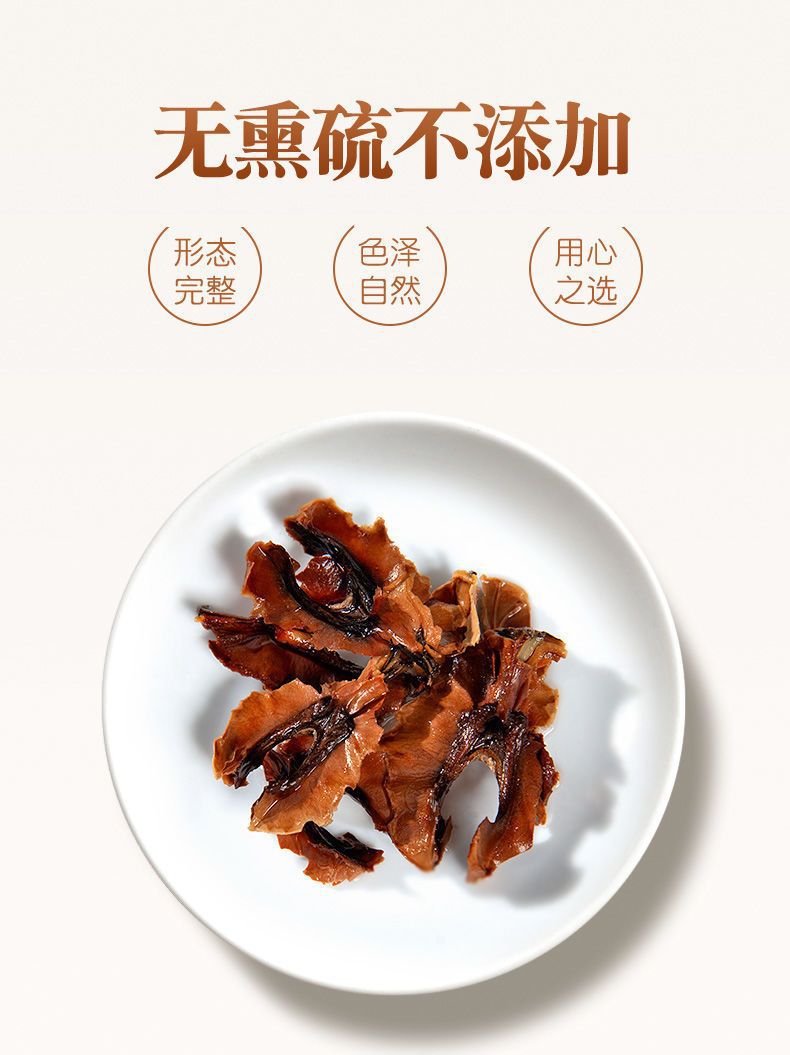
- Woody, papery partitions naturally separated from walnut shells
- Traditionally simmered alone or paired with other kidney-associated herbs
Quality & Sensory
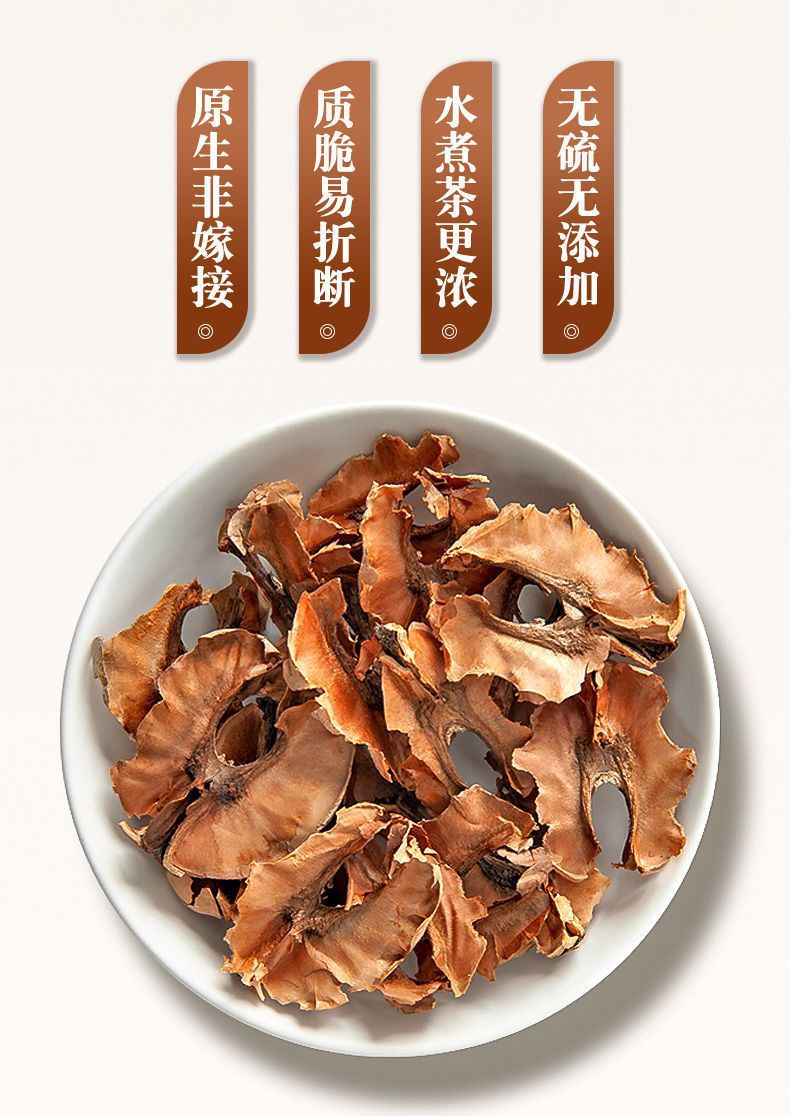
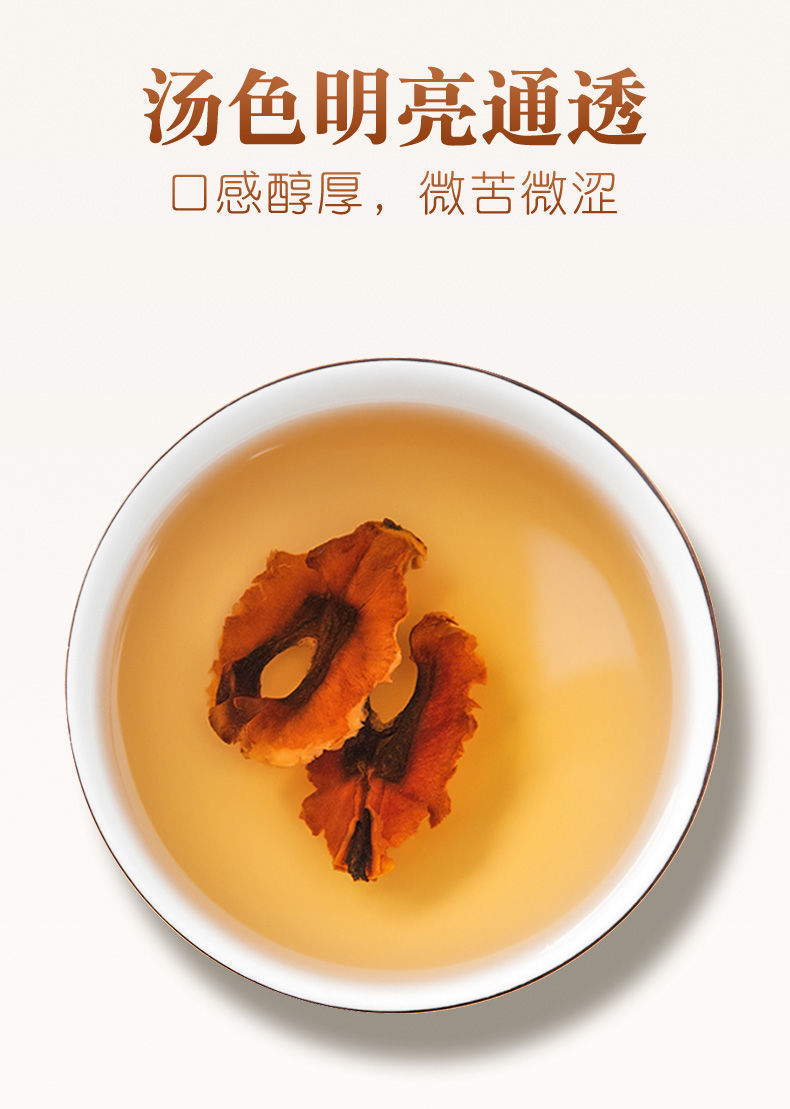
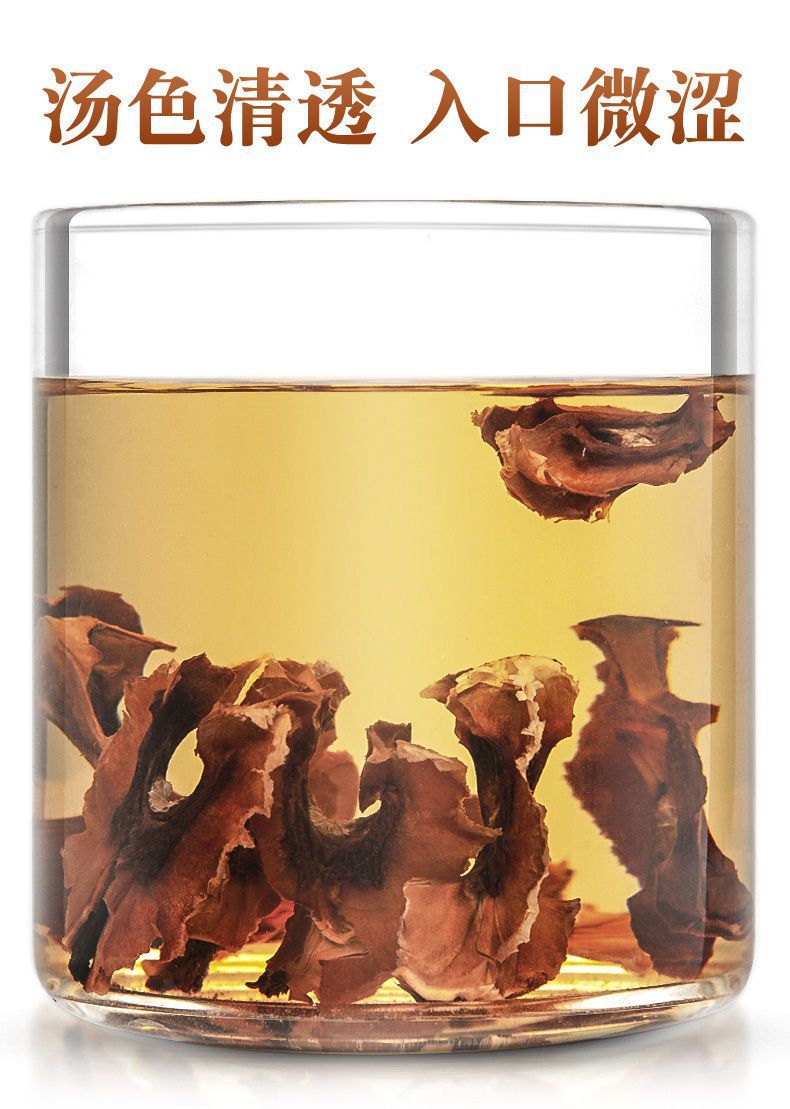
Typically light brown to tan, thin and papery with a slightly woody texture. The aroma is mild and nutty, and when simmered the infusion typically tastes gently earthy with a faint walnut-like note.
Technical Specifications
| Product Type | Dried Chinese herbal material |
|---|---|
| Chinese Name | 分心木 |
| Pinyin | Fenxinmu |
| Botanical Name | Juglans regia |
| Plant Part | Woody septum from inside the walnut shell |
| Processing | Food-grade preparation |
Usage Scenarios
- Simmered as a simple herbal decoction
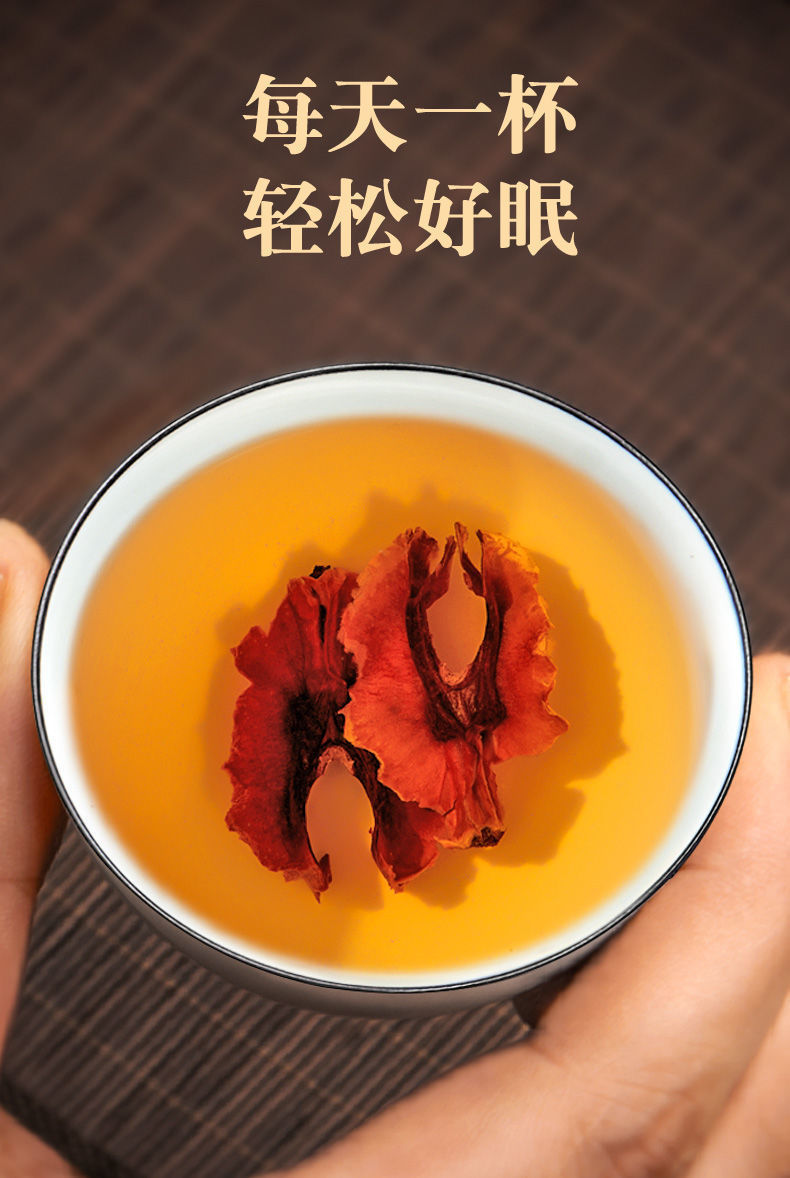
- Steeped as a mild daily herbal tea
- Added to herbal soup blends
- Combined with other TCM botanicals in traditional formulas
Traditional Uses
In TCM practice, Fenxinmu is traditionally associated with the kidney channel and has long been used in folk herbalism as a gentle tea or decoction. It is commonly simmered with red dates, longan, or goji berries, or steeped alone as a light daily infusion, particularly in autumn and winter wellness routines.

FAQ Q&A
Q: What is this product?
A: It is Fenxinmu (分心木), the dried woody septum or partition inside walnut shells, supplied as a food-grade Chinese herbal material.
Q: What is it traditionally used for?
A: In TCM theory it is traditionally associated with the kidney and used in folk practice as a gentle tea or decoction ingredient.
Q: How is it commonly prepared?
A: It is typically simmered in water for a decoction or steeped as a mild tea, often with dates, longan, or goji berries.
Additional information
| Weight | N/A |
|---|---|
| Dimensions | N/A |
| Packaging specifications | 100 grams, 250 grams, 500 grams, 1000 grams, 2000 grams |
Related products
-
Astragalus Root Slices Huang Qi 500g Dried Herb for Soups and Teas
Price range: $7.36 through $22.11 -
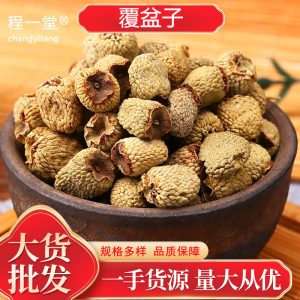
Dried Raspberry Fruit Fu Pen Zi 500g Whole Berries for Herbal Tea and Wine Infusion
Price range: $14.00 through $16.44 -
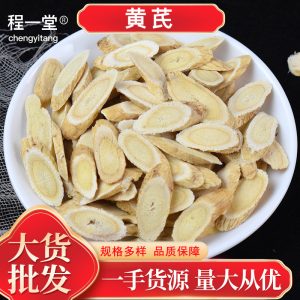
Astragalus Root Slices Huang Qi 斜片 Dried Herb for Decoction Soup and Tea 500g
Price range: $6.06 through $19.51 -
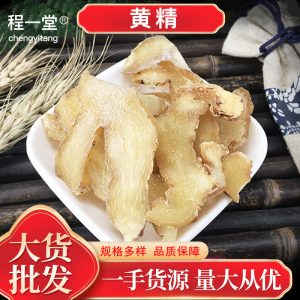
Dried Huang Jing Slices Polygonatum Rhizome Chicken Head Huang Jing 500g Bulk Herbal Tea and Soup Ingredient
Price range: $9.14 through $18.87
Reviews
There are no reviews yet.