
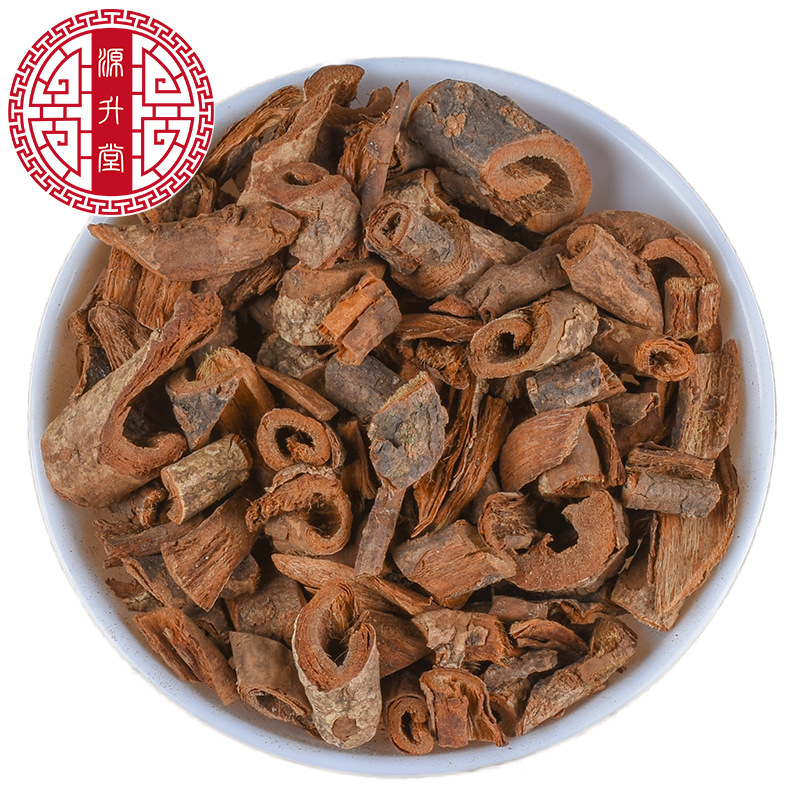
Dried Zi Jing Pi Chinese Redbud Bark Herbal Decoction Pieces 500g
$7.90
999999553 in stock
Description
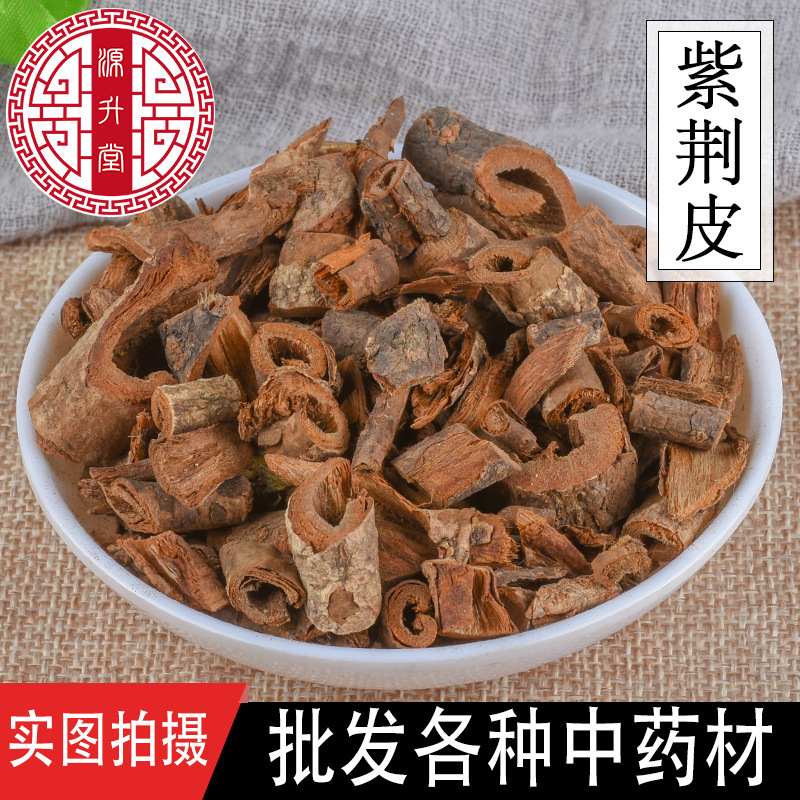
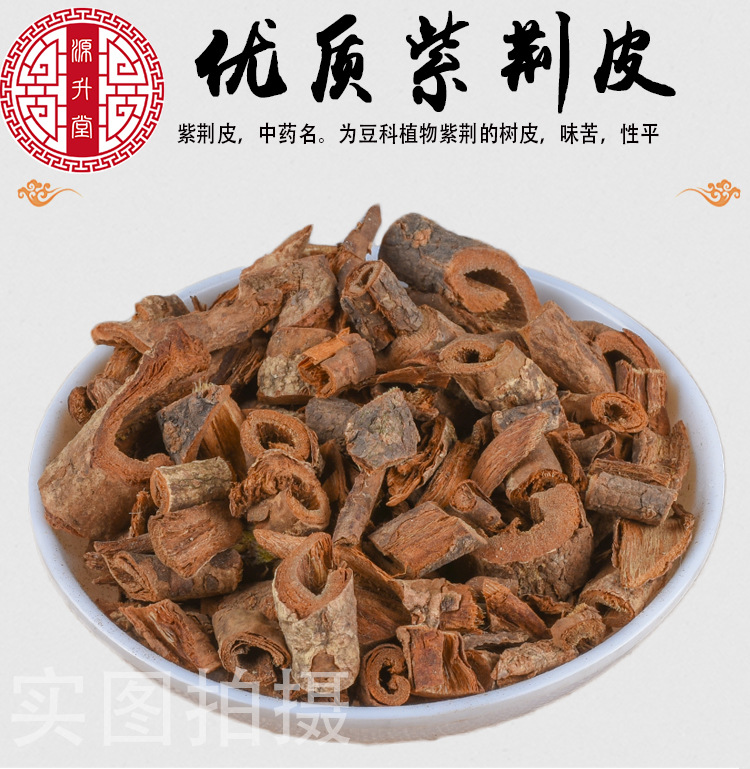
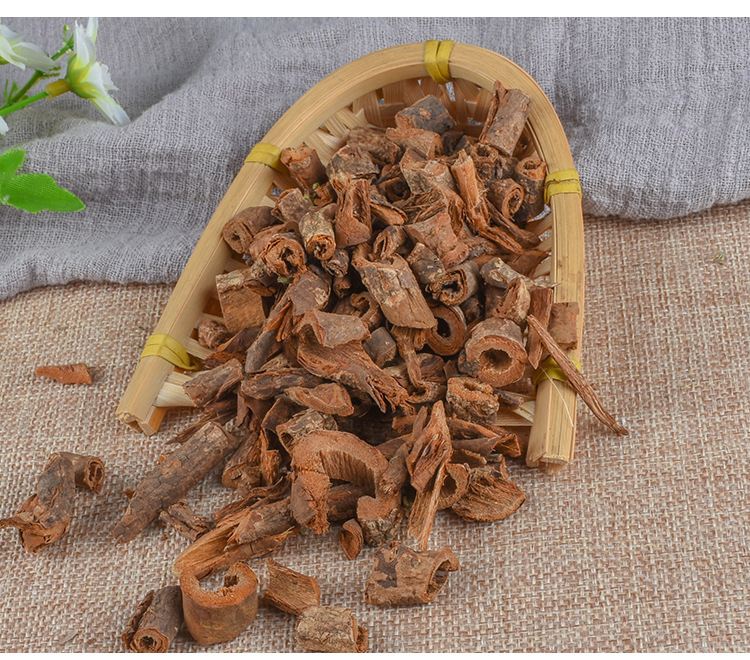
Dried Zi Jing Pi (紫荆皮), also known as Chinese Redbud Bark, is the bark of Cercis chinensis. In TCM theory it is considered acrid and neutral, entering the liver and spleen channels. Traditionally used in decoctions and herbal formulas, it is valued for its traditional role in supporting healthy blood circulation and soothing discomfort. This clean, sulfur-free bark is sold as a raw agricultural food product for home herbal preparation.


Key Selling Points
- Identified as Zi Jing Pi (紫荆皮), the bark of Cercis chinensis
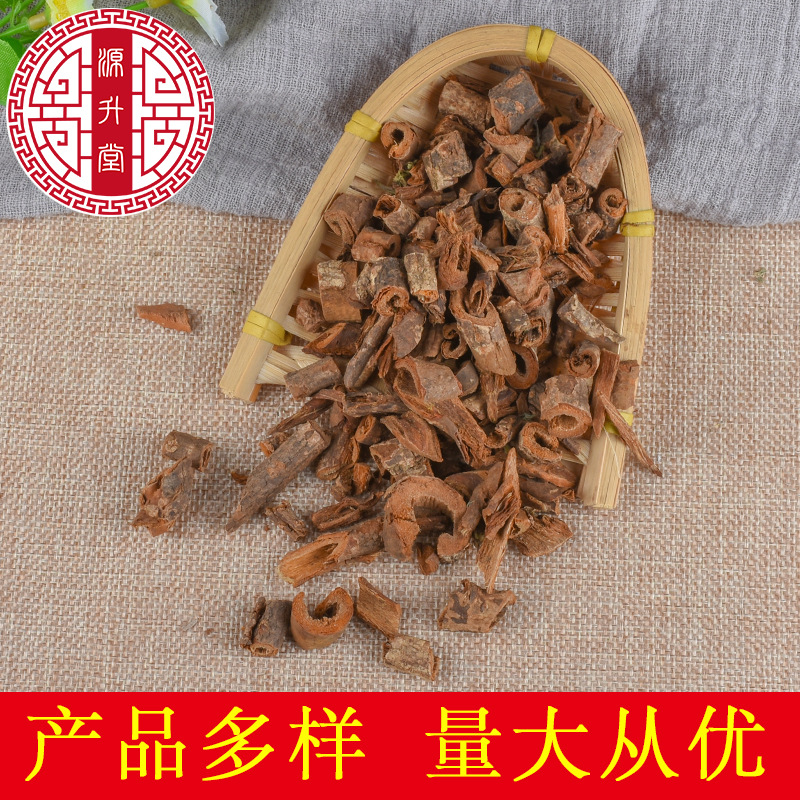
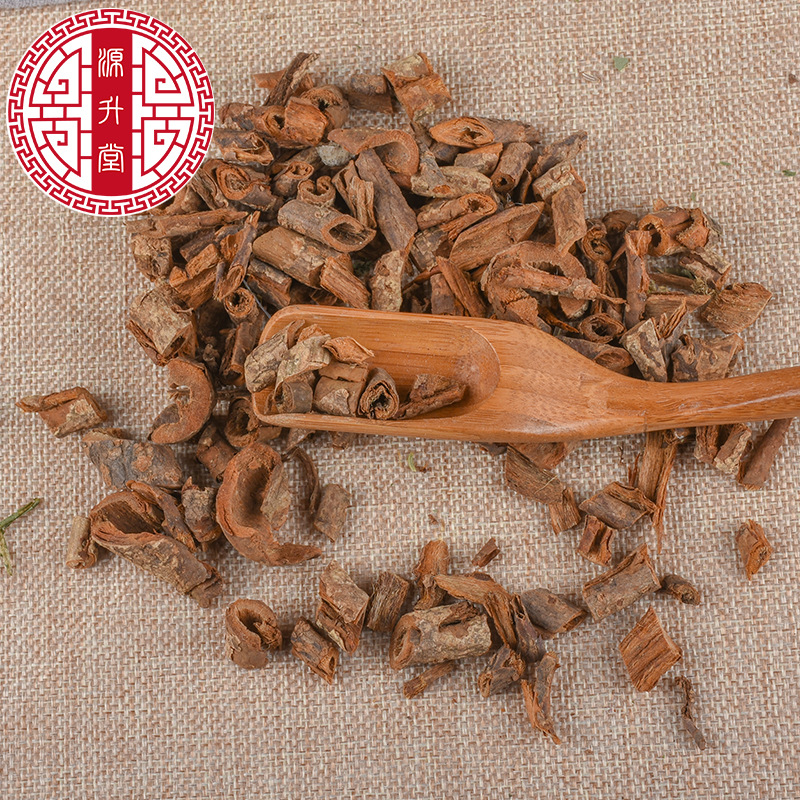
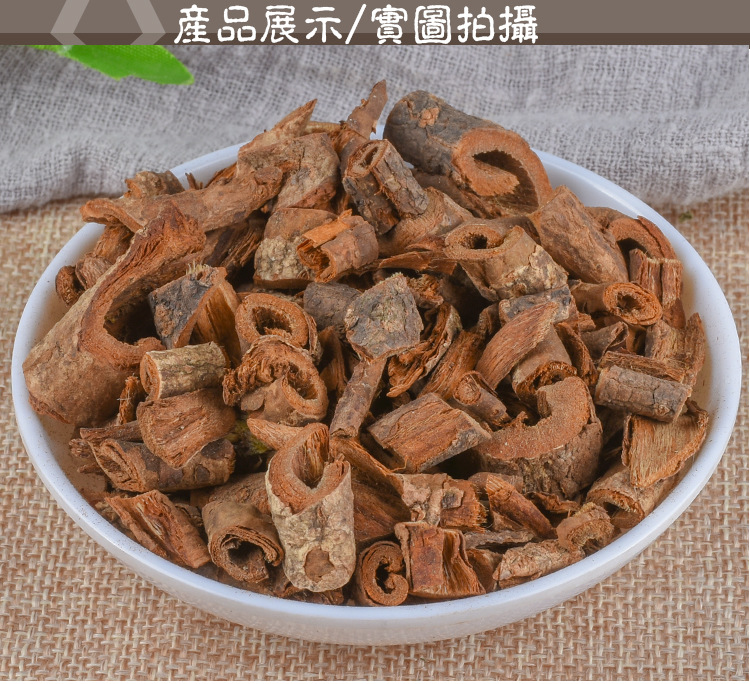
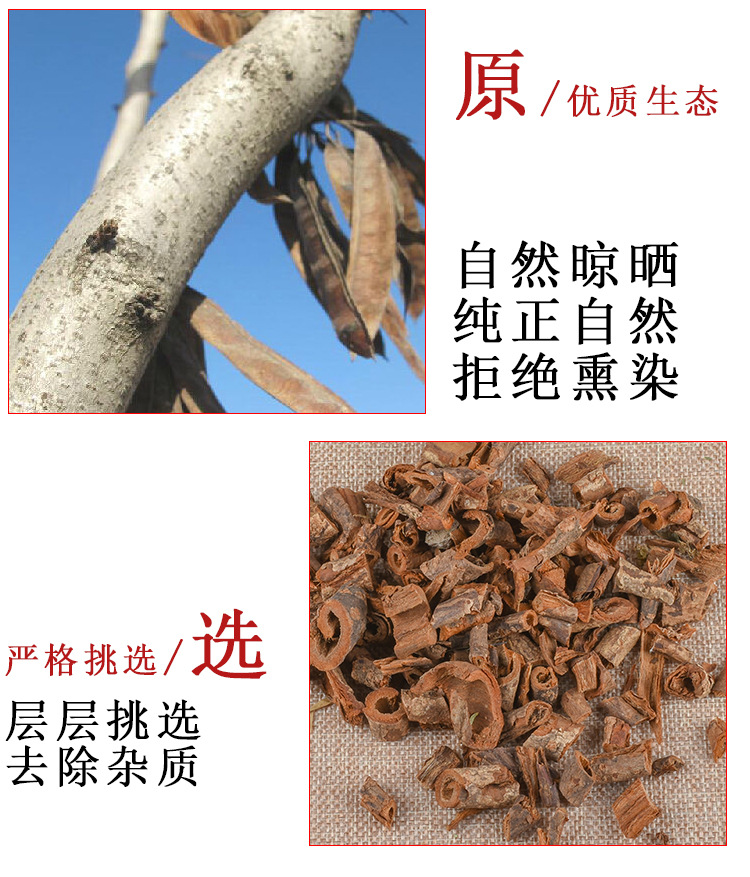
- Sulfur-free and carefully cleaned with no visible impurities
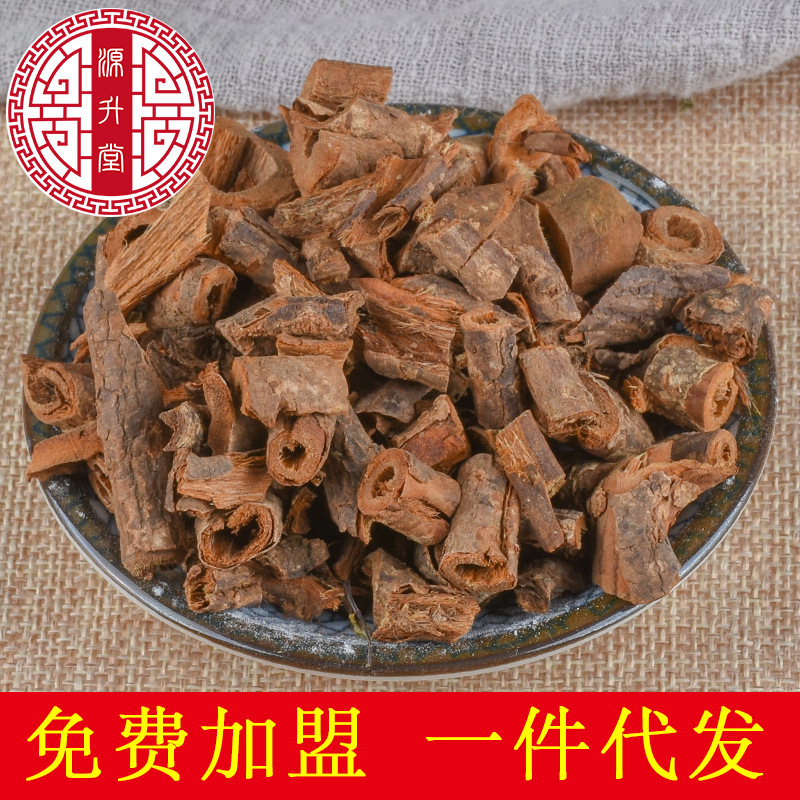
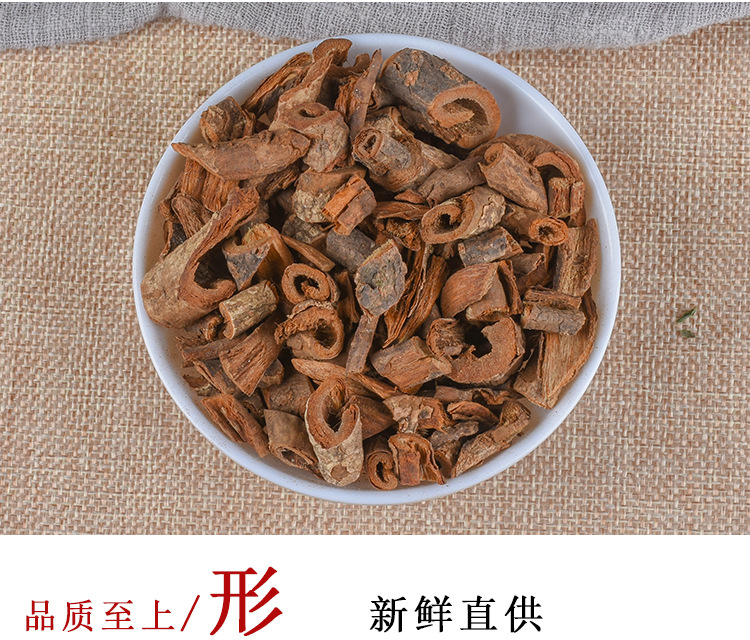
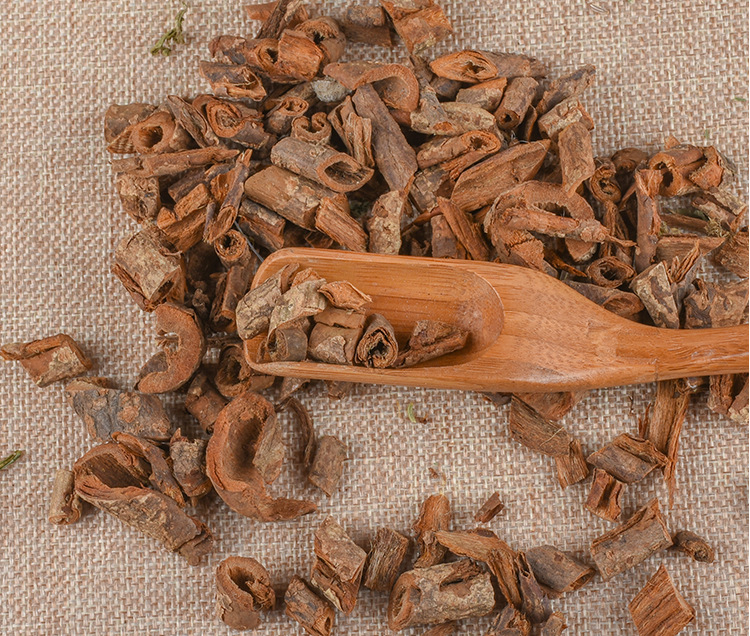
- Reddish flesh color indicating fresh, quality bark
- Sold as 500g loose bulk raw herb for decoctions
- Sourced from Hubei province and packed for everyday herbal use

Quality & Sensory
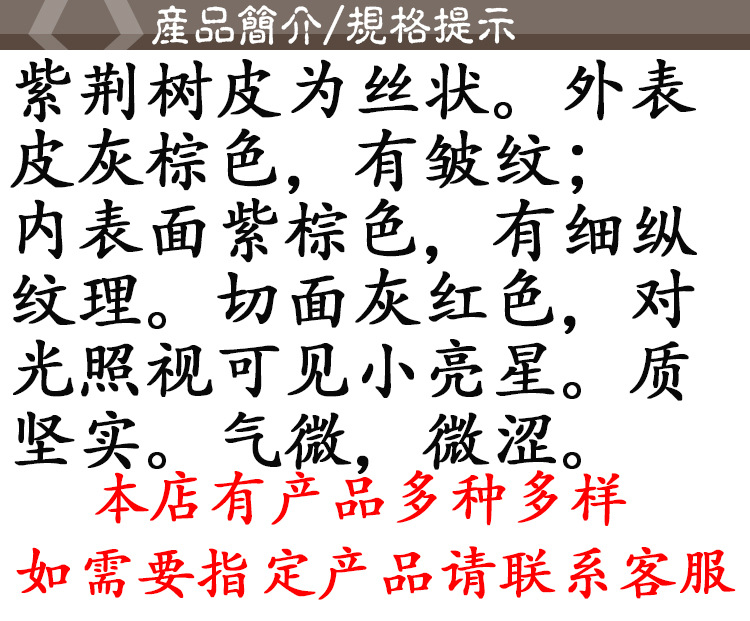
The bark typically shows a reddish inner flesh with a firm, fibrous texture and a mild, earthy aroma. When decocted, it yields a lightly astringent, woody brew with subtle bitterness. Color and texture may vary slightly between batches as a natural agricultural product.
Technical Specifications
| Product Type | Dried bark decoction pieces |
|---|---|
| Chinese Name | 紫荆皮 |
| Pinyin | Zi Jing Pi |
| Botanical Name | Cercis chinensis |
| Plant Part | Bark |
| Net Weight | 500g |


Usage Scenarios
- Added to traditional herbal decoctions
- Combined with other herbs in simmered soups
- Used in external herbal washes or soaks
- Included in custom herbal formulas


Traditional Uses
In TCM theory, Zi Jing Pi is traditionally used in decoctions for its acrid, neutral nature and its association with the liver and spleen channels. It is often paired with herbs that support healthy blood movement and is sometimes applied externally in washes. Traditional preparations typically involve simmering the bark in water for 20 to 30 minutes.



FAQ Q&A
Q: What is Zi Jing Pi?
A: Zi Jing Pi (紫荆皮) is the dried bark of Cercis chinensis, used as a traditional Chinese herbal decoction piece.
Q: What is its traditional value?
A: In TCM theory it is considered acrid and neutral, entering the liver and spleen channels, and is traditionally associated with supporting healthy blood circulation.
Q: How is it commonly prepared?
A: It is typically simmered in water as part of a decoction or added to herbal soups, often alongside other herbs.
Additional information
| Weight | 0.6 kg |
|---|---|
| Dimensions | 20 × 15 × 8 cm |
Related products
-
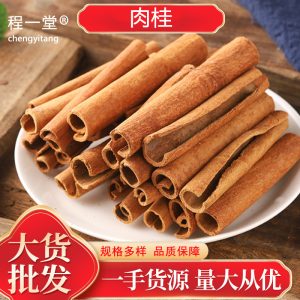
Dried Cinnamon Bark Rou Gui 500g Whole Peeling Culinary Spice and Traditional Herbal Ingredient
Price range: $5.58 through $8.33 -

Fritillaria Bulb Chuan Bei Mu Dried Chinese Herbal Bulbs for Decoction and Traditional Use 500g
Price range: $18.06 through $94.21 -
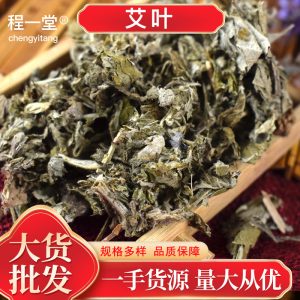
Dried Mugwort Leaf Ai Ye 500g Chinese Herbal Bath Foot Soak and Smoke Cleansing Herb
Price range: $4.77 through $5.25 -

Ningxia Goji Berries Gou Qi Zi 500g Dried Red Wolfberry for Tea Soup and Snacking
Price range: $7.20 through $16.44
Reviews
There are no reviews yet.