
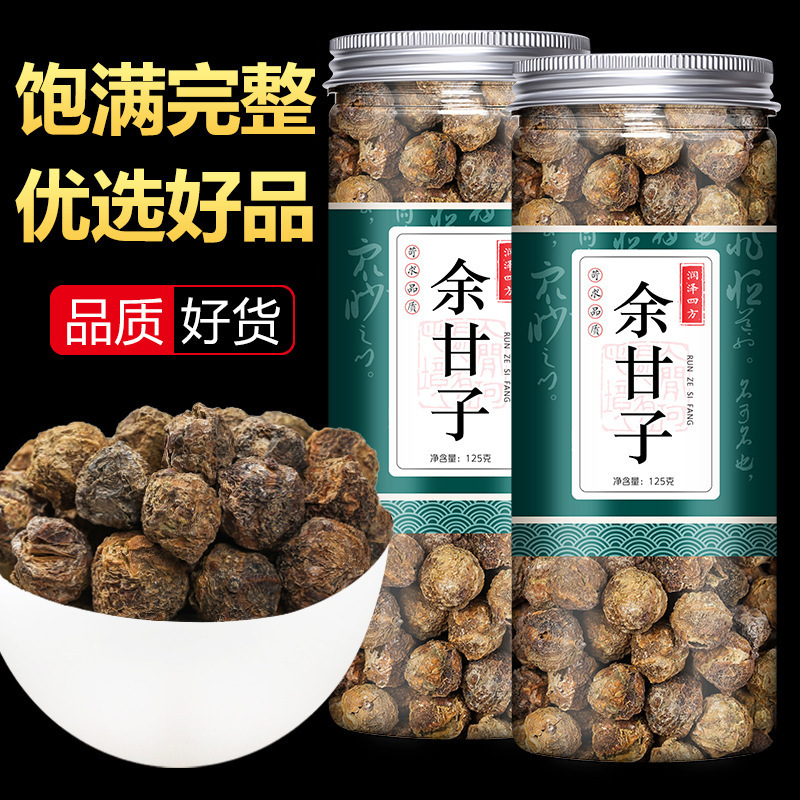
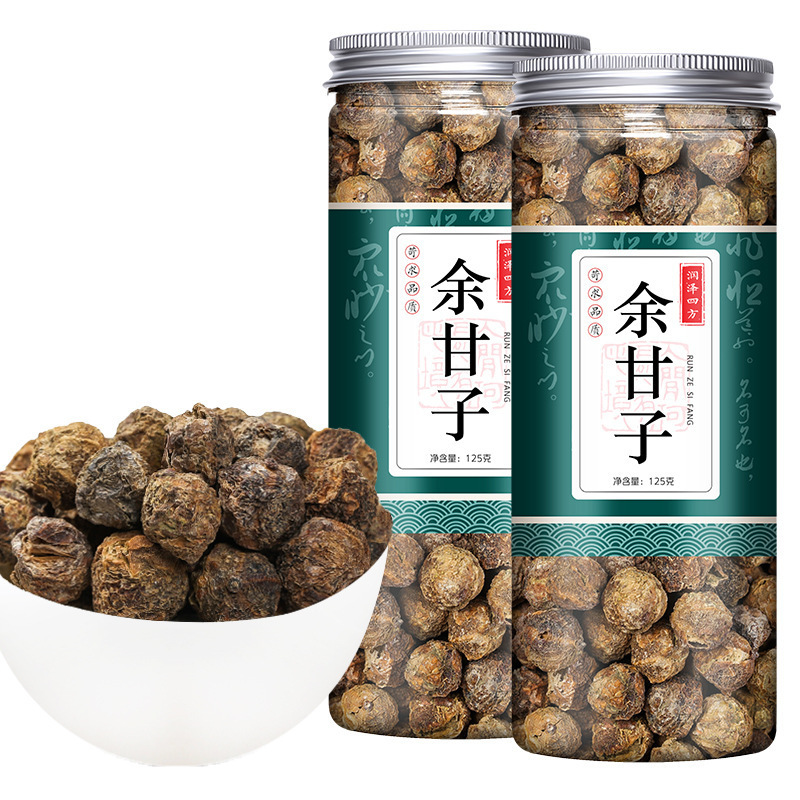
Dried Yuganzi Fruit Phyllanthus emblica Chinese Herbal Fruit 125g
$5.71
90000000 in stock
Description
Dried Yuganzi fruit, known in TCM as Yu Gan Zi (余甘子) and botanically as Phyllanthus emblica, is the dried fruit of the emblic tree. In TCM theory it is cool in nature with a sweet, sour, and astringent flavor, traditionally associated with the Lung and Stomach channels. It is commonly used as a raw herb for decoctions, teas, and soups, valued for its naturally sweet aftertaste.
Key Selling Points
- Identified in TCM as Yu Gan Zi (余甘子), the dried fruit of Phyllanthus emblica
- Naturally sweet and sour flavor with a distinctive lingering aftertaste
- Cool in nature and traditionally linked to the Lung and Stomach channels
- Dried whole fruit suitable for decoctions, teas, and soups
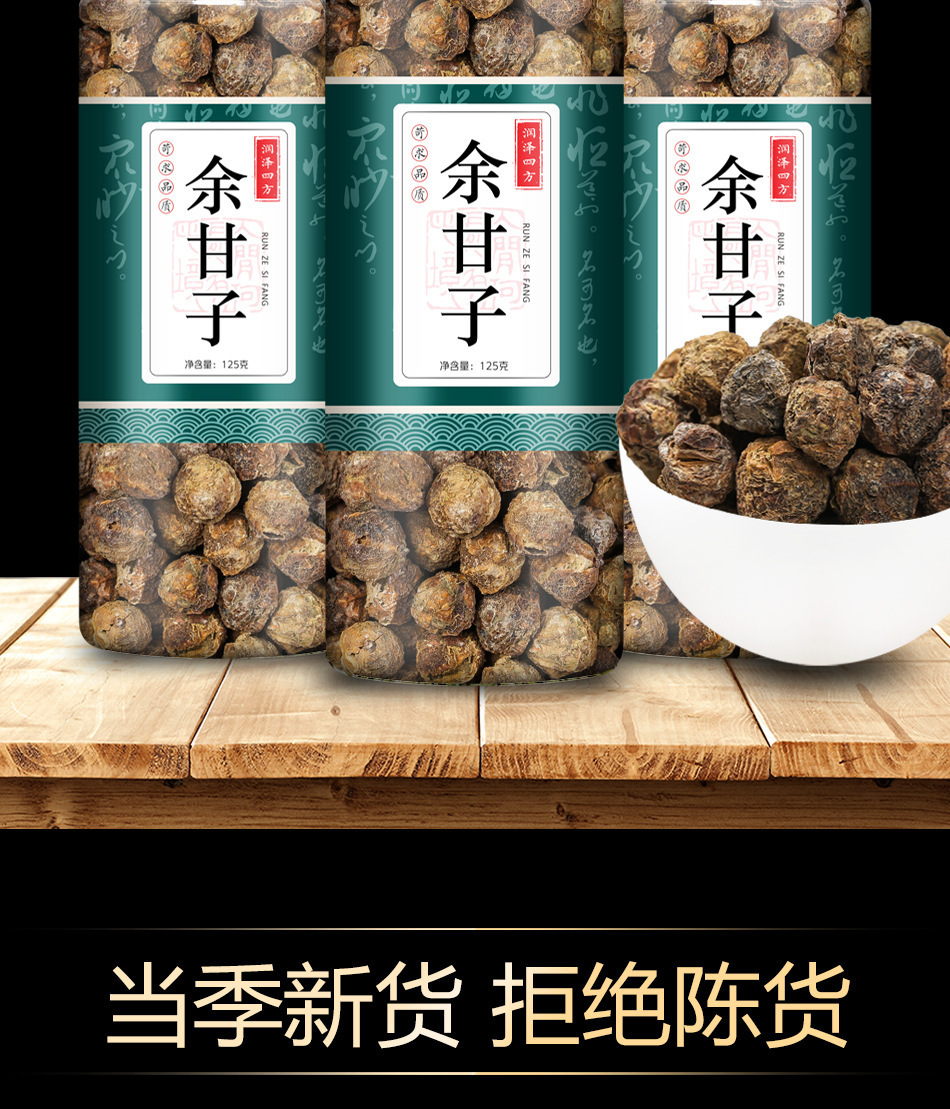
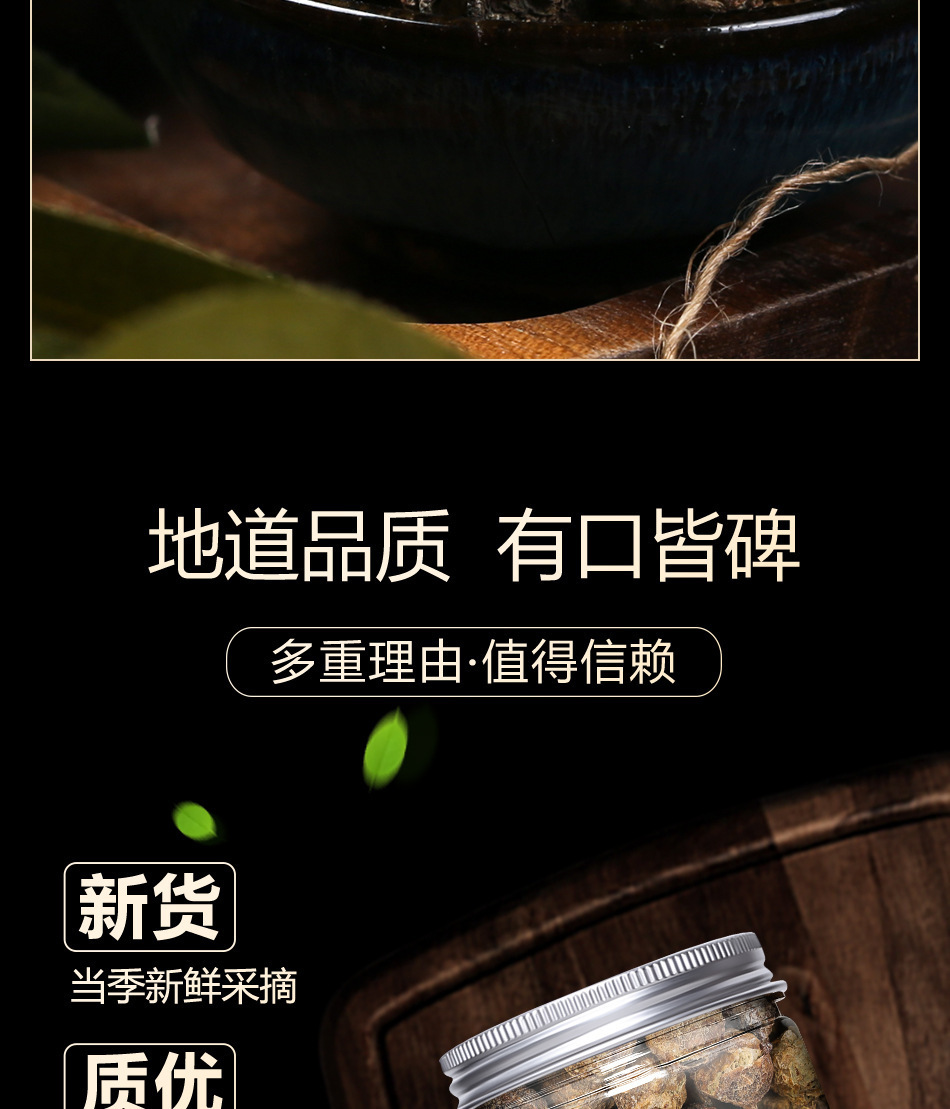
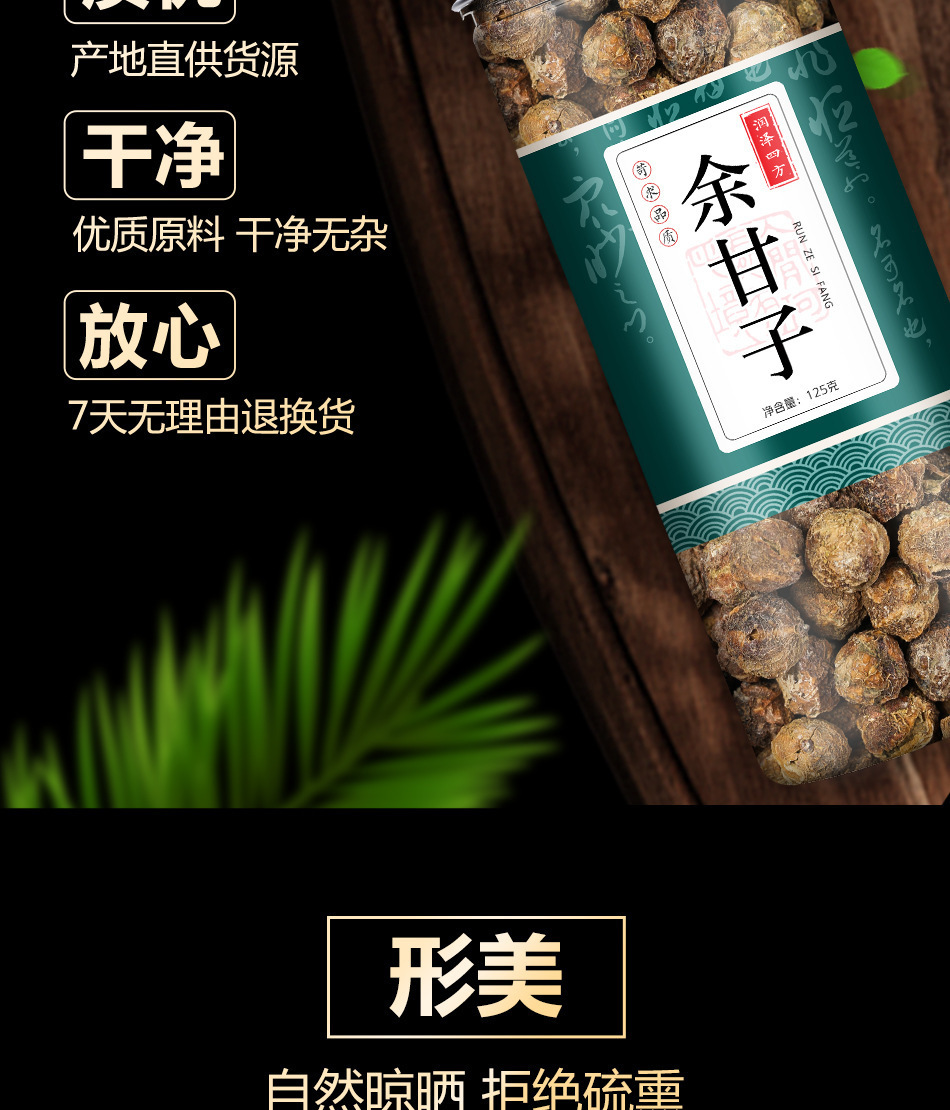
- Sealed 125g pack stored in a cool, dry place
Quality & Sensory
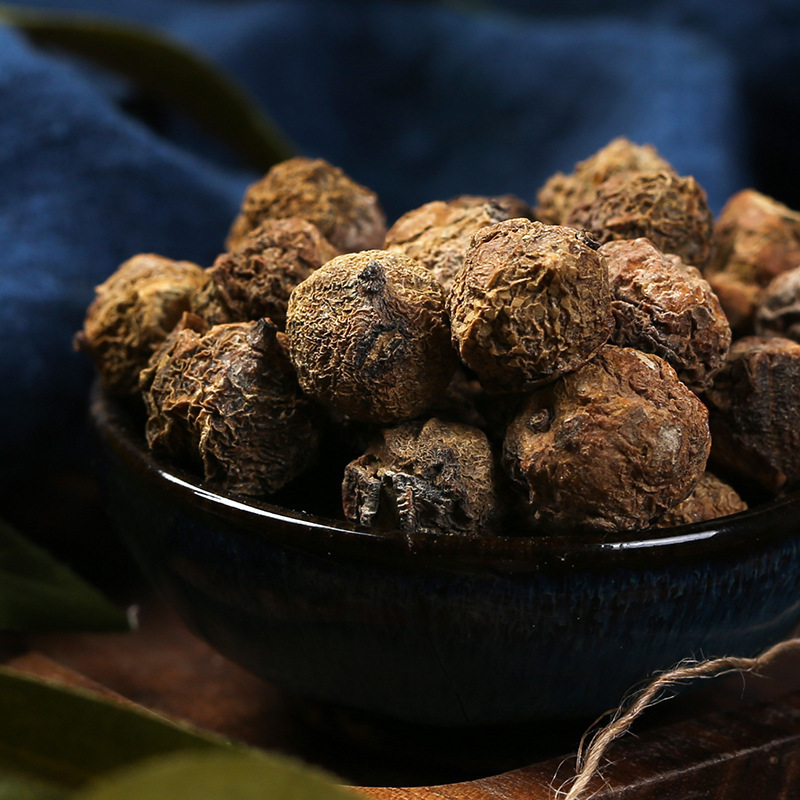
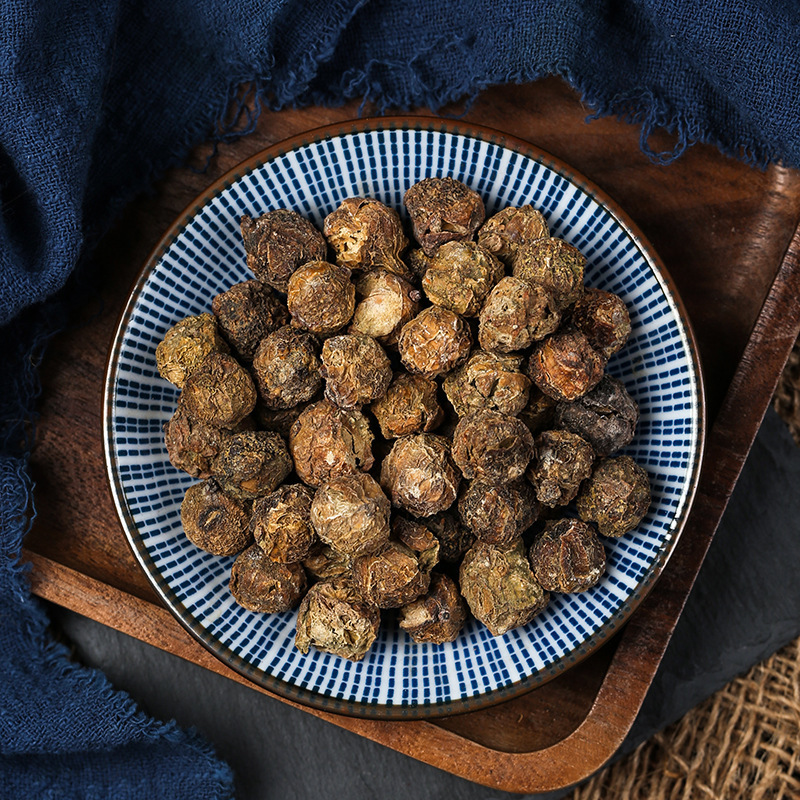
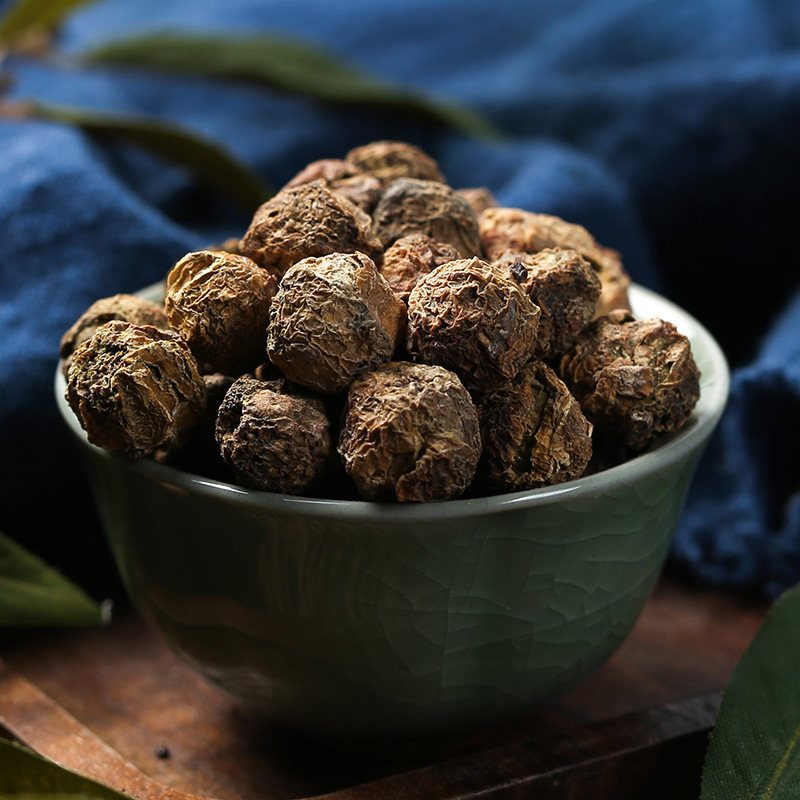
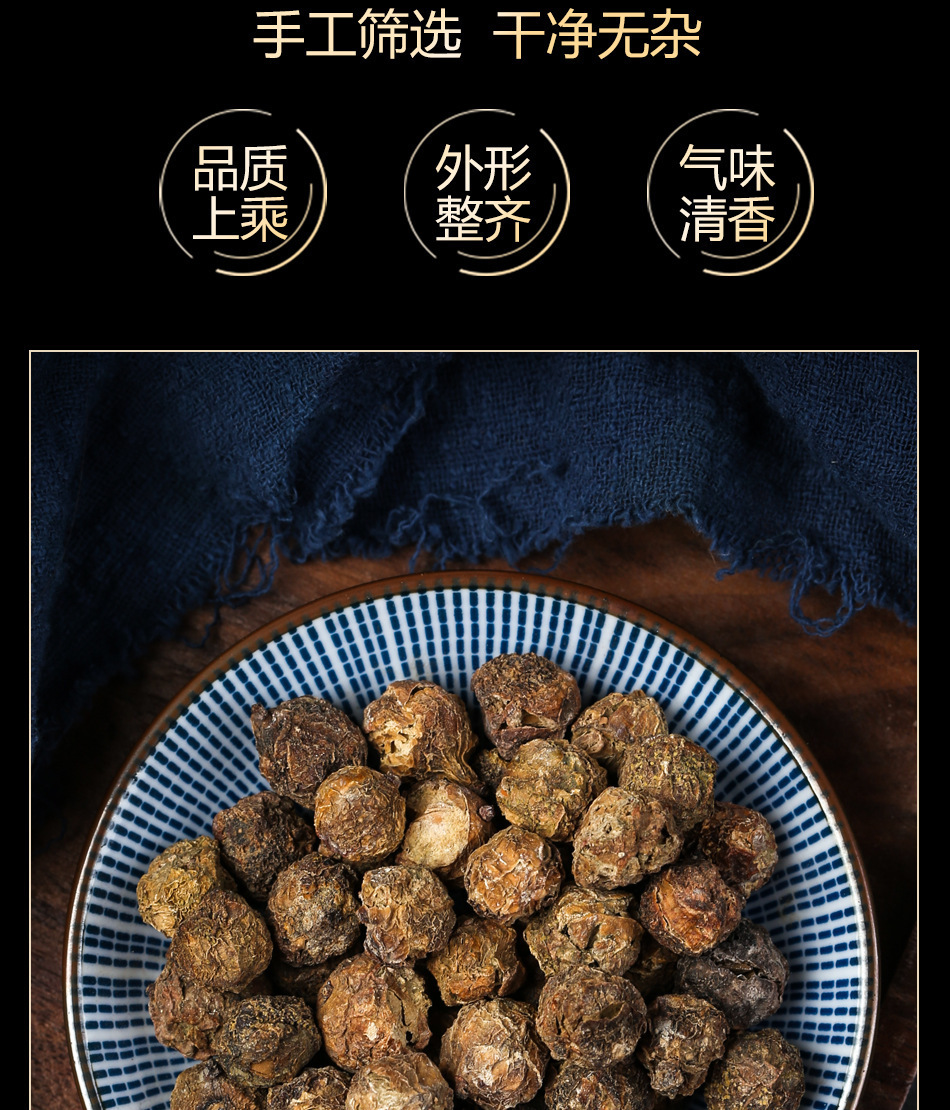
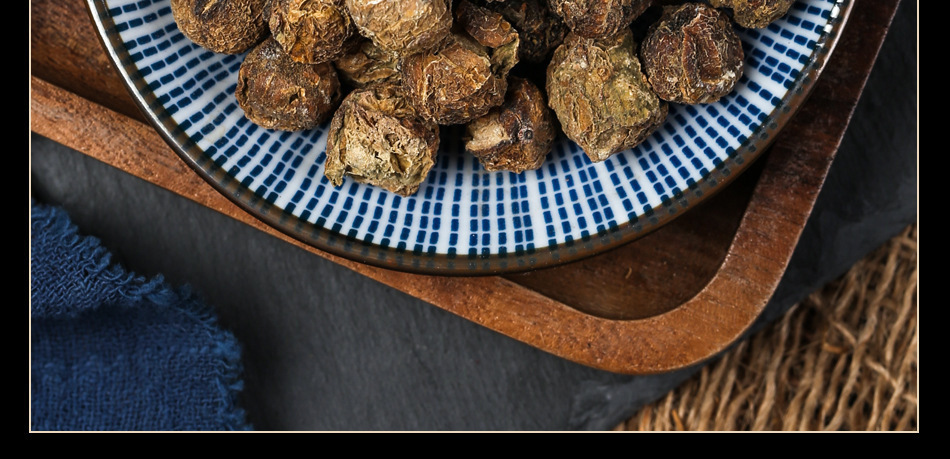
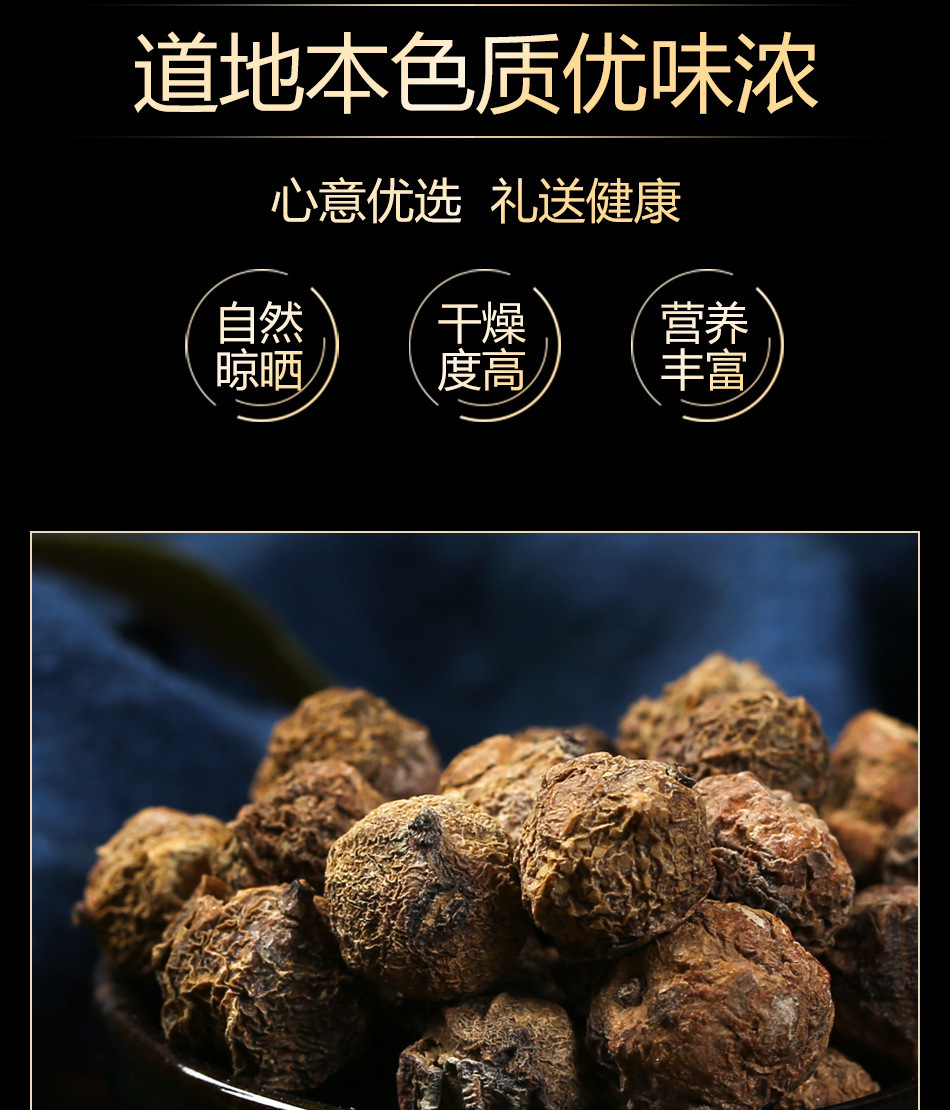
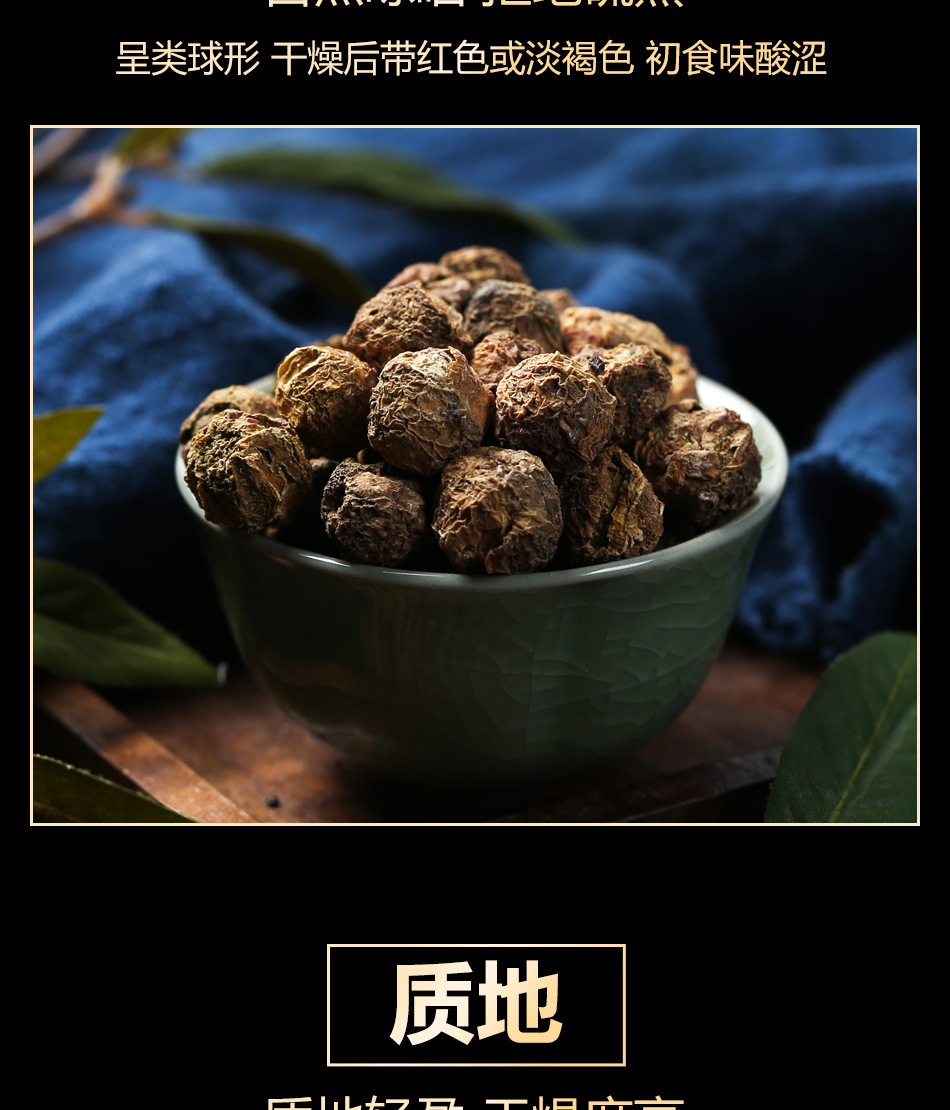
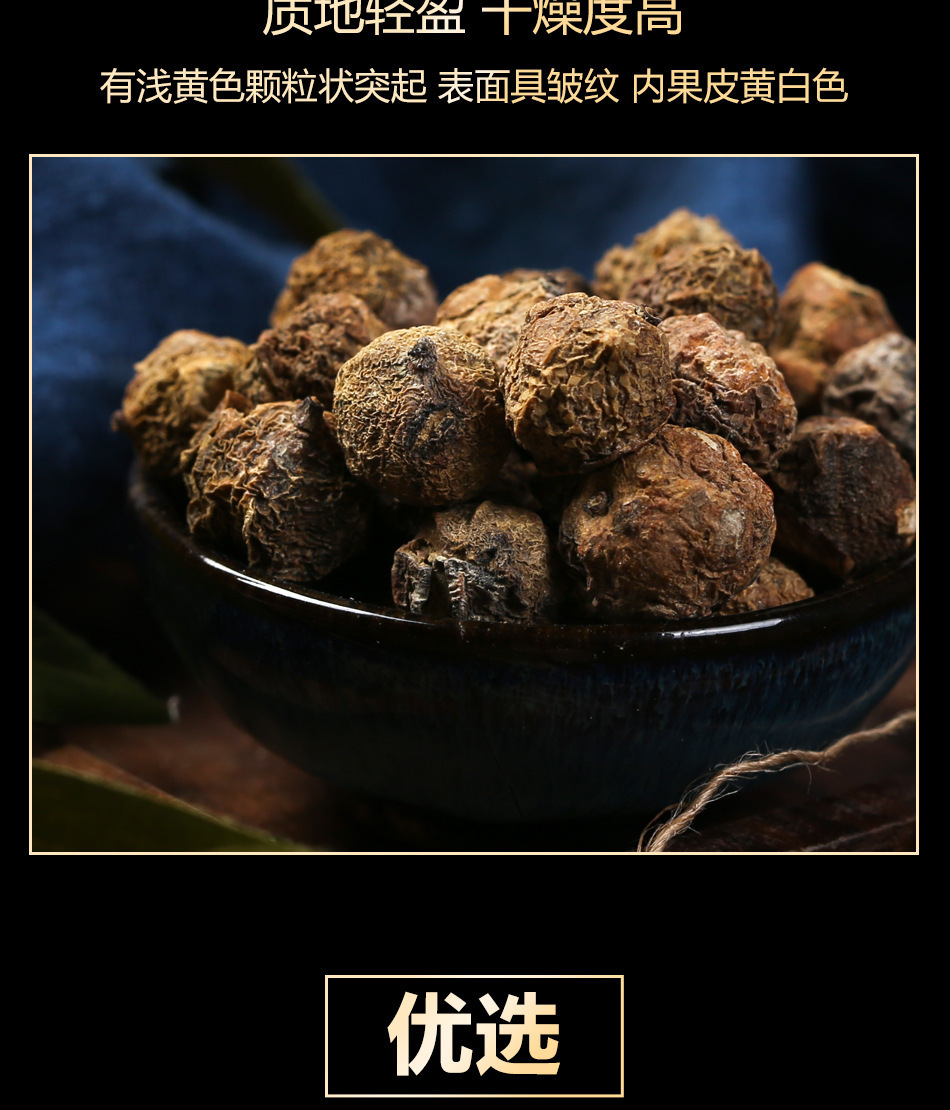
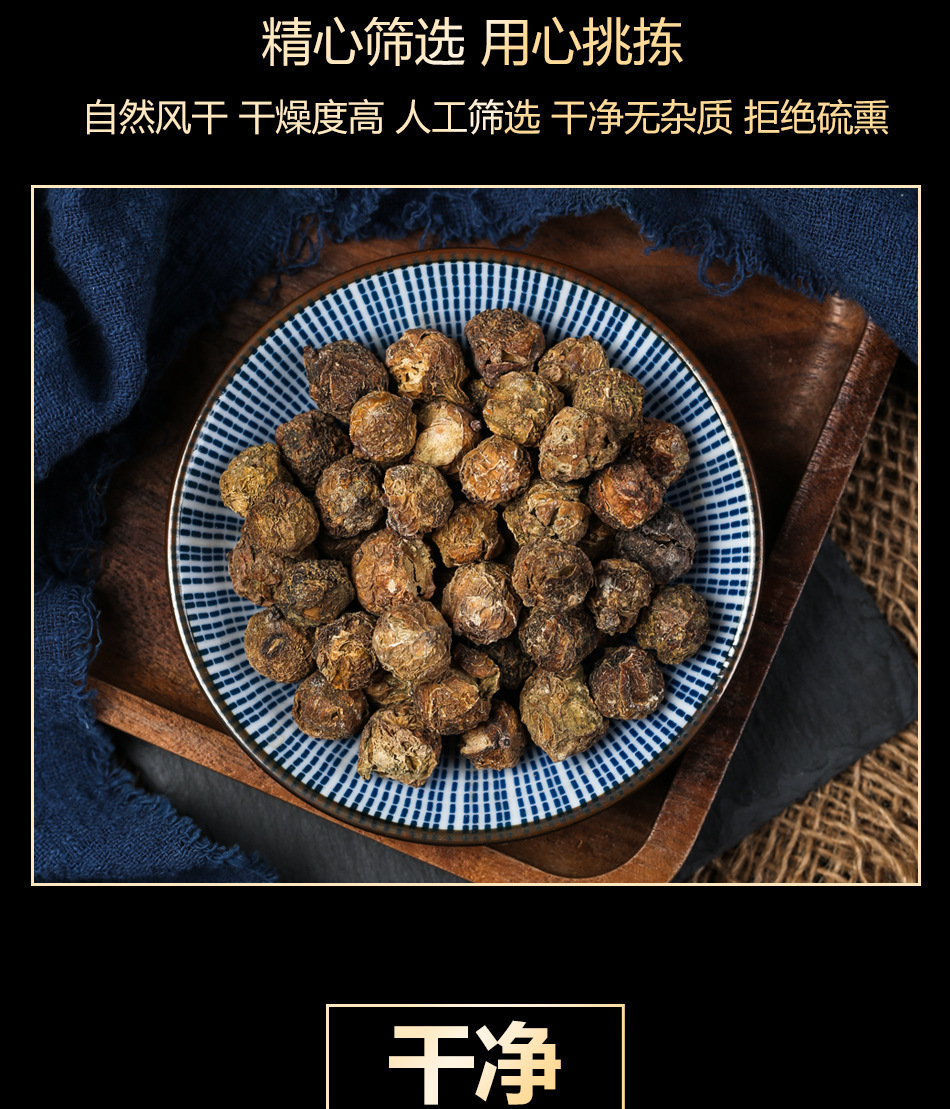
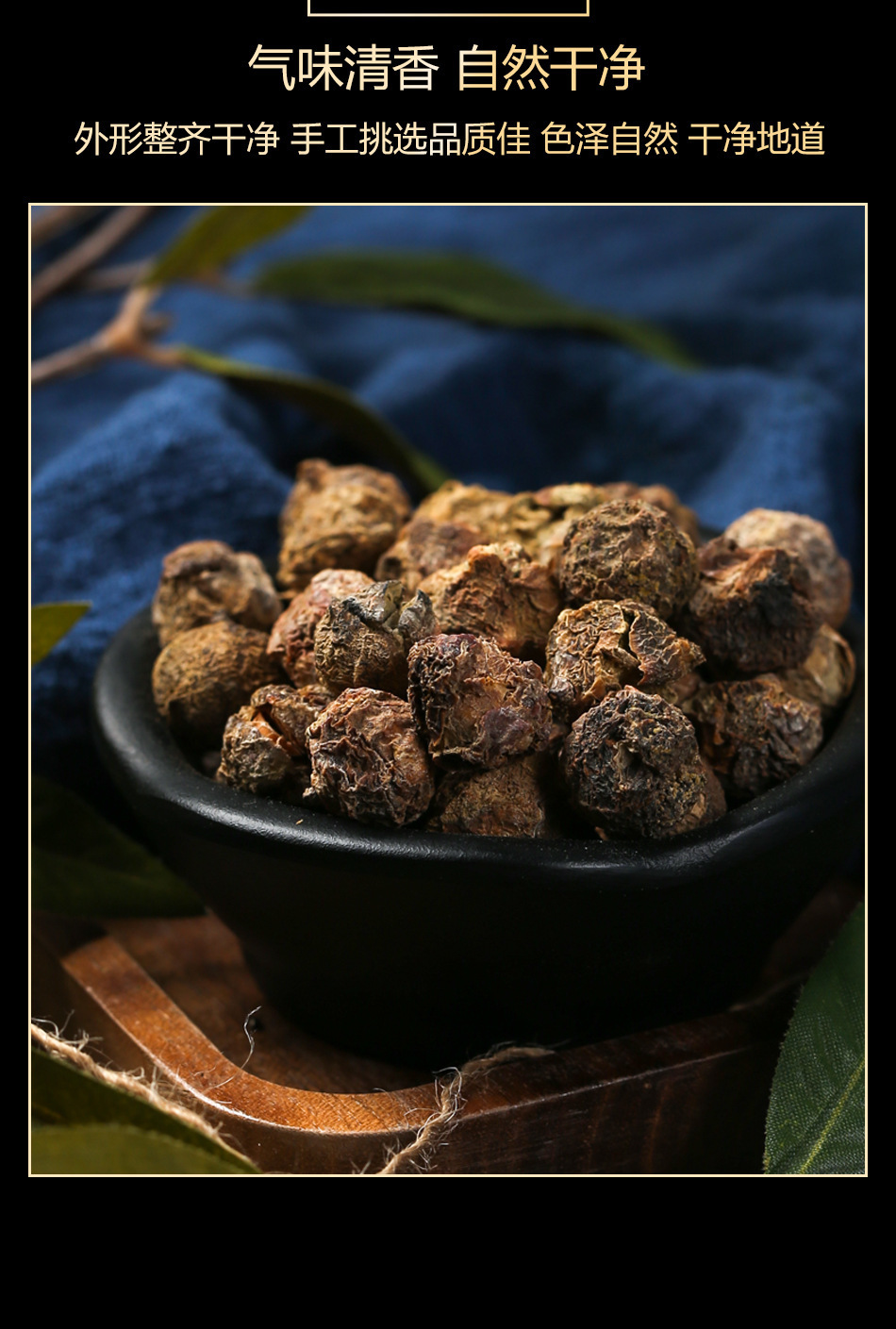
The dried fruit is typically light brown to dark brown with a wrinkled, firm texture. It has a mild, fruity aroma. When decocted or steeped, the liquid is typically pale amber with a sour-sweet taste and a notably sweet, lingering aftertaste.
Technical Specifications
| Product Type | Dried fruit |
|---|---|
| Chinese Name | 余甘子 |
| Pinyin | Yu Gan Zi |
| Botanical Name | Phyllanthus emblica |
| Plant Part | Fruit |
| Net Weight | 125g |
Usage Scenarios
- Simmered in herbal decoctions
- Steeped as a daily herbal tea
- Added to soups and broths
- Cooked into congee
- Used in seasonal culinary preparations
Traditional Uses
In TCM and folk practice, Yu Gan Zi is traditionally used in decoctions, often paired with other herbs, and is valued for its sweet aftertaste. It is also simmered in soups and congee and used as a daily tea. Traditional texts describe it as cool and astringent, and it is commonly included in seasonal preparations.
FAQ Q&A
Q: What is this product?
A: It is dried Yuganzi fruit, known in TCM as Yu Gan Zi (余甘子), from Phyllanthus emblica.
Q: What are its traditional characteristics?
A: In TCM theory it is cool in nature with a sweet, sour, and astringent flavor, associated with the Lung and Stomach channels.
Q: How is it commonly prepared?
A: It is typically simmered in decoctions, steeped as a tea, or added to soups and congee.
Additional information
| Weight | 0.3 kg |
|---|---|
| Dimensions | 20 × 15 × 5 cm |
Related products
-

Ningxia Goji Berries Gou Qi Zi 500g Dried Red Wolfberry for Tea Soup and Snacking
Price range: $7.20 through $16.44 -
Dried Raspberry Fruit Fu Pen Zi 500g Whole Berries for Herbal Tea and Wine Infusion
Price range: $14.00 through $16.44 -

Yi Zhi Ren Dried Alpinia Oxyphylla Fruit 500g Traditional Herbal Tea and Decoction Ingredient
Price range: $11.74 through $13.36 -

Fritillaria Bulb Chuan Bei Mu Dried Chinese Herbal Bulbs for Decoction and Traditional Use 500g
Price range: $18.06 through $94.21
Reviews
There are no reviews yet.