
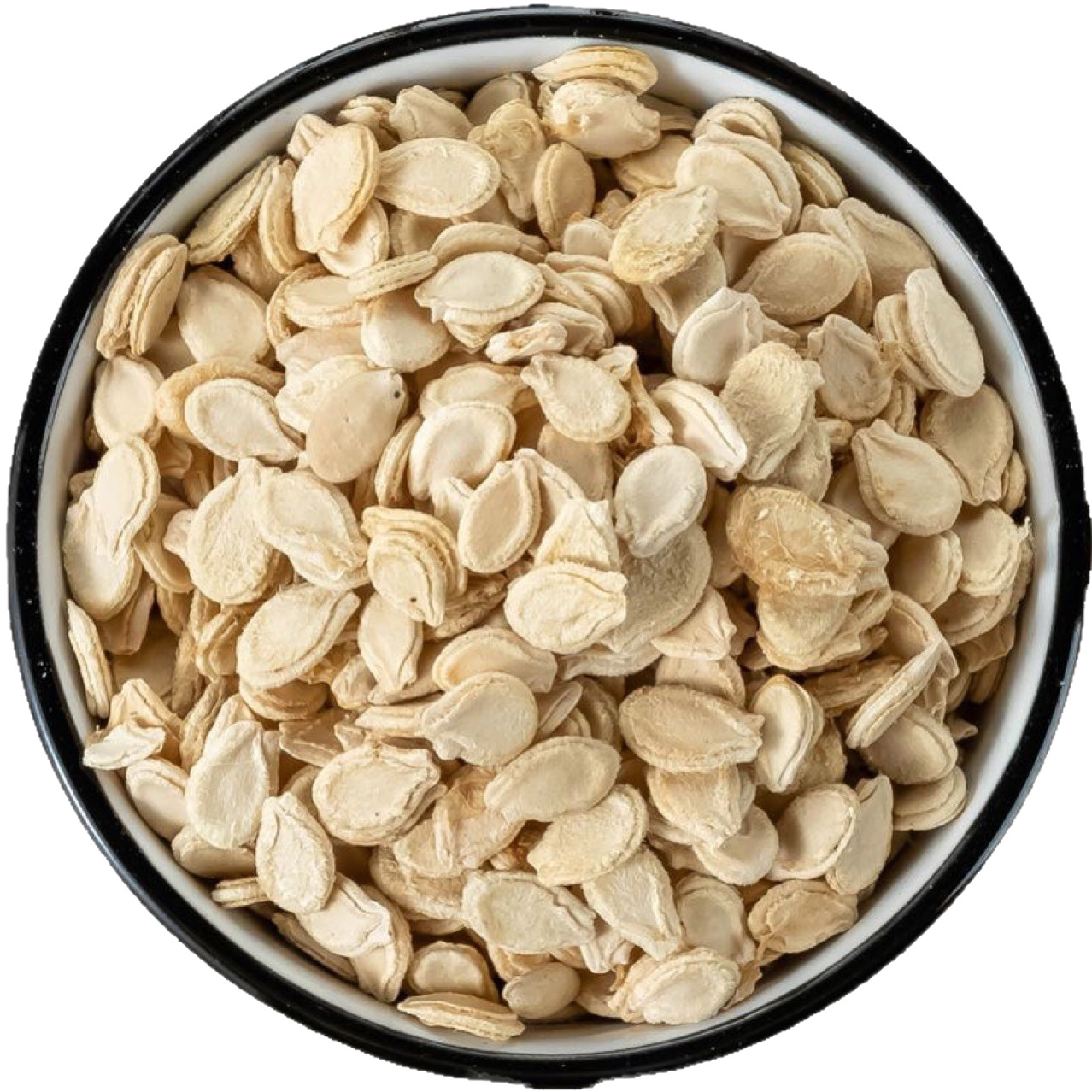
Dried Winter Melon Seeds Dong Gua Zi 500g Natural Sun Dried for Herbal Soup and Tea
Price range: $7.80 through $116.96
Description
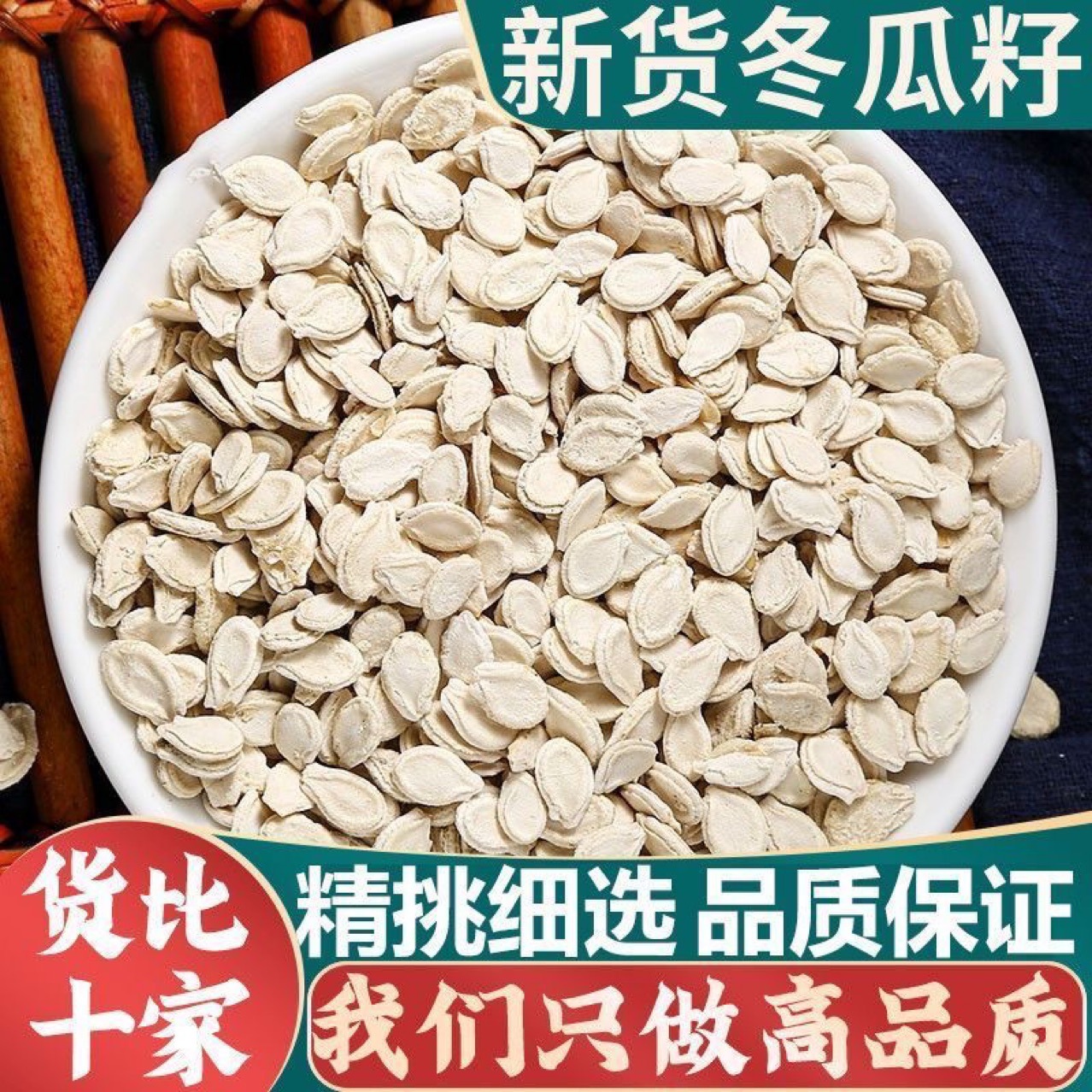
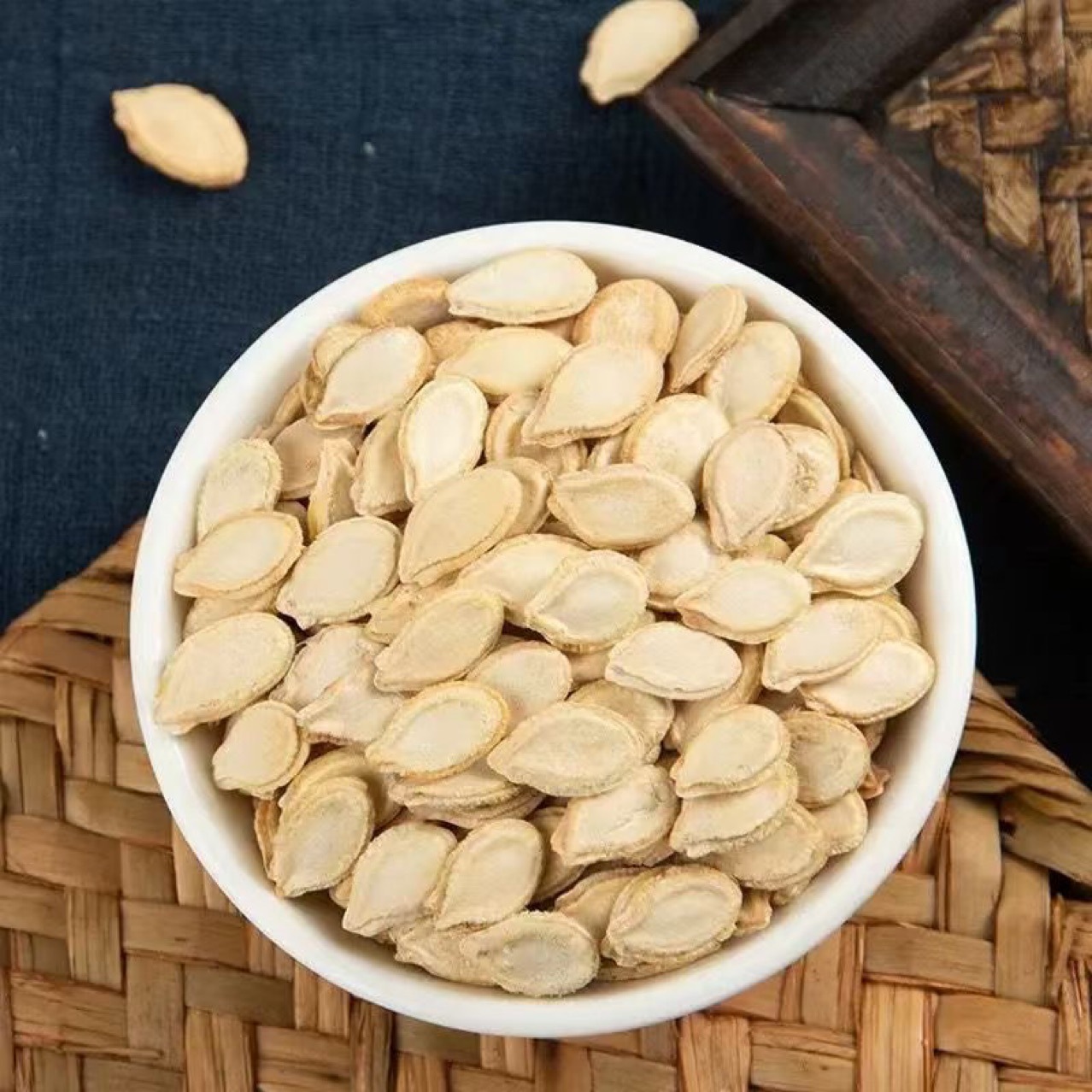
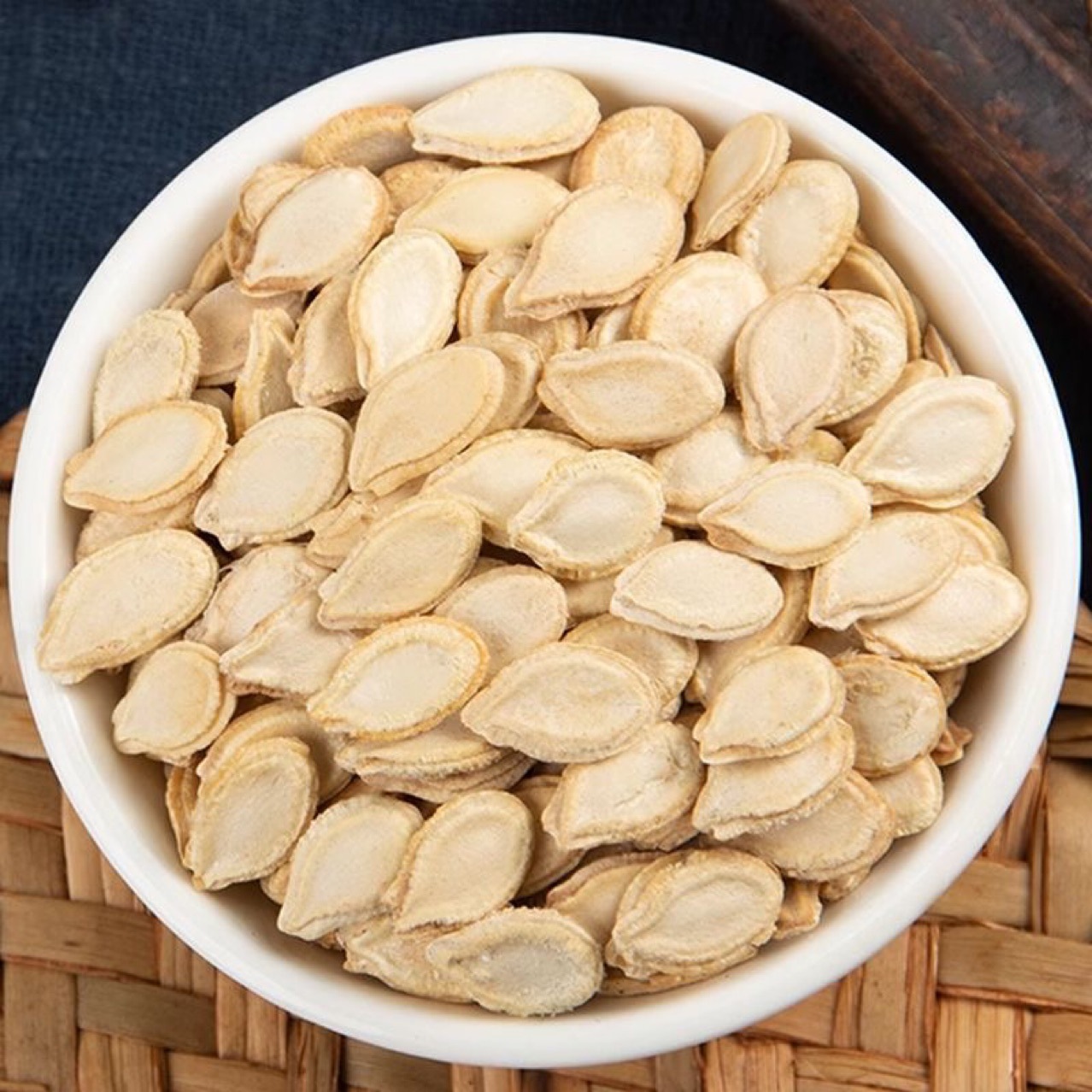
Dried Winter Melon Seeds, known in TCM as Dong Gua Zi (冬瓜子), from Benincasa hispida. These naturally sun-dried seeds are a traditional Chinese herbal ingredient used in decoctions and soups. In TCM theory, Dong Gua Zi is considered sweet and slightly cold, traditionally associated with the Lung, Large Intestine, and Small Intestine channels. It is commonly prepared by simmering or grinding for herbal formulas. Store in a cool dry place and consult a practitioner for personalized use.
Key Selling Points
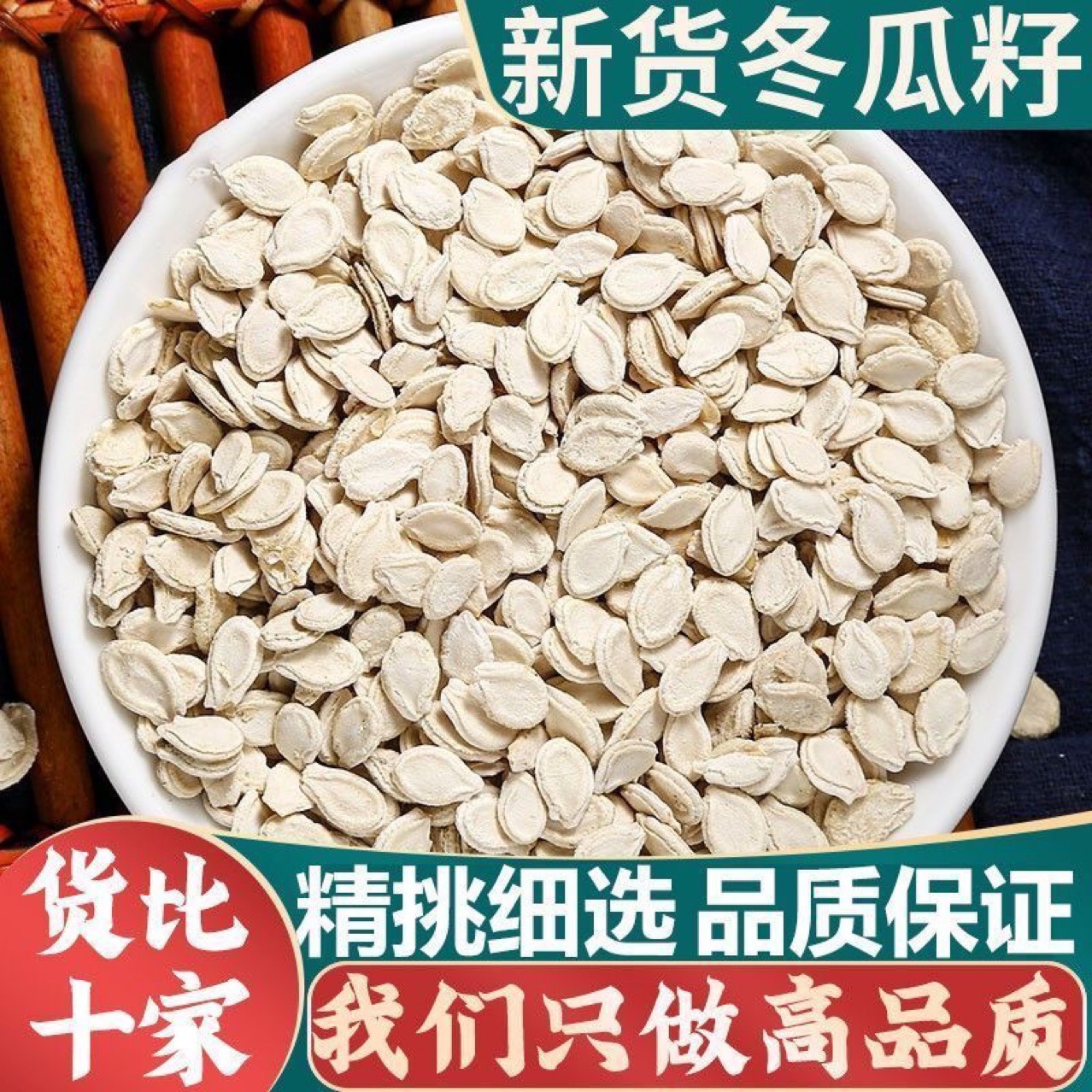
- Identified in TCM as Dong Gua Zi (冬瓜子), the seed of Benincasa hispida
- Naturally sun-dried to preserve traditional character
- Sweet and slightly cold nature per TCM theory
- Traditionally associated with Lung and Intestine channels
- Versatile form for decoctions, soups, and congee
Quality & Sensory
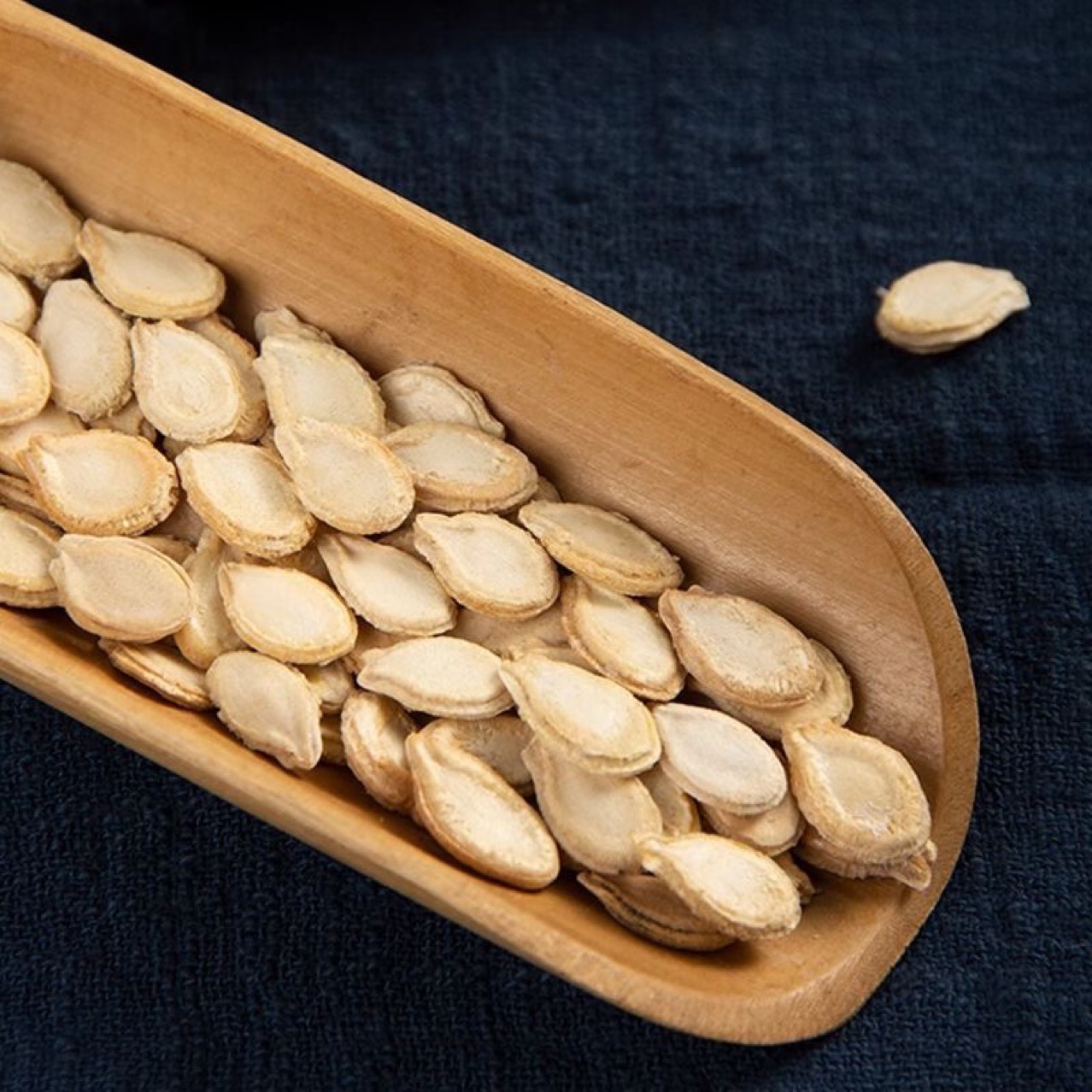
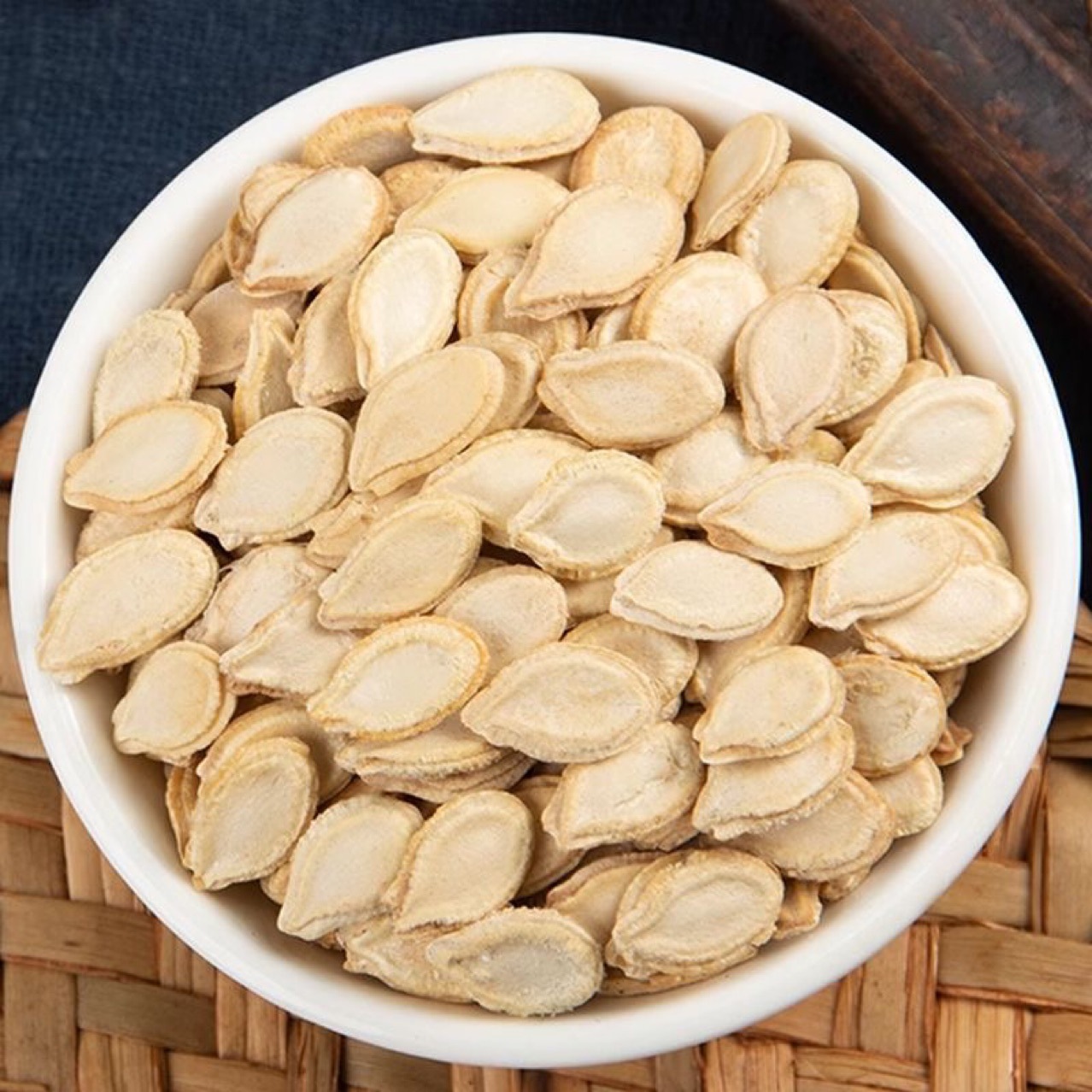
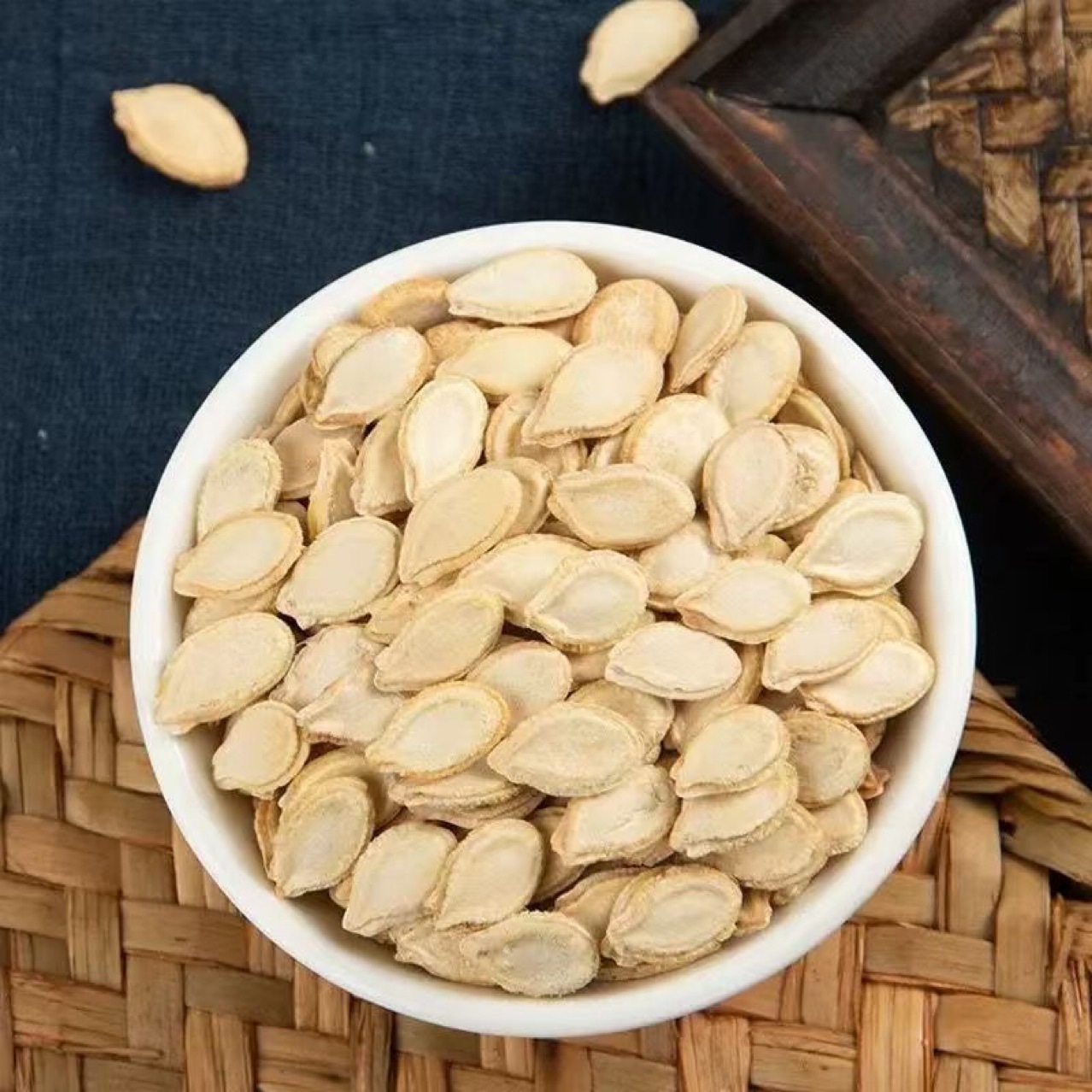
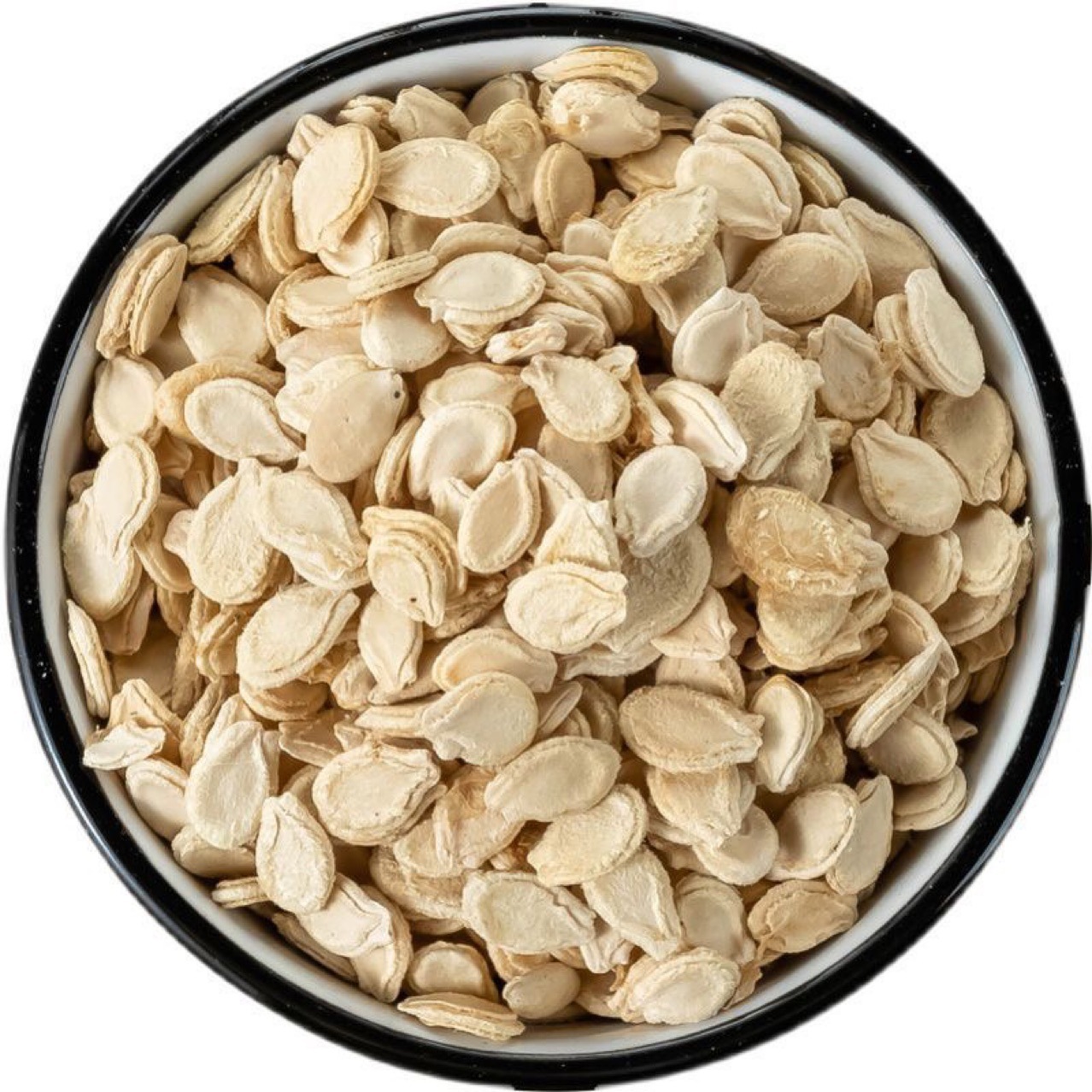
These seeds are typically off-white to pale cream in color with a smooth, firm texture and a mild, neutral aroma. When simmered, they impart a subtle, slightly nutty taste to soups and decoctions. As a natural agricultural product, color and size may vary slightly between batches.
Technical Specifications
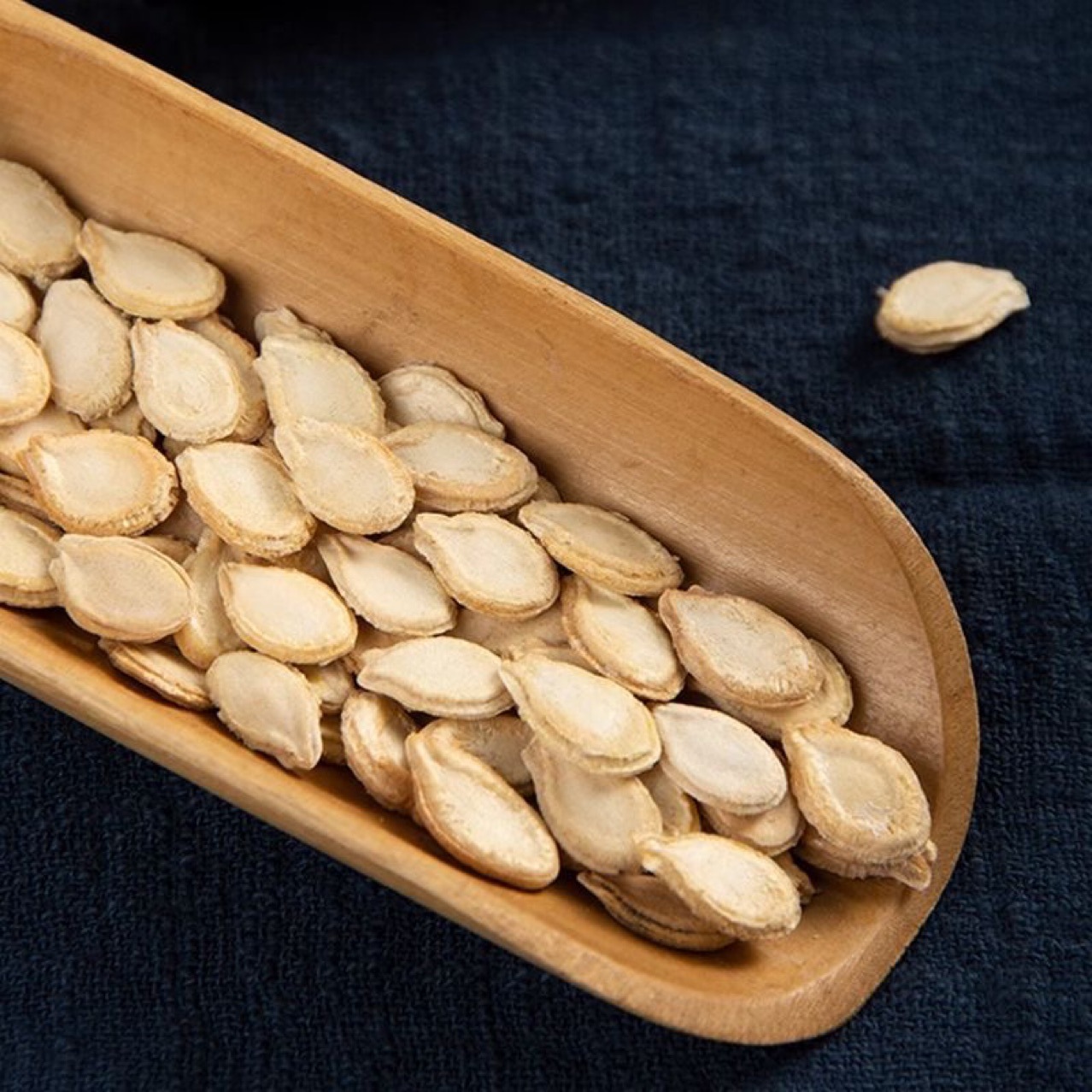
| Product Type | Dried herbal seed |
|---|---|
| Chinese Name | 冬瓜子 |
| Pinyin | Dong Gua Zi |
| Botanical Name | Benincasa hispida |
| Plant Part | Seed |
| Net Weight | 500g |
Usage Scenarios
- Simmered in herbal decoctions
- Added to traditional soups
- Cooked into congee
- Used in seasonal food preparations
Traditional Uses
In TCM theory, Dong Gua Zi is traditionally used in decoctions for its sweet, slightly cold properties. It is often paired with other herbs in formulas addressing dampness or heat patterns. Folk practice includes simmering the seeds in soups or grinding them into powders for congee. It is also used in seasonal cooking as a functional food ingredient.
FAQ Q&A
Q: What is this product?
A: It is dried Winter Melon Seeds, known in TCM as Dong Gua Zi (冬瓜子), from the Benincasa hispida plant.
Q: What are its traditional characteristics?
A: In TCM theory, it is considered sweet and slightly cold, traditionally associated with the Lung, Large Intestine, and Small Intestine channels.
Q: How is it commonly prepared?
A: It is typically simmered in decoctions or soups, or ground and added to congee. Consult a practitioner for personalized guidance.
Additional information
| Weight | N/A |
|---|---|
| Dimensions | N/A |
| Model | 双边冬瓜子250克, 冬瓜子500克, 冬瓜子1000克, 冬瓜子10公斤 |
Related products
-
Tie Pi Shi Hu Dried Dendrobium Stems 500g Huoshan Fengdou for Soup and Tea
Price range: $35.88 through $108.80 -

Fritillaria Bulb Chuan Bei Mu Dried Chinese Herbal Bulbs for Decoction and Traditional Use 500g
Price range: $18.06 through $94.21 -
Dried Cinnamon Bark Rou Gui 500g Whole Peeling Culinary Spice and Traditional Herbal Ingredient
Price range: $5.58 through $8.33 -

Ningxia Goji Berries Gou Qi Zi 500g Dried Red Wolfberry for Tea Soup and Snacking
Price range: $7.20 through $16.44
Reviews
There are no reviews yet.