
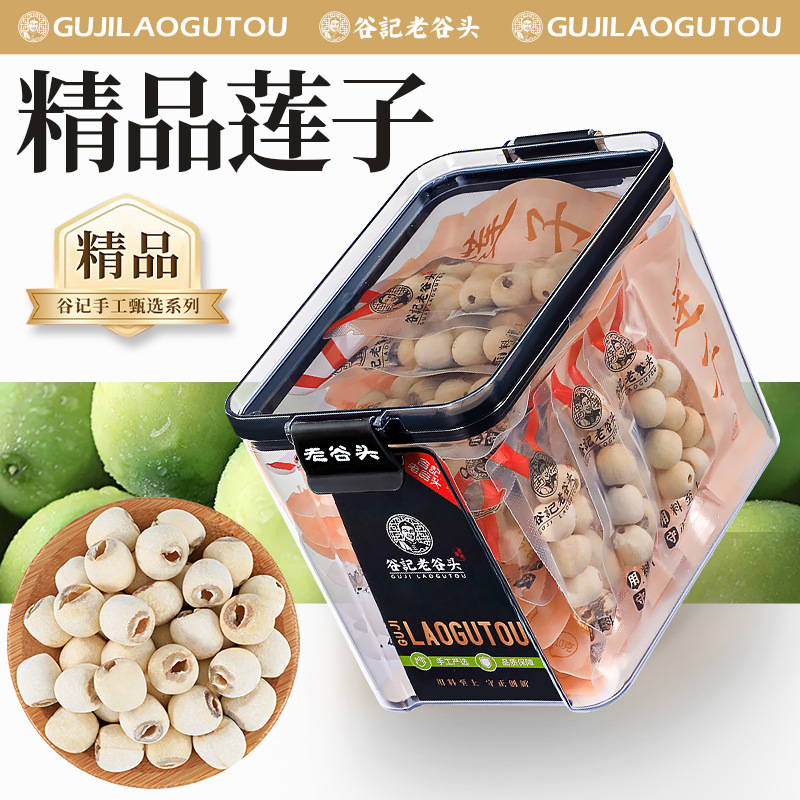
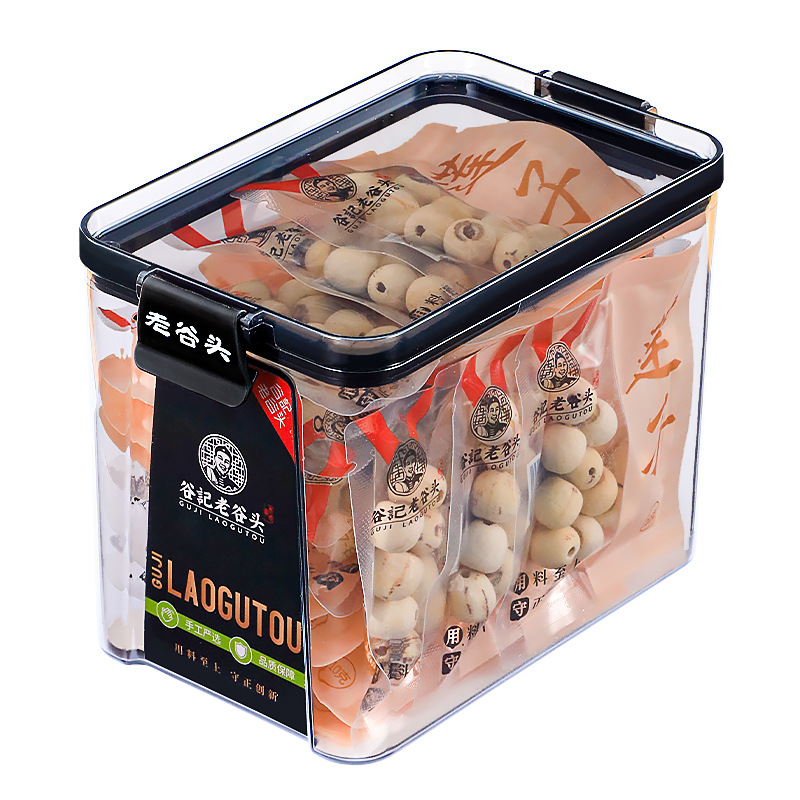
Dried White Lotus Seeds Core Removed Soft Texture 200g Bag for Soup and Congee
$27.80
100 in stock
Description
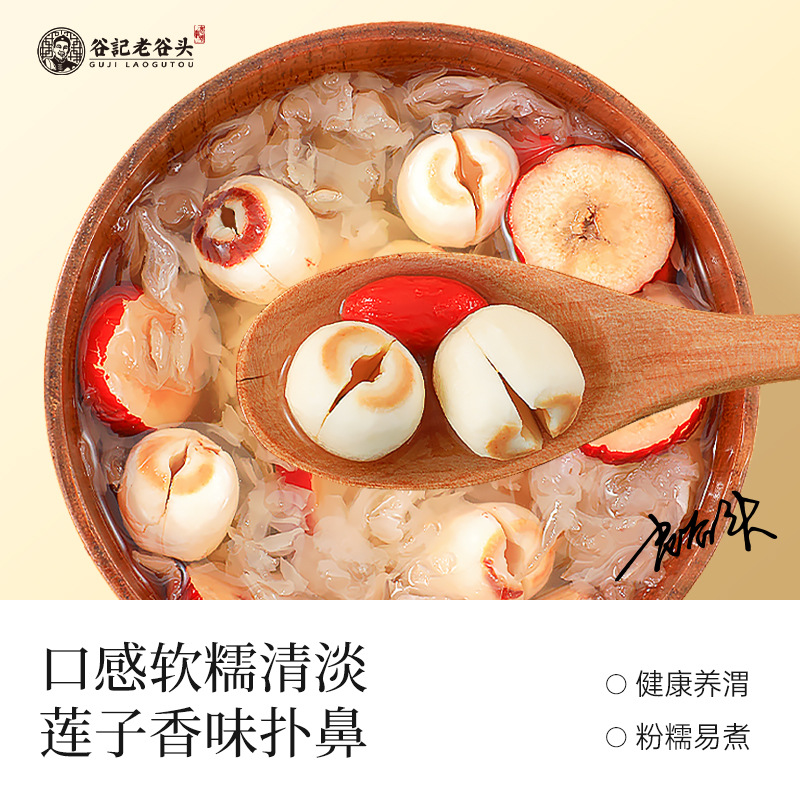
Dried White Lotus Seeds, known in TCM as Bai Lian Zi (白莲子), from Nelumbo nucifera, are peeled and core-removed seed kernels. Traditionally associated with the spleen and heart channels, they are valued in TCM theory for their mild sweet and astringent nature. Commonly simmered in soups, congee, or sweet decoctions as a gentle everyday food herb.
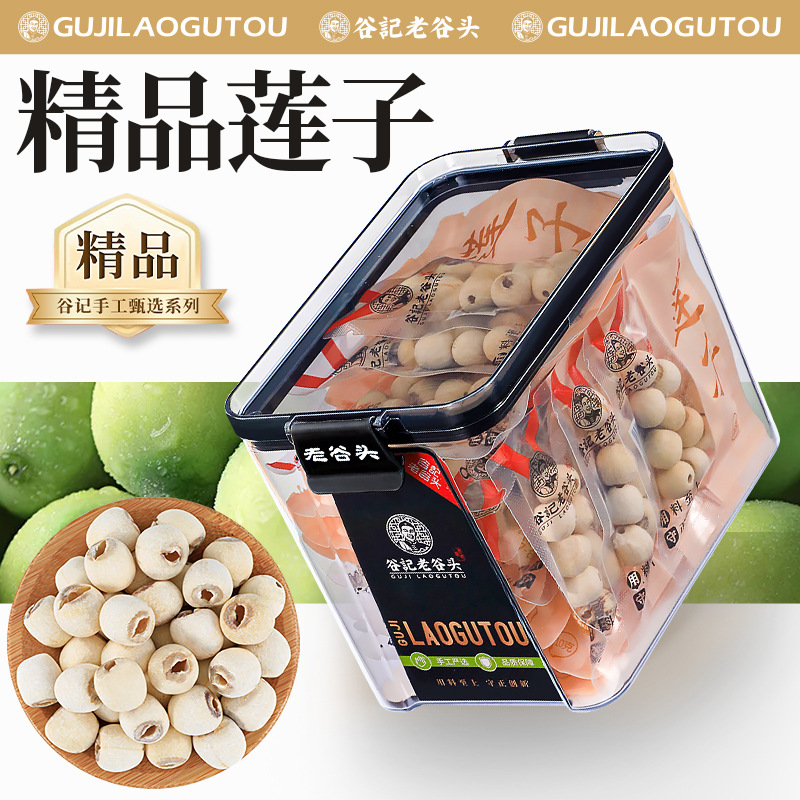
Key Selling Points
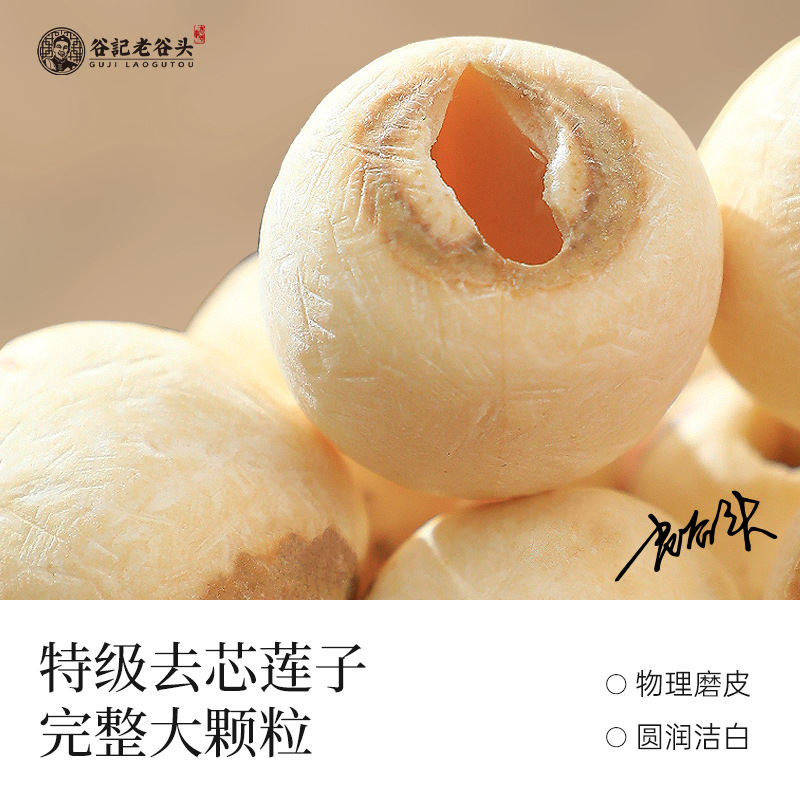
- Peeled white lotus seed kernels with the bitter green core removed
- Botanical source Nelumbo nucifera, the sacred lotus
- Known in TCM as Bai Lian Zi (白莲子)
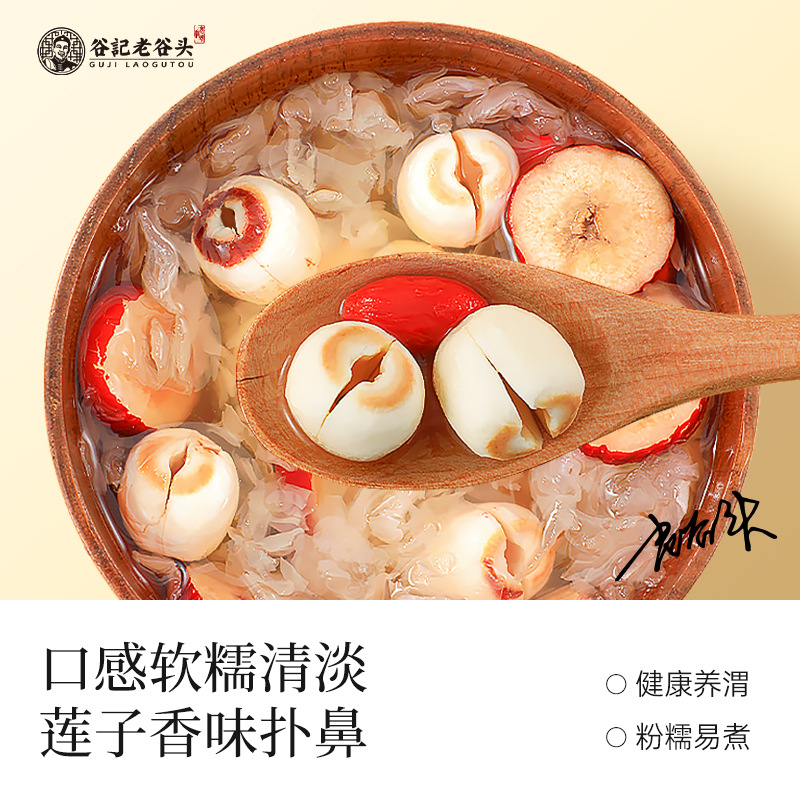
- Soft, starchy texture that cooks down well in soups and congee
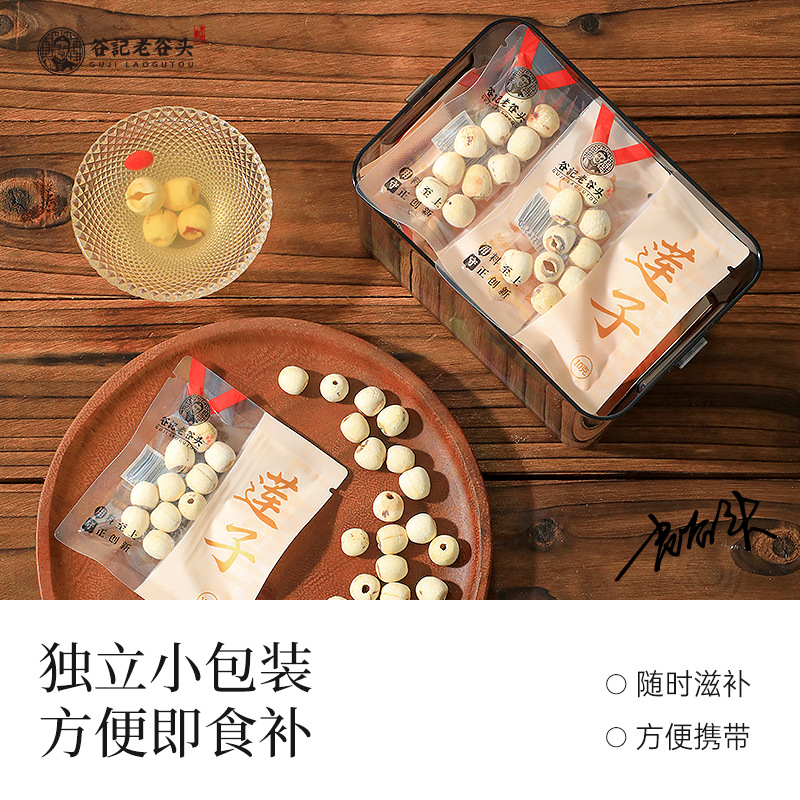
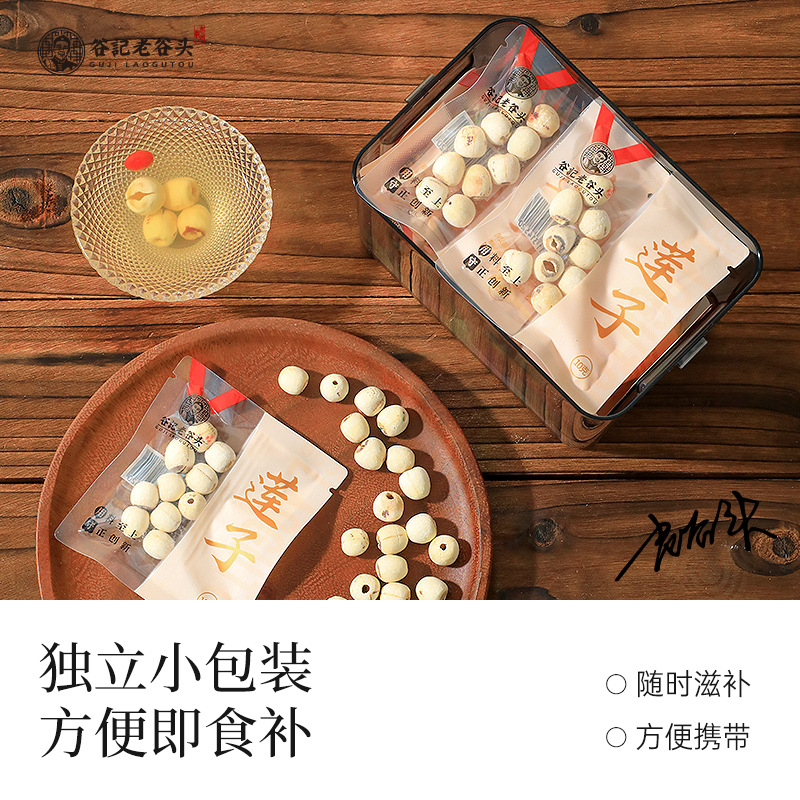
- 200g resealable bag, 12-month shelf life
Quality & Sensory
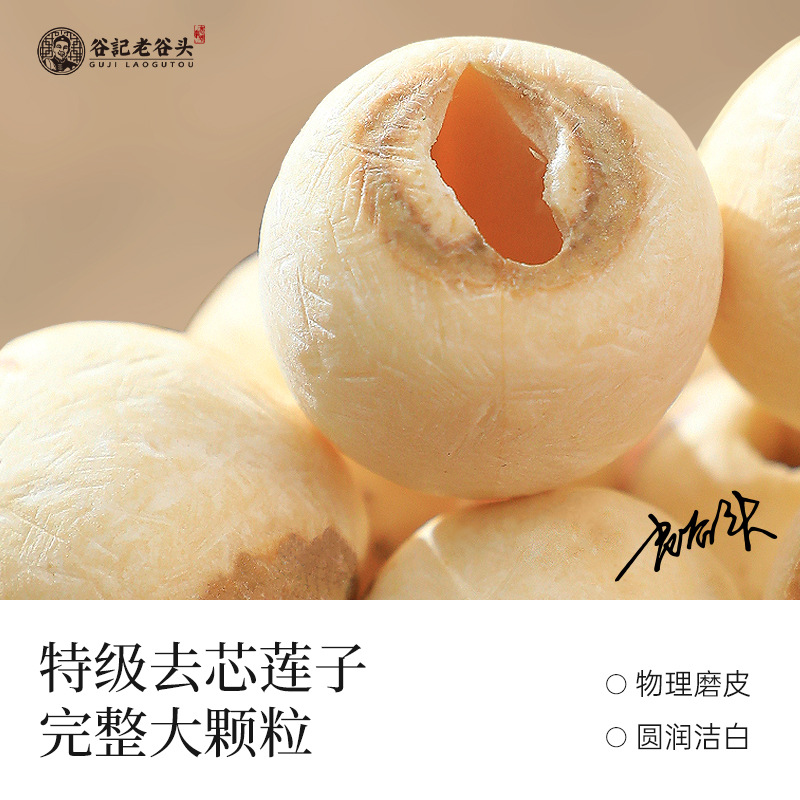
These lotus seeds are typically creamy white to pale ivory with a smooth, matte surface. Texture is firm and dry when raw, becoming soft and mealy after simmering. Aroma is faint and neutral, and the cooked taste is mild, slightly sweet, and starchy without bitterness.
Technical Specifications
| Product Type | Dried lotus seed kernels |
|---|---|
| Chinese Name | 白莲子 |
| Pinyin | Bai Lian Zi |
| Botanical Name | Nelumbo nucifera |
| Plant Part | Seed |
| Net Weight | 200g |
Usage Scenarios
- Simmered in sweet soups such as lotus seed and lily bulb soup
- Added to rice congee for texture and mild sweetness
- Cooked in savory pork or chicken soups
- Used in traditional sweet decoctions with red dates
- Steeped in hot water as a light herbal drink
Traditional Uses
In TCM theory, Bai Lian Zi is traditionally used in formulas that support the spleen and calm the spirit. It is commonly simmered with lily bulb, red dates, or goji berries in sweet soups, or added to congee for gentle daily nourishment. Folk practice often pairs it with other mild food herbs in seasonal autumn and winter dishes.
FAQ Q&A
Q: What are these white lotus seeds?
A: They are the peeled, core-removed seed kernels of Nelumbo nucifera, known in TCM as Bai Lian Zi (白莲子).
Q: What is their traditional value?
A: In TCM theory they are associated with the spleen and heart channels and are traditionally used as a mild, sweet, astringent food herb.
Q: How are they usually prepared?
A: They are typically simmered in soups, congee, or sweet decoctions until soft. Soaking before cooking can shorten the simmering time.
Additional information
| Weight | 0.28 kg |
|---|---|
| Dimensions | 20 × 14 × 6 cm |
Related products
-
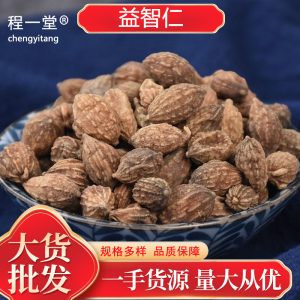
Yi Zhi Ren Dried Alpinia Oxyphylla Fruit 500g Traditional Herbal Tea and Decoction Ingredient
Price range: $11.74 through $13.36 -
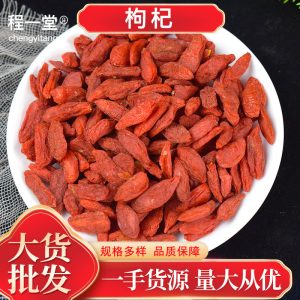
Ningxia Goji Berries Gou Qi Zi 500g Dried Red Wolfberry for Tea Soup and Snacking
Price range: $7.20 through $16.44 -
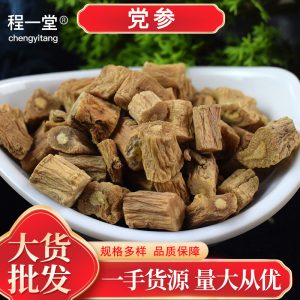
Dried Codonopsis Root Slices Dang Shen 500g Bulk Supply for Soups and Herbal Decoctions
Price range: $10.28 through $18.06 -
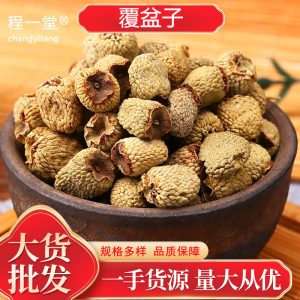
Dried Raspberry Fruit Fu Pen Zi 500g Whole Berries for Herbal Tea and Wine Infusion
Price range: $14.00 through $16.44
Reviews
There are no reviews yet.