
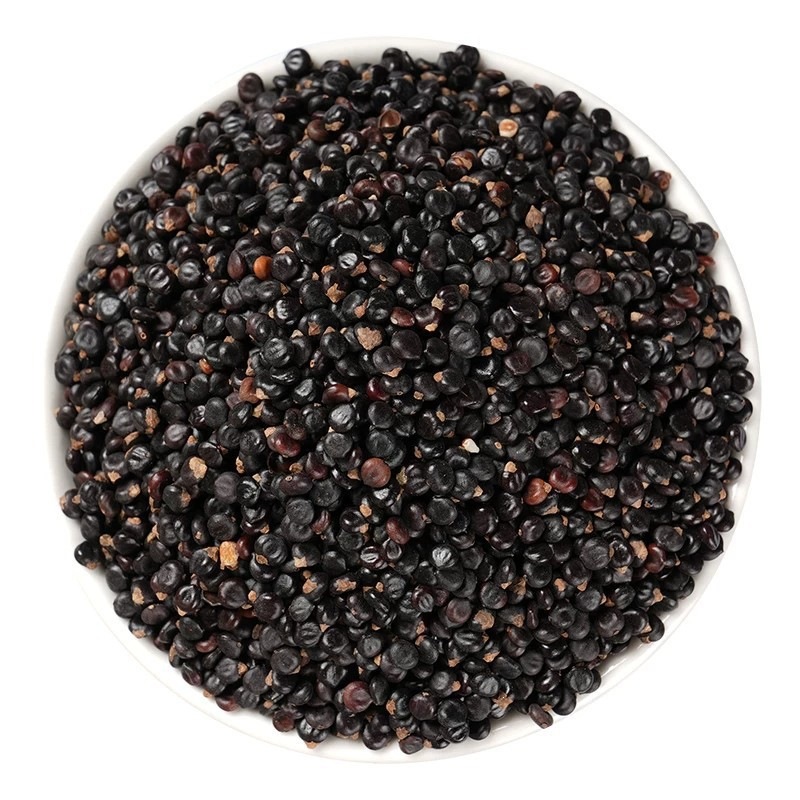
Dried Shui Hong Hua Zi Polygoni Orientalis Fruit for Herbal Tea Decoction
Description
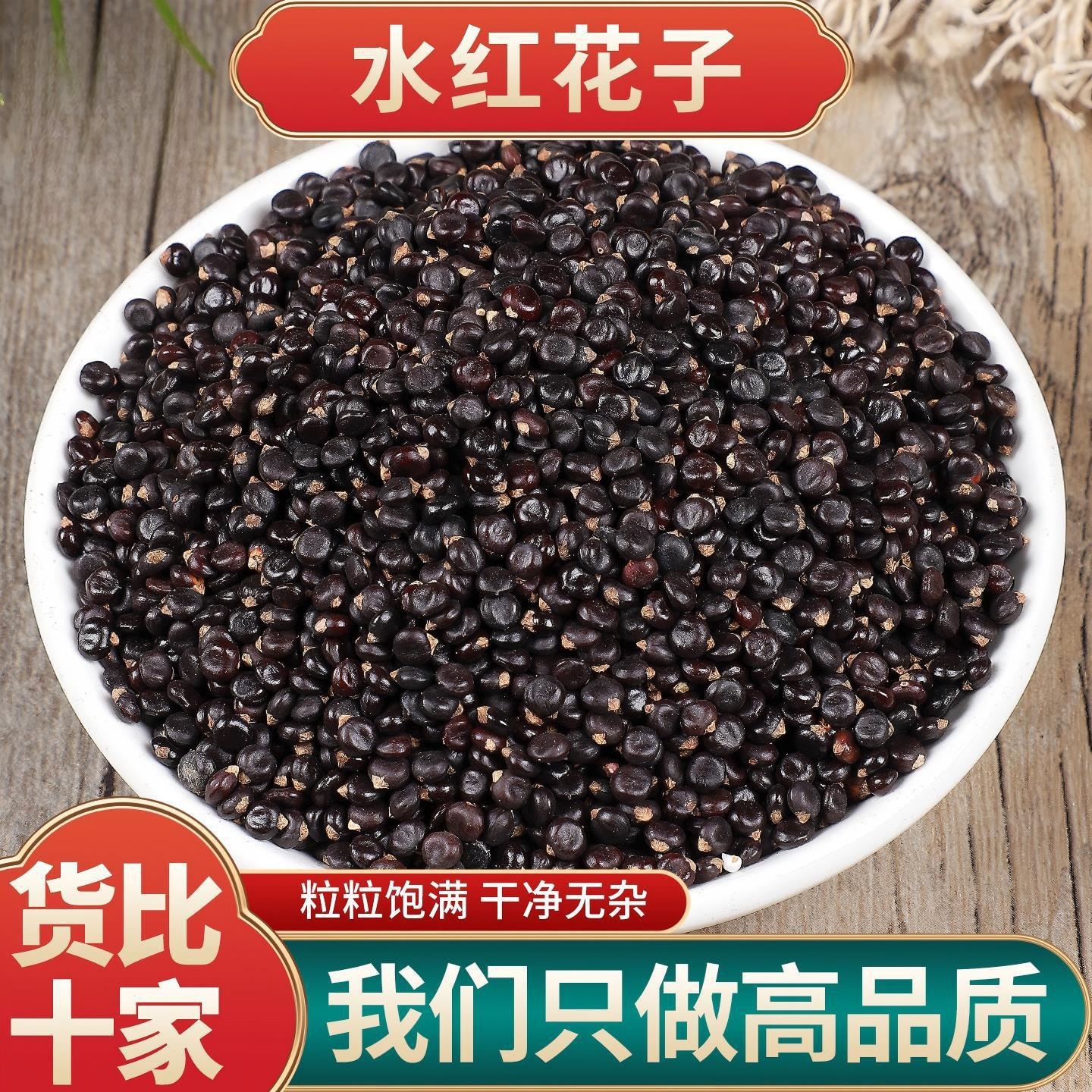
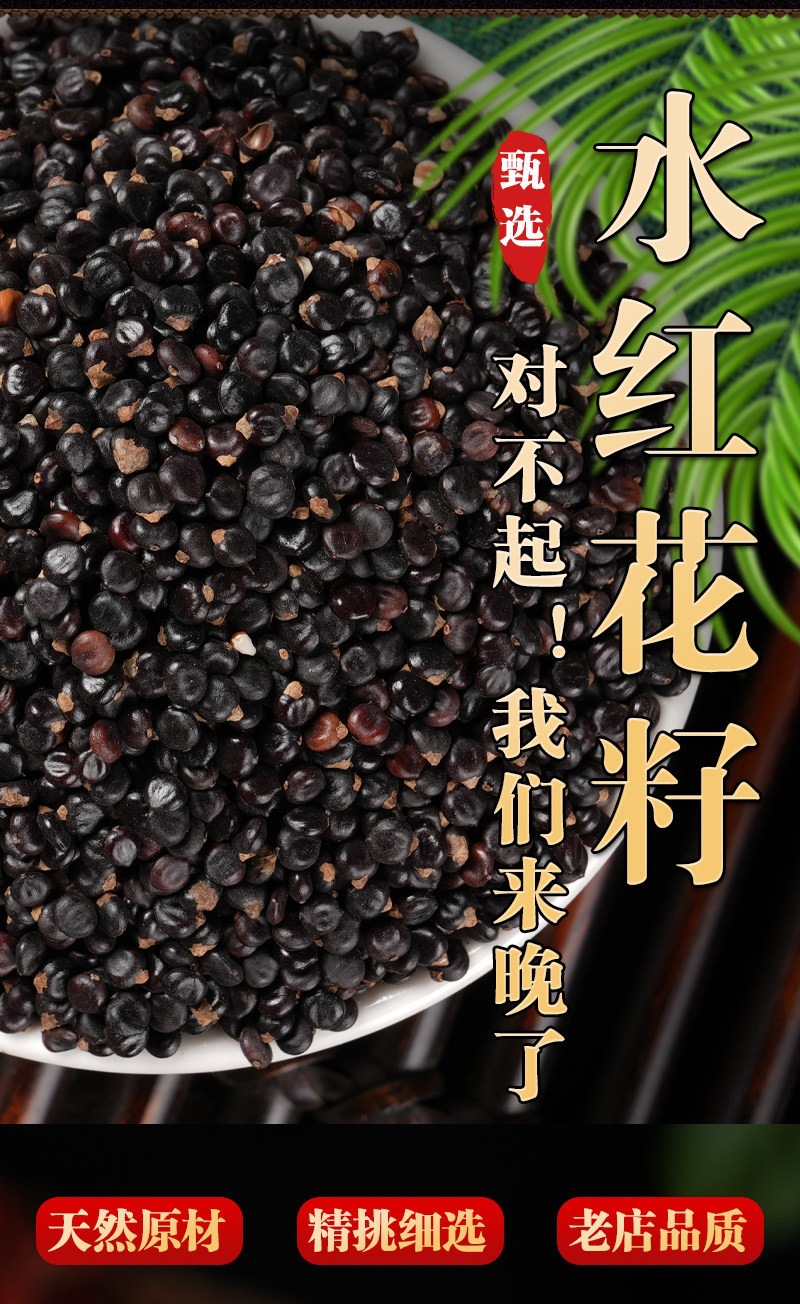
Dried Shui Hong Hua Zi (水红花子), also known as Polygoni Orientalis Fructus, is the dried ripe fruit of Polygonum orientale. In TCM theory it is traditionally associated with the Liver and Stomach channels, with a slightly cold nature and salty flavor. Traditionally used in decoctions and teas, it is commonly prepared by steeping in hot water or simmering with other herbs.
Key Selling Points
- Dried ripe fruit of Polygonum orientale, known in TCM as Shui Hong Hua Zi (水红花子)
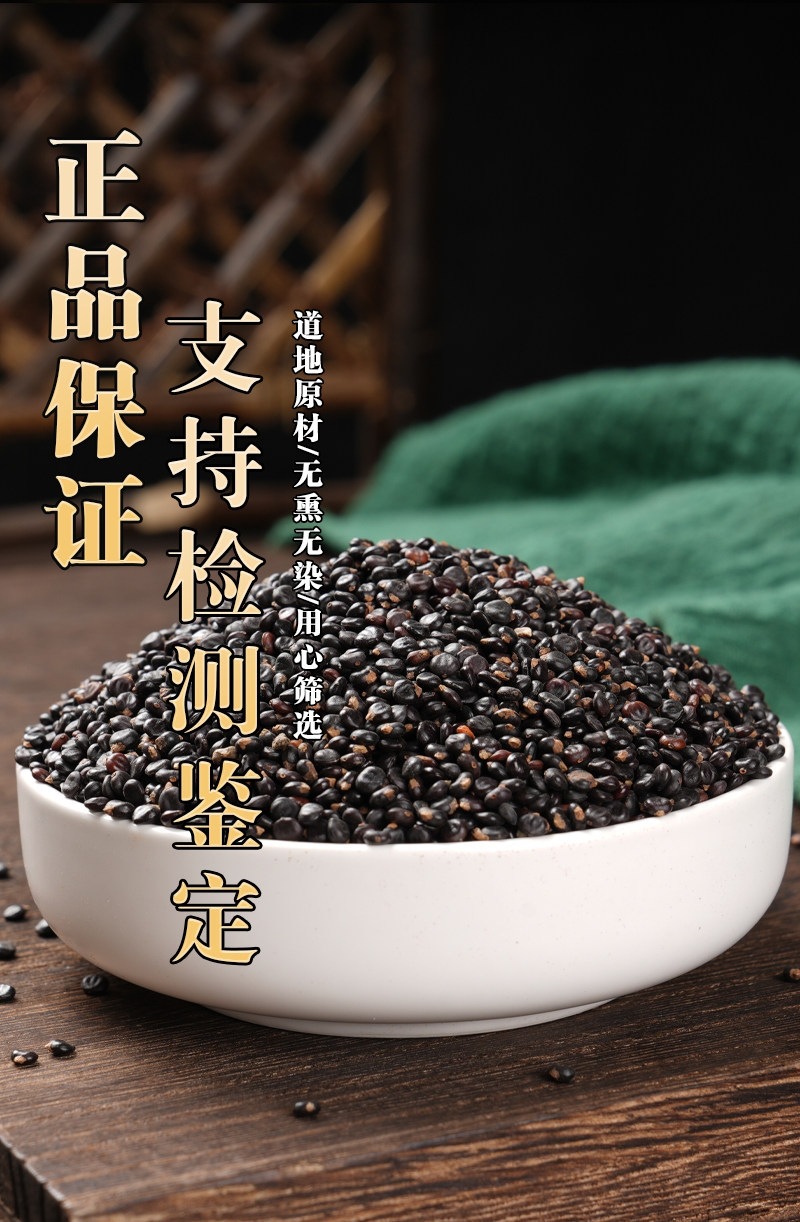
- Sun-dried processing preserves the natural character of the herb
- Traditionally associated with the Liver and Stomach channels in TCM theory
- Suitable for steeping as a simple herbal tea or simmering in decoctions
- Packaged in sealed jars for convenient storage in a cool dry place
Quality & Sensory
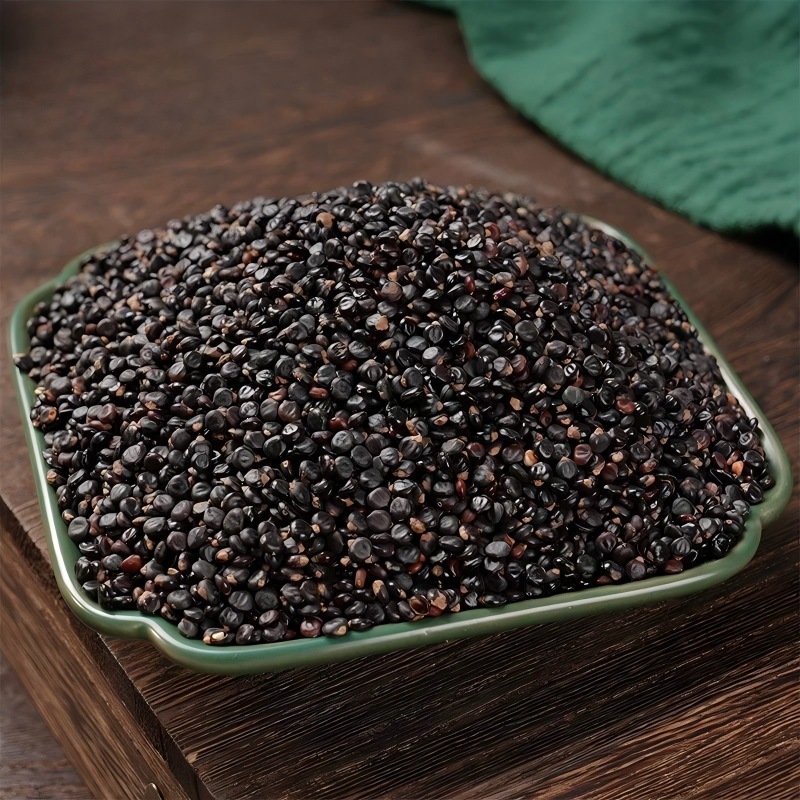
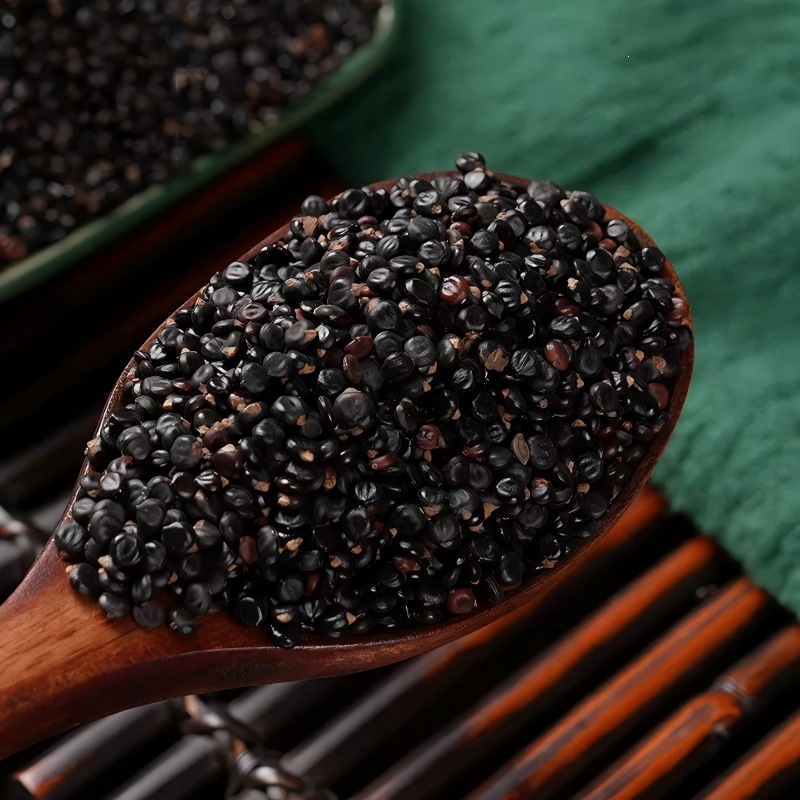
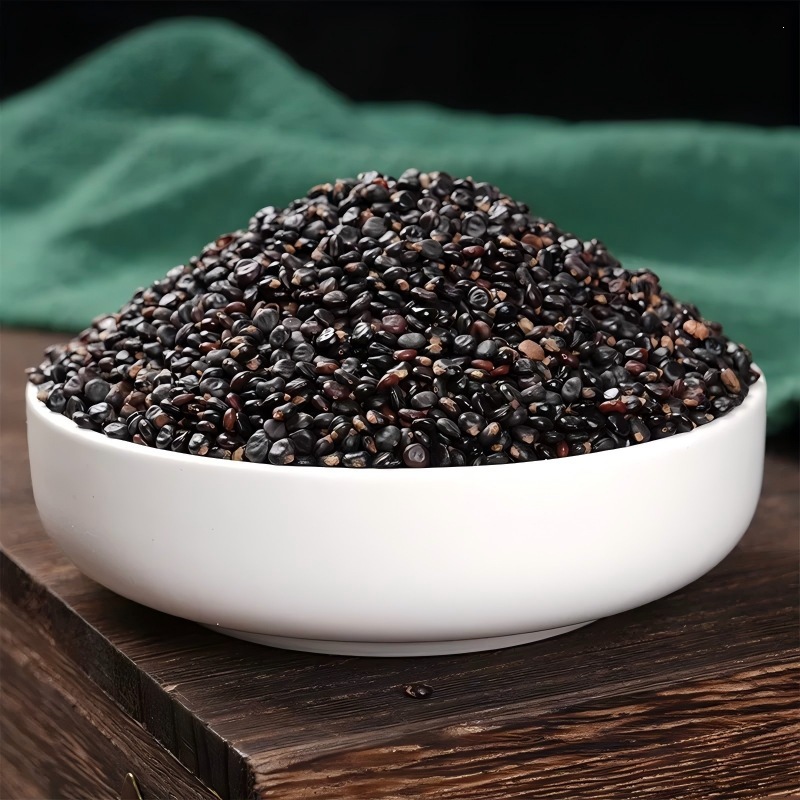
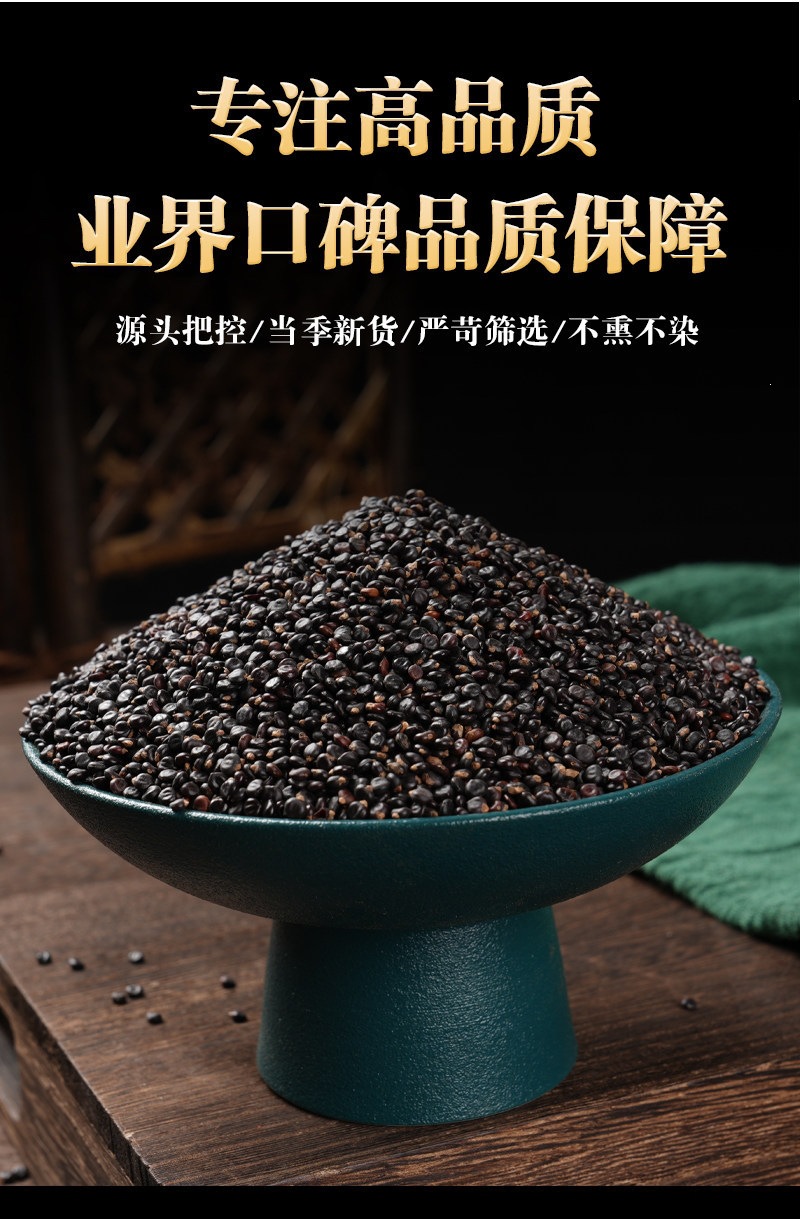
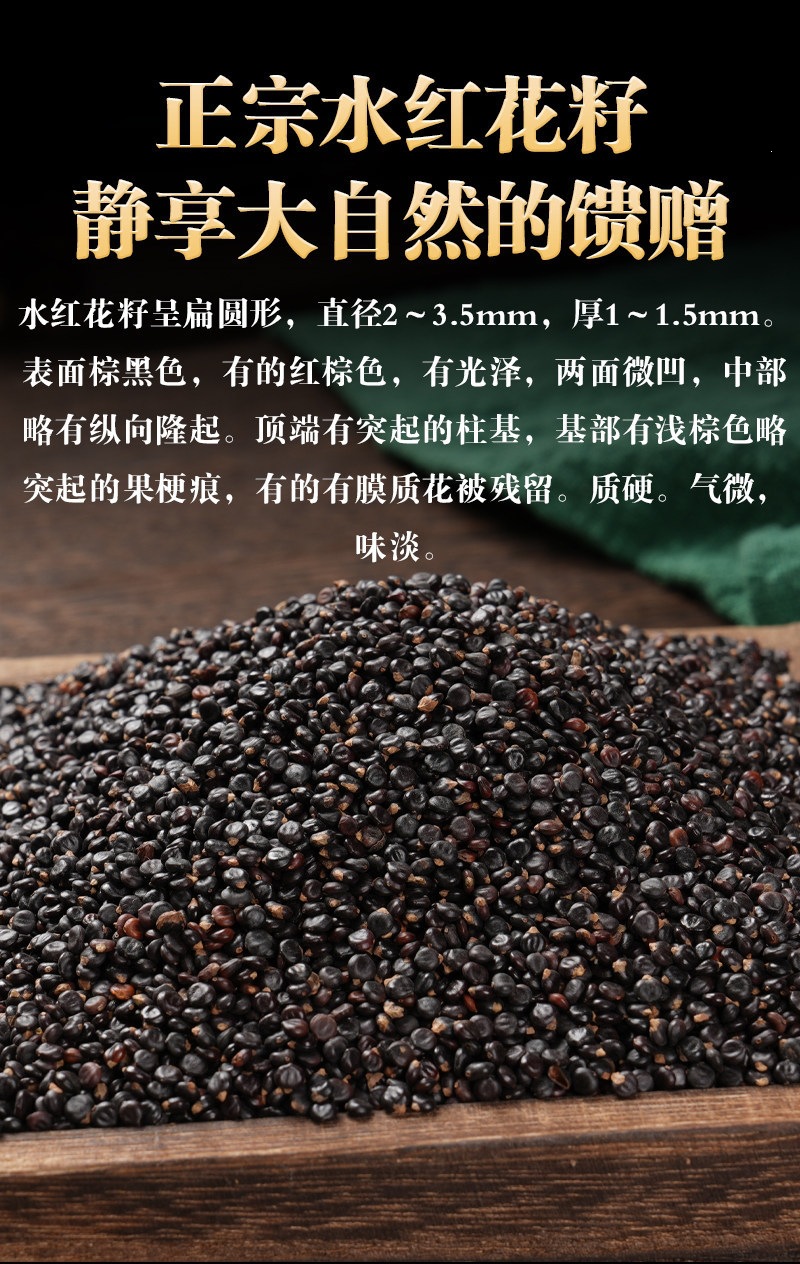
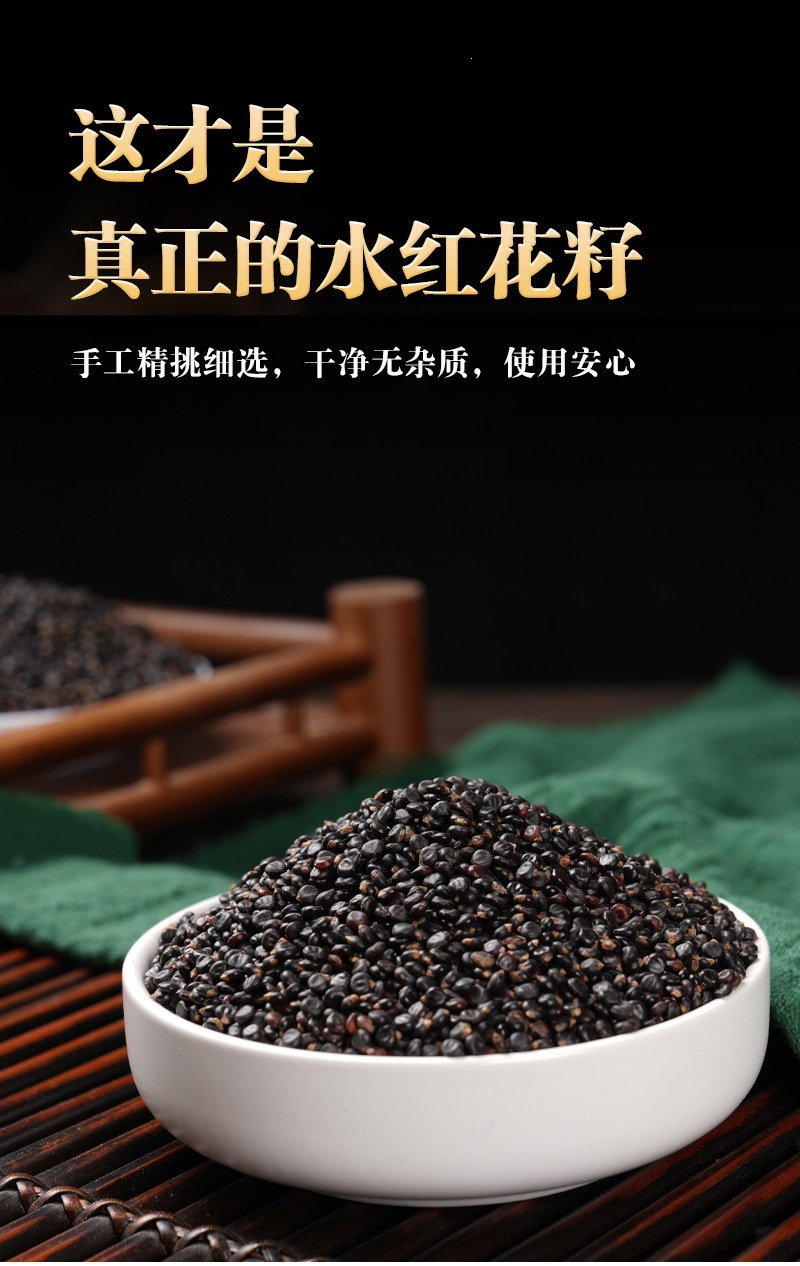
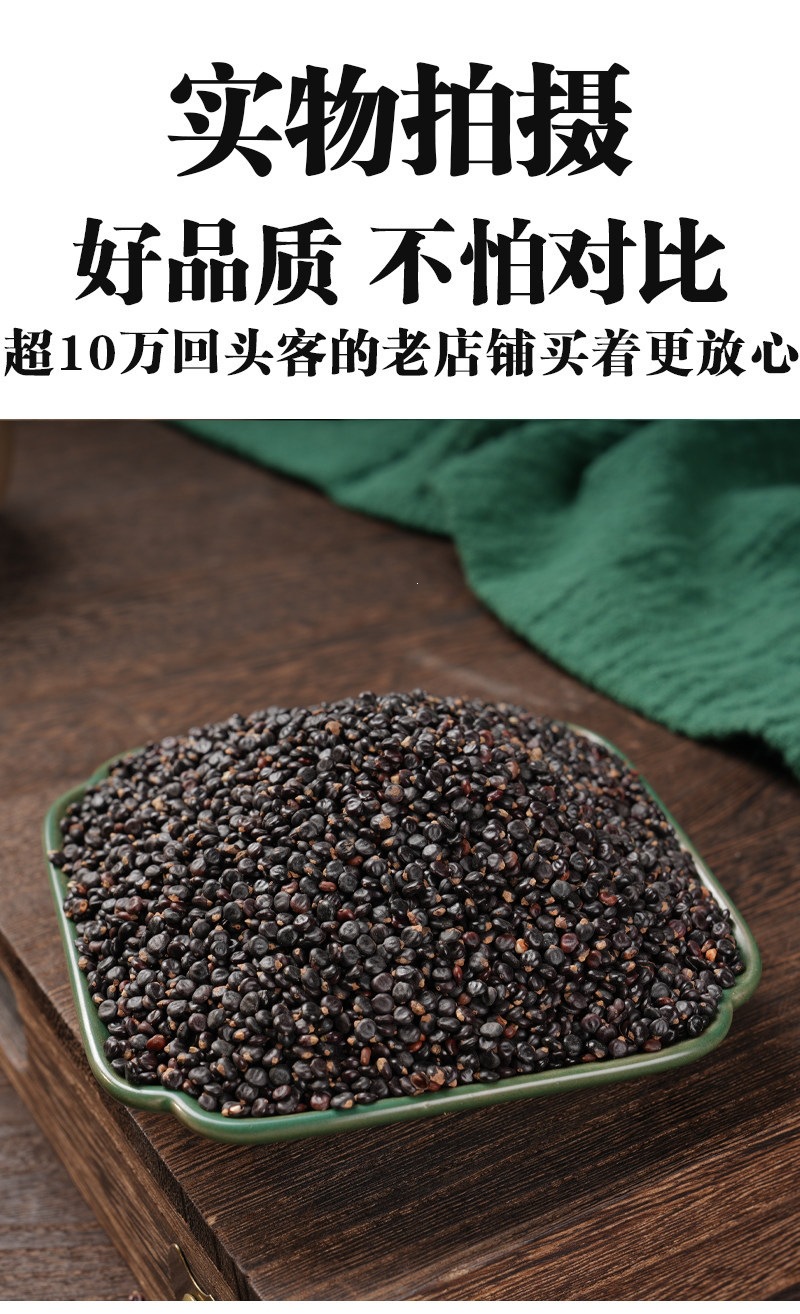
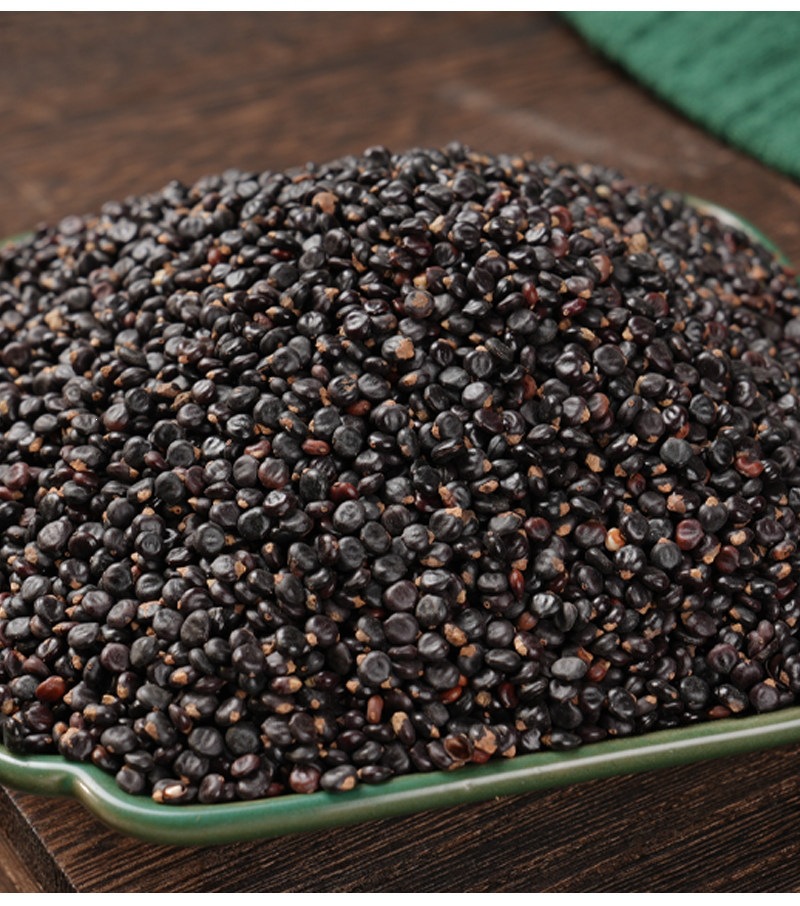
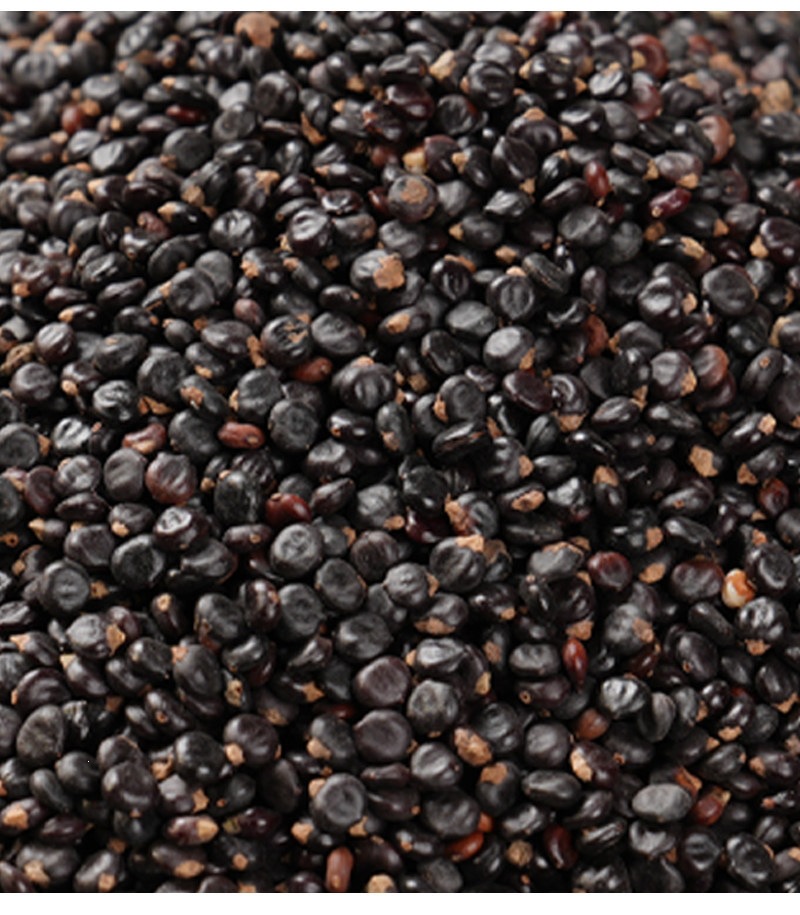
The dried fruits are typically small, dark brown to blackish, and hard in texture with a mild, faintly herbal aroma. When steeped or simmered, the liquid is typically light amber with a subtle, slightly bitter and salty taste.
Technical Specifications
| Product Type | Dried herbal fruit |
|---|---|
| Chinese Name | 水红花子 |
| Pinyin | Shui Hong Hua Zi |
| Botanical Name | Polygonum orientale |
| Plant Part | Dried ripe fruit |
| Processing | Sun-dried |
Usage Scenarios
- Steeped as a simple herbal tea
- Simmered in traditional herbal decoctions
- Combined with other herbs in seasonal soup recipes
- Used in homemade herbal congee
Traditional Uses
In TCM theory, Shui Hong Hua Zi is traditionally used in decoctions and teas, often paired with herbs such as hawthorn or tangerine peel. It is also used in folk preparations for seasonal soups and congee. Traditional texts associate it with the Liver and Stomach channels and a slightly cold, salty nature.
FAQ Q&A
Q: What is Shui Hong Hua Zi?
A: It is the dried ripe fruit of Polygonum orientale, known in TCM as Shui Hong Hua Zi (水红花子).
Q: What is its traditional value?
A: In TCM theory it is associated with the Liver and Stomach channels and a slightly cold, salty nature. It is traditionally used in decoctions and teas.
Q: How is it commonly prepared?
A: It is typically steeped in hot water as a tea or simmered with other herbs in a decoction. It can also be added to soups or congee.
Additional information
| Model | 新货水红花子180克 1罐, 新货水红花子180克 2罐, 新货水红花子500克 1罐, 新货水红花子500克 2罐, 新货水红花子500克 3罐, 新货水红花子500克 4罐 |
|---|
Related products
-
Taizishen Dried Pseudostellaria Root TCM Herbal Tea and Soup Ingredient 500g Bulk Pack
Price range: $10.28 through $15.63 -
Dried Ginger Root Gan Jiang 500g Bulk Chinese Herb Zingiber officinale Rhizome for Decoction and Culinary Use
$5.90 -
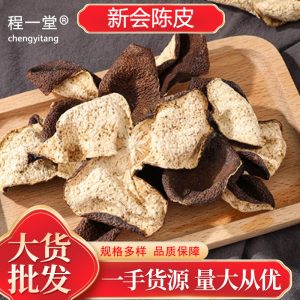
Xinhui Chenpi Dried Tangerine Peel 500g Sun Dried Aged Peel for Soup and Tea
Price range: $60.19 through $116.90 -
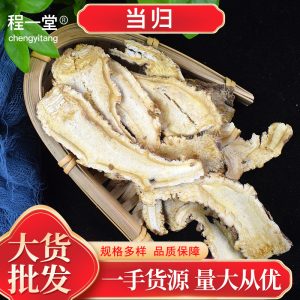
Dried Angelica Sinensis Slices Dang Gui 当归 500g Gansu Raw Herb for Decoction Soup and Tea
Price range: $16.44 through $35.88
Reviews
There are no reviews yet.