
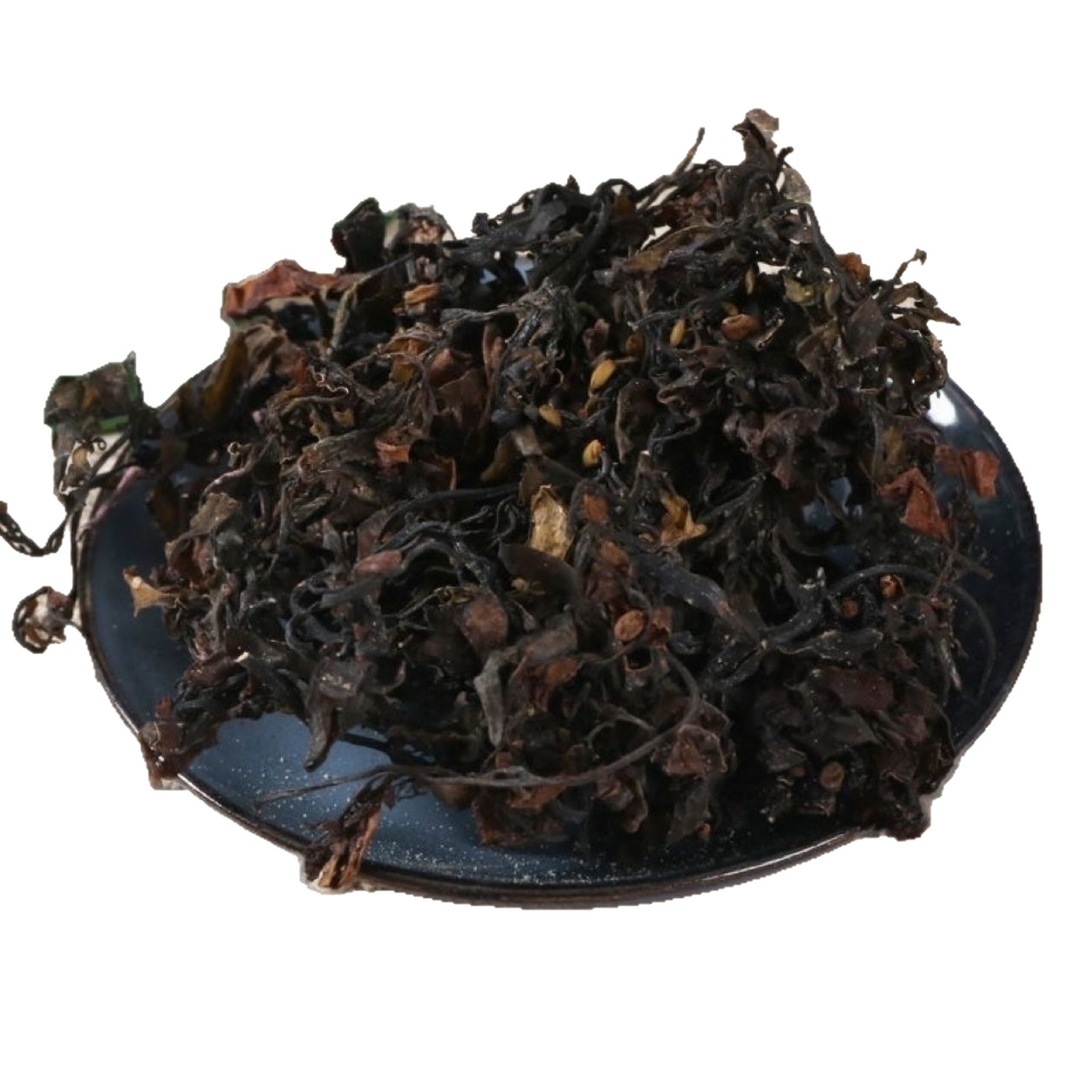
Dried Seaweed Kelp Herbal 500g Hai Zao Kun Bu Traditional Chinese Herb Soup Ingredient
Price range: $5.71 through $44.05
Description
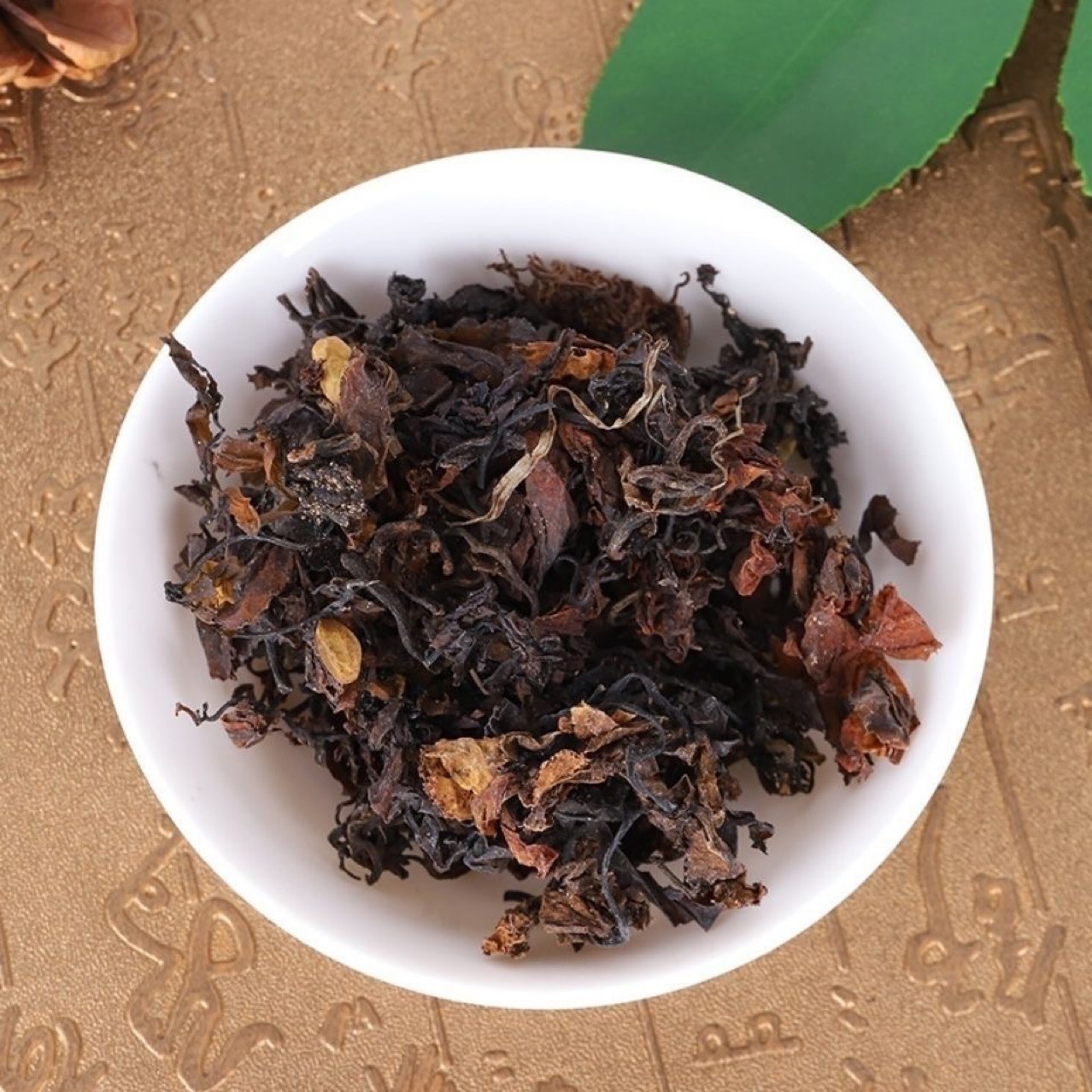
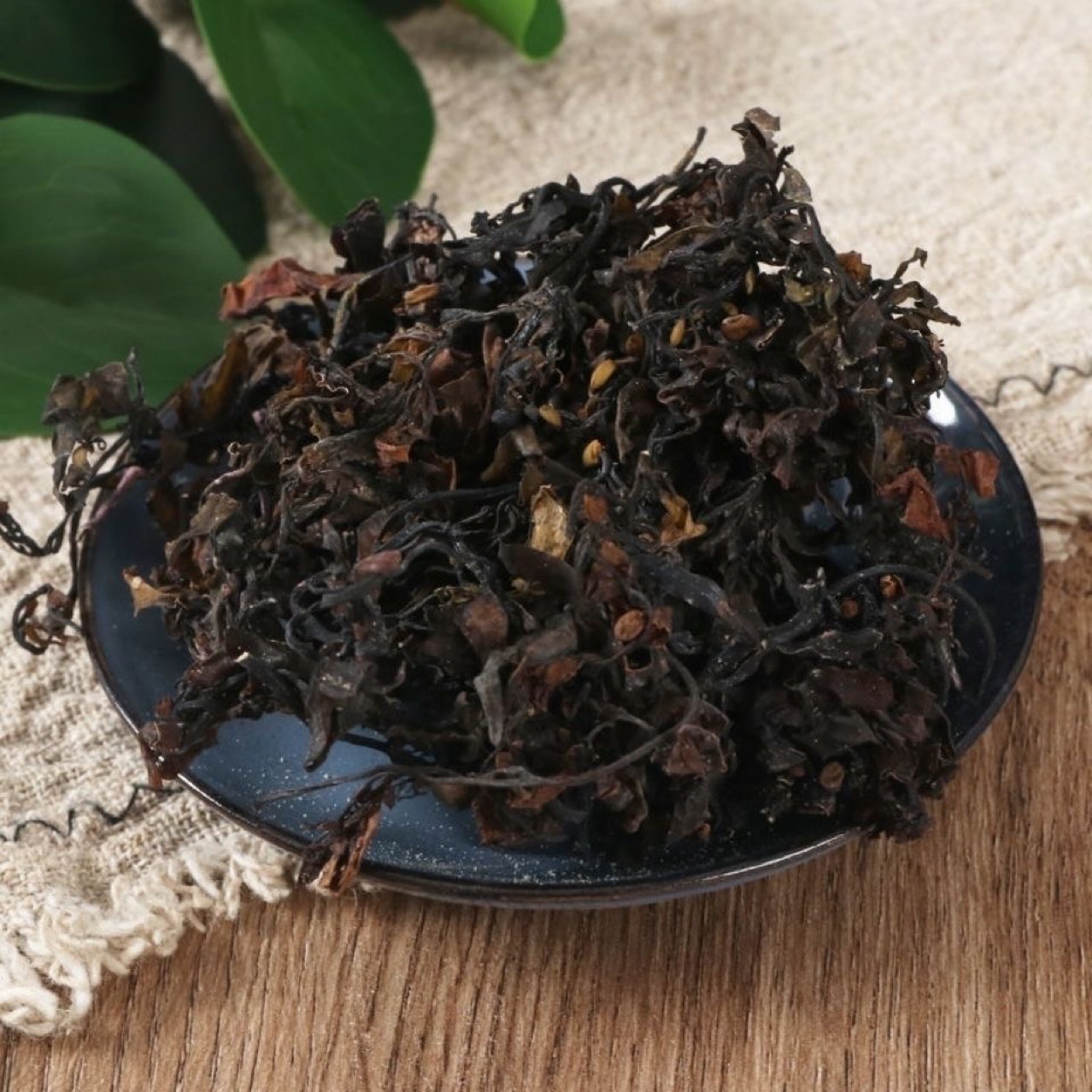
Dried Seaweed, known in TCM as Hai Zao (海藻) and Kun Bu (昆布), from Saccharina japonica and related brown algae. This sun-dried marine herb is a classic Chinese decoction piece traditionally used in TCM soups and teas. In TCM theory it is considered salty and cold, associated with the Liver, Stomach, and Kidney channels. Traditionally used in herbal formulas and everyday soup cooking.
Key Selling Points
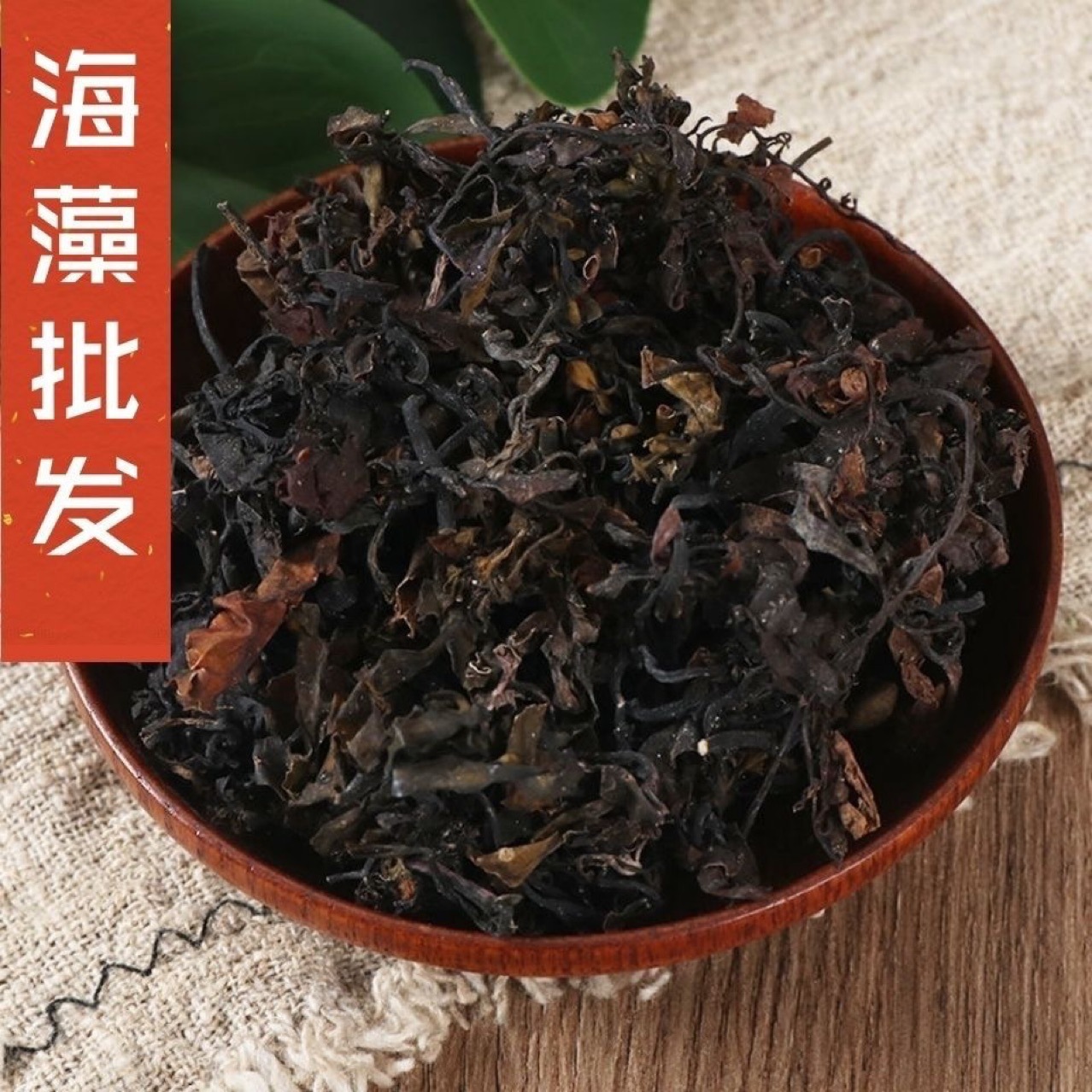
- Identifiable TCM herb Hai Zao (海藻) also known as Kun Bu (昆布)
- Sun-dried brown seaweed from Anhui, China
- 500g net weight of dried decoction pieces
- Salty cold nature in TCM theory associated with Liver Stomach and Kidney channels
- Commonly added to soups decoctions and congee
Quality & Sensory
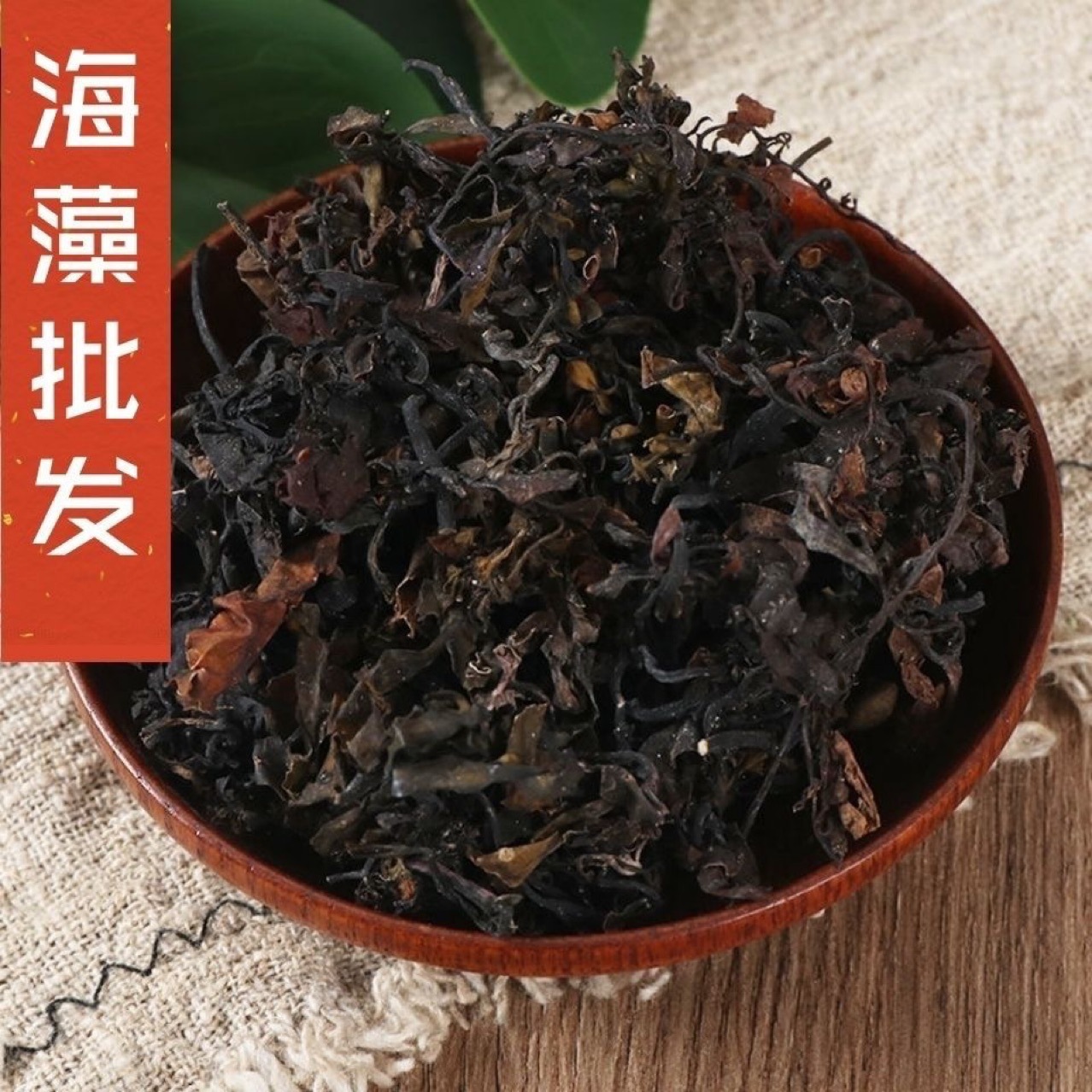
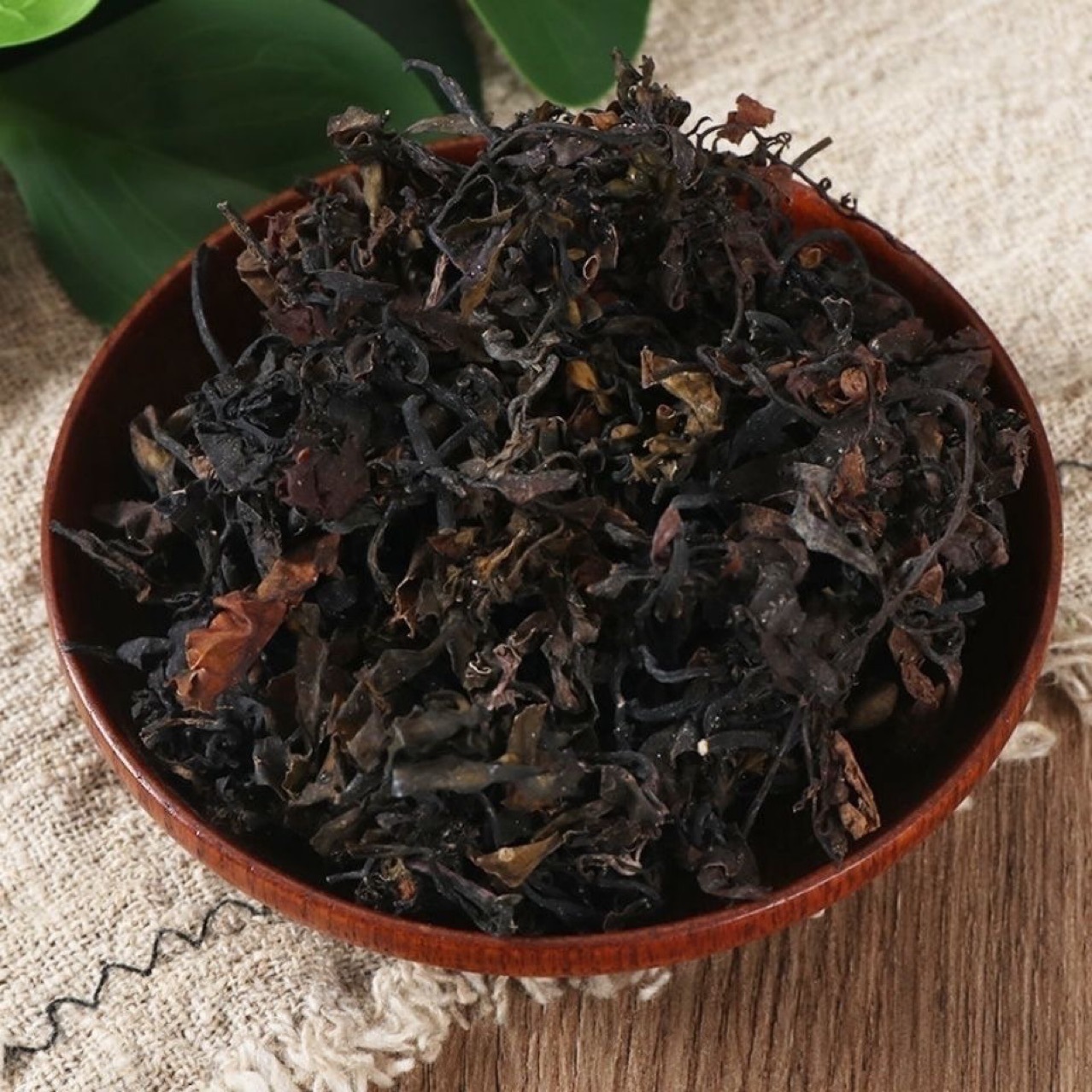
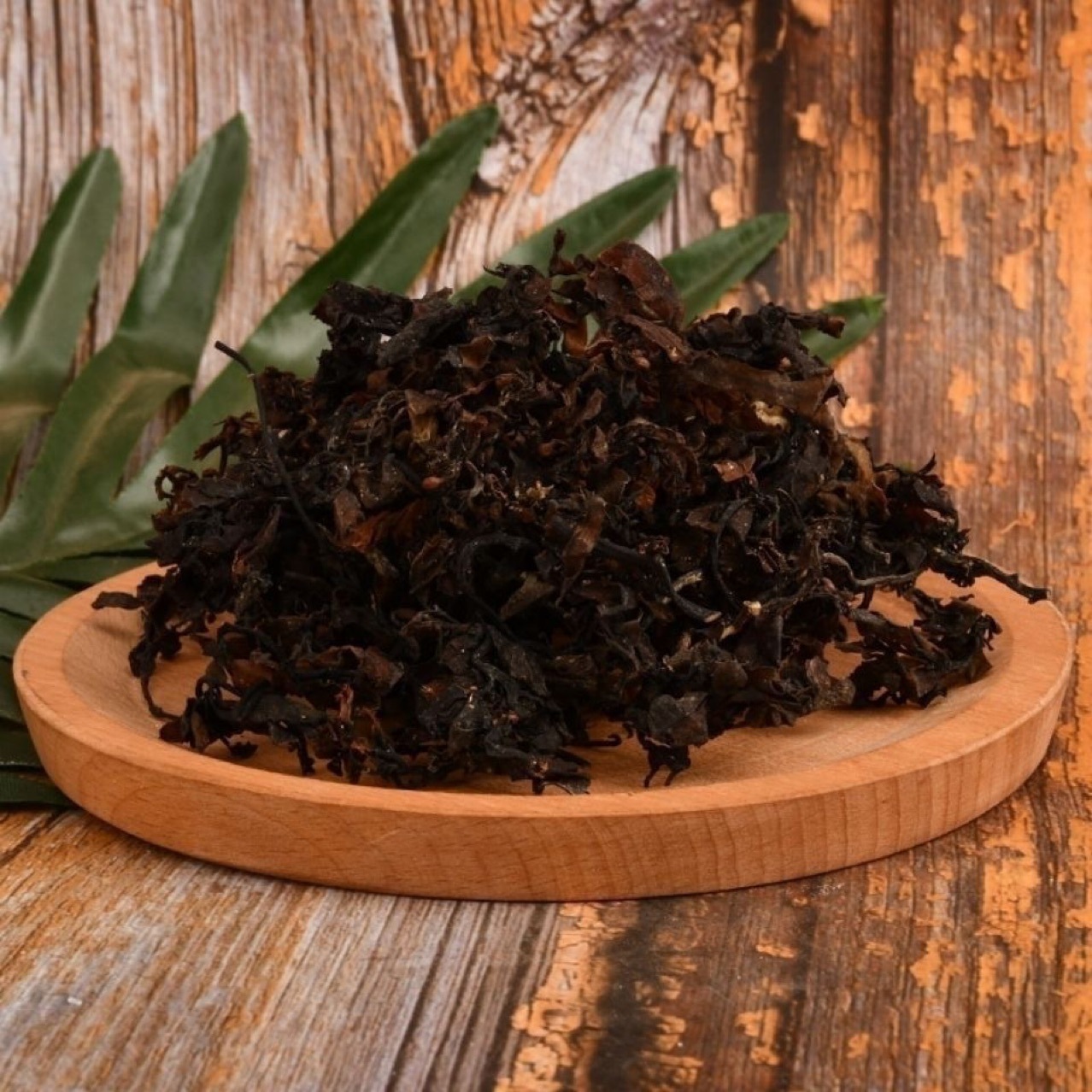
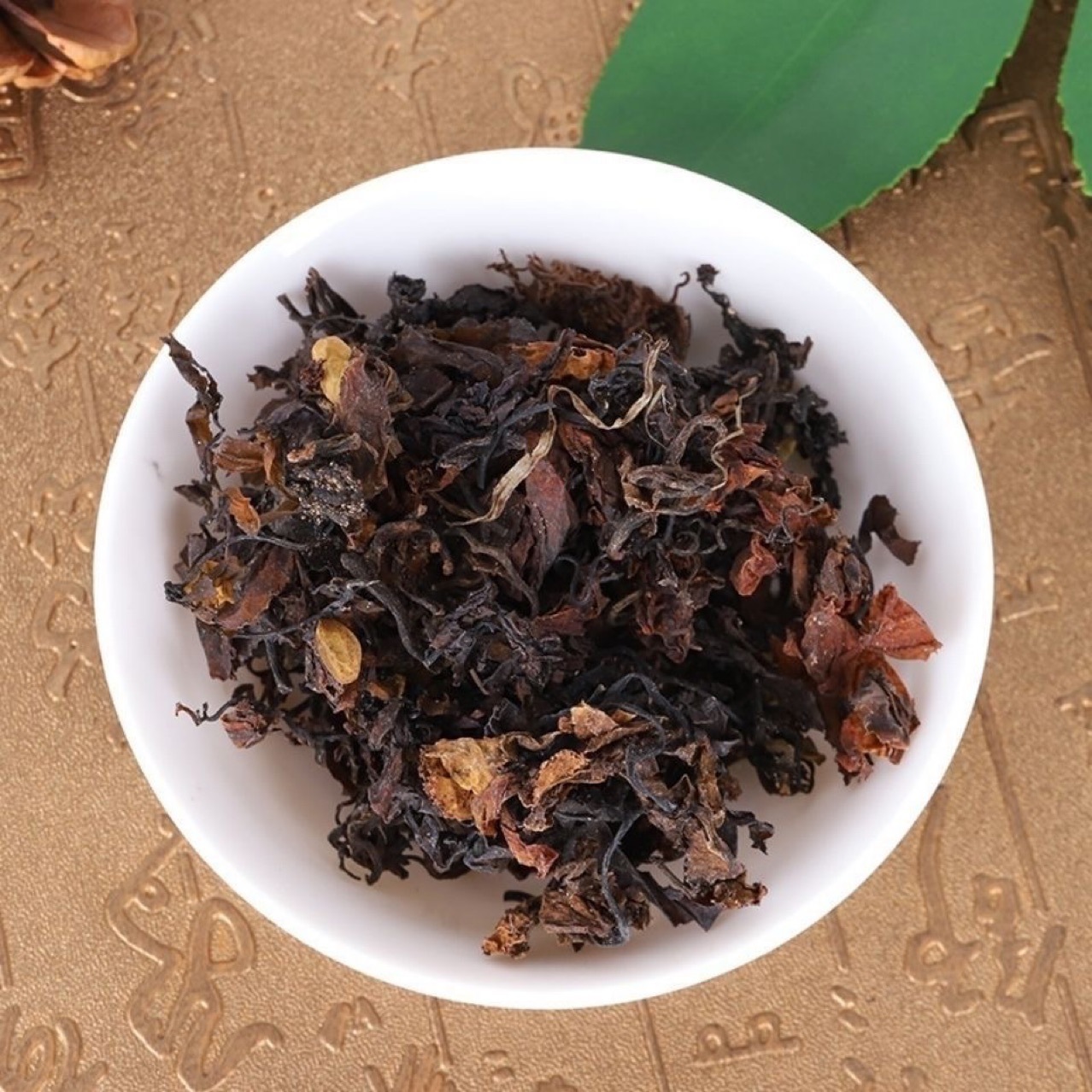
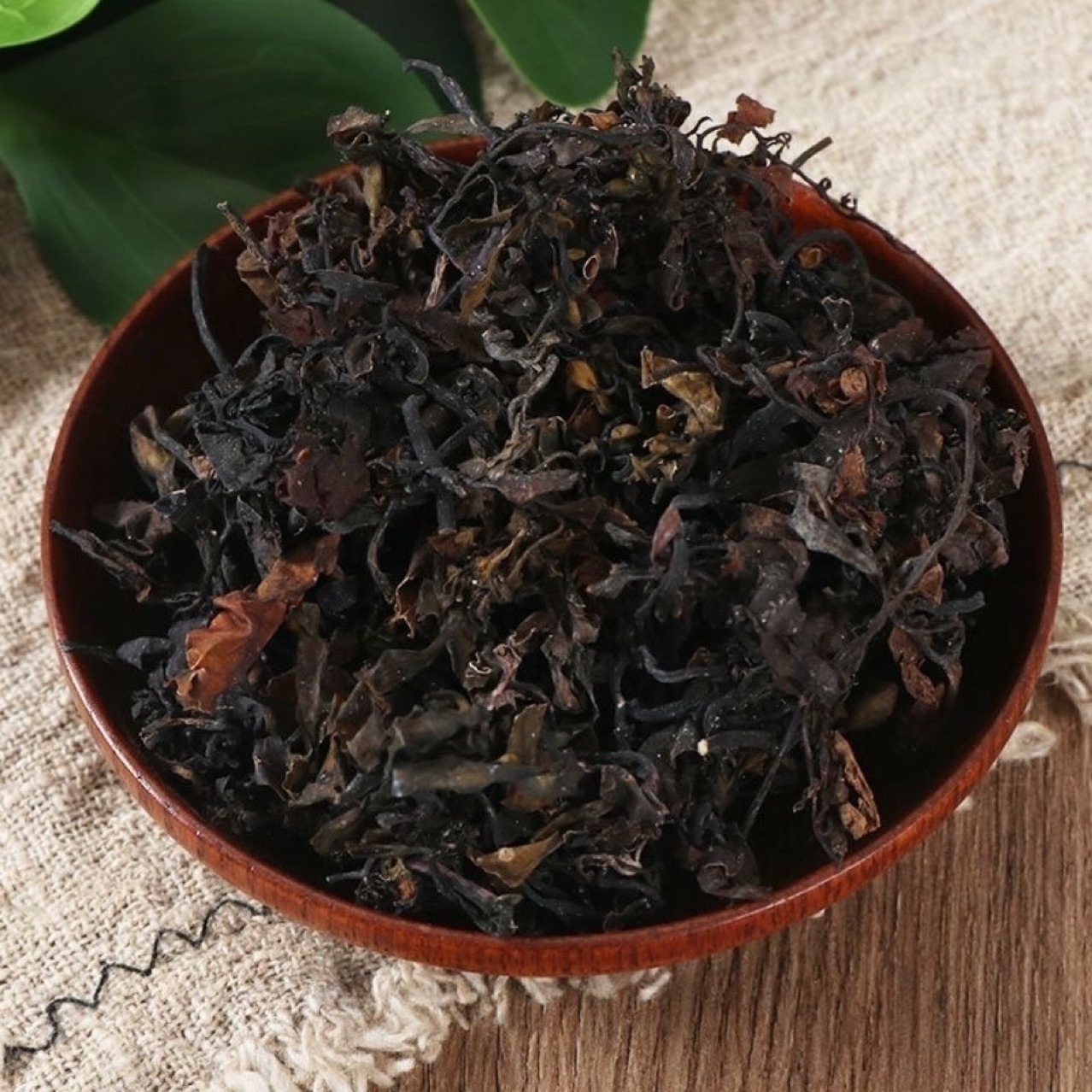
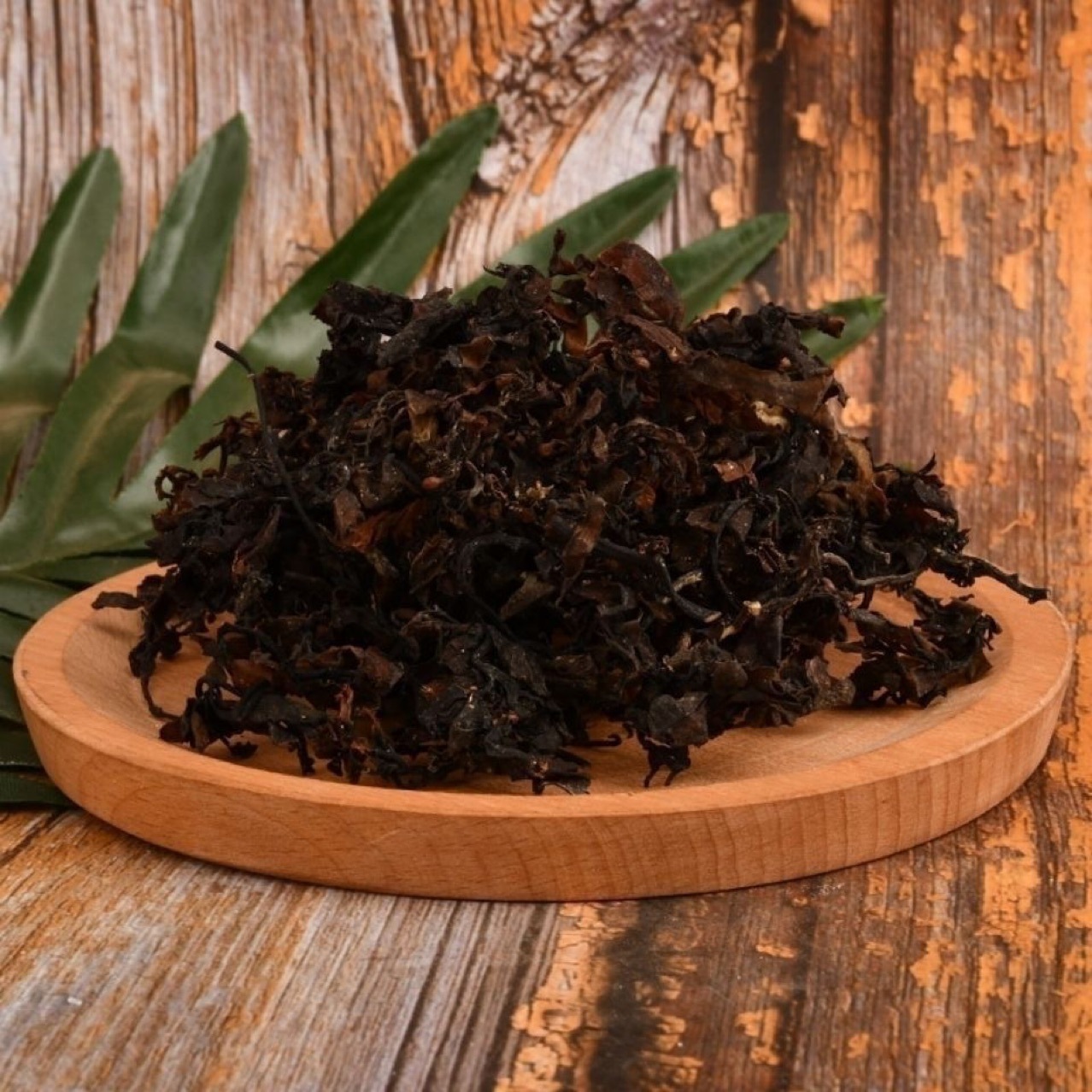
Typically dark brown to blackish-green dried fronds with a leathery, slightly brittle texture and a mild marine aroma. After soaking or simmering, the pieces soften and develop a characteristic salty seaweed taste. Color and thickness vary naturally between batches.
Technical Specifications
| Product Type | Dried seaweed decoction pieces |
|---|---|
| Chinese Name | 海藻 昆布 |
| Pinyin | Hai Zao, Kun Bu |
| Botanical Name | Saccharina japonica |
| Plant Part | Dried thallus |
| Net Weight | 500g |
Usage Scenarios
- Added to traditional Chinese herbal decoctions
- Simmered in seaweed and pork rib soup
- Cooked into savory congee
- Used as a culinary ingredient in everyday broths
Traditional Uses
In TCM theory, Hai Zao (海藻) and Kun Bu (昆布) are salty and cold herbs traditionally used in decoctions and soups. They are commonly paired with other herbs in classic formulas and are also cooked with pork ribs, tofu, or congee for everyday seasonal meals. Traditional preparation involves soaking, rinsing, and simmering.
FAQ Q&A
Q: What is this product?
A: It is 500g of sun-dried seaweed decoction pieces, known in TCM as Hai Zao (海藻) or Kun Bu (昆布).
Q: What is its traditional value?
A: In TCM theory it is considered salty and cold, associated with the Liver, Stomach, and Kidney channels, and is traditionally used in herbal formulas and soups.
Q: How is it commonly prepared?
A: It is typically soaked, rinsed, and then simmered in decoctions, soups, or congee. Do not exceed traditional culinary amounts.
Additional information
| Weight | N/A |
|---|---|
| Dimensions | N/A |
| Model | 海藻250克, 海藻500克, 海藻1000克, 海藻10公斤 |
Related products
-
Astragalus Root Slices Huang Qi 斜片 Dried Herb for Decoction Soup and Tea 500g
Price range: $6.06 through $19.51 -

Dried Raspberry Fruit Fu Pen Zi Whole Berries for Herbal Tea and Wine Infusion 500g
Price range: $15.63 through $18.06 -
Tie Pi Shi Hu Dried Dendrobium Stems 500g Huoshan Fengdou for Soup and Tea
Price range: $35.88 through $108.80 -

Cabinda Bark Dried Herb 500g Traditional Herbal Infusion Ingredient
Price range: $12.38 through $37.50
Reviews
There are no reviews yet.