
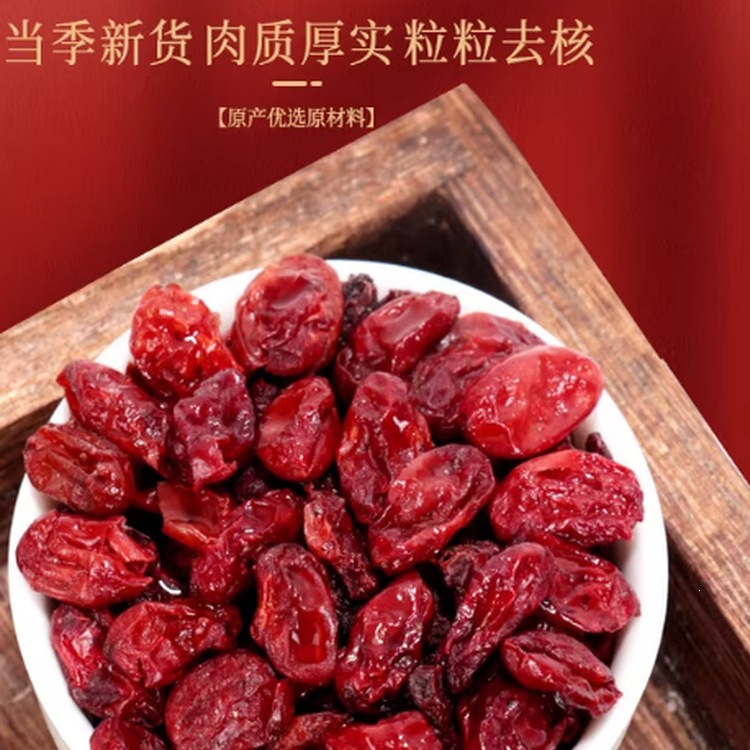
Dried Schisandra Berry Whole Fruit Wu Wei Zi for Herbal Tea and Water Infusion
Price range: $5.99 through $9.76
Description
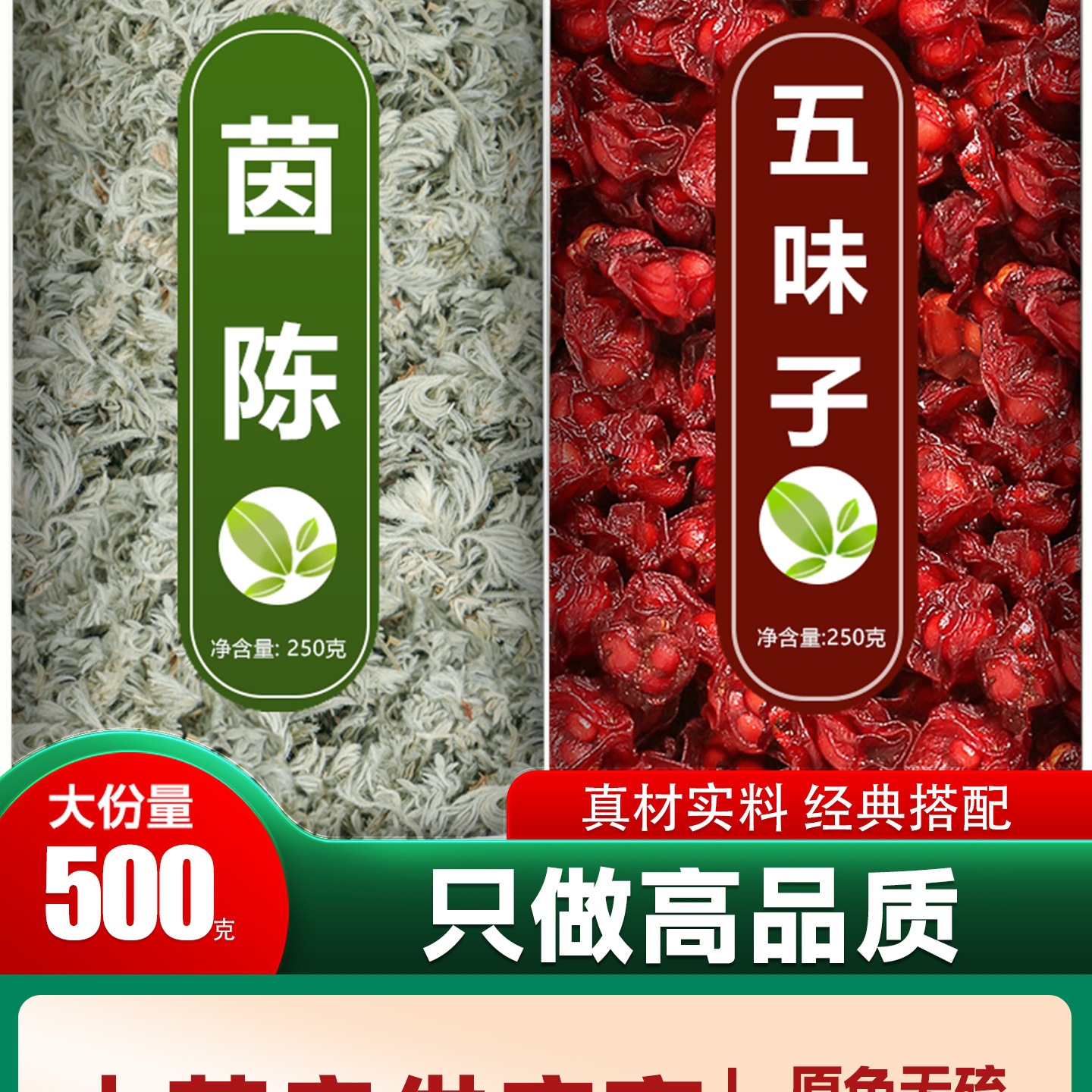
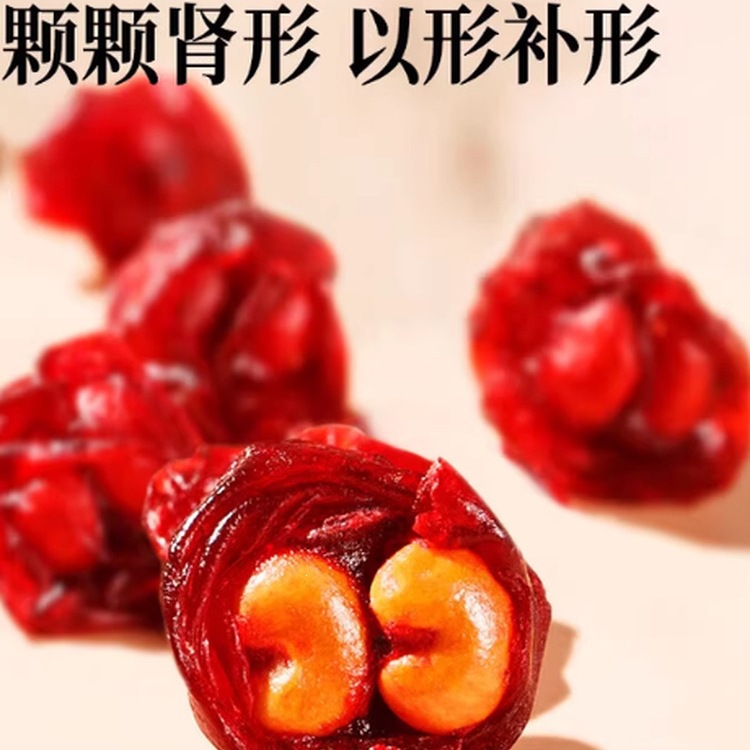
Dried Schisandra Berry, known in TCM as Wu Wei Zi (五味子), from Schisandra chinensis, is the whole dried fruit of the schisandra vine. In TCM theory it is considered sour and warm, traditionally associated with the Lung, Heart, and Kidney channels. The small red berries are commonly infused in hot water as a daily herbal tea or added to decoctions and soups for traditional wellness support.
Key Selling Points
- Whole dried Schisandra chinensis fruit, not powdered or processed
- Known in TCM as Wu Wei Zi (五味子), the five-flavor berry
- Traditionally associated with the Lung, Heart, and Kidney channels
- Sour, warm nature suited to daily herbal tea and decoction use
- Simple infusion in hot water or addition to soups and congee
Quality & Sensory
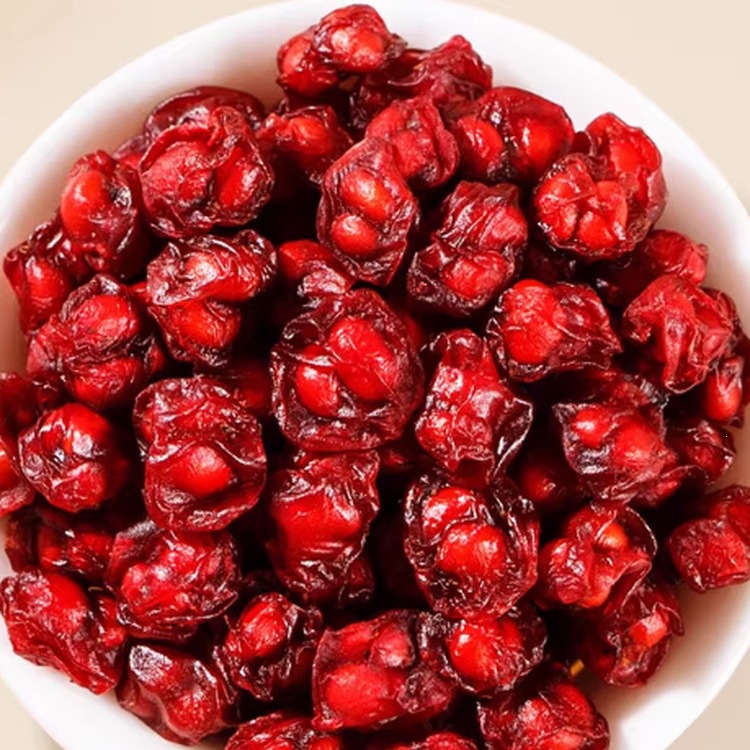
The dried berries are typically deep red to dark purple with a wrinkled, leathery skin and a firm, slightly moist interior. They have a mild fruity aroma and a distinctly sour taste with subtle sweet, bitter, and salty notes, which soften when infused in hot water.
Technical Specifications
| Product Type | Dried whole fruit |
|---|---|
| Chinese Name | 五味子 |
| Pinyin | Wu Wei Zi |
| Botanical Name | Schisandra chinensis |
| Plant Part | Fruit |
| Net Weight | 1 g |
Usage Scenarios
- Daily herbal tea by steeping in hot water
- Added to herbal decoctions with other botanicals
- Simmered in traditional soups or congee
- Combined with goji berry or jujube in warm infusions
Traditional Uses
In TCM theory, Wu Wei Zi is traditionally used in decoctions and teas, often paired with herbs such as goji berry, jujube, or astragalus. It is commonly simmered in soups and congee for seasonal nourishment and is valued in folk practice for its sour, astringent nature and its association with the Lung, Heart, and Kidney channels.
FAQ Q&A
Q: What is this product?
A: It is dried whole fruit of Schisandra chinensis, known in TCM as Wu Wei Zi (五味子).
Q: What is its traditional value?
A: In TCM theory it is considered sour and warm and is traditionally associated with the Lung, Heart, and Kidney channels.
Q: How is it commonly prepared?
A: It is typically steeped in hot water as a tea or simmered in decoctions, soups, and congee.
Additional information
| Weight | N/A |
|---|---|
| Dimensions | N/A |
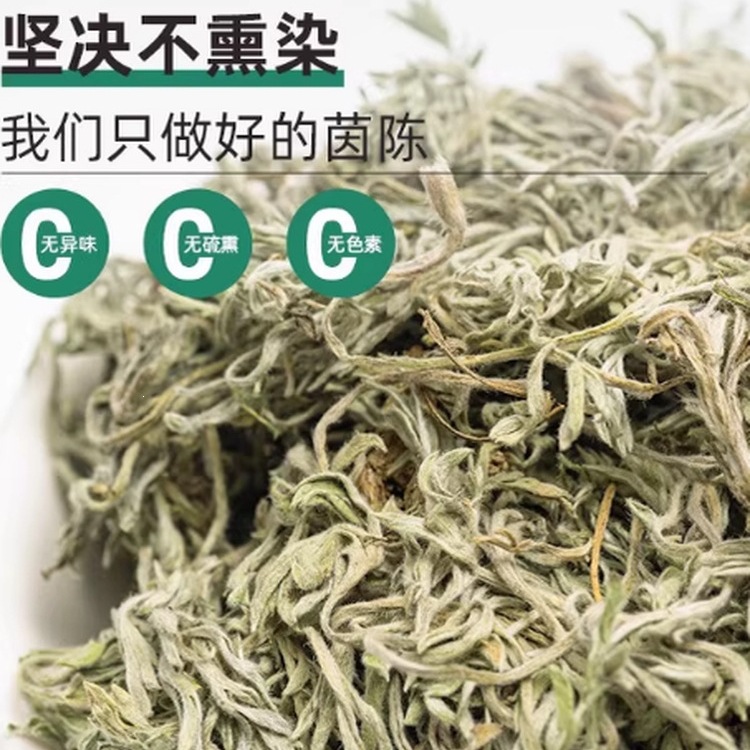
| Model | 1罐 茵陈, 大罐 2罐 茵陈 250g 五味子 250g, 大罐 1罐 茵陈 250g, 大罐 1罐 五味子 250g, 2罐 茵陈 五味子, 1罐 五味子 |
Related products
-

Dried Huang Jing Slices Polygonatum Rhizome Chicken Head Huang Jing 500g Bulk Herbal Tea and Soup Ingredient
Price range: $9.14 through $18.87 -
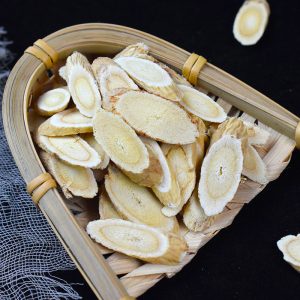
Astragalus Root Slices Huang Qi 500g Dried Herb for Soups and Teas
Price range: $7.36 through $22.11 -
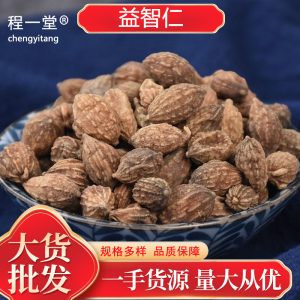
Yi Zhi Ren Dried Alpinia Oxyphylla Fruit 500g Traditional Herbal Tea and Decoction Ingredient
Price range: $11.74 through $13.36 -

Cabinda Bark Dried Herb 500g Traditional Herbal Infusion Ingredient
Price range: $12.38 through $37.50
Reviews
There are no reviews yet.