
Dried Schisandra Berry Whole Fruit Wu Wei Zi for Herbal Soups and Decoctions 1000g
Price range: $6.11 through $13.42
Description
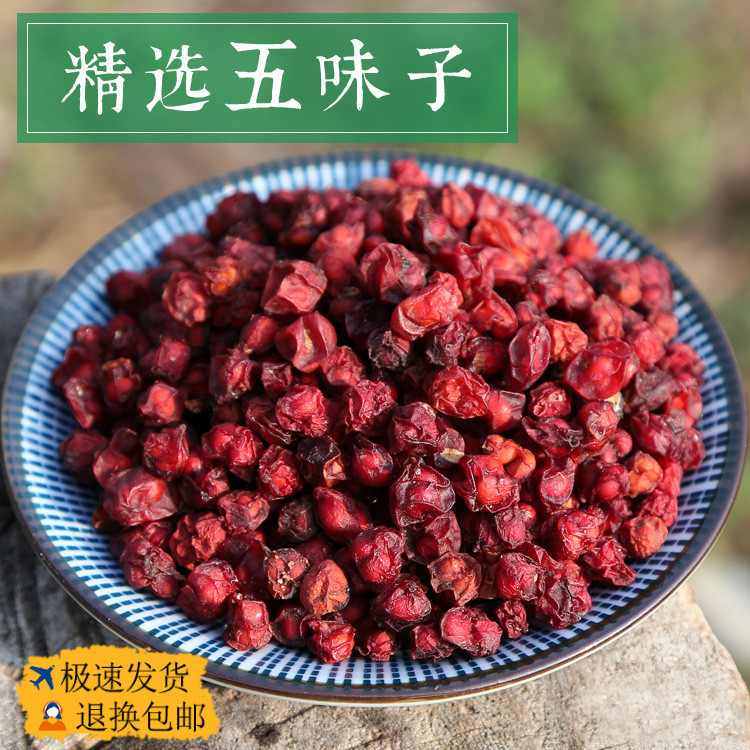
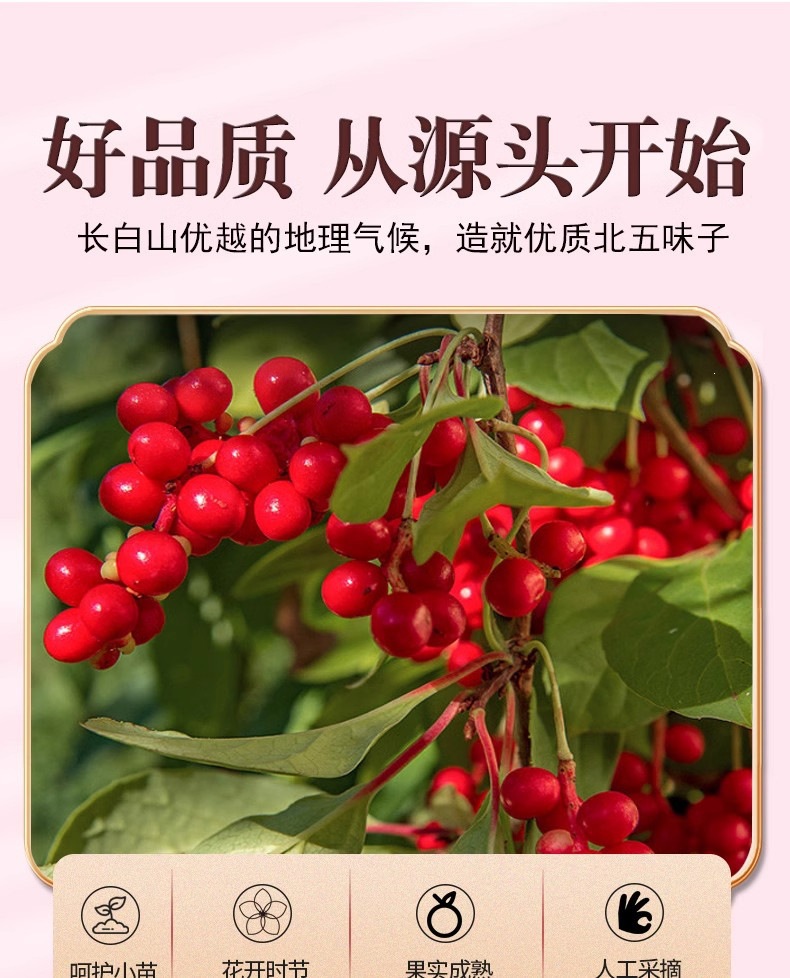
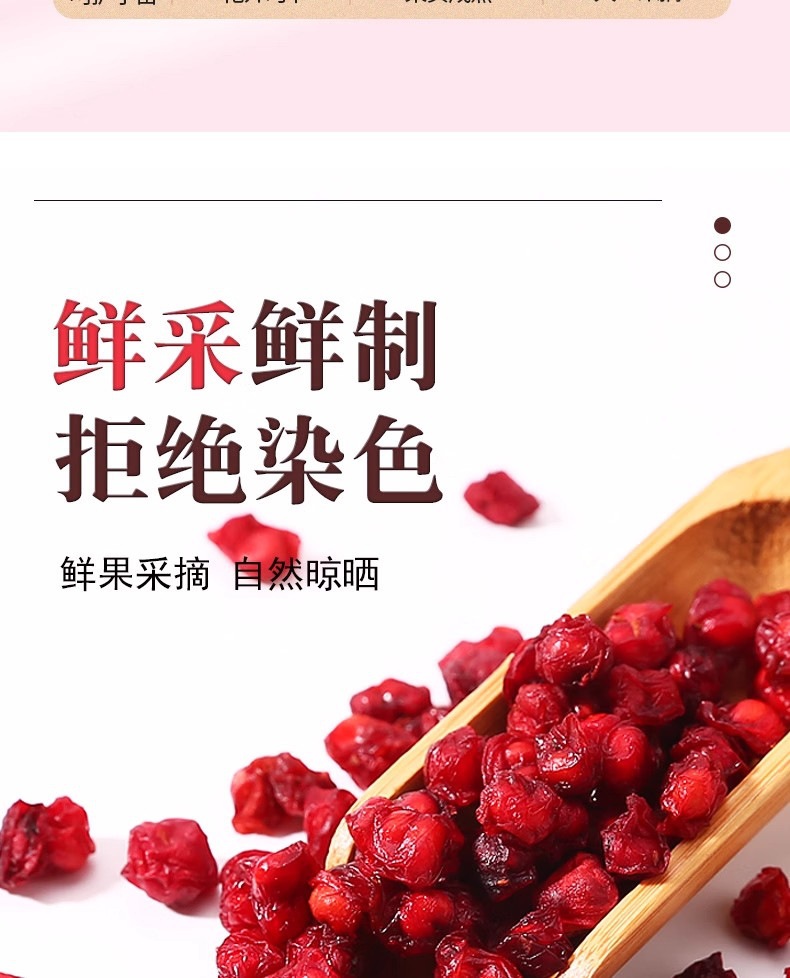
Dried Schisandra Berry, known in TCM as Wu Wei Zi (五味子), from Schisandra chinensis. These whole dried fruit granules are sourced from mountain areas and cleaned of impurities. In TCM theory, Wu Wei Zi is sour and sweet, warm in nature, and enters the lung, heart, and kidney channels. Traditionally used in decoctions, soups, and congee. Store in a cool dry place and keep away from pregnant or nursing women.
Key Selling Points
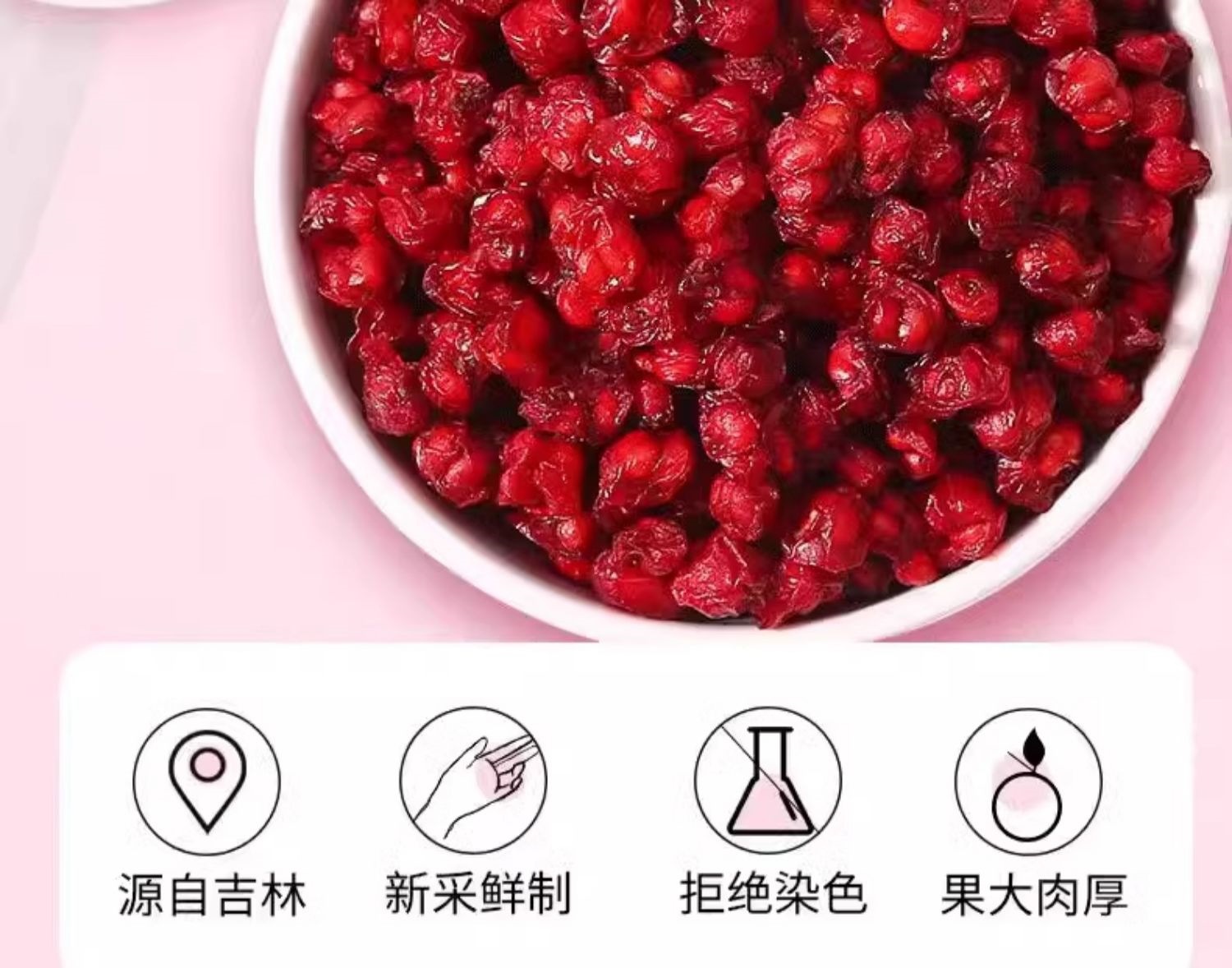
- Whole dried Schisandra chinensis fruit, not powdered or processed
- Known in TCM as Wu Wei Zi (五味子), a classic five-flavor herb
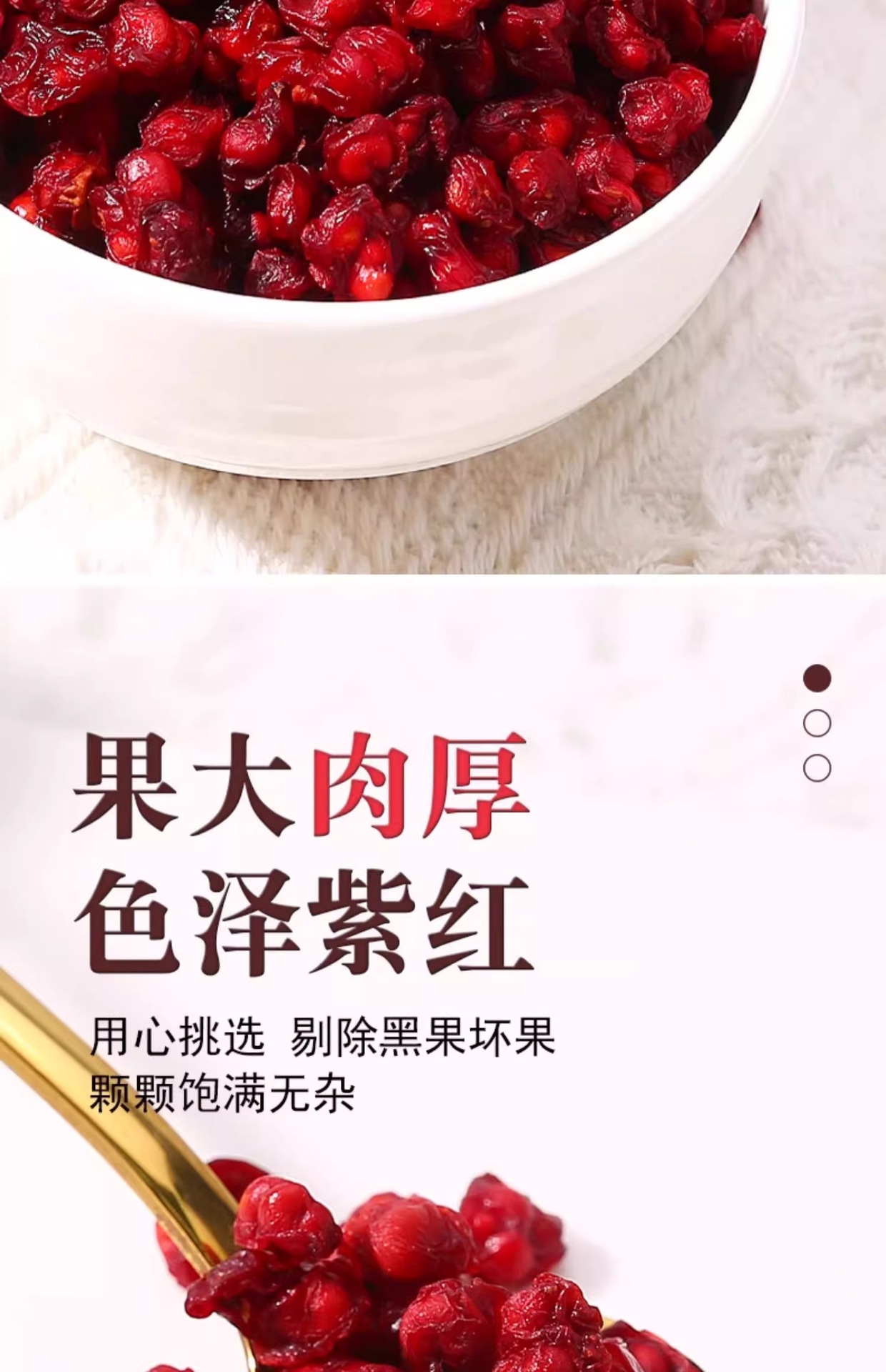
- Mountain-harvested and sorted for clean, impurity-free granules
- Suitable for cooking, soup, congee, and traditional decoctions
- Prepackaged 1000g supply with 12-month shelf life
Quality & Sensory
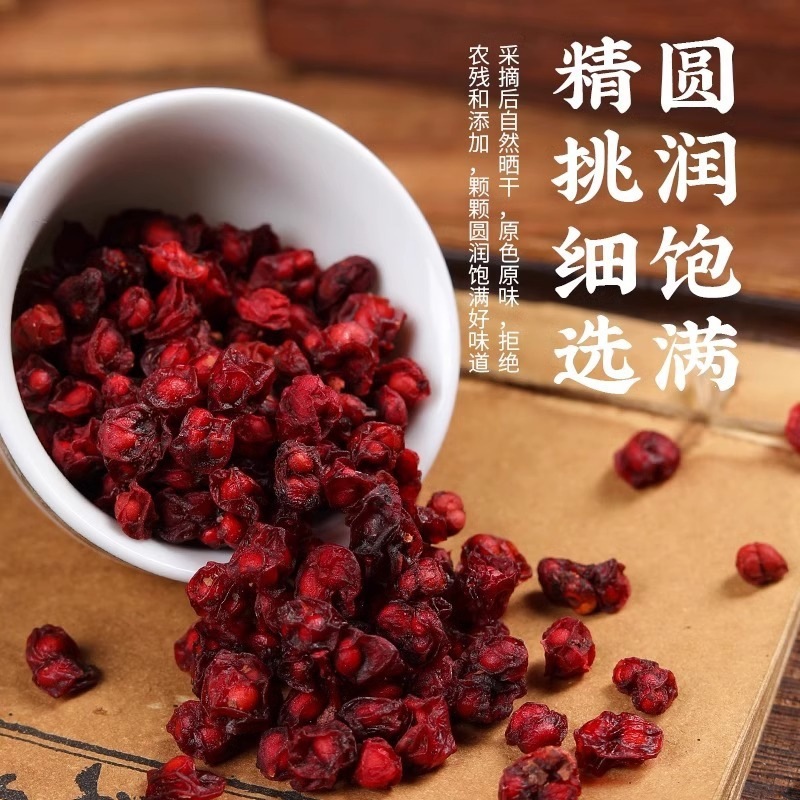
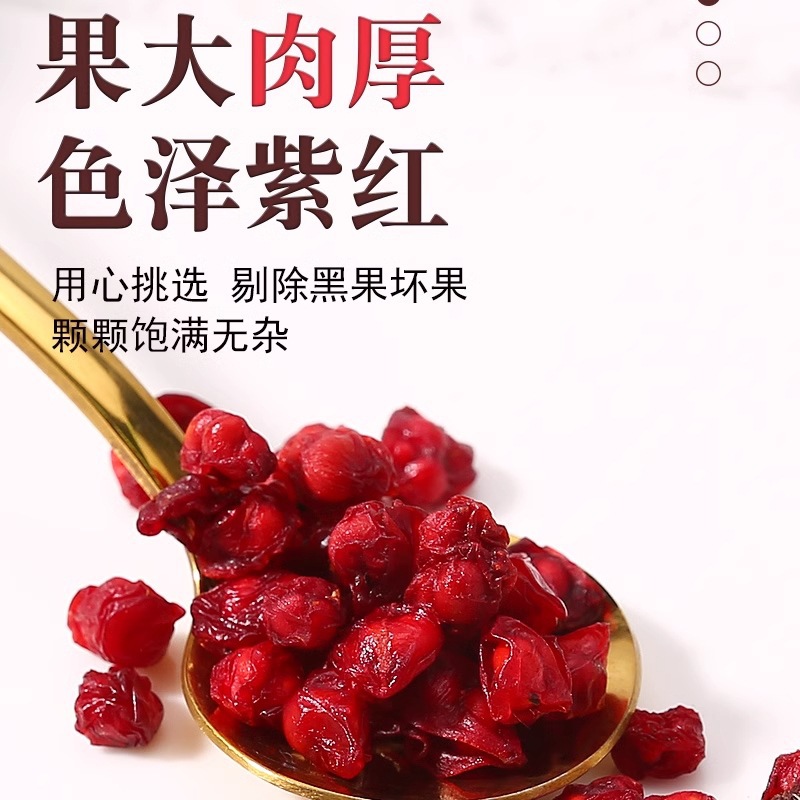
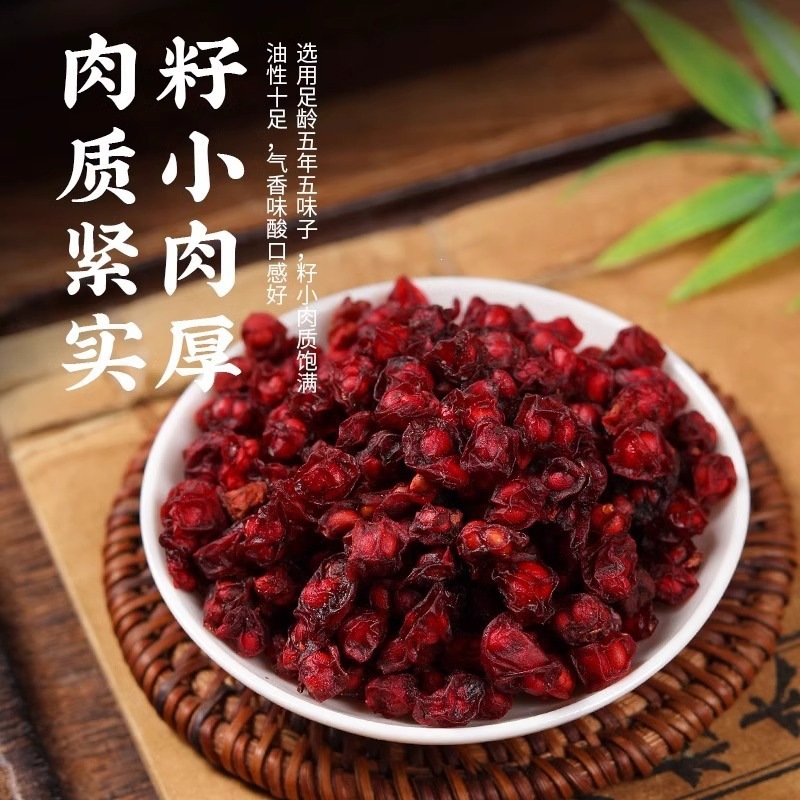
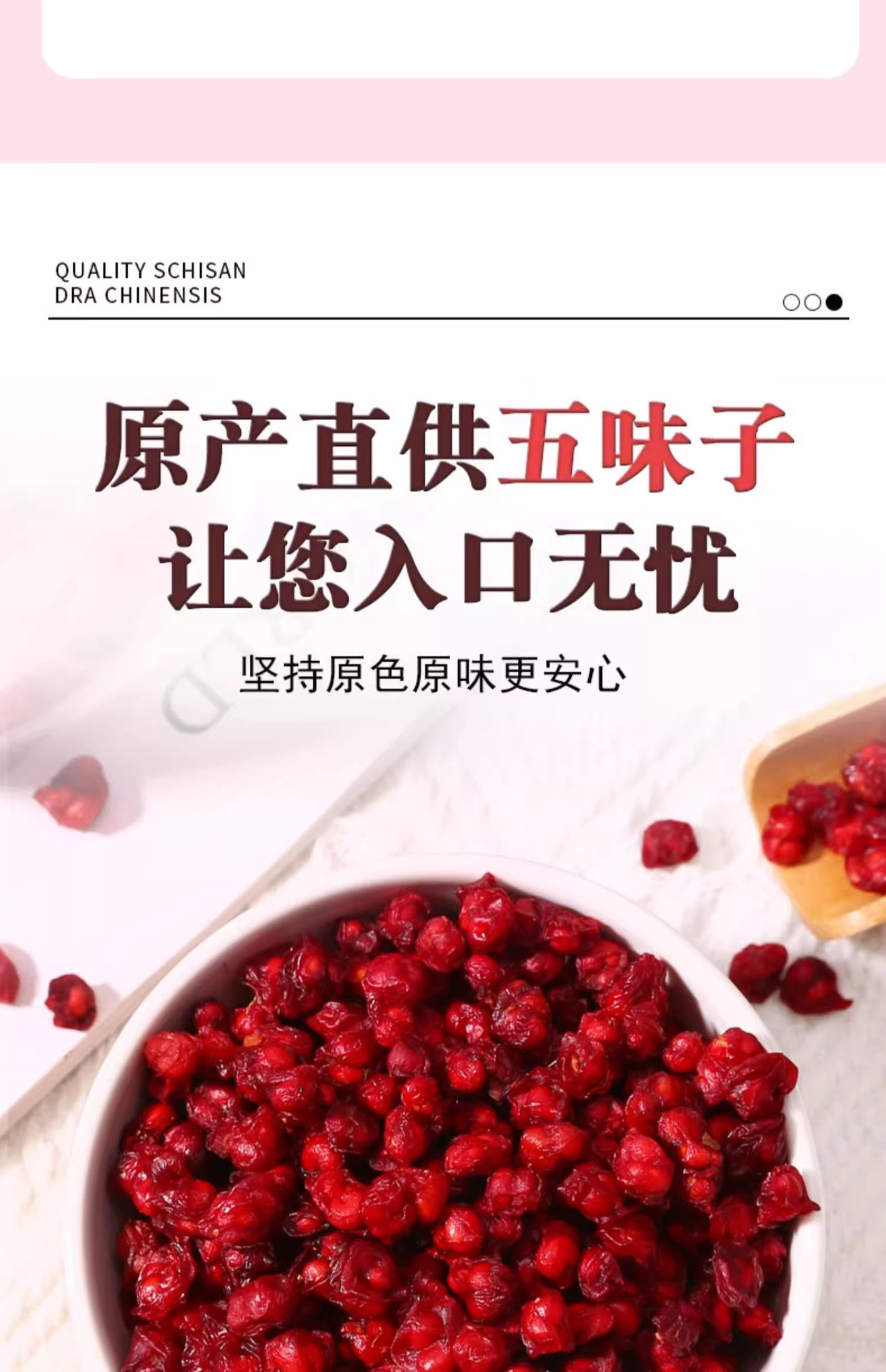
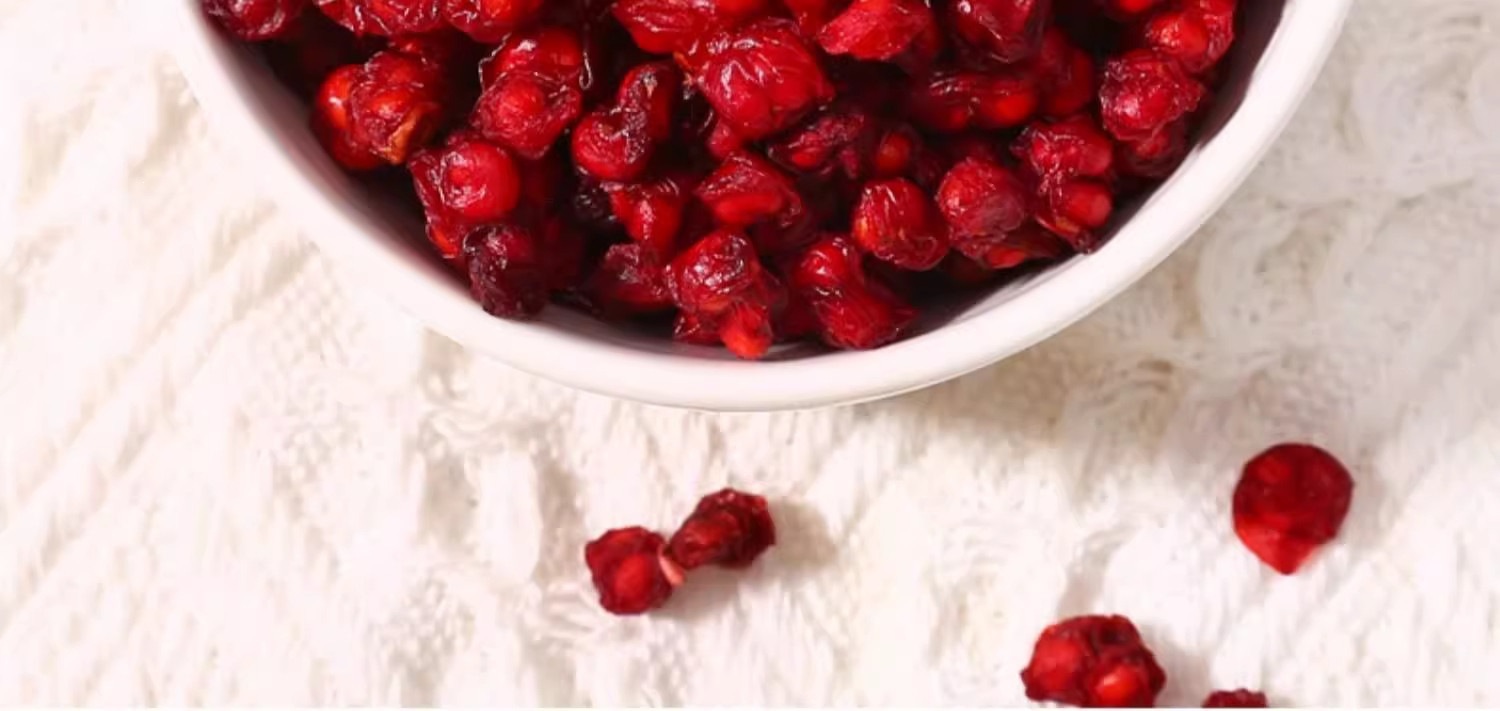
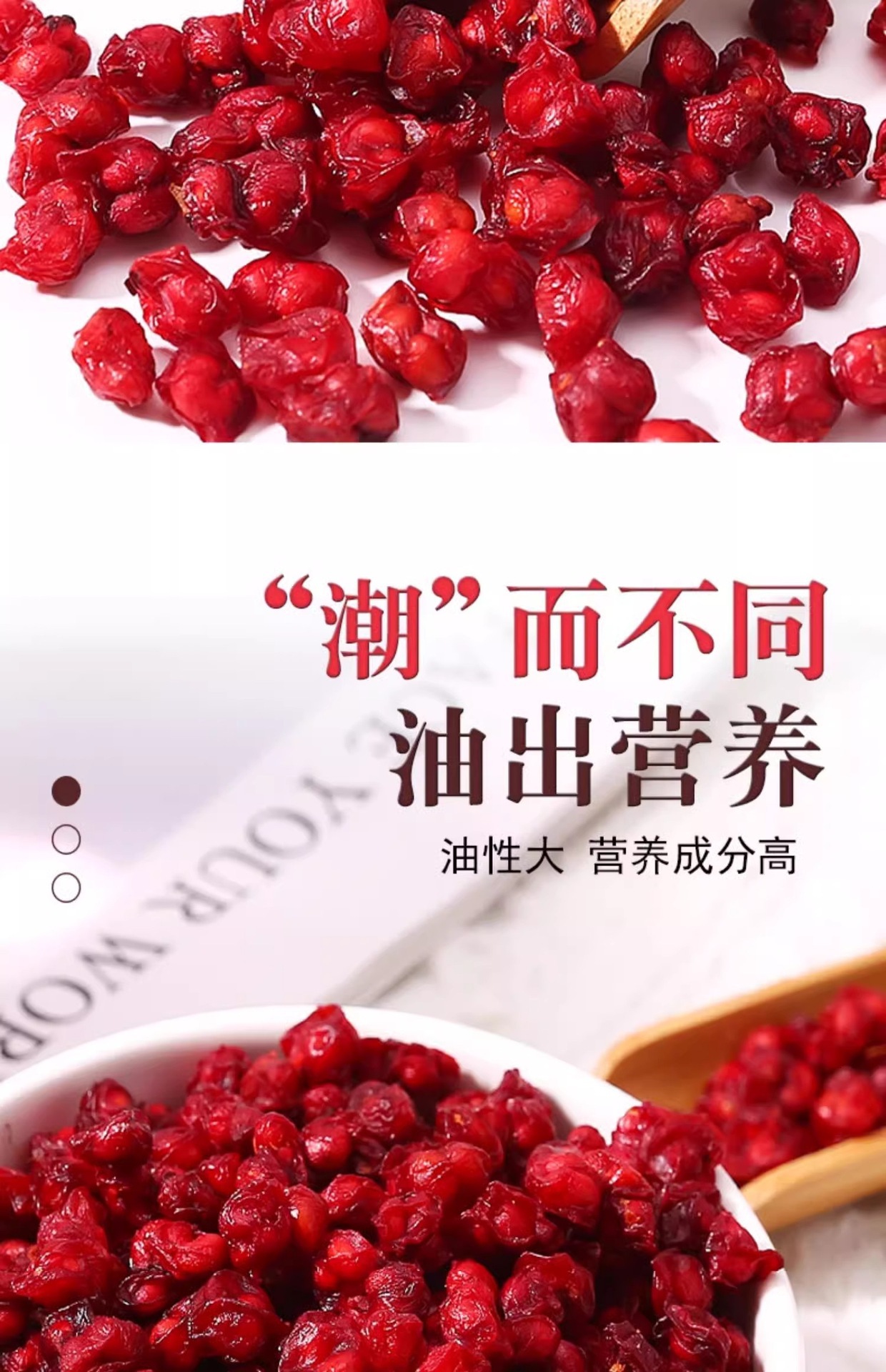
The dried berries are typically deep red to dark purple, wrinkled, and firm with a leathery texture. They have a mild fruity aroma. In decoction or soup, the taste is typically sour and slightly sweet with a warming, astringent finish.
Technical Specifications
| Product Type | Dried whole fruit |
|---|---|
| Chinese Name | 五味子 |
| Pinyin | Wu Wei Zi |
| Botanical Name | Schisandra chinensis |
| Plant Part | Fruit |
| Net Weight | 1000g |
Usage Scenarios
- Herbal decoction with other TCM herbs
- Added to soups and stews
- Cooked into congee
- Used in seasonal tonic foods
Traditional Uses
In TCM theory, Wu Wei Zi is traditionally used in decoctions and soups, often paired with herbs such as Ren Shen or Mai Dong. It is also cooked into congee or added to tonic foods. Folk practice values it for its sour, astringent nature and its association with the lung, heart, and kidney channels.
FAQ Q&A
Q: What is this product?
A: It is dried whole fruit of Schisandra chinensis, known in TCM as Wu Wei Zi (五味子).
Q: What is its traditional value?
A: In TCM theory, it is sour and sweet, warm in nature, and enters the lung, heart, and kidney channels. It is traditionally used as an astringent herb.
Q: How is it commonly prepared?
A: It is commonly simmered in decoctions, added to soups, or cooked into congee. It can also be used in seasonal tonic foods.
Additional information
| Weight | N/A |
|---|---|
| Dimensions | N/A |
| Model | 五味子100g, 五味子250g, 五味子500g, 五味子1000g |
Related products
-

Fritillaria Bulb Chuan Bei Mu Dried Chinese Herbal Bulbs for Decoction and Traditional Use 500g
Price range: $18.06 through $94.21 -
Dried Polygala Root Yuan Zhi 500g Traditional Chinese Herb for Decoction
Price range: $18.87 through $24.54 -
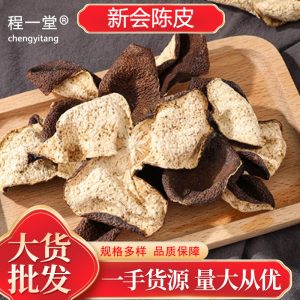
Xinhui Chenpi Dried Tangerine Peel 500g Sun Dried Aged Peel for Soup and Tea
Price range: $60.19 through $116.90 -
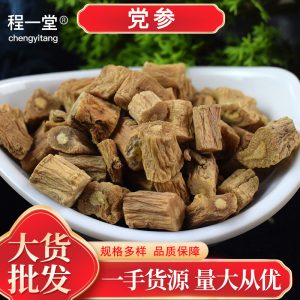
Dried Codonopsis Root Slices Dang Shen 500g Bulk Supply for Soups and Herbal Decoctions
Price range: $10.28 through $18.06
Reviews
There are no reviews yet.