
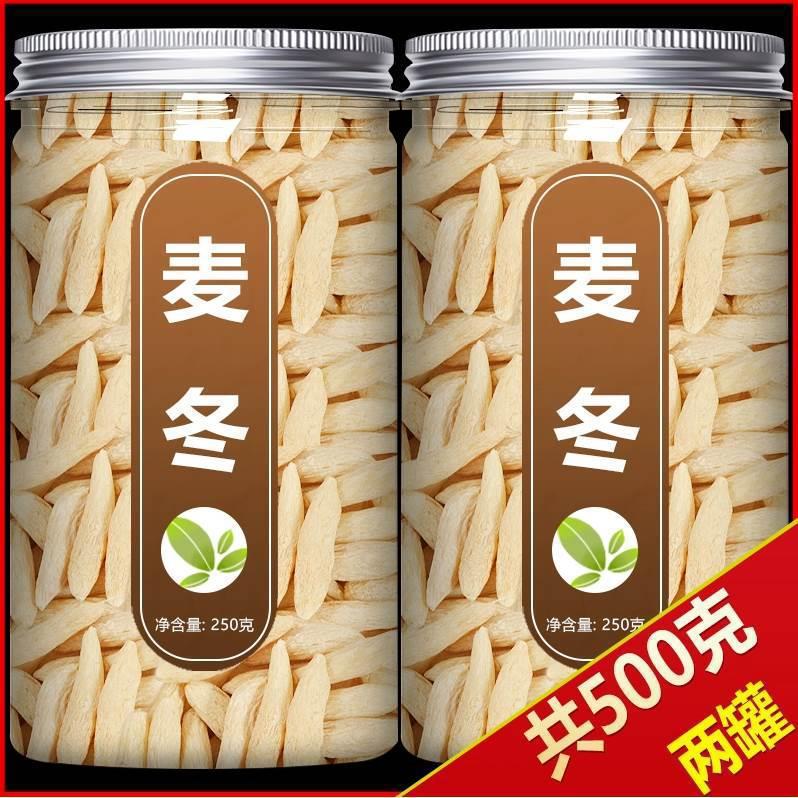
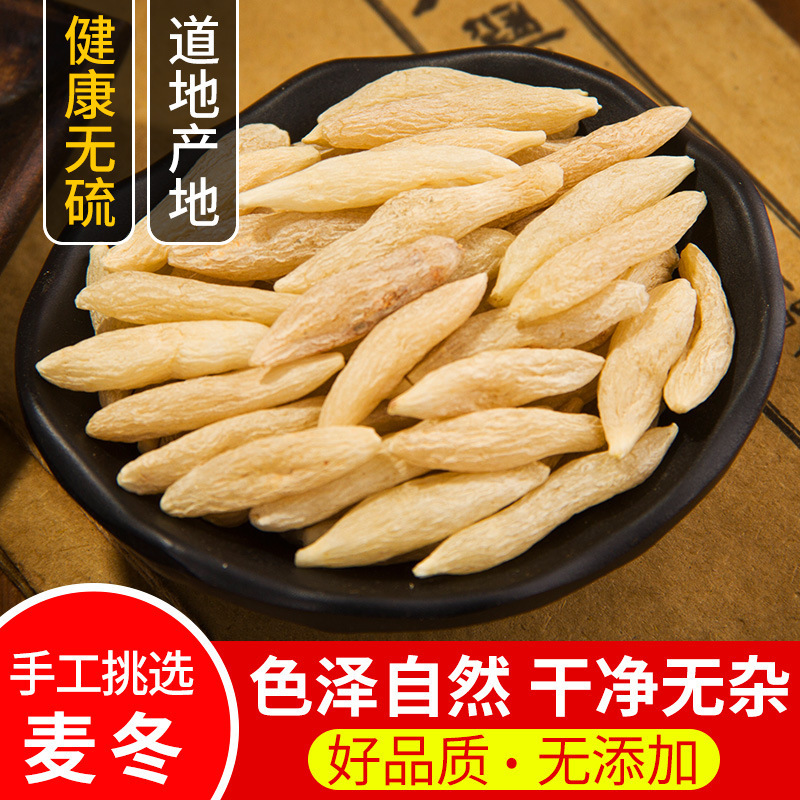
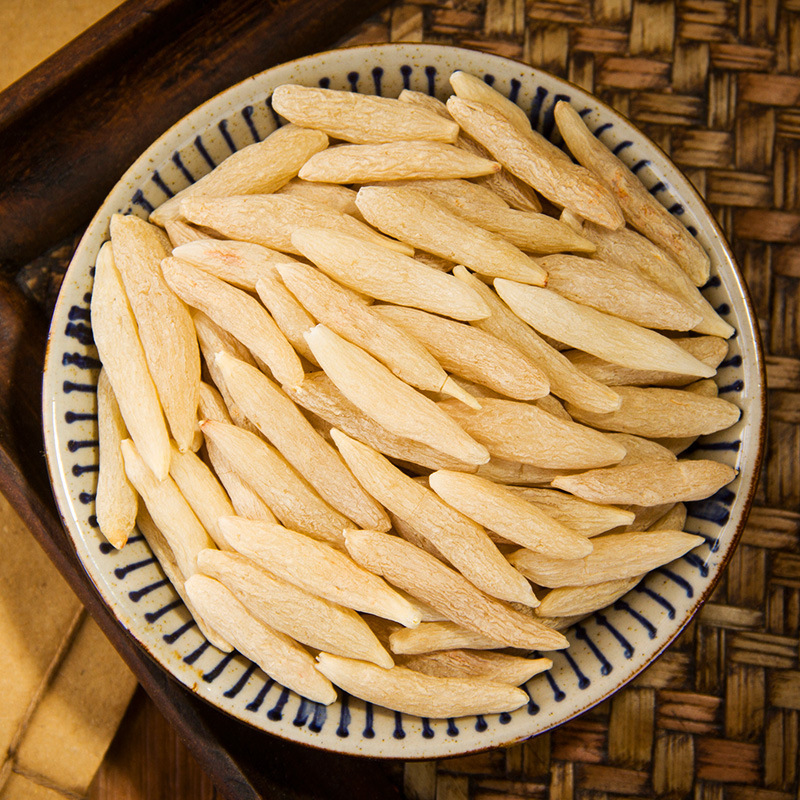
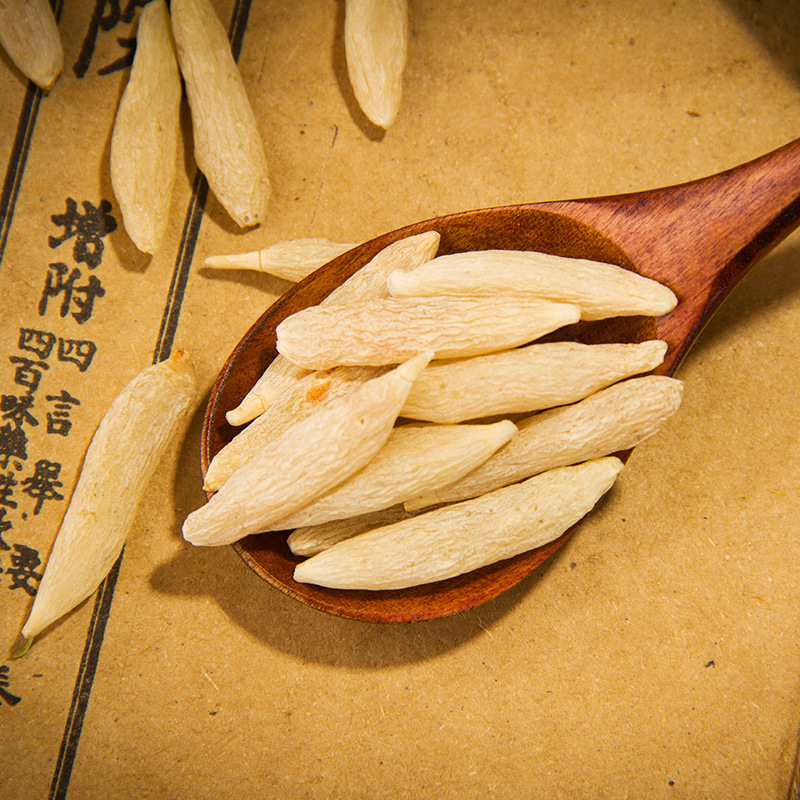
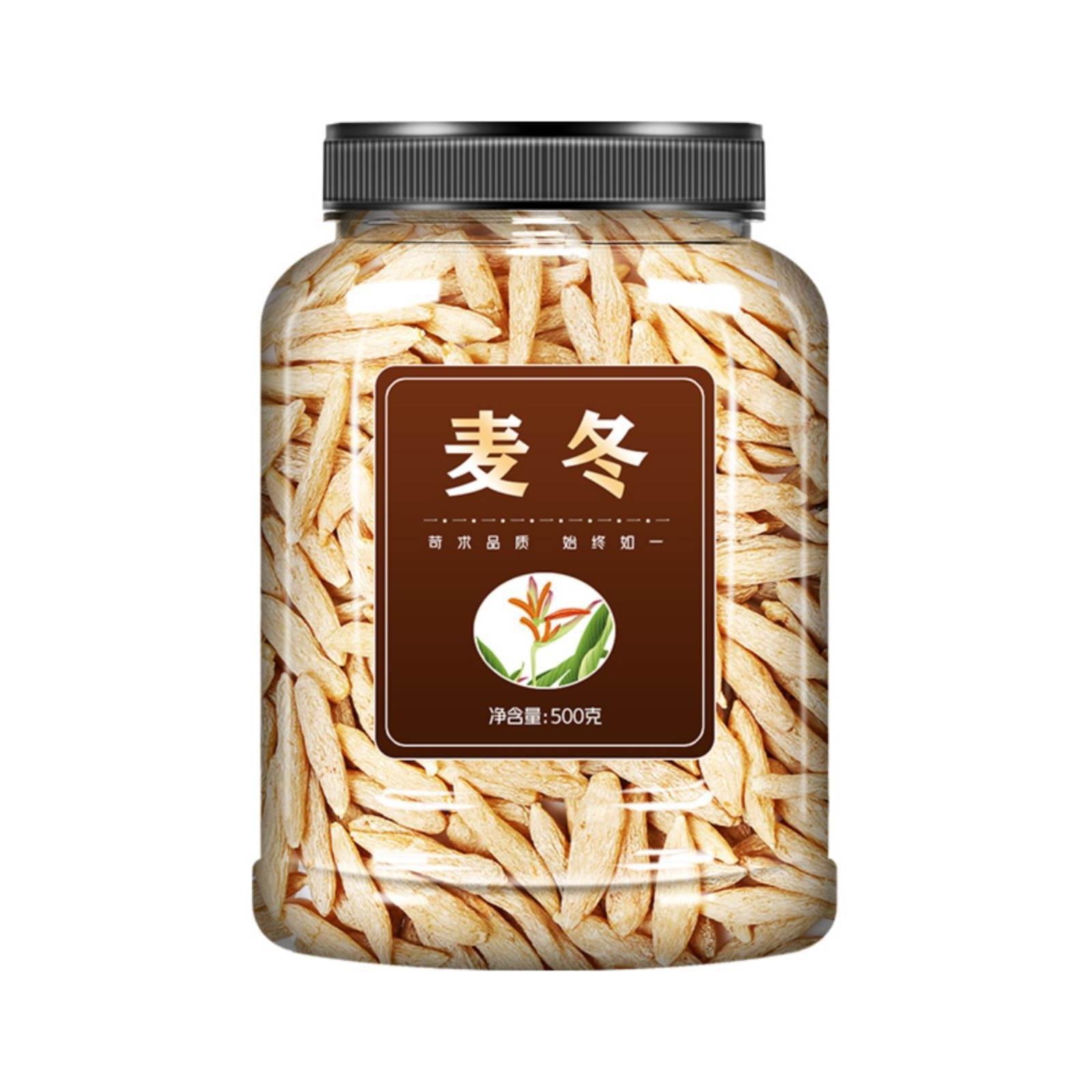
Dried Ophiopogon Root Mai Dong 250g Chinese Herbal Tea for Brewing
Price range: $5.61 through $14.84
Description
Dried Ophiopogon Root, known in TCM as Mai Dong (麦冬) or Maidong, from Ophiopogon japonicus. This 250g selection of tuberous root is traditionally used in Chinese herbal practice to nourish Yin and support fluid balance. In TCM theory it is sweet and slightly cold, entering the Lung, Stomach, and Heart channels. Commonly brewed as a daily herbal tea or added to soups and congee.
Key Selling Points
- Identified as Mai Dong (麦冬), the tuberous root of Ophiopogon japonicus
- 250g of dried root suitable for brewing or decoction
- In TCM theory sweet and slightly cold, entering Lung Stomach and Heart channels
- Traditionally used to nourish Yin and support body fluids
- Versatile for teas soups congee and culinary herbal preparations
Quality & Sensory
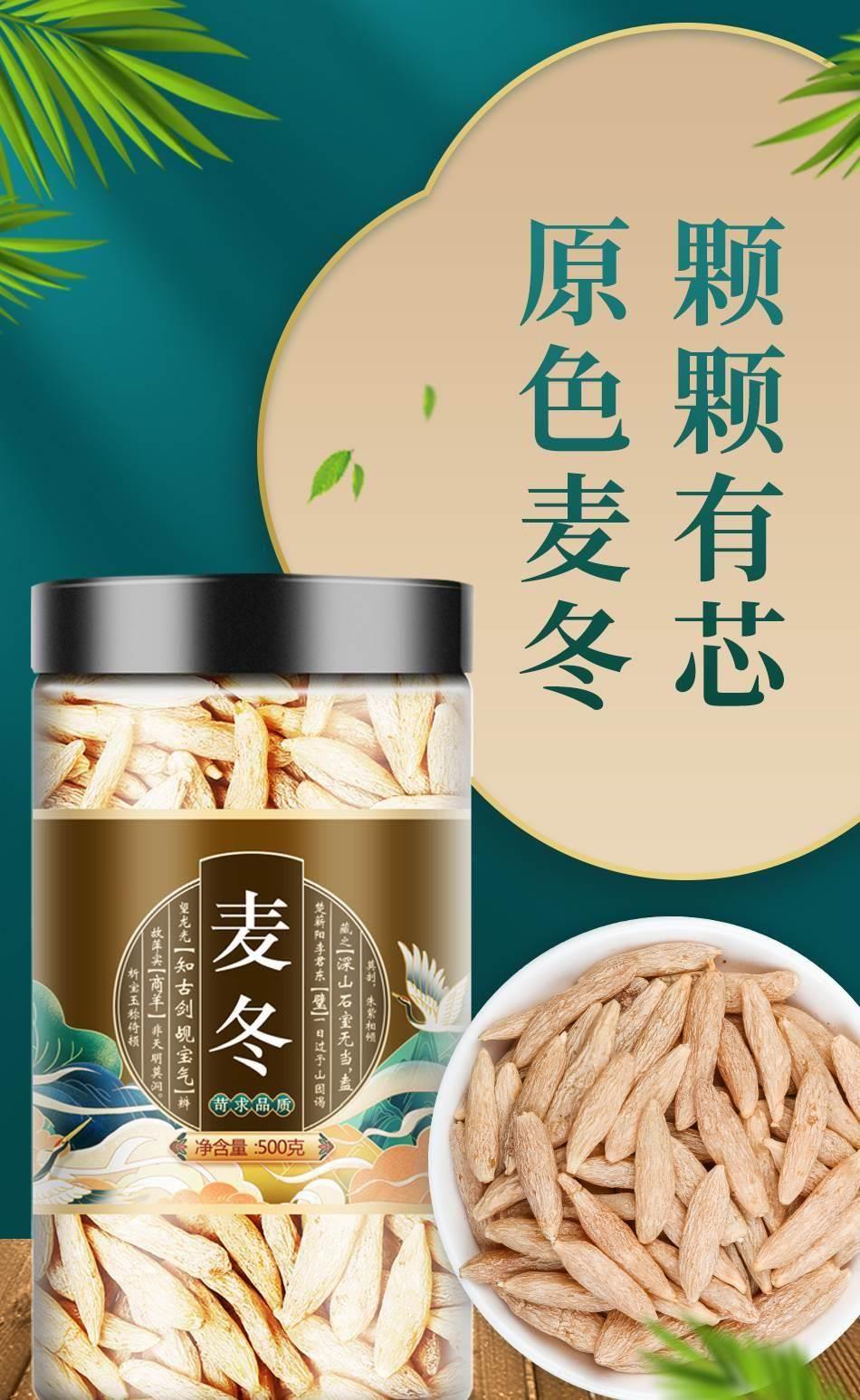
The dried roots are typically pale yellowish-brown, firm and slightly fibrous in texture, with a mild earthy aroma. When brewed or decocted, the liquid is typically light amber with a subtly sweet, mild taste and a soft, moistening mouthfeel.
Technical Specifications
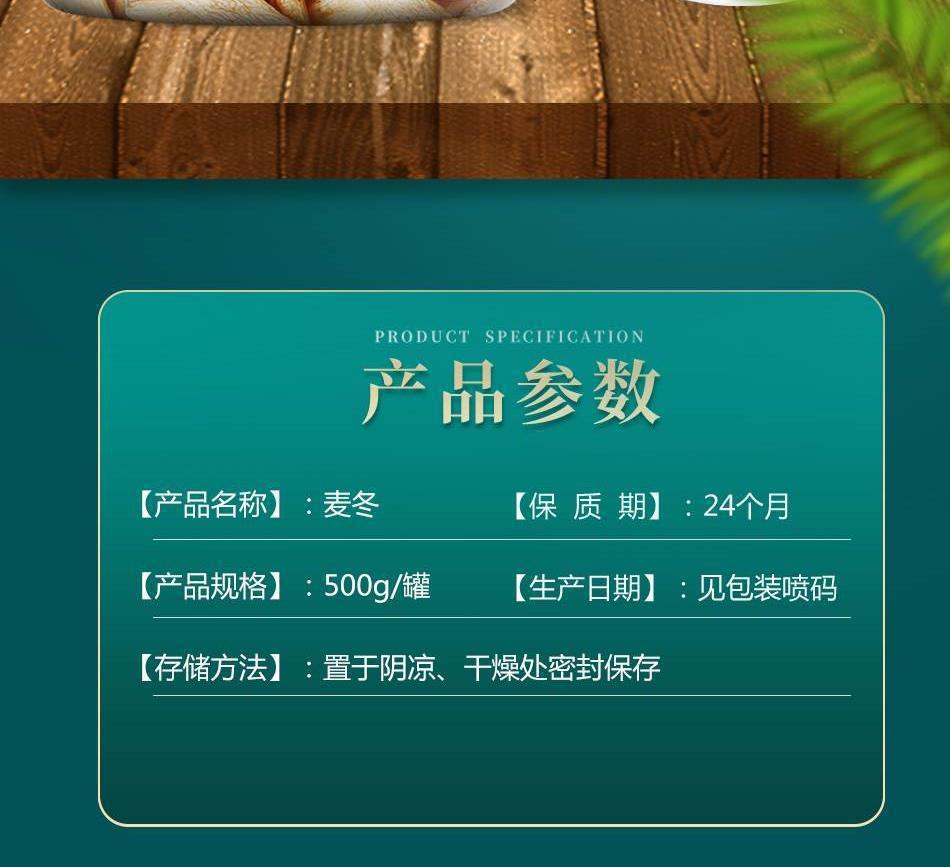
| Product Type | Dried herbal root |
|---|---|
| Chinese Name | 麦冬 |
| Pinyin | Mai Dong |
| Botanical Name | Ophiopogon japonicus |
| Plant Part | Tuberous root |
| Net Weight | 250g |
Usage Scenarios
- Brewed as a daily herbal tea
- Added to soups and broths
- Cooked into congee
- Used in traditional decoctions
- Included in seasonal culinary preparations
Traditional Uses
In TCM theory, Mai Dong is traditionally used to nourish Yin, generate fluids, and moisten the Lungs. It is commonly prepared as a decoction or tea, often paired with herbs such as Yu Zhu, Sha Shen, or Wu Wei Zi. Folk practice includes adding it to soups, congee, and cooling seasonal drinks to support throat comfort and fluid balance.
FAQ Q&A
Q: What is this product?
A: It is dried Ophiopogon root, known in TCM as Mai Dong (麦冬), from Ophiopogon japonicus, supplied as a 250g pack.
Q: What is its traditional value?
A: In TCM theory it is considered sweet and slightly cold, entering the Lung, Stomach, and Heart channels, and is traditionally used to nourish Yin and support fluids.
Q: How is it commonly prepared?
A: It is typically brewed as a tea, added to soups, cooked into congee, or included in traditional decoctions.
Additional information
| Weight | N/A |
|---|---|
| Dimensions | N/A |
| Model | 罐装 黄芪60g, 麦冬130g, 麦冬250g, 麦冬500g, 罐装 红枸杞85g, 组合2 麦冬130g 红枸杞85g, 组合2 麦冬130g 黄芪60g, 组合3 麦冬130g 党参70g 黄芪60g, 麦冬100克, 红枸杞100克 |
Related products
-
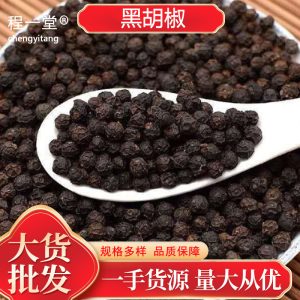
Black Pepper Whole Peppercorns Hu Jiao 500g Bulk Culinary Spice for Cooking and Seasoning
Price range: $8.33 through $9.14 -
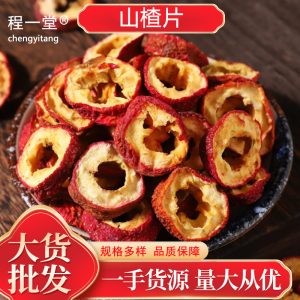
Dried Hawthorn Slices Shan Zha 500g Seedless Hollow Rings Freeze Dried Hawthorn for Tea and Culinary Use
Price range: $4.44 through $7.04 -
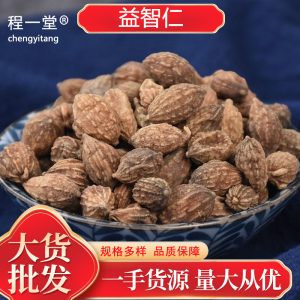
Yi Zhi Ren Dried Alpinia Oxyphylla Fruit 500g Traditional Herbal Tea and Decoction Ingredient
Price range: $11.74 through $13.36 -
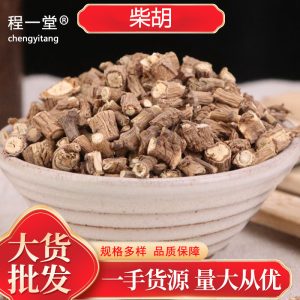
Chai Hu Bupleurum Root Dried Herb 500g Traditional TCM Decoction Herb
Price range: $9.14 through $16.44
Reviews
There are no reviews yet.