
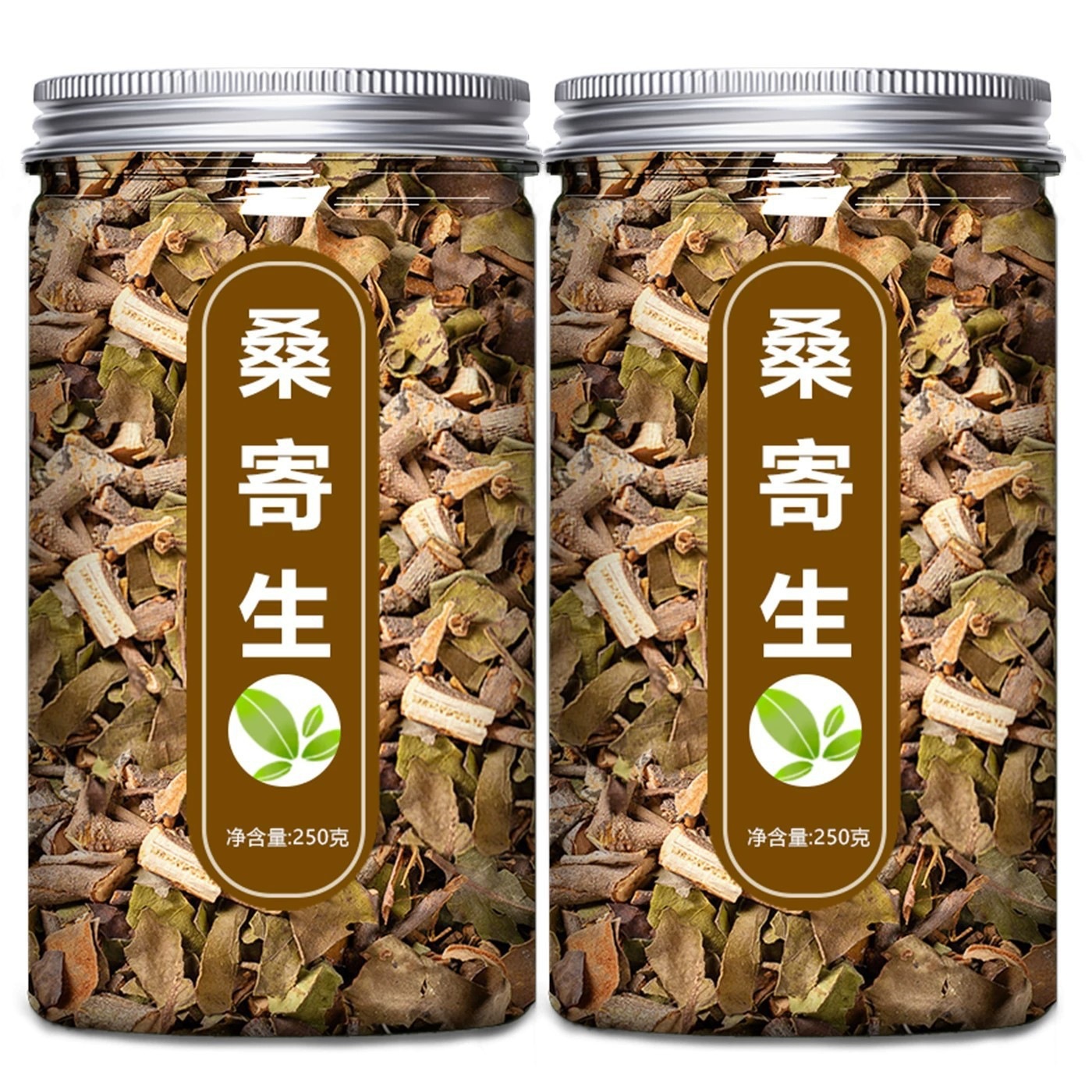
Dried Mulberry Mistletoe Sang Ji Sheng Herbal Tea Ingredient for Decoction and Soup 250g
Description
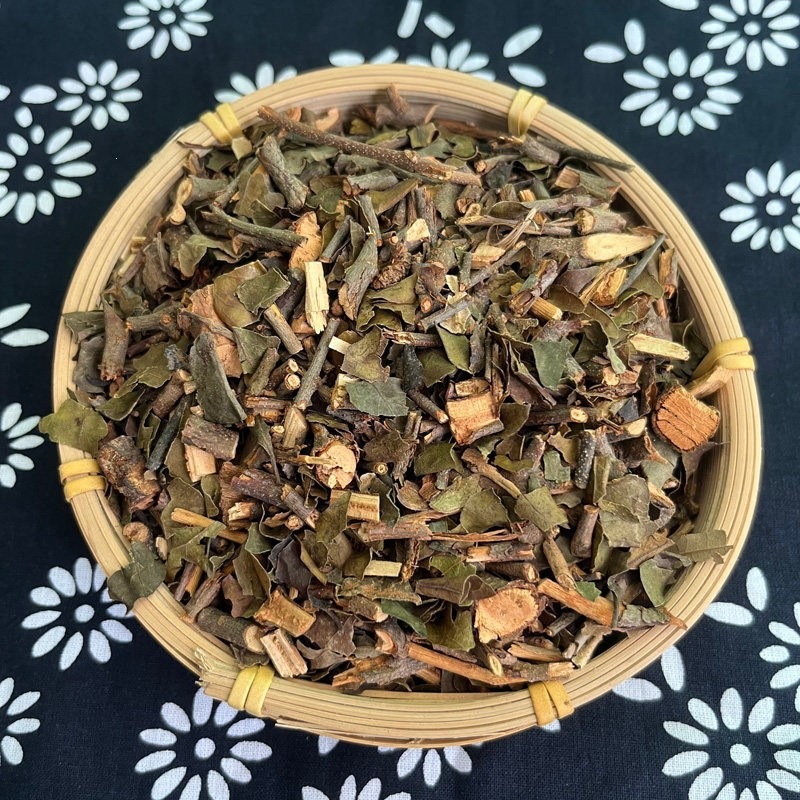
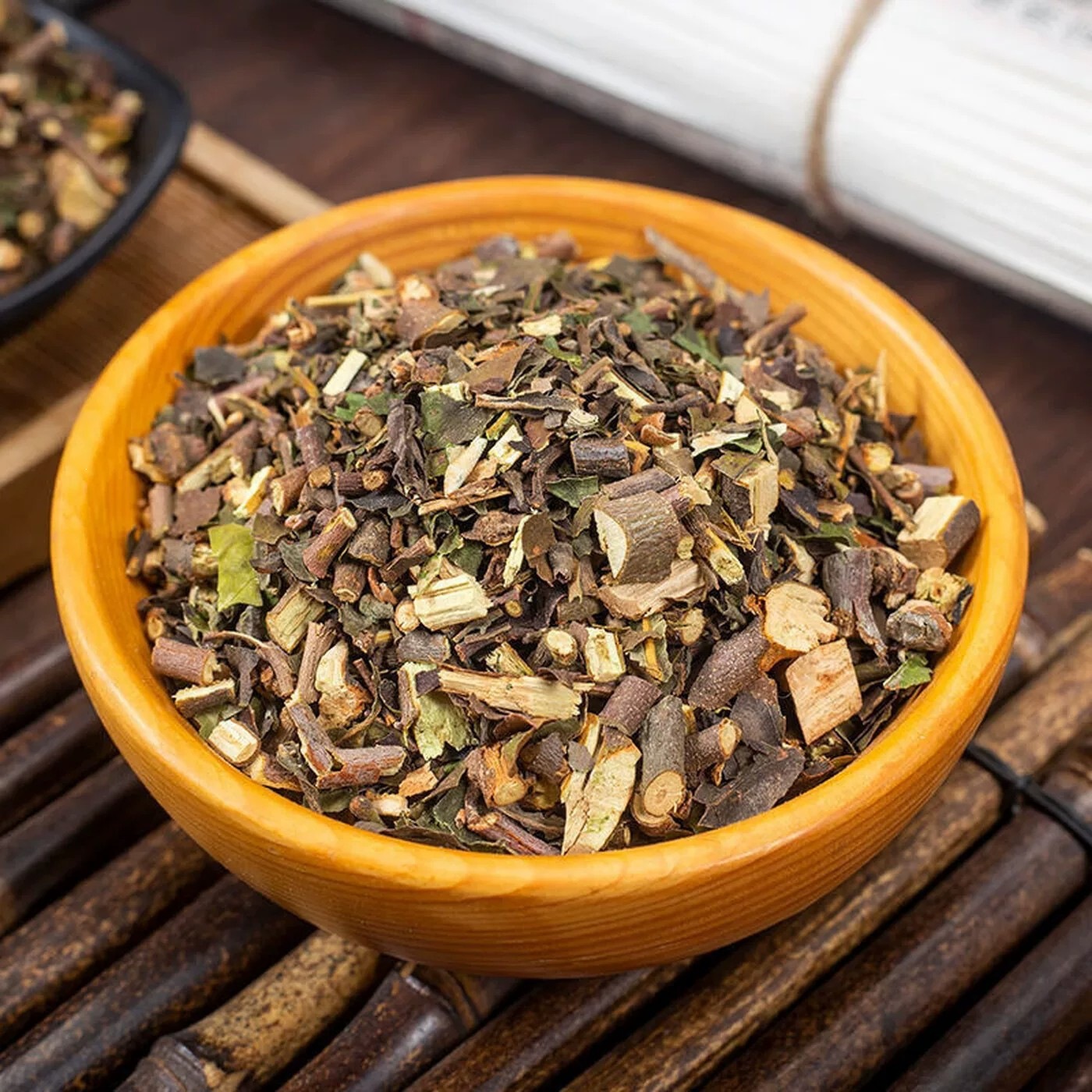
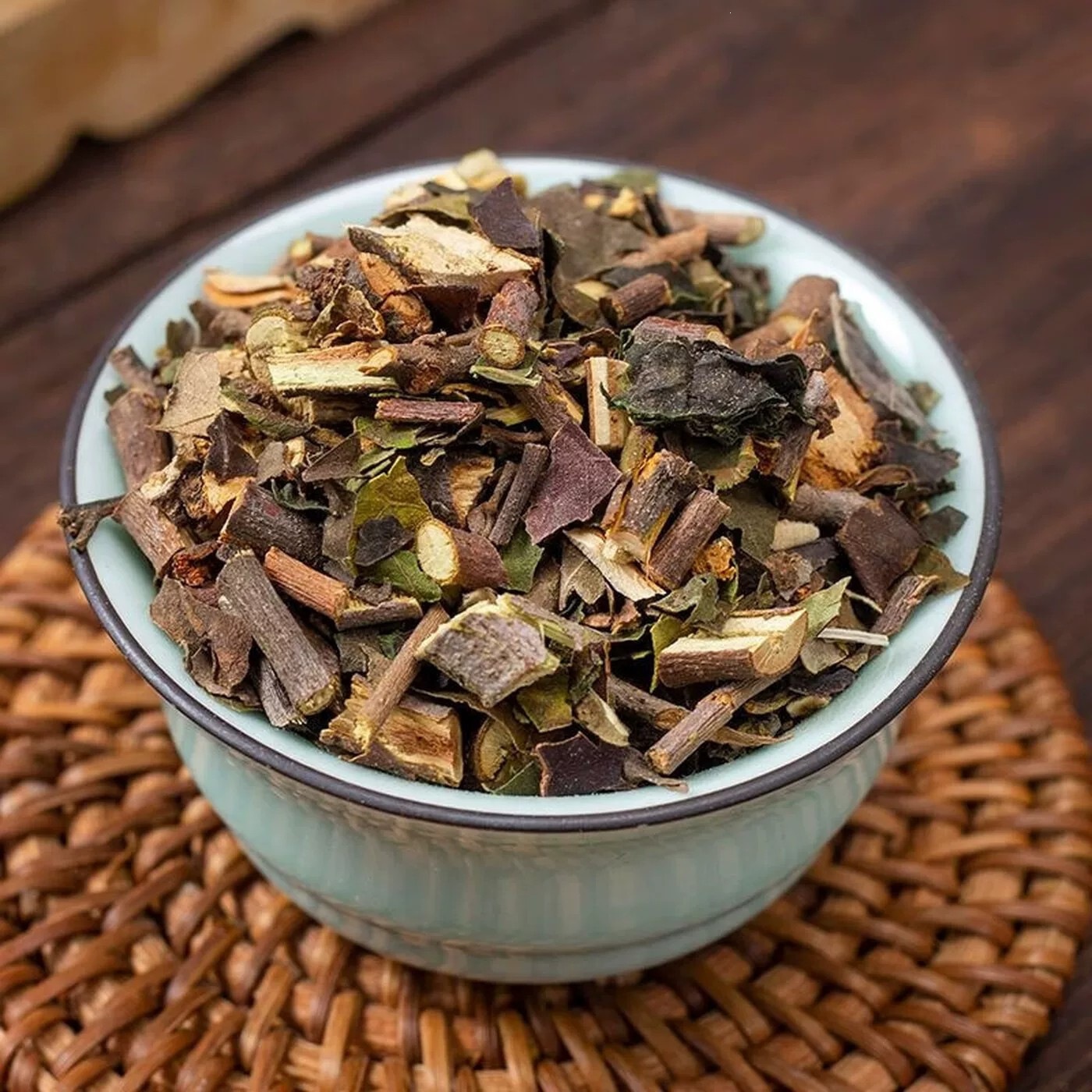
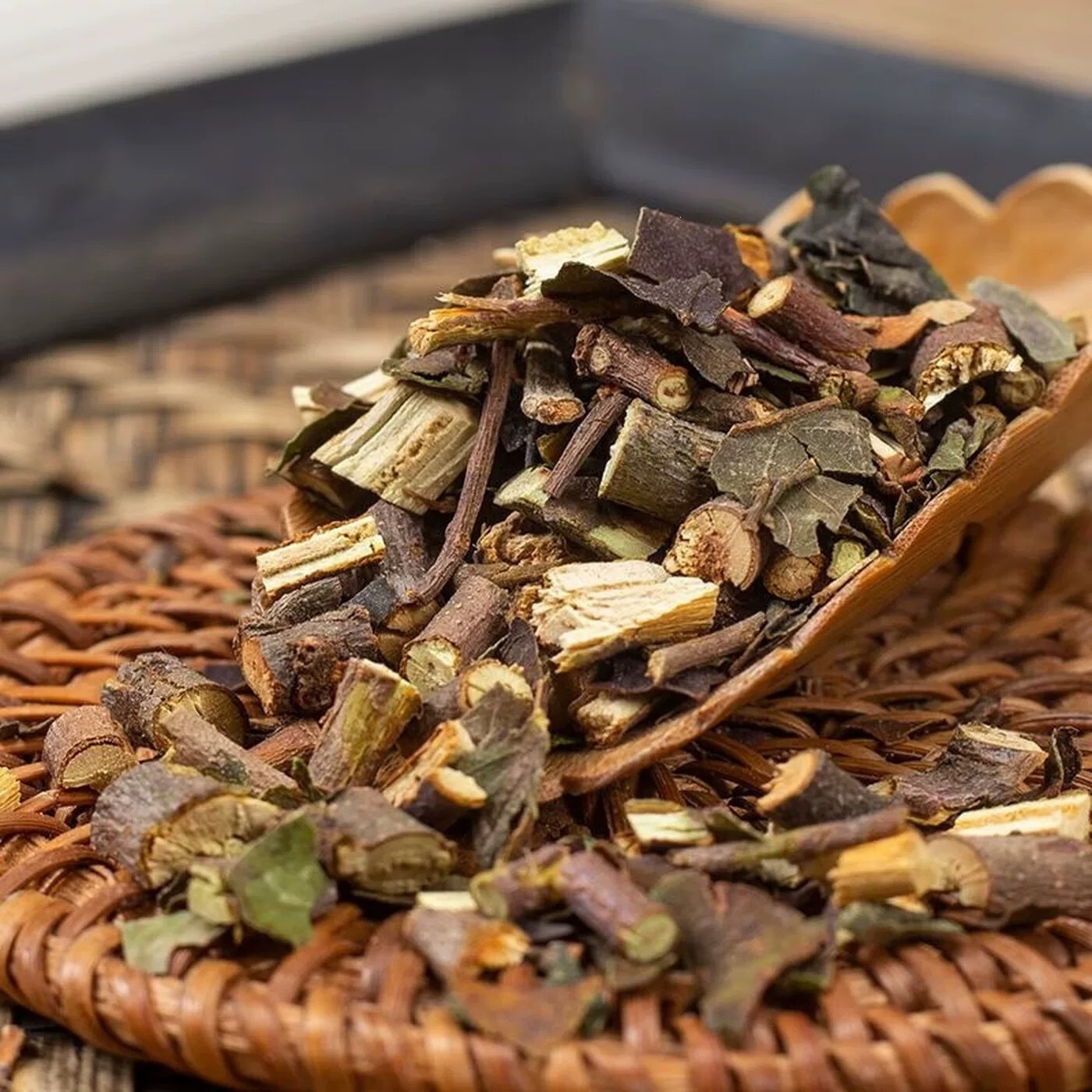
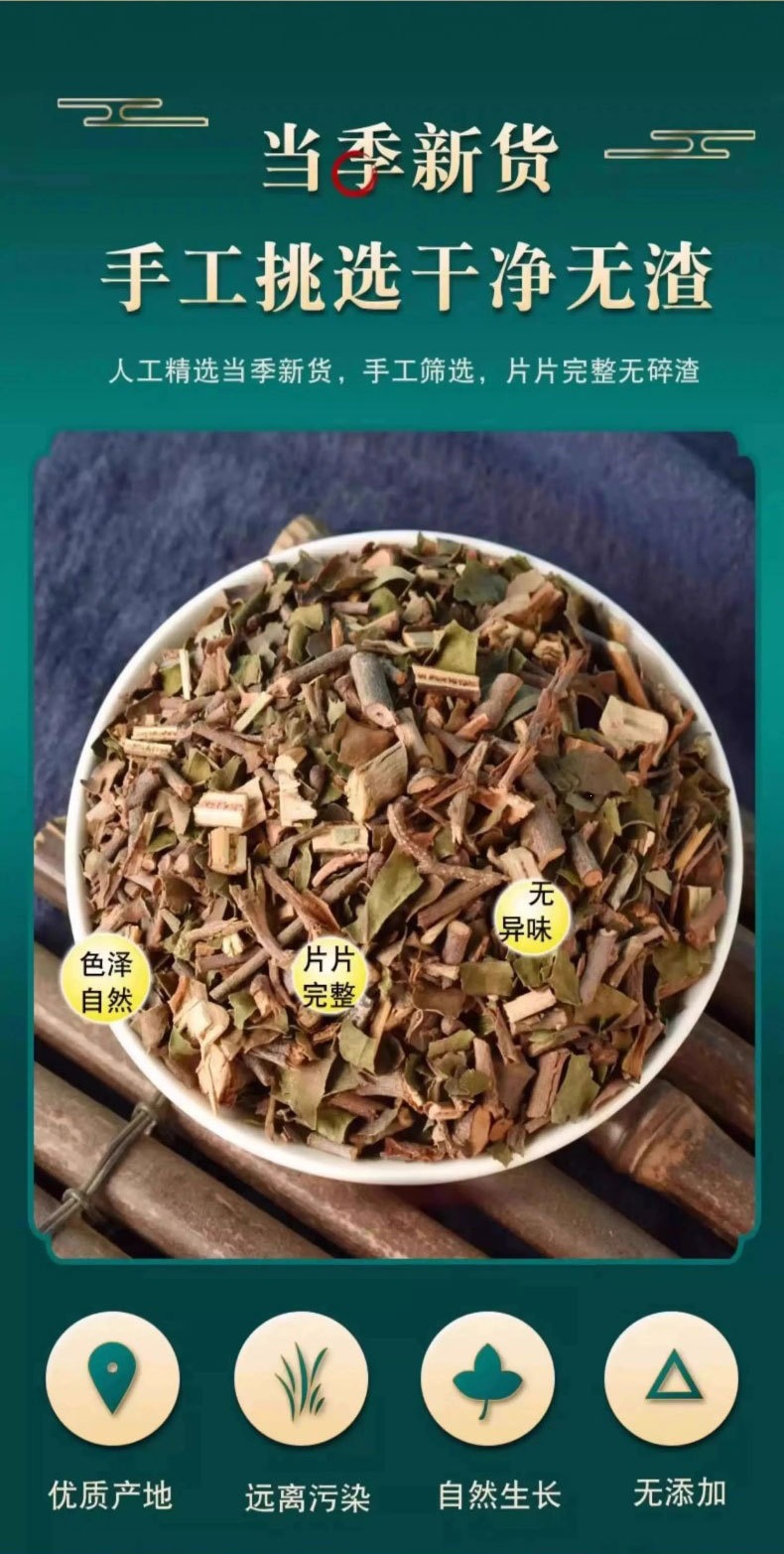
Dried Mulberry Mistletoe, known in TCM as Sang Ji Sheng (桑寄生), from Taxillus chinensis, is a stem and leaf botanical used as a traditional decoction piece. In TCM theory it is associated with the Liver and Kidney channels, a neutral nature, and a bitter-sweet flavor. Traditionally used in herbal soups and daily decoctions, often paired with Du Huo or Hu Ji Sheng. Sold as a raw edible agricultural herb for cooking and tea preparation.
Key Selling Points
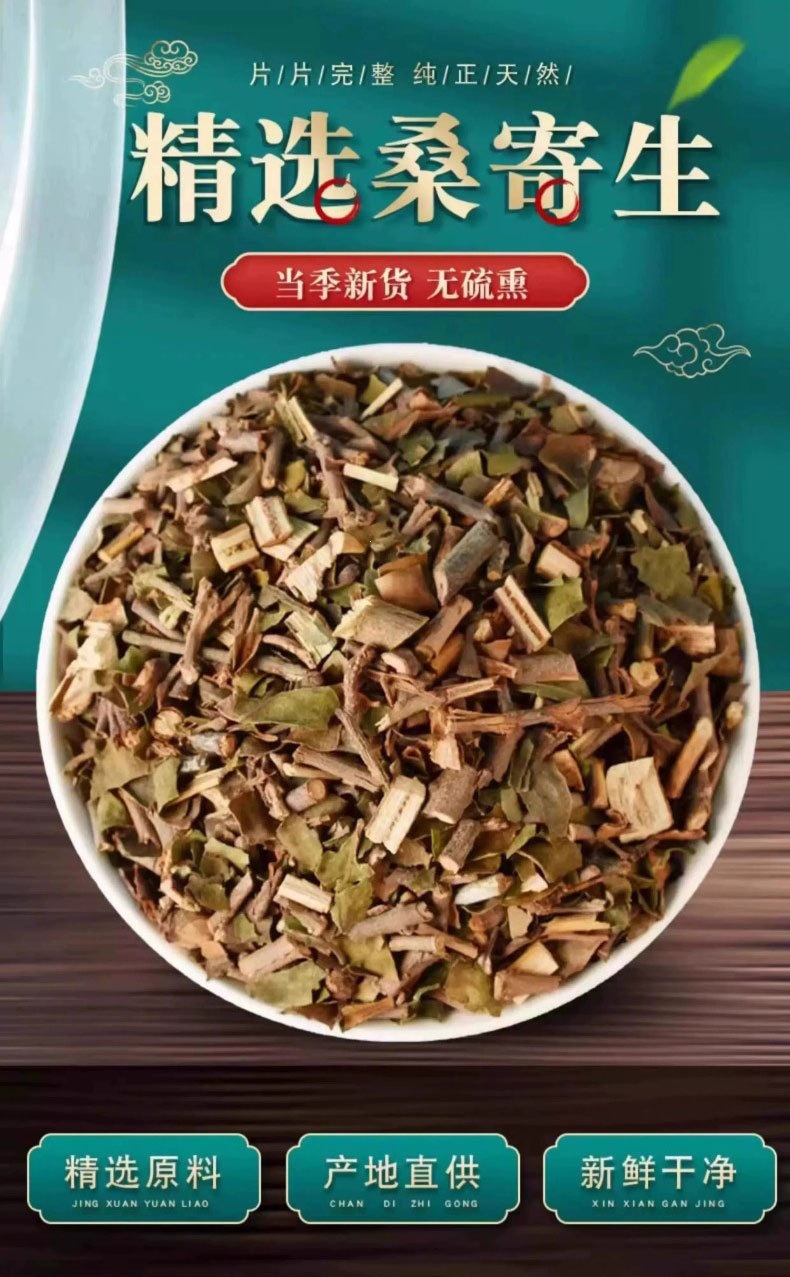
- Identified as Sang Ji Sheng (桑寄生), the classic Mulberry Mistletoe stem and leaf
- Botanical source Taxillus chinensis, a traditional Chinese decoction herb
- Raw dried form suitable for decoction, soup, and tea preparation
- Can be ground into powder for flexible herbal use
- Commonly paired with Du Huo and Hu Ji Sheng in traditional formulas
Quality & Sensory
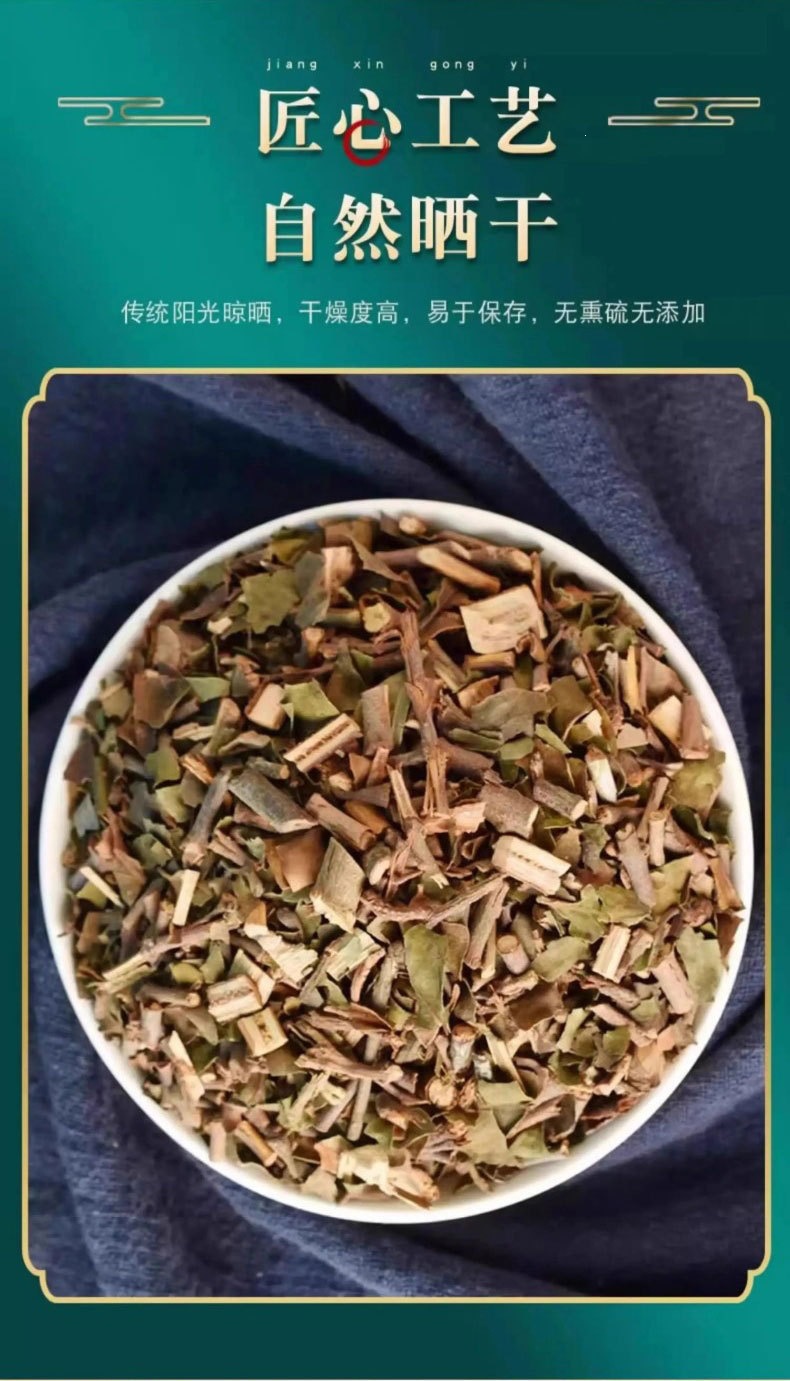
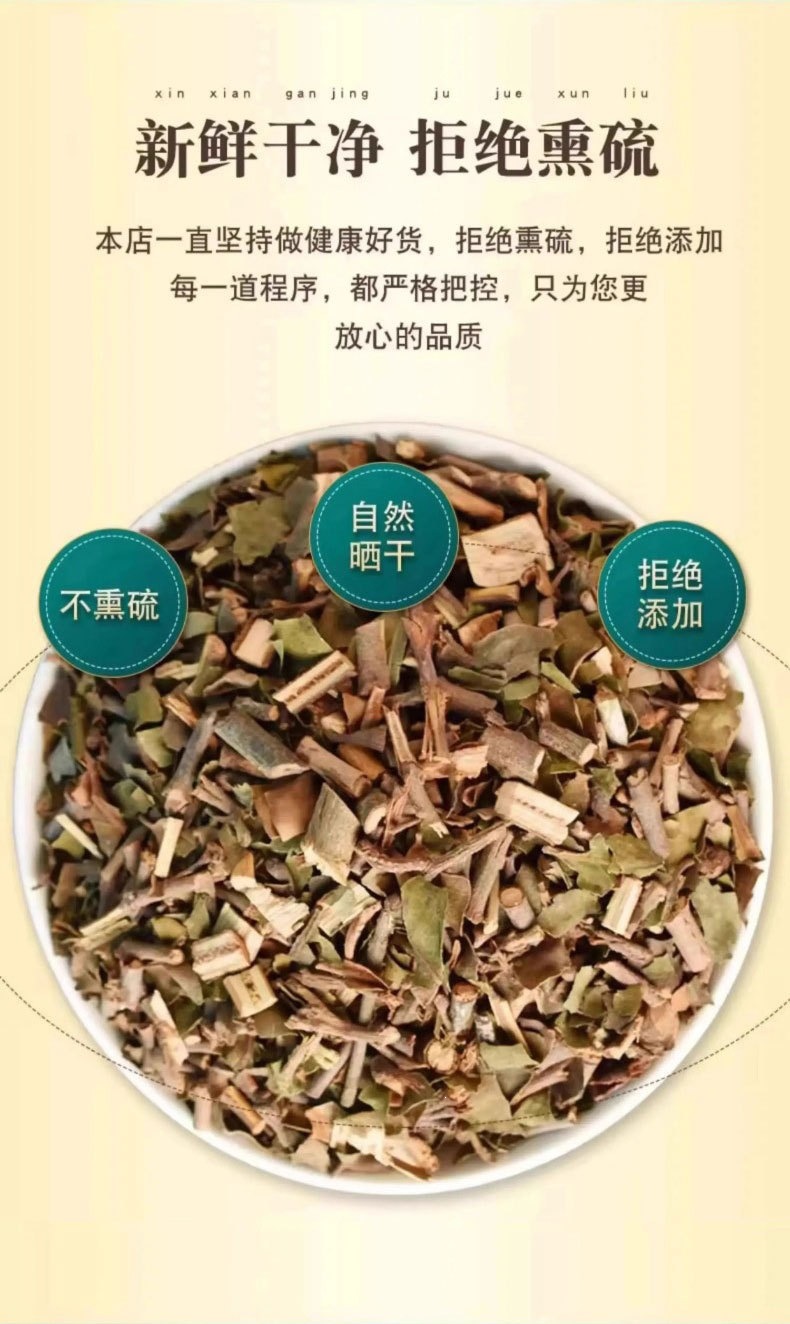
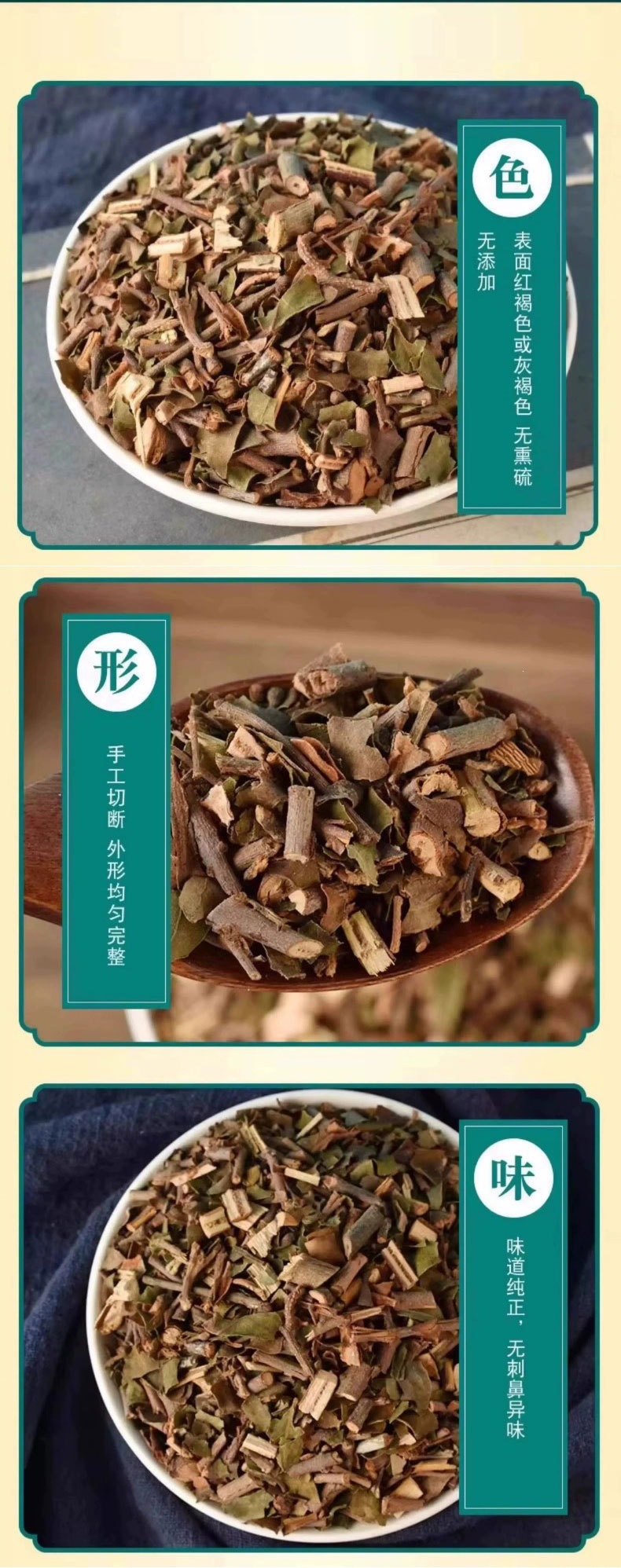
Typically brownish-green stems with small leaves, dry and slightly woody in texture. Aroma is mild and earthy. After decoction the liquid is typically light amber with a subtle bitter-sweet herbal taste.
Technical Specifications
| Product Type | Dried raw herb |
|---|---|
| Chinese Name | 桑寄生 |
| Pinyin | Sang Ji Sheng |
| Botanical Name | Taxillus chinensis |
| Plant Part | Stem and leaf |
| Net Weight | 250g per can, 4 cans |
Usage Scenarios
- Herbal decoction with Du Huo or Hu Ji Sheng
- Added to traditional Chinese herbal soups
- Daily herbal tea when simmered
- Ground into powder for blending
Traditional Uses
In TCM theory, Sang Ji Sheng is traditionally used in decoctions for its association with the Liver and Kidney channels. It is commonly simmered with Du Huo and Hu Ji Sheng in classical formulas, added to herbal soups, or taken as a daily tea. Traditional practice often pairs it with other tonic herbs for seasonal support.
FAQ Q&A
Q: What is this product?
A: It is dried Mulberry Mistletoe, known in TCM as Sang Ji Sheng (桑寄生), from Taxillus chinensis, sold as a raw herb.
Q: What is its traditional value?
A: In TCM theory it is associated with the Liver and Kidney channels and is traditionally used in decoctions and soups.
Q: How is it commonly prepared?
A: It is usually simmered in water as a decoction, added to herbal soups, or ground into powder for blending.
Additional information
| Model | 新货桑寄生100g 1罐, 新货桑寄生250g 1罐, 新货桑寄生250g 2罐, 新货桑寄生250g 3罐, 新货桑寄生250g 4罐 |
|---|
Related products
-
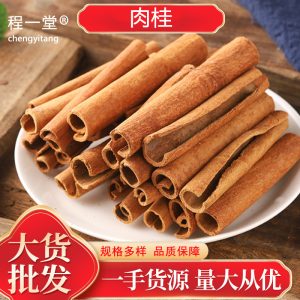
Dried Cinnamon Bark Rou Gui 500g Whole Peeling Culinary Spice and Traditional Herbal Ingredient
Price range: $5.58 through $8.33 -

Cabinda Bark Dried Herb 500g Traditional Herbal Infusion Ingredient
Price range: $12.38 through $37.50 -
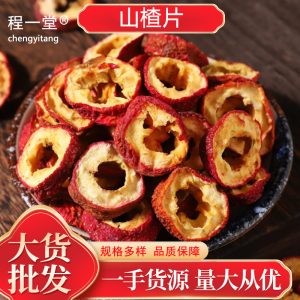
Dried Hawthorn Slices Shan Zha 500g Seedless Hollow Rings Freeze Dried Hawthorn for Tea and Culinary Use
Price range: $4.44 through $7.04 -

Dried Huang Jing Slices Polygonatum Rhizome Chicken Head Huang Jing 500g Bulk Herbal Tea and Soup Ingredient
Price range: $9.14 through $18.87
Reviews
There are no reviews yet.