
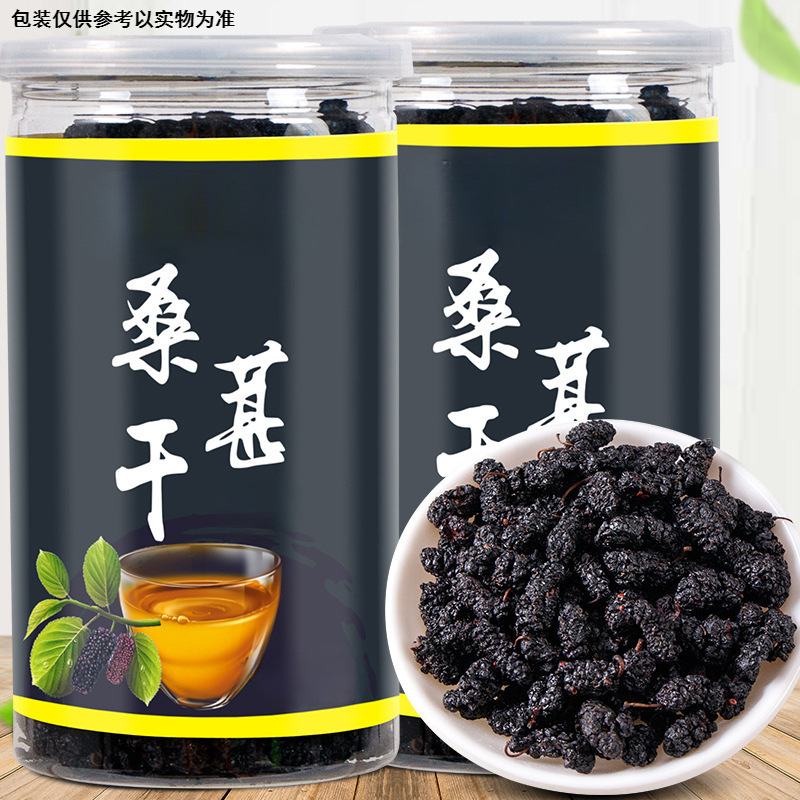
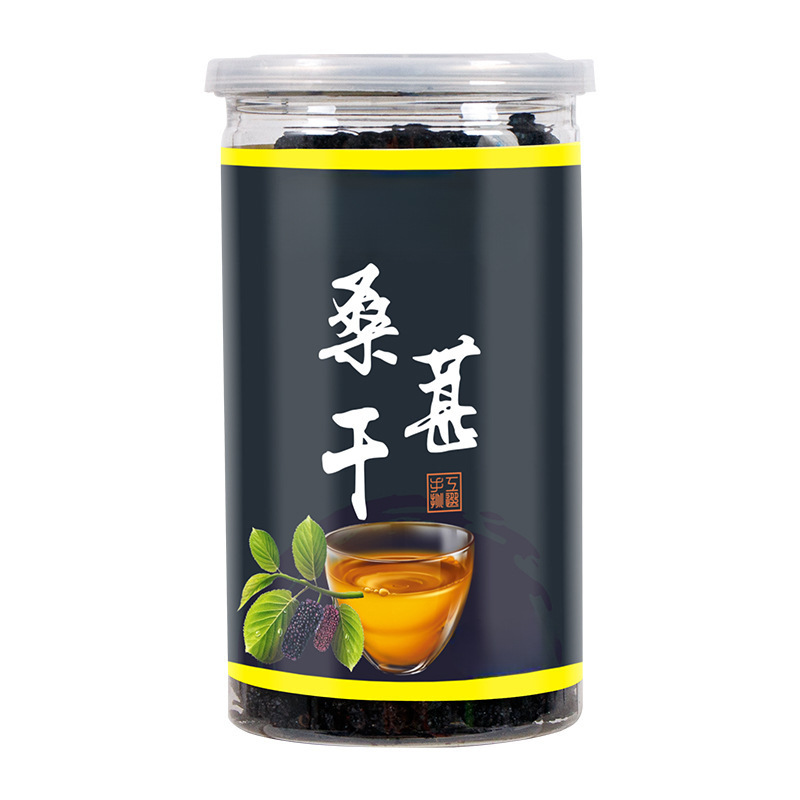
Dried Mulberry Fruit Sang Shen Zi Ready to Eat Large Berries for Tea and Snacking 250g Xinjiang Black Mulberry
$6.13
248525 in stock
Description
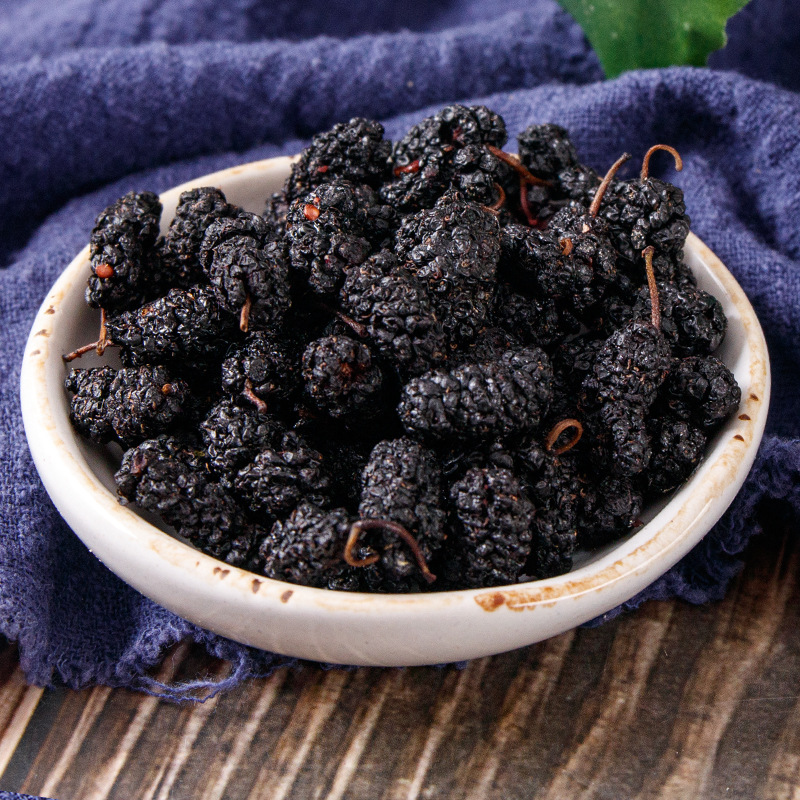
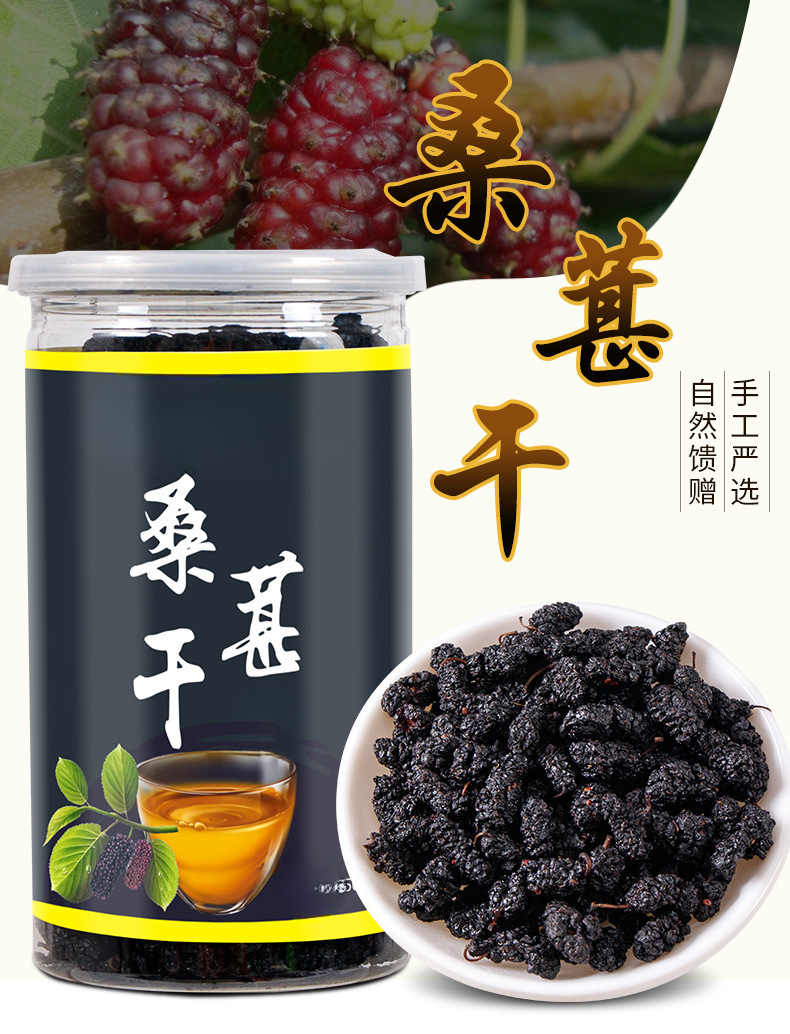
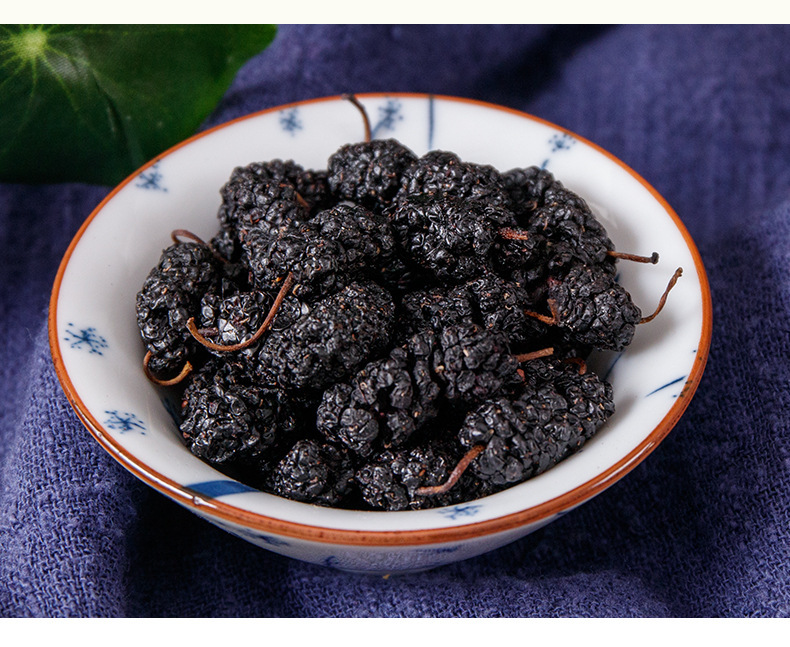
Dried Mulberry Fruit, known in TCM as Sang Shen Zi (桑葚子), from Morus alba, the ripe fruit of the mulberry plant. These large black berries are washed and dried for convenient ready-to-eat use. In TCM theory, mulberry fruit is traditionally associated with nourishing yin and blood. Enjoy as a daily snack, steeped in hot water, or added to herbal blends. This product is not a substitute for medication.
Key Selling Points
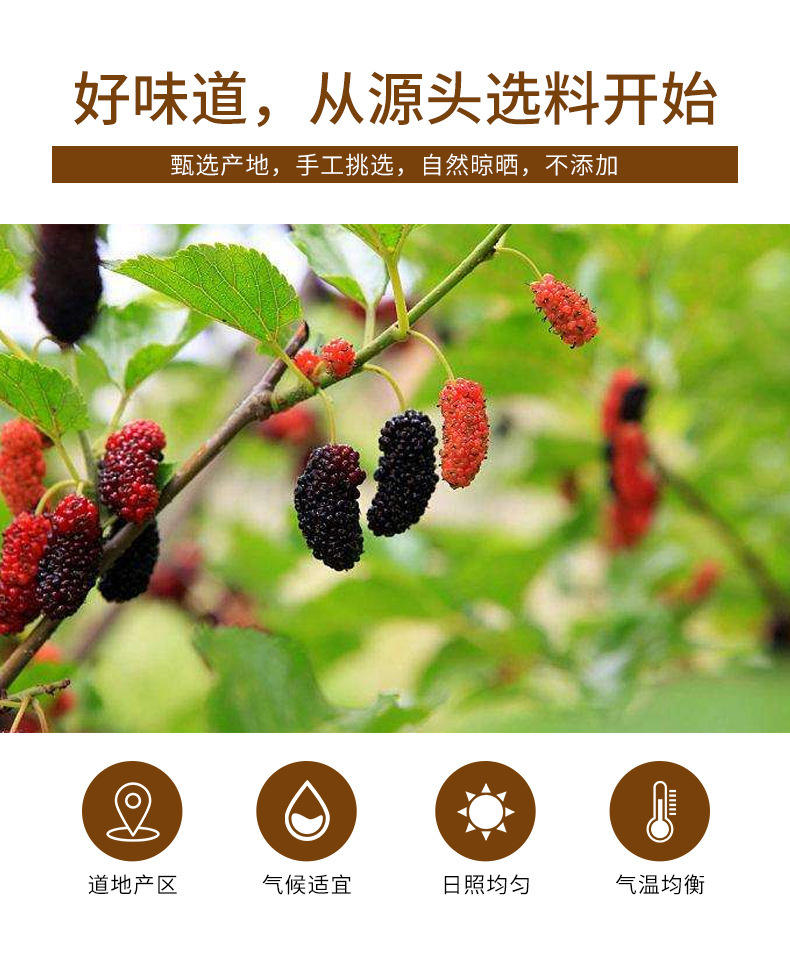
- Large-grain black mulberries from Xinjiang, washed and dried for ready-to-eat convenience
- Identified in TCM as Sang Shen Zi (桑葚子), the fruit of Morus alba
- Traditionally associated in TCM with nourishing yin and blood
- Versatile use as a snack, in hot water infusions, or in herbal blends
- Current-season stock with a 12-month shelf life when stored cool and dry
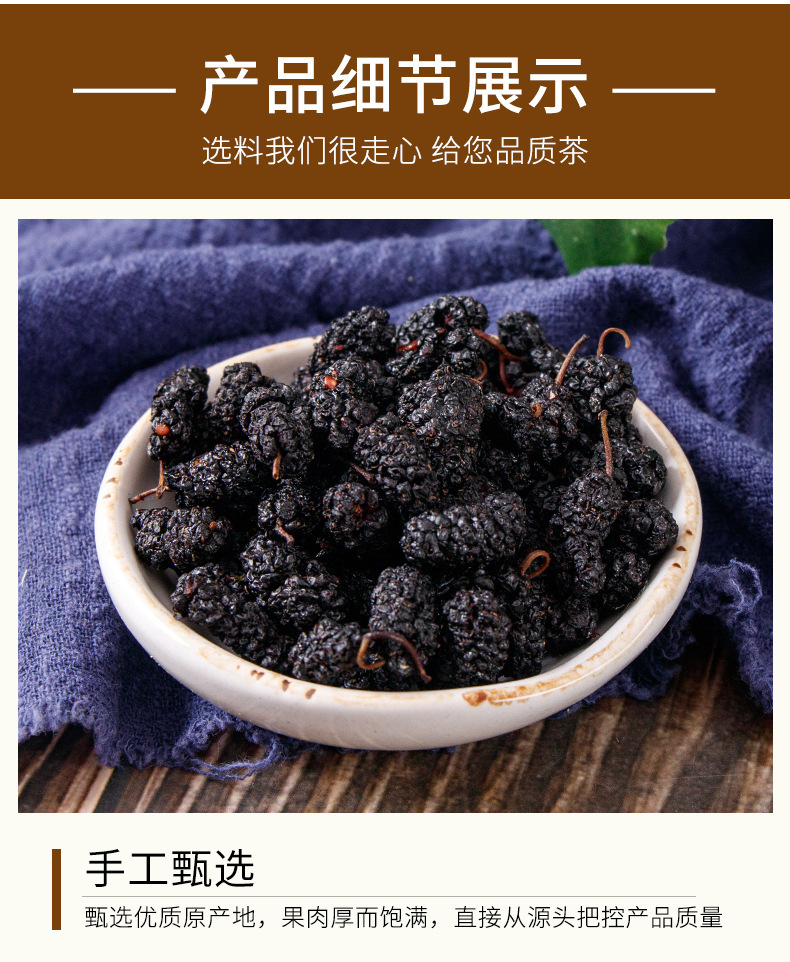
Quality & Sensory
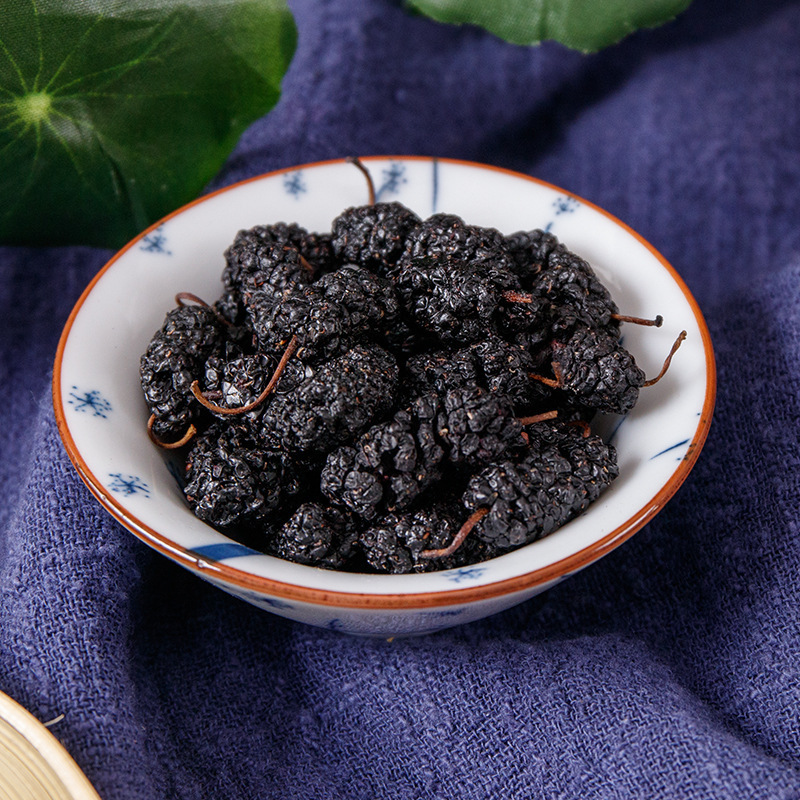
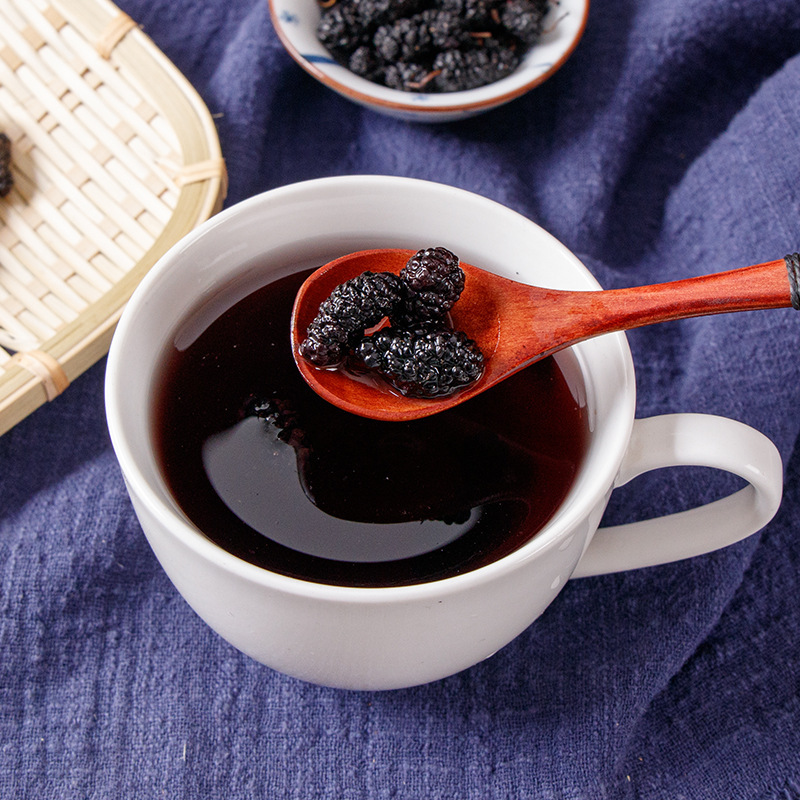
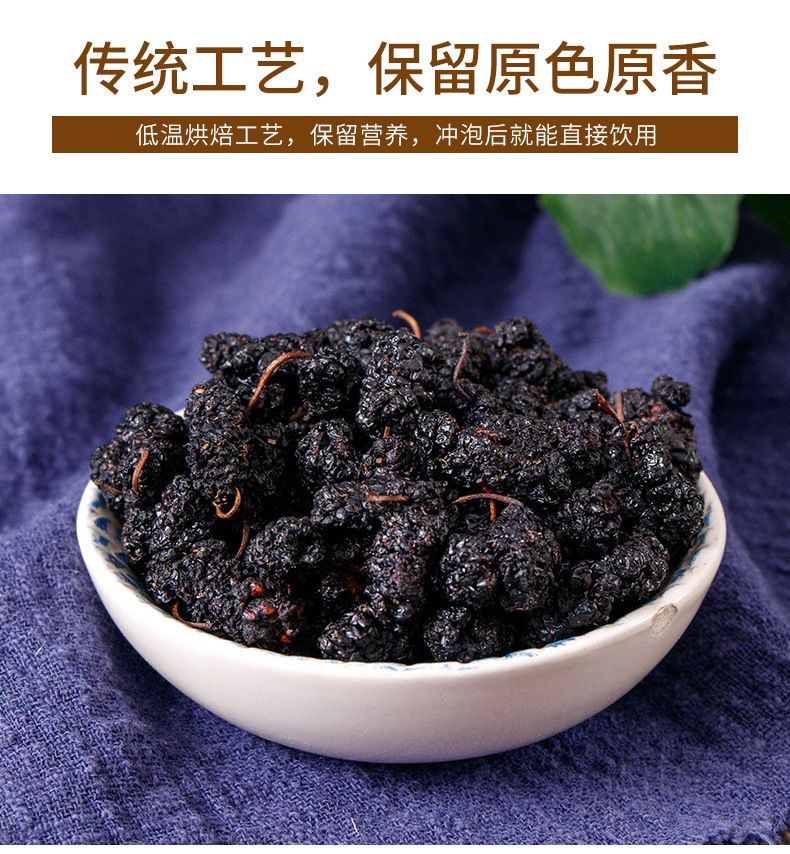
Typically deep purple-black, plump berries with a chewy, slightly sticky texture and a sweet, fruity aroma. When steeped in hot water, they typically yield a reddish-purple infusion with a naturally sweet, mildly tart taste.
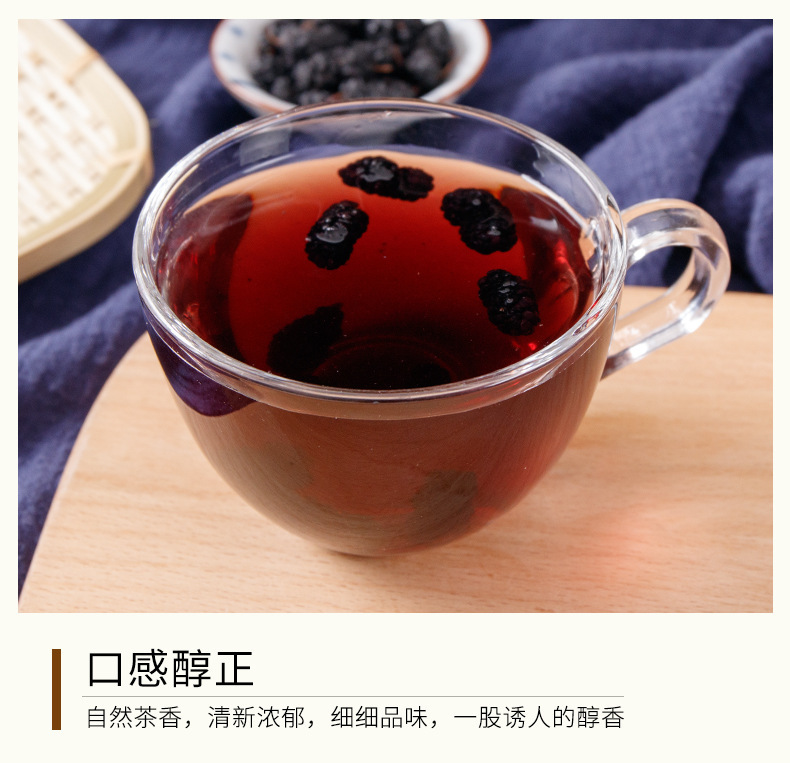
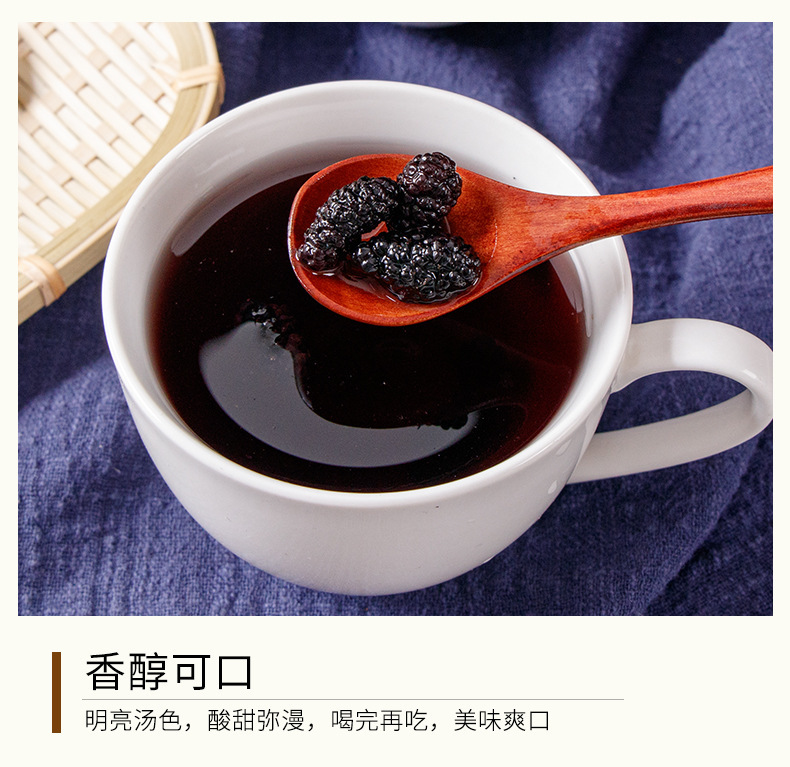
Technical Specifications
| Product Type | Dried fruit |
|---|---|
| Chinese Name | 桑葚子 |
| Pinyin | Sang Shen Zi |
| Botanical Name | Morus alba |
| Plant Part | Ripe fruit |
| Processing | Washed and dried |
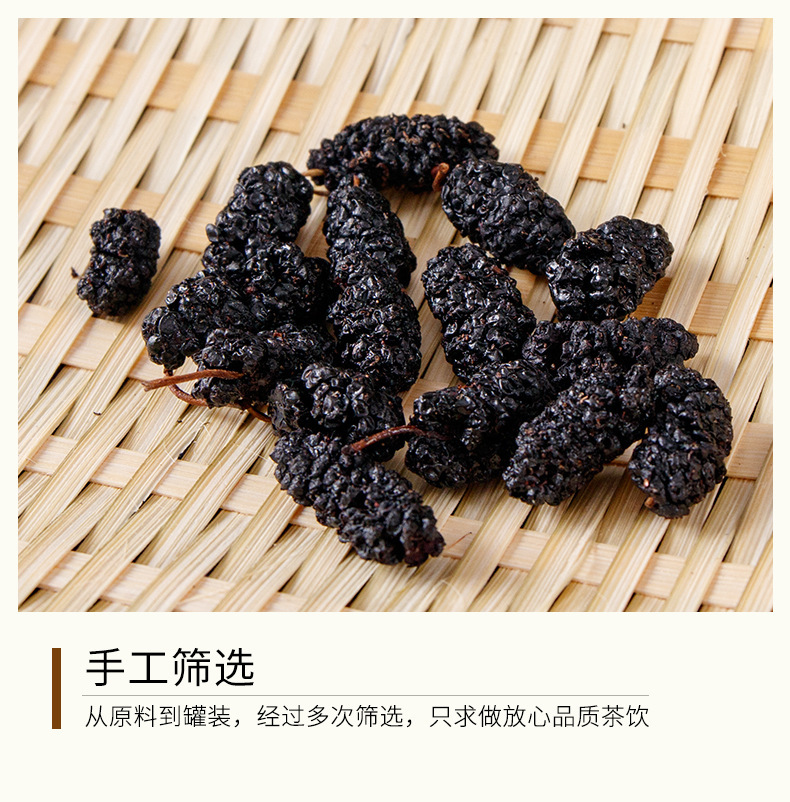
Usage Scenarios
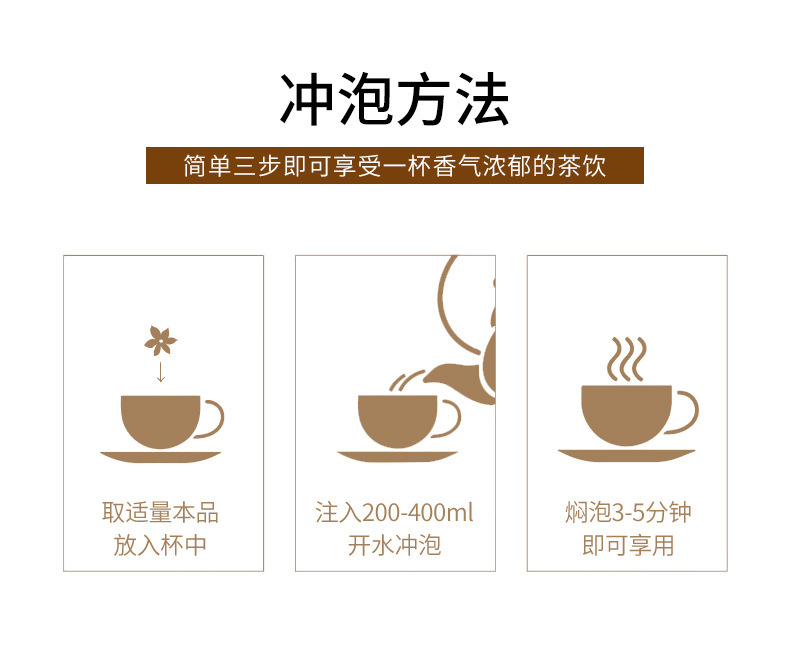
- Steep in hot water as a fruit tea
- Eat directly as a ready-to-eat snack
- Add to congee or porridge
- Blend into herbal decoctions
- Use in seasonal desserts and drinks

Traditional Uses
In traditional Chinese practice, mulberry fruit is commonly steeped alone or combined with herbs such as goji berry for daily infusions. It is also added to congee, soups, and desserts, particularly during dry seasons. Traditionally associated with supporting general wellness, it remains a popular household fruit herb in China.
FAQ Q&A
Q: What is this product?
A: It is dried black mulberry fruit, known in TCM as Sang Shen Zi (桑葚子), sourced from Xinjiang and sold loose in a 250g pack.
Q: What is its traditional value?
A: In TCM theory, mulberry fruit is traditionally associated with nourishing yin and blood. It is a common food-herb used in daily teas and cooking.
Q: How is it commonly prepared?
A: It can be eaten directly as a snack, steeped in hot water, or added to congee, soups, and herbal blends.
Additional information
| Weight | 0.3 kg |
|---|---|
| Dimensions | 20 × 15 × 8 cm |
Related products
-
Yi Zhi Ren Dried Alpinia Oxyphylla Fruit 500g Traditional Herbal Tea and Decoction Ingredient
Price range: $11.74 through $13.36 -
Deer Antler Slices Lu Rong 鹿茸片 Dried Slices for Wine Infusion and Soup 100g Wax Slices Pack
Price range: $68.29 through $92.59 -
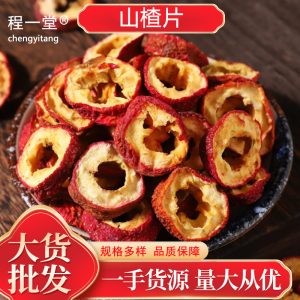
Dried Hawthorn Slices Shan Zha 500g Seedless Hollow Rings Freeze Dried Hawthorn for Tea and Culinary Use
Price range: $4.44 through $7.04 -

Cabinda Bark Dried Herb 500g Traditional Herbal Infusion Ingredient
Price range: $12.38 through $37.50
Reviews
There are no reviews yet.