
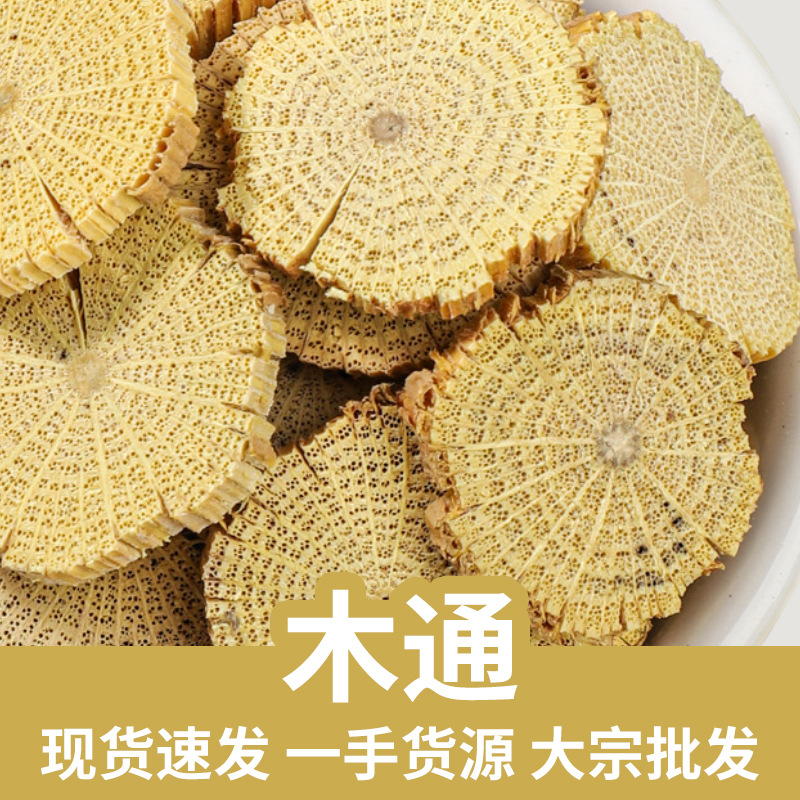

Dried Mu Tong Akebia Stem Slices 500g Traditional Chinese Herbal Decoction Ingredient
Price range: $5.03 through $7.05
Description
Dried Mu Tong (木通), the dried stem of Akebia quinata, is a classic raw herb in Traditional Chinese Medicine. In TCM theory it is considered bitter in flavor and slightly cold in nature, traditionally associated with the heart, small intestine, and bladder channels. These clean dried stem pieces are suitable for decoction and herbal formulas. Consult a qualified practitioner before use.

Key Selling Points
- Authentic Mu Tong dried stem slices supplied as a clean, sorted raw herb
- Botanical source Akebia quinata, known in TCM as Mu Tong (木通)
- Traditionally valued in TCM formulas for its bitter and slightly cold profile
- Dried and processed for convenient decoction and herbal preparation
- Sold as a 500g bag of edible agricultural produce with 12-month shelf life
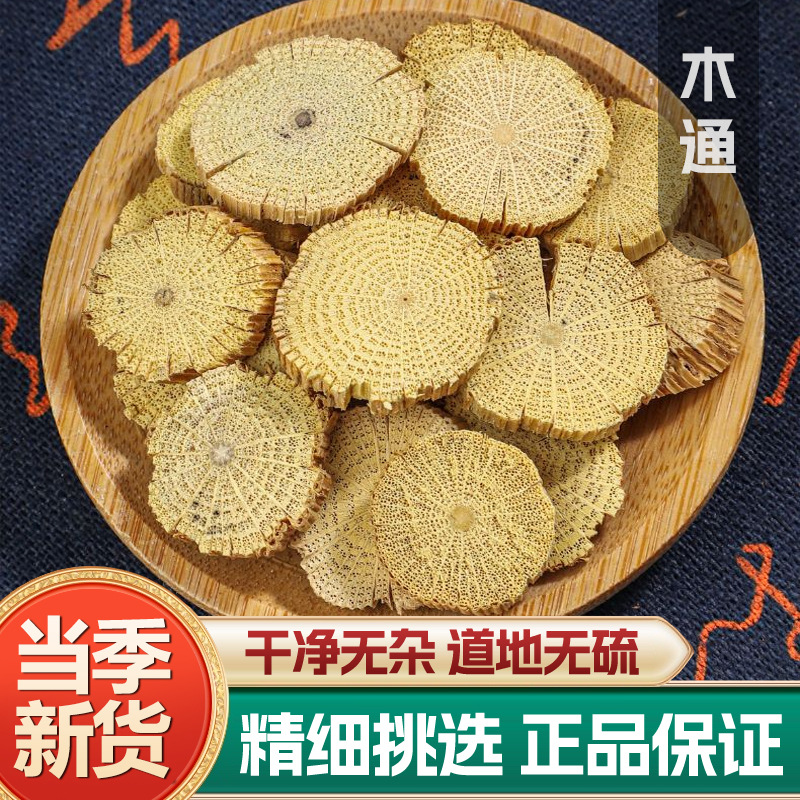
Quality & Sensory
Typically light yellowish-brown to grayish pieces with a hard, woody texture and visible porous structure. The dried stem has a faint herbal aroma, and decoction typically yields a mild, slightly bitter taste.
Technical Specifications
| Product Type | Raw Herb & Botanical |
|---|---|
| Chinese Name | 木通 |
| Pinyin | Mu Tong |
| Botanical Name | Akebia quinata |
| Plant Part | Dried stem |
| Net Weight | 500g |
Usage Scenarios
- Simmered in traditional herbal decoctions
- Combined with other herbs in TCM formulas
- Prepared as a strained herbal tea infusion
- Used in seasonal herbal soup preparations
Traditional Uses
In TCM practice, Mu Tong has traditionally been used in decoctions and classic formulas, often paired with herbs such as Che Qian Zi or Dan Zhu Ye in heat-clearing and damp-draining preparations. It has also been a customary ingredient in seasonal herbal soups and wellness teas within traditional folk practice.
FAQ Q&A
Q: What is this product?
A: It is dried Mu Tong (木通), the stem of Akebia quinata, supplied as a clean raw herb for traditional herbal preparation.
Q: What is its traditional value?
A: In TCM theory it is bitter and slightly cold, traditionally associated with the heart, small intestine, and bladder channels and used in classic decoctions.
Q: How is it commonly prepared?
A: It is typically simmered in decoctions or combined with other herbs in formulas; consult a qualified practitioner for guidance.
Additional information
| Weight | N/A |
|---|---|
| Dimensions | N/A |
| Packaging specifications | Wooden tong 500g, Wooden pipe 250g, Wooden pipe 100g, Wooden pipe 50g |
Related products
-
Fritillaria Bulb Chuan Bei Mu Dried Chinese Herbal Bulbs for Decoction and Traditional Use 500g
Price range: $18.06 through $94.21 -
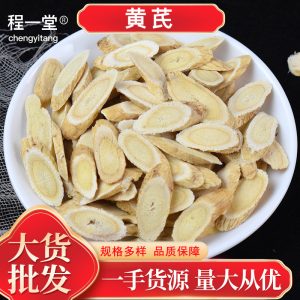
Astragalus Root Slices Huang Qi 斜片 Dried Herb for Decoction Soup and Tea 500g
Price range: $6.06 through $19.51 -
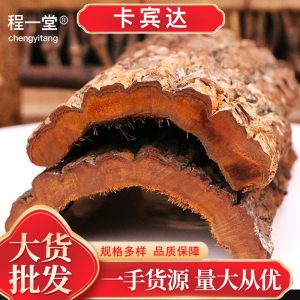
Cabinda Bark Dried Herb 500g Traditional Herbal Infusion Ingredient
Price range: $12.38 through $37.50 -
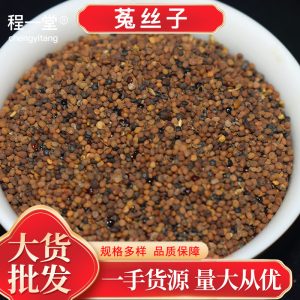
Dried Dodder Seed Tu Si Zi Whole Herb 500g Bulk Chinese Herbal Ingredient
Price range: $7.04 through $7.52
Reviews
There are no reviews yet.