
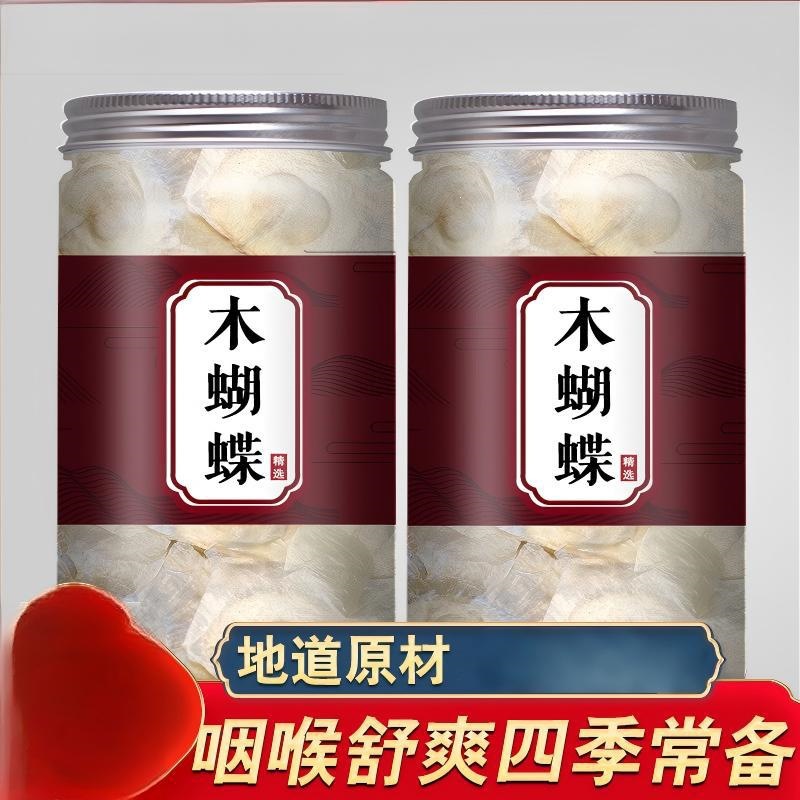
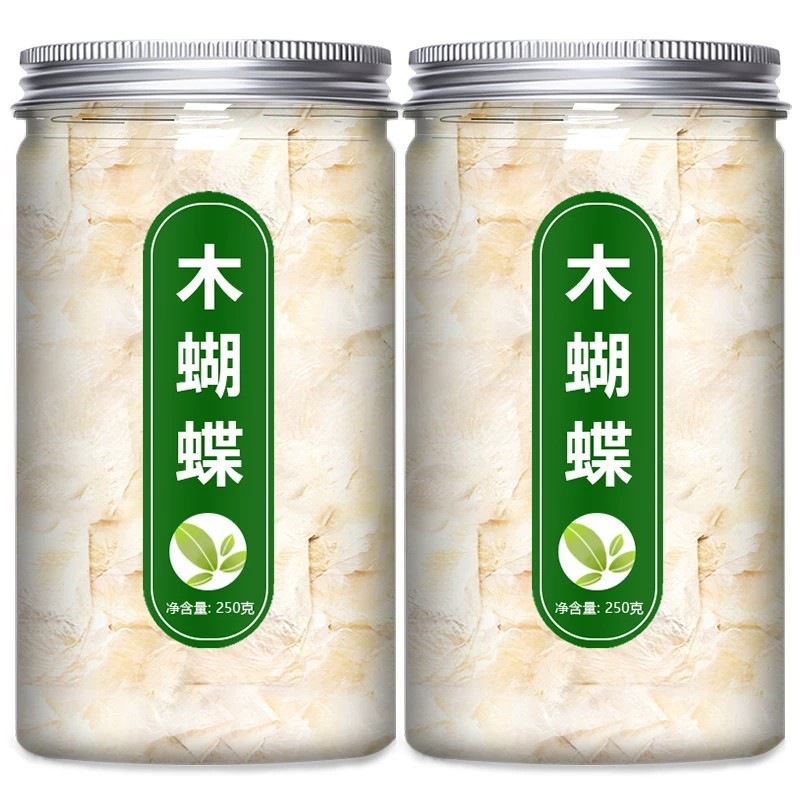
Dried Mu Hu Die Wood Butterfly Herb for Herbal Tea 250g
Price range: $5.90 through $12.74
Description
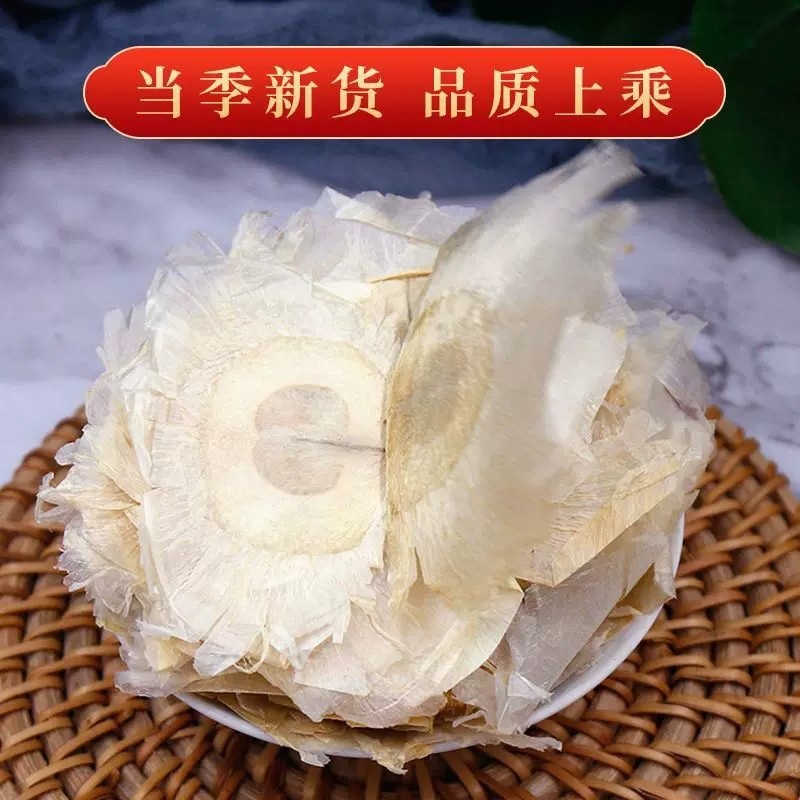
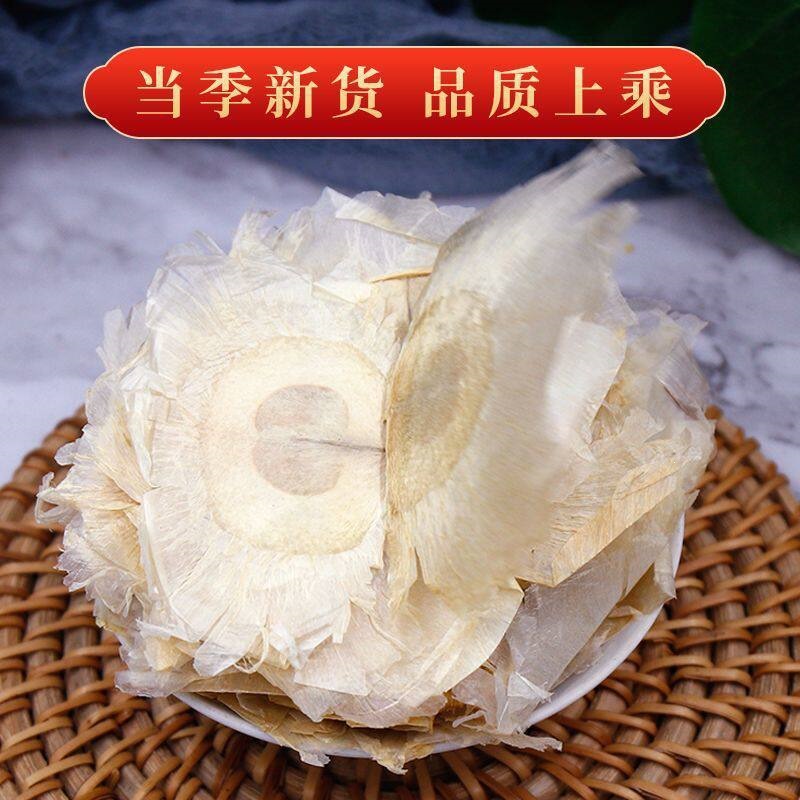
Dried Mu Hu Die (木蝴蝶), also known as Wood Butterfly or Thousand Paper, is the dried seed of Oroxylum indicum. In TCM theory it is considered cool in nature with a sweet and bitter flavor, traditionally associated with the Lung and Liver channels. It is commonly prepared as a simple herbal tea by steeping the seeds in hot water. This food-grade herb is sun-dried and stored in a cool dry place.
Key Selling Points
- Known in TCM as Mu Hu Die (木蝴蝶), the seed of Oroxylum indicum
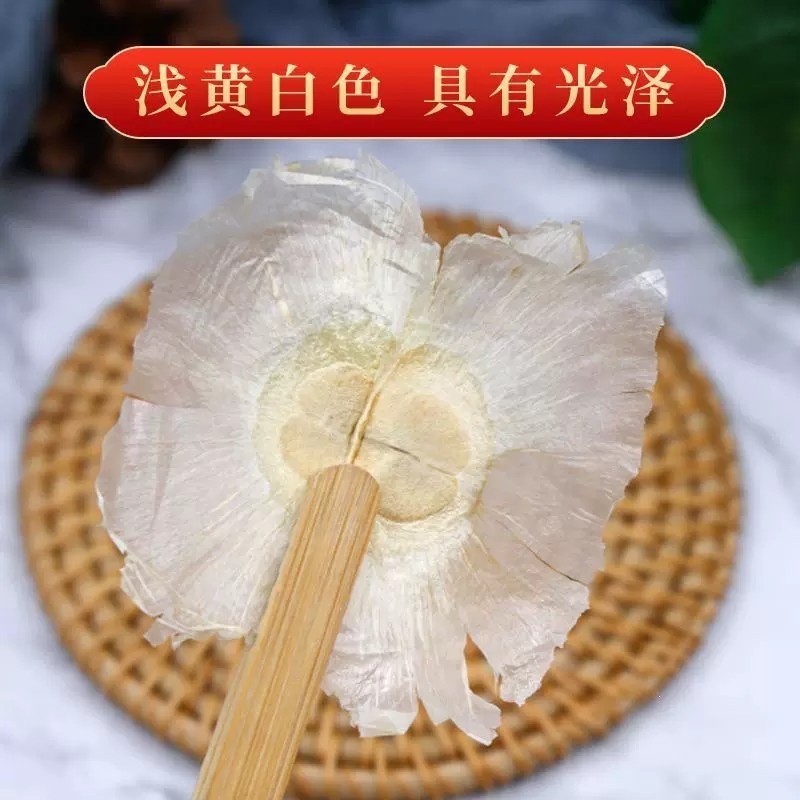
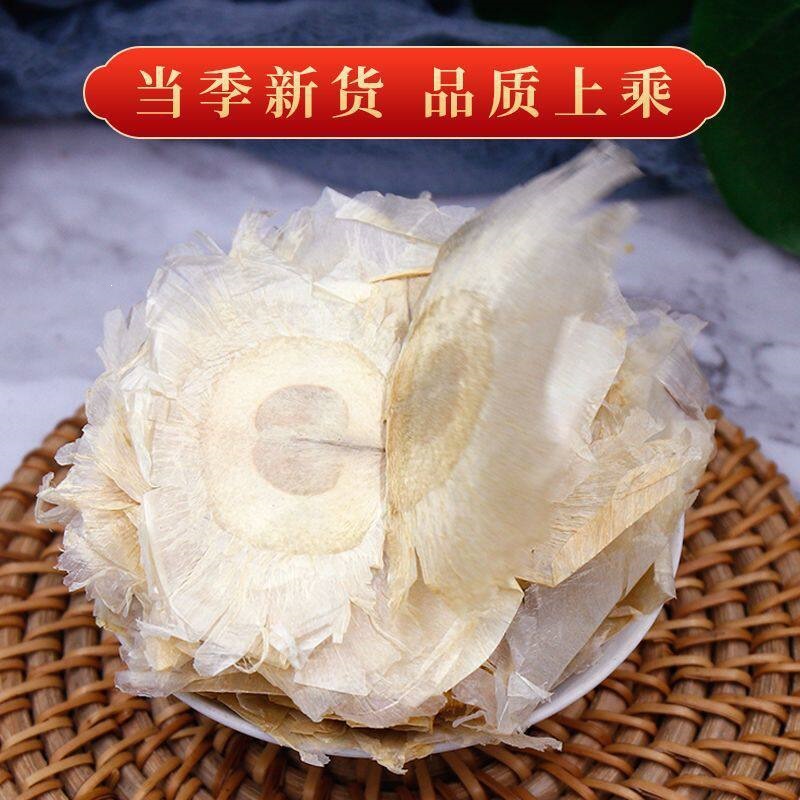
- Sun-dried food-grade herb with a light papery texture
- Traditionally associated with the Lung and Liver channels
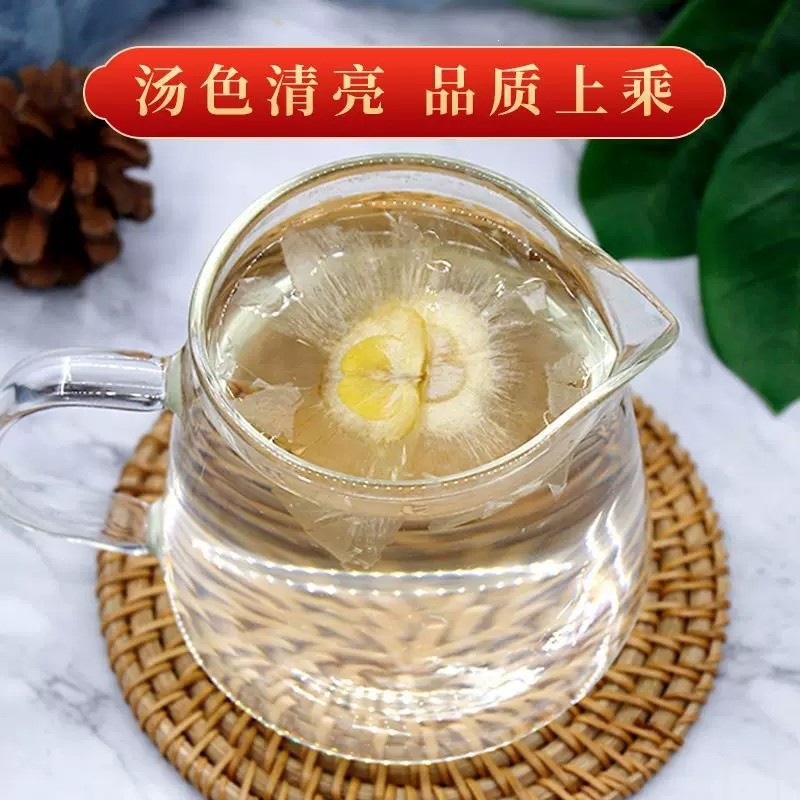
- Simple to prepare as a daily herbal tea by steeping in hot water
- Packaged as 250g in two jars for convenient home storage
Quality & Sensory
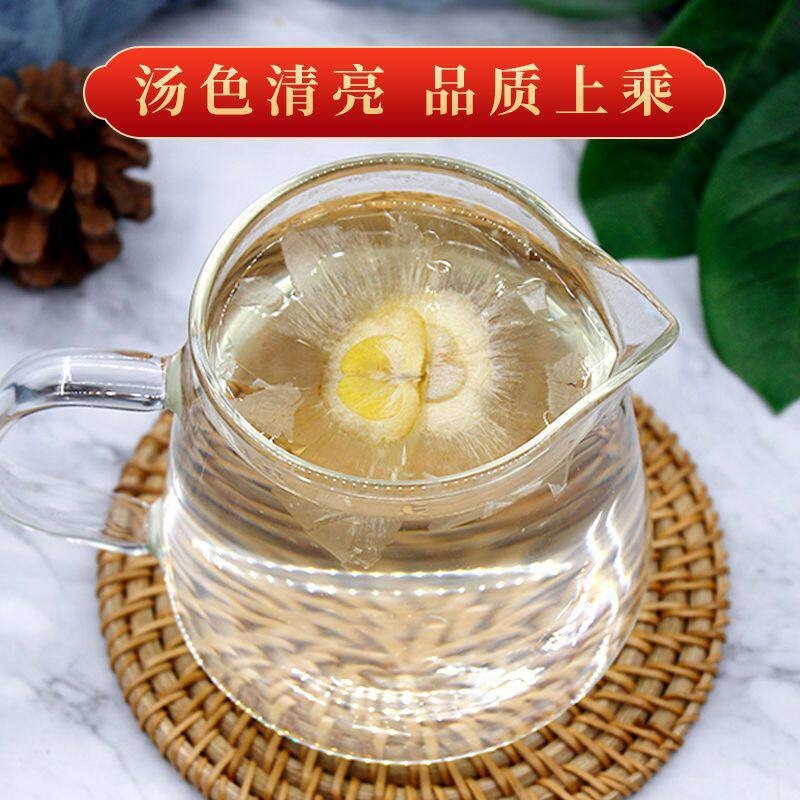
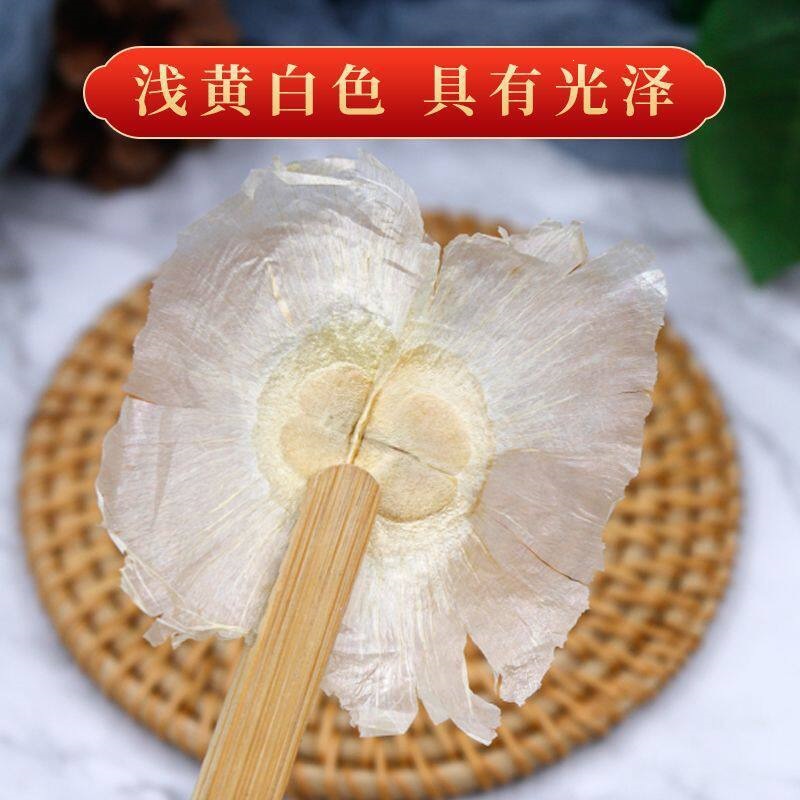
The dried seeds are typically pale yellowish-white, thin, and papery with a light, dry texture. They have a mild, faintly grassy aroma. When steeped in hot water, the brew is typically light and subtly sweet with a gentle bitter note.
Technical Specifications
| Product Type | Dried herbal seed |
|---|---|
| Chinese Name | 木蝴蝶 |
| Pinyin | Mu Hu Die |
| Botanical Name | Oroxylum indicum |
| Plant Part | Seed |
| Net Weight | 250g |
Usage Scenarios
- Steep as a simple herbal tea
- Combine with Pang Da Hai in a traditional tea blend
- Add to herbal decoctions
- Use in seasonal home tea preparations
Traditional Uses
In TCM theory, Mu Hu Die is traditionally used in decoctions and teas, often paired with Pang Da Hai for throat-soothing preparations. It is also included in folk herbal blends for seasonal respiratory comfort. The seeds are typically steeped in hot water or simmered briefly in decoctions.
FAQ Q&A
Q: What is Mu Hu Die?
A: Mu Hu Die (木蝴蝶) is the dried seed of Oroxylum indicum, also known as Wood Butterfly or Thousand Paper. It is a food-grade herb used in traditional Chinese herbal preparations.
Q: What is its traditional value?
A: In TCM theory, it is considered cool in nature with a sweet and bitter flavor, associated with the Lung and Liver channels. It is traditionally used in teas and decoctions for throat and respiratory comfort.
Q: How is it commonly prepared?
A: It is typically steeped in hot water as a simple tea or simmered in herbal decoctions. It is often combined with Pang Da Hai in traditional tea blends.
Additional information
| Weight | N/A |
|---|---|
| Dimensions | N/A |
| Model | 木蝴蝶35克 1罐, 木蝴蝶250克 1罐, 木蝴蝶250克 2罐 |
Related products
-
Taizishen Dried Pseudostellaria Root TCM Herbal Tea and Soup Ingredient 500g Bulk Pack
Price range: $10.28 through $15.63 -
Ningxia Goji Berries Gou Qi Zi 500g Dried Red Wolfberry for Tea Soup and Snacking
Price range: $7.20 through $16.44 -
Astragalus Root Slices Huang Qi 500g Dried Herb for Soups and Teas
Price range: $7.36 through $22.11 -
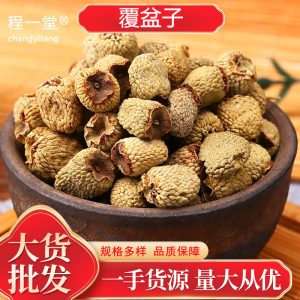
Dried Raspberry Fruit Fu Pen Zi 500g Whole Berries for Herbal Tea and Wine Infusion
Price range: $14.00 through $16.44
Reviews
There are no reviews yet.