
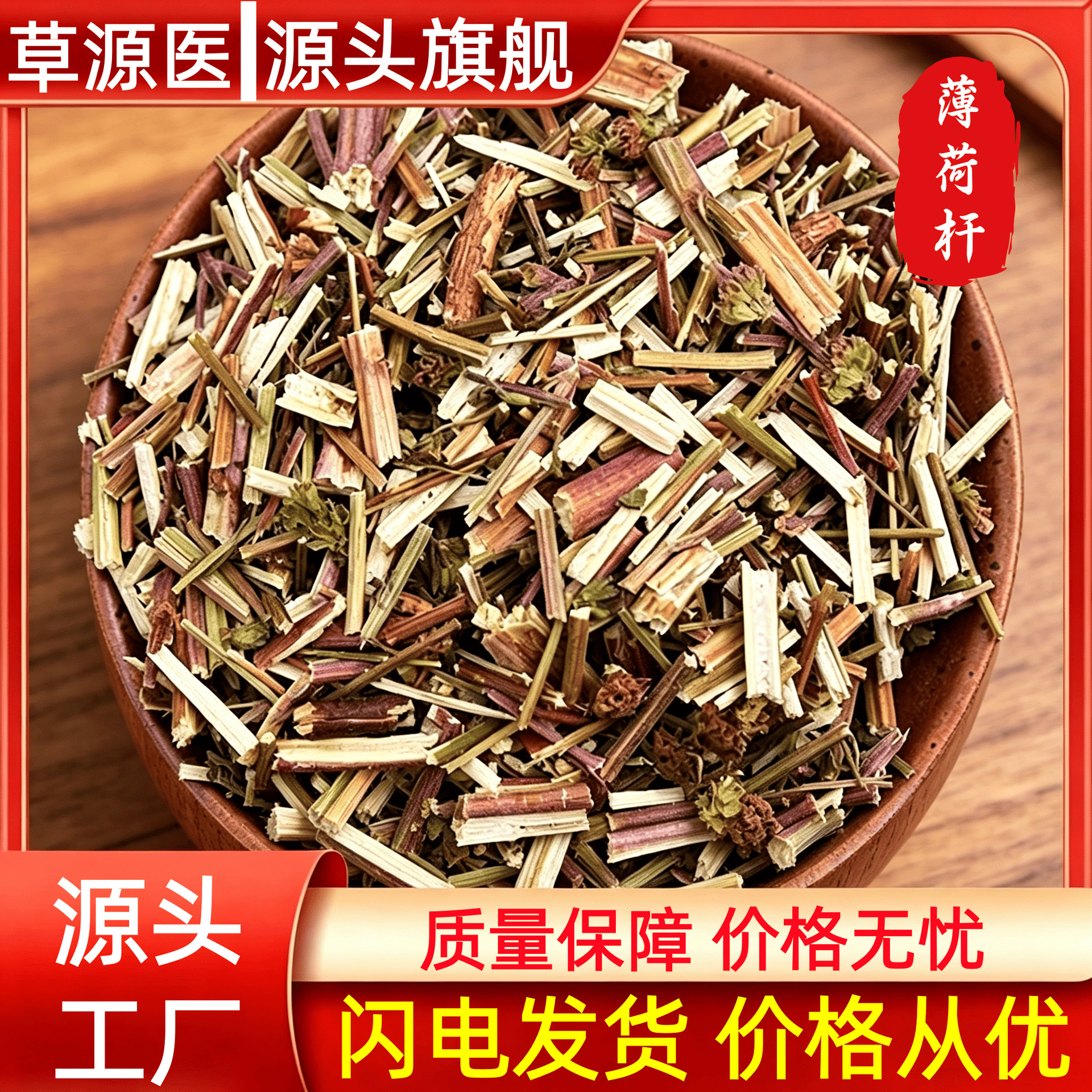
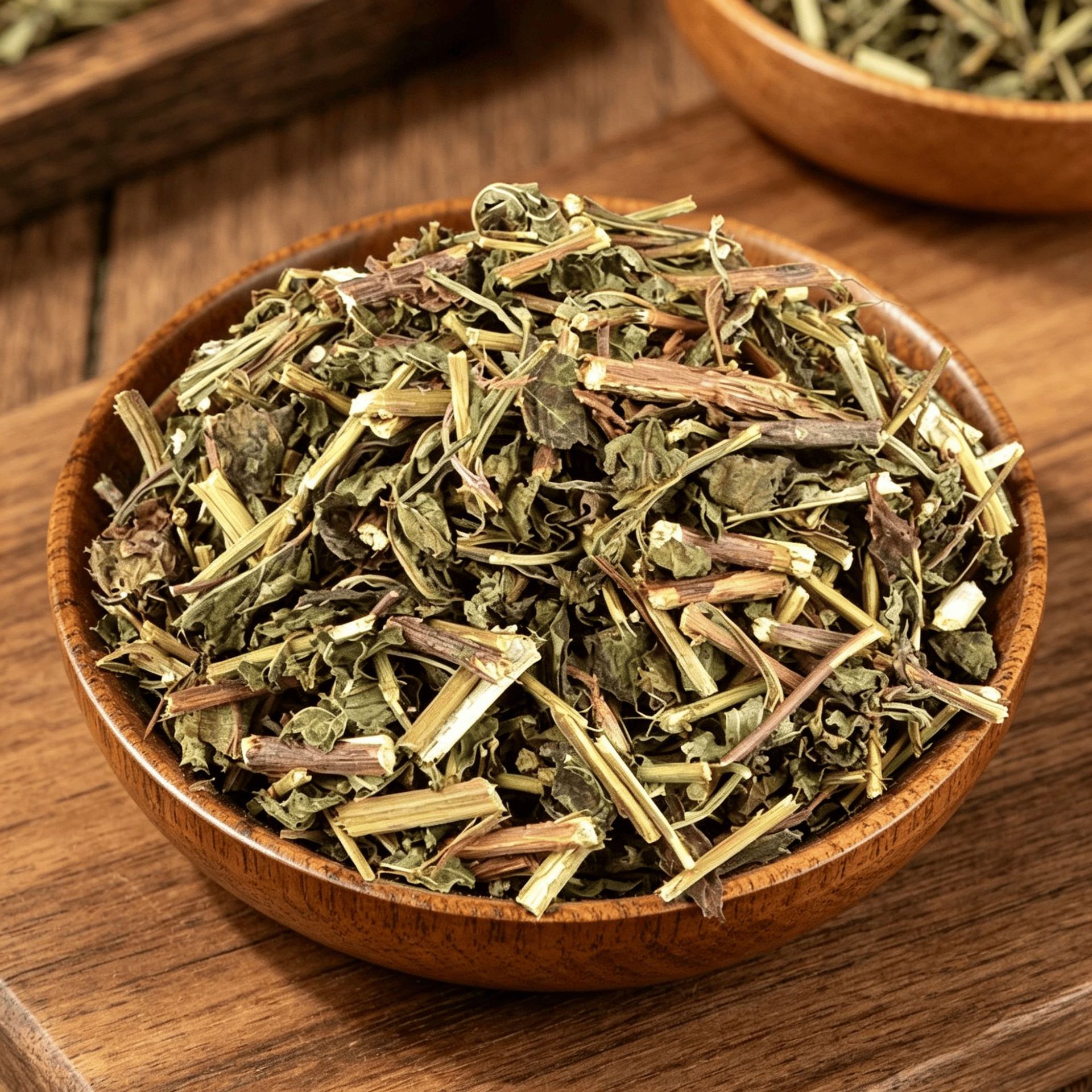
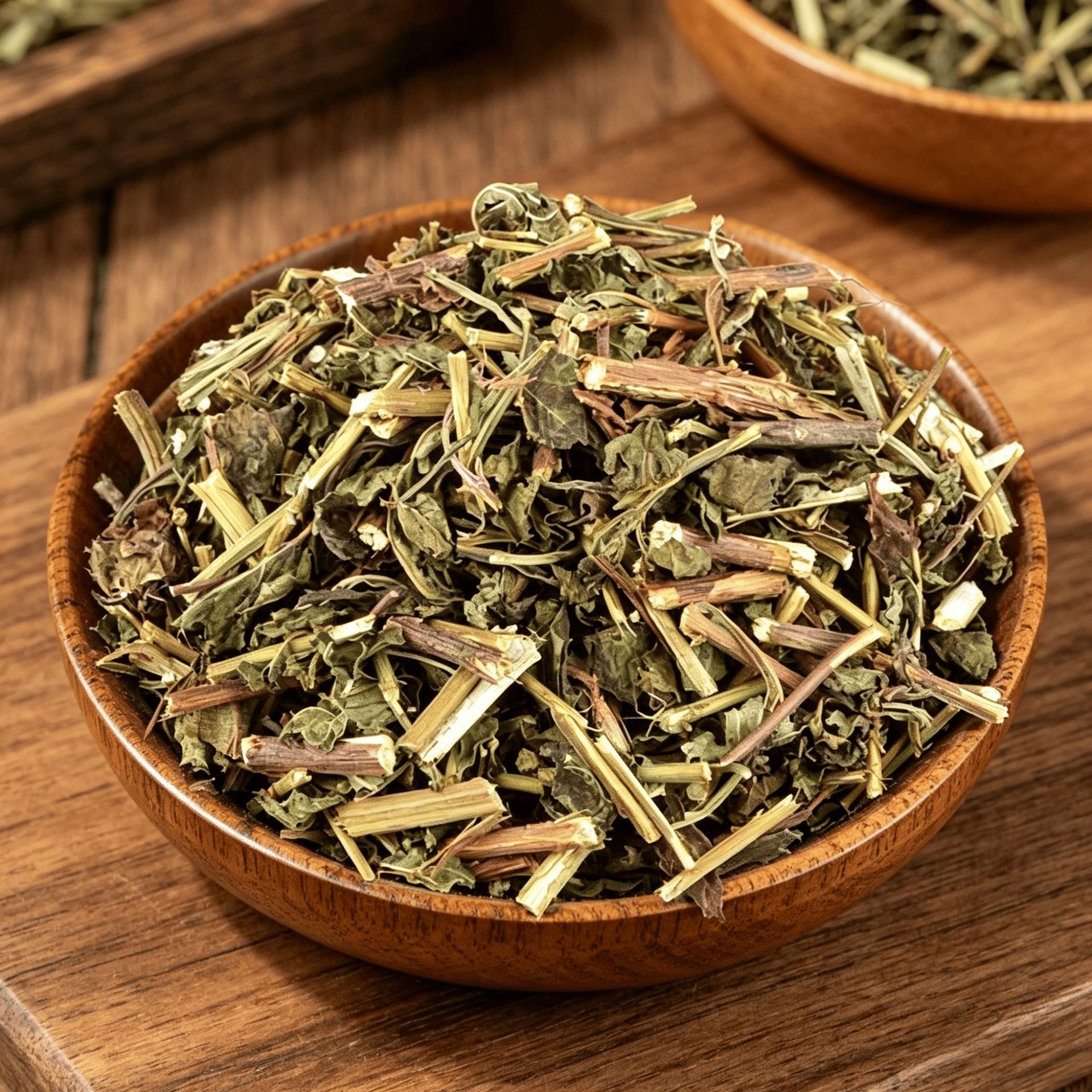
Dried Mint Stems Bo He Geng 500g Chinese Herbal Mint Stalks for Tea and Decoction
Price range: $5.20 through $6.67
Description
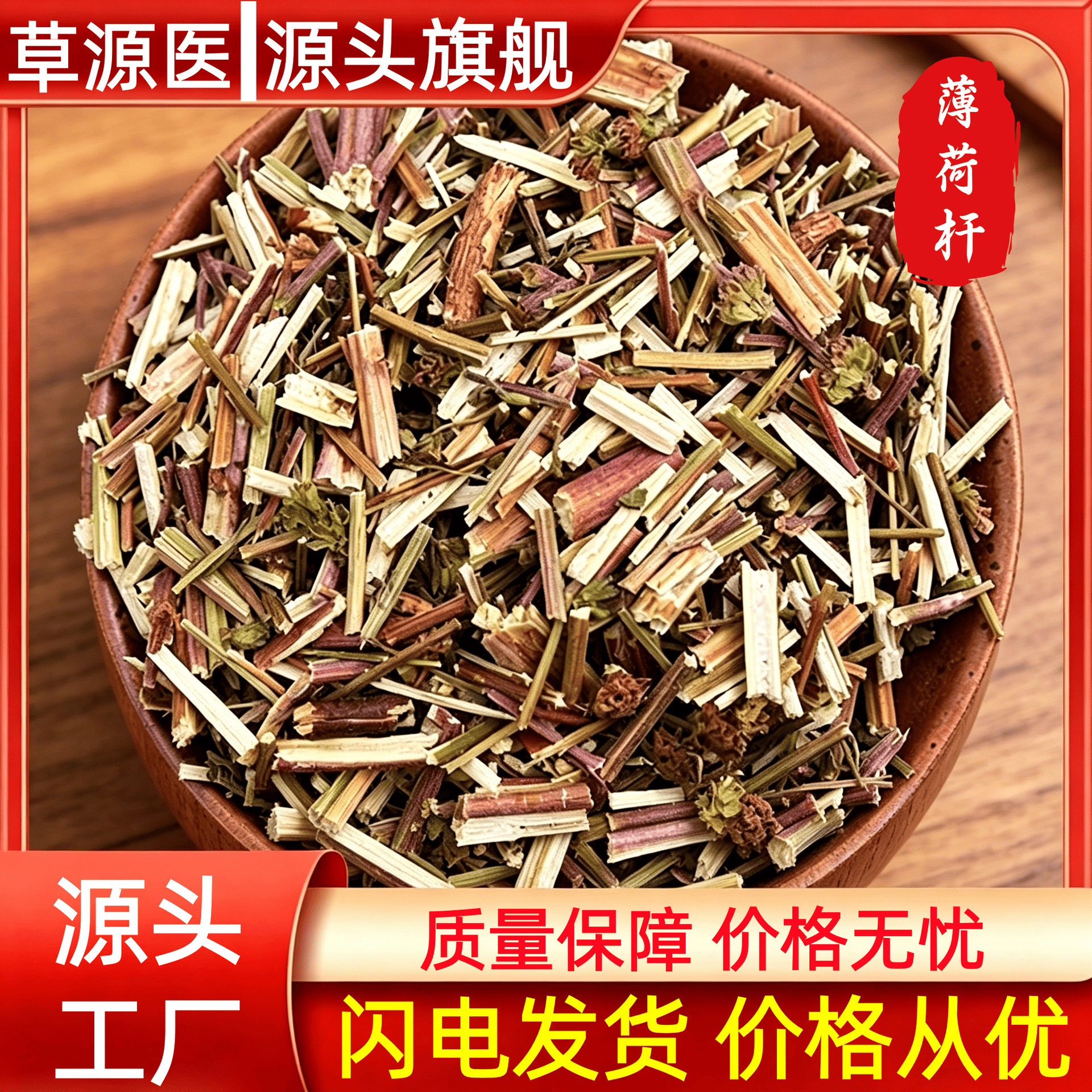
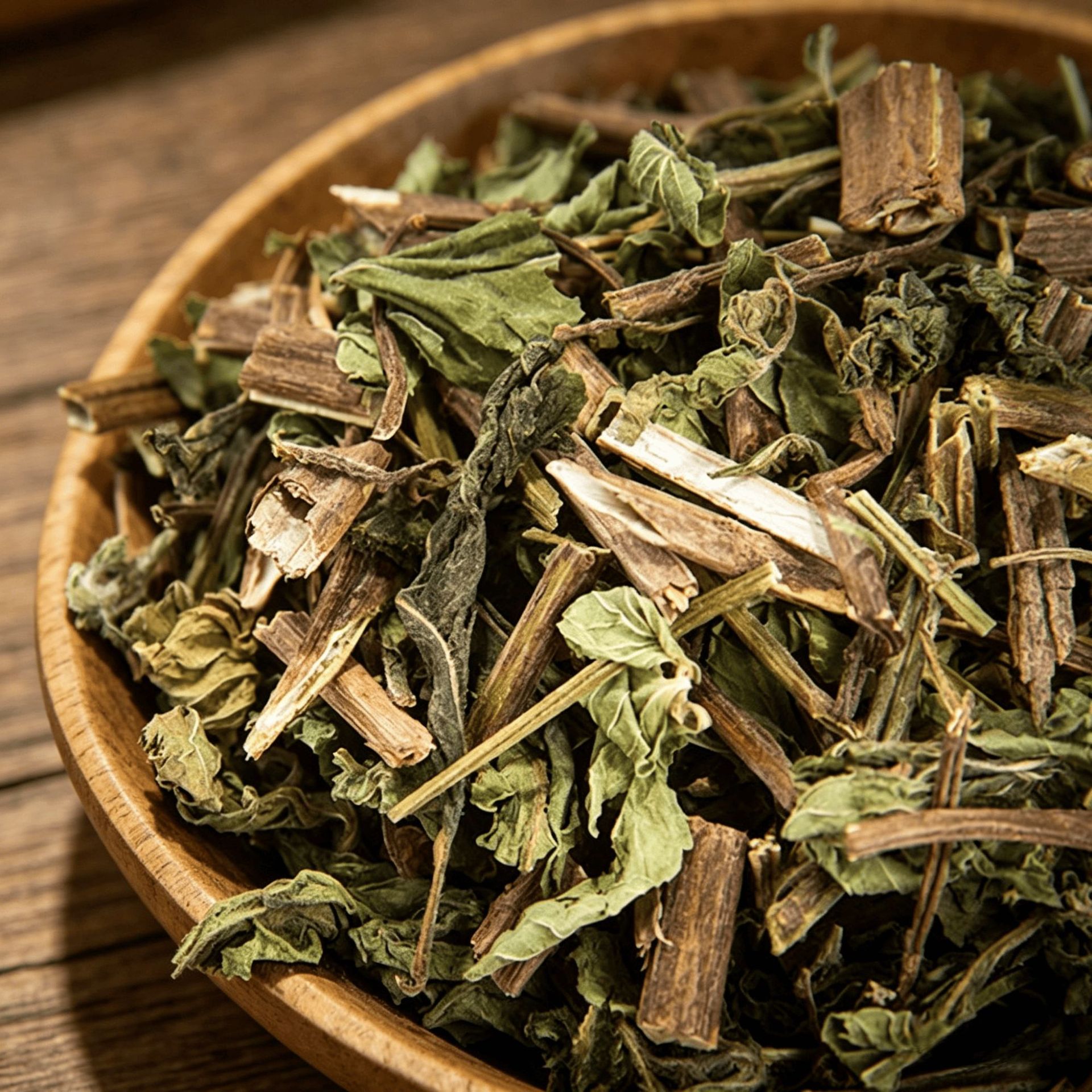
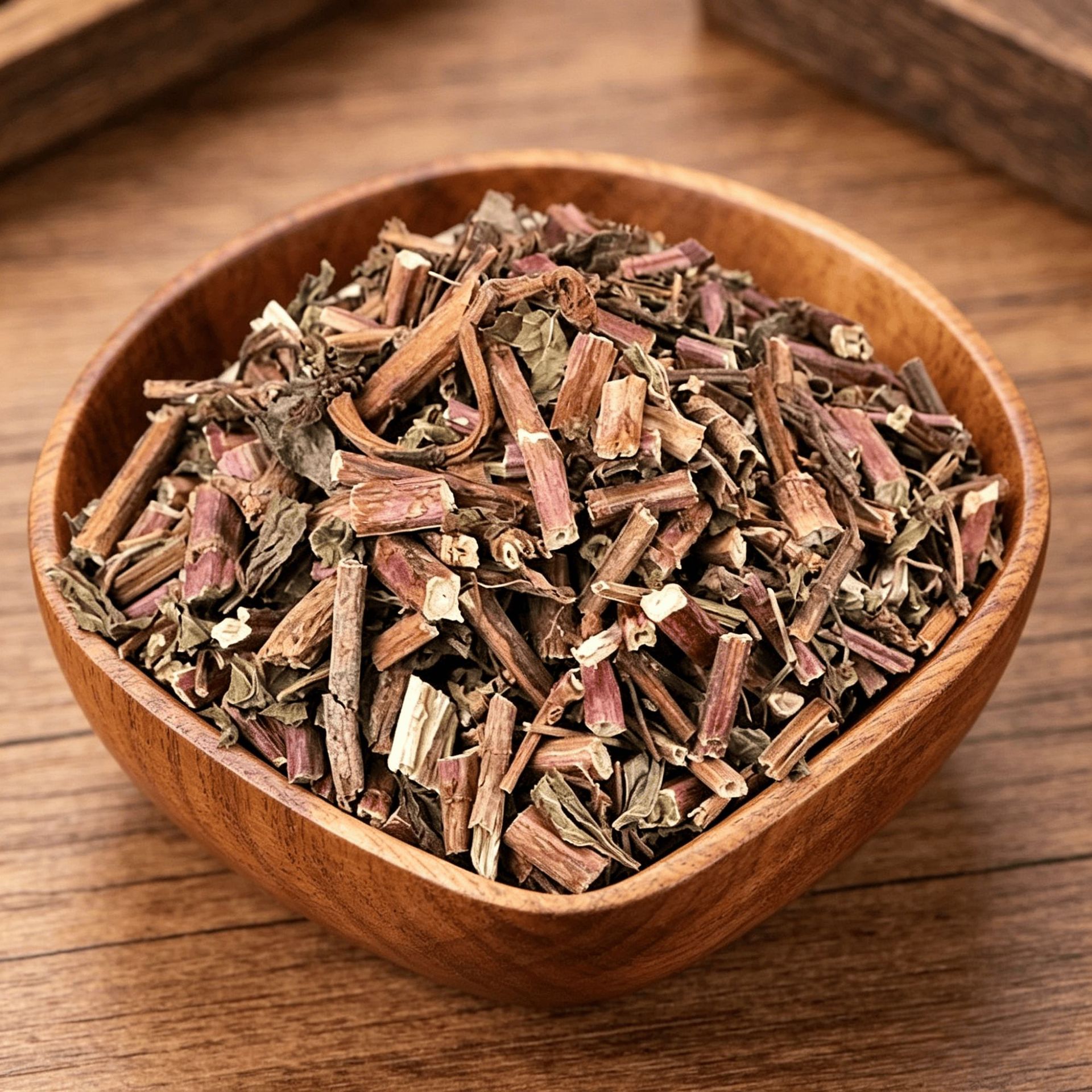
Dried Mint Stems, known in TCM as Bo He Geng (薄荷杆), from Mentha species, are the dried stalks of the mint plant. In TCM theory, mint is cool in nature, pungent in flavor, and traditionally associated with dispersing wind-heat and soothing the throat. These sun-dried stem pieces are a versatile raw botanical for teas, decoctions, and culinary infusions.

Key Selling Points
- Authentic dried mint stems sourced from Anhui province
- Botanical source is Mentha species, a classic TCM cooling herb
- Traditionally associated with dispersing wind-heat and refreshing the senses
- Sun-dried and sealed for freshness with a 120-day shelf life
- Suitable for herbal teas, decoctions, and culinary infusions


Quality & Sensory
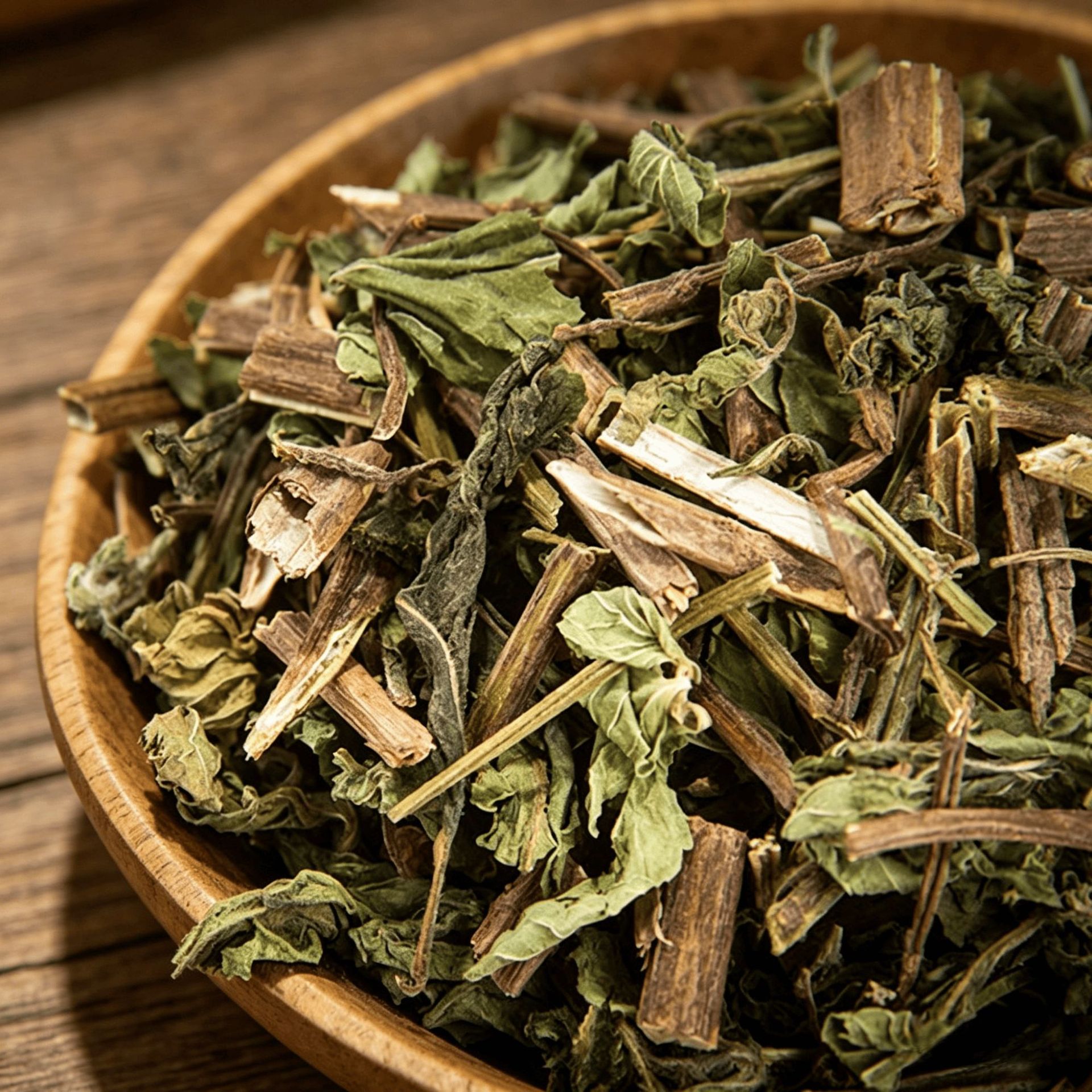
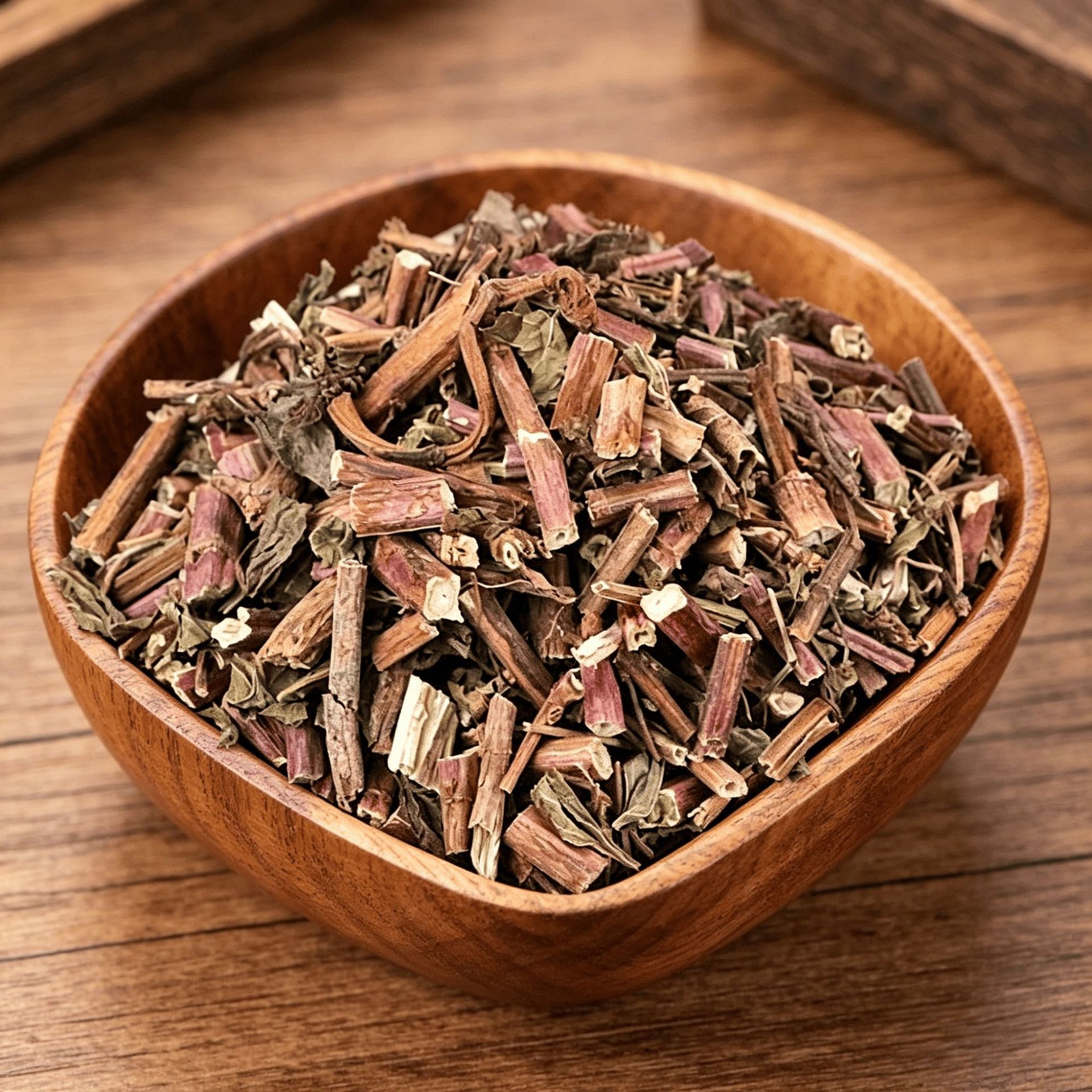
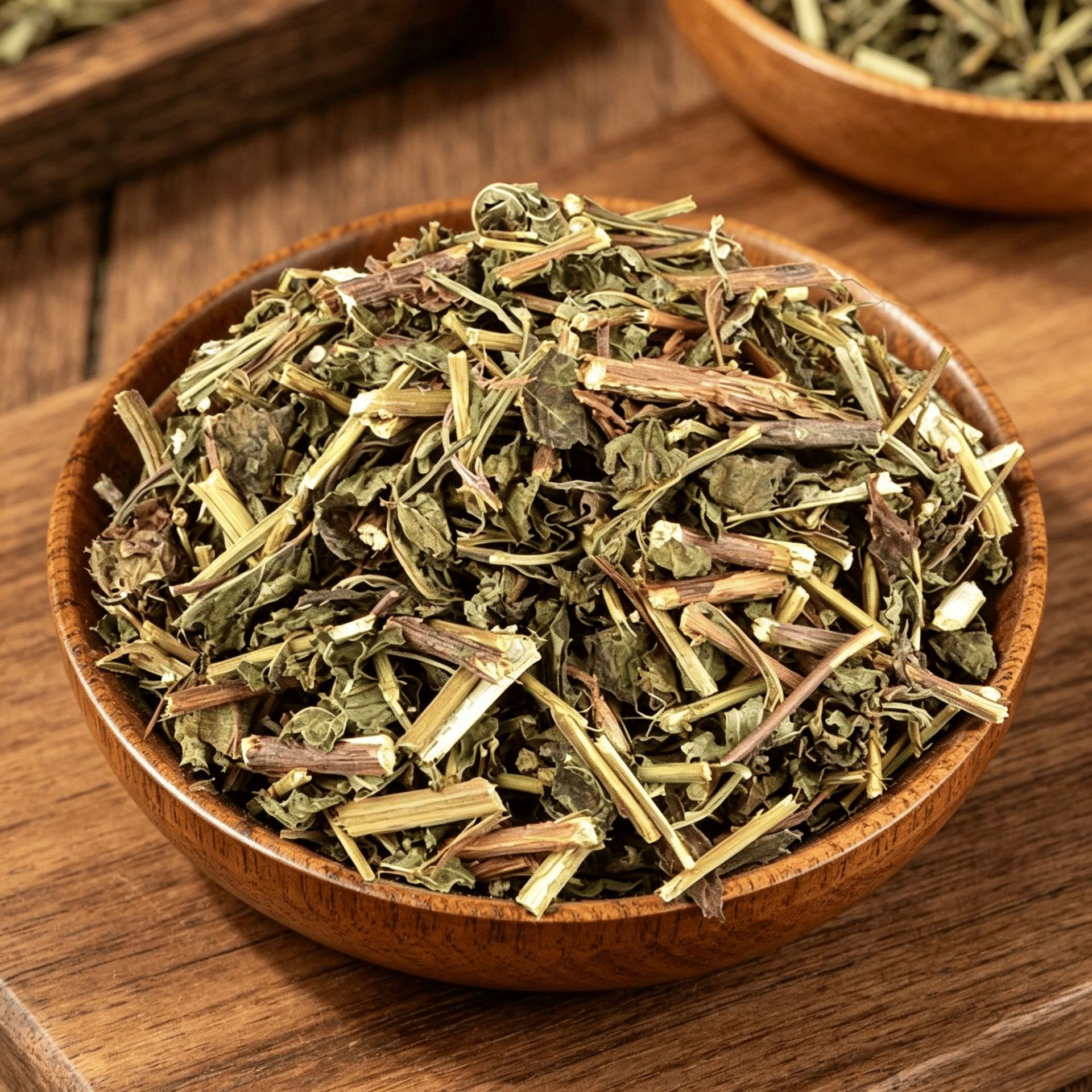
Typically light green to yellowish-green in color with a dry, brittle texture. The aroma is characteristically cool and minty, and when brewed the infusion typically carries a refreshing, mildly sweet menthol taste.
Technical Specifications
| Product Type | Raw Herb |
|---|---|
| Chinese Name | 薄荷杆 |
| Pinyin | Bo He Geng |
| Botanical Name | Mentha species |
| Plant Part | Stems |
| Net Weight | 500g |

Usage Scenarios
- Brew as a refreshing herbal tea
- Add to decoctions for a cooling herbal blend
- Use in culinary infusions and summer drinks
- Combine with other herbs in traditional formulas

Traditional Uses
In TCM practice, mint stems are traditionally used alongside mint leaves to disperse wind-heat and clear the head and eyes. They are commonly paired with chrysanthemum or honeysuckle in cooling summer teas and decoctions. Mint is also a familiar ingredient in seasonal drinks and light culinary preparations.
FAQ Q&A
Q: What is this product?
A: This is 500g of dried mint stems, known in TCM as Bo He Geng (薄荷杆), from the Mentha plant.
Q: What are its traditional characteristics?
A: In TCM theory, mint is cool in nature and pungent in flavor, traditionally associated with dispersing wind-heat and refreshing the senses.
Q: How is it commonly used?
A: It is commonly brewed as a tea, added to decoctions, or used in culinary infusions.
Additional information
| Weight | N/A |
|---|---|
| Dimensions | N/A |
| Packaging specifications | Mint stems 100g bag, Mint stems 250g bag, Mint stems 500g bag, Mint stems 1000g bagged |
Related products
-
Dried Angelica Sinensis Slices Dang Gui 当归 500g Gansu Raw Herb for Decoction Soup and Tea
Price range: $16.44 through $35.88 -
Chai Hu Bupleurum Root Dried Herb 500g Traditional TCM Decoction Herb
Price range: $9.14 through $16.44 -
Dried Polygala Root Yuan Zhi 500g Traditional Chinese Herb for Decoction
Price range: $18.87 through $24.54 -
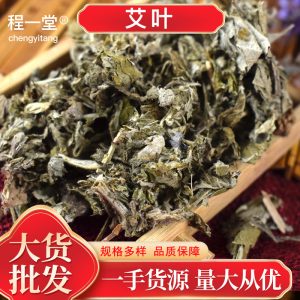
Dried Mugwort Leaf Ai Ye 500g Chinese Herbal Bath Foot Soak and Smoke Cleansing Herb
Price range: $4.77 through $5.25
Reviews
There are no reviews yet.