
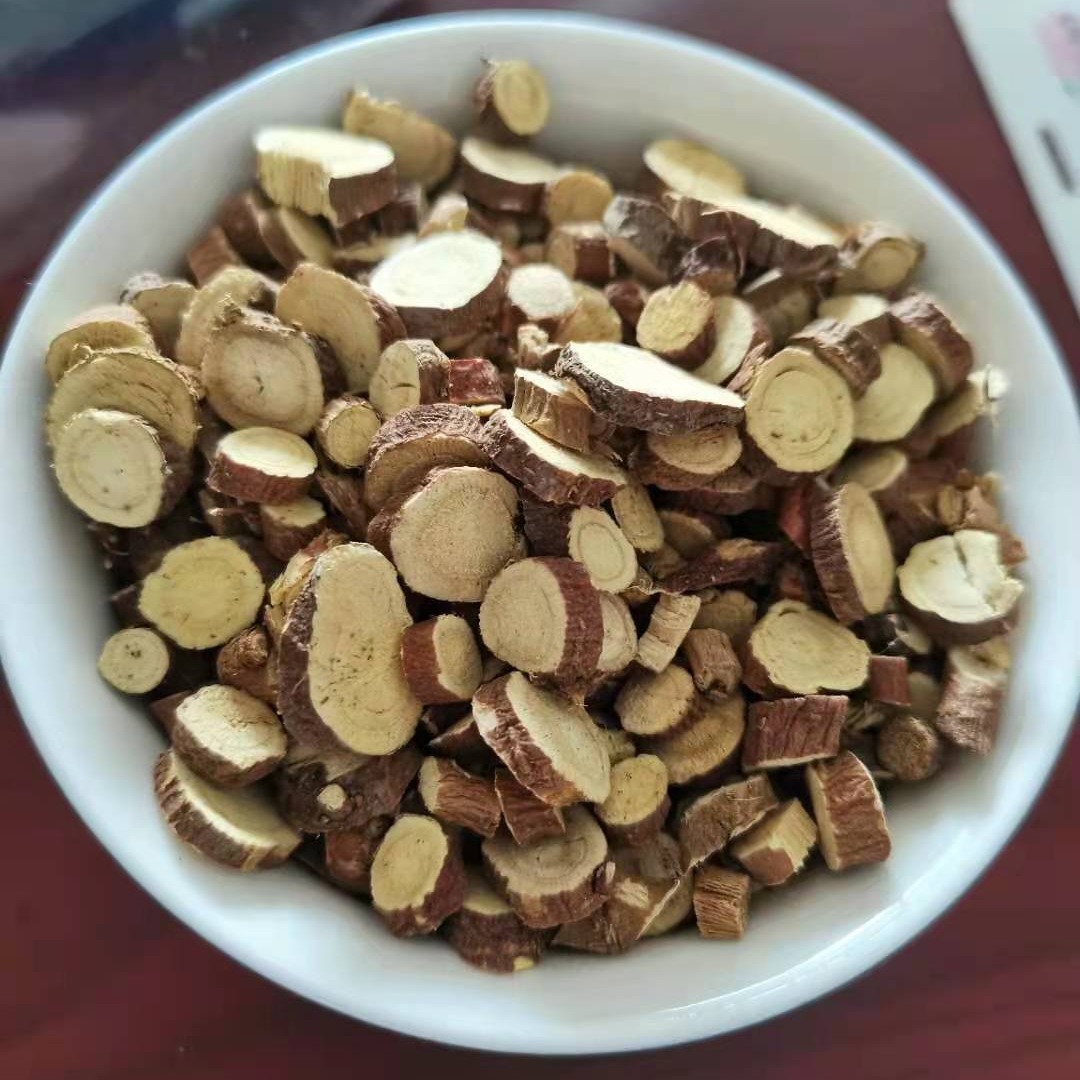
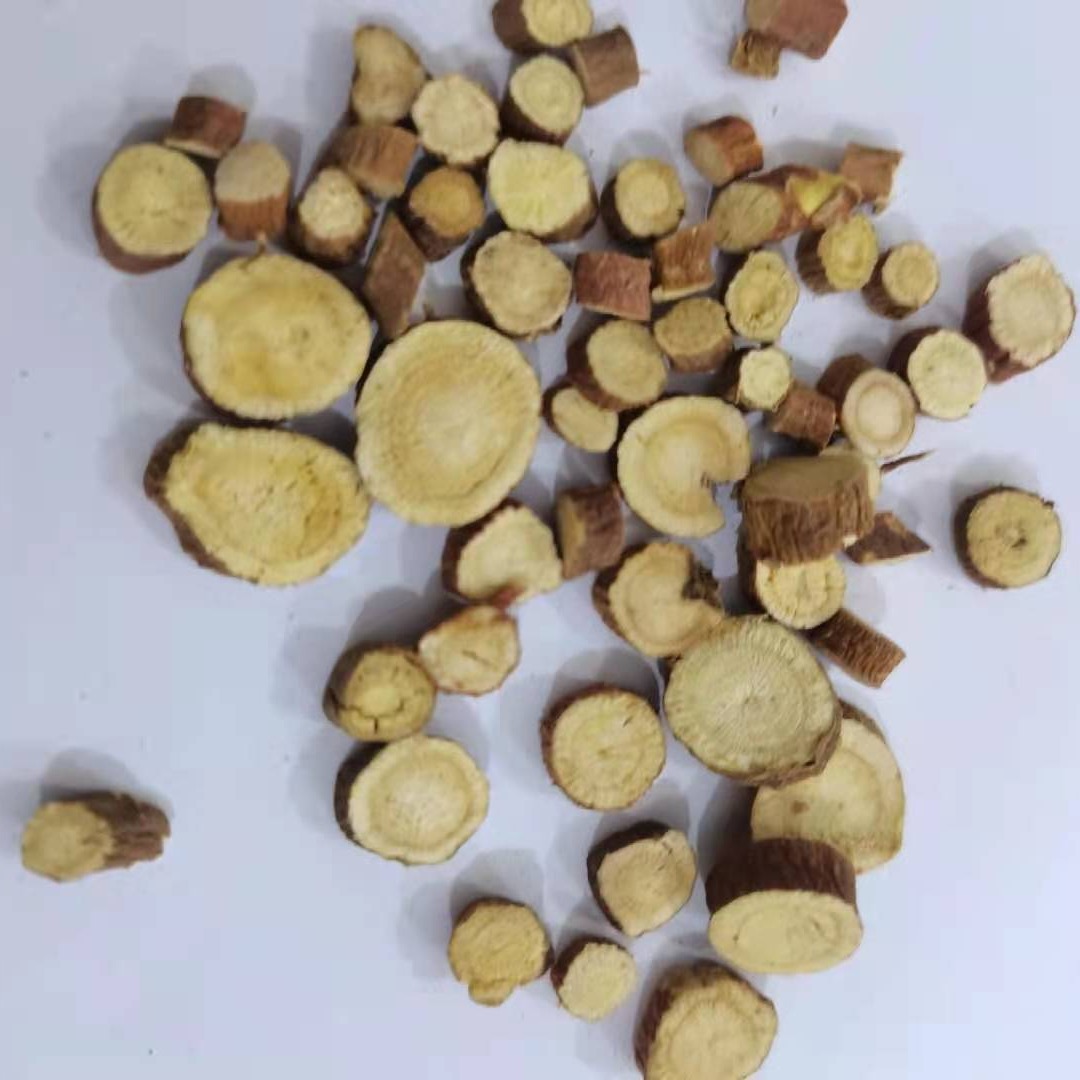
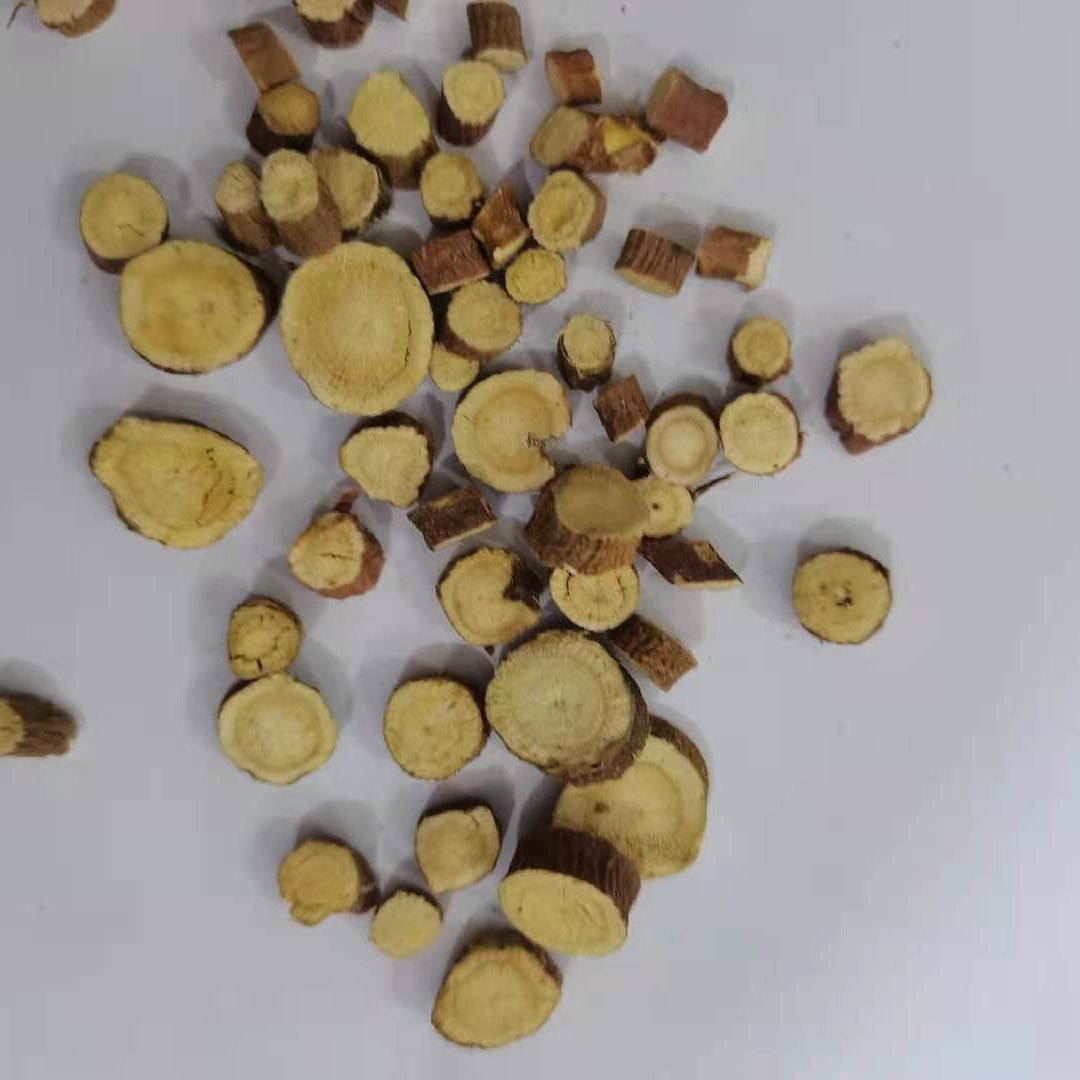
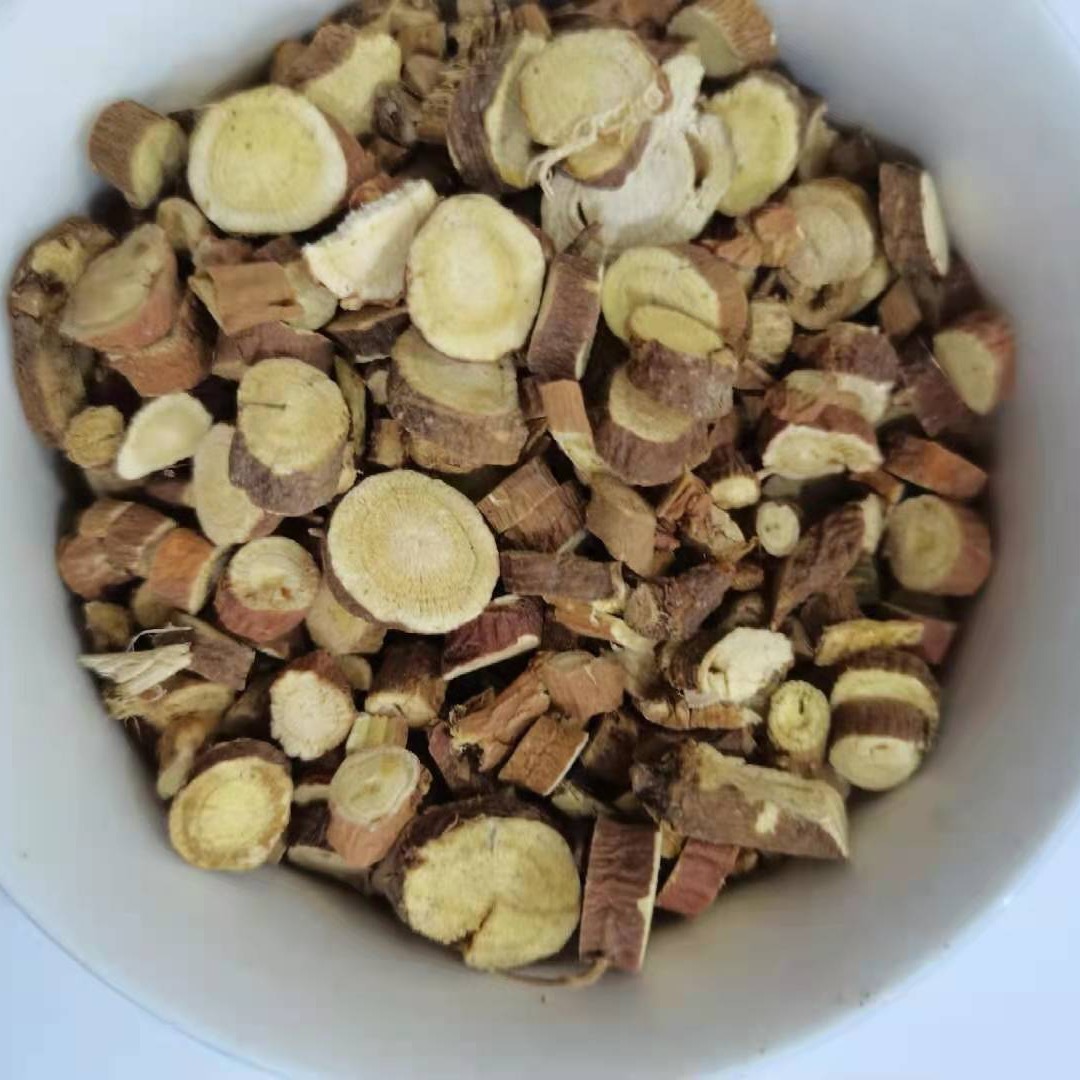
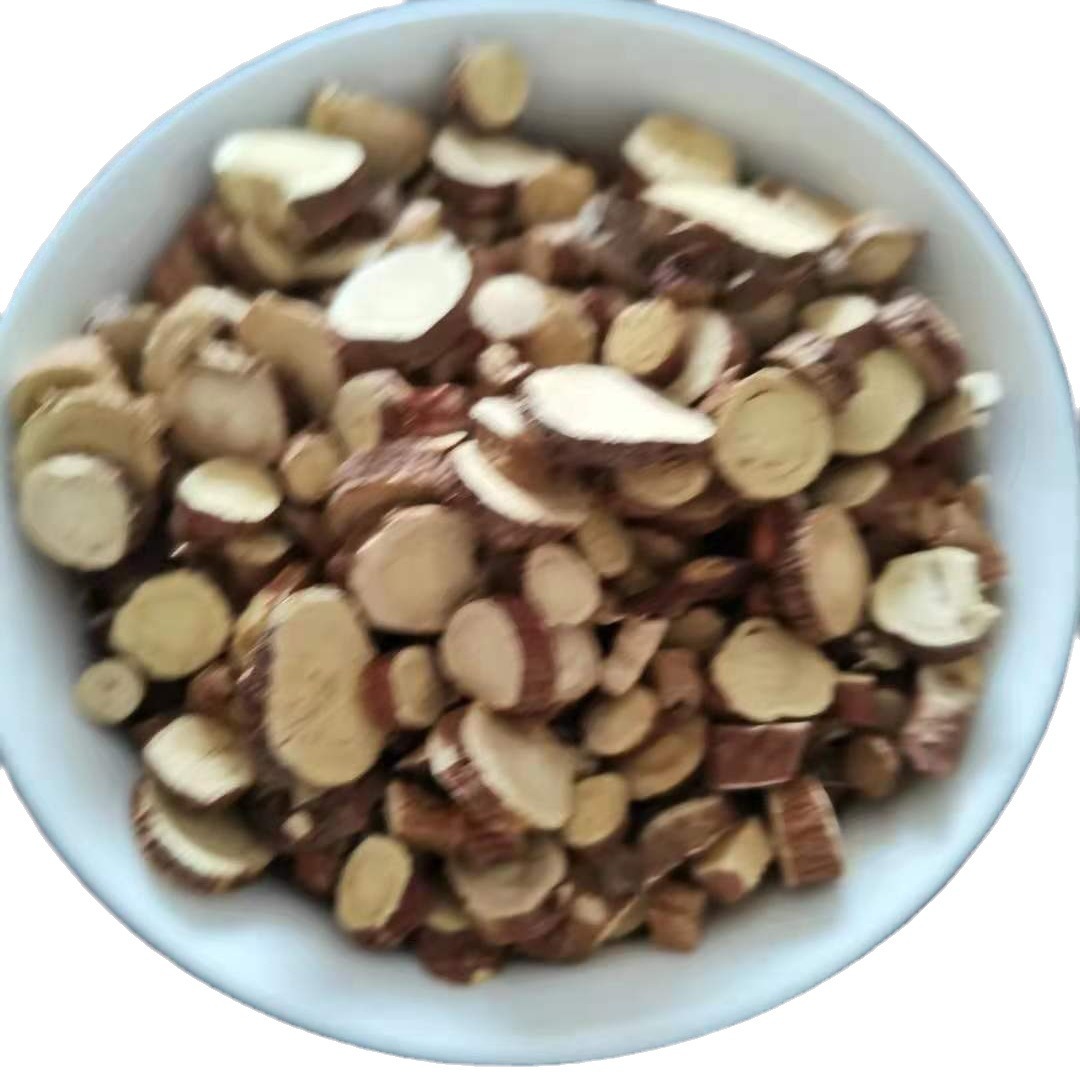
Dried Licorice Root Gan Cao 甘草 Whole Red Skin Slices Gansu Sun Dried for Herbal Decoction and Tea
$5.09
592641 in stock
Description
Dried Licorice Root, known in TCM as Gan Cao (甘草), from Glycyrrhiza uralensis. These sun-dried whole red skin root slices are a staple Chinese herbal ingredient traditionally valued for their sweet flavor and harmonizing role in formulas. In TCM theory, Gan Cao is associated with the heart, lung, spleen, and stomach channels. Store in a cool dry place and use under professional guidance.
Key Selling Points
- Single-ingredient dried licorice root slices with intact red outer skin
- Botanical source Glycyrrhiza uralensis from Gansu province China
- Sun-dried processing with well-dried texture suitable for storage
- Traditionally used in TCM to harmonize other herbs in formulas
- Versatile for decoctions herbal teas soups and culinary blends

Quality & Sensory
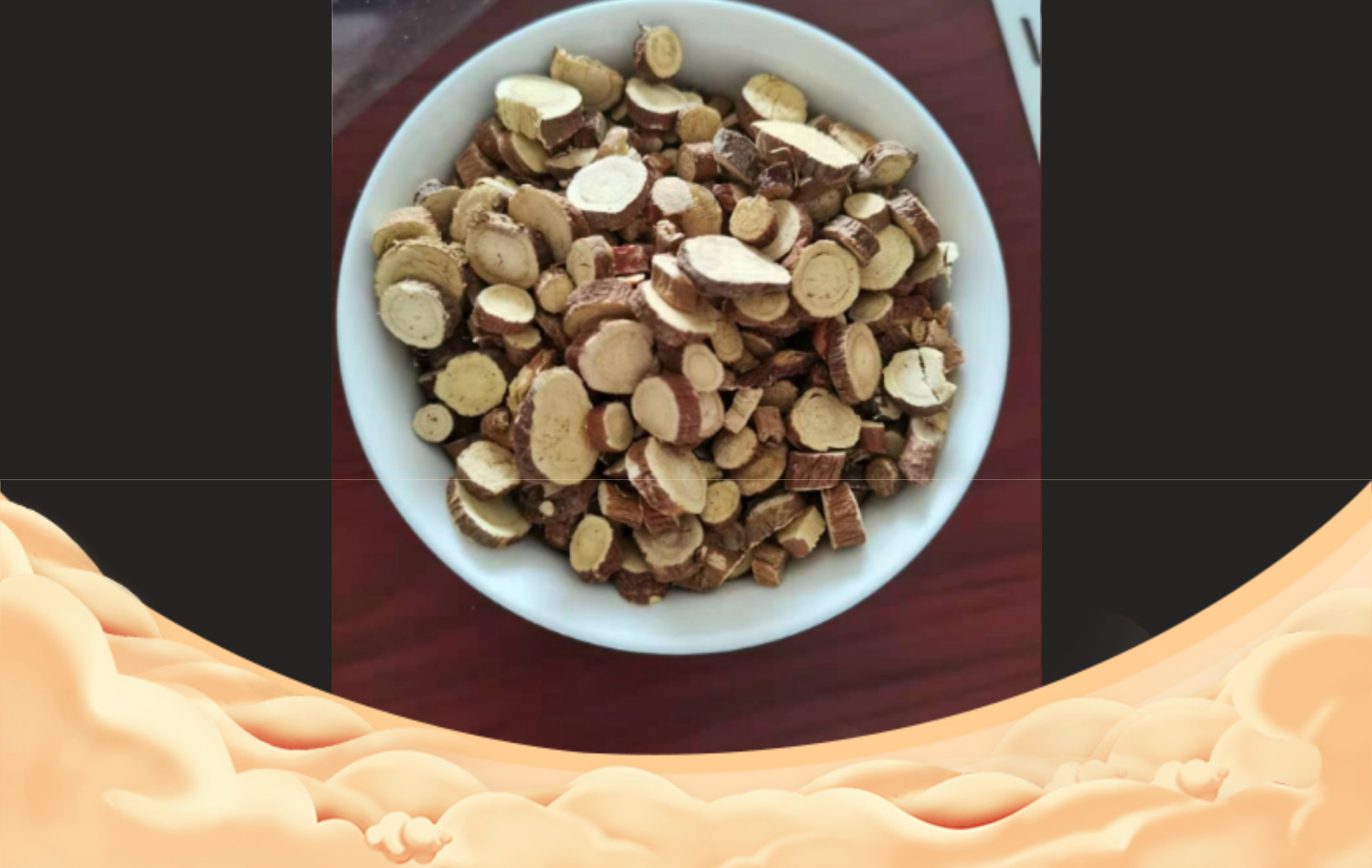
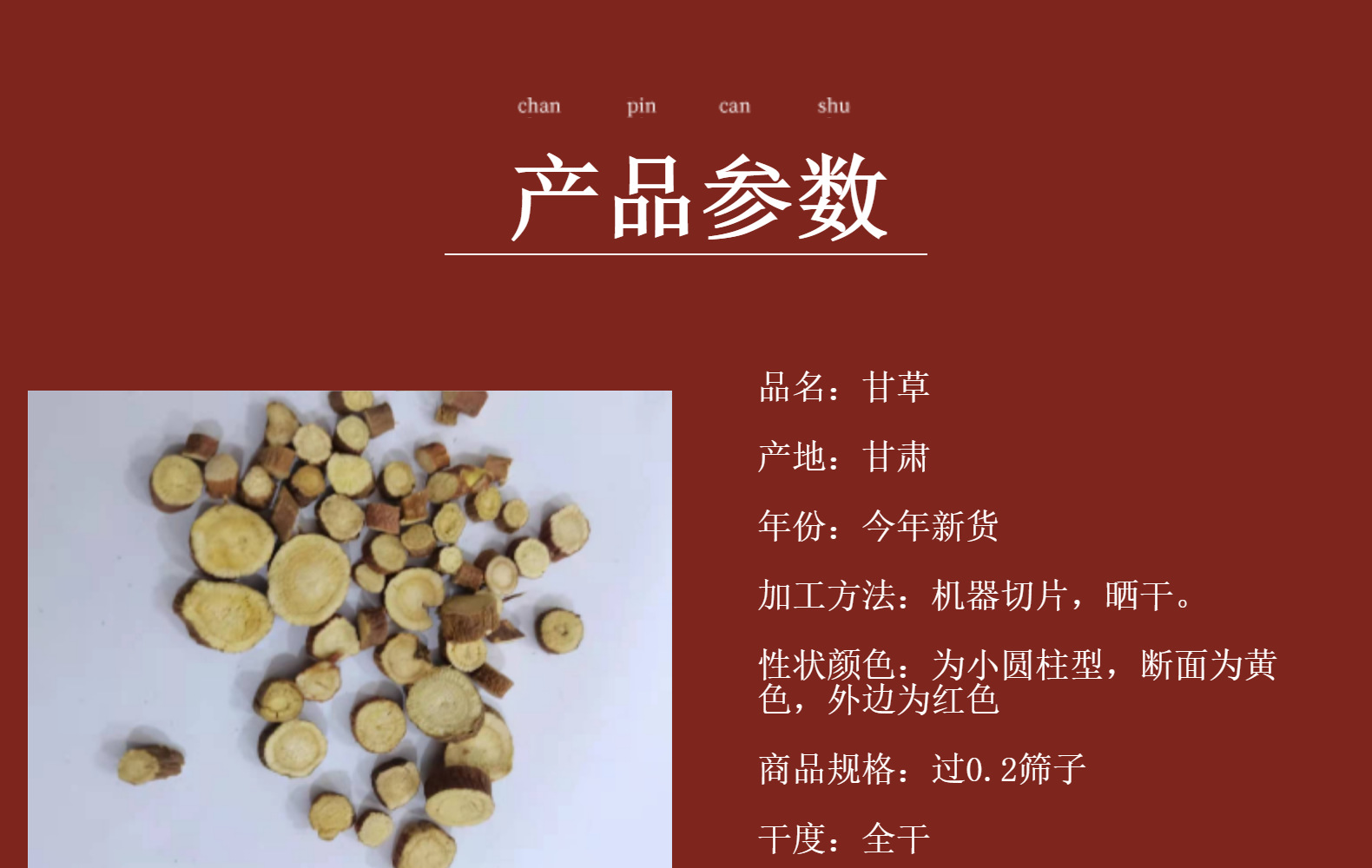
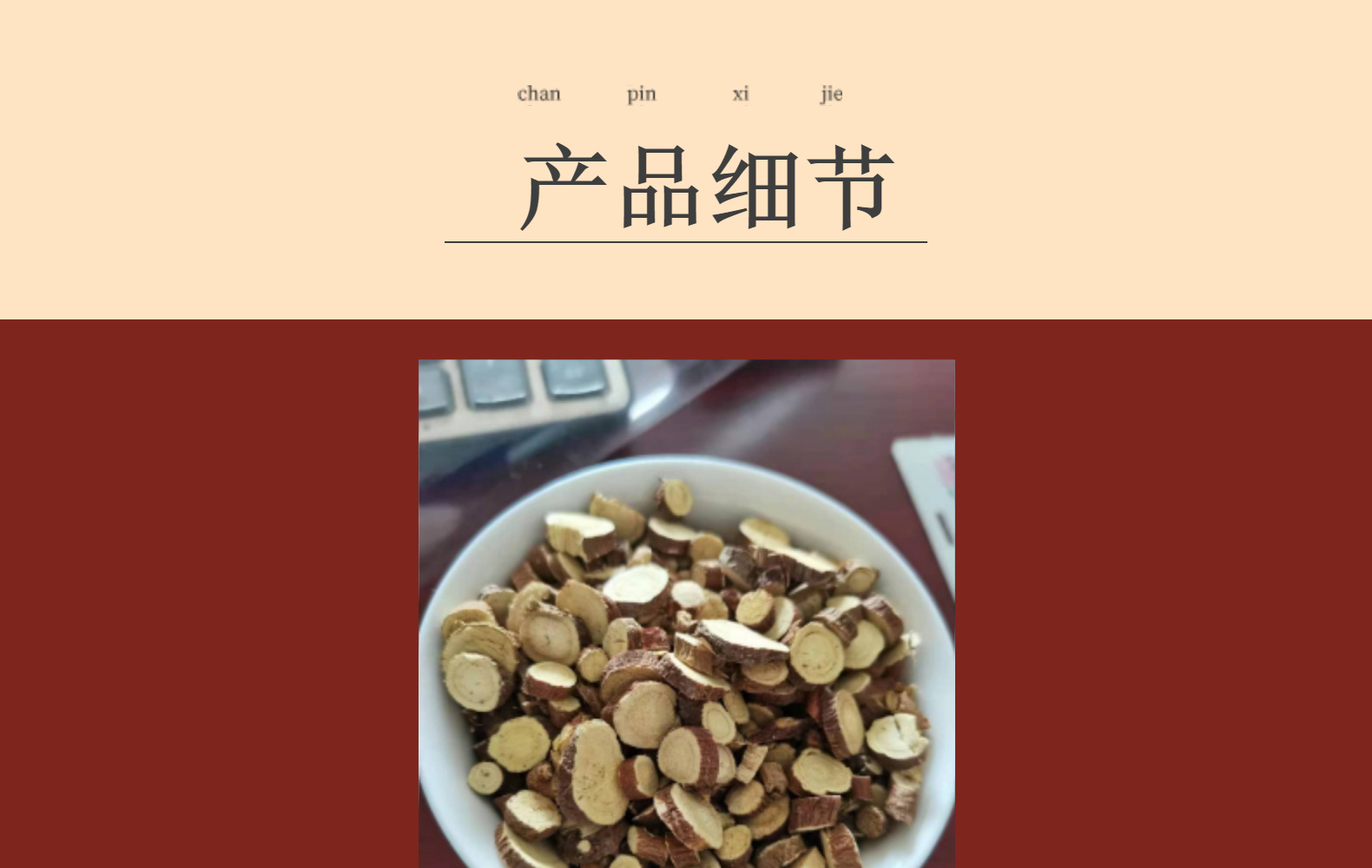
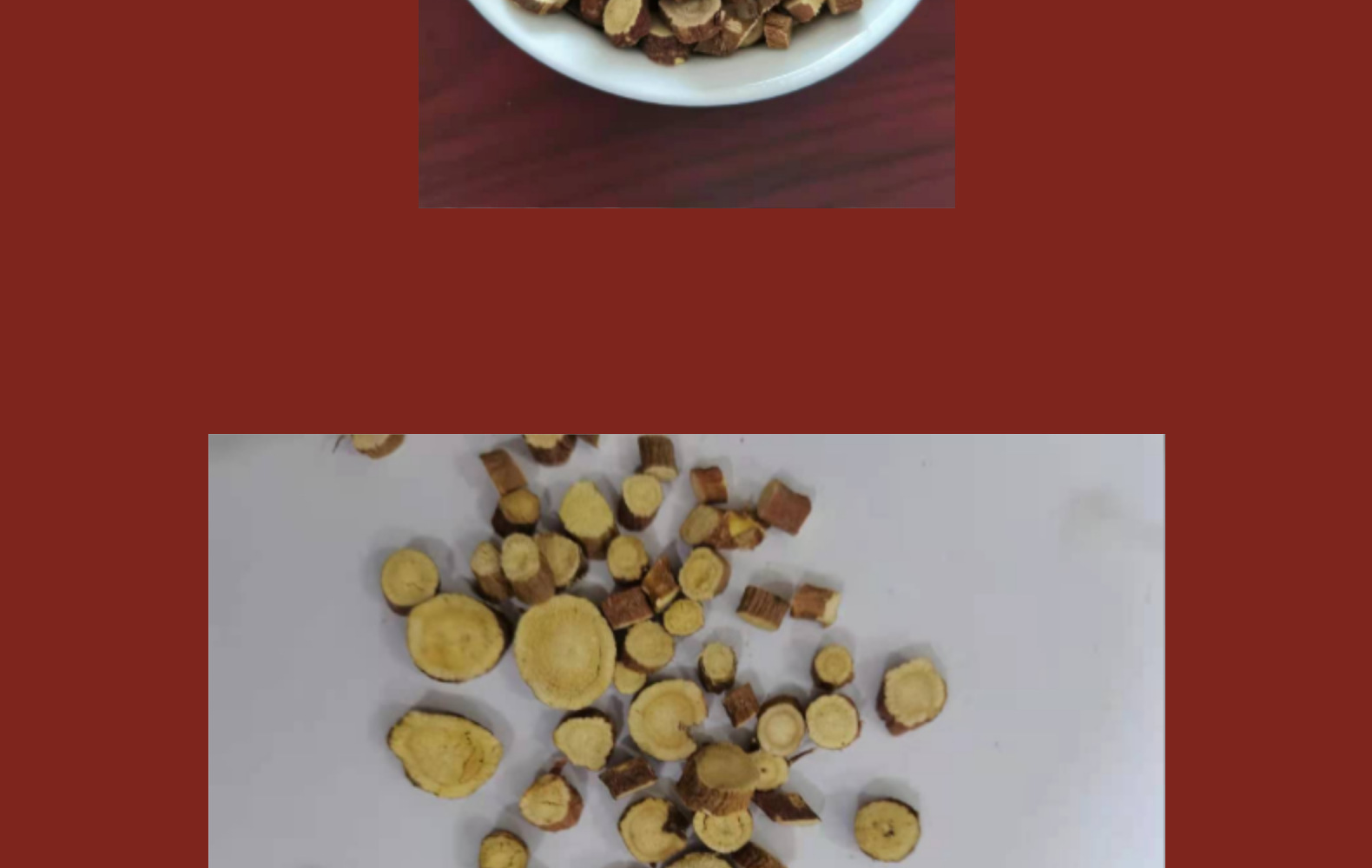
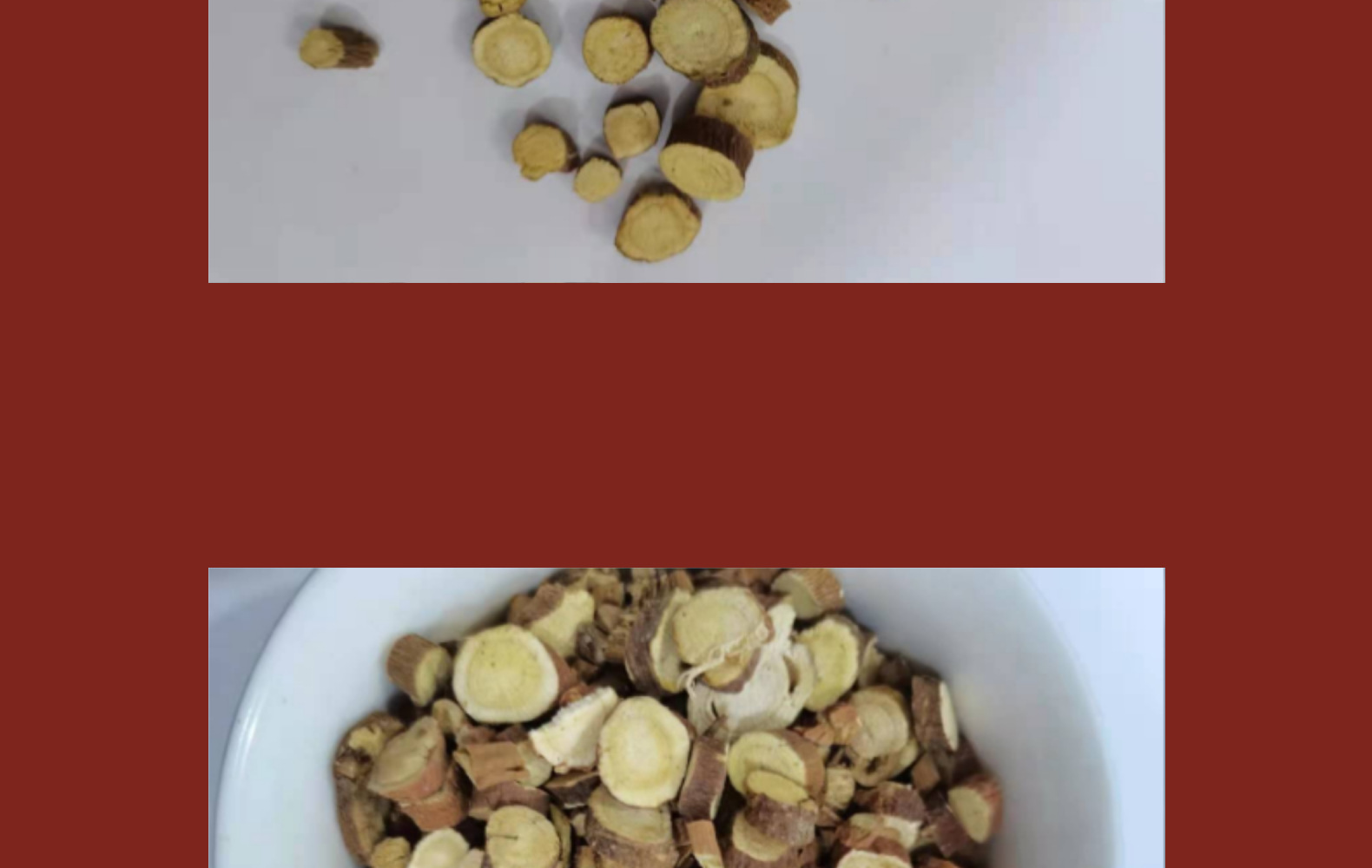
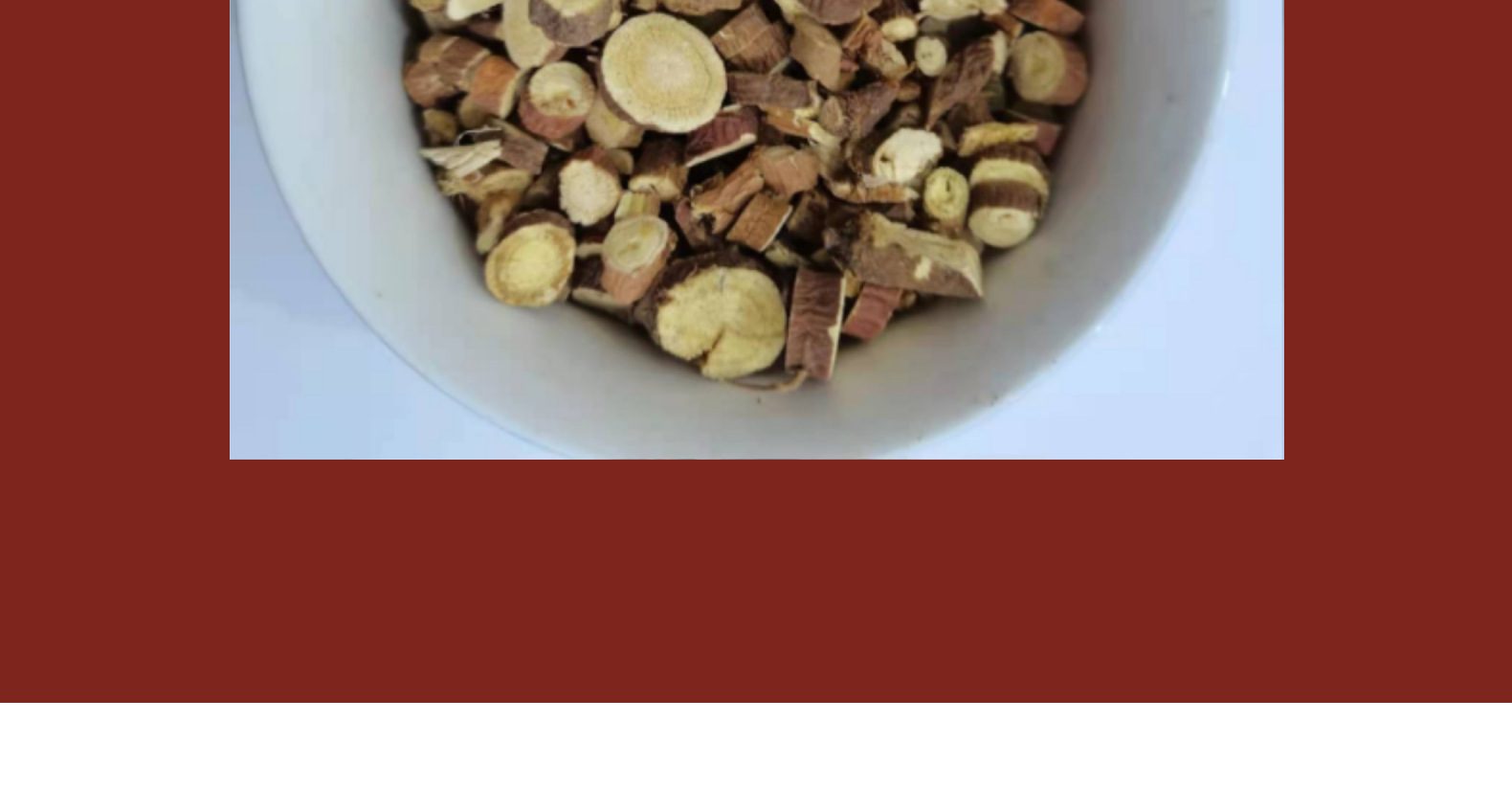
Slices typically show a reddish brown outer bark with a pale yellow fibrous interior and a firm dry texture. The aroma is mildly herbal and the taste is characteristically sweet with a subtle earthy note when simmered or steeped.

Technical Specifications
| Product Type | Raw Herb |
|---|---|
| Chinese Name | 甘草 |
| Pinyin | Gan Cao |
| Botanical Name | Glycyrrhiza uralensis |
| Plant Part | Root |
| Processing | Sun dried whole red skin slices |
Usage Scenarios
- Simmer in herbal decoctions with other botanicals
- Steep as a mild sweet herbal tea
- Add to soups and slow cooked broths
- Include in congee and seasonal culinary recipes
Traditional Uses
In TCM practice Gan Cao is traditionally used to moderate and harmonize the actions of other herbs in a formula and is a common component of many classic decoctions. It is also traditionally associated with soothing the throat and supporting digestive comfort. Typical preparation involves simmering sliced root in water alone or combined with herbs such as chrysanthemum jujube or ginger for daily teas and soups.

FAQ Q&A
Q: What is this product?
A: It is dried licorice root Gan Cao 甘草 from Glycyrrhiza uralensis sold as sun dried whole red skin slices from Gansu China.
Q: What is it traditionally valued for?
A: In TCM it is traditionally used to harmonize other herbs in formulas and is prized for its naturally sweet flavor. It is associated with the heart lung spleen and stomach channels.
Q: How is it commonly prepared?
A: Slices are typically simmered in water for decoctions or steeped for tea and can be added to soups and congee. Consult a qualified practitioner before regular use.
Additional information
| Weight | 0.6 kg |
|---|---|
| Dimensions | 20 × 15 × 8 cm |
Related products
-
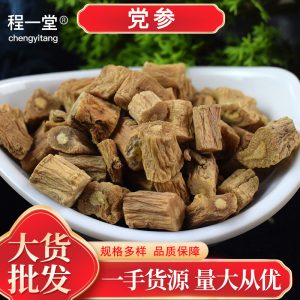
Dried Codonopsis Root Slices Dang Shen 500g Bulk Supply for Soups and Herbal Decoctions
Price range: $10.28 through $18.06 -
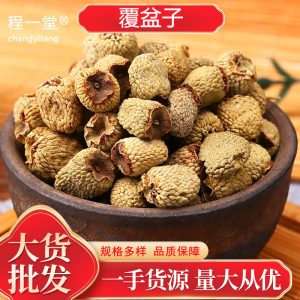
Dried Raspberry Fruit Fu Pen Zi 500g Whole Berries for Herbal Tea and Wine Infusion
Price range: $14.00 through $16.44 -
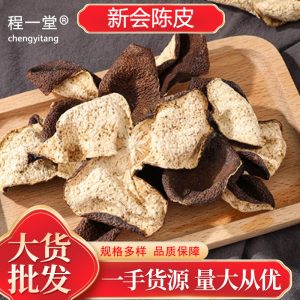
Xinhui Chenpi Dried Tangerine Peel 500g Sun Dried Aged Peel for Soup and Tea
Price range: $60.19 through $116.90 -
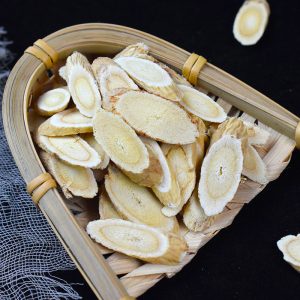
Astragalus Root Slices Huang Qi 500g Dried Herb for Soups and Teas
Price range: $7.36 through $22.11
Reviews
There are no reviews yet.