
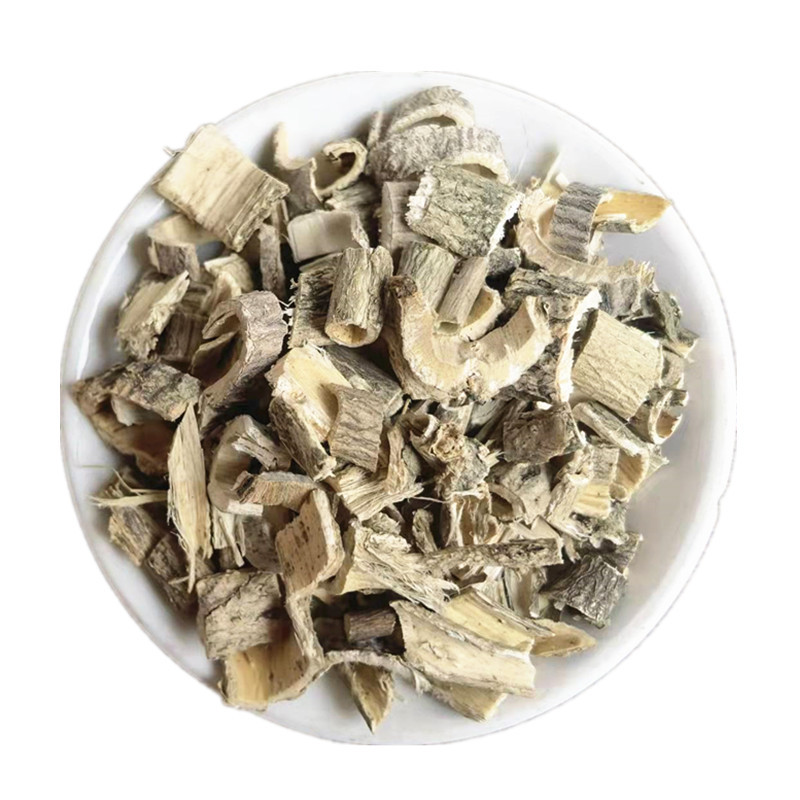
Dried Hibiscus Bark Mu Jin Pi Traditional Herbal Skin Ingredient Bulk Supply
$8.63
999970 in stock
Description
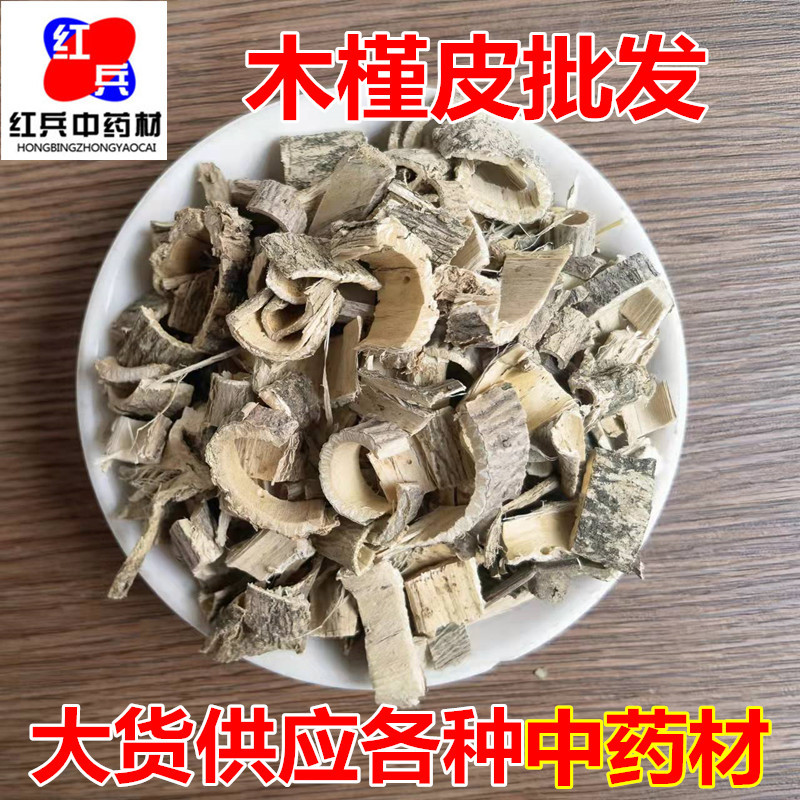
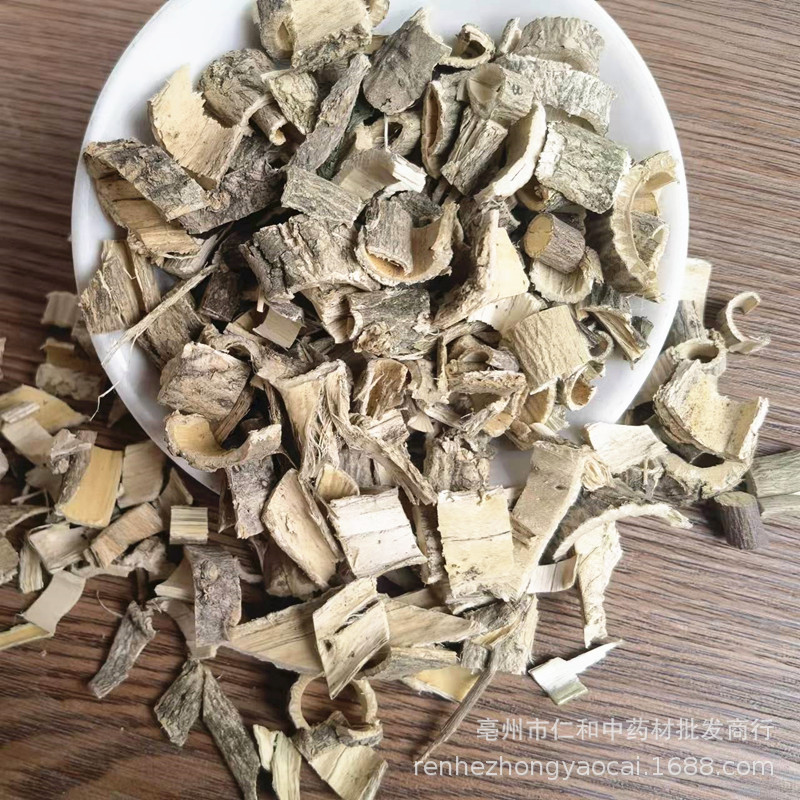
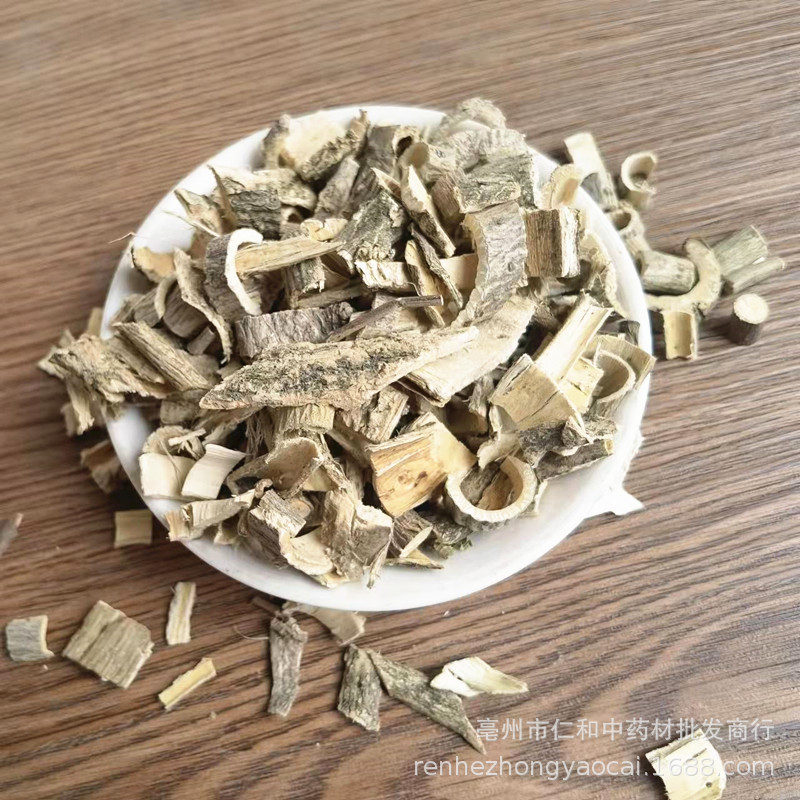
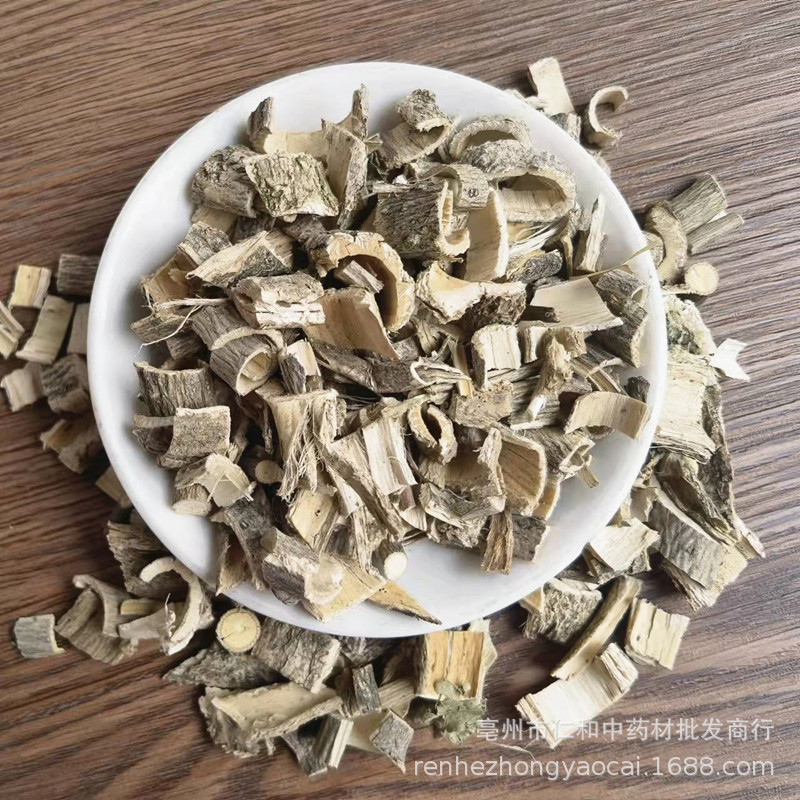
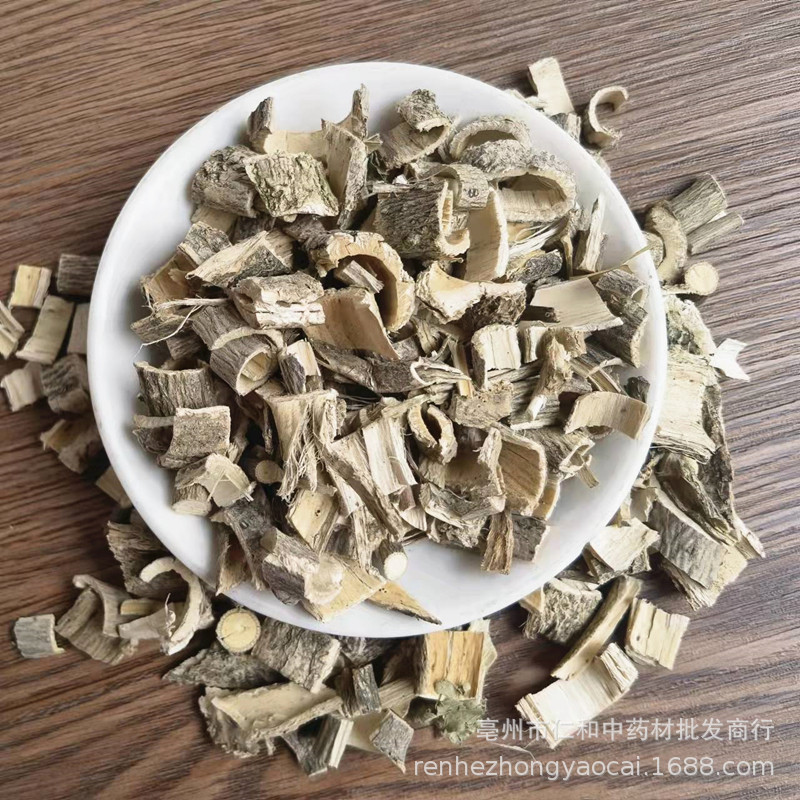
Dried Hibiscus Bark, known in TCM as Mu Jin Pi (木槿皮), from Hibiscus syriacus, the dried root or stem bark of the rose of Sharon. In TCM theory it is considered cool in nature with a sweet, bitter flavor, traditionally associated with clearing heat and supporting skin wellness. Sold as a raw botanical for external washes or traditional preparations, it should be used under professional guidance and is not a substitute for medicine.
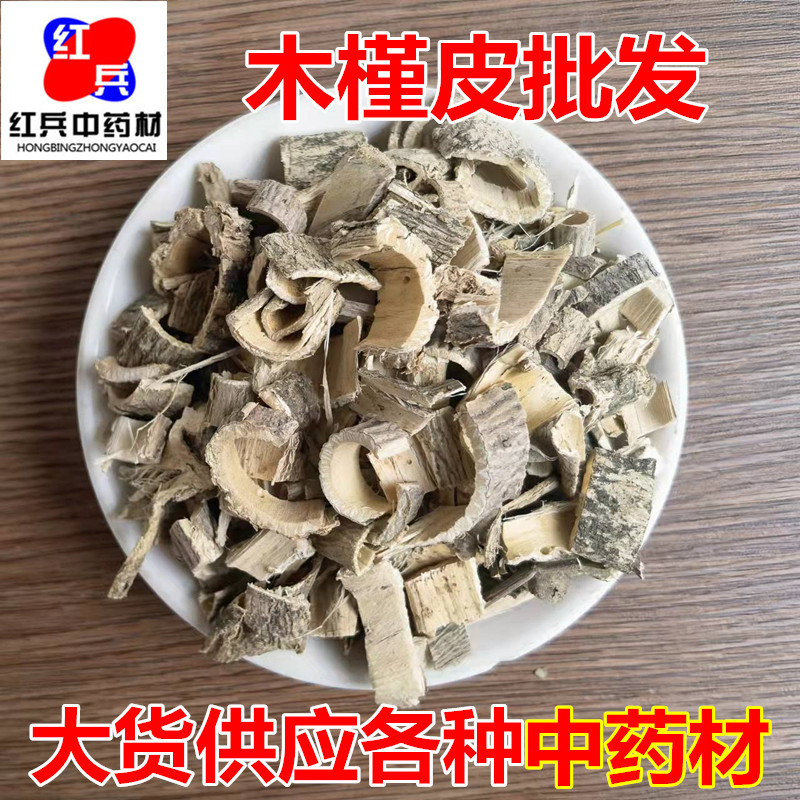
Key Selling Points
- Authentic dried Mu Jin Pi bark from Hibiscus syriacus
- Traditional TCM herb valued in skin-focused herbal practice
- Carefully dried bark pieces with natural aroma and texture
- Suitable for external washes and traditional herbal formulas
- Bulk-friendly packaging by weight with 12-month shelf life
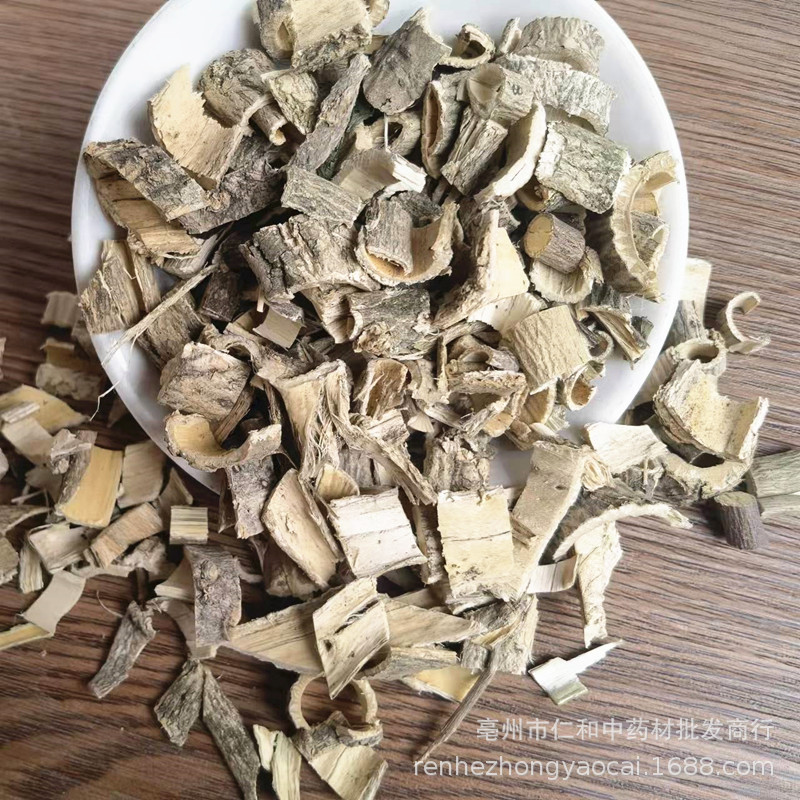
Quality & Sensory
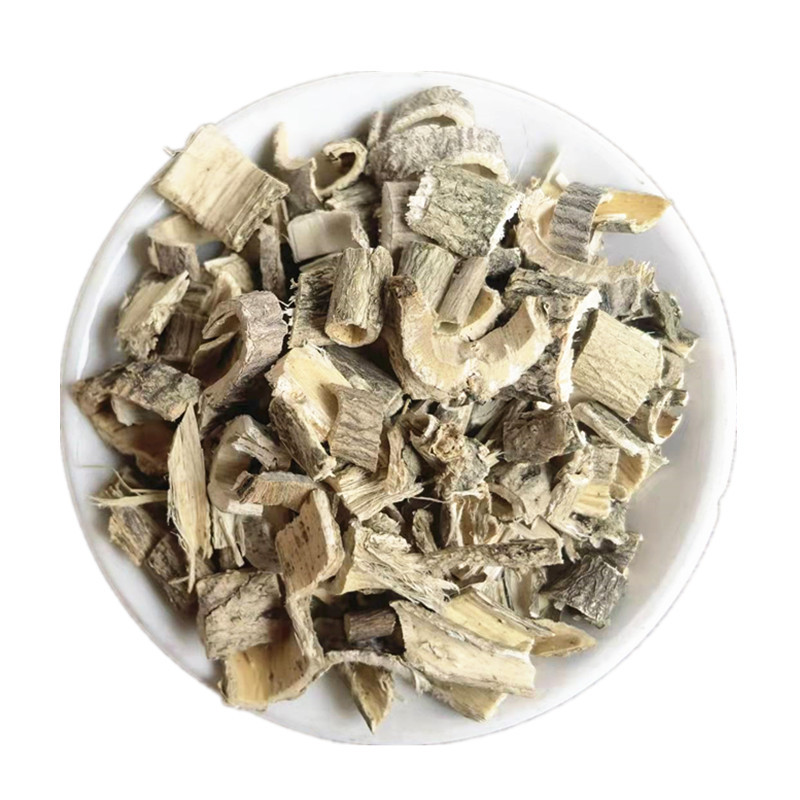
Typically pale brown to grayish bark pieces, slightly curled or flattened with a fibrous, woody texture. The aroma is mild and faintly herbal, and decocted liquid typically carries a light, slightly bitter taste.
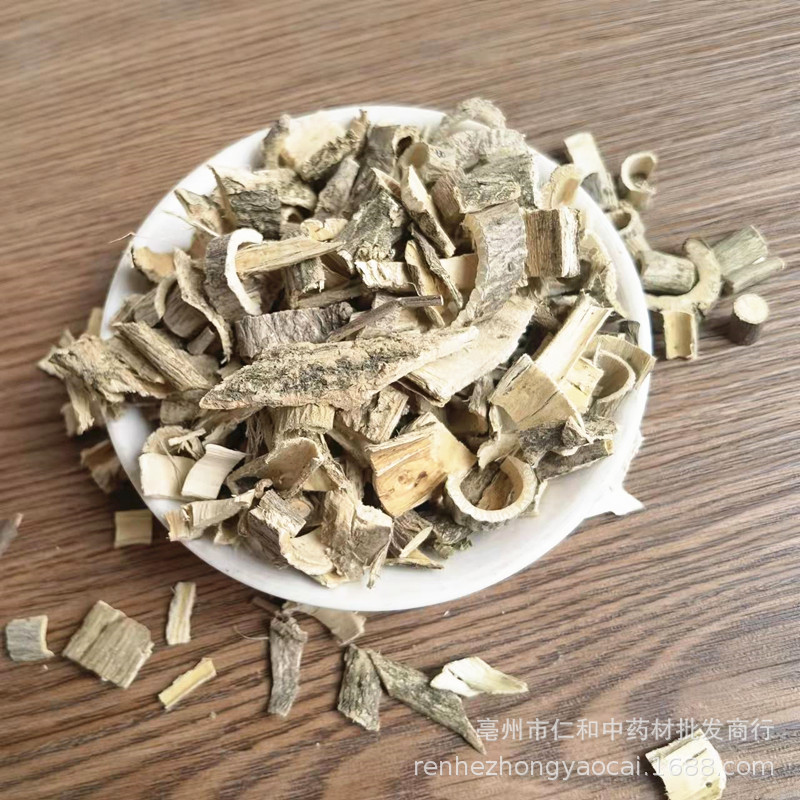
Technical Specifications
| Product Type | Raw herb |
|---|---|
| Chinese Name | 木槿皮 |
| Pinyin | Mu Jin Pi |
| Botanical Name | Hibiscus syriacus |
| Plant Part | Root or stem bark |
| Storage | Sealed, cool dry place or refrigerated |
Usage Scenarios
- Prepared as an external herbal wash in traditional practice
- Decocted for use in traditional skin-care formulas
- Supplied to herbal shops for custom blending
- Stored as a raw botanical ingredient for professional use
Traditional Uses
In traditional Chinese herbal practice, Mu Jin Pi has long been associated with heat-clearing and skin-supporting applications, most often prepared as a decoction for external washing. It also appears in folk formulas combined with other cooling botanicals. Traditional texts describe its use in washes and topical preparations rather than as a daily tea.
FAQ Q&A
Q: What is this product?
A: It is dried Hibiscus Bark, the bark of Hibiscus syriacus, known in TCM as Mu Jin Pi (木槿皮), sold as a raw botanical by weight.
Q: What is it traditionally used for?
A: In TCM it is traditionally associated with clearing heat and supporting skin wellness, most commonly prepared as an external wash.
Q: How is it commonly prepared?
A: Traditionally the bark is decocted in water, and the strained liquid is used externally. Professional guidance is recommended before use.
Additional information
| Weight | 0.6 kg |
|---|---|
| Dimensions | 20 × 15 × 8 cm |
Related products
-
Astragalus Root Slices Huang Qi 斜片 Dried Herb for Decoction Soup and Tea 500g
Price range: $6.06 through $19.51 -
Cabinda Bark Dried Herb 500g Traditional Herbal Infusion Ingredient
Price range: $12.38 through $37.50 -
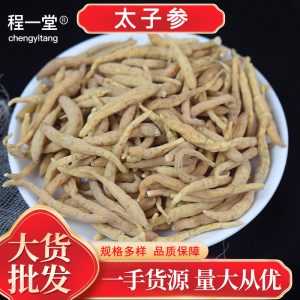
Taizishen Dried Pseudostellaria Root TCM Herbal Tea and Soup Ingredient 500g Bulk Pack
Price range: $10.28 through $15.63 -
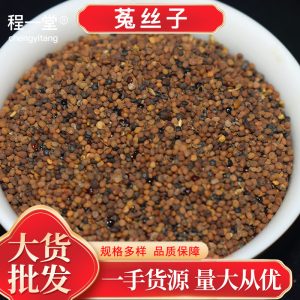
Dried Dodder Seed Tu Si Zi Whole Herb 500g Bulk Chinese Herbal Ingredient
Price range: $7.04 through $7.52
Reviews
There are no reviews yet.