
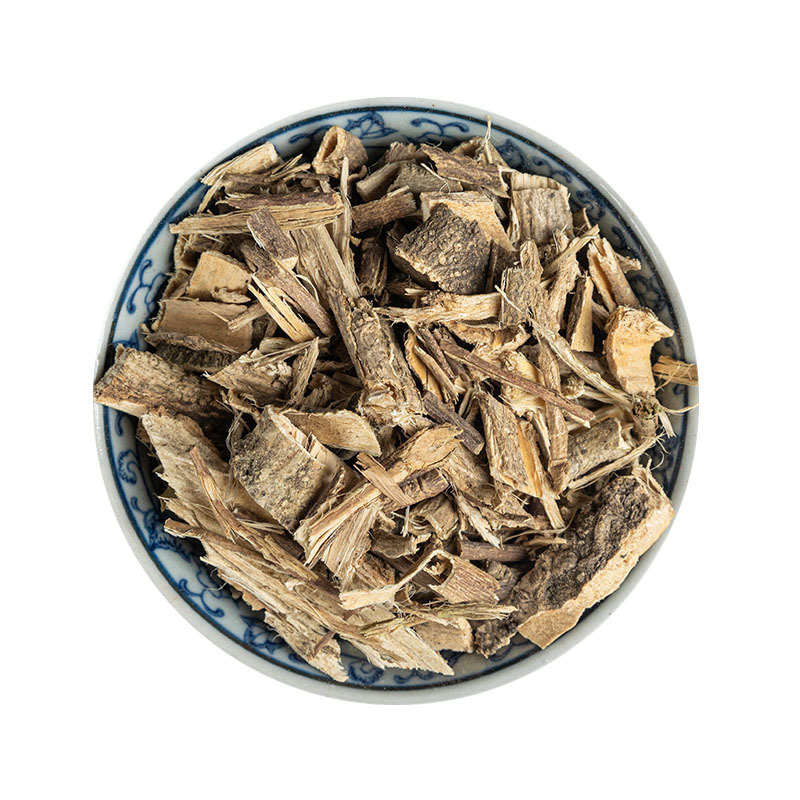
Dried Hibiscus Bark Mu Jin Pi Sichuan Jin Pi Unsulfured Clean Grindable Home Daily Herbal Ingredient 500g
$5.76
Description
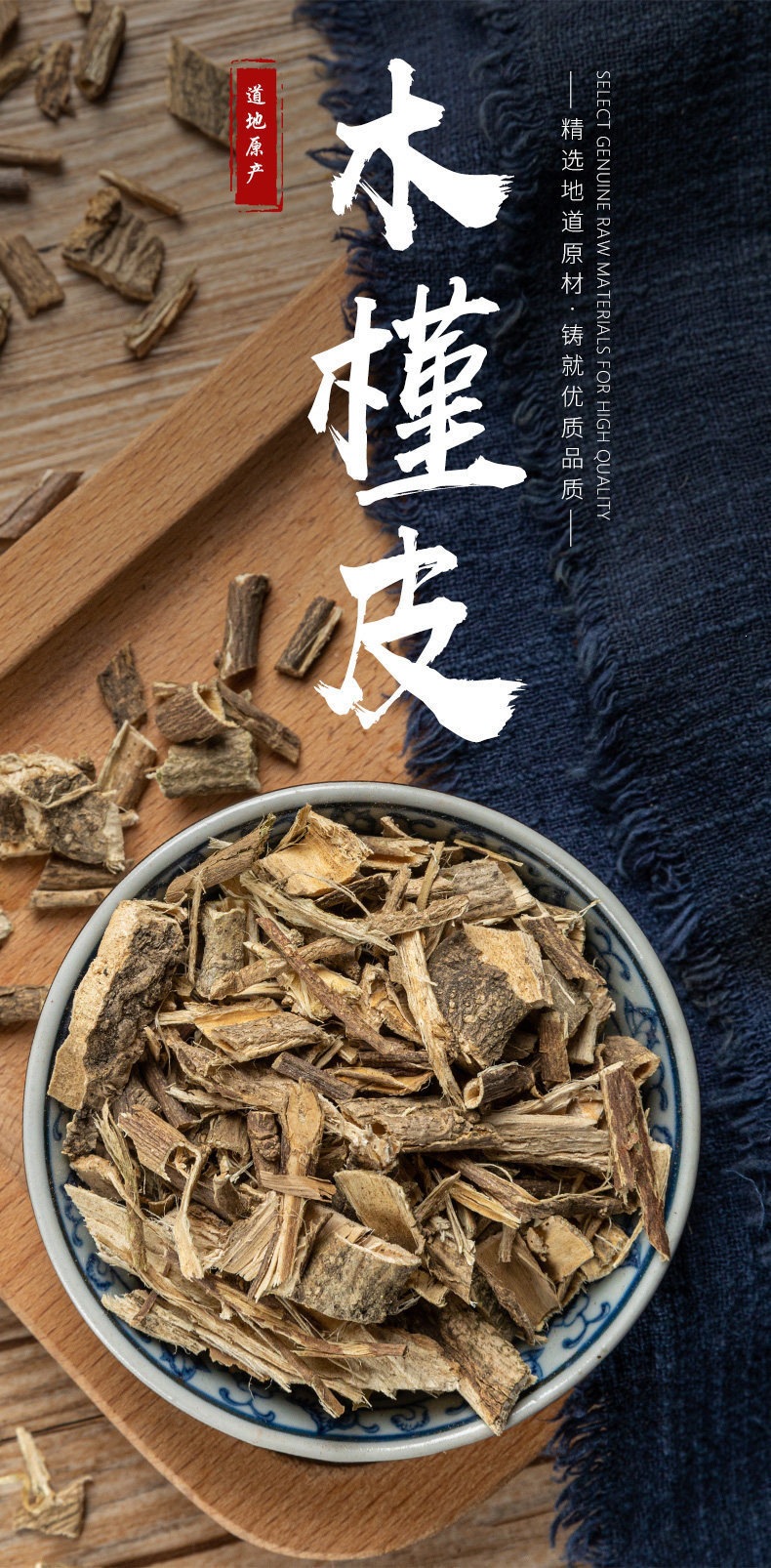
Dried Hibiscus Bark, known in TCM as Mu Jin Pi (木槿皮) or Chuan Jin Pi (川槿皮), from Hibiscus syriacus. This unsulfured, clean bark is sold as a raw culinary and decoction ingredient. In TCM theory it is traditionally associated with the Large Intestine, Liver, and Spleen channels, with a mild, bitter nature. It is commonly used in home cooking and traditional decoctions, and can be ground into powder for convenient daily pairing with other herbs.
Key Selling Points
- Identified as Mu Jin Pi (木槿皮), the bark of Hibiscus syriacus
- Unsulfured and clean raw herb with no sulfur fumigation
- Can be ground into powder for flexible home use
- Sold as a food agricultural product for cooking and decoction
- Packaged as two 250g jars for a total of 500g
Quality & Sensory
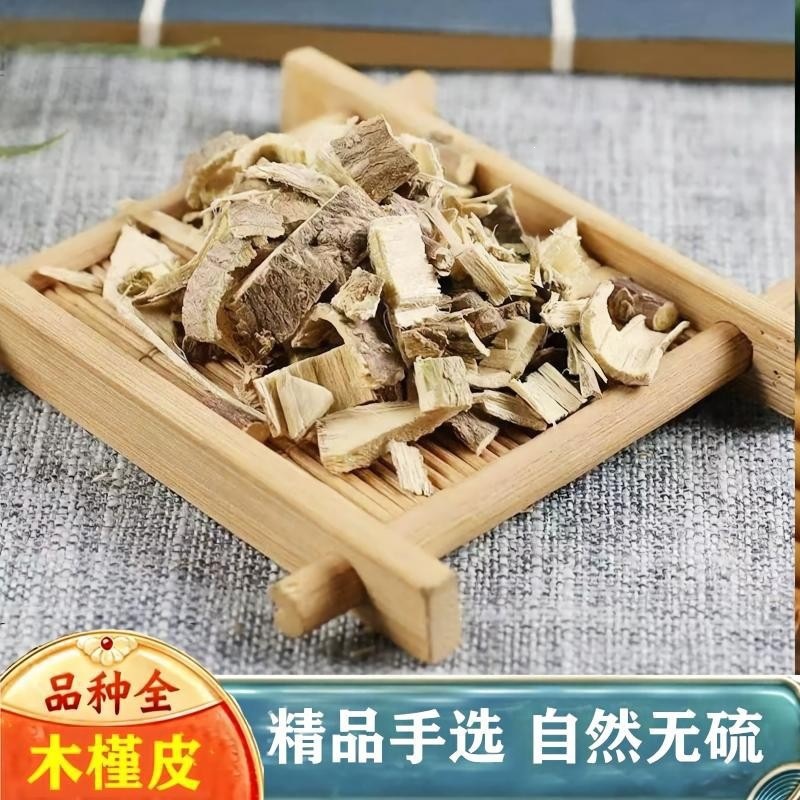
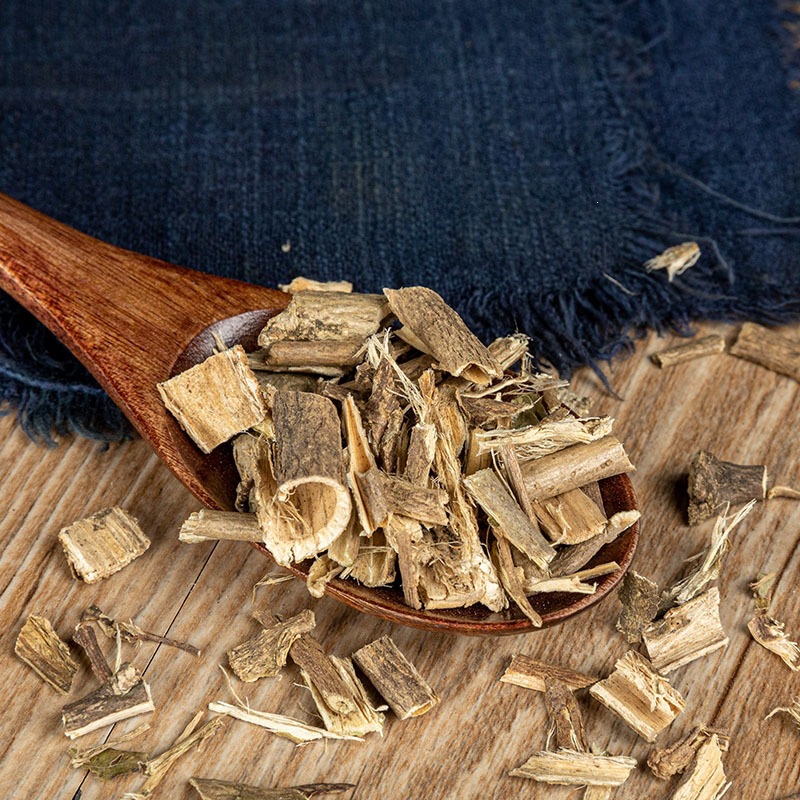
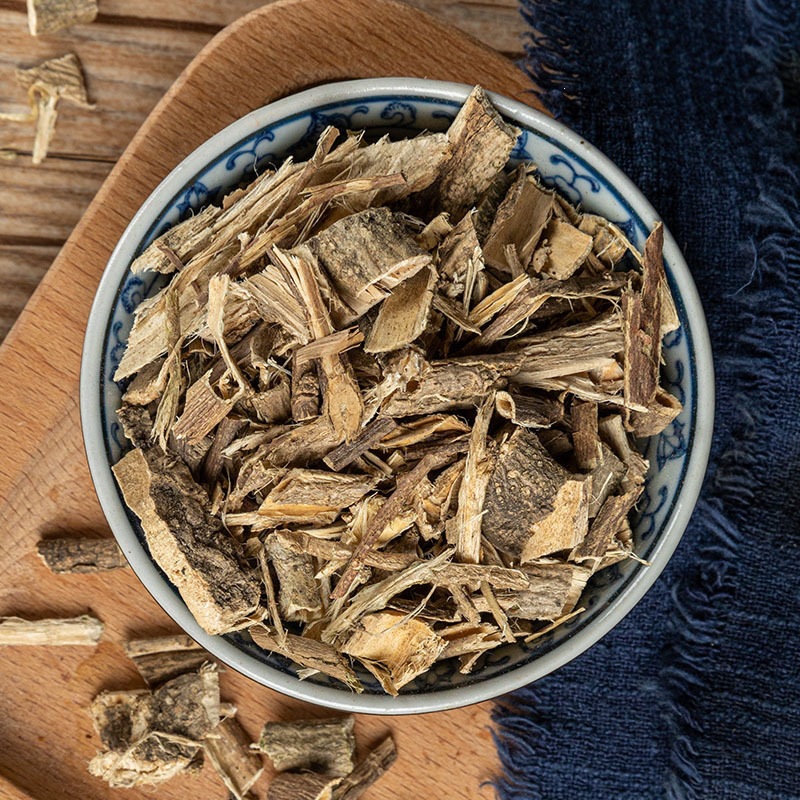
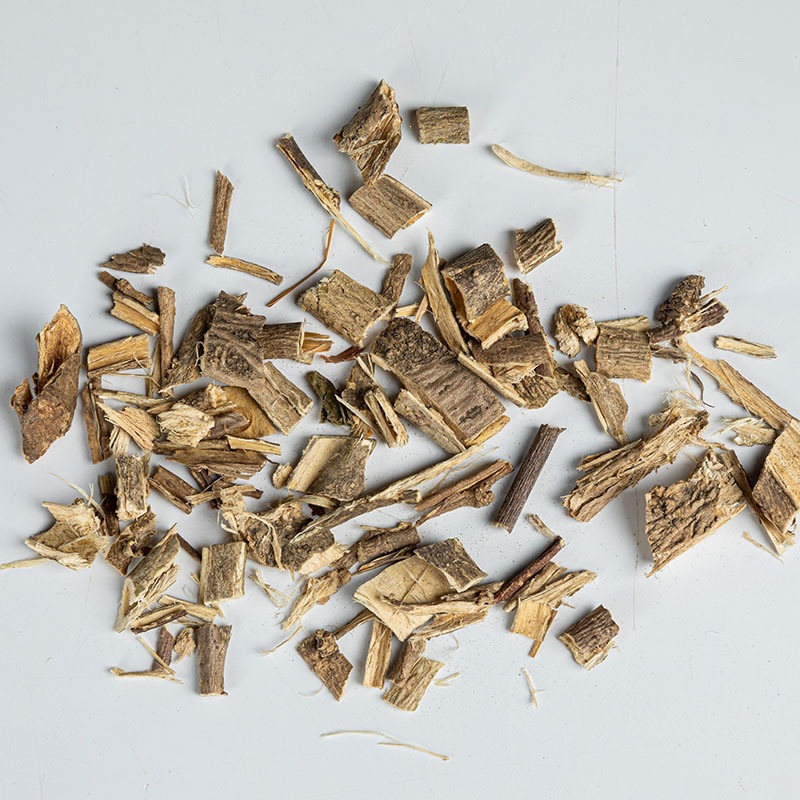
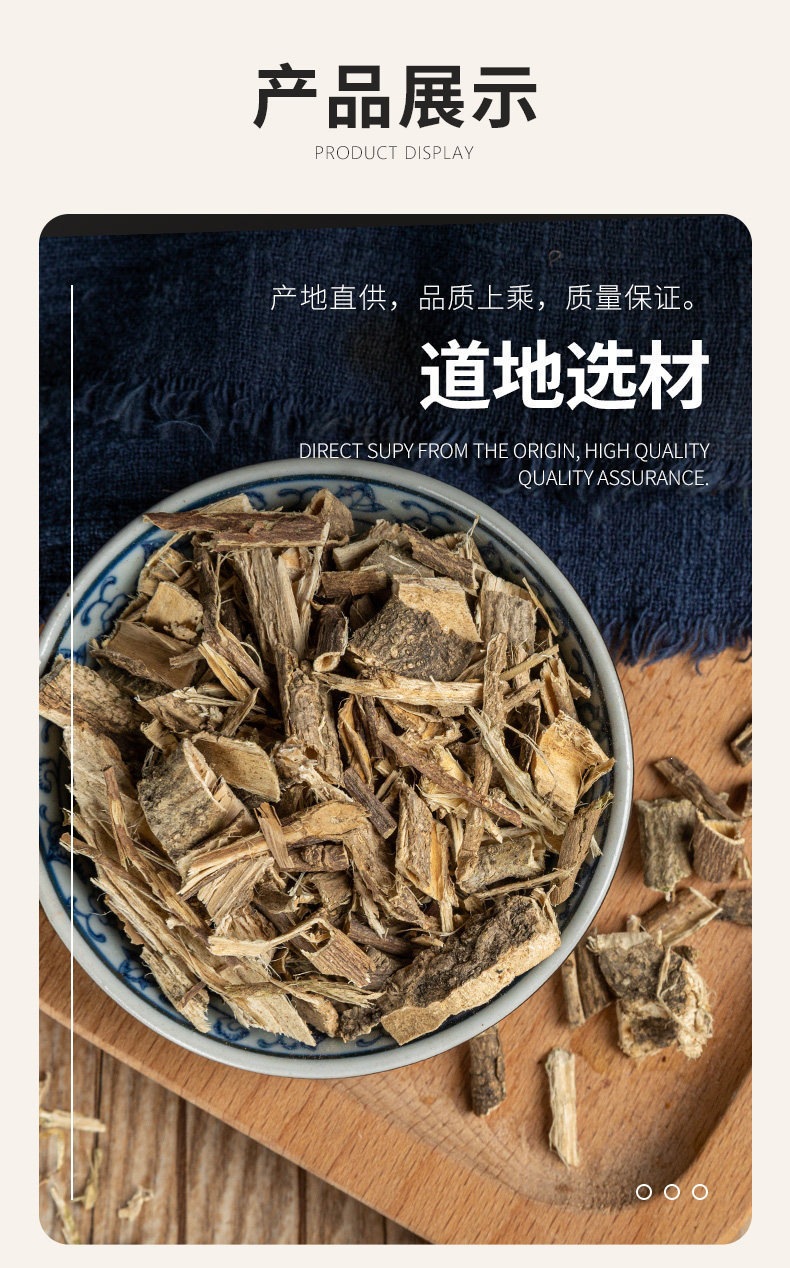
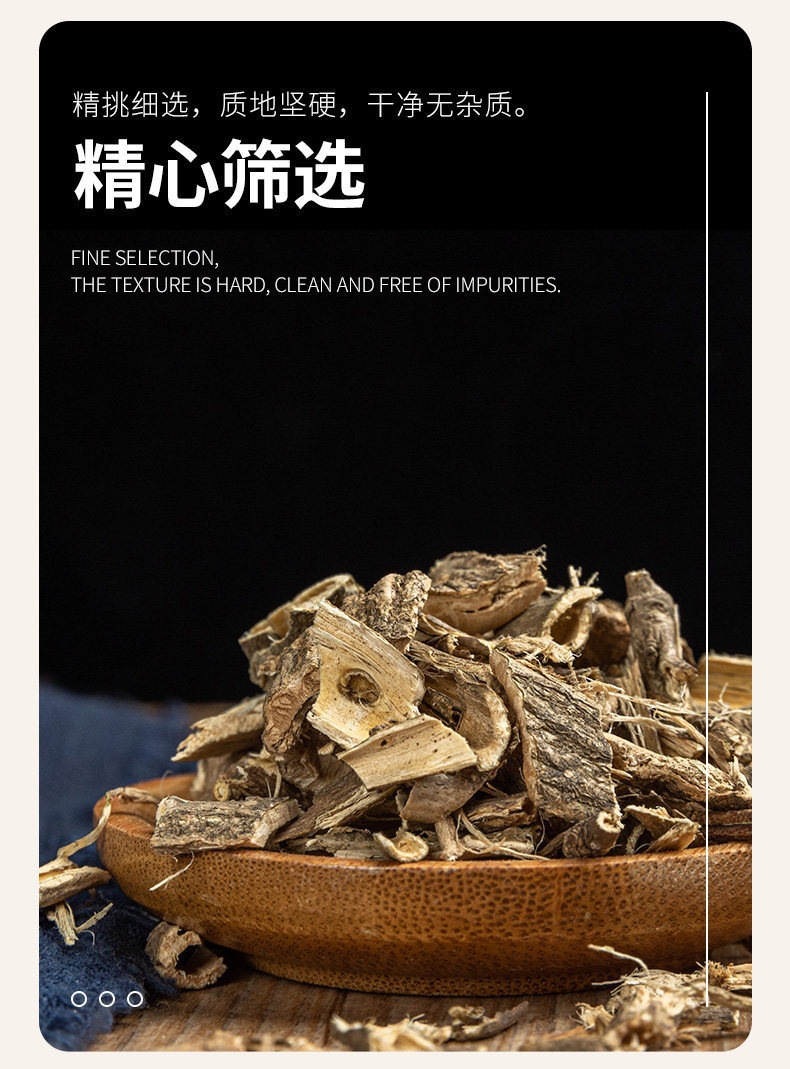
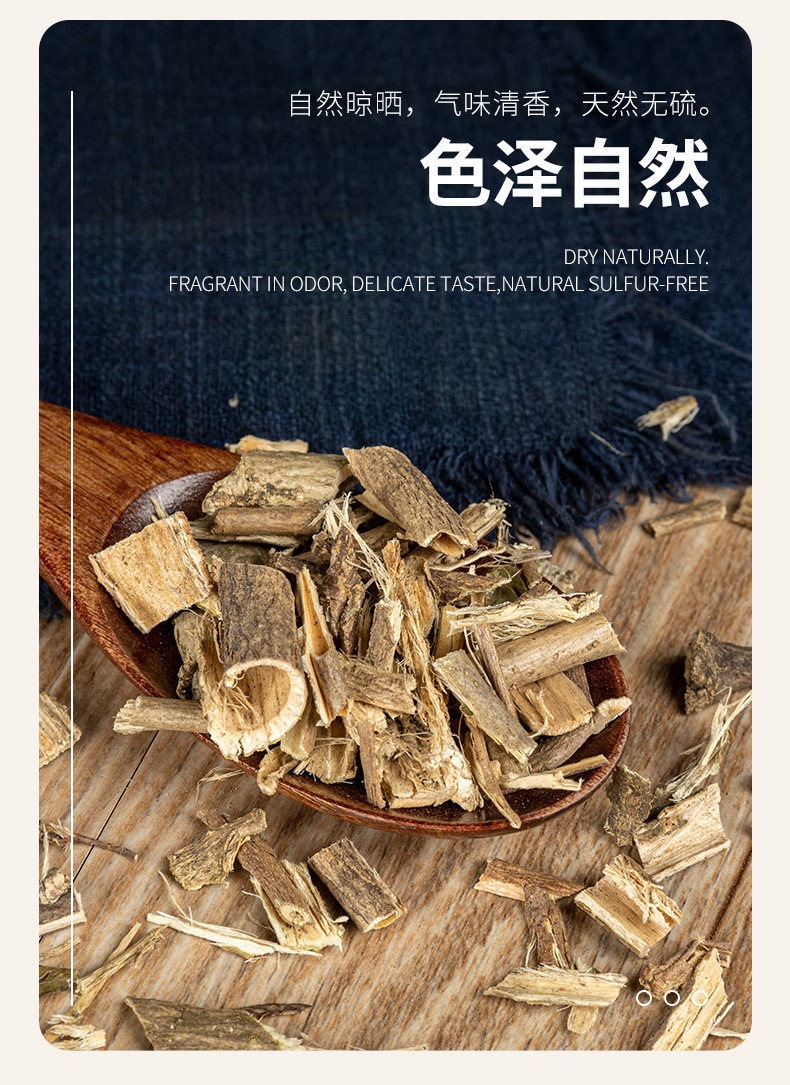
The dried bark typically appears in light brown to grayish-brown pieces with a fibrous, slightly rough texture. It has a mild, earthy, woody aroma. When decocted or cooked, it yields a subtle bitter and astringent taste. As a raw herb, it is not usually consumed directly but prepared in soups or decoctions.
Technical Specifications
| Product Type | Dried Hibiscus Bark |
|---|---|
| Chinese Name | 木槿皮 / 川槿皮 |
| Pinyin | Mu Jin Pi / Chuan Jin Pi |
| Botanical Name | Hibiscus syriacus |
| Plant Part | Bark |
| Net Weight | 500g (250g x 2 jars) |
Usage Scenarios
- Added to traditional herbal decoctions
- Used in home cooking and soups
- Ground into powder for daily herbal pairing
- Included in seasonal food preparations
Traditional Uses
In TCM theory, Mu Jin Pi is traditionally used in decoctions and external washes. It is often paired with other herbs in formulas for damp-heat conditions. Folk practice includes simmering the bark in water for topical use or adding it to soups. It is also sometimes ground into powder for convenient blending with other herbal ingredients.
FAQ Q&A
Q: What is this product?
A: It is dried Hibiscus syriacus bark, known in TCM as Mu Jin Pi (木槿皮) or Chuan Jin Pi (川槿皮), sold as a raw herb for cooking and decoction.
Q: What is its traditional value?
A: In TCM theory, it is associated with clearing damp-heat and is traditionally used in decoctions or external washes.
Q: How is it commonly prepared?
A: It is typically simmered in water as a decoction, added to soups, or ground into powder for blending with other herbs.
Additional information
| Weight | N/A |
|---|---|
| Dimensions | N/A |
| Model | 木槿皮65g 1罐, 木槿皮65g 2罐, 木槿皮250g 1罐, 木槿皮250g 2罐 |
Related products
-
Dried Codonopsis Root Slices Dang Shen 500g Bulk Supply for Soups and Herbal Decoctions
Price range: $10.28 through $18.06 -
Astragalus Root Slices Huang Qi 500g Dried Herb for Soups and Teas
Price range: $7.36 through $22.11 -
Taizishen Dried Pseudostellaria Root TCM Herbal Tea and Soup Ingredient 500g Bulk Pack
Price range: $10.28 through $15.63 -

Cabinda Bark Dried Herb 500g Traditional Herbal Infusion Ingredient
Price range: $12.38 through $37.50
Reviews
There are no reviews yet.