
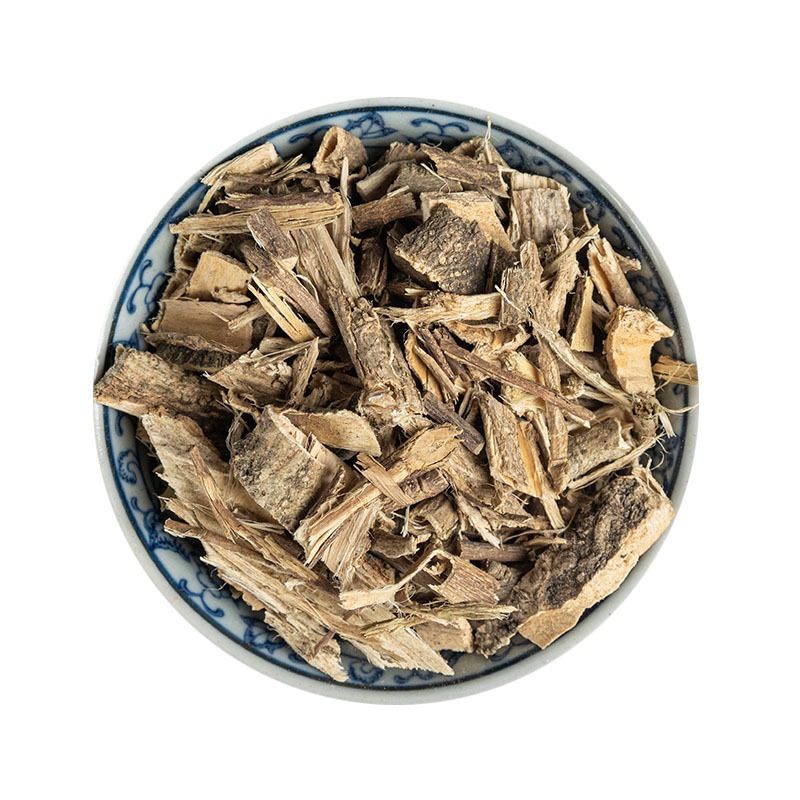
Dried Hibiscus Bark Mu Jin Pi Sichuan White Hibiscus Bark for Traditional Herbal Decoction
Description
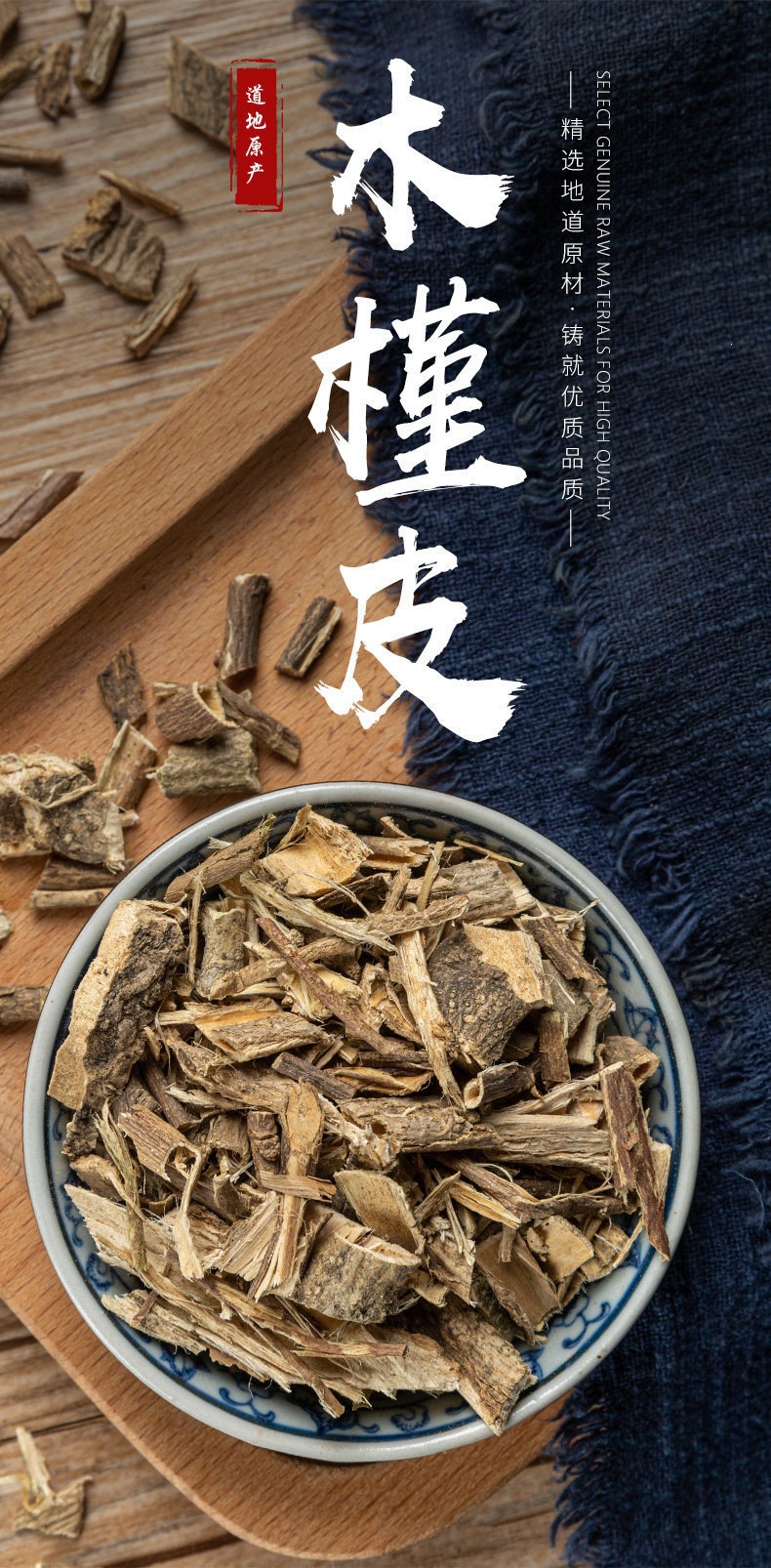
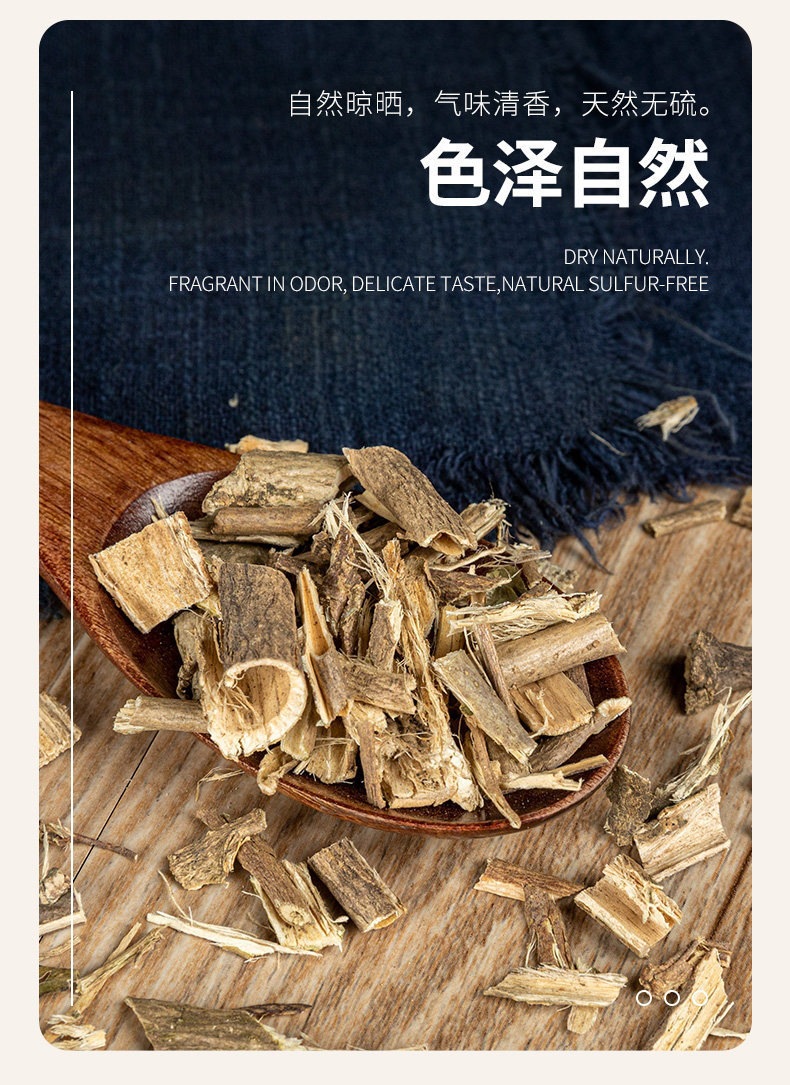
Dried Hibiscus Bark, known in TCM as Mu Jin Pi (木槿皮) and Bai Jin Pi (白槿皮), from Hibiscus syriacus. This naturally sun-dried bark is a traditional Chinese herbal decoction piece used in TCM preparations. In TCM theory it is associated with the Large Intestine, Liver, and Spleen channels and is traditionally used in formulas for damp-heat skin conditions. It is intended for cooking and decoction, not for direct raw consumption.
Key Selling Points
- Traditional Chinese herb Mu Jin Pi (木槿皮) from Hibiscus syriacus bark
- Naturally sun-dried to preserve traditional bark character
- Sold as raw decoction pieces for cooking and herbal formulas
- Also known as Bai Jin Pi (白槿皮) and Chuan Jin Pi (川槿皮)
- Packed as two 250g jars for a total of 500g
Quality & Sensory
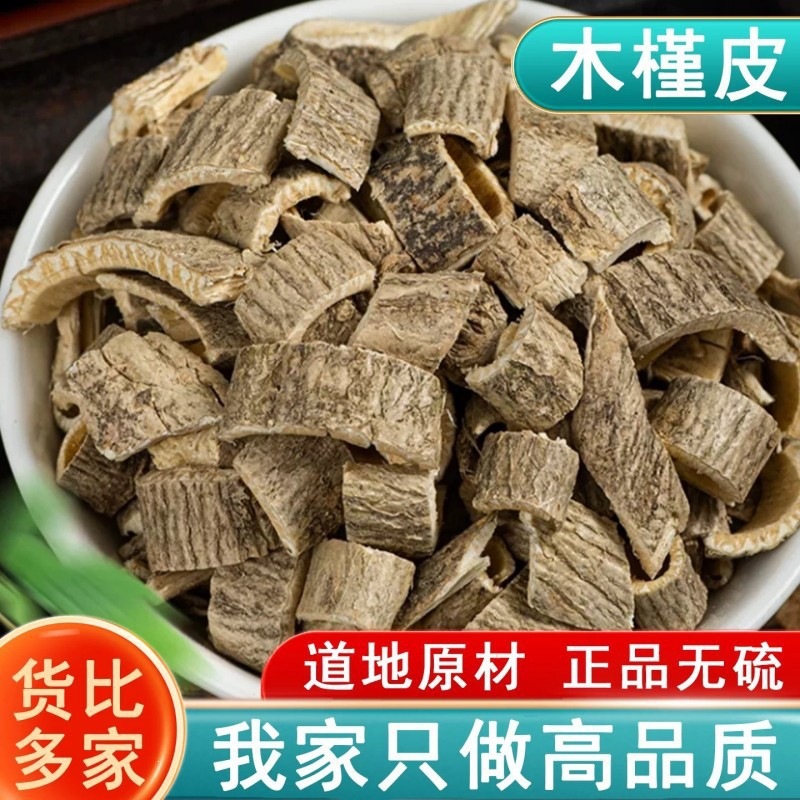
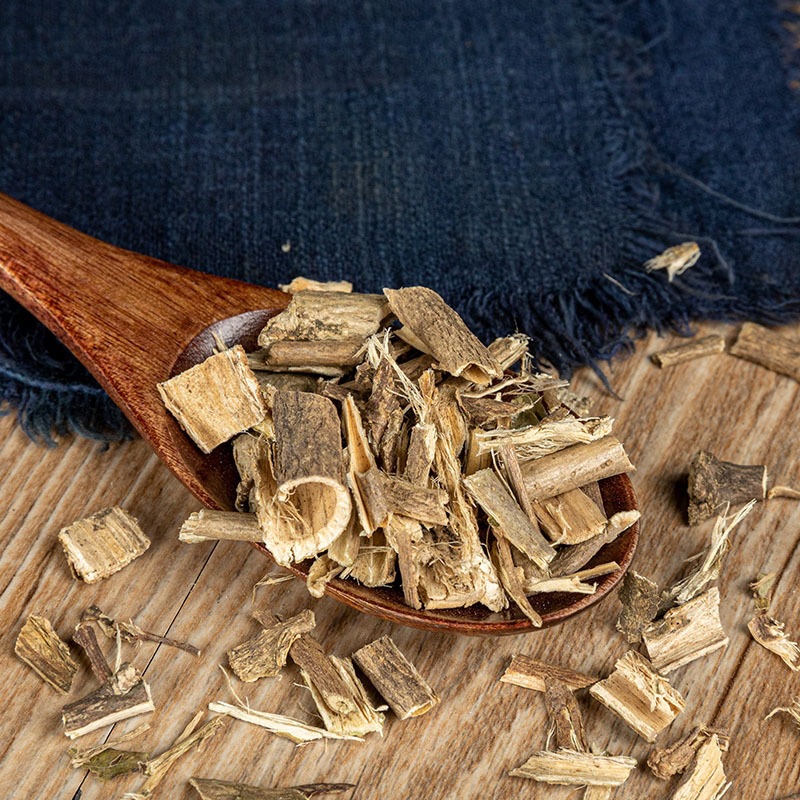
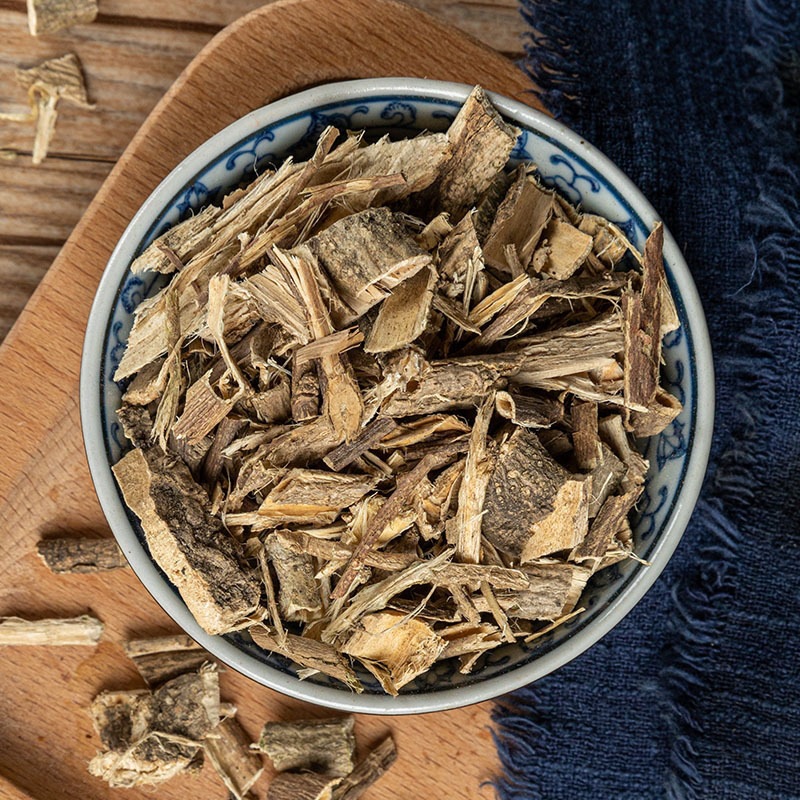
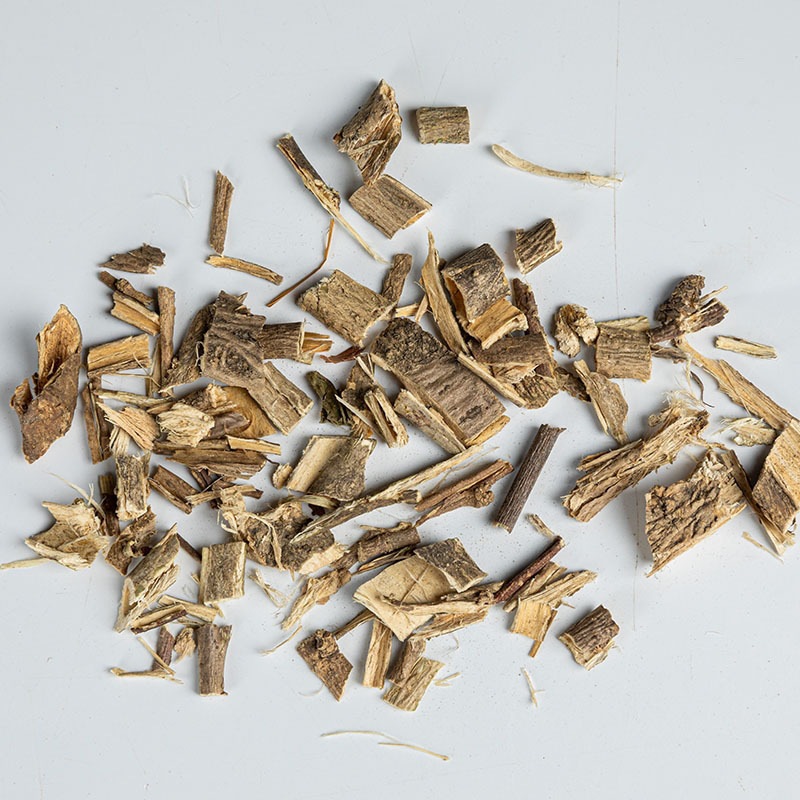
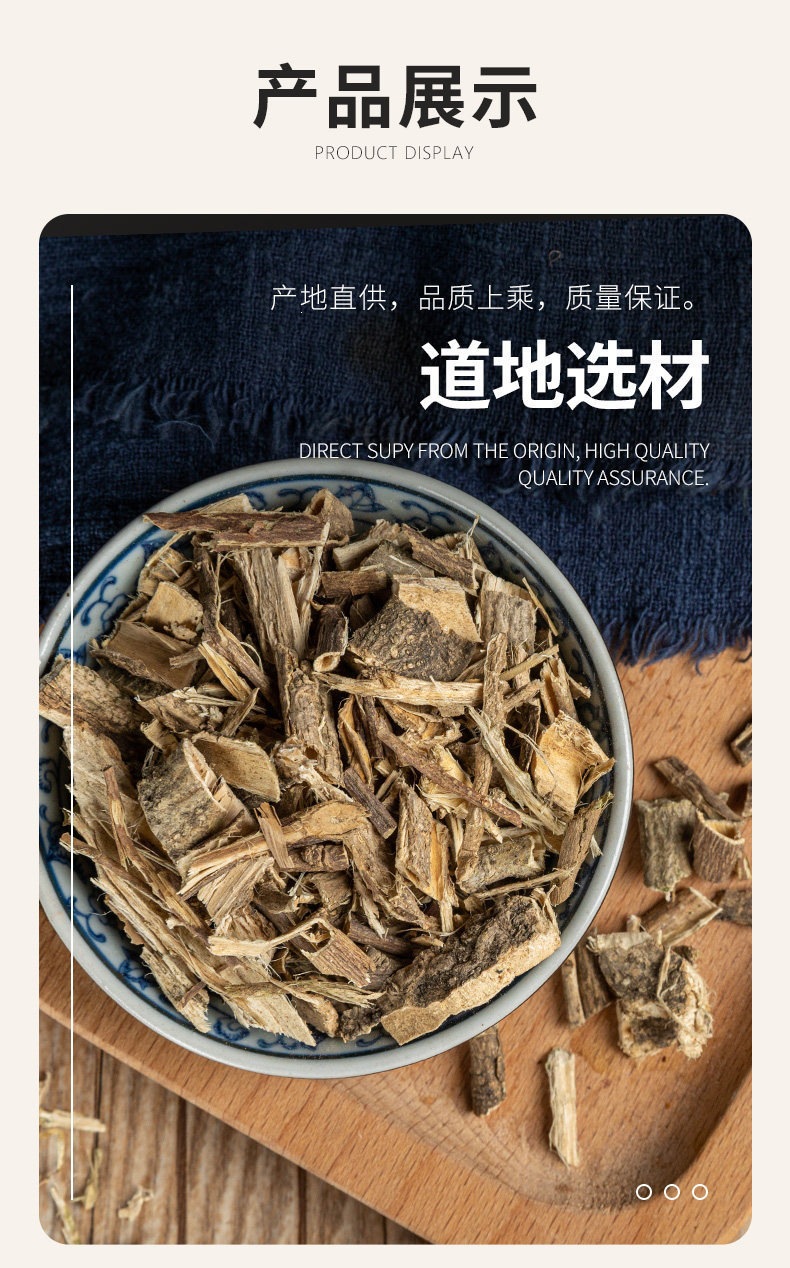
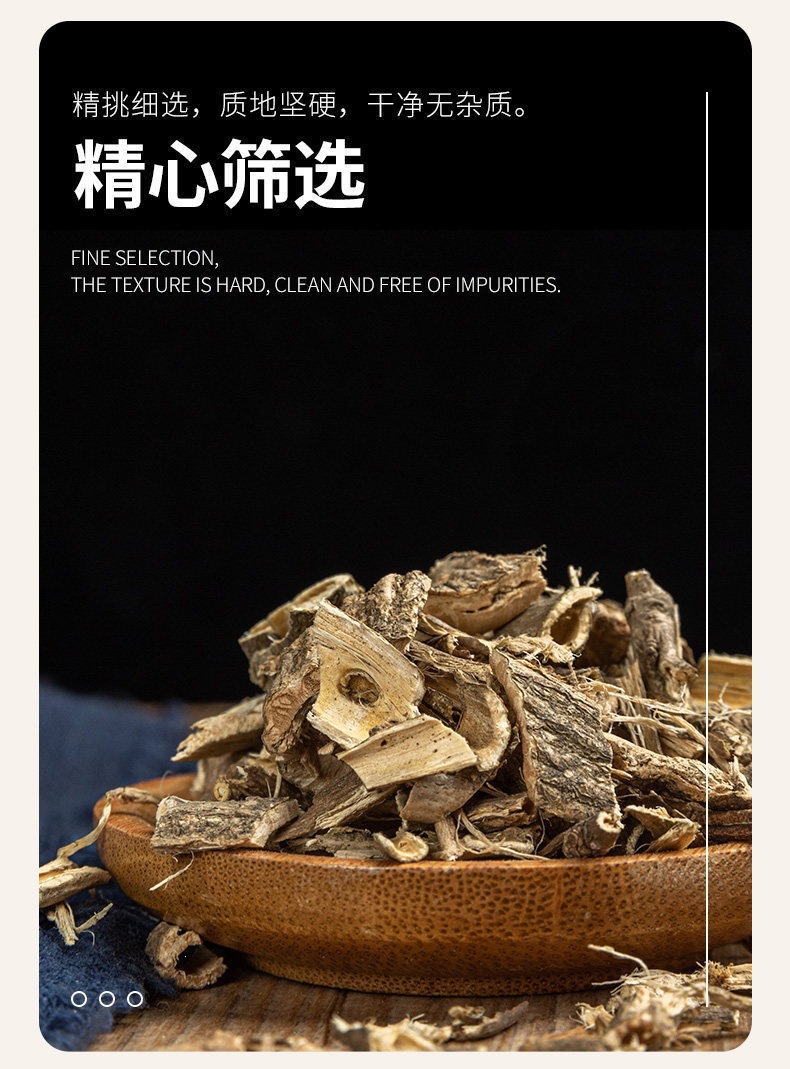
The bark pieces are typically light brown to grayish-brown with a fibrous, slightly rough texture. They have a mild, earthy, woody aroma. After decoction the liquid is typically pale amber with a subtle bitter and astringent taste.
Technical Specifications
| Product Type | Dried Herbal Bark Decoction Pieces |
|---|---|
| Chinese Name | 木槿皮 白槿皮 川槿皮 |
| Pinyin | Mu Jin Pi, Bai Jin Pi, Chuan Jin Pi |
| Botanical Name | Hibiscus syriacus |
| Plant Part | Bark |
| Net Weight | 250g x 2 jars (500g total) |
Usage Scenarios
- Added to traditional herbal decoctions
- Used in herbal soup or congee recipes
- Included in external wash or soak preparations
- Combined with other herbs in TCM formulas
Traditional Uses
In TCM theory, Mu Jin Pi is traditionally used in formulas associated with clearing damp-heat and supporting skin health. It is commonly decocted with other herbs for internal or external use. Folk practice sometimes pairs it with herbs such as Ku Shen or Bai Xian Pi in washes or soaks. It is also used in seasonal herbal soups and congee.
FAQ Q&A
Q: What is this product?
A: It is dried Hibiscus syriacus bark, known in TCM as Mu Jin Pi (木槿皮), sold as raw decoction pieces.
Q: What is it traditionally used for?
A: In TCM theory it is traditionally associated with damp-heat skin conditions and is used in herbal formulas or washes.
Q: How is it commonly prepared?
A: It is typically decocted with water, often combined with other herbs, or used in herbal soups and external soaks.
Additional information
| Model | 木槿皮65g 1罐, 木槿皮65g 2罐, 木槿皮250g 1罐, 木槿皮250g 2罐 |
|---|
Related products
-
Black Pepper Whole Peppercorns Hu Jiao 500g Bulk Culinary Spice for Cooking and Seasoning
Price range: $8.33 through $9.14 -
Deer Antler Slices Lu Rong 鹿茸片 Dried Slices for Wine Infusion and Soup 100g Wax Slices Pack
Price range: $68.29 through $92.59 -
Dried Raspberry Fruit Fu Pen Zi 500g Whole Berries for Herbal Tea and Wine Infusion
Price range: $14.00 through $16.44 -
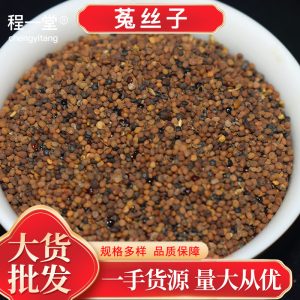
Dried Dodder Seed Tu Si Zi Whole Herb 500g Bulk Chinese Herbal Ingredient
Price range: $7.04 through $7.52
Reviews
There are no reviews yet.