
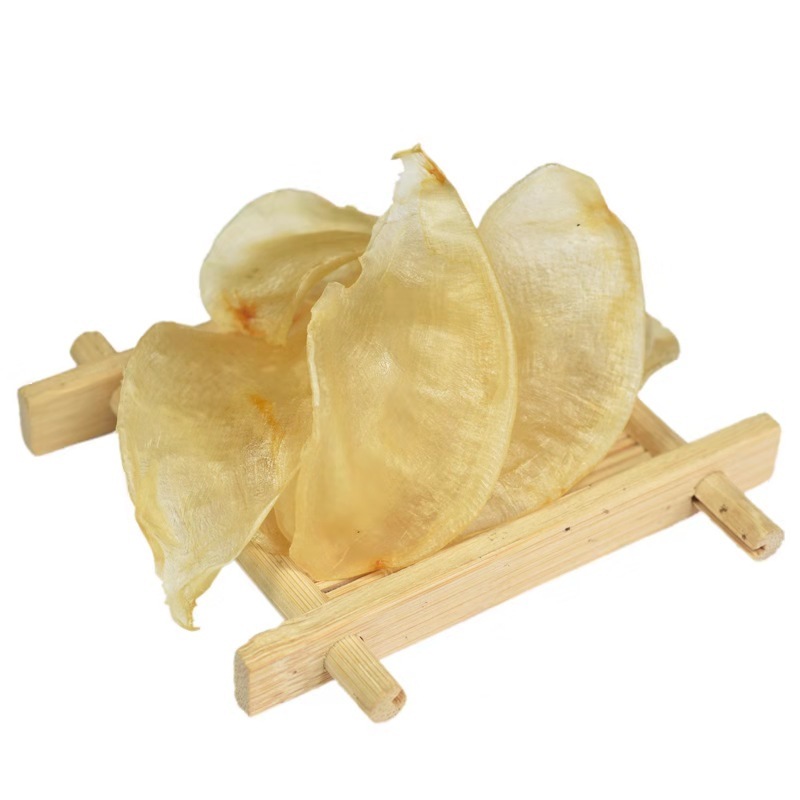
Dried Egg Fish Maw Hua Jiao 500g Wild Deep Sea Fish Swim Bladder for Soup and Nourishing Broth
Price range: $9.07 through $40.53
Description
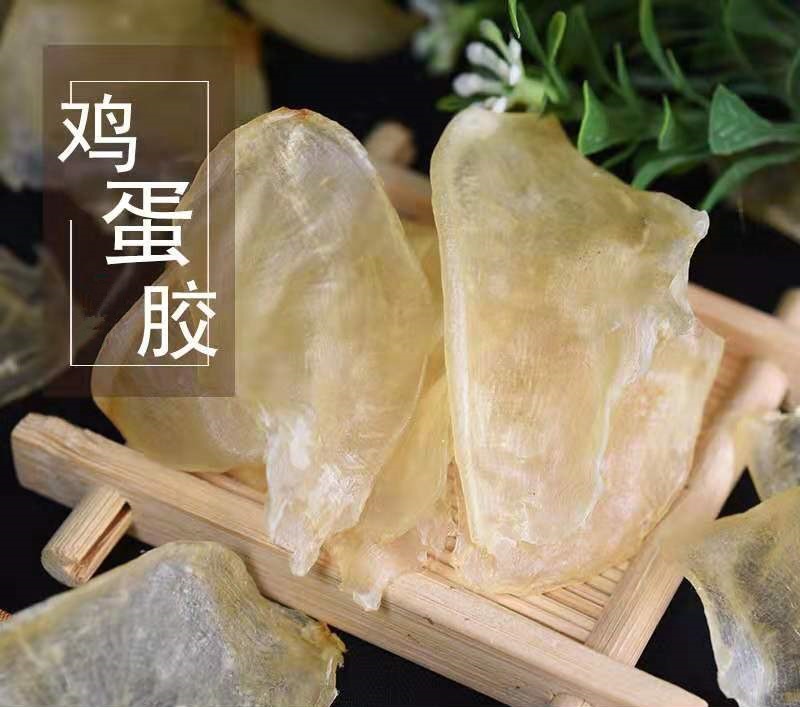
Dried Egg Fish Maw, known in Chinese as Yu Jiao (鱼胶) or Hua Jiao (花胶), is the dried swim bladder of deep-sea fish, a traditional collagen-rich ingredient in Chinese nourishing soups. In TCM theory it is considered sweet and neutral, traditionally associated with nourishing Yin and supporting the Kidneys. It is commonly simmered into broth or congee for gentle, food-based wellness support.
Key Selling Points
- Dried egg fish maw, a traditional Chinese soup ingredient
- Made from deep-sea wild fish swim bladder
- Known in TCM as Yu Jiao (鱼胶) or Hua Jiao (花胶)
- Rich natural collagen texture when slow-simmered
- 500g packaged dried form for home soup preparation
Quality & Sensory
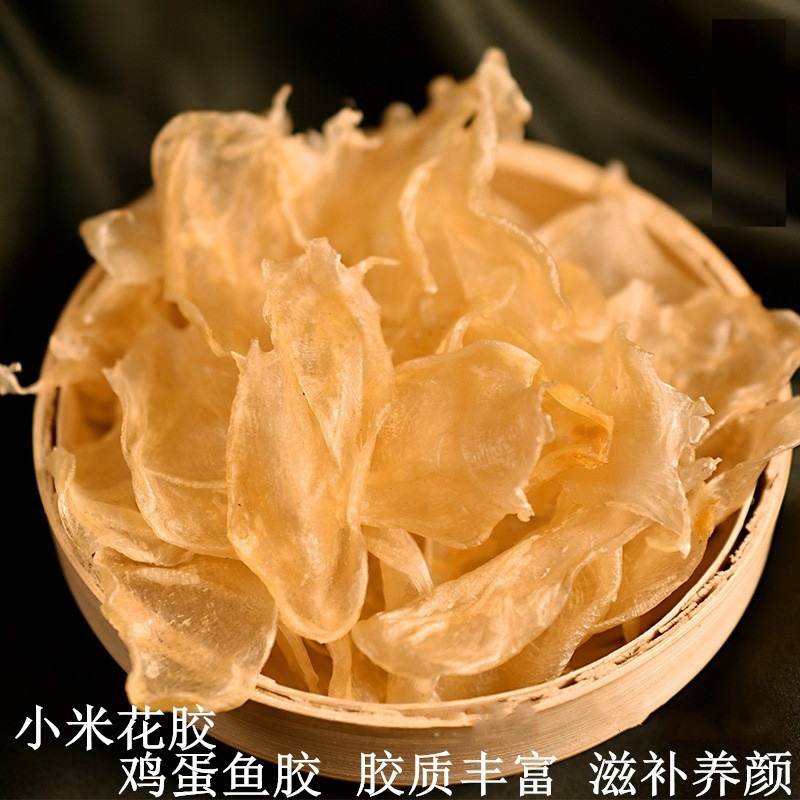
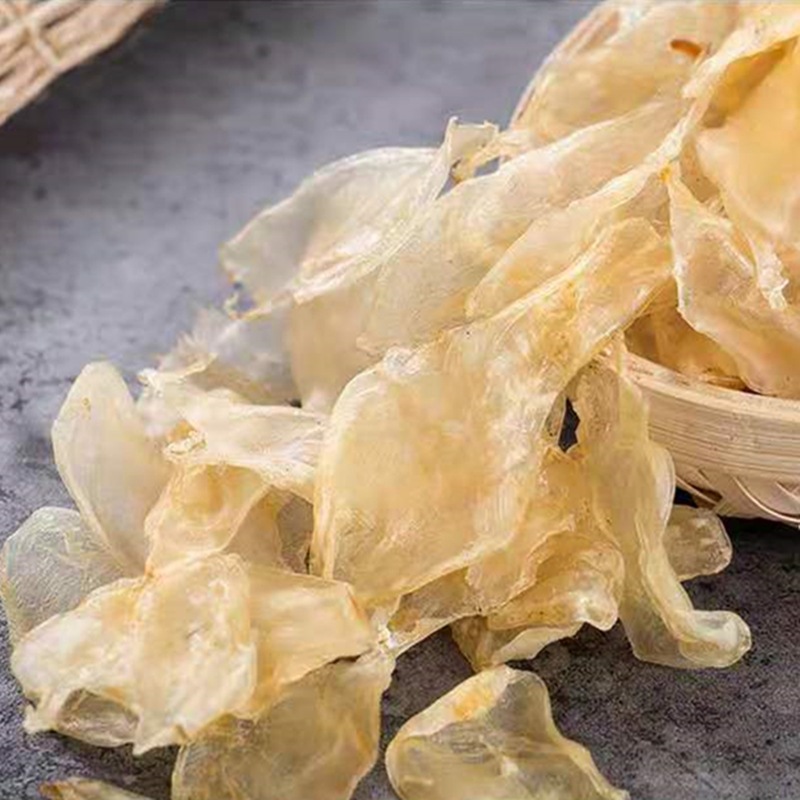
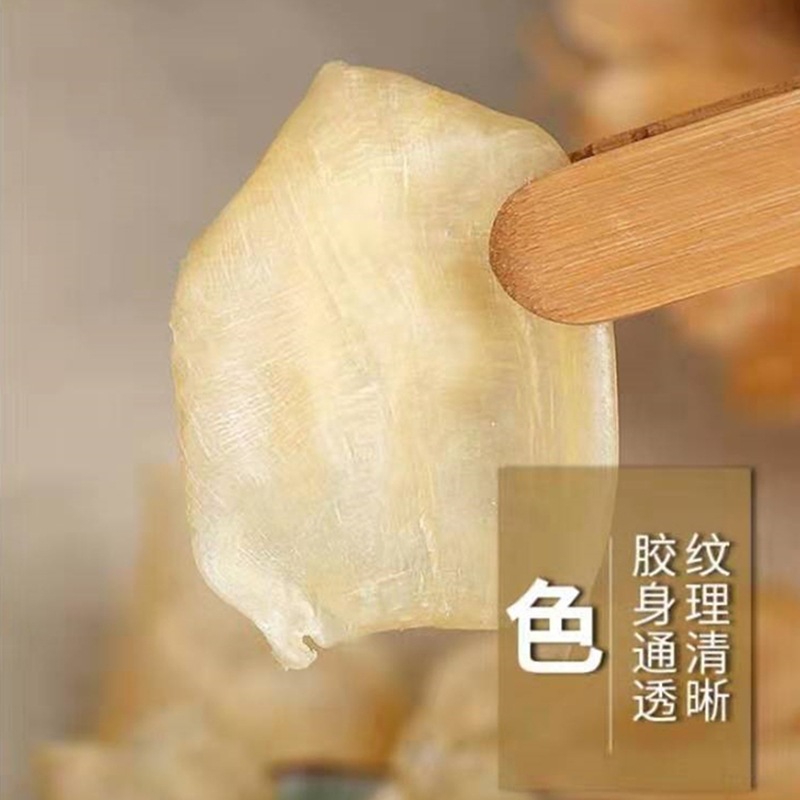
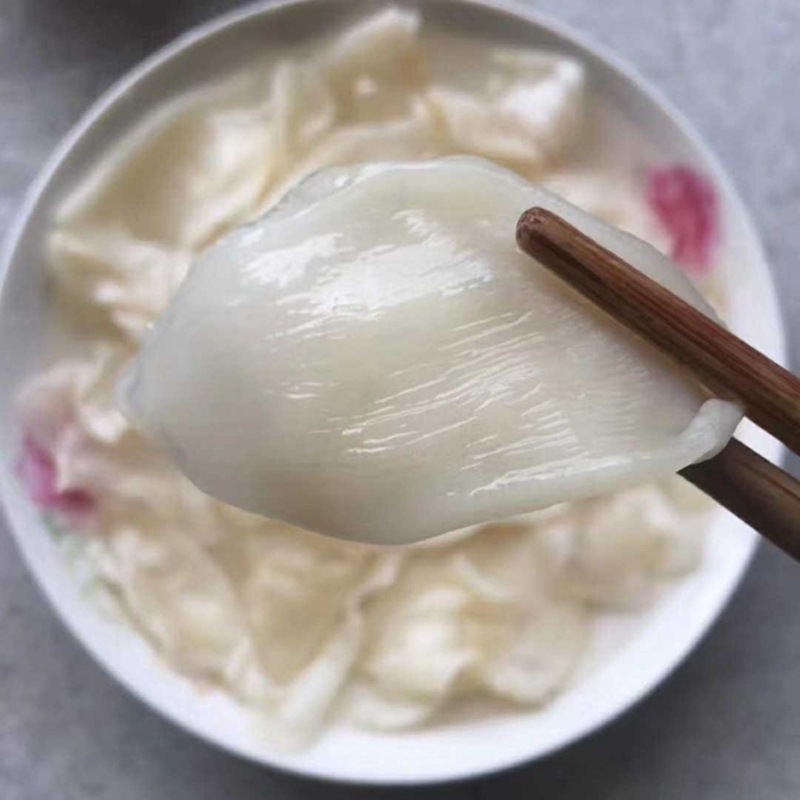
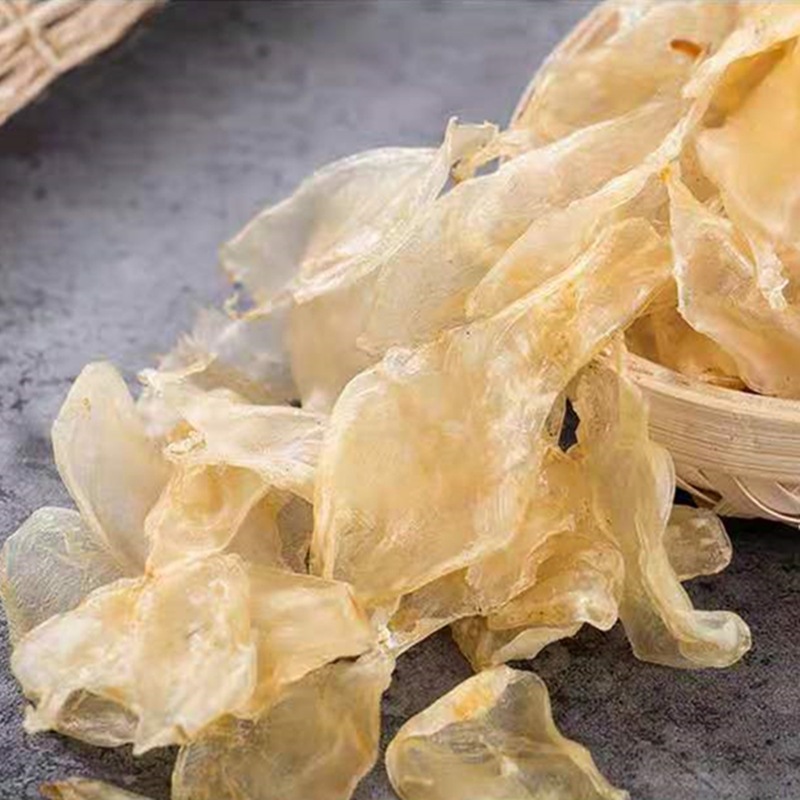
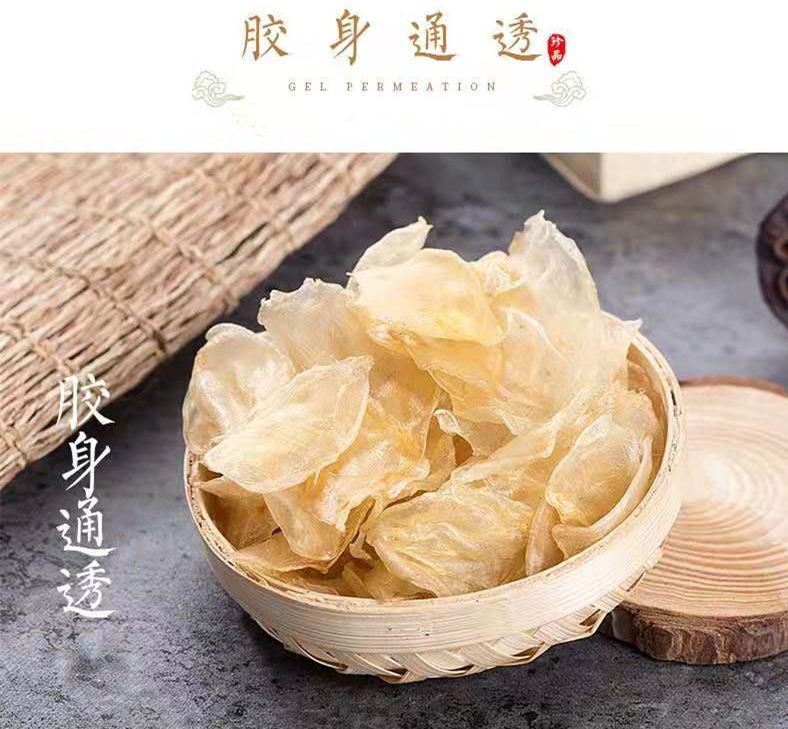
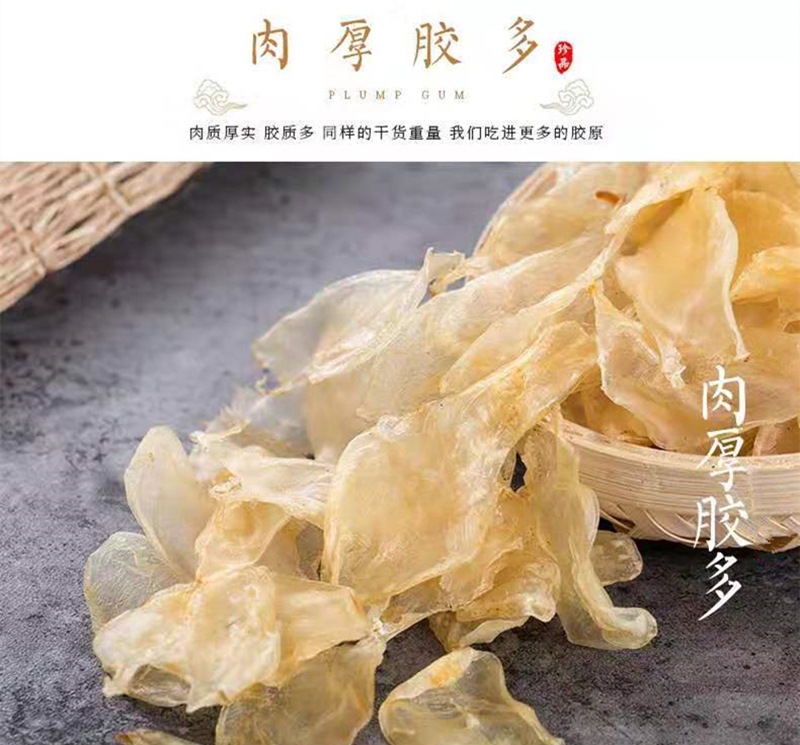
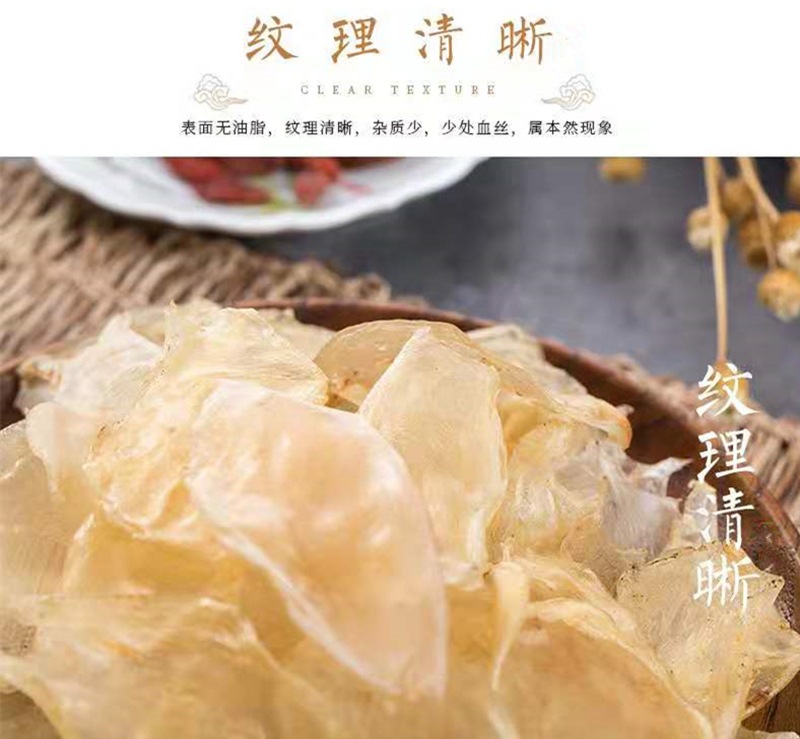
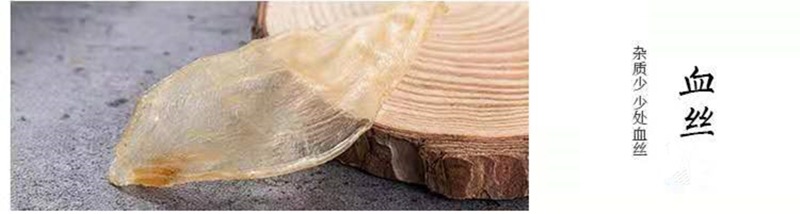
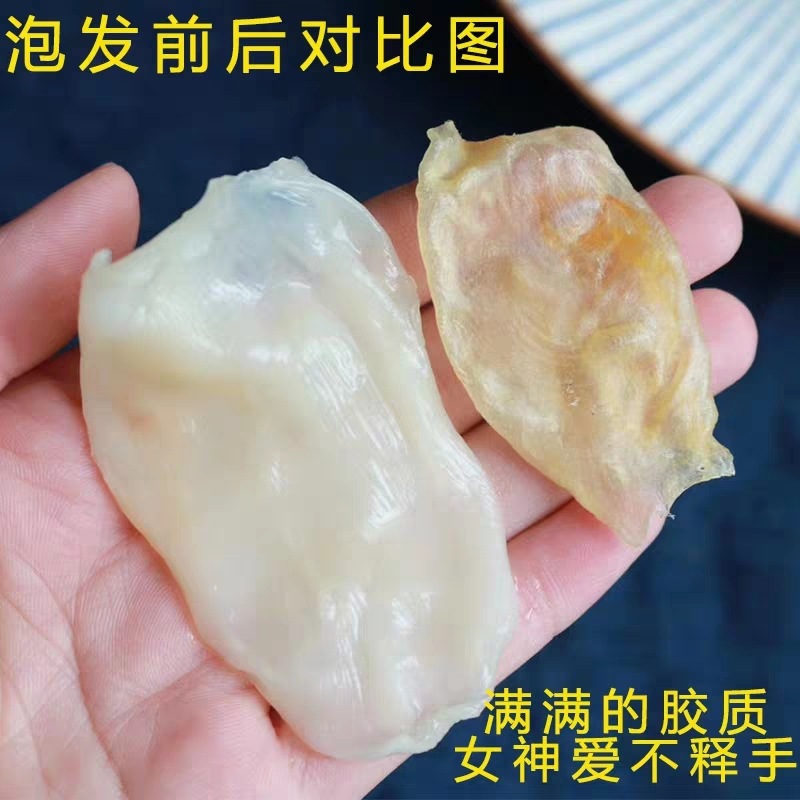
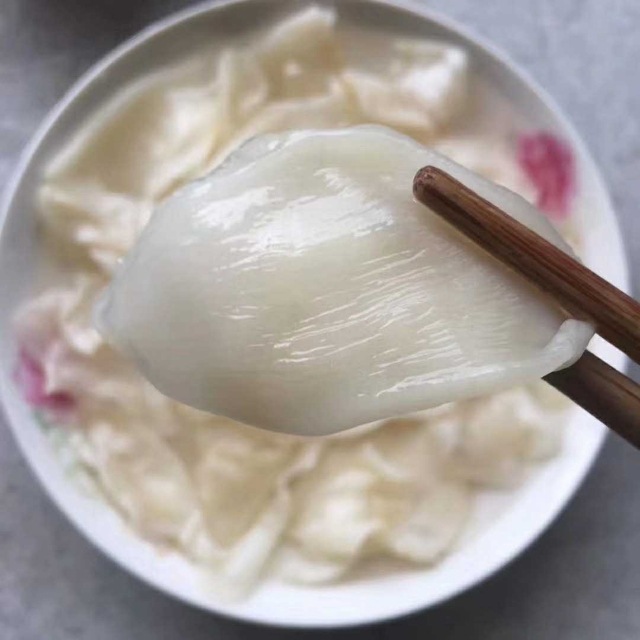
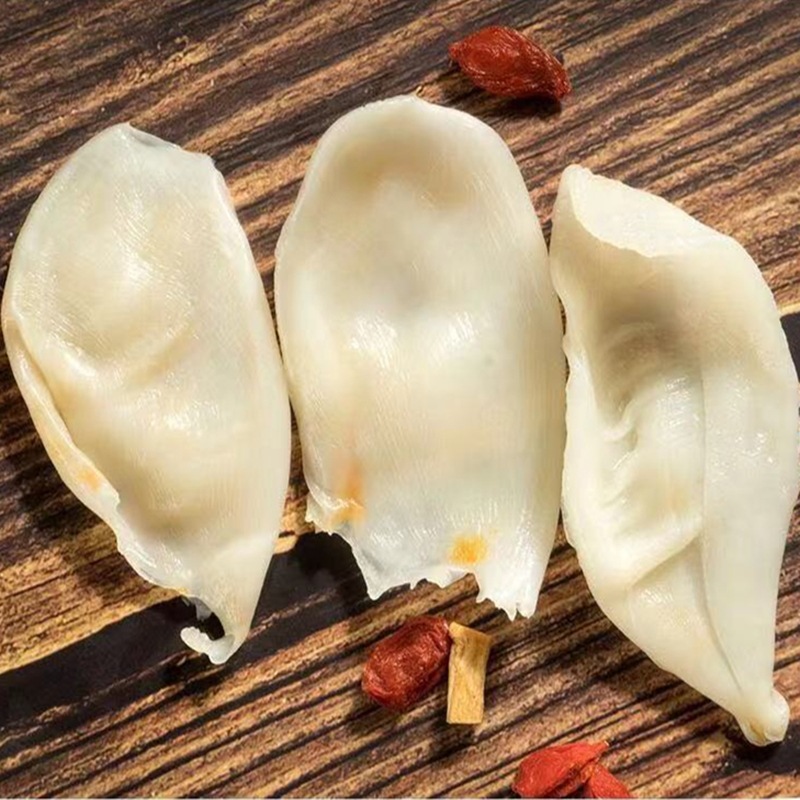
Dried fish maw typically appears pale golden to amber with a firm, slightly translucent texture and a mild marine aroma. After slow simmering it becomes soft, gelatinous, and springy, releasing a gentle savory taste that blends well into clear broths and congee.
Technical Specifications
| Product Type | Dried fish maw decoction ingredient |
|---|---|
| Chinese Name | 鱼胶 花胶 |
| Pinyin | Yu Jiao Hua Jiao |
| Plant Part | Fish swim bladder |
| Form | Dried whole pieces |
| Net Weight | 500g |
Usage Scenarios
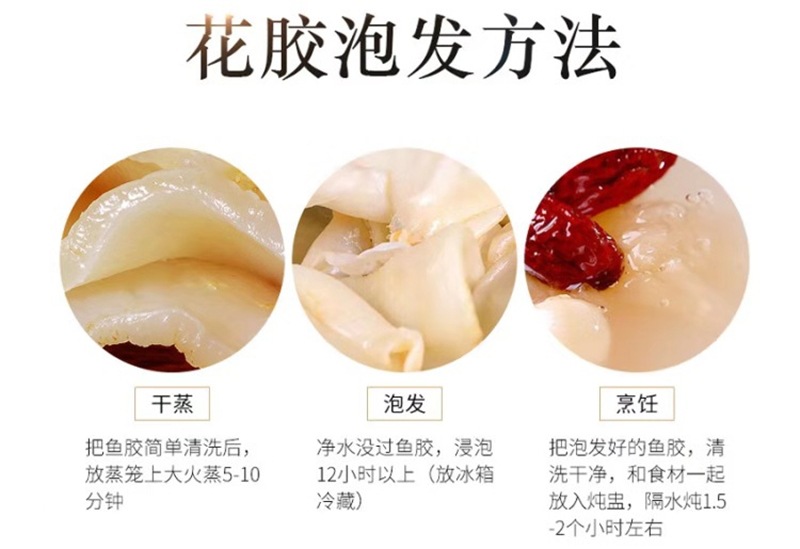
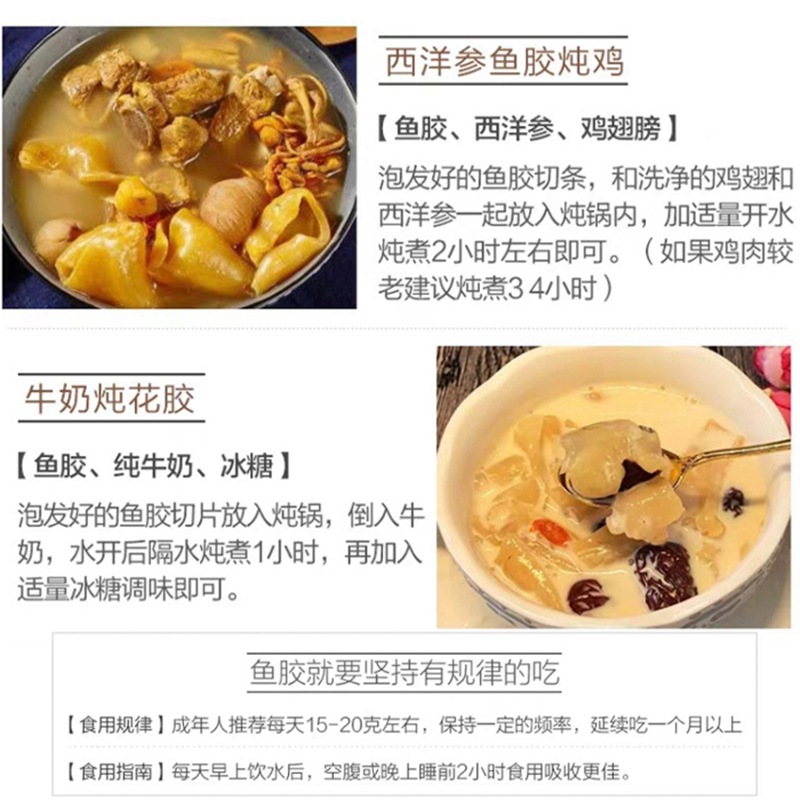
- Slow-simmered nourishing soup
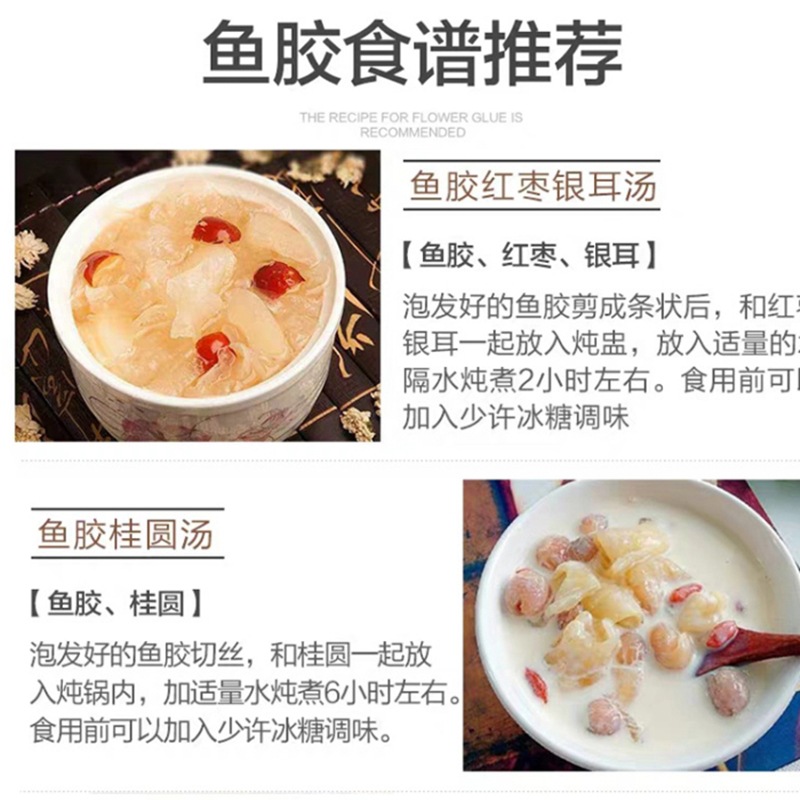
- Congee with rice and ginger
- Double-boiled broth with chicken or lean pork
- Seasonal family soup preparation
Traditional Uses
In traditional Chinese food therapy, fish maw is slow-simmered with ginger, chicken, or lean pork to make a nourishing broth, often served during recovery periods or cool seasons. It is also cooked into congee with rice and goji berries. Traditional practice values it as a gentle food-based tonic rather than a medicinal decoction.
FAQ Q&A
Q: What is dried egg fish maw?
A: It is the dried swim bladder of deep-sea fish, known in Chinese as Yu Jiao (鱼胶) or Hua Jiao (花胶), used as a traditional soup ingredient.
Q: What is its traditional value?
A: In TCM theory it is considered sweet and neutral and is traditionally associated with nourishing Yin and supporting the Kidneys as a food-based tonic.
Q: How is it commonly prepared?
A: It is typically soaked, then slow-simmered in soup or congee with ginger, chicken, or lean pork until soft and gelatinous.

Additional information
| Weight | N/A |
|---|---|
| Dimensions | N/A |
| Model | 鸡蛋鱼胶50克 体验装, 鸡蛋鱼胶100克 尝鲜装, 鸡蛋鱼胶250克, 鸡蛋鱼胶500克 |
Related products
-
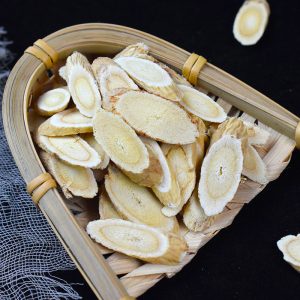
Astragalus Root Slices Huang Qi 500g Dried Herb for Soups and Teas
Price range: $7.36 through $22.11 -
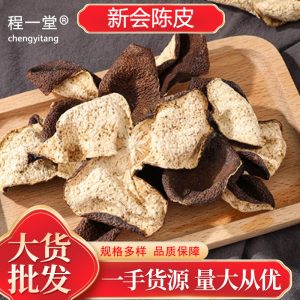
Xinhui Chenpi Dried Tangerine Peel 500g Sun Dried Aged Peel for Soup and Tea
Price range: $60.19 through $116.90 -

Cabinda Bark Dried Herb 500g Traditional Herbal Infusion Ingredient
Price range: $12.38 through $37.50 -
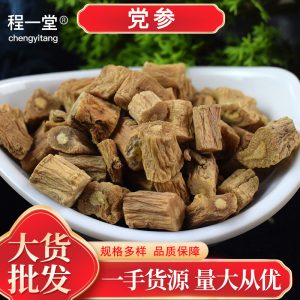
Dried Codonopsis Root Slices Dang Shen 500g Bulk Supply for Soups and Herbal Decoctions
Price range: $10.28 through $18.06
Reviews
There are no reviews yet.