
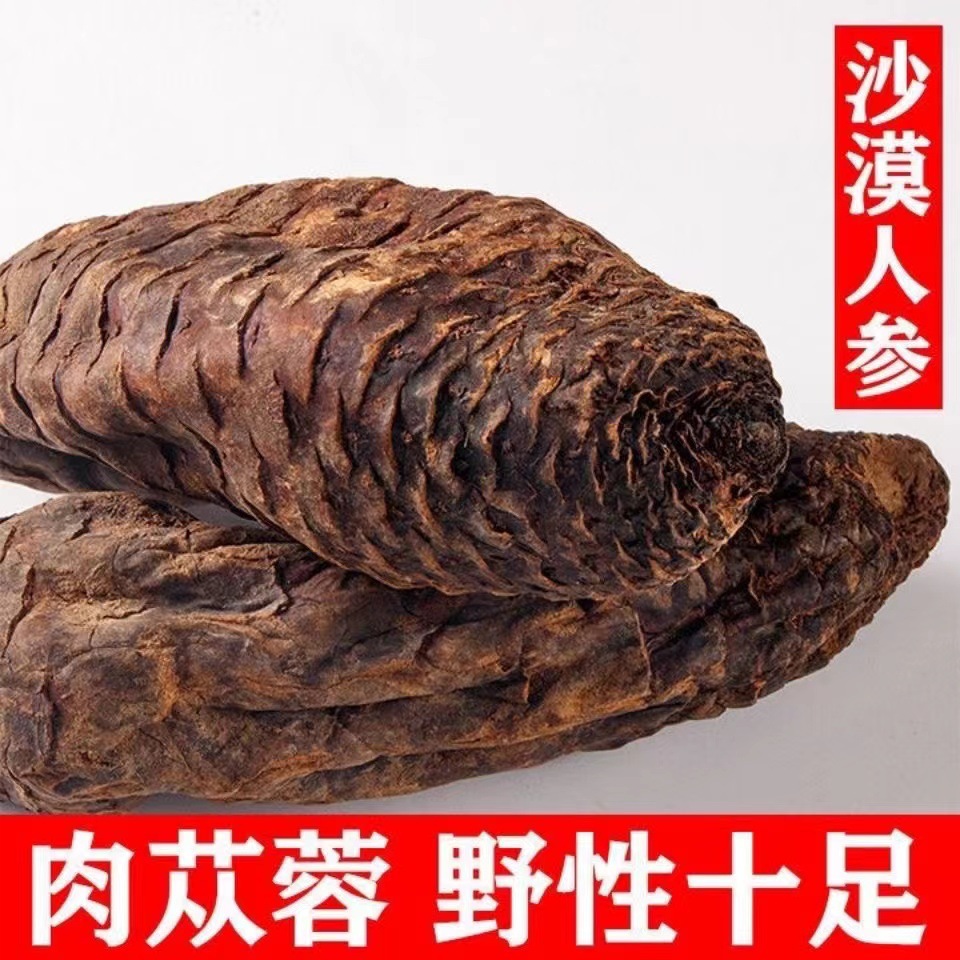
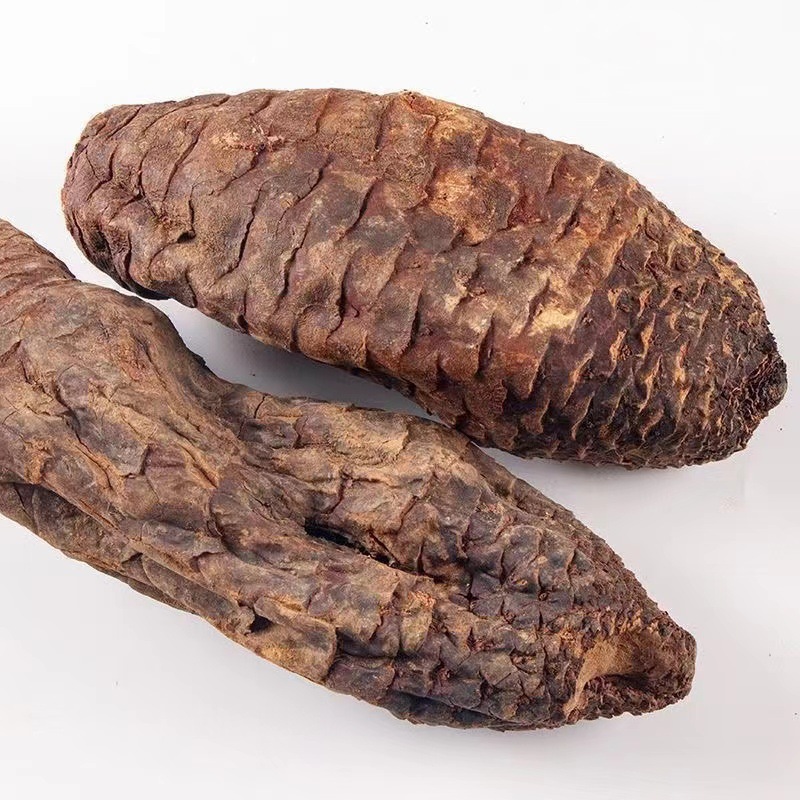
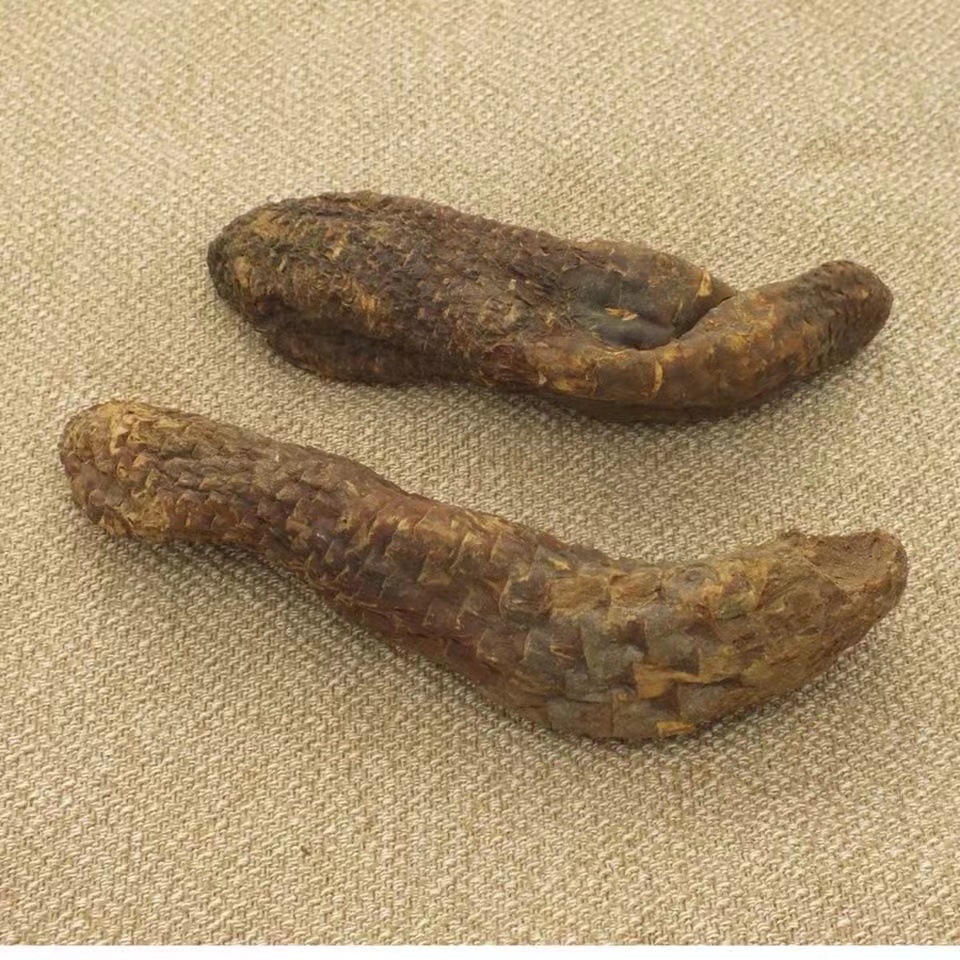
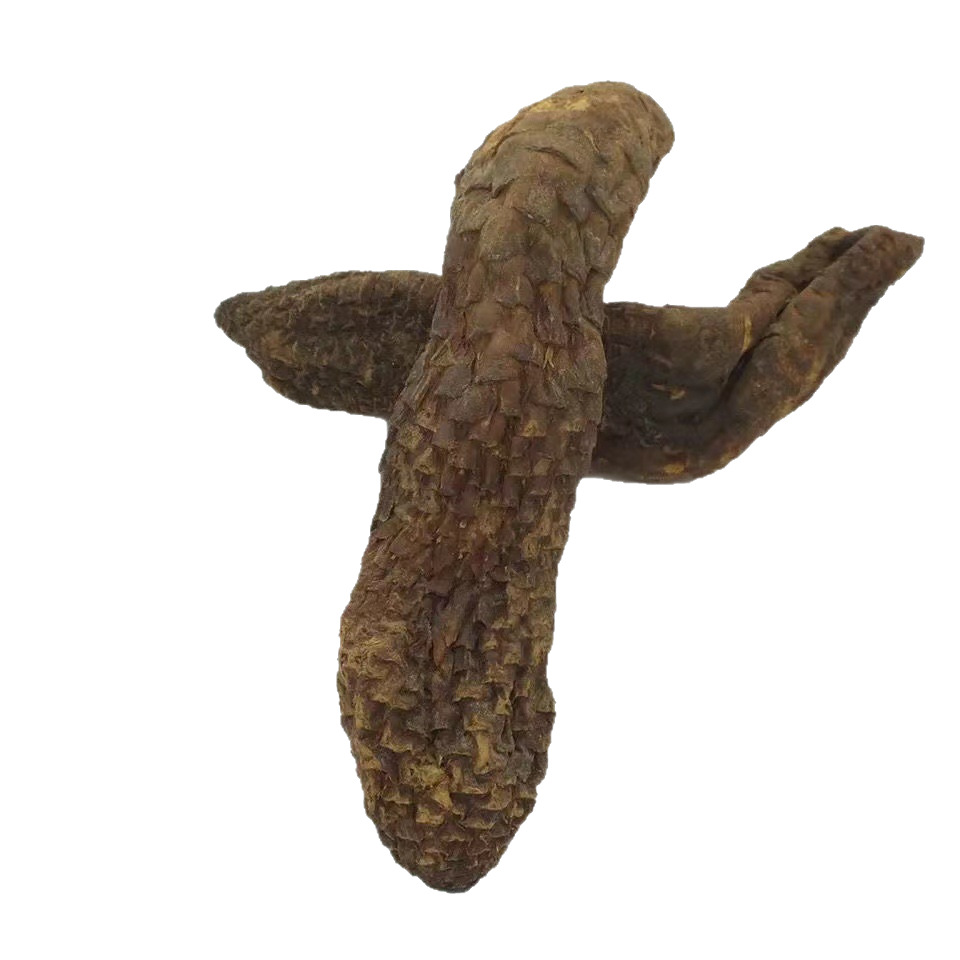
Dried Cistanche Root Slices Rou Cong Rong for Herbal Tea and Wine Soaking from Xinjiang
Price range: $6.55 through $296.13
Description
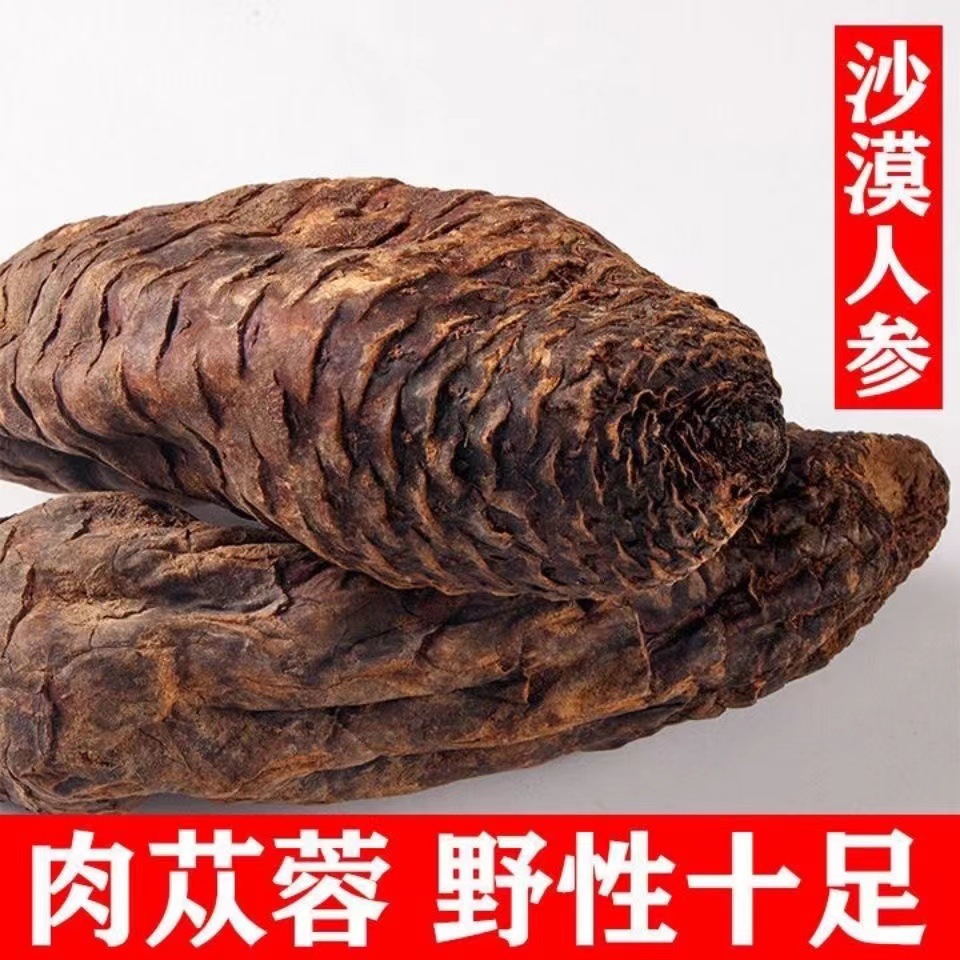
Dried Cistanche Root Slices, known in TCM as Rou Cong Rong (肉苁蓉), from Cistanche deserticola. This Xinjiang-grown dried root slice is a traditional Chinese herbal decoction piece. In TCM theory it is considered sweet and salty in flavor, warm in nature, and associated with the Kidney and Large Intestine channels. Traditionally used in decoctions, teas, and wine infusions. Store in a cool dry place and consult a practitioner before use.
Key Selling Points
- Identified in TCM as Rou Cong Rong (肉苁蓉), a classic tonic herb
- Sourced from Xinjiang, a well-known growing region for Cistanche
- Dried root slices suitable for tea, decoction, or wine soaking
- Traditional TCM herb associated with Kidney and Large Intestine channels
- 250g net weight of dried decoction pieces
Quality & Sensory
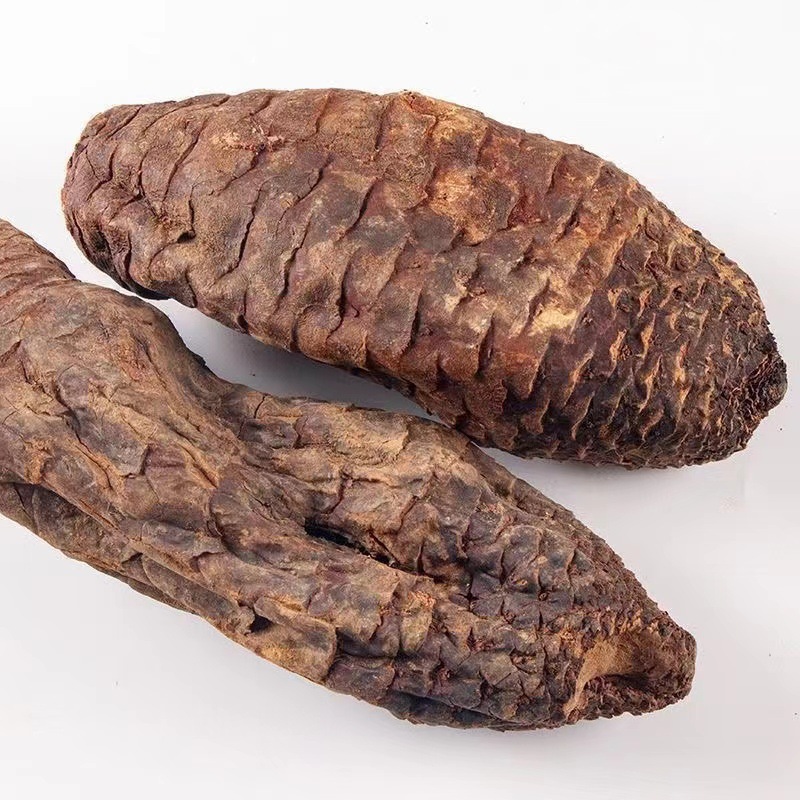
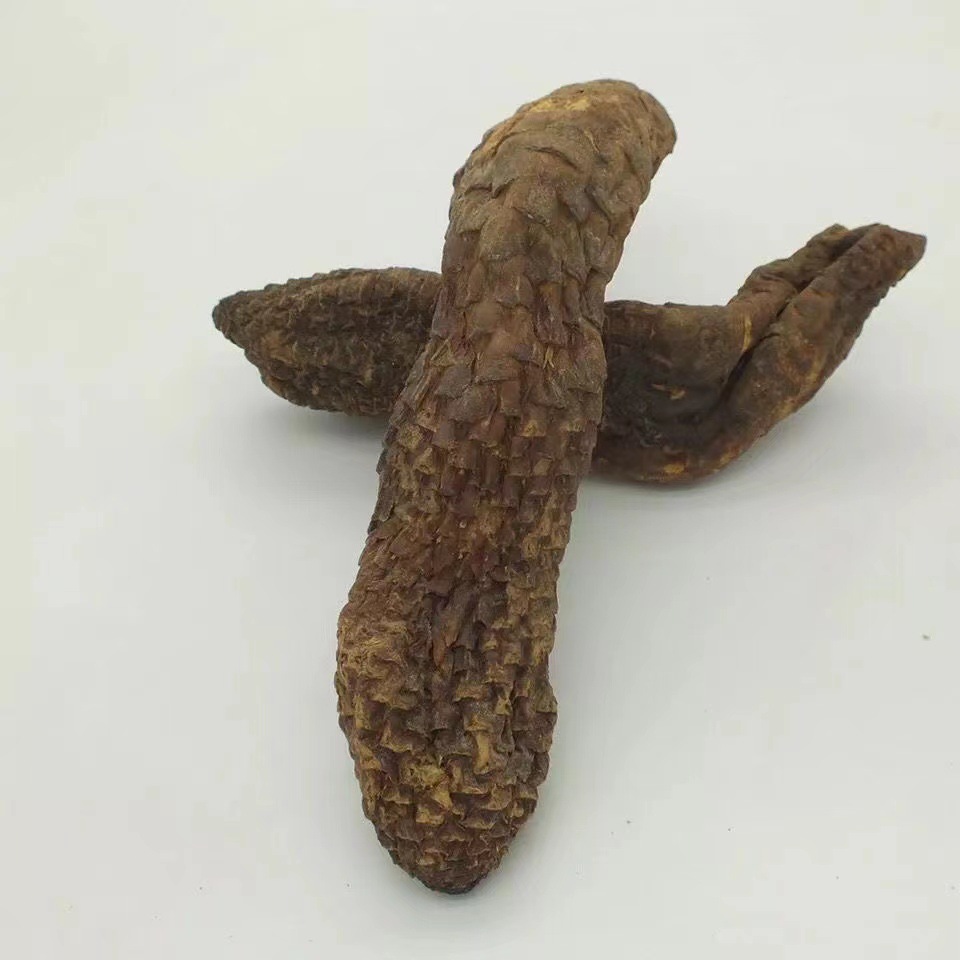
The dried slices are typically brownish to dark brown with a firm, slightly woody texture. They have a mild earthy aroma and a subtly sweet, slightly bitter taste when decocted or brewed. Color and texture may vary between batches as a natural agricultural product.
Technical Specifications
| Product Type | Dried herbal decoction pieces |
|---|---|
| Chinese Name | 肉苁蓉 |
| Pinyin | Rou Cong Rong |
| Botanical Name | Cistanche deserticola |
| Plant Part | Root |
| Net Weight | 250g |
Usage Scenarios
- Simmered as a traditional herbal decoction
- Brewed alone or with other herbs as a daily tea
- Soaked in wine as a traditional herbal infusion
- Added to soups or congee in small amounts
Traditional Uses
In TCM theory, Rou Cong Rong is traditionally used in decoctions and is often paired with herbs such as Gou Qi Zi or Shan Yao. It is also traditionally soaked in wine or added to soups and congee. Folk practice associates it with warming and tonifying formulas, and it is commonly used in seasonal winter preparations.
FAQ Q&A
Q: What is this product?
A: It is dried Cistanche root slices from Xinjiang, known in TCM as Rou Cong Rong (肉苁蓉).
Q: What is its traditional value?
A: In TCM theory it is considered sweet and salty, warm in nature, and associated with the Kidney and Large Intestine channels.
Q: How is it commonly prepared?
A: It is traditionally simmered as a decoction, brewed as tea, or soaked in wine. Consult a practitioner for personal guidance.
Additional information
| Weight | N/A |
|---|---|
| Dimensions | N/A |
| Model | 肉苁蓉个250克, 肉苁蓉个500克, 肉苁蓉个1000克, 肉苁蓉个10公斤, 肉苁蓉个50公斤 |
Related products
-
Dried Codonopsis Root Slices Dang Shen 500g Bulk Supply for Soups and Herbal Decoctions
Price range: $10.28 through $18.06 -
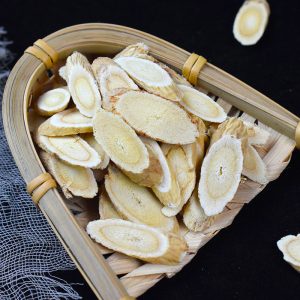
Astragalus Root Slices Huang Qi 500g Dried Herb for Soups and Teas
Price range: $7.36 through $22.11 -
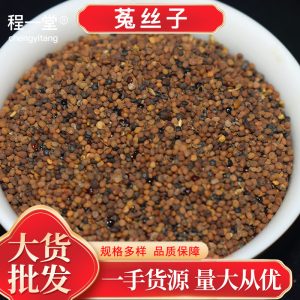
Dried Dodder Seed Tu Si Zi Whole Herb 500g Bulk Chinese Herbal Ingredient
Price range: $7.04 through $7.52 -
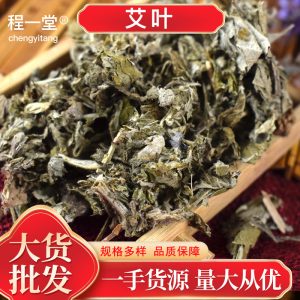
Dried Mugwort Leaf Ai Ye 500g Chinese Herbal Bath Foot Soak and Smoke Cleansing Herb
Price range: $4.77 through $5.25
Reviews
There are no reviews yet.