
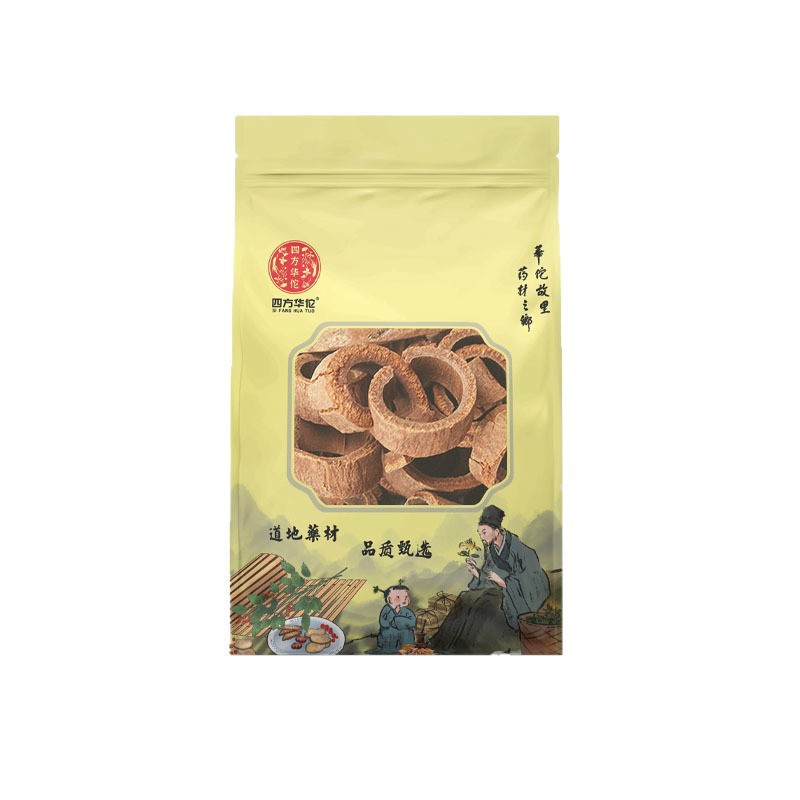
Dried Cassia Bark Strips Gui Pi Si Chinese Cinnamon for Braised Meat and Soup Seasoning 2000g
Price range: $5.51 through $24.63
Description
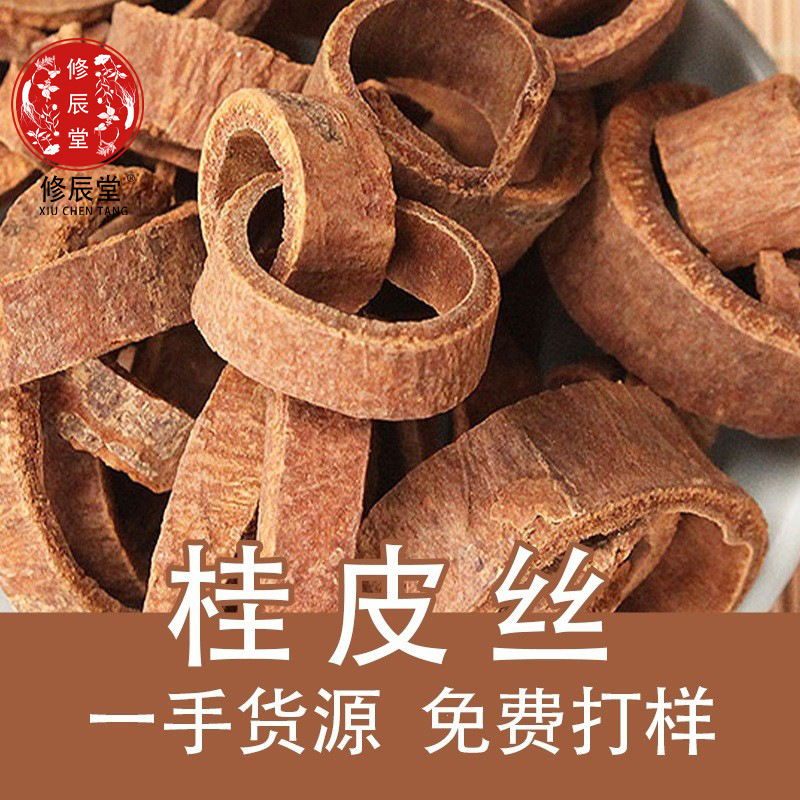
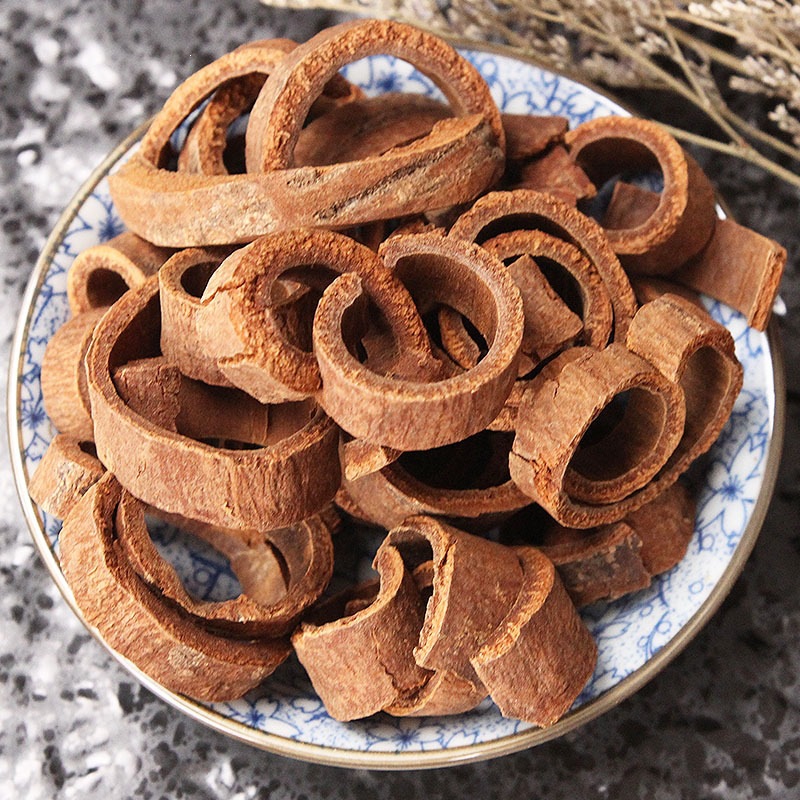
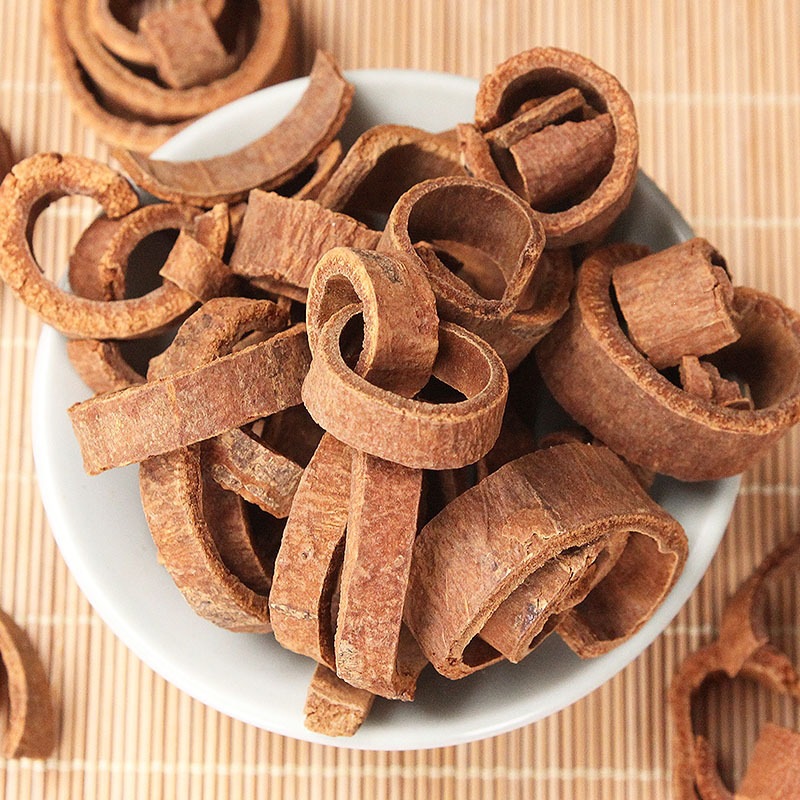
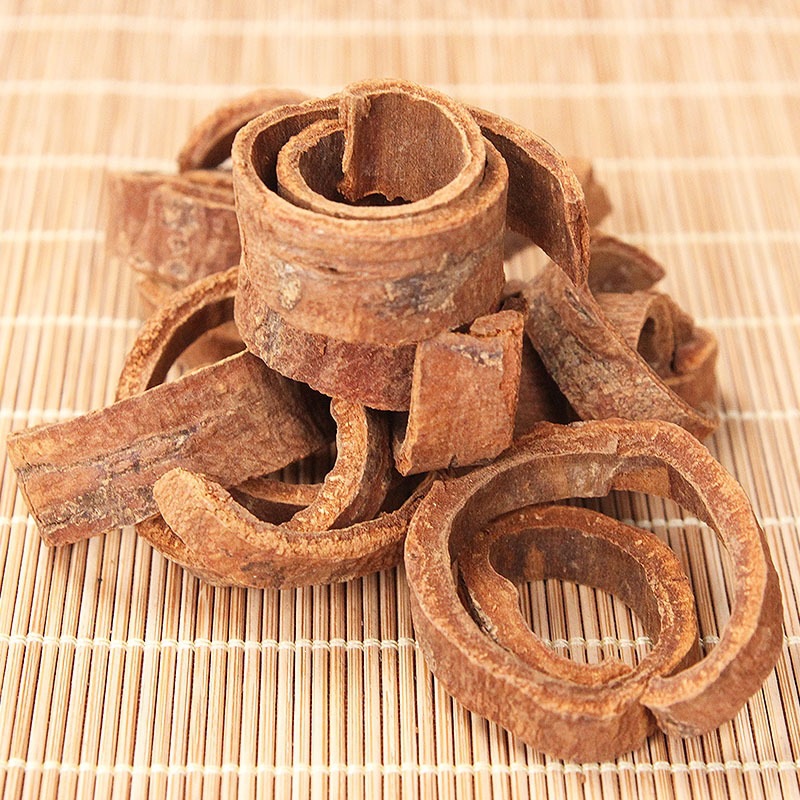
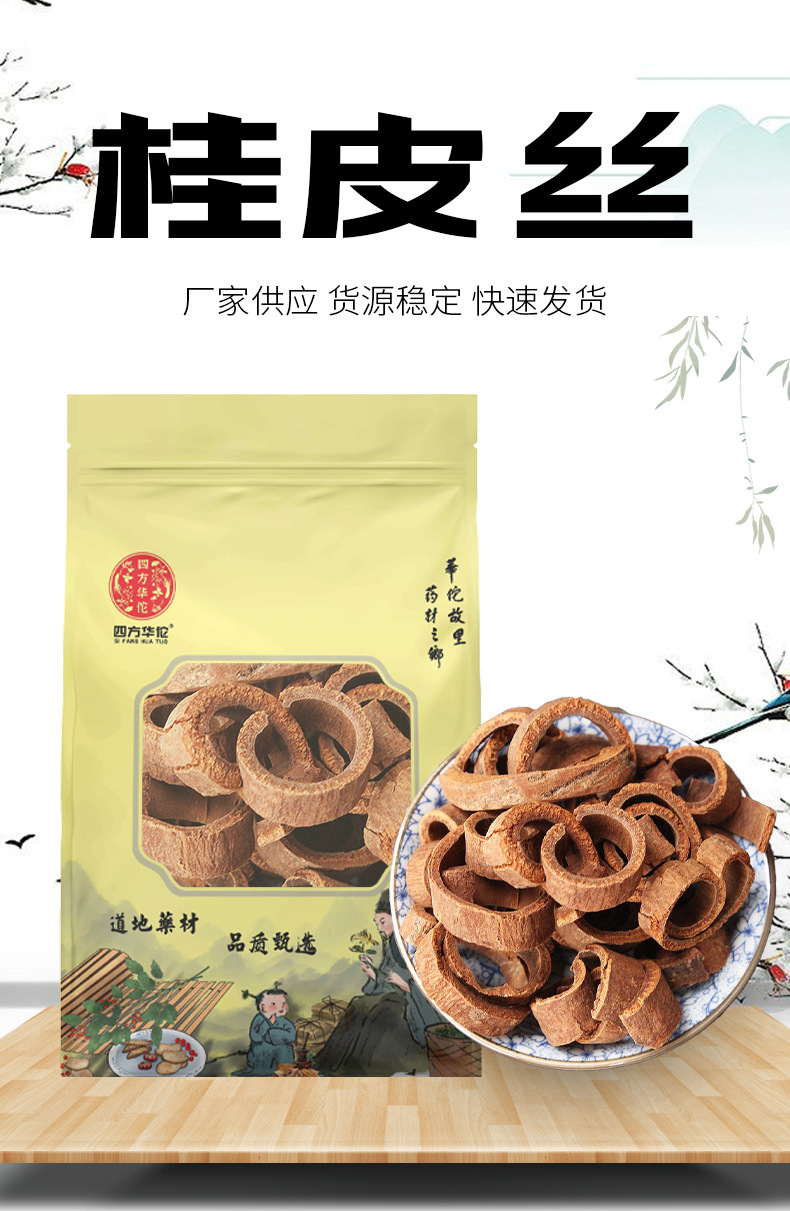
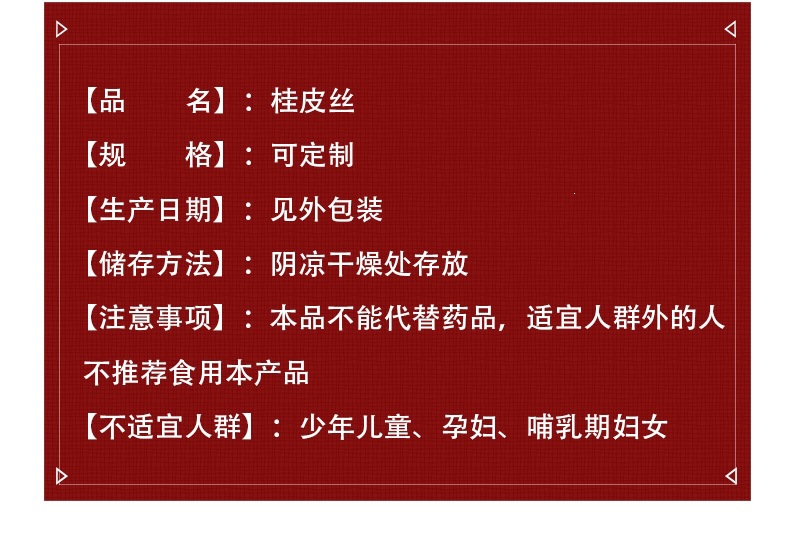
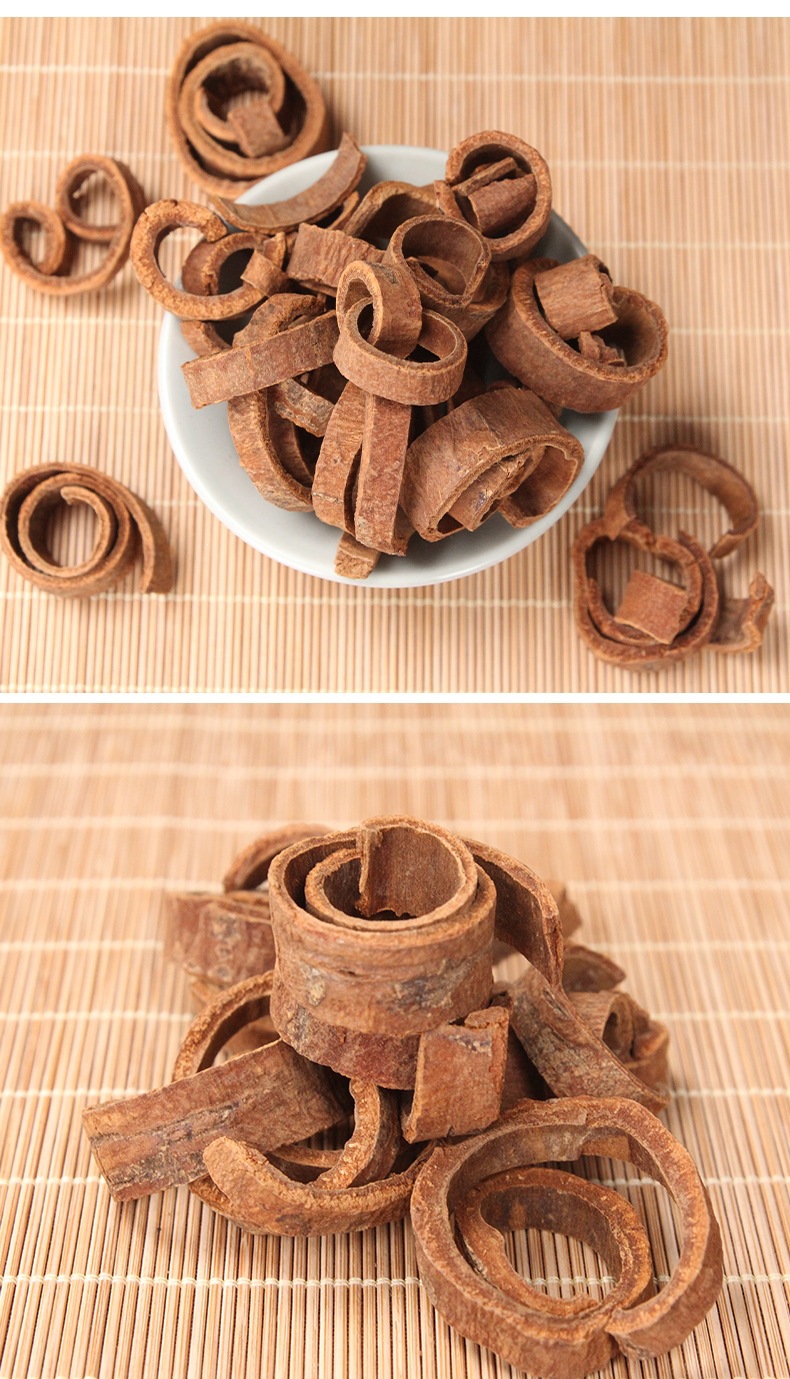
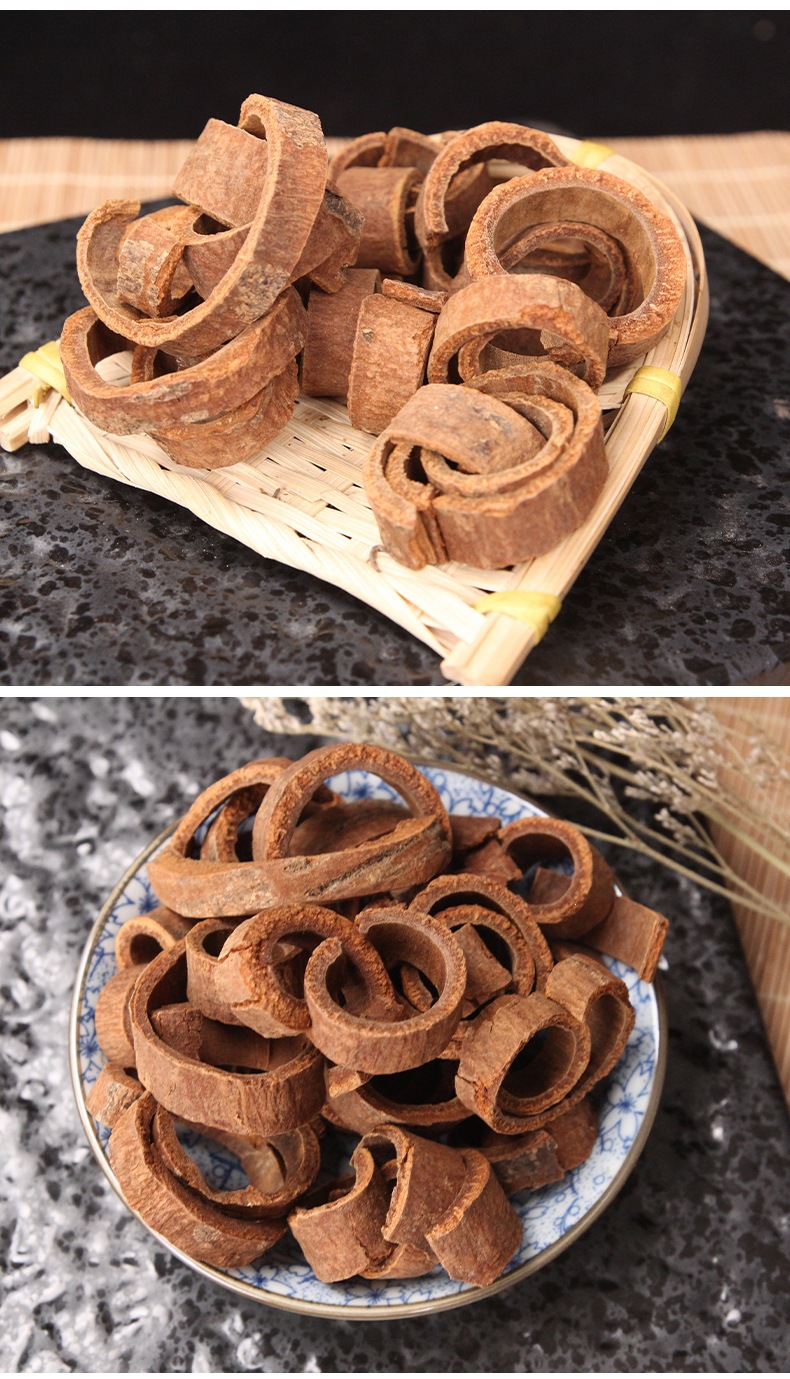
Dried Cassia Bark Strips, known in TCM as Gui Pi (桂皮) and derived from Cinnamomum cassia, are cut strips of the dried inner bark used as both a culinary spice and a traditional herbal ingredient. In TCM theory, cassia bark is considered acrid, sweet, and warm, traditionally associated with warming the interior and supporting digestive comfort. The strips release a sweet, woody aroma when simmered, making them a practical addition to braised dishes, soups, and decoctions.
Key Selling Points
- Cut strips of dried Cinnamomum cassia inner bark
- Dual-purpose culinary spice and traditional TCM herb
- Sun-dried processing for concentrated aroma
- Convenient strip form for braising and soup making
- 2000g bulk pack for regular kitchen or herbal use
Quality & Sensory
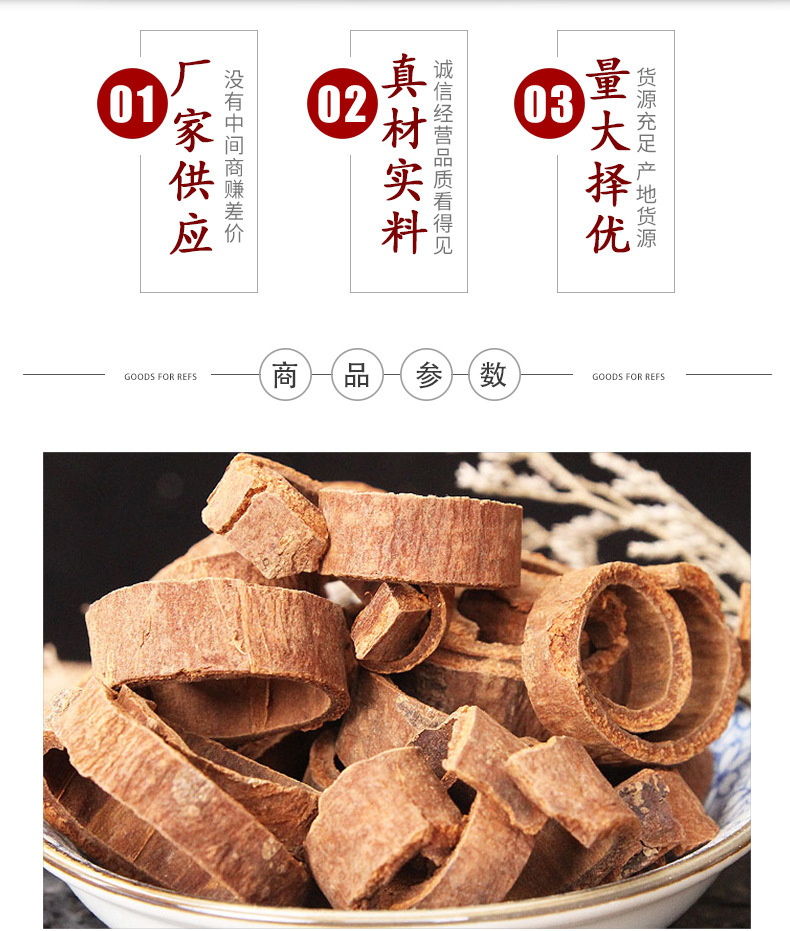
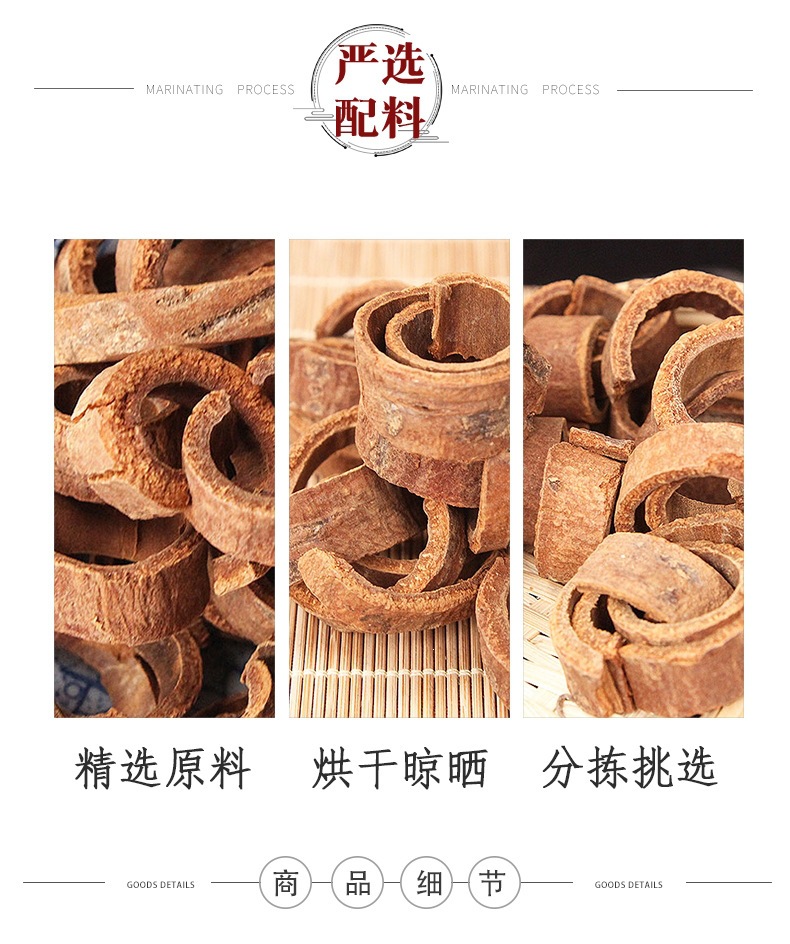
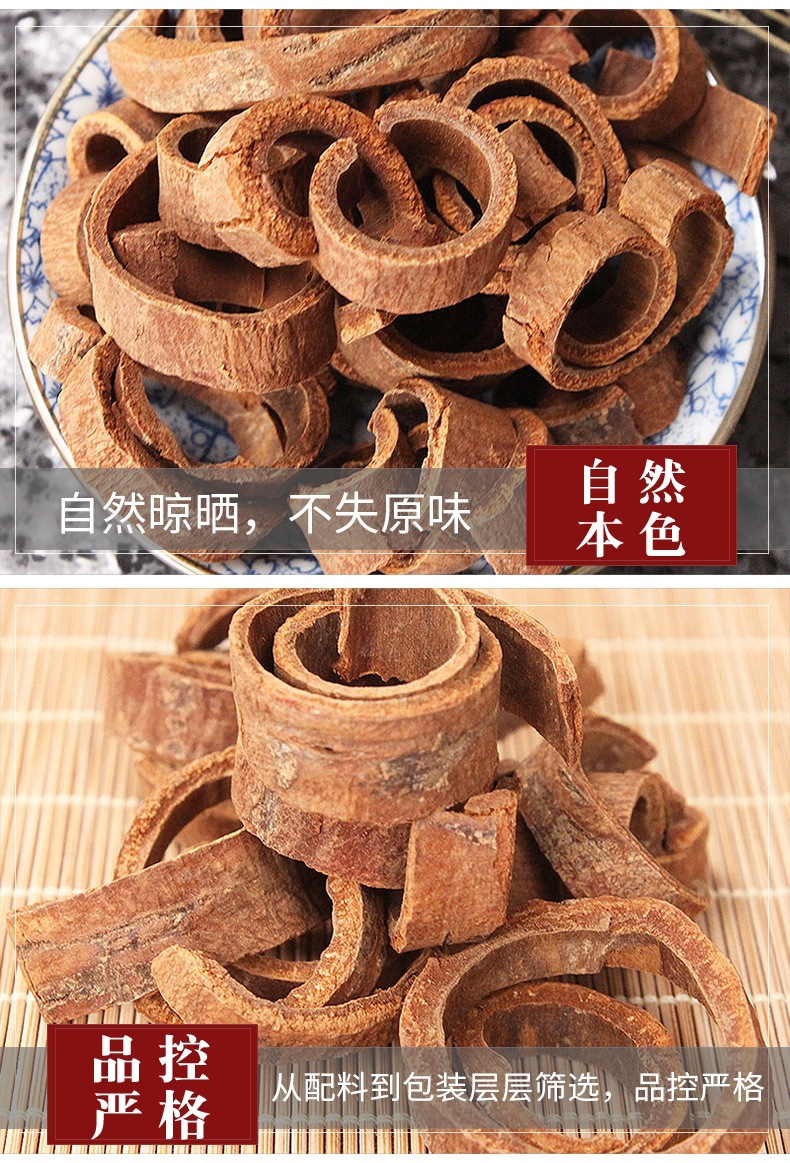
The strips are typically reddish-brown to dark brown with a rough, slightly fibrous texture. They carry a warm, sweet, woody aroma. When simmered in soups or braises, they impart a gentle sweetness and a mild, pleasant warmth without excessive bitterness.
Technical Specifications
| Product Type | Dried herbal bark strips |
|---|---|
| Chinese Name | 桂皮 |
| Pinyin | Gui Pi |
| Botanical Name | Cinnamomum cassia |
| Plant Part | Dried inner bark |
| Net Weight | 2000g |
Usage Scenarios
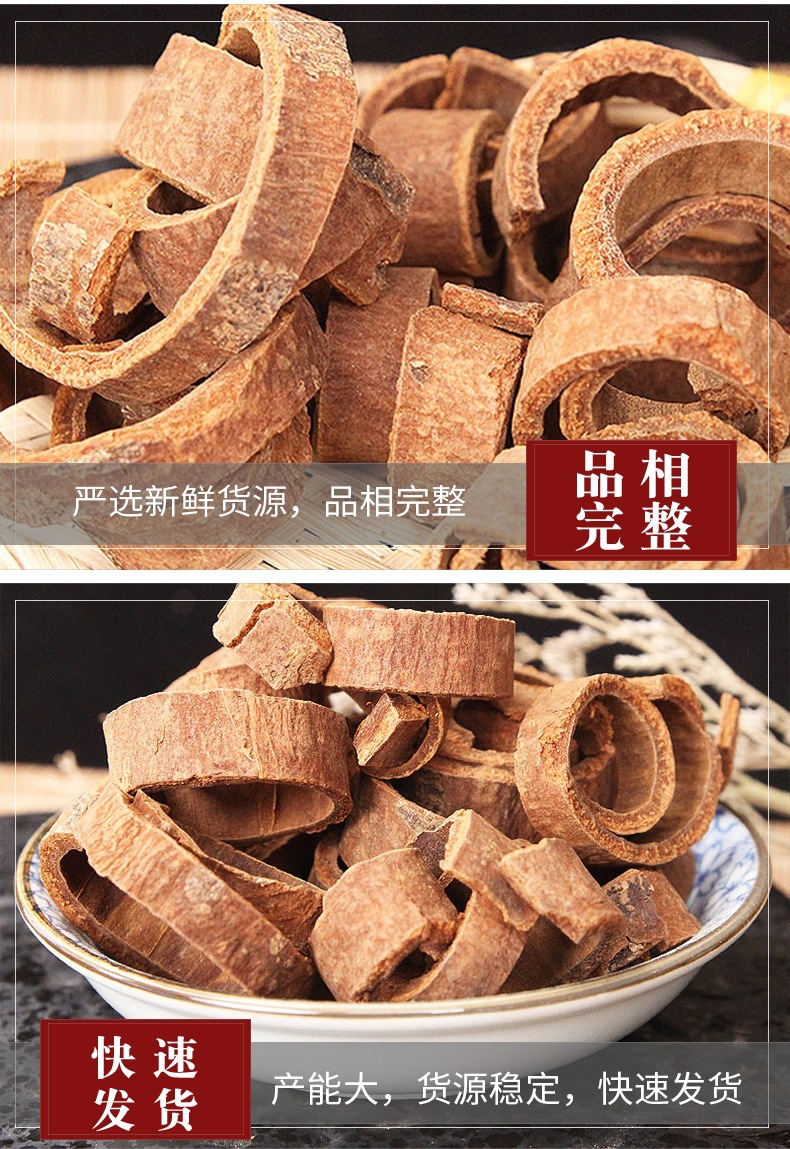
- Added to braised meat and poultry dishes
- Simmered in soups and broths
- Used in traditional decoctions
- Included in congee or rice dishes
- Used as a warming culinary spice
Traditional Uses
In TCM theory, cassia bark (Gui Pi) is traditionally used to warm the interior, support digestive function, and dispel cold. It is commonly simmered in decoctions, added to braised meats, or combined with other warming herbs such as ginger and star anise. Folk practice often includes it in seasonal soups and congee during colder months.
FAQ Q&A
Q: What is this product?
A: It is dried cassia bark strips, known in TCM as Gui Pi (桂皮), from Cinnamomum cassia, sold as a 2000g pack.
Q: What is its traditional value?
A: In TCM theory, cassia bark is considered warm and acrid-sweet, traditionally associated with warming the interior and supporting digestion.
Q: How is it commonly used?
A: It is typically simmered in soups, braised dishes, or decoctions, and can also be added to congee for a warming flavor.
Additional information
| Weight | N/A |
|---|---|
| Dimensions | N/A |
| Model | 桂皮丝100克, 桂皮丝250克, 桂皮丝500克, 桂皮丝1000克, 桂皮丝2000克 |
Related products
-
Dried Raspberry Fruit Fu Pen Zi 500g Whole Berries for Herbal Tea and Wine Infusion
Price range: $14.00 through $16.44 -
Dried Codonopsis Root Slices Dang Shen 500g Bulk Supply for Soups and Herbal Decoctions
Price range: $10.28 through $18.06 -

Yi Zhi Ren Dried Alpinia Oxyphylla Fruit 500g Traditional Herbal Tea and Decoction Ingredient
Price range: $11.74 through $13.36 -

Cabinda Bark Dried Herb 500g Traditional Herbal Infusion Ingredient
Price range: $12.38 through $37.50
Reviews
There are no reviews yet.