
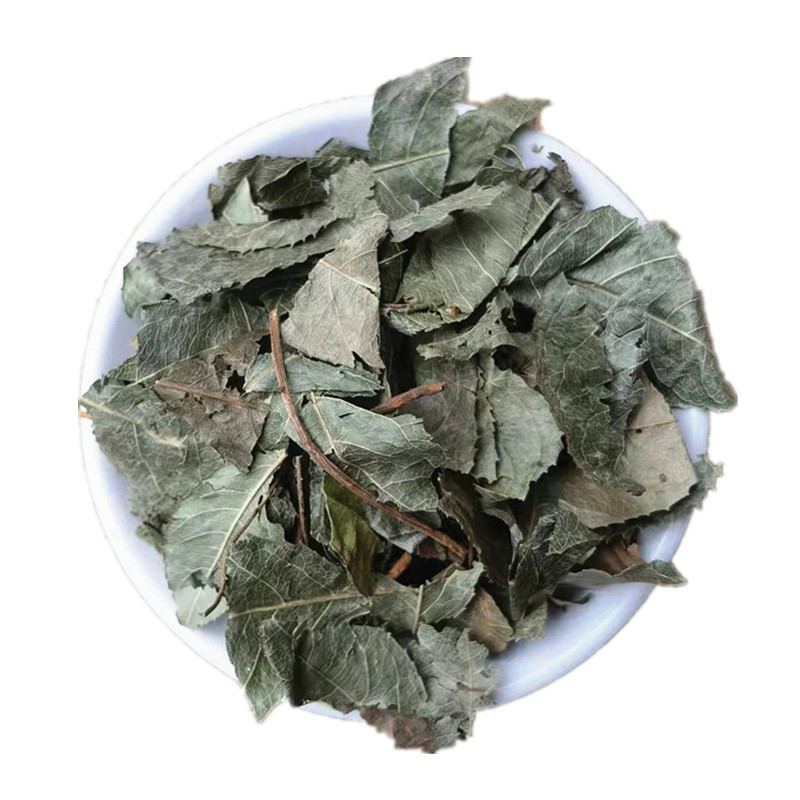
Dried Ai Di Tea Herb Ardisia Japonica Whole Herb Traditional TCM Decoction Herb Bulk Supply
$6.13
99904 in stock
Description
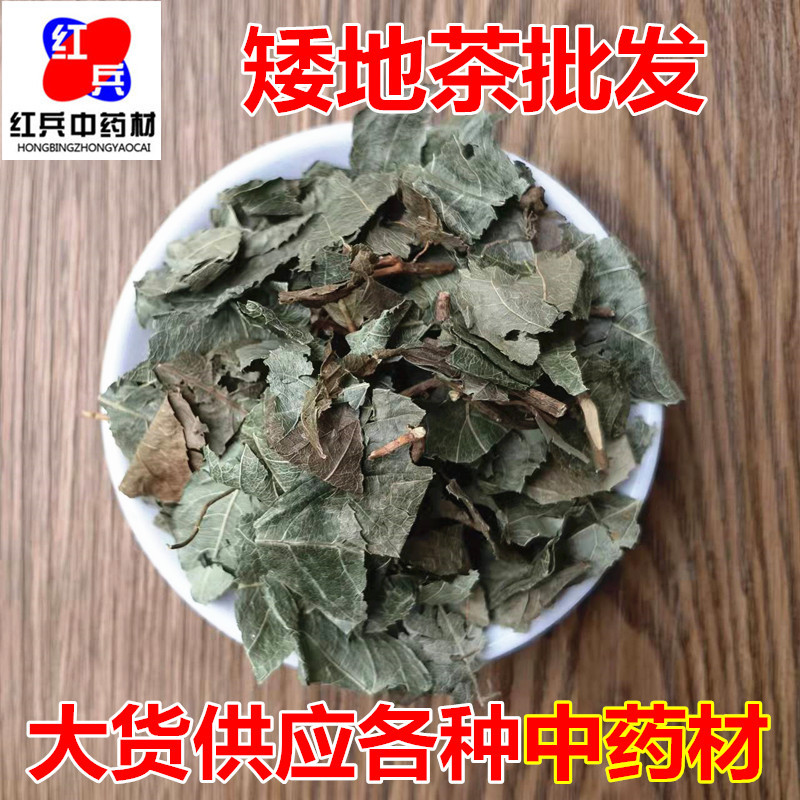
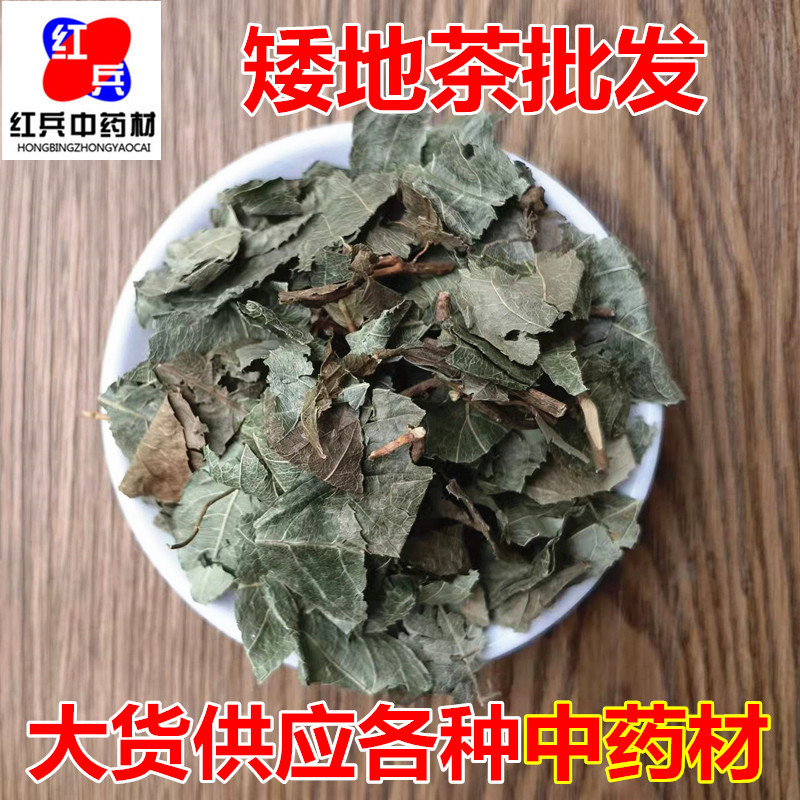
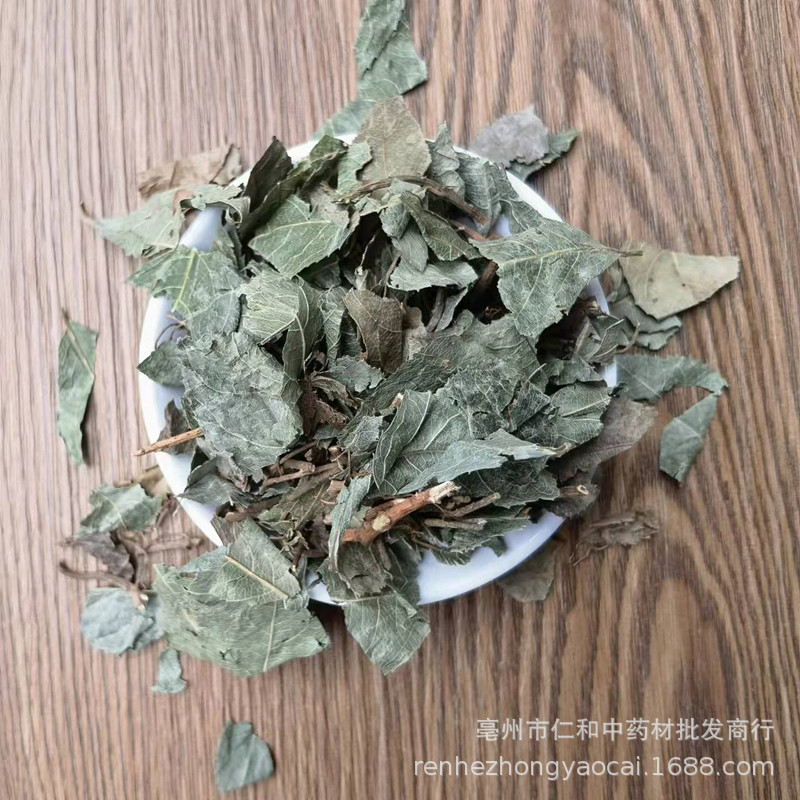
Dried Ai Di Cha (矮地茶), also called Ping Di Mu (平地木), is the dried whole herb of Ardisia japonica, a traditional Chinese medicine herb. In TCM theory it is considered acrid, slightly bitter, and gently warming, and is traditionally associated with the lung and liver channels. This wholesale listing offers the whole dried herb, typically used in decoctions and herbal formulas. Store refrigerated and use under professional guidance.
Key Selling Points
- Whole dried herb of Ardisia japonica supplied as a raw TCM botanical
- Known in Chinese herbalism as Ai Di Cha (矮地茶) or Ping Di Mu (平地木)
- Traditionally associated with the lung and liver channels in TCM theory
- Sold by the jin as a food-grade agricultural product with a 12-month shelf life
- Refrigerated storage recommended to preserve aroma and quality
Quality & Sensory
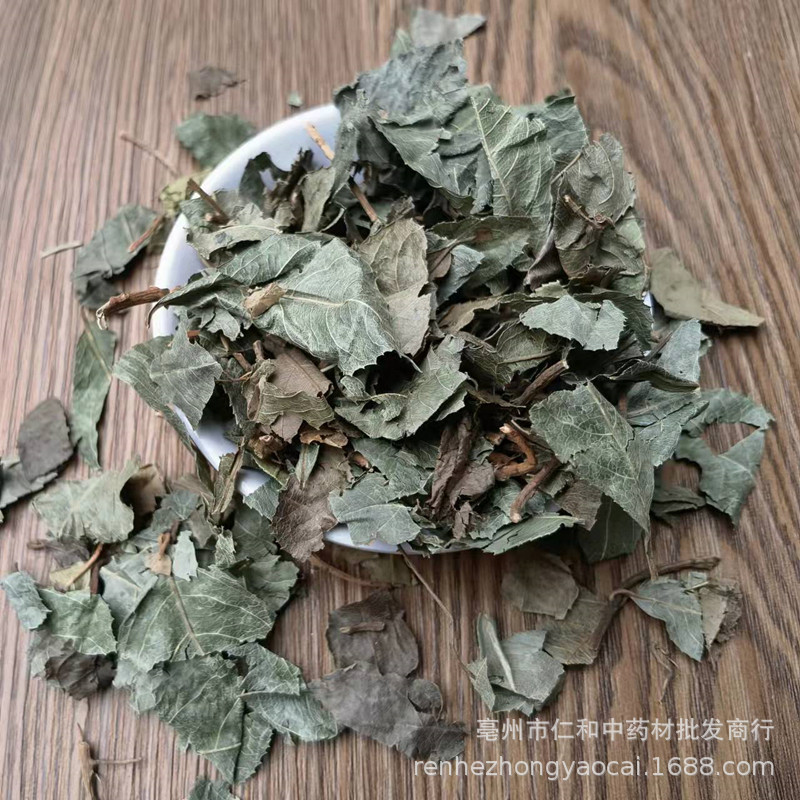
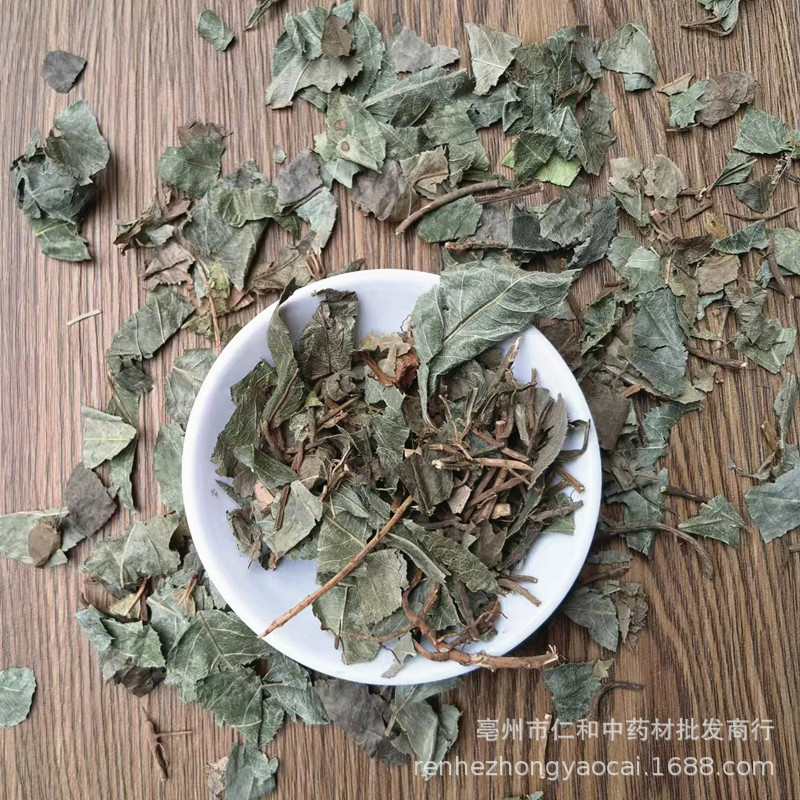
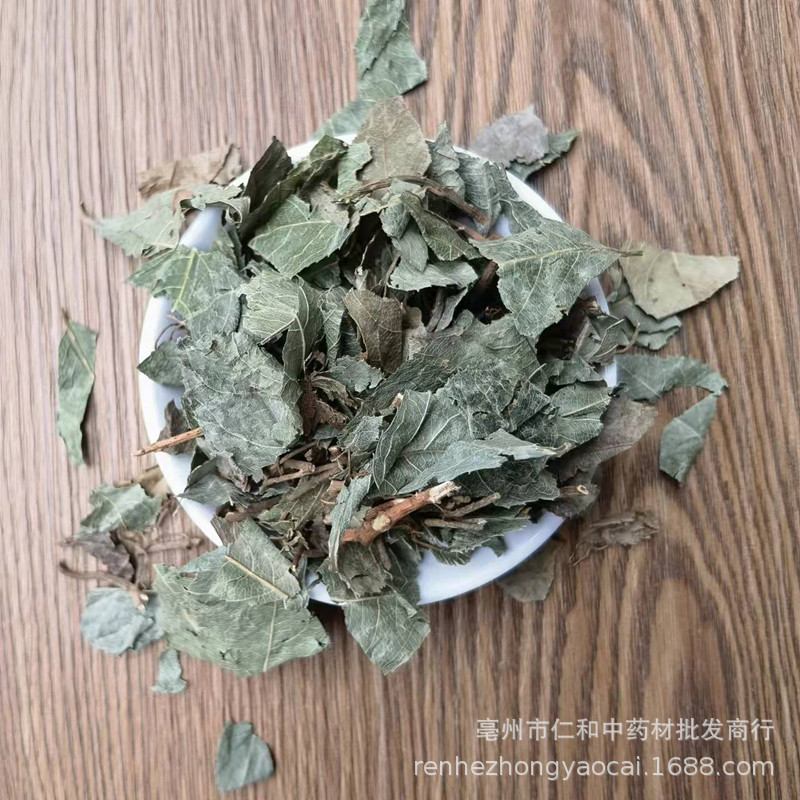
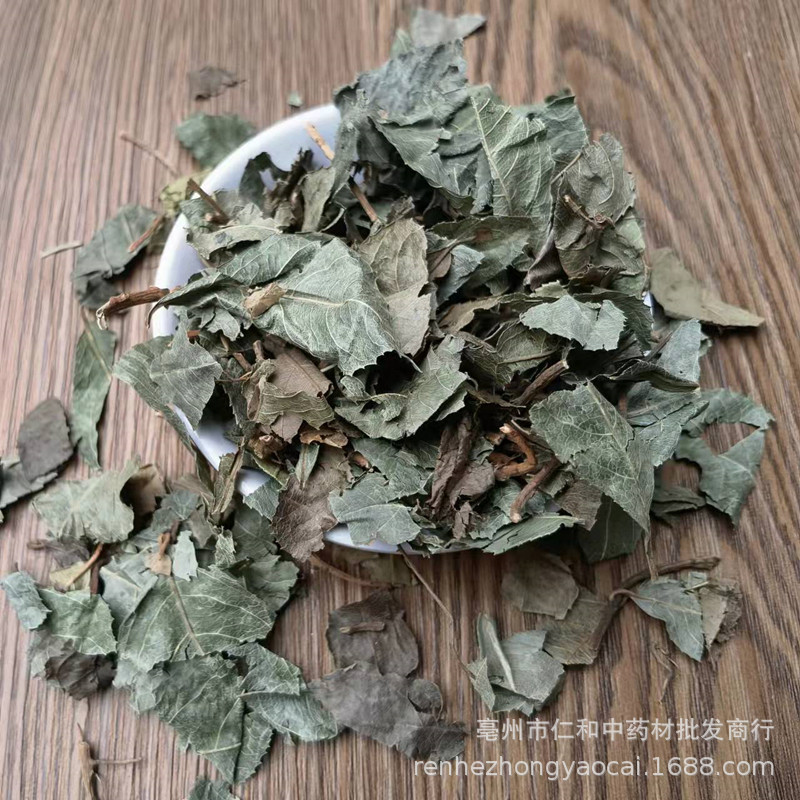
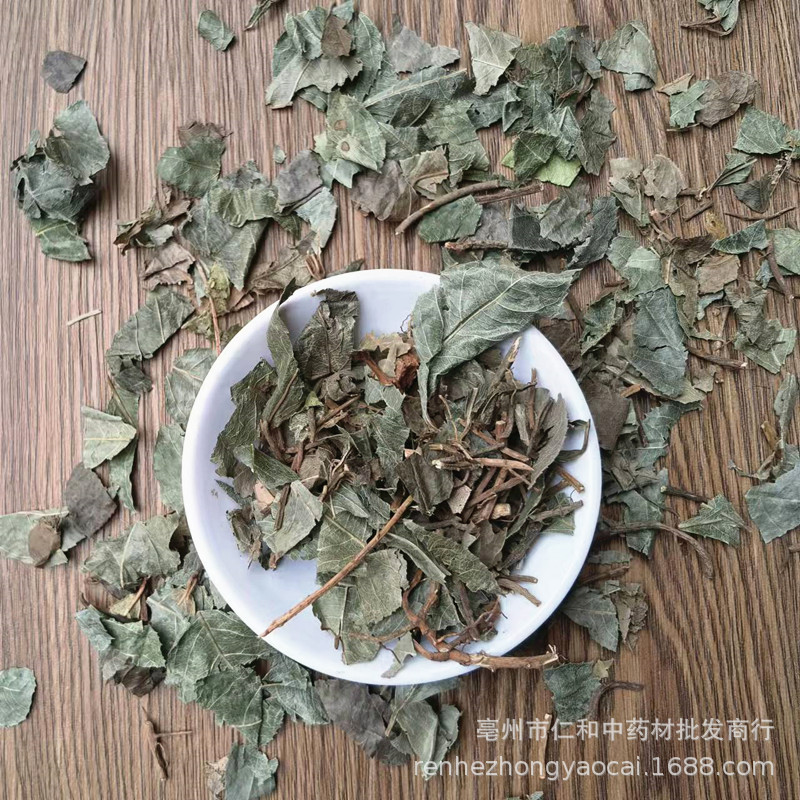
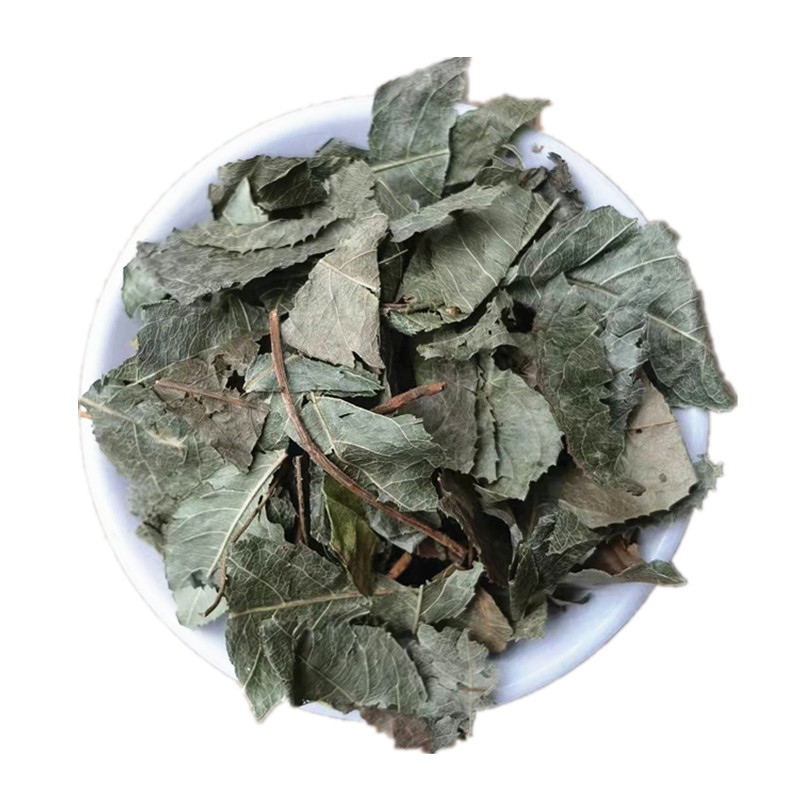
The dried herb typically consists of slender stems with dark green to brownish leaves and fine roots, with a faint herbal aroma. When decocted, it typically yields a light brownish infusion with a mildly bitter, slightly acrid taste.
Technical Specifications
| Product Type | Raw dried whole herb |
|---|---|
| Chinese Name | 矮地茶 平地木 |
| Pinyin | Ai Di Cha / Ping Di Mu |
| Botanical Name | Ardisia japonica |
| Plant Part | Whole herb with leaves and roots |
| Net Weight | Sold by the jin (500 g) |
Usage Scenarios
- Simmered into traditional herbal decoctions
- Blended into multi-herb TCM formulas
- Prepared as a mild traditional herbal tea infusion
- Used in seasonal wellness soup preparations
Traditional Uses
In traditional Chinese medicine practice, Ai Di Cha has long been used in decoctions, often simmered alone or combined with other lung-related herbs such as loquat leaf or platycodon root in classical formulas. Folk herbalism also prepared it as a simple infusion for daily seasonal wellness. It is traditionally valued in formulas associated with coughs and dampness patterns, and is commonly sourced in autumn and winter herbal preparations.
FAQ Q&A
Q: What is this product?
A: It is the dried whole herb of Ardisia japonica, known in TCM as Ai Di Cha (矮地茶) or Ping Di Mu (平地木), supplied as a raw agricultural botanical.
Q: What is its traditional value?
A: In TCM theory it is acrid, slightly bitter, and gently warming, traditionally associated with the lung and liver channels and used in classical decoctions.
Q: How is it commonly prepared?
A: It is typically simmered in water for a decoction, either alone or combined with other herbs, or steeped as a mild traditional infusion.
Additional information
| Weight | 0.6 kg |
|---|---|
| Dimensions | 25 × 18 × 8 cm |
Related products
-
Astragalus Root Slices Huang Qi 500g Dried Herb for Soups and Teas
Price range: $7.36 through $22.11 -
Tie Pi Shi Hu Dried Dendrobium Stems 500g Huoshan Fengdou for Soup and Tea
Price range: $35.88 through $108.80 -
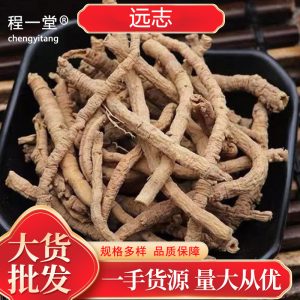
Dried Polygala Root Yuan Zhi 500g Traditional Chinese Herb for Decoction
Price range: $18.87 through $24.54 -
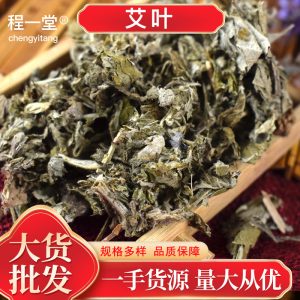
Dried Mugwort Leaf Ai Ye 500g Chinese Herbal Bath Foot Soak and Smoke Cleansing Herb
Price range: $4.77 through $5.25
Reviews
There are no reviews yet.