
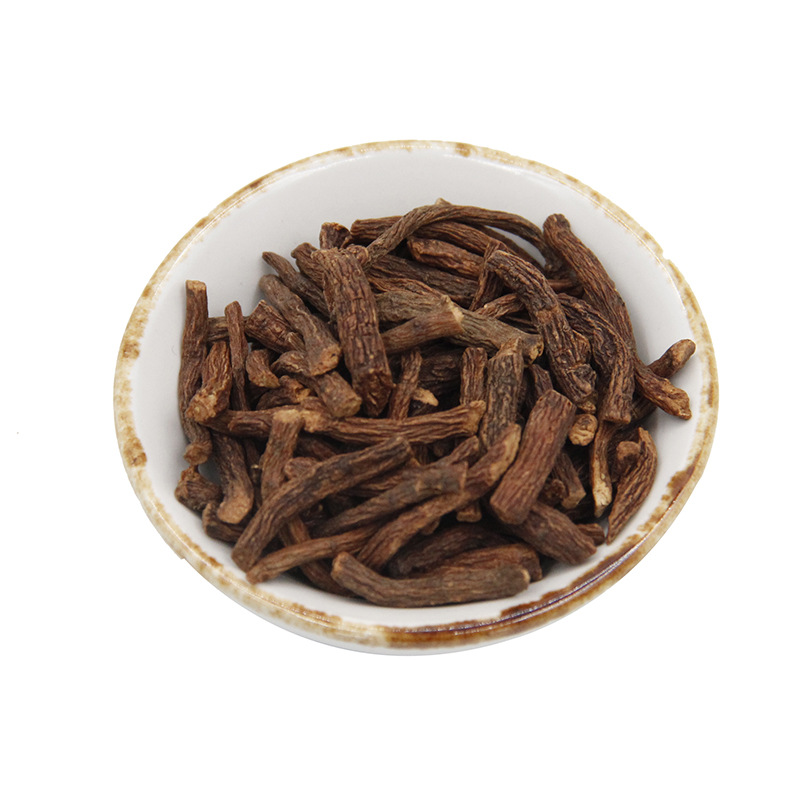
Dandelion Root Tea Pu Gong Ying 150g Roasted Dried Herbal Tea from Changbai Mountain
Price range: $4.67 through $6.03
Description
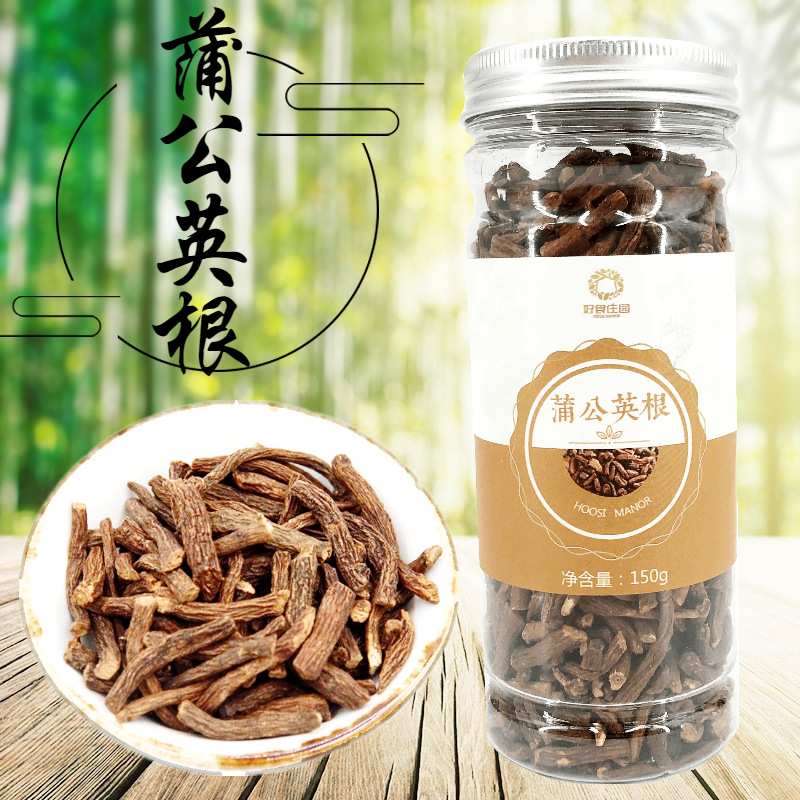
Roasted Dandelion Root Tea, known in TCM as Pu Gong Ying (蒲公英), from Taraxacum officinale, made from dried and roasted dandelion roots. In TCM theory, dandelion is traditionally associated with clearing heat and supporting the liver channel. This caffeine-free herbal tea is sugar-free and packaged in individual 10g trial sachets. Steep in hot water as a daily herbal infusion and enjoy as part of a balanced wellness routine.


Key Selling Points
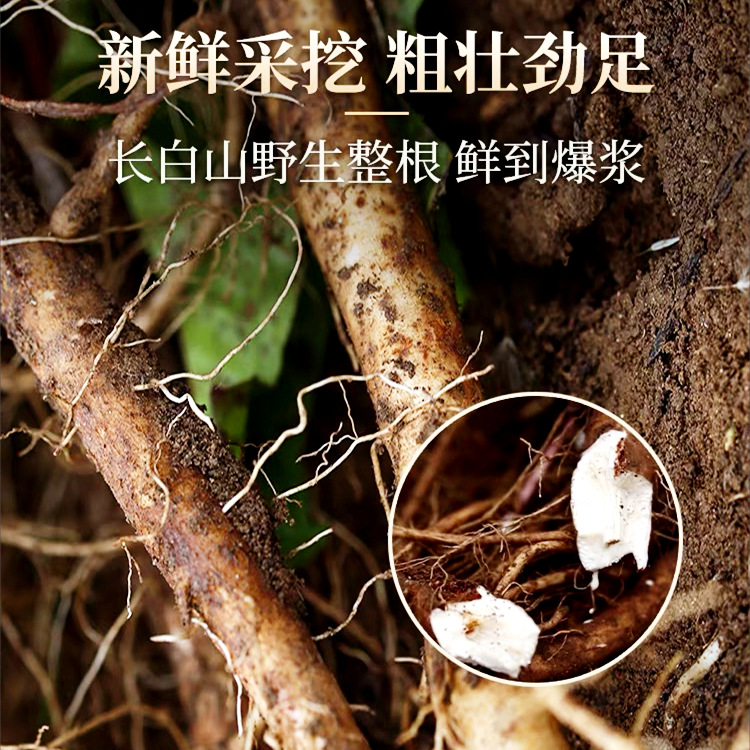
- Made from dried and roasted dandelion roots sourced from the Changbai Mountain region of Northeast China
- Known in TCM as Pu Gong Ying (蒲公英), a traditional herb associated with clearing heat
- Caffeine-free and sugar-free herbal tea suitable for daily infusion
- Conveniently packed in individual 10g sachets for fresh single servings
- Produced by a SC-certified facility with standardized clean production


Quality & Sensory
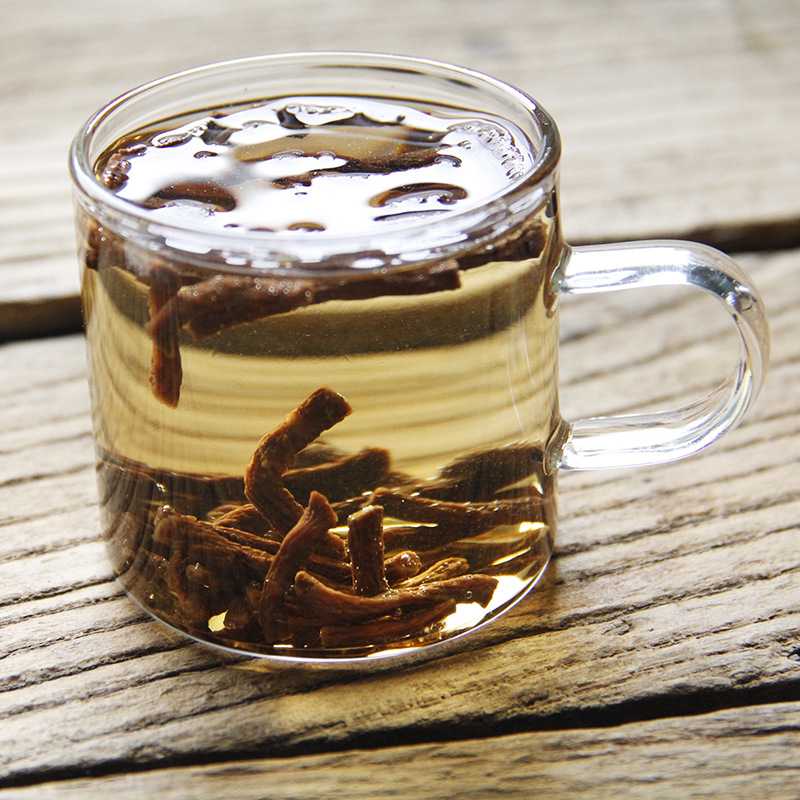
The roasted root pieces typically appear dark brown with a firm, woody texture and an earthy, slightly smoky aroma. When brewed, the infusion typically shows an amber-brown color with a mellow, roasted, mildly bitter taste and a clean herbal finish.


Technical Specifications
| Product Type | Herbal tea |
|---|---|
| Chinese Name | 蒲公英根 |
| Pinyin | Pu Gong Ying Gen |
| Botanical Name | Taraxacum officinale |
| Plant Part | Root |
| Net Weight | 150g |


Usage Scenarios
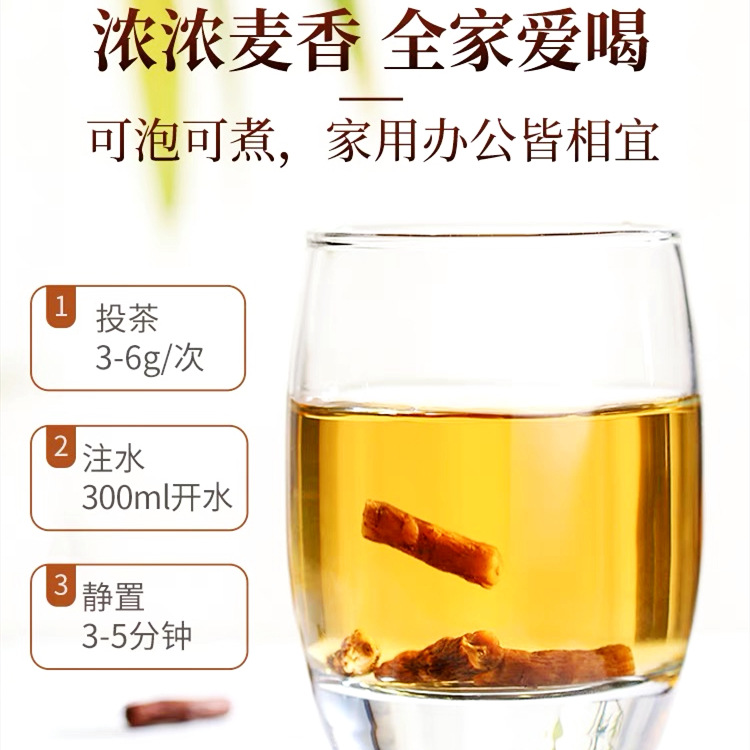
- Steep roasted dandelion root in hot water as a daily caffeine-free herbal tea
- Simmer the roots for a stronger traditional decoction
- Enjoy as a warm seasonal wellness drink in autumn and winter
- Brew a single 10g sachet for a convenient cup at home or the office


Traditional Uses
In traditional Chinese practice, dandelion root has long been prepared as a decoction or infusion, often valued in folk herbalism for seasonal wellness. It is commonly brewed alone as a roasted root tea or combined with other herbs such as chrysanthemum or goji berries. Many people enjoy it as a warm daily drink, particularly during spring and summer when lighter, cooling infusions are traditionally favored.


FAQ Q&A
Q: What is this product?
A: This is roasted dried dandelion root, known in TCM as Pu Gong Ying (蒲公英), packaged as a 150g herbal tea with individual 10g sachets.
Q: What are its traditional characteristics?
A: In TCM theory, dandelion is traditionally associated with clearing heat and supporting the liver channel, and it is a familiar folk herb for seasonal wellness.
Q: How is it commonly prepared?
A: Steep the roasted root pieces in hot water for several minutes to make a caffeine-free herbal infusion, or simmer them for a stronger decoction.
Additional information
| Weight | N/A |
|---|---|
| Dimensions | N/A |
| Model | 一罐150g装, 独立小袋10g试用装 |
Related products
-
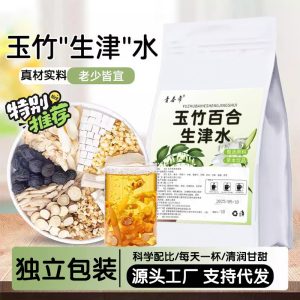
Yu Zhu Bai He Sheng Jin Tea 5g x 12 Bags Sugar-Free Herbal Tea Blend with Solomon Seal Lily Bulb Ophiopogon
$3.93 -
Red Snow Tea 500g Tibetan Wild Herbal Tea Hong Xue Cha Loose Flower Tea for Daily Brewing
$10.76 -
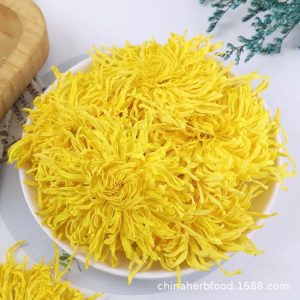
Chrysanthemum Tea Ju Hua 菊花 Dried Flower Buds 100g Traditional Herbal Infusion
$3.60 -
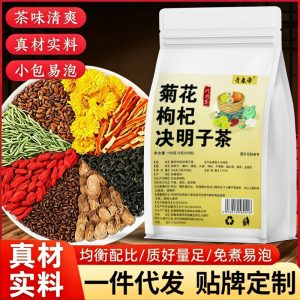
Chrysanthemum Goji Cassia Seed Tea 30 Bags Sugar Free Herbal Flower Tea Blend Hot Brew Wellness Tea
$4.30
Reviews
There are no reviews yet.